Ingredient Guide · Citrus Aromatic
Citrus Aromatic Family · Perfumery Note

Chinese Grapefruit

A vibrant citrus note with tangy freshness and subtle floral nuance.

Chinese Grapefruit is a top note in perfumery, celebrated for its zesty, tangy, and slightly floral character. Its essential oil is dominated by d-limonene (90–95%) and nootkatone, which impart its signature bitterness and sparkling freshness.

Chinese Grapefruit
Ingredient Profile

Chinese Grapefruit

Citrus Aromatic Family
Family Citrus Aromatic
Note Position Heart Note
Usage Level 1–3%
Key Origins China, Taiwan, Japan
Iconic In Terre d’Hermès, Chance Eau Tendre
The Ingredient

What does Chinese Grapefruit smell like and why is it prized in perfumery?

Chinese Grapefruit, botanically classified as Citrus maxima or Citrus × paradisi depending on regional usage, is renowned in perfumery for its vibrant, zesty scent profile. What does Chinese Grapefruit smell like? Its aroma is defined by a bright, tangy citrus freshness, underpinned by subtle floral and green nuances. The dominant molecular component is d-limonene (90–95% of the essential oil), which delivers the characteristic citrus sparkle. Nootkatone, a bicyclic sesquiterpene ketone present at 0.05–0.3%, imparts the signature bitter, woody undertone unique to grapefruit. Trace sulfur compounds, such as para-menth-1-en-8-thiol, contribute a faintly tropical, blackcurrant-like nuance, while linalool oxide (up to 12%) adds a green-floral facet. This complex molecular interplay results in a scent that is simultaneously fresh, tart, and slightly bitter, with a lingering clean finish. In perfumery, Chinese Grapefruit is almost exclusively used as a top note due to its high volatility and immediate olfactory impact. It is typically dosed at 1–3% in eau de toilette and eau de parfum compositions, though higher concentrations are possible in cologne structures. Its volatility means it projects strongly in the first 15–30 minutes, after which it transitions into softer heart notes. On skin, the scent can shift depending on individual pH and moisture, sometimes emphasizing the bitter or floral aspects. The note is valued for its ability to provide a lively, uplifting opening, setting the stage for more complex heart and base notes. Chinese Grapefruit in perfumery is exemplified in several modern and classic fragrances. Terre d’Hermès (Hermès, 2006, Jean-Claude Ellena) uses grapefruit as a dominant top note, paired with orange and flint for a mineral-citrus effect. Chanel Chance Eau Tendre (2010, Jacques Polge) features grapefruit in the opening, blending it with quince and jasmine for a soft, fruity-floral introduction. These fragrances demonstrate the versatility and enduring appeal of Chinese Grapefruit as a defining citrus note.

1–3%
Typical concentration of Chinese Grapefruit oil in eau de parfum and eau de toilette formulas, balancing freshness with longevity.
30–60 minutes
Average duration of Chinese Grapefruit’s top note effect on skin, reflecting its high volatility and rapid evaporation.
$40–$120/kg
Wholesale price range for natural Chinese Grapefruit oil, influenced by origin, purity, and furocoumarin content.
Origin & Extraction

Where Chinese Grapefruit Comes From — Origin & Extraction

The scent character of Chinese Grapefruit is shaped by the terroir of its growing regions—soil composition, rainfall, and climate all influence the aromatic profile, from bitterness to floral nuance.

Chinese Grapefruit, known botanically as Citrus maxima or Citrus × paradisi, is native to Southeast Asia and southern China, with historical cultivation in the Fujian and Guangdong provinces. The fruit is a natural hybrid, with Citrus × paradisi resulting from a cross between pomelo (Citrus maxima) and sweet orange (Citrus sinensis), first documented in Barbados in the 18th century. Today, major commercial production occurs in China, Taiwan, Japan, and also Florida (USA) for related cultivars. China leads global production of pomelo-type grapefruits, with annual yields exceeding 4 million metric tons, while the United States dominates the market for pink and white grapefruit varieties. The essential oil used in perfumery is extracted primarily from the fruit’s rind via cold pressing (mechanical expression), a process that preserves the delicate volatile compounds. Yields are typically 0.5–1% oil by weight of fresh peel. Steam distillation is occasionally used to obtain terpeneless fractions with higher nootkatone content, but this method is less common due to thermal degradation of key aroma molecules. The resulting oil is pale yellow to greenish and highly volatile, requiring stabilization for use in fragrance formulations. Wholesale prices for natural Chinese Grapefruit oil range from $40–$120 per kg, depending on origin and furocoumarin content. Synthetic substitutes, such as Methyl Pamplemousse (CAS 67674-46-8) and nature-identical nootkatone (CAS 4674-50-4), are available at $20–$60 per kg, offering greater consistency and reduced phototoxicity. Sustainability concerns center on the environmental impact of large-scale citrus monoculture, including pesticide use and water consumption. However, cold pressing is a low-energy, solvent-free process, and byproducts are often repurposed as animal feed. Modern supply chains increasingly emphasize traceability, reduced furocoumarin content for safety, and responsible agricultural practices.

CN

China

Fujian and Guangdong provinces produce pomelo-type Chinese Grapefruit with thick rind, high limonene, and pronounced bitterness. Traditional hand-harvesting and fertile alluvial soils yield robust, aromatic fruit. China accounts for over 60% of global pomelo production.

TW

Taiwan

Yunlin and Chiayi regions are known for sweet, fragrant pomelo cultivars with lower bitterness and more floral notes. Volcanic soils and subtropical climate contribute to a nuanced, juicy aroma. Taiwan exports specialty pomelos for both culinary and perfumery use.

JP

Japan

Ehime and Wakayama prefectures grow grapefruit and pomelo hybrids with a delicate, aromatic profile. High rainfall and careful pruning techniques result in fruit with balanced acidity and subtle floral undertones. Japan’s share is smaller but prized for quality.

US

United States

Florida produces pink and white grapefruit (Citrus × paradisi) with high juice content and a sweeter, less bitter aroma. Sandy soils and warm climate yield oil rich in nootkatone and limonene. The US is a major exporter of grapefruit essential oil for perfumery.

Chemistry

Natural vs Synthetic Chinese Grapefruit in Perfumery

Natural Chinese Grapefruit oil is dominated by d-limonene (CAS 5989-27-5), with supporting roles from nootkatone (CAS 4674-50-4), linalool oxide, and trace sulfur compounds such as para-menth-1-en-8-thiol. The natural oil offers a complex, nuanced scent but is prone to rapid oxidation and phototoxicity due to furocoumarins. Its volatility limits longevity, with top note effects lasting 30–60 minutes on skin. Synthetic aroma chemicals, including Methyl Pamplemousse (CAS 67674-46-8), Paradisamide, and nature-identical nootkatone, are widely used to enhance or substitute natural grapefruit notes. These synthetics provide greater stability, longer-lasting diffusion, and consistent olfactory profiles, often extending the citrus effect into the heart of a fragrance. Cost is a significant factor: natural oil ranges from $40–$120/kg, while synthetics are $20–$60/kg. Many modern fragrances blend both forms to optimize performance and safety. Notably, Terre d’Hermès (Hermès, 2006) and Chanel Chance Eau Tendre (2010) use both natural and synthetic grapefruit materials for a balanced effect. Sustainability and supply chain transparency are increasingly important, with the HumanSafe™ platform verifying ingredient sourcing and safety for CA Perfume. Synthetic molecules also reduce the risk of phototoxic reactions and environmental strain from monoculture citrus farming. Overall, the choice between natural and synthetic is driven by desired olfactory complexity, performance, and regulatory compliance.

Natural
Chinese Grapefruit Absolute
Cost $3,000–6,000/kg
Method Solvent / CO₂
Character Complex, variable
vs
Synthetic
Safranal & Analogues
Cost $50–200/kg
Method Lab synthesis
Character Consistent, stable
Hall of Fame

Famous Fragrances That Define Chinese Grapefruit in Perfumery

2006
dominant note

Terre d’Hermès

Hermès
by Jean-Claude Ellena
OrangeFlintWoods
2010
accent

Chance Eau Tendre

Chanel
by Jacques Polge
QuinceJasmineWhite Musk
1992
dominant note

Grapefruit Cologne

Jo Malone London
by Jo Malone
RosemaryVetiverMoss
2017
bridge note

Light Blue Eau Intense Pour Homme

Dolce & Gabbana
by Alberto Morillas
MandarinJuniperAmberwood
2016
dominant note

Tygar

Bvlgari
by Jacques Cavallier
AmbroxWoodsMusk

Chinese Grapefruit, or grapefruit as a perfume note, has defined the opening of many landmark fragrances. Terre d’Hermès (Hermès, 2006, Jean-Claude Ellena) is perhaps the most iconic, using grapefruit as a dominant top note to create a mineral-citrus accord with orange and flint. Chanel Chance Eau Tendre (2010, Jacques Polge) features grapefruit in the opening, blending it with quince and jasmine for a soft, fruity-floral effect. Jo Malone London Grapefruit Cologne (1992, Jo Malone) is a minimalist composition that highlights grapefruit’s zesty freshness, paired with rosemary and vetiver for a clean, unisex character. Dolce & Gabbana Light Blue Eau Intense Pour Homme (2017, Alberto Morillas) employs grapefruit as a sparkling top note, supported by mandarin and juniper for a Mediterranean freshness. Bvlgari Tygar (2016, Jacques Cavallier) showcases grapefruit with ambrox and woods, creating a modern, luminous citrus-woody structure. These fragrances illustrate the versatility of Chinese Grapefruit as a top note, whether as a dominant, bridge, or accent note. CA Perfume’s collection draws inspiration from this lineage, offering interpretations that emphasize both the natural zest and the sophisticated, long-lasting effects achievable through modern perfumery.

The Accord

How is a captivating Chinese Grapefruit accord crafted?

A Chinese Grapefruit accord is constructed by blending 30–35% Chinese Grapefruit oil for its zesty, tangy impact; 20–25% Rose for a soft floral bridge (damascenone links the citrus and floral facets); 20–25% White Honey to round out bitterness with a smooth, sweet undertone (methyl anthranilate and phenylacetic acid); and 20–25% Agarwood (Oud) for a resinous, grounding depth (agarol and jinkoh-eremol). This combination balances volatility, sweetness, and tenacity for a multidimensional citrus-floral accord.

35%

Chinese Grapefruit

30–35% of blend

Provides the zesty, tangy citrus impact; d-limonene and nootkatone drive the sparkling, bitter freshness.

25%

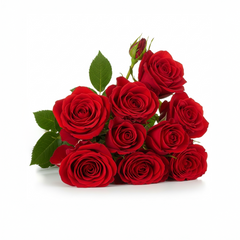
Rose

20–25% of blend

Damascenone and geraniol bridge citrus and floral facets, softening sharpness and adding a romantic nuance.

25%

White Honey

20–25% of blend

Methyl anthranilate and phenylacetic acid impart smooth, sweet warmth, balancing the citrus sharpness.

25%

Agarwood (Oud)

20–25% of blend

Agarol and jinkoh-eremol provide resinous depth, grounding the accord and extending longevity.

The Olfactory Layers

How Chinese Grapefruit Evolves on Skin

Chinese Grapefruit’s olfactory evolution begins with a burst of volatile citrus molecules, transitions to a green-floral heart, and settles into a clean, faintly woody base as heavier sesquiterpenes persist.

I
Top notes
0–15 min
Zesty Citrus Flash

A zesty explosion of d-limonene and myrcene creates an immediate, sparkling citrus impression. Sulfur compounds like para-menth-1-en-8-thiol add a faintly tropical, blackcurrant nuance. These highly volatile molecules evaporate rapidly, delivering the signature fresh, tangy opening.

ZestyTangySparkling
II
Heart notes
20–60 min
Green-Floral Transition

As the top notes dissipate, linalool oxide and trace floral molecules emerge, lending a green, slightly soapy floral character. Nootkatone begins to assert itself, introducing a woody, bitter undertone that anchors the composition.

GreenFloralBitter
III
Base notes
Several hours
Clean Woody Finish

The drydown is subtle, with persistent nootkatone and minor furan derivatives imparting a clean, faintly woody finish. Any residual sweetness or muskiness comes from supporting notes, as the citrus character fades.

CleanWoodySubtle
TOP NOTES Zesty Citrus Flash 0–15 minutes HEART NOTES Green-Floral Transition 20–60 minutes BASE NOTES Clean Woody Finish Several hours
Through the Ages

The Story of Chinese Grapefruit in Perfumery

Chinese Grapefruit’s journey in perfumery spans from ancient cultivation in China to its modern role as a defining citrus note in global fragrance.

Antiquity

Cultivation in Southern China

Chinese Grapefruit (Citrus maxima) is cultivated in southern China for centuries, prized for its medicinal and aromatic properties. Ancient texts reference its use in food and ritual.

1750

Botanical Documentation

The Reverend Griffith Hughes describes the 'forbidden fruit' in Barbados, later identified as a hybrid of pomelo and sweet orange (Citrus × paradisi), laying the groundwork for modern grapefruit.

1823

Introduction to Florida

Count Odet Philippe introduces grapefruit to Florida, USA, initiating large-scale cultivation and eventual dominance of the global grapefruit oil market.

1933

First Commercial Oil Extraction

Florida produces its first batches of grapefruit essential oil via cold pressing, supplying the growing perfume industry with a new, vibrant citrus note.

2006

Modern Citrus Icon

Terre d’Hermès launches, with Jean-Claude Ellena’s signature use of grapefruit as a mineral-citrus top note, cementing its status in contemporary perfumery.

The Art of Layering

How to Layer Chinese Grapefruit

Understanding how to layer Chinese Grapefruit is key to maximizing its impact. Its high volatility and molecular compatibility with florals, musks, and woods allow for dynamic, multi-dimensional blends.

01

Enhance Sweetness

Pair Chinese Grapefruit with white honey or vanilla. Vanillin and methyl anthranilate mask the bitter edge of nootkatone, creating a smoother, more gourmand citrus effect. Jo Malone Grapefruit Cologne layered with Vanilla & Anise demonstrates this synergy.

02

Add Depth

Layer with woody or amber notes such as sandalwood or benzoin. The shared presence of furan derivatives and sesquiterpenes creates a molecular bridge, extending the citrus freshness into the drydown. Terre d’Hermès exemplifies this approach.

03

Lighten the Glow

Combine with airy florals like jasmine or orange blossom. Linalool and indole in these florals complement the green-floral facet of Chinese Grapefruit, resulting in a radiant, uplifting blend. Chanel Chance Eau Tendre is a classic example.

Wear It Right

How to Wear Chinese Grapefruit Like a Pro

Seasonal Guide

Fall & Winter

In cooler temperatures, Chinese Grapefruit’s projection is reduced as volatility decreases. Layer with warm, resinous notes like amber or woods to enhance longevity and create a cozy, uplifting effect. Apply to pulse points under clothing for a subtle, persistent freshness.

Spring

Spring’s moderate temperatures allow Chinese Grapefruit’s zesty top notes to shine without overwhelming. Pair with green florals or light musks for a crisp, revitalizing scent that complements the season’s renewal.

Summer

High heat amplifies volatility, making Chinese Grapefruit exceptionally vibrant but short-lived. Apply lightly to exposed skin, and consider layering with coconut or white florals to extend the freshness. Reapply as needed for a continuous citrus lift.

Year-Round Tip

For all seasons, use Chinese Grapefruit as a layering note to brighten heavier fragrances or add a sparkling accent to musky or woody bases. Adjust application to match temperature and desired projection.

Application Points

Strategic application maximizes Chinese Grapefruit’s freshness and projection, especially on pulse points and areas with good air circulation.

1

Neck

Applying to the neck leverages body heat to volatilize top notes, enhancing the initial citrus burst and sillage.

2

Behind the Ears

This area is warm and less exposed to sunlight, helping Chinese Grapefruit’s aroma linger while minimizing phototoxicity risk.

3

Inner Wrists

Pulse points on the wrists intensify the zesty opening, but frequent hand washing may reduce longevity.

4

Hair

Spraying lightly on hair provides a sustained release as hair moves, extending the fresh citrus impression throughout the day.

★

Pro Tip

Layer Chinese Grapefruit with a fixative-rich base fragrance to anchor its volatility and prolong the citrus effect.

Mood Architecture™

Top Chinese Grapefruit Fragrances by Mood Score

These Chinese Grapefruit-based fragrances scored highest on the MEI™ Mood Architecture Framework — measuring how a scent may influence your emotional state.

Highest MEI Score
Black Saffron — Byredo Black Saffron Alternative Perfume
6.0
MEI™
Primary Fresh
Secondary Romantic
Confidence
5.8
Presence
6.1
Mood Lift
6.55
Identity
6.17
Warmth
6.05
Social Ease
6.15
Energy
3.3
" I am radiant.
View full mood profile →
HumanSafe™

Top Chinese Grapefruit Fragrances by HumanSafe™ Score

These Chinese Grapefruit-based fragrances have the highest product-level HumanSafe™ scores in this ingredient collection.

Highest HumanSafe™ Score
Black Saffron — Byredo Black Saffron Alternative Perfume
A-
HumanSafe™ Score Generally Safe
Safest Evaluated Ingredients EDP
AQUA Solvent / Carrier ISS 10.0
1,4-DIOXACYCLOHEPTADECANE-5,17-DIONE Evaluated ingredient ISS 10.0
4H-INDEN-4-ONE, 1,2,3,5,6,7-HEXAHYDRO-1,1,2,3,3- Evaluated ingredient ISS 9.0
3-DECEN-5-OL, 4-METHYL- Evaluated ingredient ISS 8.0
ALPHA-CEDRENE Evaluated ingredient ISS 7.0
ALCOHOL DENAT. Solvent / Carrier ISS 7.0
View full safety profile →
Expert Voices

What Masters Say About Chinese Grapefruit

“
Chinese Grapefruit’s signature bitterness and sparkling freshness are due to the interplay of d-limonene and nootkatone, making it indispensable for modern citrus compositions.
CA Perfume Editorial
“
The volatility of natural grapefruit oil is both its strength and its challenge—synthetic enhancers like Methyl Pamplemousse are often used to prolong its zesty impact.
CA Perfume Editorial
Common Questions

Frequently Asked Questions

Answers to common questions about Chinese Grapefruit in perfumery, from scent profile to layering and seasonal suitability.

Chinese Grapefruit in perfume delivers a zesty, tangy citrus aroma with subtle floral and green nuances. The scent is dominated by d-limonene, which imparts sparkling freshness, while nootkatone adds a signature bitter, woody undertone. Trace sulfur compounds contribute a faintly tropical nuance. The result is a lively, uplifting top note that evolves into a clean, slightly woody finish.

Chinese Grapefruit is almost exclusively used as a top note in perfumery due to its high volatility and immediate olfactory impact. It projects strongly in the first 15–30 minutes and then transitions to softer heart notes as the lighter molecules evaporate.

Chinese Grapefruit is prized in niche perfumery for its ability to create a vibrant, attention-grabbing opening. Its complex molecular profile—combining citrus, floral, and woody facets—adds depth and sophistication to modern compositions. It also pairs well with a wide range of notes, enhancing both fresh and warm fragrance structures.

Chinese Grapefruit fragrance uses often include pairing with rose, white honey, agarwood, and benzoin. These notes provide molecular bridges—damascenone in rose, methyl anthranilate in honey, and agarol in oud—that balance the citrus sharpness and extend the scent’s longevity.

Yes, Chinese Grapefruit is ideal for summer and hot weather due to its high volatility and refreshing, uplifting character. The heat amplifies its projection, making it especially vibrant in warm conditions. However, reapplication may be needed as the scent dissipates quickly.

Chinese Grapefruit’s top note effect usually lasts 30–60 minutes on skin, depending on concentration and supporting fixatives. In compositions with synthetic enhancers or fixatives, the citrus freshness can persist into the heart and even base notes.

Absolutely. How to layer Chinese Grapefruit: combine with florals (rose, jasmine), gourmands (vanilla, honey), or woods (sandalwood, oud) for added depth and longevity. Layering exploits molecular compatibility, such as shared terpenes and aldehydes, to create a seamless, multidimensional scent.

Recommended entry points include Jo Malone London Grapefruit Cologne for a pure, zesty expression, Chanel Chance Eau Tendre for a soft, fruity-floral blend, and Terre d’Hermès for a sophisticated mineral-citrus structure. These fragrances showcase the versatility and appeal of Chinese Grapefruit in different contexts.

At CA Perfume, explore the collection by considering the desired balance of citrus freshness, floral nuance, and woody depth. Sample lighter cologne formats for pure zest, or opt for Eau de Parfum blends with supporting notes for greater longevity and complexity.

Chinese Grapefruit’s scent profile is primarily tangy and bitter, with sweetness emerging in certain cultivars or when paired with gourmand notes. The bitterness is due to nootkatone and sulfur compounds, while supporting ingredients like honey or vanilla can soften the edge and add a subtle sweetness.

Citrus Aromatic Collection

Explore Our Top Chinese Grapefruit Fragrances

Discover CA Perfume’s curated selection of Chinese Grapefruit fragrances, from pure citrus colognes to complex blends with floral and woody accents.

Shop all Chinese Grapefruit fragrances at CA Perfume →

Where Chinese Grapefruit Comes From — Origin & Extraction

Chinese Grapefruit, known botanically as Citrus maxima or Citrus × paradisi, is native to Southeast Asia and southern China, with historical cultivation in the Fujian and Guangdong provinces. The fruit is a natural hybrid, with Citrus × paradisi resulting from a cross between pomelo (Citrus maxima) and sweet orange (Citrus sinensis), first documented in Barbados in the 18th century. Today, major commercial production occurs in China, Taiwan, Japan, and also Florida (USA) for related cultivars. China leads global production of pomelo-type grapefruits, with annual yields exceeding 4 million metric tons, while the United States dominates the market for pink and white grapefruit varieties. The essential oil used in perfumery is extracted primarily from the fruit’s rind via cold pressing (mechanical expression), a process that preserves the delicate volatile compounds. Yields are typically 0.5–1% oil by weight of fresh peel. Steam distillation is occasionally used to obtain terpeneless fractions with higher nootkatone content, but this method is less common due to thermal degradation of key aroma molecules. The resulting oil is pale yellow to greenish and highly volatile, requiring stabilization for use in fragrance formulations. Wholesale prices for natural Chinese Grapefruit oil range from $40–$120 per kg, depending on origin and furocoumarin content. Synthetic substitutes, such as Methyl Pamplemousse (CAS 67674-46-8) and nature-identical nootkatone (CAS 4674-50-4), are available at $20–$60 per kg, offering greater consistency and reduced phototoxicity. Sustainability concerns center on the environmental impact of large-scale citrus monoculture, including pesticide use and water consumption. However, cold pressing is a low-energy, solvent-free process, and byproducts are often repurposed as animal feed. Modern supply chains increasingly emphasize traceability, reduced furocoumarin content for safety, and responsible agricultural practices.

Famous Fragrances That Define Chinese Grapefruit in Perfumery

Chinese Grapefruit, or grapefruit as a perfume note, has defined the opening of many landmark fragrances. Terre d’Hermès (Hermès, 2006, Jean-Claude Ellena) is perhaps the most iconic, using grapefruit as a dominant top note to create a mineral-citrus accord with orange and flint. Chanel Chance Eau Tendre (2010, Jacques Polge) features grapefruit in the opening, blending it with quince and jasmine for a soft, fruity-floral effect. Jo Malone London Grapefruit Cologne (1992, Jo Malone) is a minimalist composition that highlights grapefruit’s zesty freshness, paired with rosemary and vetiver for a clean, unisex character. Dolce & Gabbana Light Blue Eau Intense Pour Homme (2017, Alberto Morillas) employs grapefruit as a sparkling top note, supported by mandarin and juniper for a Mediterranean freshness. Bvlgari Tygar (2016, Jacques Cavallier) showcases grapefruit with ambrox and woods, creating a modern, luminous citrus-woody structure. These fragrances illustrate the versatility of Chinese Grapefruit as a top note, whether as a dominant, bridge, or accent note. CA Perfume’s collection draws inspiration from this lineage, offering interpretations that emphasize both the natural zest and the sophisticated, long-lasting effects achievable through modern perfumery.

Natural vs Synthetic Chinese Grapefruit in Perfumery

Natural Chinese Grapefruit oil is dominated by d-limonene (CAS 5989-27-5), with supporting roles from nootkatone (CAS 4674-50-4), linalool oxide, and trace sulfur compounds such as para-menth-1-en-8-thiol. The natural oil offers a complex, nuanced scent but is prone to rapid oxidation and phototoxicity due to furocoumarins. Its volatility limits longevity, with top note effects lasting 30–60 minutes on skin. Synthetic aroma chemicals, including Methyl Pamplemousse (CAS 67674-46-8), Paradisamide, and nature-identical nootkatone, are widely used to enhance or substitute natural grapefruit notes. These synthetics provide greater stability, longer-lasting diffusion, and consistent olfactory profiles, often extending the citrus effect into the heart of a fragrance. Cost is a significant factor: natural oil ranges from $40–$120/kg, while synthetics are $20–$60/kg. Many modern fragrances blend both forms to optimize performance and safety. Notably, Terre d’Hermès (Hermès, 2006) and Chanel Chance Eau Tendre (2010) use both natural and synthetic grapefruit materials for a balanced effect. Sustainability and supply chain transparency are increasingly important, with the HumanSafe™ platform verifying ingredient sourcing and safety for CA Perfume. Synthetic molecules also reduce the risk of phototoxic reactions and environmental strain from monoculture citrus farming. Overall, the choice between natural and synthetic is driven by desired olfactory complexity, performance, and regulatory compliance.