Ingredient Guide · Citrus
Citrus Family · Perfumery Note

Bitter Orange

A tart, radiant citrus with floral and green facets from fruit, flower, and leaf.

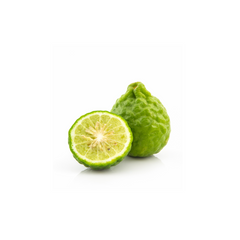
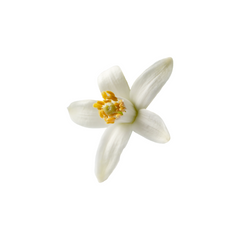
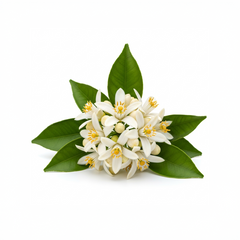
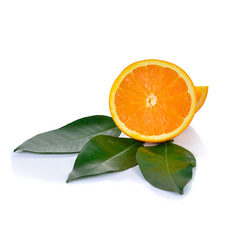
Bitter orange is a multifaceted citrus note in perfumery, appearing as oil, blossom, and leaf extracts. Its defining quality is a tart, zesty aroma with floral and green undertones, primarily from the fruit’s peel and blossoms. Key molecules include limonene, linalool, and linalyl acetate.

Bitter Orange
Ingredient Profile

Bitter Orange

Citrus Family
Family Citrus
Note Position Heart Note
Usage Level <2%
Key Origins Spain, Italy, Tunisia
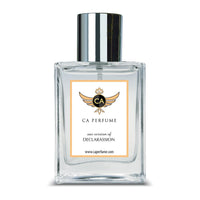
Iconic In Eau de Cologne Impériale, Declaration
The Ingredient

What does Bitter Orange smell like and why is it so prized in perfumery?

Bitter orange (Citrus aurantium, also known as Seville orange or bigarade) is a cornerstone of citrus perfumery, offering a scent profile that is both tart and complex. The essential oil from the peel is dominated by limonene (up to 90%), which imparts a bright, zesty citrus aroma. This is layered with subtle bitter, green, and slightly floral undertones from minor constituents such as linalool, myrcene, and decanal. Unlike sweet orange, bitter orange oil is less sugary and more aromatic, with a dry, pithy edge reminiscent of grapefruit and bergamot. The overall effect is intensely refreshing, slightly powdery, and tinged with a hint of spice and pine. In perfumery, bitter orange is used in multiple forms: as cold-pressed peel oil (top note), orange blossom absolute (heart note), neroli (top/heart), and petitgrain (top/heart). The oil is typically dosed at 0.5–3% in citrus colognes and chypres, while orange blossom absolute can reach 1–2% in floral compositions. Bitter orange interacts with skin chemistry by revealing more of its floral or green facets depending on individual pH and moisture, and its high volatility means it projects strongly at first but fades within 1–2 hours unless anchored by fixatives. Bitter orange in perfumery is exemplified by fragrances like Frederic Malle Bigarade Concentrée (2002, Jean-Claude Ellena), which showcases the tart, pithy character of bigarade oil, and Jo Malone London Orange Bitters (2016), where the note is paired with sandalwood and amber for a warm, bittersweet citrus effect. Other notable uses include Guerlain Aqua Allegoria Mandarine Basilic and Diptyque Eau des Sens, both of which highlight the interplay between citrus, floral, and green notes.

<2%
Maximum IFRA-recommended concentration for bitter orange oil in leave-on products, due to phototoxic furocoumarins. Furocoumarin-free oils may be used at higher levels.
0.3–0.5%
Typical yield of essential oil from cold-pressed bitter orange peel by weight. High oil content is linked to Mediterranean growing conditions.
60–120 kg
Approximate cost per kilogram of natural bitter orange oil, reflecting labor-intensive harvesting and cold pressing.
Origin & Extraction

Where Bitter Orange Comes From — Origin & Extraction

Bitter orange’s aromatic profile is shaped by Mediterranean climates—sunlight, mineral-rich soils, and seasonal rainfall. These factors influence oil yield and the balance of citrus, floral, and green notes.

Bitter orange (Citrus aurantium var. amara) is native to Southeast Asia but is now cultivated extensively in the Mediterranean, particularly in Spain (notably Seville), Italy (Calabria, Sicily), Tunisia, and Morocco. Spain accounts for a significant share of global production, with Seville alone producing thousands of tons annually for both marmalade and essential oil industries. The fruit is inedible due to its high acidity and bitterness, but its aromatic peel is prized in perfumery. The primary extraction method for bitter orange oil is cold pressing of the ripe fruit peel, yielding an essential oil rich in limonene, with minor components such as linalool, myrcene, and octanal. Yields are typically 0.3–0.5% by weight of fresh peel. Orange blossom absolute is obtained from the flowers via solvent extraction (hexane or ethanol), while neroli oil is produced by steam distillation of fresh blossoms. Petitgrain oil is distilled from the leaves and twigs. Cold pressing preserves the volatile top notes, but the oil is phototoxic due to furocoumarins (notably bergapten); modern oils are often rectified to remove these compounds for safety. Natural bitter orange oil can cost $60–120/kg, while orange blossom absolute can exceed $2,500/kg. Synthetic substitutes (see below) are less costly. Sustainability concerns include the need for large-scale monoculture and high water use, but the industry increasingly utilizes byproducts from the food sector. The multi-use nature of the tree (fruit, leaf, flower) enhances resource efficiency.

ES

Spain

Seville, Andalusia: Renowned for high-quality bitter orange oil, with mineral-rich alluvial soils and hot, dry summers. Seville produces thousands of tons annually, much destined for marmalade and essential oil. The region’s PDO status ensures strict quality standards.

IT

Italy

Calabria and Sicily: Bitter orange groves thrive in volcanic soils and coastal microclimates. Italian oil is prized for its intense, zesty aroma and higher limonene content. Italy accounts for a major share of European production.

TN

Tunisia

Cap Bon Peninsula: Tunisia is a leading producer of orange blossom absolute and neroli, with peak harvests in spring. The region’s mild winters and sandy soils yield blossoms with high aromatic oil content.

MA

Morocco

Gharb and Souss regions: Moroccan bitter orange is valued for its floral, slightly spicy oil. Traditional hand-harvesting and artisanal distillation methods persist, contributing to distinctive regional character.

Chemistry

Natural vs Synthetic Bitter Orange in Perfumery

Natural bitter orange oil is composed primarily of limonene (CAS 138-86-3), with supporting roles from linalool (CAS 78-70-6), myrcene (CAS 123-35-3), and decanal (CAS 112-31-2). Synthetic alternatives are used to replicate or enhance certain facets: synthetic limonene provides the main citrus note, while linalyl acetate (CAS 115-95-7) and octyl acetate (CAS 112-14-1) are used to boost floral and fruity aspects. Synthetic orange blossom and neroli reconstitutions often use blends of linalool, methyl anthranilate (CAS 134-20-3), and indole (CAS 120-72-9) to mimic the natural complexity at a fraction of the cost. Performance-wise, synthetics offer greater stability, reduced phototoxicity, and consistent olfactory quality, but may lack the nuanced evolution of natural extracts. Natural bitter orange oil is more prone to oxidation and can vary by harvest. Fragrances such as Frederic Malle Bigarade Concentrée use high-quality natural oil, while many mainstream colognes rely on synthetic blends for cost and regulatory reasons. The cost differential is significant: natural oil at $60–120/kg versus $10–30/kg for synthetic blends. The HumanSafe™ platform at CA Perfume ensures full traceability and IFRA compliance, favoring furocoumarin-free materials and transparent sourcing.

Natural
Bitter Orange Absolute
Cost $3,000–6,000/kg
Method Solvent / CO₂
Character Complex, variable
vs
Synthetic
Safranal & Analogues
Cost $50–200/kg
Method Lab synthesis
Character Consistent, stable
Hall of Fame

Famous Fragrances That Define Bitter Orange in Perfumery

1853
dominant note

Eau de Cologne Impériale

Guerlain
by Pierre-François-Pascal Guerlain
lemonrosemaryneroli
1998
bridge note

Declaration

Cartier
by Jean-Claude Ellena
cardamomcoriandervetiver
2002
dominant note

Bigarade Concentrée

Frederic Malle
by Jean-Claude Ellena
rosehaycedar
2016
dominant note

Orange Bitters

Jo Malone London
sandalwoodambermandarin
2016
accent

Eau des Sens

Diptyque
by Olivier Pescheux
orange blossomangelicapatchouli

Bitter orange has shaped the evolution of citrus perfumery, from classical colognes to modern niche compositions. In Guerlain Eau de Cologne Impériale (1853, Pierre-François-Pascal Guerlain), bitter orange peel oil forms the backbone of the bright, effervescent opening. Cartier Declaration (1998, Jean-Claude Ellena) uses bitter orange as a bridge note, linking spicy cardamom with woody vetiver. Frederic Malle Bigarade Concentrée (2002, Jean-Claude Ellena) is a contemporary masterpiece that spotlights the pithy, tart character of bigarade oil, paired with rose and hay for a dry, elegant finish. Jo Malone London Orange Bitters (2016) employs bitter orange as a dominant note, contrasted with sandalwood and amber for a warm, bittersweet effect. Diptyque Eau des Sens (2016, Olivier Pescheux) weaves bitter orange with orange blossom and angelica, creating a multi-dimensional citrus-floral composition. CA Perfume’s collection draws inspiration from this lineage, offering both classic and modern interpretations of bitter orange’s solar, radiant signature.

The Accord

How is a captivating Bitter Orange accord crafted?

A classic bitter orange accord balances tart citrus, floral, and green notes. Typical proportions: Bitter Orange Peel Oil 30–35%, Orange Blossom Absolute 20–25%, Petitgrain 20–25%, Neroli 20–25%. Bitter orange peel provides the zesty, pithy top; orange blossom adds floral sweetness; petitgrain introduces green, woody facets; neroli bridges citrus and floral with a radiant, airy lift.

35%

Bitter Orange Peel Oil

30–35% of blend

Cold-pressed from the peel, it delivers the tart, zesty citrus core via limonene and minor aldehydes, anchoring the accord’s freshness.

25%

Orange Blossom Absolute

20–25% of blend

Solvent-extracted from blossoms, it imparts deep floral sweetness and indolic warmth, enhancing the accord’s heart and longevity.

25%

Petitgrain

20–25% of blend

Steam-distilled from leaves and twigs, petitgrain adds green, woody, and slightly bitter facets, supporting the citrus and floral interplay.

25%

Neroli

20–25% of blend

Hydro-distilled from blossoms, neroli provides a radiant, airy citrus-floral lift, bridging top and heart notes with linalool and limonene.

The Olfactory Layers

How Bitter Orange Evolves on Skin

Bitter orange evolves rapidly: a burst of tart citrus and green notes in the first 10–15 minutes, followed by floral and woody facets as the top volatiles evaporate. Limonene and linalool dominate the opening, while indoles and sesquiterpenes emerge in the heart and base.

I
Top notes
0–15 min
Zesty Citrus Burst

A surge of zesty, tart citrus from limonene and myrcene, with a subtle bitter edge from octanal and decanal. The impression is fresh, effervescent, and slightly powdery, fading quickly as the most volatile compounds evaporate.

ZestyTartEffervescent
II
Heart notes
20–60 min
Floral-Green Transition

Floral and green facets emerge as linalool, nerolidol, and indole become prominent. Orange blossom and petitgrain notes add sweetness and a touch of green, while the bitterness softens. The scent is now more rounded, with a hint of spice and pine.

FloralGreenSweet
III
Base notes
Several hours
Soft Woody Drydown

A subtle woody and musky drydown, with faint traces of coumarin and sesquiterpenes. The citrus brightness recedes, leaving a gentle, powdery warmth and a lingering green note.

WoodyPowderySoft
TOP NOTES Zesty Citrus Burst 0–15 minutes HEART NOTES Floral-Green Transition 20–60 minutes BASE NOTES Soft Woody Drydown Several hours
Through the Ages

The Story of Bitter Orange in Perfumery

Bitter orange has been integral to perfumery since antiquity, evolving from medicinal uses to a signature note in modern fragrance.

Antiquity

Early Cultivation and Medicinal Use

Bitter orange is cultivated in China and the Mediterranean for its aromatic and medicinal properties. Distillation of orange blossom water is documented in Arab pharmacopoeia by the 10th century.

17th Century

Introduction to European Perfumery

Bitter orange trees are planted in southern Spain and France. Orange blossom water and neroli become fashionable in European courts, especially in France and Italy.

1853

Guerlain Eau de Cologne Impériale

Pierre-François-Pascal Guerlain creates Eau de Cologne Impériale, featuring bitter orange oil as a dominant note, setting the standard for citrus colognes.

1998

Cartier Declaration

Jean-Claude Ellena’s Declaration highlights bitter orange as a bridge between spice and wood, influencing a new generation of citrus-woody fragrances.

2002–present

Modern Niche and Structural Uses

Frederic Malle Bigarade Concentrée and Jo Malone Orange Bitters exemplify the use of bitter orange as both a dominant and structural note, reflecting contemporary interest in realism and complexity.

The Art of Layering

How to Layer Bitter Orange

Understanding how to layer bitter orange is key to maximizing its tart, floral, and green complexity. Molecular compatibility is crucial: shared compounds like linalool and limonene enable seamless blending with other citrus, floral, and woody notes.

01

Enhance Freshness

Layer bitter orange with bergamot or grapefruit for a sparkling, effervescent effect. Shared limonene and citral molecules create a unified citrus accord, as seen in Guerlain Aqua Allegoria Mandarine Basilic.

02

Add Floral Depth

Pair with orange blossom or jasmine to amplify the floral heart. Both contain linalool and indole, which bridge citrus and floral notes, as demonstrated in Diptyque Eau des Sens.

03

Introduce Warmth

Combine with sandalwood or amber for a soft, lingering base. Woody fixatives slow the evaporation of volatile citrus molecules, extending projection and adding creamy depth, as in Jo Malone Orange Bitters.

Wear It Right

How to Wear Bitter Orange Like a Pro

Seasonal Guide

Fall & Winter

Cooler temperatures slow the evaporation of limonene and linalool, allowing the floral and woody facets to linger. Apply to pulse points under clothing for sustained warmth and projection. Layer with spicy or woody notes for added depth.

Spring

Mild temperatures highlight bitter orange’s green and floral aspects. The scent remains crisp and uplifting, ideal for daytime wear. Apply lightly to avoid overwhelming delicate spring florals in your wardrobe.

Summer

Heat increases volatility, making the citrus burst more pronounced but shorter-lived. Humidity enhances sillage but can cause rapid fade. Reapply as needed, and consider layering with neroli or petitgrain for freshness.

Year-Round Tip

To maximize longevity, apply to well-moisturized skin and layer with complementary notes (such as woods or musks). Adjust application based on climate and activity to maintain the desired projection.

Application Points

Strategic application enhances bitter orange’s projection and evolution, optimizing its complex citrus-floral character.

1

Neck

Pulse points on the neck generate heat, accelerating the release of limonene and linalool for a vibrant citrus opening. Ideal for immediate impact.

2

Behind the Ears

This area is slightly cooler, prolonging the floral and green heart notes as the scent evolves. Helps maintain subtle diffusion throughout the day.

3

Inner Wrists

Frequent movement and warmth enhance volatility, creating a dynamic sillage trail. Citrus notes are most pronounced here.

4

Hair

Hair fibers trap volatile molecules, allowing for a gradual, airy release of both citrus and floral facets. Avoid direct application to prevent dryness.

Pro Tip

Layer bitter orange with a neutral moisturizer or unscented oil to slow evaporation and extend longevity, especially in dry climates.

Mood Architecture™

Top Bitter Orange Fragrances by Mood Score

These Bitter Orange-based fragrances scored highest on the MEI™ Mood Architecture Framework — measuring how a scent may influence your emotional state.

Highest MEI Score
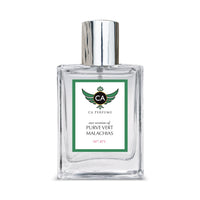
Purve Vert Malachias — Prive Vert Malachite Alternative Perfume
8.62
MEI™
Primary Romantic
Secondary Confident
Confidence
7.56
Presence
8.39
Mood Lift
9.5
Identity
8.03
Warmth
9.5
Social Ease
9.5
Energy
3.9
" I am beautiful.
View full mood profile →
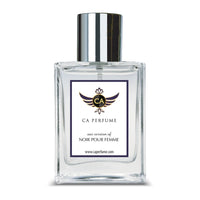
Noir Pour Femme — Noir Alternative Perfume
7.73
MEI™
Primary Romantic
Secondary Confident
Confidence
6.76
Presence
6.74
Mood Lift
8.53
Identity
7.16
Warmth
9.5
Social Ease
8.12
Energy
3.9
" I am beautiful.
View full mood profile →
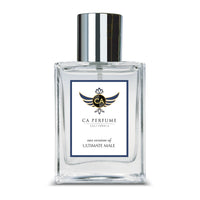
Ultimate Male — Jean Paul Gaultier Ultimate Male Alternative Cologne
7.45
MEI™
Primary Romantic
Secondary Grounding
Confidence
6.73
Presence
6.71
Mood Lift
7.92
Identity
6.66
Warmth
9.09
Social Ease
7.75
Energy
4.7
" I am beautiful.
View full mood profile →
Shanghai Lily — Tom Ford Impression Shanghai Lily Alternative Perfume
7.13
MEI™
Primary Romantic
Secondary Confident
Confidence
6.79
Presence
7.36
Mood Lift
8.0
Identity
6.75
Warmth
7.99
Social Ease
6.33
Energy
4.5
" I am beautiful.
View full mood profile →
HumanSafe™

Top Bitter Orange Fragrances by HumanSafe™ Score

These Bitter Orange-based fragrances have the highest product-level HumanSafe™ scores in this ingredient collection.

Highest HumanSafe™ Score
Vetiver Extraordinaire — Frederic Malle Vetiver Extraordinaire Alternative Cologne
A-
HumanSafe™ Score Generally Safe
Safest Evaluated Ingredients EDP
AQUA Solvent / Carrier ISS 10.0
AMBROXIDE Evaluated ingredient ISS 9.0
BENZENEPROPANAL, 4-ETHYL-.ALPHA.,.ALPHA.-DIMETHYL- Evaluated ingredient ISS 8.0
3-BUTEN-2-ONE, 3-METHYL-4-(2,6,6-TRIMETHYL-2- Evaluated ingredient ISS 8.0
LINALYL ACETATE Evaluated ingredient ISS 7.0
LINALOOL Evaluated ingredient ISS 7.0
View full safety profile →
Ultimate Male — Jean Paul Gaultier Ultimate Male Alternative Cologne
A-
HumanSafe™ Score Generally Safe
Safest Evaluated Ingredients EDP
AQUA Solvent / Carrier ISS 10.0
3-CYCLOHEXENE-1-CARBOXALDEHYDE, 1-METHYL-4-(4-METHYL- Evaluated ingredient ISS 10.0
7-OCTEN-2-OL, 2,6-DIMETHYL- Evaluated ingredient ISS 9.0
3-BUTEN-2-ONE, 3-METHYL-4-(2,6,6-TRIMETHYL-2- Evaluated ingredient ISS 8.0
2H-1-BENZOPYRAN-2-ONE Evaluated ingredient ISS 8.0
REACTION MASS OF: (E)-OXACYCLOHEXADEC-12-EN-2-ONE, (E)- Evaluated ingredient ISS 7.0
View full safety profile →
The Matcha 26 — Le Labo The Matcha 26 Alternative Perfume
A-
HumanSafe™ Score Generally Safe
Safest Evaluated Ingredients EDP
AQUA Solvent / Carrier ISS 10.0
AMBROXID Evaluated ingredient ISS 10.0
1,4-DIOXACYCLOHEPTADECANE-5,17-DIONE Evaluated ingredient ISS 10.0
BENZENEPROPANAL, 4-METHOXY-.ALPHA.-METHYL- Evaluated ingredient ISS 9.0
4H-INDEN-4-ONE, 1,2,3,5,6,7-HEXAHYDRO-1,1,2,3,3- Evaluated ingredient ISS 9.0
1H-BENZOCYCLOHEPTENE, 2,4A,5,6,7,8-HEXAHYDRO- Evaluated ingredient ISS 9.0
View full safety profile →
Shanghai Lily — Tom Ford Impression Shanghai Lily Alternative Perfume
A-
HumanSafe™ Score Generally Safe
Safest Evaluated Ingredients EDP
AQUA Solvent / Carrier ISS 10.0
BENZYL SALICYLATE EYE IRRITATION - CAT. 2B [H320] Evaluated ingredient ISS 9.0
4H-INDEN-4-ONE, 1,2,3,5,6,7-HEXAHYDRO-1,1,2,3,3- Evaluated ingredient ISS 9.0
1H-3A,7-METHANOAZULENE, OCTAHYDRO-6-METHOXY-3,6,8,8- Evaluated ingredient ISS 9.0
OCTANAL, 2-(PHENYLMETHYLENE)- Evaluated ingredient ISS 8.0
LINALYL ACETATE Evaluated ingredient ISS 7.0
View full safety profile →
Expert Voices

What Masters Say About Bitter Orange

Bitter orange oil lends a distinctively zesty and bitter flavor to the fragrance, and it is mostly used in production of eau de Colognes.
Marina Milojević, Fragrantica Writer
Bitter orange’s versatility lies in its ability to bridge citrus, floral, and green notes, making it indispensable for both classical and modern compositions.
CA Perfume Editorial
Common Questions

Frequently Asked Questions

Answers to common questions about bitter orange in perfumery.

Bitter orange in perfume offers a tart, zesty citrus aroma with a dry, slightly bitter edge. The scent is more aromatic and less sweet than sweet orange, with green and floral undertones from linalool and petitgrain. It evolves from a bright, effervescent top note to a soft, powdery, and woody drydown. Notable examples include Frederic Malle Bigarade Concentrée and Jo Malone Orange Bitters.

Bitter orange peel oil is primarily used as a top note due to its high volatility, while orange blossom absolute and petitgrain can serve as heart notes. Neroli, also derived from the bitter orange tree, bridges the top and heart. The oil’s main molecules, like limonene, evaporate quickly, delivering an immediate citrus impact.

Bitter orange is favored in niche perfumery for its complexity and versatility. It can add tartness, prevent excessive sweetness, and bridge citrus, floral, and green notes. Its multiple extracts—peel oil, blossom absolute, petitgrain—allow for nuanced layering, as seen in modern compositions by Jean-Claude Ellena and others.

Bitter orange fragrance uses include pairing with bergamot, neroli, petitgrain, jasmine, and sandalwood. These notes share molecular bridges (limonene, linalool) that create seamless transitions. Woody and amber notes can anchor the citrus, while florals amplify the heart.

Yes, bitter orange is ideal for summer due to its refreshing, effervescent citrus character. However, high temperatures increase volatility, causing the scent to fade faster. Layering with fixatives or reapplying can help maintain projection in hot, humid conditions.

Bitter orange top notes project strongly for 30–60 minutes, with floral and woody facets lingering up to 3–4 hours in EDP or Parfum concentrations. Longevity depends on formulation, skin chemistry, and use of fixatives. Oil-based formats extend wear time.

Yes, bitter orange layers well with other citrus, floral, and woody scents. Molecular compatibility (shared limonene, linalool) ensures harmonious blending. For example, pairing with neroli or jasmine enhances floral facets, while sandalwood adds warmth and longevity.

Recommended entry points include Jo Malone Orange Bitters, Diptyque Eau des Sens, and Guerlain Aqua Allegoria Mandarine Basilic. These fragrances showcase bitter orange’s tart, zesty profile in accessible, well-balanced compositions.

Consider your preferred balance of citrus, floral, and woody notes. CA Perfume offers a range of bitter orange-centered compositions, from fresh colognes to floral-woody blends. Sampling is recommended to find the ideal expression for your skin chemistry and style.

Bitter orange is distinctly tart and zesty, with only subtle sweetness. The peel oil is more bitter and aromatic than sweet orange, while orange blossom absolute adds floral sweetness. The overall effect is refreshing, complex, and never cloying.

Citrus Collection

Explore Our Top Bitter Orange Fragrances

Discover CA Perfume’s curated selection of bitter orange scents, from radiant colognes to complex citrus-floral blends.

Shop all bitter orange fragrances at CA Perfume →

Where Bitter Orange Comes From — Origin & Extraction

Bitter orange (Citrus aurantium var. amara) is native to Southeast Asia but is now cultivated extensively in the Mediterranean, particularly in Spain (notably Seville), Italy (Calabria, Sicily), Tunisia, and Morocco. Spain accounts for a significant share of global production, with Seville alone producing thousands of tons annually for both marmalade and essential oil industries. The fruit is inedible due to its high acidity and bitterness, but its aromatic peel is prized in perfumery. The primary extraction method for bitter orange oil is cold pressing of the ripe fruit peel, yielding an essential oil rich in limonene, with minor components such as linalool, myrcene, and octanal. Yields are typically 0.3–0.5% by weight of fresh peel. Orange blossom absolute is obtained from the flowers via solvent extraction (hexane or ethanol), while neroli oil is produced by steam distillation of fresh blossoms. Petitgrain oil is distilled from the leaves and twigs. Cold pressing preserves the volatile top notes, but the oil is phototoxic due to furocoumarins (notably bergapten); modern oils are often rectified to remove these compounds for safety. Natural bitter orange oil can cost $60–120/kg, while orange blossom absolute can exceed $2,500/kg. Synthetic substitutes (see below) are less costly. Sustainability concerns include the need for large-scale monoculture and high water use, but the industry increasingly utilizes byproducts from the food sector. The multi-use nature of the tree (fruit, leaf, flower) enhances resource efficiency.

Famous Fragrances That Define Bitter Orange in Perfumery

Bitter orange has shaped the evolution of citrus perfumery, from classical colognes to modern niche compositions. In Guerlain Eau de Cologne Impériale (1853, Pierre-François-Pascal Guerlain), bitter orange peel oil forms the backbone of the bright, effervescent opening. Cartier Declaration (1998, Jean-Claude Ellena) uses bitter orange as a bridge note, linking spicy cardamom with woody vetiver. Frederic Malle Bigarade Concentrée (2002, Jean-Claude Ellena) is a contemporary masterpiece that spotlights the pithy, tart character of bigarade oil, paired with rose and hay for a dry, elegant finish. Jo Malone London Orange Bitters (2016) employs bitter orange as a dominant note, contrasted with sandalwood and amber for a warm, bittersweet effect. Diptyque Eau des Sens (2016, Olivier Pescheux) weaves bitter orange with orange blossom and angelica, creating a multi-dimensional citrus-floral composition. CA Perfume’s collection draws inspiration from this lineage, offering both classic and modern interpretations of bitter orange’s solar, radiant signature.

Natural vs Synthetic Bitter Orange in Perfumery

Natural bitter orange oil is composed primarily of limonene (CAS 138-86-3), with supporting roles from linalool (CAS 78-70-6), myrcene (CAS 123-35-3), and decanal (CAS 112-31-2). Synthetic alternatives are used to replicate or enhance certain facets: synthetic limonene provides the main citrus note, while linalyl acetate (CAS 115-95-7) and octyl acetate (CAS 112-14-1) are used to boost floral and fruity aspects. Synthetic orange blossom and neroli reconstitutions often use blends of linalool, methyl anthranilate (CAS 134-20-3), and indole (CAS 120-72-9) to mimic the natural complexity at a fraction of the cost. Performance-wise, synthetics offer greater stability, reduced phototoxicity, and consistent olfactory quality, but may lack the nuanced evolution of natural extracts. Natural bitter orange oil is more prone to oxidation and can vary by harvest. Fragrances such as Frederic Malle Bigarade Concentrée use high-quality natural oil, while many mainstream colognes rely on synthetic blends for cost and regulatory reasons. The cost differential is significant: natural oil at $60–120/kg versus $10–30/kg for synthetic blends. The HumanSafe™ platform at CA Perfume ensures full traceability and IFRA compliance, favoring furocoumarin-free materials and transparent sourcing.