Ingredient Guide · Floral
Floral Family · Perfumery Note

Cherry Blossom

The ephemeral scent of spring's iconic bloom

Cherry blossom in perfumery is a heart note characterized by a delicate, powdery almond-floral scent. It is a synthetic accord primarily composed of benzaldehyde, heliotropin, and hedione, used at concentrations around 1-3%.

Cherry Blossom
Ingredient Profile

Cherry Blossom

Floral Family
Family Floral
Note Position Heart Note
Usage Level 1–3%
Key Origins Japan, China, France
Iconic In Sakura, Cherry Blossom Intense Eau de Parfum
The Ingredient

What does Cherry Blossom smell like and why is it significant in perfumery?

Cherry blossom (Prunus serrulata) produces one of the world's most visually spectacular flowerings but emits very little natural scent. The note in perfumery is a synthetic fantasy accord designed to evoke the delicate, ephemeral nature of the flower. The scent profile is characterized by faint almond sweetness from benzaldehyde (C7H6O), powdery softness from heliotropin (C8H8O3), and airy transparency from hedione (methyl dihydrojasmonate). This combination creates a light, floral, and slightly powdery aroma that is more 'pink air' than sweet fruit. In perfumery, cherry blossom is typically used as a heart note at concentrations of about 1-3%. It interacts with skin chemistry by offering a subtle, clean floral impression that can brighten compositions without overwhelming. The note is often paired with musks and light florals to maintain its delicate character. Because no commercial essential oil or absolute exists due to negligible volatile compounds in the flower, cherry blossom is always a constructed accord. Notable examples include Dior's Sakura (2018) by François Demachy, which uses cherry blossom as a central accord layered with jasmine and musk, and Floris London's Cherry Blossom Intense Eau de Parfum, which blends floral and fruity notes to evoke spring freshness. These fragrances demonstrate cherry blossom's role in creating light, elegant, and seasonally evocative perfumes.

1–3%
Typical concentration range of cherry blossom accord in fine fragrances, balancing presence and subtlety.
Several hours
Duration cherry blossom accords can linger on skin, primarily supported by white musks and hedione.
0
No commercial natural essential oil or absolute exists due to negligible volatile compounds in the flower.
Origin & Extraction

Where Cherry Blossom Comes From — Origin & Extraction

Cherry blossom's cultural origins lie in East Asia, particularly Japan and China, where the species Prunus serrulata thrives. The flower's scent is faint and not commercially extractable, so the note is synthetically recreated globally. The climate and soil of Japan's temperate regions support spectacular cherry blossom blooms, but perfumery relies on synthetic accords rather than natural extracts.

Cherry blossom originates from the species Prunus serrulata, native to East Asia, especially Japan and China. The flower is celebrated culturally but produces negligible volatile aromatic compounds, making natural extraction impractical. No commercial essential oil or absolute of cherry blossom exists for mainstream perfumery. Instead, the scent is recreated synthetically. Extraction methods such as steam distillation or solvent extraction are ineffective due to the flower's low volatile oil content. Some headspace analyses have been conducted to identify key aroma compounds, but the note is primarily a synthetic accord. The main aromatic molecules used to reconstruct the scent include benzaldehyde (almond-like), heliotropin (powdery), and hedione (transparent floral). The synthetic cherry blossom accord is produced in laboratories worldwide, with major fragrance houses in France, Japan, and the US leading development. Natural cherry blossom flowers are harvested mainly for ornamental and cultural uses, not for perfumery extraction. Cost-wise, natural extraction is non-existent, while synthetic accords cost significantly less and offer consistency and sustainability. Synthetic cherry blossom accords cost approximately $200–500/kg, compared to the impractical and unavailable natural extract. Sustainability is high for synthetics, avoiding overharvesting and environmental impact. The cherry blossom accord is thus a modern synthetic creation, reflecting the flower's ephemeral beauty through carefully balanced aroma chemicals rather than natural extraction.

JP

Japan

Home to Prunus serrulata, Japan is renowned for its cherry blossom festivals (hanami). The temperate climate and volcanic soils produce visually stunning blooms, but the flowers emit minimal scent. Cherry blossom scent is culturally significant but not commercially extracted for perfumery.

CN

China

China cultivates various cherry species with cultural importance. Similar to Japan, the flowers have negligible volatile oils, leading to reliance on synthetic accords for fragrance use.

FR

France

France is a key center for synthetic fragrance development, where cherry blossom accords are formulated using aroma chemicals to replicate the flower's scent.

US

United States

The US hosts significant perfume industry research and production, including synthetic cherry blossom accord creation, supporting global fragrance markets.

Chemistry

Natural vs Synthetic Cherry Blossom in Perfumery

Cherry blossom in perfumery is almost exclusively synthetic due to the flower's negligible volatile oil content. The natural flower produces minimal scent, and no commercial essential oil or absolute exists. The synthetic accord is constructed primarily from benzaldehyde (CAS 100-52-7), which imparts an almond-like aroma; heliotropin (CAS 120-57-0), providing a powdery floral facet; and hedione (methyl dihydrojasmonate, CAS 24851-98-7), which adds a transparent, jasmine-like freshness. Performance-wise, synthetic cherry blossom accords offer greater longevity, stability, and consistency compared to natural floral extracts. They maintain their delicate character across various perfume concentrations and skin chemistries. Cost differentials are significant: synthetic accords cost around $200–500/kg, while natural extraction is not commercially viable. Famous fragrances using synthetic cherry blossom accords include Dior Sakura (2018) by François Demachy and Floris London's Cherry Blossom Intense Eau de Parfum. These perfumes showcase the synthetic note's ability to evoke the ephemeral beauty of cherry blossoms with clarity and subtlety. Sustainability and supply chain transparency are enhanced with synthetic accords, aligning with the HumanSafe™ platform's standards for safety and environmental responsibility. CA Perfume embraces this approach, prioritizing synthetic accords for cherry blossom to ensure ethical sourcing and consistent quality.

Natural
Cherry Blossom Absolute
Cost $3,000–6,000/kg
Method Solvent / CO₂
Character Complex, variable
vs
Synthetic
Safranal & Analogues
Cost $50–200/kg
Method Lab synthesis
Character Consistent, stable
Hall of Fame

Famous Fragrances That Define Cherry Blossom in Perfumery

2018
dominant note

Sakura

Dior
by François Demachy
Jasmine sambacMuskGreen notes
dominant note

Cherry Blossom Intense Eau de Parfum

Floris London
BergamotOrangePink peppercorn
2016
heart note

English Cherry Blossom Eau de Parfum

Shay & Blue London
Soft floralsWoody undertones
2021
heart note

Japanese Cherry Blossom

Bath & Body Works
SandalwoodJasmineMimosa
heart note

Fleur de Cerisier

L'Occitane
CherryFreesiaBlack currantMusk

Cherry blossom has inspired numerous fragrances that capture its delicate floral character and cultural symbolism. Notable examples include: 1. Dior Sakura (2018) by François Demachy — A unisex floral fragrance where cherry blossom is the dominant accord, layered with jasmine sambac and musk to evoke the serene beauty of spring in Japan. 2. Floris London Cherry Blossom Intense Eau de Parfum — A richer floral-fruity composition blending cherry blossom with bergamot, orange, and pink peppercorn, creating a vibrant spring scent. 3. Shay & Blue London English Cherry Blossom Eau de Parfum (2016) — Features cherry blossom as a heart note, bringing grace and femininity, paired with soft florals and subtle woody undertones. 4. Bath & Body Works Japanese Cherry Blossom (2021) — A popular floral fruity fragrance with cherry blossom, sandalwood, jasmine, and mimosa, widely recognized for its fresh and clean profile. 5. L'Occitane Fleur de Cerisier — Combines cherry, freesia, and black currant with soft florals and musk, evoking the South of France's cherry tree bloom. These fragrances illustrate cherry blossom's versatility from minimalist to richer compositions, emphasizing its role as a heart note that conveys freshness, delicacy, and ephemeral beauty. CA Perfume's collection honors this lineage by offering nuanced cherry blossom accords that reflect both tradition and modernity.

The Accord

How is a captivating Cherry Blossom accord crafted?

A cherry blossom accord typically combines 30-35% benzaldehyde for its almond-like sweetness, 25-30% heliotropin to provide powdery floral softness, 20-25% hedione for transparent jasmine-like freshness, and 15-20% white musks to add clean airy depth. Benzaldehyde's bitter almond facet evokes the flower's subtle marzipan note, while heliotropin lends a soft, dusty texture. Hedione enhances diffusion and brightness, creating an ethereal quality. White musks anchor the accord, balancing the light florals with a smooth, lingering base.

35%

Benzaldehyde

30–35% of blend

Provides the characteristic almond-like, marzipan sweetness essential to cherry blossom's scent profile.

30%

Heliotropin

25–30% of blend

Adds powdery, floral softness that mimics the delicate petals of cherry blossoms.

25%

Hedione

20–25% of blend

Contributes a transparent, jasmine-like freshness enhancing the accord's brightness and diffusion.

20%

White Musk

15–20% of blend

Provides a clean, airy base that supports and smooths the floral components.

The Olfactory Layers

How Cherry Blossom Evolves on Skin

Cherry blossom accords evolve delicately over time, with high-volatility molecules like benzaldehyde providing an initial faint almond sweetness within the first 15 minutes. Heart notes of heliotropin and hedione emerge between 20 to 60 minutes, offering powdery floral softness and transparent jasmine-like freshness. Base notes of white musks persist for several hours, lending a clean, airy finish that supports the ephemeral floral character.

I
Top notes
0–15 min
Faint Almond Sweetness

The initial impression is a faint almond-like sweetness from benzaldehyde, which evaporates quickly due to its moderate volatility. This creates a soft, marzipan-like opening that is subtle and delicate.

AlmondMarzipanFaint
II
Heart notes
20–60 min
Powdery Floral Softness

Heliotropin and hedione dominate the heart, imparting powdery floral softness and a transparent jasmine freshness. These molecules have moderate volatility, sustaining the floral character with a gentle diffusion.

PowderyFloralFresh
III
Base notes
Several hours
Clean Airy Musk

White musks provide a clean, airy base with low volatility, prolonging the scent's presence on skin and balancing the delicate florals with a smooth, soft finish.

MuskyCleanSoft
TOP NOTES Faint Almond Sweetness 0–15 minutes HEART NOTES Powdery Floral Softness 20–60 minutes BASE NOTES Clean Airy Musk Several hours
Through the Ages

The Story of Cherry Blossom in Perfumery

Cherry blossom's journey in perfumery reflects its cultural significance and modern synthetic innovation, from ancient appreciation to contemporary fragrance accords.

Antiquity

Cherry Cultivation and Symbolism

Cherry trees were cultivated in ancient Greece and Rome, with cherries known as 'Cerasunta fruits.' The blossoms symbolized beauty and transience, though their scent was not isolated.

Early 20th Century

Development of Synthetic Aroma Chemicals

Advances in aroma chemistry enabled the creation of molecules like benzaldehyde and heliotropin, foundational to floral accords including cherry blossom.

Late 20th Century

Emergence of Cherry Blossom Fragrance Accords

Perfumers began constructing cherry blossom accords synthetically, as natural extraction remained unfeasible, capturing the flower's delicate scent.

2018

Launch of Dior Sakura

François Demachy created Dior Sakura, a signature cherry blossom fragrance that popularized the synthetic accord in contemporary perfumery.

2020s

Expansion of Cherry Blossom Fragrances Globally

Cherry blossom accords become widely used in niche and designer perfumes, especially in Asian and Western markets, reflecting cultural resonance and modern scent trends.

The Art of Layering

How to Layer Cherry Blossom

Understanding how to layer cherry blossom involves molecular compatibility and olfactory synergy. Layering can enhance or soften facets by blending shared or complementary compounds.

01

Enhance Sweetness

Pair cherry blossom with vanilla or almond notes to amplify benzaldehyde's almond facet. Vanilla's vanillin masks sharp edges, creating a creamy, gourmand effect. This combination is exemplified in Tom Ford Lost Cherry.

02

Add Depth

Layer with soft woods like sandalwood or cashmere wood to provide a warm, creamy base that supports cherry blossom's airy florals. The woody lactones in sandalwood complement heliotropin's powderiness, as seen in Dior Sakura.

03

Lighten the Glow

Combine cherry blossom with citrus notes such as bergamot or mandarin to brighten the accord. Citrus terpenes enhance hedione's fresh, transparent quality, producing a crisp, uplifting scent profile, as in Floris Cherry Blossom Intense.

Wear It Right

How to Wear Cherry Blossom Like a Pro

Seasonal Guide

Fall & Winter

Cooler temperatures reduce volatility, muting cherry blossom's delicate top notes. Layering with warmer musks or vanilla can enhance warmth and longevity.

Spring

Ideal season for cherry blossom scents, as mild temperatures allow full expression of the floral and powdery facets, evoking fresh blooms.

Summer

Heat increases volatility, causing rapid evaporation of delicate notes. Apply sparingly and consider layering with light citrus or aquatic notes to maintain freshness.

Year-Round Tip

Use cherry blossom accords in combination with complementary notes like white musk or light woods to adapt the scent for all seasons.

Application Points

Strategic application enhances cherry blossom's delicate scent and longevity.

1

Neck

Pulse points like the neck provide warmth that gently diffuses the delicate cherry blossom accord, enhancing its subtle presence.

2

Behind the Ears

This area offers moderate heat and limited airflow, allowing the scent to linger close to the skin for intimate diffusion.

3

Inner Wrists

Pulse points with good blood flow help activate the floral notes, but avoid rubbing wrists to preserve the scent's integrity.

4

Hair

Hair holds fragrance well and releases it slowly, offering a soft, airy trail of cherry blossom throughout the day.

Pro Tip

Layer cherry blossom fragrance with unscented moisturizer to enhance longevity and prevent rapid evaporation.

Mood Architecture™

Top Cherry Blossom Fragrances by Mood Score

These Cherry Blossom-based fragrances scored highest on the MEI™ Mood Architecture Framework — measuring how a scent may influence your emotional state.

Highest MEI Score
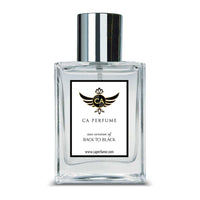
Back To Black — By Kilian Impression Back To Black Alternative Perfume
5.5
MEI™
Primary Serene
Secondary Romantic
Confidence
5.08
Presence
4.73
Mood Lift
6.12
Identity
4.79
Warmth
6.31
Social Ease
5.72
Energy
3.0
" I am at peace.
View full mood profile →
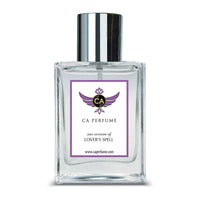
Lover's Spell — Love Spell Alternative Perfume
4.58
MEI™
Primary Fresh
Secondary Romantic
Confidence
3.8
Presence
3.88
Mood Lift
5.77
Identity
3.87
Warmth
4.42
Social Ease
5.33
Energy
2.4
" I am free.
View full mood profile →
HumanSafe™

Top Cherry Blossom Fragrances by HumanSafe™ Score

These Cherry Blossom-based fragrances have the highest product-level HumanSafe™ scores in this ingredient collection.

Highest HumanSafe™ Score
Lover's Spell — Love Spell Alternative Perfume
A-
HumanSafe™ Score Generally Safe
Safest Evaluated Ingredients EDP
AQUA Solvent / Carrier ISS 10.0
2(3H)-FURANONE, 5-HEPTYLDIHYDRO- Evaluated ingredient ISS 10.0
1,6-HEPTADIEN-3-ONE, 1-(2,6,6-TRIMETHYL-2- Evaluated ingredient ISS 9.0
CITRAL Evaluated ingredient ISS 8.0
BUTANOIC ACID, 1,1-DIMETHYL-2-PHENYLETHYL ESTER Evaluated ingredient ISS 8.0
LINALYL ACETATE Evaluated ingredient ISS 7.0
View full safety profile →
Back To Black — By Kilian Impression Back To Black Alternative Perfume
A-
HumanSafe™ Score Generally Safe
Safest Evaluated Ingredients EDP
AQUA Solvent / Carrier ISS 10.0
4H-INDEN-4-ONE, 1,2,3,5,6,7-HEXAHYDRO-1,1,2,3,3- Evaluated ingredient ISS 9.0
1H-BENZOCYCLOHEPTENE, 2,4A,5,6,7,8-HEXAHYDRO- Evaluated ingredient ISS 9.0
3-BUTEN-2-ONE, 3-METHYL-4-(2,6,6-TRIMETHYL-2- Evaluated ingredient ISS 8.0
2H-1-BENZOPYRAN-2-ONE Evaluated ingredient ISS 8.0
LINALYL ACETATE Evaluated ingredient ISS 7.0
View full safety profile →
Expert Voices

What Masters Say About Cherry Blossom

Cherry blossom is a fantasy floral of major commercial importance. No natural extraction exists. It is built from benzaldehyde (almond-sweet), heliotropin (powdery), hedione (transparent), and clean musks. The note's conceptual heart is the impermanence reflected in Japanese aesthetics.
CA Perfume Editorial
Dior Sakura captures the ephemeral beauty of cherry blossoms through a delicate musky accord, combining green notes, jasmine, and hedione to evoke the serene atmosphere of spring in Japan.
François Demachy, Perfumer
Common Questions

Frequently Asked Questions

Frequently asked questions about cherry blossom in perfumery, addressing scent, usage, and layering.

Cherry blossom in perfume smells delicate, powdery, and almond-floral. It is a synthetic accord composed mainly of benzaldehyde, which gives a faint marzipan sweetness, heliotropin for powdery softness, and hedione for a transparent floral freshness. The scent is subtle and ephemeral, evoking the fleeting nature of spring blossoms rather than a strong floral aroma.

Cherry blossom is primarily used as a heart note in fragrances. Its delicate floral character emerges after the initial top notes evaporate and is supported by musks and other base notes that prolong its presence. It is rarely used as a top or base note due to its subtle and transient nature.

Cherry blossom is favored in niche perfumery for its cultural symbolism, delicate scent profile, and versatility. It evokes themes of renewal, beauty, and impermanence, aligning with artistic fragrance narratives. Its synthetic accord allows perfumers to craft nuanced, airy compositions that appeal to consumers seeking subtle, elegant florals.

Cherry blossom fragrance uses often include pairing with vanilla and almond to enhance its almond facets, jasmine and rose for complementary florals, musk for clean softness, and citrus notes like bergamot to brighten the accord. These combinations balance and highlight cherry blossom's delicate, powdery character.

Cherry blossom perfumes can be suitable for summer due to their light, airy nature. However, heat increases volatility, causing the delicate notes to evaporate quickly. Applying sparingly and layering with fresh citrus or aquatic notes can maintain freshness and prevent the scent from fading too fast in hot weather.

Cherry blossom accords typically last several hours on the skin, with longevity supported by base notes like white musks and hedione. The delicate top and heart notes may fade within 1-2 hours, but the musky base can prolong the overall scent presence up to 4-6 hours depending on formulation.

Yes, layering cherry blossom with other fragrances is effective. It pairs well with vanilla and almond to enhance sweetness, sandalwood or cashmere wood for depth, and citrus notes for brightness. Layering can amplify or soften facets, creating a personalized scent experience.

For beginners, Dior Sakura (2018) offers a gentle, well-balanced cherry blossom experience with familiar floral and musky notes. Floris London's Cherry Blossom Intense Eau de Parfum provides a vibrant yet approachable floral-fruity profile. These fragrances showcase cherry blossom's delicate charm without overwhelming complexity.

Choosing the right cherry blossom fragrance involves considering your preference for scent intensity, complementary notes, and occasion. CA Perfume offers a range of cherry blossom accords from light and airy to richer blends. Sampling fragrances and exploring layering options can help find a scent that matches your style and skin chemistry.

Cherry blossom scent profile is predominantly sweet and powdery rather than spicy. The almond-like sweetness from benzaldehyde and the powdery heliotropin create a soft, floral sweetness. Spicy notes are uncommon unless deliberately added in blends, where cherry blossom serves as a gentle floral counterpoint.

Floral Collection

Explore Our Top Cherry Blossom Fragrances

Discover a curated selection of cherry blossom perfumes that capture the essence of spring and delicate floral elegance.

Shop all cherry blossom fragrances at CA Perfume →

Where Cherry Blossom Comes From — Origin & Extraction

Cherry blossom originates from the species Prunus serrulata, native to East Asia, especially Japan and China. The flower is celebrated culturally but produces negligible volatile aromatic compounds, making natural extraction impractical. No commercial essential oil or absolute of cherry blossom exists for mainstream perfumery. Instead, the scent is recreated synthetically. Extraction methods such as steam distillation or solvent extraction are ineffective due to the flower's low volatile oil content. Some headspace analyses have been conducted to identify key aroma compounds, but the note is primarily a synthetic accord. The main aromatic molecules used to reconstruct the scent include benzaldehyde (almond-like), heliotropin (powdery), and hedione (transparent floral). The synthetic cherry blossom accord is produced in laboratories worldwide, with major fragrance houses in France, Japan, and the US leading development. Natural cherry blossom flowers are harvested mainly for ornamental and cultural uses, not for perfumery extraction. Cost-wise, natural extraction is non-existent, while synthetic accords cost significantly less and offer consistency and sustainability. Synthetic cherry blossom accords cost approximately $200–500/kg, compared to the impractical and unavailable natural extract. Sustainability is high for synthetics, avoiding overharvesting and environmental impact. The cherry blossom accord is thus a modern synthetic creation, reflecting the flower's ephemeral beauty through carefully balanced aroma chemicals rather than natural extraction.

Famous Fragrances That Define Cherry Blossom in Perfumery

Cherry blossom has inspired numerous fragrances that capture its delicate floral character and cultural symbolism. Notable examples include: 1. Dior Sakura (2018) by François Demachy — A unisex floral fragrance where cherry blossom is the dominant accord, layered with jasmine sambac and musk to evoke the serene beauty of spring in Japan. 2. Floris London Cherry Blossom Intense Eau de Parfum — A richer floral-fruity composition blending cherry blossom with bergamot, orange, and pink peppercorn, creating a vibrant spring scent. 3. Shay & Blue London English Cherry Blossom Eau de Parfum (2016) — Features cherry blossom as a heart note, bringing grace and femininity, paired with soft florals and subtle woody undertones. 4. Bath & Body Works Japanese Cherry Blossom (2021) — A popular floral fruity fragrance with cherry blossom, sandalwood, jasmine, and mimosa, widely recognized for its fresh and clean profile. 5. L'Occitane Fleur de Cerisier — Combines cherry, freesia, and black currant with soft florals and musk, evoking the South of France's cherry tree bloom. These fragrances illustrate cherry blossom's versatility from minimalist to richer compositions, emphasizing its role as a heart note that conveys freshness, delicacy, and ephemeral beauty. CA Perfume's collection honors this lineage by offering nuanced cherry blossom accords that reflect both tradition and modernity.

Natural vs Synthetic Cherry Blossom in Perfumery

Cherry blossom in perfumery is almost exclusively synthetic due to the flower's negligible volatile oil content. The natural flower produces minimal scent, and no commercial essential oil or absolute exists. The synthetic accord is constructed primarily from benzaldehyde (CAS 100-52-7), which imparts an almond-like aroma; heliotropin (CAS 120-57-0), providing a powdery floral facet; and hedione (methyl dihydrojasmonate, CAS 24851-98-7), which adds a transparent, jasmine-like freshness. Performance-wise, synthetic cherry blossom accords offer greater longevity, stability, and consistency compared to natural floral extracts. They maintain their delicate character across various perfume concentrations and skin chemistries. Cost differentials are significant: synthetic accords cost around $200–500/kg, while natural extraction is not commercially viable. Famous fragrances using synthetic cherry blossom accords include Dior Sakura (2018) by François Demachy and Floris London's Cherry Blossom Intense Eau de Parfum. These perfumes showcase the synthetic note's ability to evoke the ephemeral beauty of cherry blossoms with clarity and subtlety. Sustainability and supply chain transparency are enhanced with synthetic accords, aligning with the HumanSafe™ platform's standards for safety and environmental responsibility. CA Perfume embraces this approach, prioritizing synthetic accords for cherry blossom to ensure ethical sourcing and consistent quality.