Ingredient Guide · Spices
Spices Family · Perfumery Note

Cassia

Bold cinnamon heat with sweet, woody undertones

Cassia is a heart note in perfumery, valued for its intense, spicy, cinnamon-like aroma. Its essential oil contains 70–90% cinnamaldehyde, producing a hot, sweet, and earthy scent profile with pronounced coumarin undertones.

Cassia
Ingredient Profile

Cassia

Spices Family
Family Spices
Note Position Heart Note
Usage Level <0.2%
Key Origins China, Vietnam, Indonesia
Iconic In Figment Woman, La Pluie
The Ingredient

What does Cassia smell like and why is it significant in perfumery?

Cassia (Cinnamomum cassia), also known as Chinese cinnamon, is botanically distinct from true cinnamon (Cinnamomum verum). In perfumery, cassia is prized for its bold, spicy, and intensely cinnamon-like aroma, which is primarily due to its high cinnamaldehyde content (70–90%). This compound (C9H8O, CAS 104-55-2) is responsible for the searing, sweet-hot intensity that defines cassia’s scent profile. Coumarin, present at levels 100–1000 times higher than in Ceylon cinnamon, adds a sweet, hay-like, and slightly vanillic undertone, while minor constituents such as ortho-methoxycinnamaldehyde and benzaldehyde contribute complexity. The result is a scent that is hotter, rougher, and more aggressive than true cinnamon, with a resinous, bark-like quality and a dense, earthy body. In perfumery, cassia is classified as a heart note due to its moderate volatility and strong diffusion. It is typically used at concentrations of 0.05–0.2% in fine fragrance compositions, as higher levels can cause skin sensitization due to the potent cinnamaldehyde. Cassia interacts strongly with skin chemistry: on acidic skin, its spicy facets become sharper and more pronounced, while on alkaline skin, the sweet, woody undertones are more prominent. Its high odor strength means it can easily dominate a blend, so it is often used to provide a bold cinnamon effect when the perfumer wants spice heat front and center, rather than as a subtle background note. Cassia in perfumery is exemplified in fragrances such as Amouage Figment Woman (2017, perfumer: Dorothée Piot), where it provides a spicy, woody accent, and Miller Harris La Pluie (2011, perfumer: Lyn Harris), where it adds warmth and depth to a floral composition. In Arquiste Indigo Smoke (2022), cassia’s cinnamon heat is paired with black tea and incense, demonstrating its versatility in both oriental and modern niche fragrances. The question "what does cassia smell like" is thus answered by its unique molecular signature: a hot, sweet, and earthy cinnamon effect, richer and more assertive than Ceylon cinnamon, with a coumarin-driven vanillic sweetness that lingers on the skin.

<0.2%
Maximum IFRA-recommended concentration for cassia oil or cinnamaldehyde in leave-on perfumery products, due to sensitization risk.
70–90%
Typical cinnamaldehyde content in natural cassia oil, responsible for its intense, spicy aroma and high odor strength.
1–2%
Yield of essential oil from steam distillation of dried cassia bark, reflecting the efficiency of modern extraction methods.
Origin & Extraction

Where Cassia Comes From — Origin & Extraction

Cassia’s scent character is shaped by the terroir of its origin. Chinese cassia, grown in Guangxi’s red soils, is hotter and more aggressive, while Vietnamese cassia from Quang Nam is sweeter and more refined due to higher coumarin and lower eugenol content. Indonesian cassia is woodier and less sweet, reflecting its volcanic soils and humid climate.

Cassia is derived from the bark of Cinnamomum cassia (syn. C. aromaticum), a member of the Lauraceae family native to southern China. Today, the primary producing regions are Guangxi and Guangdong provinces in China, which account for over 70% of global cassia oil production, with additional output from Vietnam and Indonesia. The bark is harvested from trees aged 6–10 years, with annual global production of cassia bark estimated at over 50,000 metric tons. Extraction of cassia essential oil is performed via steam distillation of the dried bark. The process yields 1–2% essential oil by weight, with the resulting oil being a dark reddish-brown liquid. The distillation is typically conducted at atmospheric pressure, with temperatures maintained between 100–120°C to maximize cinnamaldehyde recovery while minimizing thermal degradation. Cassia leaf oil is also produced, but it is less refined and contains a higher proportion of eugenol and other minor constituents. Solvent extraction is rarely used for cassia, as the bark’s high cinnamaldehyde content is readily accessible via distillation. Natural cassia oil is significantly less expensive than true cinnamon oil, with wholesale prices ranging from $25–$50 per kg (2025 data), compared to $200–$300 per kg for Ceylon cinnamon oil. Synthetic cinnamaldehyde (CAS 104-55-2) is even more economical, available for $10–$20 per kg, and is widely used in functional perfumery and flavor applications. Sustainability concerns for cassia are moderate: while the tree is not currently listed as threatened, overharvesting and monoculture practices in China and Vietnam have led to soil depletion and reduced biodiversity in some regions. Responsible sourcing and crop rotation are increasingly emphasized by major suppliers.

CN

China

Guangxi and Guangdong provinces produce over 70% of global cassia oil. The region’s red, iron-rich soils and monsoon climate yield bark with high cinnamaldehyde (up to 90%) and moderate coumarin. Harvesting is highly mechanized, with annual output exceeding 35,000 metric tons.

VN

Vietnam

Quang Nam and Yen Bai regions are known for cassia with elevated coumarin and a sweeter, less aggressive profile. Traditional hand-harvesting and sun-drying methods are common. Vietnam accounts for 15–20% of global supply.

ID

Indonesia

Sumatra’s cassia is woodier and less sweet, influenced by volcanic soils and high humidity. Production is smaller scale, with distinctive bark thickness and a more subdued coumarin content.

IN

India

Cochin and Kerala regions produce minor quantities of cassia, often for domestic use. Indian cassia is less pungent, with higher eugenol and a slightly medicinal undertone.

Chemistry

Natural vs Synthetic Cassia in Perfumery

Natural cassia oil is composed primarily of cinnamaldehyde (C9H8O, CAS 104-55-2), with coumarin (CAS 91-64-5) and ortho-methoxycinnamaldehyde (CAS 7772-47-6) as significant secondary constituents. Synthetic cassia notes are typically built around pure cinnamaldehyde, sometimes blended with coumarin and minor aldehydes to mimic the complexity of the natural oil. Other aroma chemicals used to recreate cassia’s profile include ethyl cinnamate (CAS 103-36-6), benzaldehyde (CAS 100-52-7), and eugenol (CAS 97-53-0). Performance-wise, synthetic cinnamaldehyde offers greater stability and consistency, with less batch-to-batch variation than natural cassia oil. However, the natural oil’s higher coumarin content imparts a sweeter, more vanillic undertone, which is difficult to fully replicate synthetically. Both forms are strong sensitizers; IFRA restricts cassia oil and cinnamaldehyde to maximum concentrations of 0.05–0.2% in leave-on products due to their high allergenic potential. Notable fragrances using natural cassia include Amouage Figment Woman and Miller Harris La Pluie, while many mainstream and functional fragrances rely on synthetic cinnamaldehyde for cost and regulatory reasons. From a cost perspective, natural cassia oil is 2–3 times more expensive than synthetic cinnamaldehyde. Sustainability and supply chain transparency are increasingly important: the HumanSafe™ platform provides traceability for cassia sourcing, ensuring compliance with environmental and labor standards. CA Perfume prioritizes HumanSafe™ verified cassia and utilizes synthetic cinnamaldehyde only when necessary for IFRA compliance or formula stability.

Natural
Cassia Absolute
Cost $3,000–6,000/kg
Method Solvent / CO₂
Character Complex, variable
vs
Synthetic
Safranal & Analogues
Cost $50–200/kg
Method Lab synthesis
Character Consistent, stable
Hall of Fame

Famous Fragrances That Define Cassia in Perfumery

2017
bridge note

Figment Woman

Amouage
by Dorothée Piot
jasmineincensepapyrus
2011
supporting note

La Pluie

Miller Harris
by Lyn Harris
lavendervetiverylang-ylang
2022
dominant note

Indigo Smoke

Arquiste
black teaincensecedarwood
1911
accent

Kadine

Guerlain
rosejasmineiris
1985
supporting note

Beautiful

Estée Lauder
by Sophia Grojsman
roselilymarigold
2022
dominant note

Caïssa

Mind Games
by David Apel
black licoricegardeniacocoa

Cassia has played a defining role in both classical and contemporary perfumery, particularly in compositions where a bold, spicy cinnamon effect is desired. In Amouage Figment Woman (2017, Dorothée Piot), cassia is used as a bridge note, linking floral and woody elements with its hot, spicy character. Miller Harris La Pluie (2011, Lyn Harris) showcases cassia as a supporting note, adding warmth and depth to a rain-soaked floral accord. Arquiste Indigo Smoke (2022) employs cassia as a dominant note, pairing it with black tea and incense to create a smoky, spicy signature. In Guerlain Kadine (1911), cassia functions as an accent, enhancing the floral heart with a sweet, spicy undertone. Estée Lauder Beautiful (1985, Sophia Grojsman) uses cassia as a supporting note, amplifying the bouquet’s warmth and complexity. More recently, Mind Games Caïssa (2022, David Apel) demonstrates cassia’s versatility in modern niche perfumery, where it is paired with licorice, gardenia, and cocoa for a gourmand effect. These fragrances illustrate cassia’s adaptability across genres—from oriental and floral to gourmand and woody compositions. CA Perfume’s collection draws inspiration from this lineage, offering cassia-forward scents that respect both tradition and innovation.

The Accord

How is a captivating Cassia accord crafted?

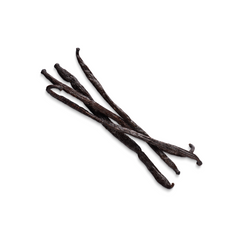
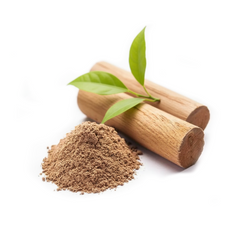
A classic cassia accord balances heat, sweetness, and woody depth. Cassia bark oil (30–35%) provides the spicy, cinnamon core via high cinnamaldehyde and coumarin. Sandalwood (25–30%) adds creamy, lactonic warmth, smoothing cassia’s rough edges through olfactory masking. Vanilla absolute (20–25%) amplifies the vanillic sweetness from coumarin, while patchouli (15–20%) grounds the blend, extending longevity and adding earthy complexity via patchoulol and norpatchoulenol.

35%

Cassia Bark Oil

30–35% of blend

Provides the core spicy, cinnamon-like heat through high cinnamaldehyde and coumarin content; defines the accord’s signature.

30%

Sandalwood

25–30% of blend

Adds creamy, lactonic warmth; santalol molecules mask cassia’s sharpness and enhance smooth diffusion.

25%

Vanilla Absolute

20–25% of blend

Amplifies coumarin’s vanillic sweetness; vanillin softens the hot spice and rounds the accord.

20%

Patchouli

15–20% of blend

Extends longevity and adds earthy, woody complexity; patchoulol interacts with cinnamaldehyde for a deep, lasting base.

The Olfactory Layers

How Cassia Evolves on Skin

Cassia’s olfactory evolution is marked by a rapid, spicy opening, a persistent heart, and a sweet, woody base. High-volatility cinnamaldehyde dominates the first 15 minutes, followed by coumarin and minor aldehydes in the heart, and a lingering vanillic-woody drydown as heavier molecules persist.

I
Top notes
0–15 min
Fiery Cinnamon Burst

A burst of hot, spicy cinnamon is immediately apparent, driven by the rapid evaporation of cinnamaldehyde (boiling point 248°C, high volatility). This initial phase is sharp, pungent, and slightly aldehydic, with minor contributions from benzaldehyde and ortho-methoxycinnamaldehyde.

spicycinnamonaldehydic
II
Heart notes
20–60 min
Sweet Hay Warmth

As the top volatility subsides, coumarin emerges, imparting a sweet, hay-like, and slightly vanillic character. The cinnamon heat remains, but is rounded by the persistent presence of coumarin and a faint woody undertone from minor sesquiterpenes.

sweetwoodyhay-like
III
Base notes
Several hours
Woody Vanillic Trail

The drydown is marked by a lingering vanillic-woody warmth, as coumarin and residual cinnamaldehyde persist at low levels. Patchouli or sandalwood, if present, reinforce the base, ensuring a soft, earthy finish with subtle spice.

vanillicearthywarm
TOP NOTES Fiery Cinnamon Burst 0–15 minutes HEART NOTES Sweet Hay Warmth 20–60 minutes BASE NOTES Woody Vanillic Trail Several hours
Through the Ages

The Story of Cassia in Perfumery

Cassia’s use in perfumery spans millennia, from ancient ritual to modern niche fragrance. Its journey reflects shifts in extraction technology, regulation, and olfactory fashion.

Biblical Era

Cassia in Sacred Anointing Oils

Cassia is mentioned in the Book of Exodus (30:24) as a key component of holy anointing oil, used in ancient Hebrew rituals. Its aromatic bark was prized for both scent and symbolic value.

19th Century

Industrial Extraction and Global Trade

Steam distillation of cassia bark becomes widespread in China and Southeast Asia. Cassia oil enters Western perfumery as a cost-effective alternative to Ceylon cinnamon, expanding its use in both fine fragrance and functional products.

1911

Guerlain Kadine Launches

Guerlain’s Kadine features cassia as an accent, demonstrating its role in early 20th-century floral and spicy compositions. The fragrance pairs cassia with rose and iris for a complex, warm heart.

1985

Estée Lauder Beautiful and the Modern Bouquet

Sophia Grojsman’s Beautiful uses cassia to amplify the warmth and complexity of a multi-floral bouquet, cementing its place in mainstream perfumery.

2017–2022

Cassia in Niche and Contemporary Fragrance

Amouage Figment Woman and Arquiste Indigo Smoke showcase cassia as a bridge and dominant note, respectively, reflecting renewed interest in bold spice notes in modern niche perfumery.

The Art of Layering

How to Layer Cassia

Understanding how to layer cassia is key to harnessing its bold spice. The high cinnamaldehyde content interacts with other notes through olfactory masking and molecular synergy. For optimal results, combine with complementary notes that share vanillic, woody, or floral molecules.

01

Enhance Sweetness

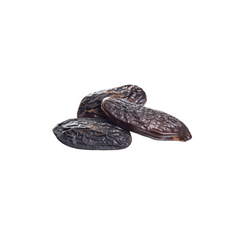
Layer cassia with vanilla or tonka bean fragrances. Vanillin and coumarin share similar molecular structures, creating a seamless transition from spice to sweetness. This pairing is exemplified in Estée Lauder Beautiful, where cassia amplifies the bouquet’s warmth.

02

Add Depth

Combine cassia with patchouli or sandalwood. Patchoulol and santalol molecules interact with cinnamaldehyde, grounding the spice and extending longevity. Arquiste Indigo Smoke demonstrates this synergy with its smoky, woody base.

03

Lighten the Spice

Pair cassia with citrus or green notes. Limonene and citral molecules mask the aggressive heat of cinnamaldehyde, resulting in a fresher, more wearable profile. Miller Harris La Pluie uses this approach to balance cassia’s warmth with lavender and vetiver.

Wear It Right

How to Wear Cassia Like a Pro

Seasonal Guide

Fall & Winter

Cool air slows the evaporation of cinnamaldehyde, allowing cassia’s spicy warmth to linger. Apply to pulse points under clothing for a cozy, enveloping effect. The sweet, vanillic undertones are especially comforting in cold weather.

Spring

Moderate temperatures allow cassia’s spice to shine without overwhelming. Layer with florals or citrus notes to balance the heat and add freshness. Apply sparingly to avoid overpowering lighter spring scents.

Summer

High heat increases cassia’s volatility, leading to rapid projection and shorter longevity. Use minimal amounts, focusing on less exposed areas. Pair with green or aquatic notes to temper the spice and prevent cloying.

Year-Round Tip

Adjust application based on humidity: in dry climates, cassia’s projection is softer; in humid environments, its intensity is amplified. Always patch-test, as heat and sweat can increase sensitization risk.

Application Points

Strategic application enhances cassia’s performance and minimizes sensitization risk.

1

Neck

Pulse points on the neck provide gentle warmth, accelerating cassia’s spicy top note while allowing the sweet, woody heart to develop. Avoid direct sun exposure to minimize irritation.

2

Behind the Ears

A discreet spot with moderate heat, ideal for slow diffusion of cassia’s vanillic undertones. Reduces risk of overexposure to the potent spice.

3

Inner Wrists

Classic pulse point for quick scent release. Cassia’s top note will be most intense here, but reapplication may be needed as handwashing reduces longevity.

4

Hair

Spraying on hair allows for gentle, prolonged diffusion of cassia’s sweet, woody facets. Avoid direct contact with scalp to prevent irritation.

Pro Tip

Layer cassia-based fragrances over unscented moisturizer to slow evaporation and extend the vanillic drydown. Always patch-test due to sensitization risk.

Mood Architecture™

Top Cassia Fragrances by Mood Score

These Cassia-based fragrances scored highest on the MEI™ Mood Architecture Framework — measuring how a scent may influence your emotional state.

Highest MEI Score
Britannian — Britannia Alternative Perfume
8.87
MEI™
Primary Romantic
Secondary Confident
Confidence
8.33
Presence
8.68
Mood Lift
9.5
Identity
9.09
Warmth
9.5
Social Ease
9.24
Energy
4.3
" I am beautiful.
View full mood profile →
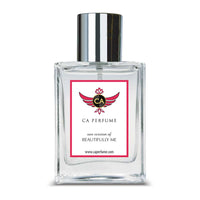
Beautifully Me — Estee Lauder Beautiful Alternative Perfume
8.56
MEI™
Primary Romantic
Secondary Confident
Confidence
7.87
Presence
8.75
Mood Lift
9.5
Identity
8.27
Warmth
9.49
Social Ease
8.35
Energy
4.5
" I am beautiful.
View full mood profile →
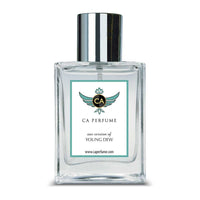
Young Dew — Youth Dew Alternative Perfume
7.6
MEI™
Primary Confident
Secondary Magnetic
Confidence
7.9
Presence
8.55
Mood Lift
7.2
Identity
8.21
Warmth
8.8
Social Ease
6.39
Energy
5.8
" I am confident.
View full mood profile →
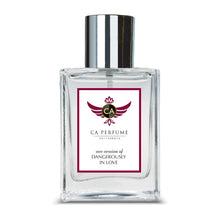
Dangerously In Love — By Kilian Dangerously In Love Alternative Perfume
7.02
MEI™
Primary Magnetic
Secondary Confident
Confidence
7.28
Presence
7.97
Mood Lift
7.02
Identity
7.83
Warmth
6.99
Social Ease
6.66
Energy
2.7
" I am bold.
View full mood profile →
HumanSafe™

Top Cassia Fragrances by HumanSafe™ Score

These Cassia-based fragrances have the highest product-level HumanSafe™ scores in this ingredient collection.

Highest HumanSafe™ Score
Young Dew — Youth Dew Alternative Perfume
A-
HumanSafe™ Score Generally Safe
Safest Evaluated Ingredients EDP
AQUA Solvent / Carrier ISS 10.0
ACETIC ACID, PHENYLMETHYL ESTER Evaluated ingredient ISS 10.0
HEPTANAL, 2-(PHENYLMETHYLENE)- Evaluated ingredient ISS 9.0
BENZYL SALICYLATE EYE IRRITATION - CAT.2B [H320] Evaluated ingredient ISS 9.0
2H-1-BENZOPYRAN-2-ONE Evaluated ingredient ISS 8.0
LINALYL ACETATE Evaluated ingredient ISS 7.0
View full safety profile →
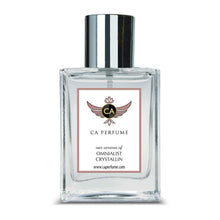
Omnialist Crystallin — Omnia Crystalline Alternative Perfume
A-
HumanSafe™ Score Generally Safe
Safest Evaluated Ingredients EDP
AQUA Solvent / Carrier ISS 10.0
1,4-DIOXACYCLOHEPTADECANE-5,17-DIONE Evaluated ingredient ISS 10.0
LINALYL ACETATE Evaluated ingredient ISS 7.0
LINALOOL Evaluated ingredient ISS 7.0
CYCLOHEXANEMETHANOL, 4-(1-METHYLETHYL)-, CIS- Evaluated ingredient ISS 7.0
CITRONELLOL Evaluated ingredient ISS 7.0
View full safety profile →
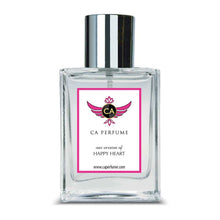
Happy Heart — Clinique Happy Heart Alternative Perfume
A-
HumanSafe™ Score Generally Safe
Safest Evaluated Ingredients EDP
AQUA Solvent / Carrier ISS 10.0
BENZYL SALICYLATE EYE IRRITATION - CAT.2B [H320] Evaluated ingredient ISS 9.0
BENZENEPROPANAL, 4-METHOXY-.ALPHA.-METHYL- Evaluated ingredient ISS 9.0
3-HEXEN-1-OL, BENZOATE, (Z)- Evaluated ingredient ISS 9.0
OCTANAL, 2-(PHENYLMETHYLENE)- Evaluated ingredient ISS 8.0
LINALOOL Evaluated ingredient ISS 7.0
View full safety profile →
Dangerously In Love — By Kilian Dangerously In Love Alternative Perfume
A-
HumanSafe™ Score Generally Safe
Safest Evaluated Ingredients EDP
OXACYCLOHEPTADEC-10-EN-2-ONE Evaluated ingredient ISS 10.0
AQUA Solvent / Carrier ISS 10.0
BENZYL SALICYLATE Evaluated ingredient ISS 9.0
AMBERKETAL Evaluated ingredient ISS 8.0
3-BUTEN-2-ONE, 3-METHYL-4-(2,6,6-TRIMETHYL-2- Evaluated ingredient ISS 8.0
View full safety profile →
Expert Voices

What Masters Say About Cassia

Cassia oil provides a bold, unsubtle cinnamon effect. It is used when the perfumer wants cinnamon heat front and center rather than as a background spice.
Première Peau Editorial
The combination of high cinnamaldehyde and high coumarin makes cassia simultaneously hotter and sweeter than its gentler cousin, Ceylon cinnamon.
CA Perfume Editorial
Common Questions

Frequently Asked Questions

Answers to common questions about cassia in perfumery.

Cassia in perfume smells intensely spicy and cinnamon-like, with a hot, sweet, and earthy profile. The dominant aroma comes from cinnamaldehyde (70–90% of the oil), which gives a searing, aromatic heat. Coumarin adds a sweet, hay-like, and slightly vanillic undertone, while minor aldehydes contribute complexity. Compared to true cinnamon, cassia is rougher, hotter, and more assertive, making it ideal for bold spice compositions.

Cassia is typically classified as a heart note in perfumery. Its moderate volatility allows it to persist beyond the initial top notes but not as long as true base notes. The spicy heat of cinnamaldehyde is most apparent in the first hour, while coumarin and woody undertones linger into the drydown.

Cassia’s bold, spicy character and high odor strength make it a favorite in niche perfumery, where perfumers seek distinctive, statement-making notes. Its ability to bridge floral, woody, and gourmand accords, and its cost-effectiveness compared to true cinnamon, have contributed to its popularity in both modern and classical compositions.

Cassia fragrance uses often involve pairing with vanilla, tonka bean, sandalwood, patchouli, rose, and citrus notes. These ingredients share molecular affinities—vanillin and coumarin, santalol and cinnamaldehyde—that create harmonious, balanced accords. Patchouli and sandalwood ground the spice, while vanilla and tonka bean amplify its sweetness.

Cassia’s high volatility means it projects strongly in hot weather, but can become overwhelming if overapplied. For summer, use minimal amounts and pair with green or citrus notes to lighten the spice. In cooler weather, cassia’s warmth is more comforting and less likely to overpower.

Cassia’s longevity depends on concentration and pairing. As a heart note, its spicy heat lasts 2–4 hours, with vanillic and woody undertones persisting longer, especially when blended with fixatives like patchouli or sandalwood. Oil-based formats extend the drydown, while EDTs may lose the spice more quickly.

Yes, you can layer cassia with complementary notes for a custom effect. For example, pairing with vanilla or tonka bean enhances sweetness, while patchouli or sandalwood adds depth. Layering with citrus or green notes lightens the spice. Always test combinations, as cassia’s high odor strength can dominate blends.

Beginner-friendly cassia perfumes include Miller Harris La Pluie, which balances cassia with florals and vetiver, and Estée Lauder Beautiful, where cassia supports a multi-floral bouquet. These fragrances showcase cassia’s warmth without overwhelming the wearer.

Consider your preferred style: for bold spice, select cassia-dominant compositions; for subtle warmth, look for blends where cassia is paired with vanilla, florals, or woods. CA Perfume’s collection offers a range of cassia-forward and cassia-accented scents, all HumanSafe™ verified for transparency.

Cassia is primarily spicy due to its high cinnamaldehyde content, but it also has a pronounced sweet, vanillic undertone from coumarin. The balance of spice and sweetness depends on concentration, pairing, and skin chemistry. In most compositions, the initial impression is hot and spicy, followed by a lingering sweet warmth.

Spices Collection

Explore Our Top Cassia Fragrances

Discover CA Perfume’s curated selection of cassia-forward scents, each crafted to showcase the ingredient’s bold spice and sweet warmth.

Shop all cassia fragrances at CA Perfume →

Where Cassia Comes From — Origin & Extraction

Cassia is derived from the bark of Cinnamomum cassia (syn. C. aromaticum), a member of the Lauraceae family native to southern China. Today, the primary producing regions are Guangxi and Guangdong provinces in China, which account for over 70% of global cassia oil production, with additional output from Vietnam and Indonesia. The bark is harvested from trees aged 6–10 years, with annual global production of cassia bark estimated at over 50,000 metric tons. Extraction of cassia essential oil is performed via steam distillation of the dried bark. The process yields 1–2% essential oil by weight, with the resulting oil being a dark reddish-brown liquid. The distillation is typically conducted at atmospheric pressure, with temperatures maintained between 100–120°C to maximize cinnamaldehyde recovery while minimizing thermal degradation. Cassia leaf oil is also produced, but it is less refined and contains a higher proportion of eugenol and other minor constituents. Solvent extraction is rarely used for cassia, as the bark’s high cinnamaldehyde content is readily accessible via distillation. Natural cassia oil is significantly less expensive than true cinnamon oil, with wholesale prices ranging from $25–$50 per kg (2025 data), compared to $200–$300 per kg for Ceylon cinnamon oil. Synthetic cinnamaldehyde (CAS 104-55-2) is even more economical, available for $10–$20 per kg, and is widely used in functional perfumery and flavor applications. Sustainability concerns for cassia are moderate: while the tree is not currently listed as threatened, overharvesting and monoculture practices in China and Vietnam have led to soil depletion and reduced biodiversity in some regions. Responsible sourcing and crop rotation are increasingly emphasized by major suppliers.

Famous Fragrances That Define Cassia in Perfumery

Cassia has played a defining role in both classical and contemporary perfumery, particularly in compositions where a bold, spicy cinnamon effect is desired. In Amouage Figment Woman (2017, Dorothée Piot), cassia is used as a bridge note, linking floral and woody elements with its hot, spicy character. Miller Harris La Pluie (2011, Lyn Harris) showcases cassia as a supporting note, adding warmth and depth to a rain-soaked floral accord. Arquiste Indigo Smoke (2022) employs cassia as a dominant note, pairing it with black tea and incense to create a smoky, spicy signature. In Guerlain Kadine (1911), cassia functions as an accent, enhancing the floral heart with a sweet, spicy undertone. Estée Lauder Beautiful (1985, Sophia Grojsman) uses cassia as a supporting note, amplifying the bouquet’s warmth and complexity. More recently, Mind Games Caïssa (2022, David Apel) demonstrates cassia’s versatility in modern niche perfumery, where it is paired with licorice, gardenia, and cocoa for a gourmand effect. These fragrances illustrate cassia’s adaptability across genres—from oriental and floral to gourmand and woody compositions. CA Perfume’s collection draws inspiration from this lineage, offering cassia-forward scents that respect both tradition and innovation.

Natural vs Synthetic Cassia in Perfumery

Natural cassia oil is composed primarily of cinnamaldehyde (C9H8O, CAS 104-55-2), with coumarin (CAS 91-64-5) and ortho-methoxycinnamaldehyde (CAS 7772-47-6) as significant secondary constituents. Synthetic cassia notes are typically built around pure cinnamaldehyde, sometimes blended with coumarin and minor aldehydes to mimic the complexity of the natural oil. Other aroma chemicals used to recreate cassia’s profile include ethyl cinnamate (CAS 103-36-6), benzaldehyde (CAS 100-52-7), and eugenol (CAS 97-53-0). Performance-wise, synthetic cinnamaldehyde offers greater stability and consistency, with less batch-to-batch variation than natural cassia oil. However, the natural oil’s higher coumarin content imparts a sweeter, more vanillic undertone, which is difficult to fully replicate synthetically. Both forms are strong sensitizers; IFRA restricts cassia oil and cinnamaldehyde to maximum concentrations of 0.05–0.2% in leave-on products due to their high allergenic potential. Notable fragrances using natural cassia include Amouage Figment Woman and Miller Harris La Pluie, while many mainstream and functional fragrances rely on synthetic cinnamaldehyde for cost and regulatory reasons. From a cost perspective, natural cassia oil is 2–3 times more expensive than synthetic cinnamaldehyde. Sustainability and supply chain transparency are increasingly important: the HumanSafe™ platform provides traceability for cassia sourcing, ensuring compliance with environmental and labor standards. CA Perfume prioritizes HumanSafe™ verified cassia and utilizes synthetic cinnamaldehyde only when necessary for IFRA compliance or formula stability.