Ingredient Guide · Floral
Floral Family · Perfumery Note

Casablanca Lily

A modern white floral with creamy, sweet facets

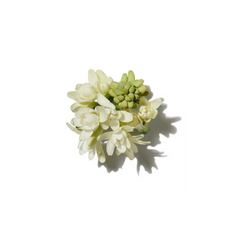
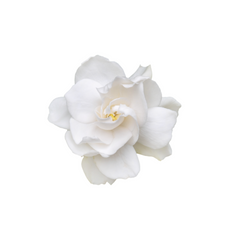
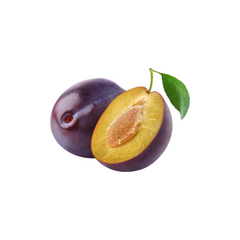
Casablanca Lily is a white floral perfume note featuring tuberose, gardenia, and plum, used primarily as a heart note in extrait de parfum concentrations. It is characterized by a creamy, sweet floral scent with honeyed and woody undertones.

Casablanca Lily
Ingredient Profile

Casablanca Lily

Floral Family
Family Floral
Note Position Heart Note
Usage Level 10-20%
Key Origins India, China, United States
Iconic In Casablanca Lily, J’adore
The Ingredient

What does Casablanca Lily smell like and what is its significance in perfumery?

Casablanca Lily in perfumery is a white floral accord that does not contain actual lily essence but evokes the flower's elegance through a blend of tuberose (Polianthes tuberosa), gardenia (Gardenia jasminoides), and plum notes. The scent profile is creamy, sweet, and slightly fruity, with honeyed and woody undertones contributed by palisander rosewood and honey accord. The tuberose provides a lush, heady floral character, while gardenia adds a creamy, radiant facet. Plum introduces a deep, jammy fruitiness that balances the florals. In perfumery, Casablanca Lily is typically used as a heart note or in extrait de parfum concentrations, often around 10-20% concentration in finished fragrances. It interacts with skin chemistry by blending its sweetness with natural skin oils, creating a warm, intimate sillage. The note is prized for its ability to convey a sophisticated, modern white floral character without the overpowering sharpness of true lily extracts. Notable fragrances featuring Casablanca Lily include Byredo's Casablanca Lily (2015, perfumer Jérôme Epinette), where it forms the core accord alongside plum, carnation, and honey, and Dior's J’adore, which uses Casablanca Lily to add a sensual floral depth. These examples demonstrate the note's versatility in both niche and luxury mainstream perfumery.

10-20%
Typical concentration range of Casablanca Lily accord in extrait de parfum formulations to ensure full expression of floral and honeyed nuances.
5-7 hours
Average longevity of Casablanca Lily fragrances on skin, supported by the honey and rosewood base notes.
1-2%
IFRA recommended maximum concentration for tuberose and gardenia absolutes in fragrance formulations to avoid sensitization.
Origin & Extraction

Where Casablanca Lily Comes From — Origin & Extraction

Casablanca Lily accord components originate from diverse regions reflecting their botanical sources. Soil composition, climate, and harvesting methods influence the scent nuances, contributing to the final fragrance character.

Casablanca Lily as a fragrance note is a crafted accord rather than a single botanical extract. It is inspired by the Casablanca lily flower, a white lily variety known botanically as Lilium 'Casa Blanca,' but in perfumery, the note is typically composed through blending tuberose (Polianthes tuberosa), gardenia (Gardenia jasminoides), plum, and honey accords. The natural raw materials used to create the Casablanca Lily accord are sourced globally: tuberose is cultivated primarily in India and Mexico, gardenia in subtropical regions including China and Madagascar, and plum extracts are derived from fruit grown in temperate zones such as Europe and the USA. Palisander rosewood (Dalbergia spp.) used for woody base notes is sourced mainly from South America and Southeast Asia, though sustainability concerns have led to restrictions and certifications. Extraction methods include solvent extraction and enfleurage for tuberose and gardenia to preserve their delicate floral molecules such as methyl anthranilate and benzyl acetate. Plum notes are typically recreated using natural fruit extracts combined with synthetic aroma chemicals to enhance stability and longevity. The Casablanca Lily accord is often produced as an absolute or fragrance concentrate, with yields varying by plant and extraction method. Natural absolutes are costly, with prices for tuberose absolute ranging from $2,000 to $5,000 per kilogram, while synthetic components reduce costs and improve consistency. Sustainability efforts focus on ethical sourcing of rosewood and reducing environmental impact of solvent use.

IN

India

India is a primary producer of tuberose, cultivated in regions like Tamil Nadu and Karnataka. The tropical climate and rich soil yield tuberose with intense floral sweetness. Annual production is significant, supporting global perfumery demand.

CN

China

China supplies gardenia flowers, especially from subtropical provinces like Guangdong. The unique soil and humidity levels produce gardenia with creamy and green facets prized in perfumery.

US

United States

The US, particularly California, grows plums used for natural extracts. The temperate climate and controlled agriculture produce fruit with consistent aroma profiles for fragrance use.

BR

Brazil

Brazil is a source of palisander rosewood, harvested under regulated conditions. The wood's rich, warm aroma is a valued base note, though sustainability efforts are critical due to overharvesting concerns.

Chemistry

Natural vs Synthetic Casablanca Lily in Perfumery

The Casablanca Lily accord in perfumery is predominantly a blend of natural extracts and synthetic aroma chemicals designed to replicate the complex scent of the flower and its associated notes. Natural components include tuberose absolute, gardenia extract, plum essence, and honey accord, each contributing unique molecules such as methyl anthranilate (tuberose), benzyl acetate (gardenia), and furaneol (plum). Synthetic molecules commonly used to enhance or replicate aspects of Casablanca Lily include ethyl maltol (sweet, caramel-like), gamma-undecalactone (fruity peachy), and hydroxycitronellal (floral aldehyde). These synthetics improve longevity, projection, and batch consistency while reducing cost and environmental impact. Performance-wise, natural ingredients offer depth and complexity but can be variable and less stable. Synthetics provide reliability and enhanced diffusion but may lack the nuanced texture of naturals. Casablanca Lily fragrances like Byredo's use a balanced approach, combining high-quality natural absolutes with synthetics for optimal effect. Sustainability concerns are significant for natural rosewood and tuberose farming; synthetic alternatives reduce pressure on endangered species. The HumanSafe™ platform ensures transparency and safety in ingredient sourcing and formulation for Casablanca Lily accords.

Natural
Casablanca Lily Absolute
Cost $3,000–6,000/kg
Method Solvent / CO₂
Character Complex, variable
vs
Synthetic
Safranal & Analogues
Cost $50–200/kg
Method Lab synthesis
Character Consistent, stable
Hall of Fame

Famous Fragrances That Define Casablanca Lily in Perfumery

2015
dominant note

Casablanca Lily

Byredo
by Jérôme Epinette
PlumCarnationHoneyRosewood
1999
supporting note

J’adore

Dior
by Calice Becker
JasmineRoseYlang-ylang
2008
accent

White Patchouli

Tom Ford
by David Apel
PatchouliWhite Flowers
2018
supporting note

Gucci Bloom Acqua di Fiori

Gucci
by Alberto Morillas
JasmineTuberose
1921
inspirational note

Chanel No.5

Chanel
by Ernest Beaux
AldehydesRoseJasmine

Casablanca Lily has been featured prominently in several landmark fragrances, showcasing its versatility as a white floral note with a modern edge. Byredo's Casablanca Lily (2015), crafted by perfumer Jérôme Epinette, is a signature example where the note forms the heart of an extrait de parfum, paired with plum, carnation, and honey to create a rich, sensual floral composition. The fragrance is celebrated for its balance of creamy tuberose and gardenia with a fruity, honeyed base. Dior's J’adore (1999), by perfumer Calice Becker, incorporates Casablanca Lily to add a lush, seductive dimension to its floral bouquet, blending it with jasmine, rose, and ylang-ylang. Chanel No.5 (1921), though predating modern Casablanca Lily accords, is noted for its use of white floral aldehydes that inspired later interpretations of the lily note. Tom Ford's White Patchouli (2008) uses Casablanca Lily alongside patchouli and other white florals to create a sophisticated, sensual scent. Gucci Bloom Acqua di Fiori (2018) includes Casablanca Lily to enhance its fresh, feminine floral profile. These fragrances demonstrate Casablanca Lily's role as a bridge note that adds complexity and elegance to floral compositions. CA Perfume's collection honors this lineage by offering fragrances that reflect Casablanca Lily's refined, modern floral character without overwhelming sweetness.

The Accord

How is a captivating Casablanca Lily accord crafted?

A Casablanca Lily accord is typically constructed with tuberose (30-35%) for its creamy, heady floral character, gardenia (20-25%) to add a radiant, green-floral facet, plum (15-20%) for fruity depth and sweetness, and honey accord (20-25%) to provide warmth and a soft gourmand touch. Each ingredient is selected for its molecular complementarity: tuberose and gardenia share methyl anthranilate and benzyl acetate compounds, creating a seamless floral blend. Plum's furaneol adds a juicy sweetness that balances the florals, while honey's complex sugars and volatiles enhance longevity and roundness.

35%

Tuberose

30–35% of blend

Tuberose provides the creamy, heady floral core with methyl anthranilate molecules that give its characteristic narcotic sweetness.

25%

Gardenia

20–25% of blend

Gardenia adds a radiant, green-floral facet through benzyl acetate and other lactones, complementing tuberose's sweetness.

20%

Plum

15–20% of blend

Plum contributes fruity depth and jammy sweetness via furaneol and related aroma chemicals, balancing the floral notes.

25%

Honey Accord

20–25% of blend

Honey accord provides warmth and a soft gourmand touch, enhancing longevity with complex sugar-derived volatiles.

The Olfactory Layers

How Casablanca Lily Evolves on Skin

Casablanca Lily fragrance evolves from a bright, fruity-floral opening to a creamy, warm floral heart, settling into a honeyed, woody base. The top notes evaporate within 15 minutes, revealing heart molecules with moderate volatility, while the base notes provide lasting warmth for several hours.

I
Top notes
0–15 min
Bright Fruity Floral

The opening features plum and gardenia, with plum's furaneol providing juicy sweetness and gardenia's benzyl acetate lending a fresh, creamy floral brightness. These high-volatility molecules evaporate quickly, creating an inviting initial impression.

FruityCreamy FloralBright
II
Heart notes
20–60 min
Creamy Floral Bouquet

The heart reveals tuberose and carnation, where tuberose's methyl anthranilate creates a rich, narcotic floral scent, balanced by carnation's spicy, clove-like eugenol compounds. This stage is creamy, lush, and floral with moderate volatility.

CreamyFloralSpicy
III
Base notes
Several hours
Warm Honeyed Woods

The base is composed of palisander rosewood and honey accord, where woody lactones and sugar-derived volatiles provide warmth, depth, and longevity. These low-volatility molecules anchor the fragrance, extending its presence on skin.

WarmWoodySweet
TOP NOTES Bright Fruity Floral 0–15 minutes HEART NOTES Creamy Floral Bouquet 20–60 minutes BASE NOTES Warm Honeyed Woods Several hours
Through the Ages

The Story of Casablanca Lily in Perfumery

Casablanca Lily's history in perfumery traces from the botanical inspiration of the Casablanca lily flower to its modern interpretation as a white floral accord in niche and luxury fragrances.

1921

Chanel No.5 Launch

Chanel No.5 introduced aldehydic white florals that inspired later lily accords, setting a precedent for modern white floral fragrances.

1999

Dior J’adore Release

Calice Becker's J’adore incorporated white floral notes including Casablanca Lily elements, popularizing lush, sensual florals.

2008

Tom Ford White Patchouli Debut

Tom Ford used Casablanca Lily in a refined, sensual context, blending it with patchouli and white florals.

2015

Byredo Casablanca Lily Launch

Jérôme Epinette created Casablanca Lily as part of Byredo's Night Veils collection, defining a modern white floral accord.

2025

Byredo Casablanca Lily Relaunch

Byredo updated Casablanca Lily with a new extrait de parfum formulation, maintaining its signature floral and fruity character.

The Art of Layering

How to Layer Casablanca Lily

Understanding how to layer Casablanca Lily involves molecular compatibility with complementary notes to enhance or balance its creamy floral character.

01

Enhance Sweetness

Layering with vanilla or tonka bean softens the floral's sharp edges through olfactory masking, where vanillin’s sweetness blends with tuberose’s narcotic facets. This technique is seen in fragrances like Byredo’s Gypsy Water.

02

Add Depth

Pairing with sandalwood or patchouli introduces woody lactones that complement rosewood’s warmth in Casablanca Lily, enriching the base and extending longevity. Tom Ford’s White Patchouli exemplifies this pairing.

03

Lighten the Glow

Combining with citrus notes such as bergamot or neroli introduces high-volatility aldehydes that brighten the plum and gardenia top notes, creating a fresher opening without diluting the floral heart. Dior’s J’adore uses this approach effectively.

Wear It Right

How to Wear Casablanca Lily Like a Pro

Seasonal Guide

Fall & Winter

Cooler temperatures enhance the warm, honeyed base and creamy florals, allowing Casablanca Lily to project richly and last longer. Apply moderately to pulse points for intimate sillage.

Spring

Spring’s mild warmth complements the fresh gardenia and plum top notes, making the fragrance feel bright yet balanced. Layer lightly for daytime wear.

Summer

Heat can intensify the sweetness and floral intensity, which may become overpowering. Use sparingly or opt for lighter concentrations to avoid cloying effects.

Year-Round Tip

Layer Casablanca Lily with fresh citrus or green notes in warmer months to brighten and lighten the accord, enhancing wearability across seasons.

Application Points

Strategic application of Casablanca Lily enhances its floral warmth and longevity.

1

Neck

Pulse points at the neck provide warmth that activates the creamy floral heart, enhancing projection and scent evolution.

2

Behind the Ears

This discreet area allows for subtle diffusion of the honeyed base, creating an intimate aura.

3

Inner Wrists

Wrists offer warmth and movement, helping the plum and gardenia top notes to bloom naturally.

4

Hair

Hair holds fragrance well, releasing Casablanca Lily’s floral facets softly with natural motion.

Pro Tip

Apply a light layer of unscented moisturizer before spraying to enhance scent adherence and longevity.

Mood Architecture™

Top Casablanca Lily Fragrances by Mood Score

These Casablanca Lily-based fragrances scored highest on the MEI™ Mood Architecture Framework — measuring how a scent may influence your emotional state.

Highest MEI Score
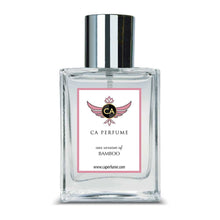
Bamboo — Gucci Bamboo Alternative Perfume
6.75
MEI™
Primary Fresh
Secondary Romantic
Confidence
6.27
Presence
6.67
Mood Lift
7.48
Identity
6.55
Warmth
7.15
Social Ease
6.92
Energy
3.4
" I am radiant.
View full mood profile →
Pomegranate Noir Cologne — Jo Malone Pomegranate Noir Cologne Alternative Cologne
6.1
MEI™
Primary Grounding
Secondary Confident
Confidence
6.23
Presence
6.49
Mood Lift
6.11
Identity
6.3
Warmth
6.79
Social Ease
5.47
Energy
3.8
" I am enough.
View full mood profile →
HumanSafe™

Top Casablanca Lily Fragrances by HumanSafe™ Score

These Casablanca Lily-based fragrances have the highest product-level HumanSafe™ scores in this ingredient collection.

Highest HumanSafe™ Score
Pomegranate Noir Cologne — Jo Malone Pomegranate Noir Cologne Alternative Cologne
A-
HumanSafe™ Score Generally Safe
Safest Evaluated Ingredients EDP
AQUA Solvent / Carrier ISS 10.0
1,4-DIOXACYCLOHEPTADECANE-5,17-DIONE Evaluated ingredient ISS 10.0
4H-INDEN-4-ONE, 1,2,3,5,6,7-HEXAHYDRO-1,1,2,3,3- Evaluated ingredient ISS 9.0
ALCOHOL DENAT. Solvent / Carrier ISS 7.0
1,6-METHANONAPHTHALEN-1(2H)-OL, OCTAHYDRO- Evaluated ingredient ISS 7.0
1,3-BENZODIOXOLE-5-PROPANAL, .ALPHA.-METHYL- Evaluated ingredient ISS 7.0
View full safety profile →
Bamboo — Gucci Bamboo Alternative Perfume
A-
HumanSafe™ Score Generally Safe
Safest Evaluated Ingredients EDP
AQUA Solvent / Carrier ISS 10.0
AMBROXID Evaluated ingredient ISS 10.0
1,4-DIOXACYCLOHEPTADECANE-5,17-DIONE Evaluated ingredient ISS 10.0
LINALYL ACETATE Evaluated ingredient ISS 7.0
LINALOOL Evaluated ingredient ISS 7.0
ALCOHOL DENAT. Solvent / Carrier ISS 7.0
View full safety profile →
Expert Voices

What Masters Say About Casablanca Lily

Casablanca Lily is not a literal lily scent but a modern white floral accord that balances creamy tuberose with sweet plum and honeyed warmth, creating a sophisticated and wearable floral.
Jérôme Epinette, Perfumer
The note captures the essence of nocturnal white flowers, unfolding like petals at twilight, with a rich, honeyed base that surprises and delights as it develops.
CA Perfume Editorial
Common Questions

Frequently Asked Questions

Frequently asked questions about Casablanca Lily in perfumery.

Casablanca Lily in perfume smells like a creamy, sweet white floral accord dominated by tuberose and gardenia, with fruity plum top notes and a warm honeyed, woody base. It evokes a lush, elegant floral bouquet with subtle spicy and gourmand facets, often used as a heart note in extrait de parfum concentrations.

Casablanca Lily functions primarily as a heart note in fragrance compositions, where its creamy tuberose and gardenia floral facets unfold. Its associated plum note appears in the top, while honey and rosewood form the base, providing warmth and longevity.

Casablanca Lily is favored in niche perfumery for its complex, sophisticated white floral character that balances richness and freshness. Its blend of natural and synthetic components allows perfumers to craft unique, long-lasting accords that evoke elegance without overwhelming sweetness.

Casablanca Lily fragrance uses pairing with vanilla, patchouli, sandalwood, bergamot, and carnation to enhance its creamy, woody, and spicy facets. These notes complement the floral sweetness and add depth, balance, and brightness to the accord.

Casablanca Lily can be intense in hot weather due to its creamy floral and sweet honeyed notes, which may become overpowering. It is best suited for spring, fall, and cooler summer evenings, or applied sparingly during hot weather.

Casablanca Lily fragrances typically last 5 to 7 hours on skin, with the honey and rosewood base notes providing extended longevity and a warm drydown.

Yes, layering Casablanca Lily with vanilla or tonka bean enhances sweetness, while sandalwood or patchouli adds depth. Citrus notes like bergamot can lighten the floral brightness, creating a balanced, personalized scent.

Byredo's Casablanca Lily (2015) is a well-regarded entry point due to its balanced floral-fruity profile and moderate projection. It offers a sophisticated yet wearable introduction to white floral accords.

Consider concentration (extrait for richness, eau de parfum for lighter wear), seasonality, and personal preference for sweetness or warmth. CA Perfume offers detailed scent profiles and layering advice to help select the ideal Casablanca Lily fragrance.

Casablanca Lily leans towards a sweet floral scent with subtle spicy undertones from carnation and tuberose's natural complexity, balanced by fruity plum and warm honeyed notes.

Floral Collection

Explore Our Top Casablanca Lily Fragrances

Discover refined white floral fragrances featuring Casablanca Lily accords, curated for elegance and modern sophistication.

Shop all casablanca lily fragrances at CA Perfume →

Where Casablanca Lily Comes From — Origin & Extraction

Casablanca Lily as a fragrance note is a crafted accord rather than a single botanical extract. It is inspired by the Casablanca lily flower, a white lily variety known botanically as Lilium 'Casa Blanca,' but in perfumery, the note is typically composed through blending tuberose (Polianthes tuberosa), gardenia (Gardenia jasminoides), plum, and honey accords. The natural raw materials used to create the Casablanca Lily accord are sourced globally: tuberose is cultivated primarily in India and Mexico, gardenia in subtropical regions including China and Madagascar, and plum extracts are derived from fruit grown in temperate zones such as Europe and the USA. Palisander rosewood (Dalbergia spp.) used for woody base notes is sourced mainly from South America and Southeast Asia, though sustainability concerns have led to restrictions and certifications. Extraction methods include solvent extraction and enfleurage for tuberose and gardenia to preserve their delicate floral molecules such as methyl anthranilate and benzyl acetate. Plum notes are typically recreated using natural fruit extracts combined with synthetic aroma chemicals to enhance stability and longevity. The Casablanca Lily accord is often produced as an absolute or fragrance concentrate, with yields varying by plant and extraction method. Natural absolutes are costly, with prices for tuberose absolute ranging from $2,000 to $5,000 per kilogram, while synthetic components reduce costs and improve consistency. Sustainability efforts focus on ethical sourcing of rosewood and reducing environmental impact of solvent use.

Famous Fragrances That Define Casablanca Lily in Perfumery

Casablanca Lily has been featured prominently in several landmark fragrances, showcasing its versatility as a white floral note with a modern edge. Byredo's Casablanca Lily (2015), crafted by perfumer Jérôme Epinette, is a signature example where the note forms the heart of an extrait de parfum, paired with plum, carnation, and honey to create a rich, sensual floral composition. The fragrance is celebrated for its balance of creamy tuberose and gardenia with a fruity, honeyed base. Dior's J’adore (1999), by perfumer Calice Becker, incorporates Casablanca Lily to add a lush, seductive dimension to its floral bouquet, blending it with jasmine, rose, and ylang-ylang. Chanel No.5 (1921), though predating modern Casablanca Lily accords, is noted for its use of white floral aldehydes that inspired later interpretations of the lily note. Tom Ford's White Patchouli (2008) uses Casablanca Lily alongside patchouli and other white florals to create a sophisticated, sensual scent. Gucci Bloom Acqua di Fiori (2018) includes Casablanca Lily to enhance its fresh, feminine floral profile. These fragrances demonstrate Casablanca Lily's role as a bridge note that adds complexity and elegance to floral compositions. CA Perfume's collection honors this lineage by offering fragrances that reflect Casablanca Lily's refined, modern floral character without overwhelming sweetness.

Natural vs Synthetic Casablanca Lily in Perfumery

The Casablanca Lily accord in perfumery is predominantly a blend of natural extracts and synthetic aroma chemicals designed to replicate the complex scent of the flower and its associated notes. Natural components include tuberose absolute, gardenia extract, plum essence, and honey accord, each contributing unique molecules such as methyl anthranilate (tuberose), benzyl acetate (gardenia), and furaneol (plum). Synthetic molecules commonly used to enhance or replicate aspects of Casablanca Lily include ethyl maltol (sweet, caramel-like), gamma-undecalactone (fruity peachy), and hydroxycitronellal (floral aldehyde). These synthetics improve longevity, projection, and batch consistency while reducing cost and environmental impact. Performance-wise, natural ingredients offer depth and complexity but can be variable and less stable. Synthetics provide reliability and enhanced diffusion but may lack the nuanced texture of naturals. Casablanca Lily fragrances like Byredo's use a balanced approach, combining high-quality natural absolutes with synthetics for optimal effect. Sustainability concerns are significant for natural rosewood and tuberose farming; synthetic alternatives reduce pressure on endangered species. The HumanSafe™ platform ensures transparency and safety in ingredient sourcing and formulation for Casablanca Lily accords.