Ingredient Guide · Fruity
Fruity Family · Perfumery Note

Plum

Dark, wine-rich, and complex—plum’s scent is never one-dimensional.

Plum in perfumery is a reconstructed fruity note, known for its jammy, wine-like, and subtly spicy character. Its signature comes from damascenone and damascones, used at 0.5–2% in accords to evoke ripe, decadent fruit.

Plum
Ingredient Profile

Plum

Fruity Family
Family Fruity
Note Position Heart Note
Usage Level <2%
Key Origins China, Romania, Serbia
Iconic In Feminité du Bois, Plum Japonais
The Ingredient

What does Plum smell like and why is it a signature in modern fragrance?

Plum in perfumery is defined by its multifaceted scent profile—jammy, wine-toned, and sweet, with a subtle tartness and a hint of liqueur. This complexity is due to the presence of damascenone (CAS 23726-93-4), beta-damascone, and benzaldehyde, which together create a layered aroma reminiscent of ripe fruit, dried prunes, and even a faint almond undertone. Unlike the bright, ester-driven notes of apple or peach, plum’s olfactory character is denser, darker, and more mature, often evoking the sensation of overripe fruit or fruit preserved in spirits. In perfumery, plum is almost always a synthetic accord rather than a direct fruit extract. It is typically classified as a heart note, though it can appear in top or base accords depending on the desired effect. The concentration of plum accords in compositions usually ranges from 0.5% to 2%, sufficient to impart a noticeable but not overpowering presence. On skin, plum’s molecules interact with natural oils and pH, sometimes amplifying its wine-like richness or highlighting its tart skin facets. This makes the note highly adaptive and variable across different wearers. Plum in perfumery is exemplified by fragrances such as Serge Lutens Feminité du Bois (1992, perfumer: Christopher Sheldrake), where plum’s dark, jammy sweetness is paired with cedar and violet, and Tom Ford Plum Japonais (2013, perfumer: Yann Vasnier), which explores a boozy, spicy interpretation. These compositions showcase how plum can serve as both a dominant theme and a supporting nuance, contributing depth, sensuality, and a sense of intrigue.

<2%
Plum accords are typically used at concentrations below 2% in a fragrance formula. Damascenone’s extremely low odor threshold (parts per billion) means a small amount has a significant olfactory impact.
5–8 Hours
The average longevity of a plum-centric fragrance is 5–8 hours on skin, with the heart and base notes persisting due to the stability of damascenone and musks.
$80–300/kg
The cost of high-purity damascenone and damascones used in plum accords ranges from $80 to $300 per kilogram, reflecting both synthesis complexity and olfactory potency.
Origin & Extraction

Where Plum Comes From — Origin & Extraction

Plum’s scent profile in perfumery is shaped by the molecular composition of the synthetic accord, but the fruit’s natural diversity is influenced by origin—soil, climate, and varietal genetics. While not directly extracted, the inspiration for plum accords often references the terroir of major producing regions.

The plum note in perfumery is not derived from direct extraction of the fruit. The high water content and low volatility of plum’s natural aroma compounds make traditional extraction methods—such as steam distillation or solvent extraction—ineffective for capturing its true scent. Instead, plum is reconstructed in the laboratory using a blend of synthetic molecules, primarily damascenone, alpha- and beta-damascone, and benzaldehyde. These molecules are also found in trace amounts in the fruit and in related species within the Prunus genus. Key producing countries for the fruit itself include China (over 6 million metric tons annually), Romania, Serbia, and Chile, but these are not sources for perfumery-grade plum aroma. Instead, the major suppliers of damascenone and damascones are specialty fragrance ingredient manufacturers in Europe and the United States. The synthetic process involves multi-step organic synthesis, often starting from ionone derivatives or carotenoid degradation, with yields optimized for purity and olfactory impact. Damascenone is used at concentrations as low as 0.01% in a formula due to its extremely low odor threshold. Natural plum extracts are not commercially viable for perfumery, and attempts to use headspace technology have yielded only partial reconstructions. Synthetic plum accords cost approximately $80–300 per kilogram, depending on the blend and purity, while natural extraction (if attempted) would be prohibitively expensive and unstable. Sustainability is enhanced by the use of synthetic molecules, which avoid agricultural land use and biodiversity impact. The primary aroma chemicals are REACH-registered and IFRA-compliant, with established safety profiles.

CN

China

The world’s largest plum producer, with over 6 million metric tons annually, primarily in Sichuan and Hebei provinces. Chinese plums are known for their tartness and high anthocyanin content, inspiring accords with brighter, more acidic facets.

RO

Romania

Romania’s Transylvania region is famed for its Reine Claude and Stanley plums, grown in mineral-rich, loamy soils. The fruit’s high sugar content and dense flesh inspire the jammy, sweet aspects of perfumery plum accords.

RS

Serbia

Serbia’s Šumadija region produces plums for both culinary and distillation use, with annual output exceeding 500,000 tons. The local Čačanska Lepotica variety is prized for its deep color and aromatic intensity, influencing the darker, wine-like facets of plum notes.

CL

Chile

Central Chile’s Mediterranean climate yields plums with balanced acidity and sweetness, used primarily for export. The fruit’s aromatic profile—juicy, with subtle floral undertones—serves as a model for modern, versatile plum accords.

Chemistry

Natural vs Synthetic Plum in Perfumery

Plum’s presence in fragrance is almost exclusively synthetic, as direct extraction from the fruit is not feasible. The primary molecules used to recreate plum are damascenone (CAS 23726-93-4), beta-damascone (CAS 23726-93-4), and benzaldehyde (CAS 100-52-7). Damascenone imparts the honeyed, dried-fruit and wine-like facets, while damascones add warmth and a slightly woody undertone. Benzaldehyde provides the cherry-almond nuance characteristic of the Prunus genus. Synthetic plum accords offer superior stability, longevity, and batch-to-batch consistency compared to any natural attempt. They are less prone to oxidation and maintain their character throughout the fragrance’s evolution. Cost-wise, synthetics are significantly more affordable, with damascenone and related molecules priced at $80–300/kg, compared to the hypothetical cost of natural extraction, which would exceed $10,000/kg and remain unstable. Notable fragrances using synthetic plum include Serge Lutens Feminité du Bois and Tom Ford Plum Japonais. There are no major commercial fragrances using natural plum extract due to technical limitations. From a sustainability perspective, synthetics reduce pressure on agricultural resources and avoid the environmental impact of large-scale fruit cultivation for aroma extraction. CA Perfume’s HumanSafe™ platform ensures full transparency in sourcing, allergen disclosure, and IFRA compliance for all synthetic plum components, supporting both safety and environmental stewardship.

Natural
Plum Absolute
Cost $3,000–6,000/kg
Method Solvent / CO₂
Character Complex, variable
vs
Synthetic
Safranal & Analogues
Cost $50–200/kg
Method Lab synthesis
Character Consistent, stable
Hall of Fame

Famous Fragrances That Define Plum in Perfumery

1992
dominant note

Feminité du Bois

Serge Lutens
by Christopher Sheldrake
CedarVioletSpices
2013
dominant note

Plum Japonais

Tom Ford
by Yann Vasnier
OudCinnamonSaffron
2011
dominant note

Dark Purple

Montale
PatchouliRoseMusk
2017
bridge note

Bibliothèque

Byredo
by Jérôme Epinette
PeachVioletSuedePatchouli
2015
top note

Decadence

Marc Jacobs
by Annie Buzantian
IrisSaffronAmber

Plum has played a pivotal role in several landmark fragrances, often serving as a bridge between fruity, floral, and woody accords. Serge Lutens Feminité du Bois (1992, Christopher Sheldrake) is frequently cited as the archetype of the modern plum note, where a dark, jammy plum accord is woven with cedar, violet, and spices, creating a signature that is both sensual and enigmatic. Tom Ford Plum Japonais (2013, Yann Vasnier) explores a richer, boozy side of plum, pairing it with oud, cinnamon, and saffron for an opulent, oriental effect. Montale Dark Purple (2011) uses plum as a dominant note, enveloped in patchouli, rose, and musk, resulting in a velvety, long-lasting scent with pronounced depth. Byredo Bibliothèque (2017, Jérôme Epinette) features plum in the opening, transitioning into a suede and patchouli heart, demonstrating how plum can add both brightness and a sense of nostalgia. Marc Jacobs Decadence (2015, Annie Buzantian) employs plum as a top note, contrasted with iris and saffron, to evoke a sense of luxury and intrigue. Other notable examples include Christian Dior Poison (1985, Edouard Flechier), where plum’s honeyed sweetness is paired with tuberose and opoponax, and Parfums de Marly Cassili (2019), which uses plum alongside red currant and mimosa for a playful, gourmand effect. CA Perfume’s collection draws inspiration from this lineage, offering plum-centric compositions that highlight both the classic and contemporary facets of this versatile note.

The Accord

How is a captivating Plum accord crafted?

A classic plum accord is built on damascenone-rich synthetics for jammy depth (25–30%), benzaldehyde for almondy nuance (20–25%), peach lactone for creamy texture (20–25%), and patchouli for earthy, woody contrast (25–30%). Each component is selected for its molecular affinity: damascenone for wine-like richness, benzaldehyde for Prunus-family realism, peach lactone for roundness, and patchouli for grounding the sweetness.

30%

Plum Accord (Damascenone/Damascone)

25–30% of blend

Provides the jammy, wine-rich core of the accord via damascenone and damascones, which have extremely low odor thresholds and impart both sweetness and depth.

25%

Benzaldehyde

20–25% of blend

Adds a cherry-almond facet, characteristic of the Prunus genus, and enhances the realism of the fruit note through its volatile, slightly bitter profile.

25%

Peach Lactone (Gamma-Decalactone)

20–25% of blend

Contributes creamy, velvety roundness and softens the sharper edges of the plum accord, mimicking the texture of ripe fruit.

30%

Patchouli

25–30% of blend

Provides earthy, woody depth and balances the sweetness of the accord through sesquiterpene-rich molecules, extending longevity and complexity.

The Olfactory Layers

How Plum Evolves on Skin

Plum’s olfactory evolution is marked by a rapid, juicy opening, a dense, wine-rich heart, and a lingering, woody-sweet base. Volatile esters and aldehydes dominate the top, while damascenone and damascones persist through the heart, and patchouli or amber molecules anchor the base.

I
Top notes
0–15 min
Juicy Burst

The initial impression is bright, juicy, and slightly tart, driven by volatile esters (ethyl butyrate, hexyl butyrate) and aldehydes. These molecules evaporate quickly, delivering a burst of fresh fruit and subtle green nuances before fading into the denser heart.

JuicyTartBright
II
Heart notes
20–60 min
Jammy Depth

The heart reveals plum’s signature jammy, wine-toned richness, dominated by damascenone and beta-damascone. These ketones have low volatility, persisting on skin and blending with benzaldehyde for an almondy undertone. The result is a complex, slightly boozy fruitiness.

JammyWine-RichComplex
III
Base notes
Several hours
Woody Sweetness

As the fragrance dries down, plum’s sweetness is grounded by woody and ambery molecules—patchouli, amber, and musks. These high-molecular-weight compounds slow evaporation, leaving a lingering, subtly gourmand trail with hints of dried fruit and resin.

WoodySweetLingering
TOP NOTES Juicy Burst 0–15 minutes HEART NOTES Jammy Depth 20–60 minutes BASE NOTES Woody Sweetness Several hours
Through the Ages

The Story of Plum in Perfumery

Plum’s journey in perfumery spans from ancient fruit cultivation to its modern synthetic reconstruction, with key milestones in fragrance history.

2000 BCE

Early Cultivation in Asia

Plums are first cultivated in China, with records of Prunus domestica and Prunus salicina varieties. The fruit’s aromatic qualities are prized in culinary and ceremonial contexts.

Antiquity

Introduction to the Mediterranean

Greek and Roman traders introduce plums to the Mediterranean basin. The Damascus plum becomes popular, influencing later European cultivars.

1944

Rochas Femme Launches

Edmond Roudnitska creates Rochas Femme, pioneering the use of the synthetic Prunol accord to evoke plum’s jammy, boozy character in a chypre-fruity context.

1992

Feminité du Bois Sets a Modern Standard

Serge Lutens and Christopher Sheldrake release Feminité du Bois, establishing plum as a signature note in niche perfumery and inspiring a wave of dark, fruity-woody compositions.

2013

Plum Japonais by Tom Ford

Yann Vasnier crafts Plum Japonais, blending plum with oud and spices for an opulent, oriental effect. The fragrance exemplifies the versatility and depth of the modern plum accord.

The Art of Layering

How to Layer Plum

Understanding how to layer plum involves molecular compatibility—damascenone and damascones blend seamlessly with notes sharing similar olfactory structures. Here’s how to layer plum for maximum effect.

01

Enhance Sweetness

Pair plum with vanilla or tonka bean to amplify the gourmand facets. Both contain coumarin and vanillin, which mask tartness and accentuate the jammy, dessert-like quality. Byredo Bibliothèque demonstrates this synergy, where plum and vanilla create a plush, inviting sweetness.

02

Add Depth

Layer with patchouli or oud to ground plum’s fruitiness. Patchouli’s sesquiterpenes and oud’s resinous molecules interact with damascenone, intensifying the wine-rich, woody undertones. Tom Ford Plum Japonais exemplifies this, with plum and oud forming a dark, opulent base.

03

Brighten the Profile

Combine plum with citrus or green notes—bergamot, grapefruit, or galbanum—to lift the composition. Shared esters and aldehydes create a sparkling effect, as seen in Marc Jacobs Decadence, where plum and saffron are enlivened by a citrusy opening.

Wear It Right

How to Wear Plum Like a Pro

Seasonal Guide

Fall & Winter

Cooler temperatures suppress the volatility of esters, allowing plum’s dense, jammy heart to linger. Apply to pulse points under clothing to maximize warmth-driven diffusion. Plum’s wine-rich, gourmand facets are especially suited to evening and cold-weather wear.

Spring

In mild weather, plum’s fruity brightness is more pronounced. Lighter application on exposed skin allows the top notes to shine, while the heart remains balanced. Pair with floral or green notes for a fresh, transitional effect.

Summer

Heat accelerates evaporation, emphasizing the juicy, tart opening but shortening overall longevity. Apply sparingly to cooler areas (inner elbows, behind knees) to avoid overwhelming projection. Layer with citrus or aquatic notes for a refreshing twist.

Year-Round Tip

Adjust application based on climate and activity. In high humidity, plum’s sweetness can intensify; use lighter concentrations or layer with musks to moderate. Always test on skin to gauge how temperature and moisture affect the scent’s evolution.

Application Points

Strategic application enhances plum’s evolution, with pulse points and layering techniques optimizing both projection and longevity.

1

Neck

Applying plum fragrances to the neck leverages body heat, accelerating the transition from juicy top notes to the wine-rich heart. This area maximizes projection during the initial hour.

2

Behind the Ears

This pulse point is slightly cooler, slowing evaporation and allowing the heart and base notes to develop gradually. Ideal for maintaining the scent’s complexity throughout the day.

3

Inner Wrists

Wrist application exposes the fragrance to frequent movement and air, enhancing the diffusion of volatile esters and aldehydes in the top notes. Reapply as needed to refresh the juicy opening.

4

Hair

Spraying on hair or hairbrush provides a subtle, long-lasting sillage. Hair fibers trap damascenone and musks, releasing the scent with movement and extending the woody-sweet base.

Pro Tip

Layer a plum-scented body lotion or oil as a base to enhance longevity and create a richer scent bubble. This technique helps anchor the heart and base notes, especially in dry climates.

Mood Architecture™

Top Plum Fragrances by Mood Score

These Plum-based fragrances scored highest on the MEI™ Mood Architecture Framework — measuring how a scent may influence your emotional state.

Highest MEI Score
City Of Lights — Manhattan Alternative Perfume
8.17
MEI™
Primary Romantic
Secondary Confident
Confidence
7.48
Presence
8.12
Mood Lift
8.9
Identity
8.17
Warmth
9.5
Social Ease
7.97
Energy
4.0
" I am beautiful.
View full mood profile →
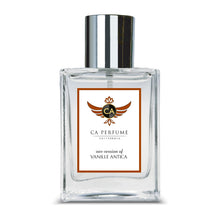
Vanille Antica — Vanille Antique Alternative Perfume
8.08
MEI™
Primary Romantic
Secondary Confident
Confidence
7.74
Presence
7.93
Mood Lift
8.41
Identity
8.01
Warmth
9.5
Social Ease
8.0
Energy
3.3
" I am beautiful.
View full mood profile →
Redish Door — Elizabeth Arden Redish Door Alternative Perfume
8.08
MEI™
Primary Fresh
Secondary Romantic
Confidence
7.19
Presence
7.8
Mood Lift
9.5
Identity
7.78
Warmth
8.92
Social Ease
8.03
Energy
3.1
" I am radiant.
View full mood profile →
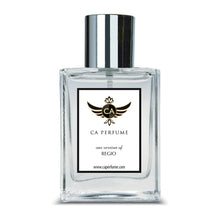
Regio — Xerjoff Regio Alternative Perfume
7.98
MEI™
Primary Fresh
Secondary Romantic
Confidence
6.72
Presence
7.28
Mood Lift
9.16
Identity
7.29
Warmth
8.45
Social Ease
9.04
Energy
5.5
" I am radiant.
View full mood profile →
HumanSafe™

Top Plum Fragrances by HumanSafe™ Score

These Plum-based fragrances have the highest product-level HumanSafe™ scores in this ingredient collection.

Highest HumanSafe™ Score
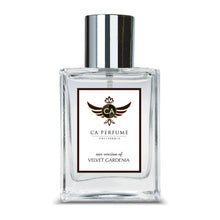
Velvet Gardenia — Tom Ford Velvet Gardenia Alternative Perfume
A-
HumanSafe™ Score Generally Safe
Safest Evaluated Ingredients EDP
AQUA Solvent / Carrier ISS 10.0
ACETIC ACID, PHENYLMETHYL ESTER Evaluated ingredient ISS 10.0
HEXYL SALICYLATE Evaluated ingredient ISS 9.0
BENZYL SALICYLATE Evaluated ingredient ISS 9.0
CITRAL Evaluated ingredient ISS 8.0
View full safety profile →
Vanille Antica — Vanille Antique Alternative Perfume
A-
HumanSafe™ Score Generally Safe
Safest Evaluated Ingredients EDP
AQUA Solvent / Carrier ISS 10.0
4H-INDEN-4-ONE, 1,2,3,5,6,7-HEXAHYDRO-1,1,2,3,3- Evaluated ingredient ISS 9.0
AMBREIN Evaluated ingredient ISS 7.0
ALCOHOL DENAT. Solvent / Carrier ISS 7.0
View full safety profile →
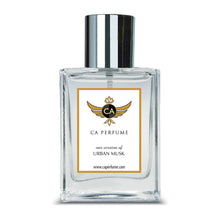
Urban Musk — Tom Ford Impression Urban Musk Alternative Perfume
A-
HumanSafe™ Score Generally Safe
Safest Evaluated Ingredients EDP
AQUA Solvent / Carrier ISS 10.0
1,4-DIOXACYCLOHEPTADECANE-5,17-DIONE Evaluated ingredient ISS 10.0
4H-INDEN-4-ONE, 1,2,3,5,6,7-HEXAHYDRO-1,1,2,3,3- Evaluated ingredient ISS 9.0
2H-1-BENZOPYRAN-2-ONE Evaluated ingredient ISS 8.0
LINALYL ACETATE Evaluated ingredient ISS 7.0
LINALOOL Evaluated ingredient ISS 7.0
View full safety profile →
Regio — Xerjoff Regio Alternative Perfume
A-
HumanSafe™ Score Generally Safe
Safest Evaluated Ingredients EDP
AQUA Solvent / Carrier ISS 10.0
BENZYL SALICYLATE Evaluated ingredient ISS 9.0
2-HEXENE, 6,6-DIMETHOXY-2,5,5-TRIMETHYL- Evaluated ingredient ISS 8.0
LINALYL ACETATE Evaluated ingredient ISS 7.0
LINALOOL Evaluated ingredient ISS 7.0
View full safety profile →
Expert Voices

What Masters Say About Plum

Plums smell nuanced and complex. The skin has a tart, tangy edge. The flesh is richly sweet, sometimes with honeyed undertones. In perfumery, it’s usually just one 'layer' of the plum scent that makes its way into a fragrance: either the skin, or the flesh, or the pit’s surrounding pulp.
Elena Prokofeva, Fragrantica Columnist
Plum in perfumery is never merely fruity—it’s plush, velvety, and enveloping, often conjuring the sensation of fabric against skin. It can feel juicy and mouthwatering on the one hand, or shadowy and cocooning on the other, and it is this duality that makes it fascinating.
CA Perfume Editorial
Common Questions

Frequently Asked Questions

Answers to the most common questions about plum as a fragrance note.

Plum in perfume is characterized by a jammy, wine-rich sweetness with subtle tartness and a hint of liqueur. The scent profile is shaped by damascenone and damascones, which create a layered aroma reminiscent of ripe fruit, dried prunes, and a faint almond undertone. Notable examples include Serge Lutens Feminité du Bois and Tom Ford Plum Japonais.

Plum is most commonly used as a heart note in perfumery, though it can also appear in top or base accords depending on the composition. Its molecular components, such as damascenone, have moderate volatility, allowing the note to persist through the heart and into the drydown.

Plum offers a unique combination of sweetness, depth, and complexity, making it a favorite in niche perfumery. Its synthetic reconstruction allows for precise control over its character, enabling perfumers to create fragrances that are both opulent and versatile. Plum’s ability to bridge fruity, floral, and woody notes adds to its appeal.

Plum fragrance uses often involve pairing with patchouli, vanilla, rose, violet, and woody notes like sandalwood or oud. These ingredients complement plum’s jammy, wine-rich character and enhance its complexity. For example, patchouli grounds the sweetness, while vanilla amplifies the gourmand facets.

Plum fragrances can be worn year-round, but their dense, jammy character is especially suited to cooler weather. In summer, lighter applications or pairing with citrus and green notes can make plum more refreshing. Heat increases volatility, emphasizing the juicy top notes but shortening longevity.

A well-constructed plum fragrance typically lasts 5–8 hours on skin. Longevity depends on the concentration of damascenone and supporting base notes like patchouli or musk, which help anchor the scent and extend its presence.

Yes, plum is highly layerable due to its molecular compatibility with vanilla, patchouli, and citrus notes. Layering can enhance sweetness, add depth, or brighten the profile. For best results, start with a plum-scented base and add complementary notes, as demonstrated in Byredo Bibliothèque and Tom Ford Plum Japonais.

Beginner-friendly plum fragrances include Byredo Bibliothèque, Marc Jacobs Decadence, and Montale Dark Purple. These scents showcase plum’s versatility, pairing it with florals, woods, or gourmand notes for a balanced, approachable experience.

At CA Perfume, explore the scent pyramids and accord formulas for each plum-based fragrance. Consider whether you prefer a brighter, fruitier profile or a darker, woody base. Sampling is recommended, as skin chemistry can influence how plum evolves on you.

Plum in fragrance is primarily sweet and jammy, with wine-like and slightly tart facets. However, when paired with spices like cinnamon or saffron, as in Tom Ford Plum Japonais, it can take on a spiced, opulent character. The overall effect depends on the supporting notes in the composition.

Fruity Collection

Explore Our Top Plum Fragrances

Discover CA Perfume’s most popular plum-inspired scents, each crafted to highlight the note’s jammy, wine-rich, and versatile character.

Shop all plum fragrances at CA Perfume →

Where Plum Comes From — Origin & Extraction

The plum note in perfumery is not derived from direct extraction of the fruit. The high water content and low volatility of plum’s natural aroma compounds make traditional extraction methods—such as steam distillation or solvent extraction—ineffective for capturing its true scent. Instead, plum is reconstructed in the laboratory using a blend of synthetic molecules, primarily damascenone, alpha- and beta-damascone, and benzaldehyde. These molecules are also found in trace amounts in the fruit and in related species within the Prunus genus. Key producing countries for the fruit itself include China (over 6 million metric tons annually), Romania, Serbia, and Chile, but these are not sources for perfumery-grade plum aroma. Instead, the major suppliers of damascenone and damascones are specialty fragrance ingredient manufacturers in Europe and the United States. The synthetic process involves multi-step organic synthesis, often starting from ionone derivatives or carotenoid degradation, with yields optimized for purity and olfactory impact. Damascenone is used at concentrations as low as 0.01% in a formula due to its extremely low odor threshold. Natural plum extracts are not commercially viable for perfumery, and attempts to use headspace technology have yielded only partial reconstructions. Synthetic plum accords cost approximately $80–300 per kilogram, depending on the blend and purity, while natural extraction (if attempted) would be prohibitively expensive and unstable. Sustainability is enhanced by the use of synthetic molecules, which avoid agricultural land use and biodiversity impact. The primary aroma chemicals are REACH-registered and IFRA-compliant, with established safety profiles.

Famous Fragrances That Define Plum in Perfumery

Plum has played a pivotal role in several landmark fragrances, often serving as a bridge between fruity, floral, and woody accords. Serge Lutens Feminité du Bois (1992, Christopher Sheldrake) is frequently cited as the archetype of the modern plum note, where a dark, jammy plum accord is woven with cedar, violet, and spices, creating a signature that is both sensual and enigmatic. Tom Ford Plum Japonais (2013, Yann Vasnier) explores a richer, boozy side of plum, pairing it with oud, cinnamon, and saffron for an opulent, oriental effect. Montale Dark Purple (2011) uses plum as a dominant note, enveloped in patchouli, rose, and musk, resulting in a velvety, long-lasting scent with pronounced depth. Byredo Bibliothèque (2017, Jérôme Epinette) features plum in the opening, transitioning into a suede and patchouli heart, demonstrating how plum can add both brightness and a sense of nostalgia. Marc Jacobs Decadence (2015, Annie Buzantian) employs plum as a top note, contrasted with iris and saffron, to evoke a sense of luxury and intrigue. Other notable examples include Christian Dior Poison (1985, Edouard Flechier), where plum’s honeyed sweetness is paired with tuberose and opoponax, and Parfums de Marly Cassili (2019), which uses plum alongside red currant and mimosa for a playful, gourmand effect. CA Perfume’s collection draws inspiration from this lineage, offering plum-centric compositions that highlight both the classic and contemporary facets of this versatile note.

Natural vs Synthetic Plum in Perfumery

Plum’s presence in fragrance is almost exclusively synthetic, as direct extraction from the fruit is not feasible. The primary molecules used to recreate plum are damascenone (CAS 23726-93-4), beta-damascone (CAS 23726-93-4), and benzaldehyde (CAS 100-52-7). Damascenone imparts the honeyed, dried-fruit and wine-like facets, while damascones add warmth and a slightly woody undertone. Benzaldehyde provides the cherry-almond nuance characteristic of the Prunus genus. Synthetic plum accords offer superior stability, longevity, and batch-to-batch consistency compared to any natural attempt. They are less prone to oxidation and maintain their character throughout the fragrance’s evolution. Cost-wise, synthetics are significantly more affordable, with damascenone and related molecules priced at $80–300/kg, compared to the hypothetical cost of natural extraction, which would exceed $10,000/kg and remain unstable. Notable fragrances using synthetic plum include Serge Lutens Feminité du Bois and Tom Ford Plum Japonais. There are no major commercial fragrances using natural plum extract due to technical limitations. From a sustainability perspective, synthetics reduce pressure on agricultural resources and avoid the environmental impact of large-scale fruit cultivation for aroma extraction. CA Perfume’s HumanSafe™ platform ensures full transparency in sourcing, allergen disclosure, and IFRA compliance for all synthetic plum components, supporting both safety and environmental stewardship.