Ingredient Guide · Floral Spicy
Floral Spicy Family · Perfumery Note

Carnation

A spicy floral icon defined by eugenol and powdery warmth.

Carnation is a heart note in perfumery, renowned for its spicy, clove-like aroma with powdery undertones. Its defining character comes from eugenol and isoeugenol, used at 0.2–1% in fragrance compositions for a vivid, long-lasting effect.

Carnation
Ingredient Profile

Carnation

Floral Spicy Family
Family Floral Spicy
Note Position Heart Note
Usage Level 0.2–0.3%
Key Origins Egypt, France, Morocco
Iconic In Bellodgia, L’Air du Temps
The Ingredient

What does Carnation smell like and why is it a perfumery icon?

Carnation (Dianthus caryophyllus) in perfumery is celebrated for its distinctive spicy floral scent, dominated by the presence of eugenol (4-allyl-2-methoxyphenol, CAS 97-53-0) and isoeugenol. These molecules impart a clove-like, peppery warmth, complemented by a powdery, slightly sweet undertone. The scent profile is complex: spicy first, floral second, with subtle honeyed and green nuances. Unlike the often scentless florist carnations, perfumery-grade carnation is reconstructed to evoke the vibrant, nose-tingling brightness of the garden-picked bloom. This spicy floral signature is what defines the carnation scent profile and answers the question, what does carnation smell like? In perfumery, carnation is classified as a heart note due to its medium volatility and tenacious presence. It is typically used at concentrations of 0.2–1% in the overall composition, providing a bridge between top citrus notes and deeper woody or amber bases. Carnation’s eugenol content interacts with skin chemistry—on warmer, more acidic skin, its spicy facets are amplified, while on drier or cooler skin, the powdery and floral aspects become more pronounced. This adaptability makes carnation in perfumery a versatile choice for both vintage and modern compositions. Carnation’s significance is evident in landmark fragrances. Caron Bellodgia (1927, Ernest Daltroff) is a classic soliflore where carnation’s spicy brightness is paired with rose and jasmine. In Serge Lutens Vitriol d’Oeillet (2011, Christopher Sheldrake), carnation is reimagined with black pepper and nutmeg, showcasing its ability to anchor both traditional and avant-garde scent structures. These examples highlight why carnation remains a cornerstone of the perfumer’s palette.

0.2–0.3%
Typical yield of carnation concrete from fresh blossoms via solvent extraction—one of the lowest among floral materials.
5–8 Hours
Average longevity of carnation as a heart note in EDP formulations, due to the persistence of eugenol and benzyl benzoate.
<0.5%
Maximum IFRA-recommended concentration for eugenol and isoeugenol in finished fragrances, ensuring safety and compliance.
Origin & Extraction

Where Carnation Comes From — Origin & Extraction

Carnation’s scent character is shaped by Mediterranean climates—warmth, sunlight, and mineral-rich soils intensify its spicy, clove-like aroma. Cooler regions yield subtler, greener notes.

Carnation used in perfumery is derived from Dianthus caryophyllus, a species native to the Mediterranean basin, particularly southern Europe, North Africa, and parts of the Middle East. Historically, the flower was cultivated in Greece and Rome, and its name—'caryophyllus'—reflects its clove-like scent (from Greek 'karyophyllon', meaning clove). Today, Egypt is the primary producer of carnation absolute, with smaller outputs from France and Morocco. Annual world production of carnation absolute is extremely limited, estimated at less than 30 kg per year. Extraction is performed by solvent extraction of fresh blossoms using petroleum ether, yielding a concrete at 0.2–0.3% of flower weight. The concrete is then processed with ethanol to produce the absolute, with a further yield of 10–25%. The resulting absolute is a dark olive-green, viscous liquid, rich in benzyl benzoate (14–15%), eugenol (3–4%), benzyl salicylate, methyl salicylate, and traces of cis-jasmone. Steam distillation is not viable, as the delicate volatiles are destroyed by heat. Due to the extremely low yield and high labor costs, natural carnation absolute can reach prices of $8,000–12,000 per kg, making it one of the most expensive floral materials. Synthetic reconstitutions, using eugenol, isoeugenol, and methyl diantilis, cost $50–200 per kg and are far more common in modern perfumery. Sustainability concerns are minimal due to low demand, but the labor-intensive nature and limited agricultural footprint mean production is unlikely to expand significantly.

EG

Egypt

Nile Delta, Egypt: The world’s primary source of carnation absolute. Rich alluvial soils and hot, dry climate yield blossoms with high eugenol content. Egypt produces over 70% of global carnation absolute, prized for its tenacity and depth.

FR

France

Grasse, France: Historic center for carnation extraction. Limestone soils and Mediterranean sun create a more powdery, nuanced carnation profile. French carnation absolute is rare, with annual production under 5 kg.

MA

Morocco

Atlas foothills, Morocco: Limited but high-quality carnation cultivation. The combination of altitude and mineral-rich soils yields blossoms with a brighter, more peppery scent. Moroccan output is less than 2% of global supply.

ES

Spain

Andalusia, Spain: Traditional carnation cultivation for ornamental and fragrance use. Warm, arid conditions produce flowers with a pronounced spicy, clove-like aroma. Spanish carnation is mostly used for local extraction and floral water.

Chemistry

Natural vs Synthetic Carnation in Perfumery

Natural carnation absolute is rarely used in commercial perfumery due to its low yield, high cost, and limited olfactory fidelity to the living flower. The absolute is dominated by benzyl benzoate and only 3–4% eugenol, whereas the headspace of the living flower can show eugenol at over 80% of volatile emissions. As a result, most carnation notes are constructed from synthetic molecules such as eugenol (CAS 97-53-0), isoeugenol (CAS 97-54-1), and methyl diantilis (CAS 120-11-6, a Givaudan specialty). These synthetics offer greater consistency, stability, and cost-effectiveness, with prices ranging from $50–200/kg compared to $8,000–12,000/kg for the natural absolute. Performance-wise, synthetic carnation accords provide superior longevity and diffusion, as the key molecules are less prone to oxidation and evaporation. Notable fragrances using synthetic carnation accords include Serge Lutens Vitriol d’Oeillet and Comme des Garçons Red: Carnation. IFRA regulations have imposed strict limits on eugenol and isoeugenol due to allergenic potential, requiring careful formulation. The HumanSafe™ platform at CA Perfume ensures all carnation-containing formulas are IFRA-compliant and fully transparent, balancing safety with olfactory authenticity. Sustainability is enhanced with synthetics, as they avoid the resource-intensive cultivation and extraction processes of natural carnation.

Natural
Carnation Absolute
Cost $3,000–6,000/kg
Method Solvent / CO₂
Character Complex, variable
vs
Synthetic
Safranal & Analogues
Cost $50–200/kg
Method Lab synthesis
Character Consistent, stable
Hall of Fame

Famous Fragrances That Define Carnation in Perfumery

1927
dominant note

Bellodgia

Caron
by Ernest Daltroff
rosejasminemusk
1948
bridge note

L’Air du Temps

Nina Ricci
by Francis Fabron
rosejasminemusk
1912
heart note

L’Heure Bleue

Guerlain
by Jacques Guerlain
irisvanillaanise
2011
dominant note

Vitriol d’Oeillet

Serge Lutens
by Christopher Sheldrake
black peppernutmegclove
2001
dominant note

Red: Carnation

Comme des Garçons
by Bertrand Duchaufour
red pepperroseclove

Carnation has played a pivotal role in perfumery, particularly during the early to mid-20th century. Caron Bellodgia (1927, Ernest Daltroff) is a benchmark carnation soliflore, blending the spicy floral note with rose and jasmine. Nina Ricci L’Air du Temps (1948, Francis Fabron) uses carnation as a bridge between powdery florals and musky base notes, creating a timeless feminine signature. Guerlain L’Heure Bleue (1912, Jacques Guerlain) employs carnation to add a spicy, powdery heart to its iconic floral-oriental structure. Serge Lutens Vitriol d’Oeillet (2011, Christopher Sheldrake) modernizes carnation with black pepper, nutmeg, and clove, emphasizing its spicy facets. Comme des Garçons Red: Carnation (2001, Bertrand Duchaufour) showcases a contemporary, minimalist carnation accord, pairing the note with red pepper and rose for a fresh, vibrant effect. CA Perfume’s collection draws inspiration from these classics, offering modern interpretations that respect the ingredient’s rich heritage.

The Accord

How is a captivating Carnation accord crafted?

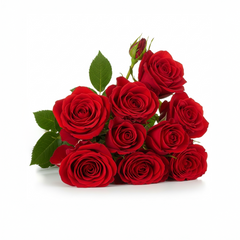
A classic carnation accord blends Carnation (25–30%), Rose (20–25%), Clove (20–25%), and Benzyl Salicylate (25–30%). Carnation provides the spicy-floral core via eugenol and isoeugenol. Rose introduces damascenone, which bridges the floral and spicy facets. Clove intensifies the eugenol-driven warmth, while benzyl salicylate adds powdery, creamy softness, rounding the accord and enhancing diffusion.

30%

Carnation

25–30% of blend

Carnation delivers the spicy, clove-like signature through eugenol and isoeugenol, forming the accord’s backbone.

25%

Rose

20–25% of blend

Rose introduces damascenone and phenylethyl alcohol, creating a molecular bridge to carnation’s floral and spicy facets.

25%

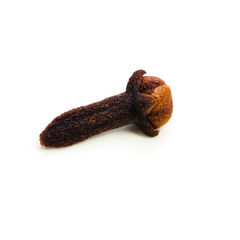
Clove

20–25% of blend

Clove amplifies the eugenol content, reinforcing the spicy warmth and extending longevity.

30%

Benzyl Salicylate

25–30% of blend

Benzyl salicylate imparts creamy, powdery softness, smoothing sharp edges and enhancing the accord’s diffusion.

The Olfactory Layers

How Carnation Evolves on Skin

Carnation’s olfactory evolution is driven by the volatility of eugenol and supporting molecules. The top is bright and spicy, heart is floral-powdery, and the base is creamy and tenacious, with each phase shaped by evaporation rates and molecular weight.

I
Top notes
0–15 min
Clove-Like Spark

The initial impression is a vivid burst of clove-like spice, driven by eugenol and methyl salicylate. These high-volatility molecules evaporate quickly, creating a peppery, nose-tingling brightness that defines carnation’s opening.

SpicyPepperyBright
II
Heart notes
20–60 min
Powdery Floral Core

As the top fades, the floral body emerges—powdery, creamy, and slightly sweet. Benzyl salicylate and isoeugenol dominate, softening the spice and adding a subtle green nuance. This phase is the signature of carnation in perfumery.

PowderyFloralCreamy
III
Base notes
Several hours
Warm, Tenacious Finish

The drydown is warm, structured, and faintly waxy. Benzyl benzoate and residual eugenol provide a lingering, tenacious finish, with a touch of honeyed sweetness and a formal, pressed-flower quality.

WarmTenaciousHoneyed
TOP NOTES Clove-Like Spark 0–15 minutes HEART NOTES Powdery Floral Core 20–60 minutes BASE NOTES Warm, Tenacious Finish Several hours
Through the Ages

The Story of Carnation in Perfumery

Carnation’s journey in perfumery spans from ancient Mediterranean rituals to the golden age of French fragrance and modern niche revivals.

Ancient Greece & Rome

Dianthus Named and Celebrated

Theophrastus coins the genus Dianthus around 300 BCE. Carnations are used in Greek and Roman ceremonial garlands and as symbols of divine love.

1905

Carnation’s Golden Age Begins

French perfumers launch the first major carnation-based compositions, anchoring the flower as a pillar of early 20th-century fragrance.

1927

Caron Bellodgia Launches

Ernest Daltroff’s Bellodgia debuts, becoming the archetypal carnation soliflore and influencing generations of floral-spicy perfumes.

1948

L’Air du Temps by Nina Ricci

Francis Fabron introduces carnation as a bridge note in this postwar classic, pairing it with rose and jasmine for a powdery, romantic effect.

2011

Modern Revival: Vitriol d’Oeillet

Serge Lutens and Christopher Sheldrake reimagine carnation with contemporary spices, restoring its relevance in niche and artisanal perfumery.

The Art of Layering

How to Layer Carnation

Understanding how to layer carnation involves pairing it with notes that share molecular affinities—rose, clove, and vanilla enhance or soften its spicy floral signature.

01

Enhance Sweetness

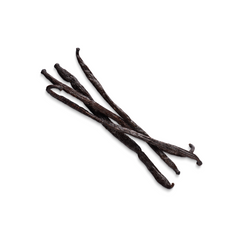
Layering carnation with vanilla works via olfactory masking—vanillin softens the sharpness of eugenol, creating a creamy, gourmand effect. This pairing is exemplified in Guerlain L’Heure Bleue, where vanilla rounds out carnation’s spice.

02

Add Depth

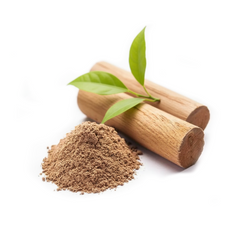
Pairing carnation with sandalwood or amber leverages shared fixative molecules (benzyl benzoate, benzoin), extending longevity and adding warmth. Caron Bellodgia demonstrates this synergy, blending carnation with sandalwood and musk.

03

Brighten the Floral

Combining carnation with rose exploits their mutual damascenone content, creating a seamless floral-spicy bridge. Nina Ricci L’Air du Temps uses this technique for a radiant, powdery heart.

Wear It Right

How to Wear Carnation Like a Pro

Seasonal Guide

Fall & Winter

Cooler temperatures suppress volatility, allowing carnation’s powdery, creamy heart to linger. Apply to pulse points and under clothing for a warm, comforting effect. Layer with amber or sandalwood for added depth.

Spring

Mild weather brings out carnation’s spicy brightness and floral lift. Apply lightly to neck and wrists, and pair with green or citrus notes for a fresh, lively impression.

Summer

Heat increases volatility, intensifying the peppery, clove-like top notes. Use sparingly, focusing on cooler areas like the inner elbows. Layer with light florals or citrus to balance the spice.

Year-Round Tip

Adjust application based on humidity—higher moisture boosts projection, while dry air mutes the scent. For longevity, layer with unscented moisturizer before spraying.

Application Points

Strategic application enhances carnation’s performance—pulse points amplify spice, while hair and fabric extend longevity.

1

Neck

The warmth of the neck accelerates the release of eugenol, making the spicy top notes more pronounced and enhancing sillage.

2

Behind the Ears

This area maintains a stable temperature, prolonging the creamy, powdery heart and allowing the scent to evolve gradually.

3

Inner Wrists

Pulse points on the wrists intensify carnation’s spicy facets, but frequent movement may speed up evaporation. Reapply as needed.

4

Hair

Spraying on hair provides a slow, sustained release of the floral and powdery notes, as hair fibers trap and diffuse the scent molecules.

Pro Tip

Apply to fabric (scarves, collars) for extended longevity. The lower temperature and absorbency of textiles preserve the full evolution of carnation’s scent.

Mood Architecture™

Top Carnation Fragrances by Mood Score

These Carnation-based fragrances scored highest on the MEI™ Mood Architecture Framework — measuring how a scent may influence your emotional state.

Highest MEI Score
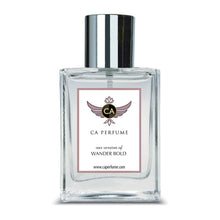
Wander Bold — Vanderbilt Alternative Perfume
8.61
MEI™
Primary Romantic
Secondary Confident
Confidence
7.86
Presence
8.37
Mood Lift
9.5
Identity
8.21
Warmth
9.5
Social Ease
8.79
Energy
4.9
" I am beautiful.
View full mood profile →
Beautifully Me — Estee Lauder Beautiful Alternative Perfume
8.56
MEI™
Primary Romantic
Secondary Confident
Confidence
7.87
Presence
8.75
Mood Lift
9.5
Identity
8.27
Warmth
9.49
Social Ease
8.35
Energy
4.5
" I am beautiful.
View full mood profile →
Floral Amber Sensual Musk — Rosendo Mateu Alternative Perfume for Women & Men
8.34
MEI™
Primary Romantic
Secondary Confident
Confidence
7.83
Presence
7.87
Mood Lift
8.91
Identity
7.96
Warmth
9.5
Social Ease
8.66
Energy
3.5
" I am beautiful.
View full mood profile →
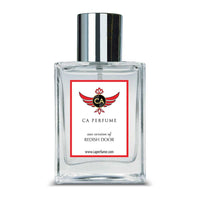
Redish Door — Elizabeth Arden Redish Door Alternative Perfume
8.08
MEI™
Primary Fresh
Secondary Romantic
Confidence
7.19
Presence
7.8
Mood Lift
9.5
Identity
7.78
Warmth
8.92
Social Ease
8.03
Energy
3.1
" I am radiant.
View full mood profile →
HumanSafe™

Top Carnation Fragrances by HumanSafe™ Score

These Carnation-based fragrances have the highest product-level HumanSafe™ scores in this ingredient collection.

Highest HumanSafe™ Score
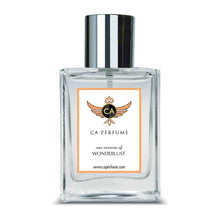
Wonderlust — Michael Kors Wonderlust Alternative Perfume
A-
HumanSafe™ Score Generally Safe
Safest Evaluated Ingredients EDP
AQUA Solvent / Carrier ISS 10.0
BENZYL SALICYLATE Evaluated ingredient ISS 9.0
3-CYCLOPENTENE-1-ACETALDEHYDE, 2,2,3-TRIMETHYL-, Evaluated ingredient ISS 9.0
LINALYL ACETATE Evaluated ingredient ISS 7.0
CITRONELLOL Evaluated ingredient ISS 7.0
View full safety profile →
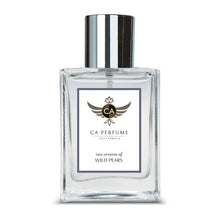
Wild Pears — Montale Wild Pears Alternative Perfume
A-
HumanSafe™ Score Generally Safe
Safest Evaluated Ingredients EDP
AQUA Solvent / Carrier ISS 10.0
BENZYL SALICYLATE Evaluated ingredient ISS 9.0
AMBROXIDE Evaluated ingredient ISS 9.0
View full safety profile →
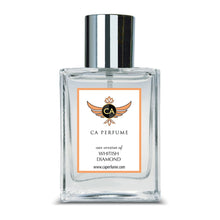
Whitish Diamond — White Diamonds Alternative Perfume
A-
HumanSafe™ Score Generally Safe
Safest Evaluated Ingredients EDP
AQUA Solvent / Carrier ISS 10.0
ACETIC ACID, PHENYLMETHYL ESTER Evaluated ingredient ISS 10.0
BENZYL SALICYLATE EYE IRRITATION - CAT.2B [H320] Evaluated ingredient ISS 9.0
OCTANAL, 2-(PHENYLMETHYLENE)- Evaluated ingredient ISS 8.0
2H-1-BENZOPYRAN-2-ONE Evaluated ingredient ISS 8.0
LINALYL ACETATE Evaluated ingredient ISS 7.0
View full safety profile →
Wander Bold — Vanderbilt Alternative Perfume
A-
HumanSafe™ Score Generally Safe
Safest Evaluated Ingredients EDP
AQUA Solvent / Carrier ISS 10.0
ACETIC ACID, PHENYLMETHYL ESTER Evaluated ingredient ISS 10.0
BENZYL SALICYLATE Evaluated ingredient ISS 9.0
3-BUTEN-2-ONE, 3-METHYL-4-(2,6,6-TRIMETHYL-2- Evaluated ingredient ISS 8.0
LINALYL ACETATE Evaluated ingredient ISS 7.0
View full safety profile →
Expert Voices

What Masters Say About Carnation

Carnation is spicy first, sweet second, peppery underneath, with a honeyed warmth that lingers. It has clove's bite without clove's heaviness.
Première Peau Editorial
The molecule responsible for this character is eugenol (4-allyl-2-methoxyphenol, CAS 97-53-0). Eugenol constitutes up to 90% of clove bud essential oil and is the primary volatile in carnation petals.
CA Perfume Editorial
Common Questions

Frequently Asked Questions

Answers to the most common questions about carnation in perfumery.

Carnation in perfume smells spicy, clove-like, and powdery, with a floral undertone. The scent is driven by eugenol and isoeugenol, which impart a peppery warmth and a subtle sweetness. Depending on the blend, carnation can also reveal green, honeyed, or creamy facets. Notable examples include Caron Bellodgia and Serge Lutens Vitriol d’Oeillet, both of which showcase carnation’s complex, multidimensional profile.

Carnation is classified as a heart (middle) note in perfumery. Its medium volatility allows it to bridge the transition from bright top notes to deeper base notes. The eugenol content ensures that carnation’s spicy floral character persists for several hours, making it a key structural element in many classic and modern fragrances.

Carnation is favored in niche perfumery for its unique spicy-floral signature, which adds complexity and a retro-modern twist to compositions. Its ability to blend with both florals and spices, as well as its historical associations with vintage perfumery, make it a popular choice for perfumers seeking to evoke nostalgia or create bold, characterful scents.

Carnation fragrance uses include pairing with rose, clove, sandalwood, vanilla, and amber. Rose and carnation share damascenone, creating a seamless floral-spicy bridge. Clove amplifies the eugenol-driven spice, while sandalwood and vanilla add creamy, softening effects. These combinations are found in classics like L’Air du Temps and Bellodgia.

Carnation’s spicy, peppery top notes can be intensified by heat, making it vivid but potentially overwhelming in high temperatures. For summer, lighter applications or pairing with citrus and green notes can balance the spice. In cooler weather, carnation’s powdery, creamy heart is more pronounced and comforting.

Carnation fragrances typically last 5–8 hours in Eau de Parfum formulations, thanks to the persistence of eugenol and benzyl benzoate. The spicy top fades after 30–60 minutes, but the powdery, floral heart and warm base linger for several hours, especially when layered with fixatives.

Yes, carnation is highly layerable. Its spicy floral core pairs well with vanilla (for sweetness), sandalwood (for depth), and rose (for brightness). Layering works best when complementary molecules—like damascenone or benzyl salicylate—are present, ensuring molecular compatibility and a harmonious blend.

For beginners, Nina Ricci L’Air du Temps and Caron Bellodgia offer accessible, balanced interpretations of carnation. Serge Lutens Vitriol d’Oeillet provides a modern, spicier take. These fragrances showcase carnation’s versatility and are widely regarded as reference points for the note.

Selecting a carnation fragrance at CA Perfume involves considering your preferred style—classic floral, spicy oriental, or modern minimalist. Explore our collection filters for carnation-forward scents, and consult our ingredient guides for technical details on each formula’s composition and performance.

Carnation is primarily spicy and clove-like due to eugenol, but it also has a subtle sweetness from benzyl salicylate and isoeugenol. The balance between spicy and sweet depends on the composition—some fragrances highlight the peppery facets, while others emphasize the creamy, powdery heart.

Floral Spicy Collection

Explore Our Top Carnation Fragrances

Discover CA Perfume’s curated selection of carnation-inspired scents, from classic soliflores to modern spicy florals. Each fragrance highlights the unique complexity of carnation.

Shop all carnation fragrances at CA Perfume →

Where Carnation Comes From — Origin & Extraction

Carnation used in perfumery is derived from Dianthus caryophyllus, a species native to the Mediterranean basin, particularly southern Europe, North Africa, and parts of the Middle East. Historically, the flower was cultivated in Greece and Rome, and its name—'caryophyllus'—reflects its clove-like scent (from Greek 'karyophyllon', meaning clove). Today, Egypt is the primary producer of carnation absolute, with smaller outputs from France and Morocco. Annual world production of carnation absolute is extremely limited, estimated at less than 30 kg per year. Extraction is performed by solvent extraction of fresh blossoms using petroleum ether, yielding a concrete at 0.2–0.3% of flower weight. The concrete is then processed with ethanol to produce the absolute, with a further yield of 10–25%. The resulting absolute is a dark olive-green, viscous liquid, rich in benzyl benzoate (14–15%), eugenol (3–4%), benzyl salicylate, methyl salicylate, and traces of cis-jasmone. Steam distillation is not viable, as the delicate volatiles are destroyed by heat. Due to the extremely low yield and high labor costs, natural carnation absolute can reach prices of $8,000–12,000 per kg, making it one of the most expensive floral materials. Synthetic reconstitutions, using eugenol, isoeugenol, and methyl diantilis, cost $50–200 per kg and are far more common in modern perfumery. Sustainability concerns are minimal due to low demand, but the labor-intensive nature and limited agricultural footprint mean production is unlikely to expand significantly.

Famous Fragrances That Define Carnation in Perfumery

Carnation has played a pivotal role in perfumery, particularly during the early to mid-20th century. Caron Bellodgia (1927, Ernest Daltroff) is a benchmark carnation soliflore, blending the spicy floral note with rose and jasmine. Nina Ricci L’Air du Temps (1948, Francis Fabron) uses carnation as a bridge between powdery florals and musky base notes, creating a timeless feminine signature. Guerlain L’Heure Bleue (1912, Jacques Guerlain) employs carnation to add a spicy, powdery heart to its iconic floral-oriental structure. Serge Lutens Vitriol d’Oeillet (2011, Christopher Sheldrake) modernizes carnation with black pepper, nutmeg, and clove, emphasizing its spicy facets. Comme des Garçons Red: Carnation (2001, Bertrand Duchaufour) showcases a contemporary, minimalist carnation accord, pairing the note with red pepper and rose for a fresh, vibrant effect. CA Perfume’s collection draws inspiration from these classics, offering modern interpretations that respect the ingredient’s rich heritage.

Natural vs Synthetic Carnation in Perfumery

Natural carnation absolute is rarely used in commercial perfumery due to its low yield, high cost, and limited olfactory fidelity to the living flower. The absolute is dominated by benzyl benzoate and only 3–4% eugenol, whereas the headspace of the living flower can show eugenol at over 80% of volatile emissions. As a result, most carnation notes are constructed from synthetic molecules such as eugenol (CAS 97-53-0), isoeugenol (CAS 97-54-1), and methyl diantilis (CAS 120-11-6, a Givaudan specialty). These synthetics offer greater consistency, stability, and cost-effectiveness, with prices ranging from $50–200/kg compared to $8,000–12,000/kg for the natural absolute. Performance-wise, synthetic carnation accords provide superior longevity and diffusion, as the key molecules are less prone to oxidation and evaporation. Notable fragrances using synthetic carnation accords include Serge Lutens Vitriol d’Oeillet and Comme des Garçons Red: Carnation. IFRA regulations have imposed strict limits on eugenol and isoeugenol due to allergenic potential, requiring careful formulation. The HumanSafe™ platform at CA Perfume ensures all carnation-containing formulas are IFRA-compliant and fully transparent, balancing safety with olfactory authenticity. Sustainability is enhanced with synthetics, as they avoid the resource-intensive cultivation and extraction processes of natural carnation.