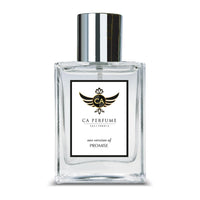
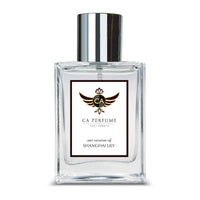
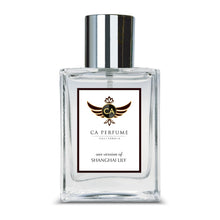
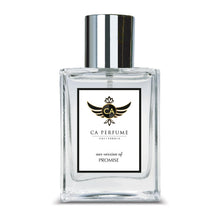
Great class packaging and the scent is spot on!
I loove this scent. It smells like the original at a reasonable price. It brings back great memories and it is spot on!
Spicy, woody, and sweet — clove’s aroma shapes iconic accords.
Clove is a classic spicy note in perfumery, prized for its warm, sweet, and slightly medicinal character. Its defining molecule, eugenol, composes over 80% of clove oil, imparting a powerful, persistent scent used primarily as a heart or base note.
Clove, derived from the dried flower buds of Syzygium aromaticum, is renowned in perfumery for its intensely spicy, warm, and slightly medicinal aroma. The primary odorant, eugenol (4-allyl-2-methoxyphenol, CAS 97-53-0), constitutes 80–90% of clove bud oil and is responsible for its distinctive scent profile. This molecule imparts a sharp, spicy, and slightly sweet character, often reminiscent of carnation, with camphoraceous and woody undertones. Supporting compounds such as eugenol acetate and β-caryophyllene add subtle floral and woody nuances, while the overall profile can evoke both comfort and a medicinal edge, sometimes likened to the scent of a dentist’s office due to eugenol’s use in dentistry. In perfumery, clove is classified as a heart or base note, depending on concentration and formulation. It is typically used at 0.1–0.5% in fine fragrance compositions, though its potency means even lower concentrations can dominate a blend. Clove’s high eugenol content gives it strong tenacity and moderate diffusion, allowing it to persist on skin for several hours. Its interaction with skin chemistry is notable: acidic skin can amplify clove’s sharpness, while warmer, more alkaline skin may enhance its sweetness and depth. The note is valued for its ability to add structure and complexity to spicy, oriental, and woody accords, and it often bridges floral and resinous elements in a composition. Clove in perfumery is exemplified by its use in Yves Saint Laurent Opium (1977, Jean Amic), where it forms the spicy heart alongside myrrh and cinnamon, and in Serge Lutens Des Clous Pour Une Pelure (2020, Serge Lutens), which showcases clove’s spicy, slightly bitter facets against orange and woody notes. These fragrances demonstrate how clove can serve as both a dominant and supporting note, shaping the overall character of a perfume. The question "what does clove smell like" is central to understanding its enduring role in perfumery, where its scent profile is both instantly recognizable and highly versatile.
Clove’s scent is shaped by geography: volcanic soils, tropical humidity, and harvest timing all influence eugenol content and aromatic complexity.
Clove is the dried, unopened flower bud of Syzygium aromaticum, a tropical evergreen tree in the Myrtaceae family. The species is native to the Maluku Islands (Spice Islands) of Indonesia, which historically supplied the global clove trade. Today, Indonesia remains the largest producer, accounting for over 70% of global output (annual production exceeding 120,000 metric tons), followed by Madagascar, Tanzania, and Sri Lanka. Clove trees are cultivated in humid, tropical climates, reaching heights of 15–20 meters. Harvesting occurs just as the buds begin to turn pink, before opening, and is performed manually to preserve bud integrity. Extraction of clove oil for perfumery is primarily achieved through steam distillation of dried flower buds. This process operates at 100°C, with yields of 15–20% oil by dry weight. Clove leaf oil, obtained from the leaves, is also produced but contains higher eugenol content and a harsher, more medicinal aroma; bud oil is preferred in fine fragrance for its rounder, sweeter profile. Solvent extraction is rarely used due to the high volatility and instability of eugenol at elevated temperatures. The cost of natural clove bud oil ranges from $50–150/kg, while leaf oil is less expensive but less desirable for perfumery. Synthetic eugenol, produced from guaiacol and allyl chloride, is widely available at $10–20/kg, providing a cost-effective alternative for large-scale fragrance production. Sustainability concerns include overharvesting, monoculture risks, and the environmental impact of clove farming. Some regions, such as Madagascar’s Sava region, have adopted agroforestry and organic certification to improve biodiversity and soil health. The IFRA restricts eugenol content in finished fragrances to 0.5% due to sensitization risks, influencing both sourcing and formulation practices.
The Maluku Islands (Spice Islands) are the historical heart of clove production. Volcanic soils and high humidity yield buds with elevated eugenol content and a sweeter, rounder aroma. Indonesia supplies over 70% of the world’s cloves, with annual output exceeding 120,000 metric tons. Hand-harvesting and sun-drying are standard, and the region’s clove is prized for perfumery.
The Sava region of Madagascar produces cloves with a slightly sharper, more medicinal profile due to higher leaf oil content and distinct drying practices. Madagascar accounts for 10–15% of global production, with some organic and agroforestry initiatives improving sustainability and quality.
Zanzibar’s cloves are noted for their robust, spicy aroma and high eugenol levels, attributed to coastal soils and traditional sun-drying. Tanzania supplies around 7–10% of global output, with the Zanzibar archipelago maintaining strict quality controls and a protected designation of origin.
Sri Lankan cloves, grown in the Kandy and Matale districts, are valued for their balanced, sweet-spicy profile. The region’s monsoon climate and red soils yield buds with moderate eugenol and subtle floral notes. Sri Lanka’s share is smaller but recognized for high essential oil content.
Natural clove oil is dominated by eugenol (CAS 97-53-0), with minor constituents like eugenol acetate and β-caryophyllene. Synthetic eugenol, produced via the allylation of guaiacol, is chemically identical to the natural molecule but offers greater batch consistency and lower cost. Other synthetic aroma chemicals used to replicate or modify clove’s scent include isoeugenol (CAS 97-54-1), methyl eugenol (CAS 93-15-2), and methyl chavicol (estragole, CAS 140-67-0). These molecules allow perfumers to fine-tune the spicy, floral, or woody facets of clove accords. Performance-wise, synthetic eugenol provides similar longevity and diffusion to natural clove oil but with reduced batch variability and allergen content. However, natural clove oil contains trace compounds that add complexity and subtlety, making it preferred in high-end and niche perfumery. Synthetic eugenol is favored for mass-market and functional fragrances due to its cost efficiency and regulatory compliance. For example, Opium by Yves Saint Laurent (1977) and Noir Epices by Frédéric Malle (2000) use both natural and synthetic eugenol to balance richness and stability. Sustainability and safety are critical: natural clove farming faces ecological pressures, while synthetic eugenol reduces land use but relies on petrochemical feedstocks. The HumanSafe™ platform at CA Perfume ensures full traceability and IFRA compliance for both natural and synthetic clove derivatives, prioritizing transparency and consumer safety. Ultimately, the choice between natural and synthetic clove depends on the desired olfactory nuance, cost, and sustainability profile of the finished fragrance.
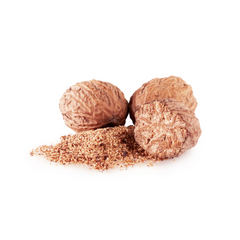
Clove has played a pivotal role in both classic and modern perfumery, shaping the character of many landmark fragrances. In Yves Saint Laurent Opium (1977, Jean Amic), clove is a dominant heart note, woven with myrrh, cinnamon, and citrus to create an iconic spicy-oriental accord. Serge Lutens Des Clous Pour Une Pelure (2020, Serge Lutens) places clove at the center, pairing it with orange and woody notes for a contemporary, bitter-spicy interpretation. Noir Epices by Frédéric Malle (2000, Michel Roudnitska) features clove alongside nutmeg, pepper, and rose, demonstrating its ability to bridge floral and spicy elements. Tom Ford Tobacco Vanille (2007, Olivier Gillotin) uses clove as a supporting note, accentuating the warmth of tobacco and vanilla in a modern gourmand context. Maison Margiela By the Fireplace (2015, Marie Salamagne) employs clove oil to evoke the smoky, spicy warmth of burning wood and roasted chestnuts, with vanilla and guaiac wood in the base. Historically, Caron Poivre (1954, Michel Morsetti) is a reference point for clove’s use in carnation-inspired compositions, where it provides a fiery, peppery backbone. These fragrances illustrate clove’s versatility: as a dominant note, a bridge, or a subtle accent, it imparts depth, warmth, and complexity. CA Perfume’s collection draws inspiration from this lineage, offering clove-forward compositions that honor both tradition and innovation.
A classic clove accord balances spice, warmth, and subtle sweetness. Typical proportions: Clove bud oil 25–30%, Cinnamon bark oil 20–25%, Patchouli 20–25%, Vanilla absolute 25–30%. Clove provides the spicy, eugenol-rich backbone; cinnamon adds cinnamaldehyde-driven warmth and brightness; patchouli grounds the accord with earthy, woody facets (patchoulol, norpatchoulenol); vanilla softens the blend, with vanillin masking sharpness and enhancing sweetness.
Rich in eugenol, clove bud oil delivers the core spicy, sweet, and slightly medicinal character essential to the accord’s structure.
Cinnamaldehyde in cinnamon bark oil amplifies clove’s warmth and adds a bright, piquant edge, enhancing the overall spicy profile.
Patchoulol and related sesquiterpenes in patchouli provide earthy depth and a woody anchor, balancing clove’s volatility.
Vanillin in vanilla absolute softens clove’s sharpness through olfactory masking, rounding the accord and enhancing its sweetness.
Clove’s olfactory evolution is marked by a sharp, spicy opening that softens into warmth and earthiness. High-volatility eugenol dominates the top, while heavier sesquiterpenes and esters persist in the heart and base, providing lasting depth.
The initial impression is intensely spicy, sharp, and slightly medicinal, driven by the rapid evaporation of eugenol and minor terpenes. This stage is characterized by a nose-tingling freshness that quickly awakens the senses, sometimes with a camphoraceous edge.
As volatility decreases, clove’s scent profile transitions to a warmer, sweeter, and slightly peppery character. Eugenol acetate and β-caryophyllene contribute floral and woody nuances, while the overall impression becomes rounder and more comforting.
The drydown reveals earthy, woody, and smoky undertones, with residual eugenol and heavier sesquiterpenes lingering on the skin. This stage is persistent, providing a subtle, grounding effect that anchors the fragrance.
Clove’s history in perfumery spans millennia, from ancient trade routes to modern niche compositions.
Traces of clove were found in Terqa, Syria, dating to 1700 BCE, indicating its early use in incense and aromatic preparations traded from Southeast Asia.
Chinese court records document the use of clove as a breath freshener for officials before addressing the Han emperor, highlighting its value in ritual and hygiene.
Clove becomes a central commodity in the spice trade, with Portuguese, Dutch, and British powers vying for control of the Maluku Islands. Its use expands in culinary and perfumed waters.
Caron Poivre, composed by Michel Morsetti, debuts as a carnation-clove masterpiece, cementing clove’s role in floral-spicy perfumery.
Jean Amic’s Opium uses clove as a dominant heart note, setting a benchmark for spicy-oriental fragrances and influencing decades of perfumery.
Serge Lutens releases Des Clous Pour Une Pelure, foregrounding clove’s spicy, bitter facets in a minimalist, contemporary context.
Understanding how to layer clove is key to maximizing its versatility. The question of how to layer clove hinges on molecular compatibility: eugenol’s spicy profile pairs best with notes that either amplify or soften its character.
Layering clove with vanilla-based fragrances leverages vanillin’s olfactory masking of eugenol’s sharpness, creating a cozy, gourmand effect. Maison Margiela By the Fireplace demonstrates this synergy, where vanilla and clove blend seamlessly for a comforting, smoky sweetness.
Pairing clove with patchouli or sandalwood introduces shared woody and earthy molecules (patchoulol, santalol), grounding clove’s volatility and extending the fragrance’s longevity. Noir Epices by Frédéric Malle exemplifies this approach, with clove bridging spicy and woody accords.
Combining clove with citrus notes (bergamot, orange) utilizes the high volatility of citrus terpenes to lift clove’s heaviness, creating a fresher, more dynamic scent. Serge Lutens Des Clous Pour Une Pelure pairs clove with orange for a modern, bitter-spicy effect.
Clove’s warmth and persistence excel in cold weather, as lower temperatures slow evaporation and enhance projection. Apply to pulse points under clothing for a cozy, enveloping effect. Layer with woody or amber notes for added richness.
In spring, clove’s spicy edge can be softened by pairing with florals or citrus. Moderate temperatures allow the heart notes to shine without overwhelming the senses. Apply sparingly to avoid overpowering lighter compositions.
High heat increases clove’s volatility, causing the spicy top notes to dissipate rapidly and potentially intensifying the medicinal aspect. Use minimal application, focus on layering with fresh or citrus notes, and avoid direct sunlight to prevent skin irritation.
Adjust clove fragrance intensity based on climate and activity. In humid conditions, clove projects more strongly; in dry environments, it may require reapplication. Layer with complementary notes to adapt the scent profile for any season.
Strategic application enhances clove’s longevity and evolution, with pulse points and hair offering distinct diffusion profiles.
Applying clove-based fragrances to the neck leverages body heat to accelerate evaporation, intensifying the spicy top notes and ensuring noticeable projection.
This area is slightly cooler, allowing clove’s heart and base notes to develop gradually. The skin’s natural oils help anchor the scent, prolonging its evolution.
Pulse points on the wrists provide warmth and movement, enhancing clove’s diffusion. Frequent hand movement releases subtle wafts of the spicy aroma throughout the day.
Spraying clove fragrance on hair (from a safe distance) allows for slow, sustained release, as hair fibers trap volatile molecules. This method softens the medicinal edge and extends longevity.
Layer clove fragrances with unscented moisturizer to improve adhesion and reduce volatility, especially in dry climates or on dehydrated skin.
These Clove-based fragrances scored highest on the MEI™ Mood Architecture Framework — measuring how a scent may influence your emotional state.
These Clove-based fragrances have the highest product-level HumanSafe™ scores in this ingredient collection.
Clove is a note that stands out for its robustness. There’s a richness to it—a blend of sweetness and warmth that conjures up images of cozy fires, festive gatherings, and old-world charm.
Clove brings a warmth to perfume that many of us recognise straight away, even if we struggle to describe it clearly. That quiet persistence is part of its appeal.
Answers to common questions about clove in perfumery.
Clove in perfume is characterized by a spicy, warm, and slightly medicinal aroma, dominated by the molecule eugenol. The scent is sharp and piquant at first, softening into a sweet, woody, and earthy warmth as it evolves. Clove’s profile can evoke memories of holiday spices, carnation flowers, and even a hint of medicinal cleanliness due to its use in dentistry. Its versatility allows it to serve as a dominant, bridging, or accent note in a wide range of fragrance styles.
Clove is most commonly used as a heart or base note in perfumery. Its main component, eugenol, has moderate volatility, allowing clove’s spicy warmth to persist for several hours on the skin. In some compositions, especially those with high concentrations, clove can appear early in the fragrance evolution, but it typically anchors the heart and base, providing depth and structure.
Clove’s complex scent profile—spicy, sweet, woody, and slightly medicinal—adds depth and character to niche perfumes. Its ability to bridge floral, woody, and oriental accords makes it a favorite among perfumers seeking to create distinctive, long-lasting fragrances. Clove’s historical significance and versatility also appeal to niche brands aiming for originality and olfactory storytelling.
Clove fragrance uses often involve pairing with cinnamon, nutmeg, patchouli, vanilla, sandalwood, rose, and citrus. These combinations leverage molecular affinities—such as vanillin masking eugenol’s sharpness or patchoulol grounding clove’s volatility—to create harmonious, multi-dimensional accords. Classic examples include Opium (YSL) and Noir Epices (Frédéric Malle).
Clove’s spicy intensity can be challenging in hot weather, as high temperatures increase volatility and may amplify the medicinal aspect. However, when used sparingly or layered with citrus and fresh notes, clove can add interest to summer fragrances. Application should be light, and pairing with lighter notes is recommended for warm climates.
Clove-based fragrances generally last 5–8 hours on skin, depending on concentration and supporting notes. Eugenol’s moderate molecular weight and low volatility contribute to clove’s persistence, especially when used as a heart or base note. Longevity can be extended by layering or applying to moisturized skin.
Yes, clove is highly versatile for layering. It pairs well with vanilla for sweetness, patchouli or sandalwood for depth, and citrus for brightness. The key is molecular compatibility: vanillin softens eugenol’s sharpness, while woody notes stabilize clove’s volatility. Experimenting with different combinations allows for personalized scent profiles.
For those new to clove, fragrances like Maison Margiela By the Fireplace, Tom Ford Tobacco Vanille, and Frédéric Malle Noir Epices offer approachable, well-balanced interpretations. These perfumes showcase clove’s warmth without overwhelming the senses, making them suitable entry points for exploring spicy notes.
Selecting a clove fragrance at CA Perfume involves considering your preferred scent profile—whether you favor spicy, sweet, woody, or gourmand compositions. Explore the collection by reading scent descriptions and layering suggestions, and consider sampling different concentrations to find the ideal balance of intensity and longevity for your skin chemistry.
Clove in fragrance is primarily spicy, with a pronounced warmth and a slightly medicinal edge from eugenol. However, it also possesses subtle sweetness, especially in the heart and base notes, where supporting compounds and blending with vanilla or floral notes can enhance its roundness. The overall impression depends on concentration, supporting notes, and skin chemistry.
Discover clove-forward compositions in our curated collection, spanning spicy orientals, gourmand blends, and modern niche interpretations.
Shop all clove fragrances at CA Perfume →Clove is the dried, unopened flower bud of Syzygium aromaticum, a tropical evergreen tree in the Myrtaceae family. The species is native to the Maluku Islands (Spice Islands) of Indonesia, which historically supplied the global clove trade. Today, Indonesia remains the largest producer, accounting for over 70% of global output (annual production exceeding 120,000 metric tons), followed by Madagascar, Tanzania, and Sri Lanka. Clove trees are cultivated in humid, tropical climates, reaching heights of 15–20 meters. Harvesting occurs just as the buds begin to turn pink, before opening, and is performed manually to preserve bud integrity. Extraction of clove oil for perfumery is primarily achieved through steam distillation of dried flower buds. This process operates at 100°C, with yields of 15–20% oil by dry weight. Clove leaf oil, obtained from the leaves, is also produced but contains higher eugenol content and a harsher, more medicinal aroma; bud oil is preferred in fine fragrance for its rounder, sweeter profile. Solvent extraction is rarely used due to the high volatility and instability of eugenol at elevated temperatures. The cost of natural clove bud oil ranges from $50–150/kg, while leaf oil is less expensive but less desirable for perfumery. Synthetic eugenol, produced from guaiacol and allyl chloride, is widely available at $10–20/kg, providing a cost-effective alternative for large-scale fragrance production. Sustainability concerns include overharvesting, monoculture risks, and the environmental impact of clove farming. Some regions, such as Madagascar’s Sava region, have adopted agroforestry and organic certification to improve biodiversity and soil health. The IFRA restricts eugenol content in finished fragrances to 0.5% due to sensitization risks, influencing both sourcing and formulation practices.
Clove has played a pivotal role in both classic and modern perfumery, shaping the character of many landmark fragrances. In Yves Saint Laurent Opium (1977, Jean Amic), clove is a dominant heart note, woven with myrrh, cinnamon, and citrus to create an iconic spicy-oriental accord. Serge Lutens Des Clous Pour Une Pelure (2020, Serge Lutens) places clove at the center, pairing it with orange and woody notes for a contemporary, bitter-spicy interpretation. Noir Epices by Frédéric Malle (2000, Michel Roudnitska) features clove alongside nutmeg, pepper, and rose, demonstrating its ability to bridge floral and spicy elements. Tom Ford Tobacco Vanille (2007, Olivier Gillotin) uses clove as a supporting note, accentuating the warmth of tobacco and vanilla in a modern gourmand context. Maison Margiela By the Fireplace (2015, Marie Salamagne) employs clove oil to evoke the smoky, spicy warmth of burning wood and roasted chestnuts, with vanilla and guaiac wood in the base. Historically, Caron Poivre (1954, Michel Morsetti) is a reference point for clove’s use in carnation-inspired compositions, where it provides a fiery, peppery backbone. These fragrances illustrate clove’s versatility: as a dominant note, a bridge, or a subtle accent, it imparts depth, warmth, and complexity. CA Perfume’s collection draws inspiration from this lineage, offering clove-forward compositions that honor both tradition and innovation.
Natural clove oil is dominated by eugenol (CAS 97-53-0), with minor constituents like eugenol acetate and β-caryophyllene. Synthetic eugenol, produced via the allylation of guaiacol, is chemically identical to the natural molecule but offers greater batch consistency and lower cost. Other synthetic aroma chemicals used to replicate or modify clove’s scent include isoeugenol (CAS 97-54-1), methyl eugenol (CAS 93-15-2), and methyl chavicol (estragole, CAS 140-67-0). These molecules allow perfumers to fine-tune the spicy, floral, or woody facets of clove accords. Performance-wise, synthetic eugenol provides similar longevity and diffusion to natural clove oil but with reduced batch variability and allergen content. However, natural clove oil contains trace compounds that add complexity and subtlety, making it preferred in high-end and niche perfumery. Synthetic eugenol is favored for mass-market and functional fragrances due to its cost efficiency and regulatory compliance. For example, Opium by Yves Saint Laurent (1977) and Noir Epices by Frédéric Malle (2000) use both natural and synthetic eugenol to balance richness and stability. Sustainability and safety are critical: natural clove farming faces ecological pressures, while synthetic eugenol reduces land use but relies on petrochemical feedstocks. The HumanSafe™ platform at CA Perfume ensures full traceability and IFRA compliance for both natural and synthetic clove derivatives, prioritizing transparency and consumer safety. Ultimately, the choice between natural and synthetic clove depends on the desired olfactory nuance, cost, and sustainability profile of the finished fragrance.