Ingredient Guide · Spicy Woody
Spicy Woody Family · Perfumery Note

Nutmeg

A nuanced spice, bridging sweet warmth and woody depth.

Nutmeg is a heart note in perfumery, prized for its spicy-sweet, woody, and slightly nutty aroma. Its essential oil, rich in myristicin and sabinene, is typically used at 0.2–1% concentration for its warm, diffusive character.

Nutmeg
Ingredient Profile

Nutmeg

Spicy Woody Family
Family Spicy Woody
Note Position Heart Note
Usage Level 0.2–1% in formula
Key Origins Indonesia, Grenada, India
Iconic In Fahrenheit, Five O’Clock Au Gingembre
The Ingredient

What does Nutmeg smell like and why is it prized in perfumery?

Nutmeg (Myristica fragrans) is botanically a drupe, not a true nut, and its essential oil is extracted from the seed kernel. The nutmeg scent profile is defined by a spicy-sweet, warm, and woody aroma with subtle earthy undertones and a faintly nutty, camphoraceous lift. The primary odorant molecules include myristicin, sabinene, α-pinene, β-pinene, elemicin, and safrole. Myristicin and elemicin contribute to the sweet, slightly narcotic warmth, while sabinene and pinene provide a fresh, resinous top. The result is a spice note that is less sharp than clove or cinnamon, with a rounded, almost creamy undertone and a peppery, rubbery nuance in the opening. In perfumery, nutmeg is classified as a heart (middle) note, though it can also appear in the top due to its moderate volatility. It is typically used at concentrations of 0.2–1% in finished compositions. Nutmeg interacts with skin chemistry by amplifying warmth and projection, especially on skin with higher moisture or slightly acidic pH, which enhances its sweet and woody facets. Its molecular complexity allows it to act as both a bridge and a modifier, smoothing transitions between citrus, florals, woods, and resins. Nutmeg in perfumery is exemplified in Dior Fahrenheit (1988, Jean-Louis Sieuzac and Maurice Roger), where it provides subtle spice in a leather-woody structure, and Maison Francis Kurkdjian Gentle Fluidity Silver (2019, Francis Kurkdjian), where nutmeg’s spicy clarity is paired with juniper and amber woods for a modern aromatic profile. Other notable uses include Viktor&Rolf Spicebomb and Jo Malone Nutmeg & Ginger, each showcasing nutmeg’s versatility as both an accent and a central theme.

0.2–1% in formula
Nutmeg oil is typically used at 0.2–1% concentration in fine fragrance, balancing projection and safety while avoiding overpowering spice.
5–7 hours
Nutmeg’s moderate molecular weight allows it to persist on skin for 5–7 hours, especially when layered with fixatives like sandalwood or amber.
$200–400/kg (natural oil)
Natural nutmeg oil commands $200–400 per kilogram, reflecting labor-intensive harvesting and distillation. Synthetic substitutes cost $30–100/kg.
Origin & Extraction

Where Nutmeg Comes From — Origin & Extraction

Nutmeg’s scent character is shaped by its growing region—soil composition, rainfall, and post-harvest drying all influence the aroma’s sweetness, warmth, and clarity.

Nutmeg is derived from the seed of Myristica fragrans, an evergreen tree native to the Banda Islands (Spice Islands) in Indonesia. Today, Indonesia remains the largest producer, accounting for 60–75% of global supply, with annual production exceeding 40,000 metric tons. Other significant producers include Grenada (the 'Isle of Spice'), India (notably Kerala and Tamil Nadu), and Sri Lanka. Grenadian nutmeg is valued for its clean, sweet profile and traceable production, though volumes are modest compared to Indonesia. The fruit of Myristica fragrans yields two distinct spices: nutmeg (the seed) and mace (the aril). After harvesting, the fruit is split, the aril removed for mace, and the seed is sun-dried for several weeks. Nutmeg essential oil is extracted by steam distillation of the dried seeds at 110–120°C for 6–8 hours, yielding 7–16% oil by weight. The oil is a colorless to pale yellow liquid with a spicy, warm aroma. Oleoresin, used for flavor and fragrance, is produced via solvent extraction (typically ethanol or hexane), yielding a denser, more complete aromatic profile. Natural nutmeg oil commands $200–400/kg, while synthetic substitutes (notably myristicin, eugenol, or synthetic blends) cost $30–100/kg. Sustainability concerns include overharvesting, monoculture risks, and the need for fair labor practices in Indonesia and Grenada. The HumanSafe™ platform is used to verify traceability and safety in nutmeg sourcing for perfumery applications.

ID

Indonesia

Maluku and North Sulawesi are the heart of Indonesian nutmeg, producing over 60% of global supply. Volcanic soils and high humidity yield nutmeg with pronounced warmth and a slightly resinous, camphoraceous top. Annual production exceeds 40,000 metric tons, with strict quality grading and export controls.

GD

Grenada

Grenada’s nutmeg, grown in the volcanic central highlands, is prized for its clean, sweet, and slightly floral aroma. The island produces 20–25% of global supply, with a focus on traceability and sustainable agroforestry. Grenadian nutmeg is protected by local quality standards.

IN

India

Kerala and Tamil Nadu produce nutmeg with a slightly earthier, woody profile due to later harvest and longer sun-drying. Indian nutmeg is mainly consumed domestically, with some export to the Middle East and Europe. Production is estimated at 12,000–15,000 metric tons annually.

LK

Sri Lanka

Sri Lankan nutmeg, cultivated in the wet zone districts, has a lighter, more citrusy aroma. Production is limited but valued for artisanal extraction. Sri Lanka’s nutmeg is often used in high-end niche perfumery for its clarity and brightness.

Chemistry

Natural vs Synthetic Nutmeg in Perfumery

Natural nutmeg oil (CAS 8008-45-5) is composed of over 30 aroma compounds, with myristicin, sabinene, α-pinene, and elemicin as key contributors. Synthetic nutmeg notes are typically constructed from isolated molecules such as myristicin (CAS 607-91-0), eugenol (CAS 97-53-0), and isoeugenol (CAS 97-54-1). Synthetic nutmeg accords offer greater batch-to-batch consistency, enhanced stability, and reduced allergenic potential, but may lack the nuanced, evolving character of natural oil. Performance-wise, synthetic nutmeg molecules provide longer-lasting, more linear diffusion, especially in high-heat or high-humidity environments. Natural nutmeg oil, while richer and more complex, can vary in composition due to terroir, harvest timing, and storage conditions. Cost is a major differentiator: natural nutmeg oil is 3–10 times more expensive than synthetic blends. Notable fragrances using natural nutmeg include Guerlain L’Instant de Guerlain Pour Homme (2004, Beatrice Piquet), while synthetic nutmeg is featured in Viktor&Rolf Spicebomb (2012, Olivier Polge) for its clarity and projection. Sustainability and supply chain transparency are increasingly critical. Synthetic nutmeg reduces pressure on tropical ecosystems but relies on petrochemical feedstocks. The HumanSafe™ platform is used to verify both natural and synthetic nutmeg sources for safety, traceability, and environmental impact. CA Perfume prioritizes HumanSafe™-verified nutmeg in all formulations.

Natural
Nutmeg Absolute
Cost $3,000–6,000/kg
Method Solvent / CO₂
Character Complex, variable
vs
Synthetic
Safranal & Analogues
Cost $50–200/kg
Method Lab synthesis
Character Consistent, stable
Hall of Fame

Famous Fragrances That Define Nutmeg in Perfumery

1988
bridge note

Fahrenheit

Dior
by Jean-Louis Sieuzac, Maurice Roger
violet leafleathercedar
2008
dominant note

Five O’Clock Au Gingembre

Serge Lutens
by Christopher Sheldrake
gingerhoneytea
2019
accent

Gentle Fluidity Silver

Maison Francis Kurkdjian
by Francis Kurkdjian
juniperamber woodsmusks
2012
supporting note

Spicebomb

Viktor&Rolf
by Olivier Polge
cinnamontobaccoleather
1990
dominant note

Nutmeg & Ginger

Jo Malone London
by Jo Malone
gingersandalwoodcedar

Nutmeg has played a pivotal role in both classic and contemporary perfumery, functioning as a bridge note, accent, or even a dominant theme. In Dior Fahrenheit (1988, Jean-Louis Sieuzac and Maurice Roger), nutmeg provides a subtle, spicy lift within a leather-woody structure, paired with violet leaf and cedar. Serge Lutens Five O’Clock Au Gingembre (2008, Christopher Sheldrake) uses nutmeg as a central note, blending it with ginger, honey, and tea for a warm, spicy-sweet heart. Maison Francis Kurkdjian Gentle Fluidity Silver (2019, Francis Kurkdjian) features nutmeg as a key aromatic, paired with juniper and musks for a modern, clean spice effect. Viktor&Rolf Spicebomb (2012, Olivier Polge) employs synthetic nutmeg for its clarity and projection, supporting cinnamon, tobacco, and leather notes. Jo Malone Nutmeg & Ginger (1990, Jo Malone) is one of the earliest modern fragrances to place nutmeg at the forefront, combining it with ginger and sandalwood for a fresh, spicy-woody profile. CA Perfume’s nutmeg-focused collection draws inspiration from these landmark fragrances, offering both classic spice blends and innovative modern interpretations.

The Accord

How is a captivating Nutmeg accord crafted?

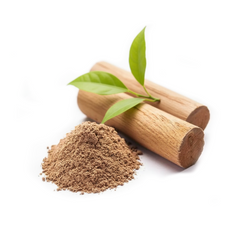
A balanced nutmeg accord typically blends Nutmeg (25–30%), Cinnamon (20–25%), Sandalwood (25–30%), and Bergamot (20–25%). Nutmeg forms the spicy-sweet core, cinnamon amplifies warmth via cinnamaldehyde, sandalwood provides creamy, woody depth through santalol, and bergamot introduces a volatile, citrusy top that brightens the blend and enhances projection. Together, these ingredients create a multidimensional, diffusive spice accord.

30%

Nutmeg

25–30% of blend

Nutmeg delivers the spicy-sweet, woody heart of the accord, driven by myristicin and sabinene for warmth and subtle complexity.

25%

Cinnamon

20–25% of blend

Cinnamon adds intensity and heat, with cinnamaldehyde providing a sharp, sweet-hot counterpoint to nutmeg’s rounder spice.

30%

Sandalwood

25–30% of blend

Sandalwood’s santalol molecules impart creamy, woody smoothness, anchoring the spice and extending longevity.

25%

Bergamot

20–25% of blend

Bergamot’s limonene and linalyl acetate introduce a bright, citrusy top, enhancing freshness and volatility for a lively opening.

The Olfactory Layers

How Nutmeg Evolves on Skin

Nutmeg’s olfactory evolution moves from a fresh, terpene-rich opening to a dense, sweet-spicy heart, and finally to a woody, powdery base. Volatile monoterpenes dominate the top, while heavier phenolic compounds linger in the drydown.

I
Top notes
0–15 min
Bright Resinous Spark

The initial impression is bright, resinous, and slightly camphoraceous, driven by sabinene, α-pinene, and limonene. These high-volatility molecules evaporate quickly, providing a fresh, almost coniferous lift that transitions rapidly into warmth.

resinousfresh-spicyterpene
II
Heart notes
20–60 min
Sweet-Spicy Warmth

The heart is dominated by myristicin, elemicin, and eugenol, producing a dense, sweet-spicy, and woody effect. This stage is where nutmeg’s signature warmth and subtle sweetness emerge, balanced by a faintly nutty, creamy undertone.

sweet-spicywoodynutty
III
Base notes
Several hours
Woody Musky Drydown

In the base, heavier phenolic compounds and trace amounts of safrole and methyl eugenol create a lingering, powdery-woody finish. The scent remains subtly spicy, with a soft, musky warmth that persists on skin and fabric.

powderywoodymusky
TOP NOTES Bright Resinous Spark 0–15 minutes HEART NOTES Sweet-Spicy Warmth 20–60 minutes BASE NOTES Woody Musky Drydown Several hours
Through the Ages

The Story of Nutmeg in Perfumery

Nutmeg’s journey in perfumery spans from ancient trade routes to modern niche compositions, marked by botanical intrigue and global conflict.

Antiquity

Early Use in Aromatics

Nutmeg is documented in ancient Greek and Roman texts as an aromatic and medicinal spice, traded via Arab merchants from the Banda Islands to the Mediterranean by the 6th–7th centuries CE.

16th Century

The Nutmeg Wars

Portuguese, English, and Dutch colonial powers fought for control of the Banda Islands, the sole source of nutmeg. The Dutch East India Company enforced a brutal monopoly, making nutmeg one of the world’s most valuable commodities.

18th–19th Century

Global Cultivation

Nutmeg trees were transplanted to Grenada, India, and Sri Lanka, breaking the Banda monopoly. This diffusion expanded nutmeg’s use in culinary, medicinal, and perfumery applications worldwide.

1988

Modern Perfumery Milestone

Dior Fahrenheit (Jean-Louis Sieuzac, Maurice Roger) introduces nutmeg as a bridge note in a leather-woody masculine fragrance, influencing a generation of spicy-woody compositions.

2008–2019

Niche and Contemporary Uses

Serge Lutens Five O’Clock Au Gingembre (2008) and Maison Francis Kurkdjian Gentle Fluidity Silver (2019) showcase nutmeg’s versatility in both gourmand and aromatic contexts, cementing its status in modern perfumery.

The Art of Layering

How to Layer Nutmeg

Understanding how to layer nutmeg is key to maximizing its versatility. Layering works best when molecular compatibility is considered—nutmeg’s phenolic and terpene compounds interact synergistically with florals, woods, and resins.

01

Enhance Sweetness

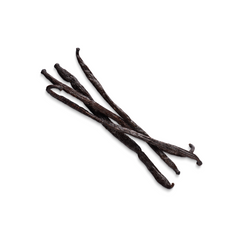
Layer nutmeg with vanilla or tonka bean to amplify sweet, creamy facets. Vanillin (from vanilla) and coumarin (from tonka) mask nutmeg’s sharpness, producing a smooth, gourmand effect. This is demonstrated in Mugler A*Men, where nutmeg and caramel create a rich, edible warmth.

02

Add Depth

Pair nutmeg with oud or patchouli to deepen woody and resinous undertones. Patchouli’s patchoulol and oud’s sesquiterpenes create a molecular bridge, enhancing nutmeg’s earthy, spicy complexity. Oud for Greatness (Initio Parfums Prives) exemplifies this synergy.

03

Brighten the Blend

Combine nutmeg with citrus notes like bergamot or grapefruit. Limonene and linalyl acetate in citrus oils boost nutmeg’s fresh, resinous top, creating a lively, aromatic opening. Maison Francis Kurkdjian Gentle Fluidity Silver uses this technique for a modern, clean spice effect.

Wear It Right

How to Wear Nutmeg Like a Pro

Seasonal Guide

Fall & Winter

In cooler months, nutmeg’s warmth and sweetness are accentuated, creating a comforting, enveloping aura. Apply to pulse points and under clothing for a slow, steady diffusion. The lower ambient temperature slows evaporation, allowing the woody, musky base to linger.

Spring

Spring’s moderate temperatures highlight nutmeg’s fresh, resinous top and sweet heart. Layer with citrus or green notes for a lively, uplifting effect. Apply lightly to avoid overwhelming lighter florals or greens.

Summer

Heat increases nutmeg’s volatility, intensifying its spicy, peppery facets and projection. Use sparingly, focusing on cooler areas like the inner elbows or behind the knees. Pair with citrus or aquatic notes to balance warmth.

Year-Round Tip

Nutmeg’s versatility allows for year-round wear. Adjust application and layering partners seasonally—pair with woods and resins in winter, and with citrus or florals in summer for optimal balance.

Application Points

Strategic application enhances nutmeg’s projection and longevity, with pulse points amplifying its warmth.

1

Neck

The neck’s warmth and moisture accelerate nutmeg’s top note diffusion, creating an immediate spicy-fresh impression. Ideal for moderate climates.

2

Behind the Ears

Application here allows nutmeg’s heart and base notes to develop slowly, as the area is less exposed to air and heat. This enhances the creamy, woody facets.

3

Inner Wrists

Pulse points on the wrists intensify nutmeg’s spicy warmth, but frequent hand washing may reduce longevity. Reapply as needed for sustained projection.

4

Hair

Spraying on hair or a hairbrush allows for gradual, diffusive release of nutmeg’s aroma. The scent lingers as hair moves, emphasizing the musky, woody base.

Pro Tip

Layer nutmeg-based fragrances over unscented moisturizer to slow evaporation and enhance longevity, especially in dry or cold environments.

Mood Architecture™

Top Nutmeg Fragrances by Mood Score

These Nutmeg-based fragrances scored highest on the MEI™ Mood Architecture Framework — measuring how a scent may influence your emotional state.

Highest MEI Score
Antidose — Antidote Alternative Cologne
9.09
MEI™
Primary Romantic
Secondary Confident
Confidence
8.63
Presence
9.1
Mood Lift
9.5
Identity
8.51
Warmth
9.5
Social Ease
9.5
Energy
6.7
" I am beautiful.
View full mood profile →
No.1 — Clive Christian Impression No.1 Alternative Cologne
8.66
MEI™
Primary Romantic
Secondary Confident
Confidence
8.02
Presence
8.9
Mood Lift
9.5
Identity
8.69
Warmth
9.5
Social Ease
8.68
Energy
3.4
" I am beautiful.
View full mood profile →
Noir Extreme — Tom Ford Noir Extreme Alternative Cologne
8.39
MEI™
Primary Romantic
Secondary Confident
Confidence
8.24
Presence
7.55
Mood Lift
8.93
Identity
7.5
Warmth
9.5
Social Ease
8.54
Energy
3.6
" I am beautiful.
View full mood profile →
Emblem Intense — Mont Blanc Emblem Intense Alternative Cologne
8.33
MEI™
Primary Romantic
Secondary Confident
Confidence
7.99
Presence
8.23
Mood Lift
8.91
Identity
8.01
Warmth
9.41
Social Ease
8.03
Energy
4.5
" I am beautiful.
View full mood profile →
HumanSafe™

Top Nutmeg Fragrances by HumanSafe™ Score

These Nutmeg-based fragrances have the highest product-level HumanSafe™ scores in this ingredient collection.

Highest HumanSafe™ Score
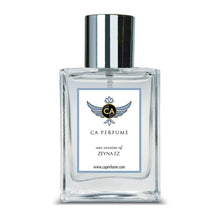
Zeyna Ez — Zegna Z Alternative Cologne
A-
HumanSafe™ Score Generally Safe
Safest Evaluated Ingredients EDP
AQUA Solvent / Carrier ISS 10.0
1,4-DIOXACYCLOHEPTADECANE-5,17-DIONE Evaluated ingredient ISS 10.0
7-OCTEN-2-OL, 2,6-DIMETHYL- Evaluated ingredient ISS 9.0
1H-3A,7-METHANOAZULENE, OCTAHYDRO-6-METHOXY-3,6,8,8- Evaluated ingredient ISS 9.0
3-BUTEN-2-ONE, 3-METHYL-4-(2,6,6-TRIMETHYL-2- Evaluated ingredient ISS 8.0
LINALYL ACETATE Evaluated ingredient ISS 7.0
View full safety profile →
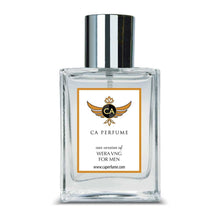
Wera Vng. For Men — Vera Wang For Men Alternative Cologne
A-
HumanSafe™ Score Generally Safe
Safest Evaluated Ingredients EDP
AQUA Solvent / Carrier ISS 10.0
BENZYL SALICYLATE Evaluated ingredient ISS 9.0
7-OCTEN-2-OL, 2,6-DIMETHYL- Evaluated ingredient ISS 9.0
LINALYL ACETATE Evaluated ingredient ISS 7.0
LINALOOL Evaluated ingredient ISS 7.0
View full safety profile →
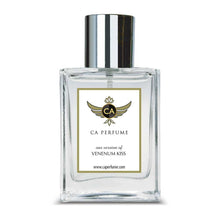
567- Venenum Kiss Perfume Spray
#3
567- Venenum Kiss Perfume Spray
Starting from $12.99
A-
HumanSafe™ Score Generally Safe
Safest Evaluated Ingredients EDP
AQUA Solvent / Carrier ISS 10.0
BENZYL SALICYLATE Evaluated ingredient ISS 9.0
4H-INDEN-4-ONE, 1,2,3,5,6,7-HEXAHYDRO-1,1,2,3,3- Evaluated ingredient ISS 9.0
3-CYCLOPENTENE-1-ACETALDEHYDE, 2,2,3-TRIMETHYL-, Evaluated ingredient ISS 9.0
LINALYL ACETATE Evaluated ingredient ISS 7.0
View full safety profile →
Ursa — Tiziana Terenzi Ursa Alternative Perfume
A-
HumanSafe™ Score Generally Safe
Safest Evaluated Ingredients EDP
AQUA Solvent / Carrier ISS 10.0
1,4-DIOXACYCLOHEPTADECANE-5,17-DIONE Evaluated ingredient ISS 10.0
3-BUTEN-2-ONE, 3-METHYL-4-(2,6,6-TRIMETHYL-2- Evaluated ingredient ISS 8.0
CYCLOHEXANEPROPANOL, 2,2,6-TRIMETHYL-.ALPHA.-PROPYL- Evaluated ingredient ISS 7.0
CEDROL Evaluated ingredient ISS 7.0
ALPHA-CEDRENE Evaluated ingredient ISS 7.0
View full safety profile →
Expert Voices

What Masters Say About Nutmeg

In perfumery, use nutmeg to add warmth and intrigue; many of the spices bring their best when below the threshold of conscious detection.
Alec Lawless, Artisan Perfumery or Being Led by the Nose
Nutmeg’s scent profile is defined by a spicy-sweet, woody warmth that bridges fresh and gourmand compositions, making it indispensable in both classic and modern fragrance structures.
CA Perfume Editorial
Common Questions

Frequently Asked Questions

Answers to common questions about nutmeg’s scent, usage, and performance in fragrance.

Nutmeg in perfume smells spicy, sweet, and woody, with a fresh, resinous opening and a warm, musky base. The scent is less sharp than clove or cinnamon, with a creamy, nutty undertone and a subtle peppery nuance. Notable examples include Dior Fahrenheit and Serge Lutens Five O’Clock Au Gingembre, where nutmeg provides both lift and warmth.

Nutmeg is primarily used as a heart (middle) note in fragrance, though its moderate volatility allows it to appear in the top as well. Its main role is to bridge the transition between fresh top notes and deeper base notes, adding warmth and complexity to the composition.

Nutmeg’s molecular complexity and versatility make it a favorite in niche perfumery. It can act as a bridge, modifier, or dominant note, blending seamlessly with woods, resins, florals, and gourmands. Its ability to add warmth without overpowering a composition is especially valued by contemporary perfumers.

Nutmeg fragrance uses include pairing with cinnamon, clove, vanilla, sandalwood, patchouli, and amber for warmth and depth. It also blends well with citrus (bergamot, grapefruit) for brightness, and with florals like jasmine for added complexity.

Nutmeg can be worn in summer, but its spicy warmth is amplified by heat, increasing projection and intensity. For hot weather, use sparingly and layer with citrus or aquatic notes to balance its richness. Lighter concentrations (EDT) are recommended for summer wear.

Nutmeg fragrances typically last 5–7 hours on skin, depending on concentration and layering. Its moderate molecular weight allows it to persist through the heart and into the base, especially when paired with fixatives like sandalwood or amber.

Yes, nutmeg is highly versatile for layering. It can enhance sweetness when paired with vanilla, add depth with oud or patchouli, or brighten a blend with citrus. Layering works best when considering molecular compatibility and olfactory balance.

For those new to nutmeg, Jo Malone Nutmeg & Ginger offers a clear, approachable introduction. Viktor&Rolf Spicebomb and Maison Francis Kurkdjian Gentle Fluidity Silver are also excellent choices, showcasing nutmeg’s versatility in both classic and modern contexts.

Consider your preferred fragrance family (oriental, woody, gourmand) and desired intensity. CA Perfume’s nutmeg collection includes both classic and modern interpretations, with detailed scent profiles and layering suggestions to help you find your ideal match.

Nutmeg in fragrance is both sweet and spicy. Its sweetness comes from myristicin and elemicin, while its spice is driven by sabinene and eugenol. The balance depends on concentration, pairing notes, and skin chemistry, allowing for a wide range of olfactory effects.

Spicy Woody Collection

Explore Our Top Nutmeg Fragrances

Discover CA Perfume’s curated selection of nutmeg-centered fragrances, spanning classic spice blends and modern aromatic interpretations.

Shop all nutmeg fragrances at CA Perfume →

Where Nutmeg Comes From — Origin & Extraction

Nutmeg is derived from the seed of Myristica fragrans, an evergreen tree native to the Banda Islands (Spice Islands) in Indonesia. Today, Indonesia remains the largest producer, accounting for 60–75% of global supply, with annual production exceeding 40,000 metric tons. Other significant producers include Grenada (the 'Isle of Spice'), India (notably Kerala and Tamil Nadu), and Sri Lanka. Grenadian nutmeg is valued for its clean, sweet profile and traceable production, though volumes are modest compared to Indonesia. The fruit of Myristica fragrans yields two distinct spices: nutmeg (the seed) and mace (the aril). After harvesting, the fruit is split, the aril removed for mace, and the seed is sun-dried for several weeks. Nutmeg essential oil is extracted by steam distillation of the dried seeds at 110–120°C for 6–8 hours, yielding 7–16% oil by weight. The oil is a colorless to pale yellow liquid with a spicy, warm aroma. Oleoresin, used for flavor and fragrance, is produced via solvent extraction (typically ethanol or hexane), yielding a denser, more complete aromatic profile. Natural nutmeg oil commands $200–400/kg, while synthetic substitutes (notably myristicin, eugenol, or synthetic blends) cost $30–100/kg. Sustainability concerns include overharvesting, monoculture risks, and the need for fair labor practices in Indonesia and Grenada. The HumanSafe™ platform is used to verify traceability and safety in nutmeg sourcing for perfumery applications.

Famous Fragrances That Define Nutmeg in Perfumery

Nutmeg has played a pivotal role in both classic and contemporary perfumery, functioning as a bridge note, accent, or even a dominant theme. In Dior Fahrenheit (1988, Jean-Louis Sieuzac and Maurice Roger), nutmeg provides a subtle, spicy lift within a leather-woody structure, paired with violet leaf and cedar. Serge Lutens Five O’Clock Au Gingembre (2008, Christopher Sheldrake) uses nutmeg as a central note, blending it with ginger, honey, and tea for a warm, spicy-sweet heart. Maison Francis Kurkdjian Gentle Fluidity Silver (2019, Francis Kurkdjian) features nutmeg as a key aromatic, paired with juniper and musks for a modern, clean spice effect. Viktor&Rolf Spicebomb (2012, Olivier Polge) employs synthetic nutmeg for its clarity and projection, supporting cinnamon, tobacco, and leather notes. Jo Malone Nutmeg & Ginger (1990, Jo Malone) is one of the earliest modern fragrances to place nutmeg at the forefront, combining it with ginger and sandalwood for a fresh, spicy-woody profile. CA Perfume’s nutmeg-focused collection draws inspiration from these landmark fragrances, offering both classic spice blends and innovative modern interpretations.

Natural vs Synthetic Nutmeg in Perfumery

Natural nutmeg oil (CAS 8008-45-5) is composed of over 30 aroma compounds, with myristicin, sabinene, α-pinene, and elemicin as key contributors. Synthetic nutmeg notes are typically constructed from isolated molecules such as myristicin (CAS 607-91-0), eugenol (CAS 97-53-0), and isoeugenol (CAS 97-54-1). Synthetic nutmeg accords offer greater batch-to-batch consistency, enhanced stability, and reduced allergenic potential, but may lack the nuanced, evolving character of natural oil. Performance-wise, synthetic nutmeg molecules provide longer-lasting, more linear diffusion, especially in high-heat or high-humidity environments. Natural nutmeg oil, while richer and more complex, can vary in composition due to terroir, harvest timing, and storage conditions. Cost is a major differentiator: natural nutmeg oil is 3–10 times more expensive than synthetic blends. Notable fragrances using natural nutmeg include Guerlain L’Instant de Guerlain Pour Homme (2004, Beatrice Piquet), while synthetic nutmeg is featured in Viktor&Rolf Spicebomb (2012, Olivier Polge) for its clarity and projection. Sustainability and supply chain transparency are increasingly critical. Synthetic nutmeg reduces pressure on tropical ecosystems but relies on petrochemical feedstocks. The HumanSafe™ platform is used to verify both natural and synthetic nutmeg sources for safety, traceability, and environmental impact. CA Perfume prioritizes HumanSafe™-verified nutmeg in all formulations.