Ingredient Guide · Citrus Aromatic
Citrus Aromatic Family · Perfumery Note

Calabrian Bergamot

Calabria’s signature citrus, prized for its radiant, nuanced aroma.

Calabrian bergamot is the benchmark citrus top note in perfumery, prized for its unique balance of sparkling freshness and floral-green complexity. Its essential oil, cold-pressed from Citrus bergamia, is defined by a linalyl acetate–limonene ratio that sets the global standard.

Calabrian Bergamot
Ingredient Profile

Calabrian Bergamot

Citrus Aromatic Family
Family Citrus Aromatic
Note Position Base Note
Usage Level 90–95%
Key Origins Italy, Ivory Coast, Argentina
Iconic In 4711 Original Eau de Cologne, Eau Sauvage
The Ingredient

What does Calabrian Bergamot smell like and why is it a perfumery cornerstone?

Calabrian bergamot (Citrus bergamia) is a citrus fruit grown almost exclusively along the Ionian coast of Calabria, Italy. Its essential oil is extracted from the fruit’s peel, yielding a scent profile that is both luminous and complex. What does Calabrian bergamot smell like? It opens with a sparkling, bittersweet citrus character—brighter than orange, softer than lemon—layered with subtle floral, green, and tea-like nuances. This complexity arises from its unique chemical composition: a high proportion of linalyl acetate (20–45%), limonene (30–45%), and linalool (5–15%), along with minor components such as γ-terpinene and β-pinene. The interplay of these molecules gives Calabrian bergamot its signature duality: sharp citrus brightness seamlessly blended with a soft, aromatic floral undertone. In perfumery, Calabrian bergamot is classified as a top note, used at concentrations ranging from 0.5% to 3% in most formulas. Its volatility means it is among the first notes detected upon application, yet its molecular structure—particularly the presence of linalyl acetate—allows it to act as a bridge, smoothing the transition to heart and base notes. The oil’s interaction with skin chemistry is notable: acidic skin can accentuate its tart facets, while warmer, more alkaline skin may draw out the sweeter, floral elements. This adaptability makes Calabrian bergamot invaluable for both men’s and women’s fragrances, contributing to the “lift” and radiance of the opening. Calabrian bergamot in perfumery is exemplified by its starring role in Acqua di Parma Blu Mediterraneo Bergamotto di Calabria (2010, François Demachy), where it forms the luminous core of the composition. Another reference is Guerlain Aqua Allegoria Bergamote Calabria (2017, Thierry Wasser), which showcases the ingredient’s multifaceted freshness. These fragrances demonstrate how Calabrian bergamot’s scent profile can define the entire olfactory architecture, from the first impression to the nuanced drydown.

90–95%
Percentage of global bergamot oil production sourced from Calabria, Italy. This concentration of supply ensures a consistent, reference-standard chemical profile for fine perfumery.
200 kg : 1 kg
It takes approximately 200 kg of fresh bergamot fruit to yield 1 kg of essential oil via cold-press extraction. This low yield contributes to the oil’s high cost and exclusivity.
<0.4%
Maximum IFRA-allowed concentration of standard bergamot oil in leave-on products due to phototoxicity risk from furocoumarins. FCF oil allows higher concentrations in sun-exposed applications.
Origin & Extraction

Where Calabrian Bergamot Comes From — Origin & Extraction

Calabrian bergamot’s olfactory character is inseparable from the terroir of southern Italy, where limestone soils, Mediterranean breezes, and stable humidity yield a uniquely nuanced oil. Minor production exists in Ivory Coast, Argentina, and Brazil, but only Calabria’s PDO-certified orchards produce the reference-standard aroma.

Calabrian bergamot is derived from Citrus bergamia Risso et Poiteau, a citrus hybrid believed to be a cross between bitter orange (Citrus aurantium) and lemon (Citrus limon). The fruit is cultivated almost exclusively in the province of Reggio Calabria, Italy, where approximately 90–95% of the world’s bergamot oil is produced. The growing area is a narrow coastal strip, about 100 km long, where unique microclimatic conditions—sea breezes, limestone-rich soils, and stable humidity—yield a chemical profile unmatched elsewhere. Harvesting occurs from November to March, with fruits hand-picked at peak ripeness. The extraction process is mechanical, using cold-pressing (sfumatura or modern cold-expression) to rupture oil vesicles in the peel without heat or solvents. This preserves the delicate balance of linalyl acetate, limonene, and linalool. Approximately 200 kg of fruit yields 1 kg of essential oil, with annual production estimated at 100–120 metric tons globally. The oil is then centrifuged and filtered. For applications requiring reduced phototoxicity, FCF (furocoumarin-free) bergamot is produced via fractional distillation to remove bergapten (CAS 484-20-8). Natural Calabrian bergamot oil commands prices of $250–400/kg, while synthetic substitutes (primarily blends of linalyl acetate, limonene, and synthetic linalool) cost $30–80/kg. Sustainability is supported by the PDO (Protected Designation of Origin) “Bergamotto di Reggio Calabria – Olio essenziale,” and most orchards are managed by family cooperatives. Climate change poses a risk: drought or heat stress can alter the linalyl acetate–limonene ratio, reducing olfactory quality. The industry is increasingly adopting traceability and fair labor standards to ensure long-term viability.

IT

Italy

Reggio Calabria, specifically the coastal strip between Villa San Giovanni and Monasterace, produces 90–95% of global bergamot oil. The region’s limestone soils, sea breezes, and PDO certification (Bergamotto di Reggio Calabria – Olio essenziale) yield oil with high linalyl acetate and nuanced floral-citrus balance. Annual output: ~100–120 metric tons.

CI

Ivory Coast

Small-scale production in the Abidjan region, with sandy soils and tropical humidity. Oil is higher in limonene, resulting in a simpler, less floral profile. Accounts for <5% of global supply, mainly for industrial use.

AR

Argentina

Corrientes province produces bergamot oil with a greener, sharper profile due to higher limonene and lower linalyl acetate. Volume is limited and primarily used in flavorings rather than fine perfumery.

BR

Brazil

Paraná and São Paulo states grow bergamot for domestic markets. Oil is more linear and lacks the layered complexity of Calabrian origin, with minimal export for perfumery.

Chemistry

Natural vs Synthetic Calabrian Bergamot in Perfumery

Natural Calabrian bergamot oil is defined by its high linalyl acetate (CAS 115-95-7), limonene (CAS 138-86-3), and linalool (CAS 78-70-6) content, with minor terpenes contributing to its nuanced scent. Synthetic bergamot notes are typically constructed from these isolated aroma chemicals, often with added β-pinene (CAS 127-91-3) and γ-terpinene (CAS 99-85-4) to mimic the green and spicy facets. While synthetic blends offer greater stability and are free from phototoxic furocoumarins, they lack the subtle complexity and evolving freshness of natural Calabrian oil. Performance-wise, natural bergamot is more volatile, with a pronounced but short-lived top note. Synthetic versions can be engineered for greater longevity and consistency, especially in high-heat or high-light environments. Cost is a major differentiator: natural Calabrian oil is 4–10 times more expensive than synthetic alternatives. Iconic fragrances such as Acqua di Parma Blu Mediterraneo Bergamotto di Calabria and Guerlain Aqua Allegoria Bergamote Calabria use natural Calabrian oil, while many mass-market colognes employ synthetic blends for cost and regulatory reasons. Sustainability is a growing concern. Natural production supports Calabrian agriculture but is vulnerable to climate and supply chain disruptions. Synthetic molecules reduce pressure on land use and offer IFRA-compliant, phototoxicity-free options. The HumanSafe™ platform at CA Perfume ensures ingredient transparency, verifying both natural and synthetic sources for safety and traceability.

Natural
Calabrian Bergamot Absolute
Cost $3,000–6,000/kg
Method Solvent / CO₂
Character Complex, variable
vs
Synthetic
Safranal & Analogues
Cost $50–200/kg
Method Lab synthesis
Character Consistent, stable
Hall of Fame

Famous Fragrances That Define Calabrian Bergamot in Perfumery

1792
dominant note

4711 Original Eau de Cologne

Mäurer & Wirtz
by Wilhelm Mülhens
lemonorangenerolirosemary
1966
bridge note

Eau Sauvage

Dior
by Edmond Roudnitska
hedionebasiloakmossvetiver
2010
dominant note

Blu Mediterraneo Bergamotto di Calabria

Acqua di Parma
by François Demachy
citrongingercedarwoodvetiver
2017
dominant note

Aqua Allegoria Bergamote Calabria

Guerlain
by Thierry Wasser
petitgraincardamomgingerwhite musk
2011
accent

Neroli Portofino

Tom Ford
by Rodrigo Flores-Roux
neroliorange blossomambermusk
2021
dominant note

Imagination

Louis Vuitton
by Jacques Cavallier-Belletrud
black teacitrusambermusk

Calabrian bergamot has shaped the architecture of both classic and modern perfumery. Its earliest landmark was 4711 Original Eau de Cologne (Mäurer & Wirtz, 1792), where bergamot provided the radiant, volatile backbone of the world’s first modern cologne. In the 20th century, Dior Eau Sauvage (1966, Edmond Roudnitska) used Calabrian bergamot to create a sparkling, green-citrus opening that became a template for masculine freshness. Acqua di Parma Blu Mediterraneo Bergamotto di Calabria (2010, François Demachy) is a contemporary reference, using PDO-certified Calabrian oil as the central theme, paired with citron and ginger for a sunlit Mediterranean effect. Guerlain Aqua Allegoria Bergamote Calabria (2017, Thierry Wasser) demonstrates the ingredient’s versatility, blending it with petitgrain and cardamom to highlight both its citrus and green facets. Tom Ford Neroli Portofino (2011, Rodrigo Flores-Roux) features Calabrian bergamot as a luminous top note, bridging neroli and orange blossom in a modern cologne structure. In Louis Vuitton Imagination (2021, Jacques Cavallier-Belletrud), Calabrian bergamot is used for its vibrant, tea-like freshness, setting the tone for a musky-ambery base. CA Perfume’s collection draws inspiration from this lineage, offering interpretations that respect the ingredient’s heritage and technical demands.

The Accord

How is a captivating Calabrian Bergamot accord crafted?

A classic Calabrian bergamot accord balances 30–35% bergamot oil for brightness, 20–25% petitgrain for green bitterness, 20–25% neroli for floral lift, and 20–25% cedarwood for a dry, woody anchor. Petitgrain’s green, bitter linalyl acetate complements bergamot’s citrus, while neroli’s indole and linalool bridge floral and citrus facets. Cedarwood’s sesquiterpenes provide fixative depth, extending the fleeting top note.

35%

Calabrian Bergamot Oil

30–35% of blend

Provides the sparkling, bittersweet citrus opening, driven by linalyl acetate and limonene. Sets the accord’s luminous tone.

25%

Petitgrain

20–25% of blend

Adds green, bitter facets through linalyl acetate and α-terpineol, reinforcing bergamot’s aromatic complexity.

25%

Neroli

20–25% of blend

Contributes floral, slightly indolic notes via linalool and nerolidol, bridging citrus and floral elements.

25%

Cedarwood

20–25% of blend

Provides dry, woody depth through cedrol and thujopsene, anchoring the volatile citrus and extending longevity.

The Olfactory Layers

How Calabrian Bergamot Evolves on Skin

Calabrian bergamot’s olfactory evolution is rapid and dynamic. The top note, dominated by volatile monoterpenes, evaporates within 15 minutes, revealing a floral-green heart as linalyl acetate and linalool persist. The base is subtle, with faint woody and musky undertones lingering as the citrus fades.

I
Top notes
0–15 min
Radiant Citrus Spark

A burst of sparkling, bittersweet citrus—bright, green, and slightly spicy. Limonene and linalyl acetate dominate, providing immediate radiance and lift. Minor terpenes (γ-terpinene, β-pinene) add green and peppery facets. This volatile phase defines the archetypal “fresh opening” in perfumery.

Sparkling CitrusGreen FreshnessBittersweet
II
Heart notes
20–60 min
Floral-Green Transition

The citrus brightness softens, revealing floral and tea-like nuances as linalool and nerol emerge. The transition is seamless, with the oil’s high linalyl acetate content bridging citrus and floral elements. Subtle green pith and aromatic facets persist, supported by petitgrain or neroli in blends.

FloralTea-likeAromatic
III
Base notes
Several hours
Clean Woody Finish

As the volatile top fades, faint woody and musky undertones linger, especially when paired with cedarwood or white musk. Trace sesquiterpenes and residual linalool provide a soft, clean finish, extending the impression of freshness without overt citrus.

WoodyMuskyClean
TOP NOTES Radiant Citrus Spark 0–15 minutes HEART NOTES Floral-Green Transition 20–60 minutes BASE NOTES Clean Woody Finish Several hours
Through the Ages

The Story of Calabrian Bergamot in Perfumery

Calabrian bergamot’s history in perfumery spans from 18th-century colognes to modern niche icons, shaped by advances in extraction, chemistry, and global demand.

1709

Bergamot in Eau de Cologne

Giovanni Maria Farina creates the first modern Eau de Cologne in Cologne, Germany, using Calabrian bergamot as the radiant top note. This innovation revolutionizes Western perfumery, shifting from heavy resins to transparent citrus blends.

1844

Industrial Extraction Advances

N. Barillà invents the “Calabrian Machine,” mechanizing the cold-press extraction of bergamot oil. This increases yield and quality, making bergamot oil more widely available for perfumery.

1966

Eau Sauvage Launches

Edmond Roudnitska’s Eau Sauvage for Dior uses Calabrian bergamot to define a new standard of masculine freshness, blending it with hedione and vetiver for a modern green-citrus profile.

2010

Acqua di Parma Blu Mediterraneo Bergamotto di Calabria

François Demachy crafts a fragrance centered entirely on PDO-certified Calabrian bergamot, highlighting terroir and extraction technique as central to olfactory quality.

2021

Sustainability and Traceability

The PDO “Bergamotto di Reggio Calabria – Olio essenziale” is widely adopted, and traceability standards are implemented to protect both growers and the unique chemical profile of Calabrian oil.

The Art of Layering

How to Layer Calabrian Bergamot

Understanding how to layer Calabrian bergamot is key to maximizing its impact. The high linalyl acetate and limonene content allows it to bridge citrus, floral, and woody notes, making it a versatile top note in both simple and complex blends.

01

Enhance Freshness

Layer Calabrian bergamot with neroli or petitgrain to amplify citrus and green facets. Both share linalool and linalyl acetate, creating a seamless olfactory bridge. This pairing is exemplified in Tom Ford Neroli Portofino, where bergamot and neroli form a radiant, long-lasting opening.

02

Add Depth

Pair bergamot with cedarwood or vetiver to introduce woody and earthy undertones. The sesquiterpenes in cedarwood extend the citrus freshness, while vetiver’s isovaleraldehyde complements bergamot’s green bitterness. Dior Eau Sauvage demonstrates this synergy, with bergamot opening into a woody-green heart.

03

Soften with Florals

Combine bergamot with jasmine or rose to highlight its floral-tea nuances. Shared trace molecules (e.g., indole, damascenone) create a smooth transition from citrus to floral. Guerlain Aqua Allegoria Bergamote Calabria uses this technique for a balanced, uplifting accord.

Wear It Right

How to Wear Calabrian Bergamot Like a Pro

Seasonal Guide

Fall & Winter

In cooler months, bergamot’s volatility is suppressed, resulting in a softer, more floral impression with reduced projection. Apply to pulse points and layer with woody or spicy notes to enhance warmth and persistence. Avoid overapplication, as the oil’s freshness can feel out of place in dense, cold air.

Spring

Spring’s moderate temperatures and humidity allow bergamot’s citrus and green facets to shine. The note projects well and transitions smoothly into floral or herbal heart notes. Pair with neroli or petitgrain for a classic spring accord that feels uplifting and clean.

Summer

Heat accelerates bergamot’s evaporation, making the citrus top note more pronounced but shorter-lived. High humidity enhances sillage but can also amplify phototoxic risk if using non-FCF oil. Apply lightly and reapply as needed. Pair with aquatic or green notes for a refreshing summer profile.

Year-Round Tip

For all-season wear, use FCF (furocoumarin-free) bergamot to avoid phototoxicity and maximize versatility. Layer with musks or light woods to extend longevity and maintain a clean, radiant impression regardless of climate.

Application Points

Strategic application maximizes Calabrian bergamot’s radiance and longevity.

1

Neck

Pulse points on the neck generate heat, accelerating the release of bergamot’s volatile compounds for an immediate, radiant opening. Ideal for maximizing projection in the first 15 minutes.

2

Behind the Ears

This area is less exposed to sunlight, reducing phototoxicity risk. The skin is slightly cooler, slowing evaporation and allowing the citrus-floral heart to linger.

3

Inner Wrists

Warmth and movement enhance volatility, but frequent hand washing can diminish longevity. Best for experiencing the full evolution from citrus top to woody base.

4

Hair

Spraying on hair or clothing provides a sustained release, as fibers trap and slowly release bergamot molecules. Use FCF oil to avoid phototoxicity on exposed skin.

Pro Tip

Layer bergamot-based fragrances over unscented moisturizer to slow evaporation and enhance projection. Avoid direct sun exposure if using non-FCF oil.

Mood Architecture™

Top Calabrian Bergamot Fragrances by Mood Score

These Calabrian Bergamot-based fragrances scored highest on the MEI™ Mood Architecture Framework — measuring how a scent may influence your emotional state.

Highest MEI Score
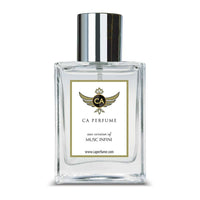
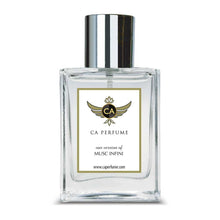
Musc Infini — Ex Nihilo Musc Infini Alternative Perfume
8.4
MEI™
Primary Romantic
Secondary Confident
Confidence
7.34
Presence
6.84
Mood Lift
9.5
Identity
7.67
Warmth
9.5
Social Ease
9.5
Energy
4.2
" I am beautiful.
View full mood profile →
Himalayan Ascent — Himalaya Alternative Cologne
8.38
MEI™
Primary Romantic
Secondary Confident
Confidence
8.43
Presence
8.97
Mood Lift
8.56
Identity
8.61
Warmth
9.22
Social Ease
7.82
Energy
4.0
" I am beautiful.
View full mood profile →
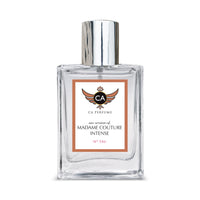
Madame Couture Intense — Coco Mademoiselle Intense Alternative Perfume
8.08
MEI™
Primary Romantic
Secondary Confident
Confidence
7.34
Presence
7.86
Mood Lift
8.77
Identity
8.15
Warmth
9.5
Social Ease
8.09
Energy
3.7
" I am beautiful.
View full mood profile →
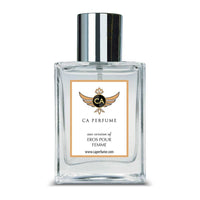
Eros Pour Femme — Eros Alternative Perfume
7.81
MEI™
Primary Fresh
Secondary Romantic
Confidence
7.04
Presence
7.48
Mood Lift
9.5
Identity
6.78
Warmth
7.26
Social Ease
8.29
Energy
4.6
" I am radiant.
View full mood profile →
HumanSafe™

Top Calabrian Bergamot Fragrances by HumanSafe™ Score

These Calabrian Bergamot-based fragrances have the highest product-level HumanSafe™ scores in this ingredient collection.

Highest HumanSafe™ Score
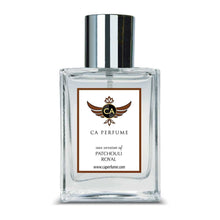
Patchouli Royal — La Collection Privee Patchouli Imperial Alternative Cologne
A-
HumanSafe™ Score Generally Safe
Safest Evaluated Ingredients EDP
AQUA Solvent / Carrier ISS 10.0
1,4-DIOXACYCLOHEPTADECANE-5,17-DIONE Evaluated ingredient ISS 10.0
LINALYL ACETATE Evaluated ingredient ISS 7.0
LINALOOL Evaluated ingredient ISS 7.0
CITRONELLOL Evaluated ingredient ISS 7.0
View full safety profile →
Musc Infini — Ex Nihilo Musc Infini Alternative Perfume
A-
HumanSafe™ Score Generally Safe
Safest Evaluated Ingredients EDP
AQUA Solvent / Carrier ISS 10.0
5-CYCLOHEXADECEN-1-ONE Evaluated ingredient ISS 10.0
1,4-DIOXACYCLOHEPTADECANE-5,17-DIONE Evaluated ingredient ISS 10.0
2H-1-BENZOPYRAN-2-ONE Evaluated ingredient ISS 8.0
REACTION MASS OF: (E)-OXACYCLOHEXADEC-12-EN-2-ONE, (E)- Evaluated ingredient ISS 7.0
LINALYL ACETATE Evaluated ingredient ISS 7.0
View full safety profile →
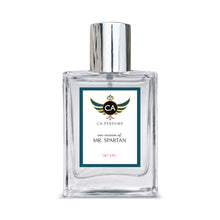
Mr. Spartan — Sauvage Alternative Cologne
A-
HumanSafe™ Score Generally Safe
Safest Evaluated Ingredients EDP
AQUA Solvent / Carrier ISS 10.0
7-OCTEN-2-OL, 2,6-DIMETHYL- Evaluated ingredient ISS 9.0
4H-INDEN-4-ONE, 1,2,3,5,6,7-HEXAHYDRO-1,1,2,3,3- Evaluated ingredient ISS 9.0
2-HEXENE, 6,6-DIMETHOXY-2,5,5-TRIMETHYL- Evaluated ingredient ISS 8.0
LINALYL ACETATE Evaluated ingredient ISS 7.0
LINALOOL Evaluated ingredient ISS 7.0
View full safety profile →
Mon Parisian — Mon Paris Alternative Perfume
A-
HumanSafe™ Score Generally Safe
Safest Evaluated Ingredients EDP
AQUA Solvent / Carrier ISS 10.0
1,4-DIOXACYCLOHEPTADECANE-5,17-DIONE Evaluated ingredient ISS 10.0
BENZYL SALICYLATE Evaluated ingredient ISS 9.0
7-OCTEN-2-OL, 2,6-DIMETHYL- Evaluated ingredient ISS 9.0
LINALYL ACETATE Evaluated ingredient ISS 7.0
View full safety profile →
Expert Voices

What Masters Say About Calabrian Bergamot

If Calabrian bergamot oil loses its distinctive linalyl acetate–limonene balance, perfumers lose the material that opens over half their compositions.
Première Peau Editorial
Calabrian bergamot is the sunlight of scent. Just as sunshine lifts a gloomy landscape, bergamot oil lifts a heavy fragrance formula, adding sparkle, airiness, and life.
CA Perfume Editorial
Common Questions

Frequently Asked Questions

Answers to the most common questions about Calabrian bergamot in perfumery.

Calabrian bergamot in perfume smells like a radiant, bittersweet citrus—brighter than orange, softer than lemon, with subtle floral and green tea nuances. Its unique scent profile is driven by a high linalyl acetate–limonene ratio, creating a luminous, complex opening that transitions seamlessly into floral or woody heart notes. This complexity is why Calabrian bergamot is the reference standard for citrus freshness in both classic and modern fragrances.

Calabrian bergamot is classified as a top note in perfumery. Its volatile monoterpenes (limonene, linalyl acetate) evaporate quickly, making it the first impression upon application. However, its high linalyl acetate content allows it to bridge into the heart, providing a smooth transition to floral or woody notes. In rare cases, it can be used as a heart note in complex compositions.

Calabrian bergamot is favored in niche perfumery for its unparalleled complexity and ability to lift and unify compositions. Its unique terroir-driven chemical profile—high in linalyl acetate and nuanced by minor terpenes—cannot be replicated by bergamot from other regions or by synthetic blends. This makes it essential for perfumers seeking authenticity, radiance, and a sophisticated citrus opening.

Calabrian bergamot fragrance uses include pairing with neroli, petitgrain, jasmine, rose, cedarwood, and vetiver. These notes share key molecules (linalool, linalyl acetate, indole) that create molecular bridges, enhancing both freshness and depth. The result is a seamless transition from citrus top to floral or woody heart and base.

Yes, Calabrian bergamot is ideal for summer and hot weather due to its volatility and refreshing character. High temperatures enhance its projection but also accelerate evaporation, making the citrus top note more pronounced but shorter-lived. For extended wear, layer with woody or musky notes and reapply as needed.

As a top note, Calabrian bergamot’s primary impression lasts 15–30 minutes, with floral-green heart notes persisting up to 1–2 hours depending on concentration and skin chemistry. When paired with fixatives like cedarwood or musk, the freshness can linger for several hours in the drydown.

Yes, layering Calabrian bergamot with floral, woody, or green fragrances enhances complexity and longevity. Its high linalyl acetate content bridges citrus and floral notes, while woody bases extend the freshness. For best results, apply heavier or creamier bases first, then spray bergamot-based scents on top.

Recommended entry points include Acqua di Parma Blu Mediterraneo Bergamotto di Calabria, Guerlain Aqua Allegoria Bergamote Calabria, and Tom Ford Neroli Portofino. These fragrances showcase Calabrian bergamot’s luminous character in accessible, balanced compositions.

At CA Perfume, select a Calabrian bergamot fragrance by considering your preferred style—whether you want a pure citrus opening, a floral-citrus blend, or a woody-citrus composition. Use the scent profile guides and layering tips to find a formula that matches your skin chemistry and seasonal preferences.

Calabrian bergamot’s scent is primarily bittersweet and citrusy, with subtle floral and green undertones. It is not overtly sweet or spicy, but the presence of minor terpenes (e.g., β-pinene) can add a gentle spicy nuance, especially when paired with woods or herbs. The overall effect is luminous, clean, and complex rather than sugary or peppery.

Citrus Aromatic Collection

Explore Our Top Calabrian Bergamot Fragrances

Discover CA Perfume’s curated selection of Calabrian bergamot fragrances, each crafted to highlight the ingredient’s radiant citrus complexity and versatility.

Shop all calabrian bergamot fragrances at CA Perfume →

Where Calabrian Bergamot Comes From — Origin & Extraction

Calabrian bergamot is derived from Citrus bergamia Risso et Poiteau, a citrus hybrid believed to be a cross between bitter orange (Citrus aurantium) and lemon (Citrus limon). The fruit is cultivated almost exclusively in the province of Reggio Calabria, Italy, where approximately 90–95% of the world’s bergamot oil is produced. The growing area is a narrow coastal strip, about 100 km long, where unique microclimatic conditions—sea breezes, limestone-rich soils, and stable humidity—yield a chemical profile unmatched elsewhere. Harvesting occurs from November to March, with fruits hand-picked at peak ripeness. The extraction process is mechanical, using cold-pressing (sfumatura or modern cold-expression) to rupture oil vesicles in the peel without heat or solvents. This preserves the delicate balance of linalyl acetate, limonene, and linalool. Approximately 200 kg of fruit yields 1 kg of essential oil, with annual production estimated at 100–120 metric tons globally. The oil is then centrifuged and filtered. For applications requiring reduced phototoxicity, FCF (furocoumarin-free) bergamot is produced via fractional distillation to remove bergapten (CAS 484-20-8). Natural Calabrian bergamot oil commands prices of $250–400/kg, while synthetic substitutes (primarily blends of linalyl acetate, limonene, and synthetic linalool) cost $30–80/kg. Sustainability is supported by the PDO (Protected Designation of Origin) “Bergamotto di Reggio Calabria – Olio essenziale,” and most orchards are managed by family cooperatives. Climate change poses a risk: drought or heat stress can alter the linalyl acetate–limonene ratio, reducing olfactory quality. The industry is increasingly adopting traceability and fair labor standards to ensure long-term viability.

Famous Fragrances That Define Calabrian Bergamot in Perfumery

Calabrian bergamot has shaped the architecture of both classic and modern perfumery. Its earliest landmark was 4711 Original Eau de Cologne (Mäurer & Wirtz, 1792), where bergamot provided the radiant, volatile backbone of the world’s first modern cologne. In the 20th century, Dior Eau Sauvage (1966, Edmond Roudnitska) used Calabrian bergamot to create a sparkling, green-citrus opening that became a template for masculine freshness. Acqua di Parma Blu Mediterraneo Bergamotto di Calabria (2010, François Demachy) is a contemporary reference, using PDO-certified Calabrian oil as the central theme, paired with citron and ginger for a sunlit Mediterranean effect. Guerlain Aqua Allegoria Bergamote Calabria (2017, Thierry Wasser) demonstrates the ingredient’s versatility, blending it with petitgrain and cardamom to highlight both its citrus and green facets. Tom Ford Neroli Portofino (2011, Rodrigo Flores-Roux) features Calabrian bergamot as a luminous top note, bridging neroli and orange blossom in a modern cologne structure. In Louis Vuitton Imagination (2021, Jacques Cavallier-Belletrud), Calabrian bergamot is used for its vibrant, tea-like freshness, setting the tone for a musky-ambery base. CA Perfume’s collection draws inspiration from this lineage, offering interpretations that respect the ingredient’s heritage and technical demands.

Natural vs Synthetic Calabrian Bergamot in Perfumery

Natural Calabrian bergamot oil is defined by its high linalyl acetate (CAS 115-95-7), limonene (CAS 138-86-3), and linalool (CAS 78-70-6) content, with minor terpenes contributing to its nuanced scent. Synthetic bergamot notes are typically constructed from these isolated aroma chemicals, often with added β-pinene (CAS 127-91-3) and γ-terpinene (CAS 99-85-4) to mimic the green and spicy facets. While synthetic blends offer greater stability and are free from phototoxic furocoumarins, they lack the subtle complexity and evolving freshness of natural Calabrian oil. Performance-wise, natural bergamot is more volatile, with a pronounced but short-lived top note. Synthetic versions can be engineered for greater longevity and consistency, especially in high-heat or high-light environments. Cost is a major differentiator: natural Calabrian oil is 4–10 times more expensive than synthetic alternatives. Iconic fragrances such as Acqua di Parma Blu Mediterraneo Bergamotto di Calabria and Guerlain Aqua Allegoria Bergamote Calabria use natural Calabrian oil, while many mass-market colognes employ synthetic blends for cost and regulatory reasons. Sustainability is a growing concern. Natural production supports Calabrian agriculture but is vulnerable to climate and supply chain disruptions. Synthetic molecules reduce pressure on land use and offer IFRA-compliant, phototoxicity-free options. The HumanSafe™ platform at CA Perfume ensures ingredient transparency, verifying both natural and synthetic sources for safety and traceability.