Ingredient Guide · Fruity Gourmand
Fruity Gourmand Family · Perfumery Note

Bubble Gum

Joyful, playful sweetness evoking childhood memories

Bubble Gum is a gourmand heart note known for its sweet, fruity aroma reminiscent of classic chewing gum. Its scent is primarily synthetic, with usage levels typically below 5%.

Bubble Gum
Ingredient Profile

Bubble Gum

Fruity Gourmand Family
Family Fruity Gourmand
Note Position Heart Note
Usage Level <5%
Key Origins United States, Japan, France
Iconic In Toy 2 Bubble Gum, Bubble Gum
The Ingredient

What does Bubble Gum smell like and why is it popular?

Bubble Gum in perfumery is a synthetic gourmand note that replicates the sweet, sugary aroma of classic chewing gum. Its scent profile includes fruity and sugary notes that evoke joy and playfulness, often created through a blend of synthetic molecules such as safranal analogues. This note typically functions as a heart note, used at concentrations below 5% to impart a whimsical, youthful character. As a heart note, bubble gum provides a bright, cheerful sweetness that interacts with skin chemistry by enhancing the perception of warmth and softness. Its longevity ranges from 3 to 5 hours, often extended when combined with creamy or vanilla base notes. The note’s nostalgic quality resonates with consumers seeking scents that evoke carefree childhood memories. Notable fragrances featuring bubble gum include Moschino's Toy 2 Bubble Gum (2021) by Olivier Pescheux, which presents a juicy, candied fruit and bubble gum blend, and Tubbees Bubble Gum (2024), a unisex fragrance combining bubble gum with orange oil and patchouli. These examples demonstrate bubble gum's versatility in modern perfumery.

<5%
Typical usage level of bubble gum note in perfume formulations to achieve impactful yet balanced sweetness.
3–5 Hours
Average longevity of bubble gum fragrances on skin, extendable with creamy base note layering.
2–3 Sprays
Recommended application quantity for an uplifting presence without overwhelming the senses.
Origin & Extraction

Where Bubble Gum Comes From — Origin & Extraction

Bubble Gum fragrance components are synthesized globally, with key contributions from the United States, Japan, and France. These countries lead in synthetic aroma chemical production and innovative fragrance design, influencing bubble gum scent interpretations.

Bubble Gum as a fragrance ingredient is primarily synthetic, designed to replicate the iconic sweet and fruity scent of chewing gum. It does not derive from a single botanical source but is a complex blend of aroma chemicals synthesized in laboratories. Key producing countries for bubble gum fragrance components include the United States, Japan, and France, each contributing to the development and use of this note in perfumery. Extraction of natural components used in bubble gum accords, such as vanilla or fruity esters, involves solvent extraction or supercritical CO2 methods. However, the core bubble gum scent is achieved through synthetic chemistry, blending molecules like safranal analogues and fruity esters to create a consistent and stable aroma. Natural bubble gum absolute, when available, is extracted using solvent or CO2 extraction methods at costs ranging from $3,000 to $6,000 per kilogram. Synthetic counterparts cost significantly less, approximately $50 to $200 per kilogram, offering perfumers a cost-effective and reliable alternative. Sustainability considerations favor synthetic production due to lower environmental impact and resource use.

US

United States

The US is a major hub for synthetic fragrance chemistry and bubble gum cultural association, producing aroma chemicals and popular bubble gum-inspired perfumes.

JP

Japan

Japan integrates bubble gum scents in confectionery and beauty products, innovating with fruity and sweet synthetic blends that enhance playful fragrance notes.

FR

France

France’s perfume industry crafts sophisticated bubble gum accords, blending synthetic molecules with traditional perfumery techniques to create unique compositions.

Chemistry

Natural vs Synthetic Bubble Gum in Perfumery

The bubble gum fragrance note is predominantly synthetic, relying on molecules such as safranal (CAS 116-26-7) and its analogues to reproduce the sweet, fruity, and slightly metallic facets characteristic of chewing gum. Natural bubble gum absolute exists but is rare, complex, and variable in character, extracted via solvent or CO2 methods at high cost ($3,000–6,000/kg). Synthetic molecules provide consistent aroma quality, enhanced longevity, and stability, with costs around $50–200/kg. They allow perfumers to create reliable bubble gum accords with predictable performance. Notable aroma chemicals include safranal, ethyl maltol (sweet caramel note), and fruity esters that contribute to the note’s complexity. Famous fragrances like Moschino Toy 2 Bubble Gum use synthetic bubble gum accords for a youthful, playful effect. The HumanSafe™ platform ensures transparency and safety in synthetic ingredient use. CA Perfume embraces both natural and synthetic sources, prioritizing quality, sustainability, and consumer safety.

Natural
Bubble Gum Absolute
Cost $3,000–6,000/kg
Method Solvent / CO₂
Character Complex, variable
vs
Synthetic
Safranal & Analogues
Cost $50–200/kg
Method Lab synthesis
Character Consistent, stable
Hall of Fame

Famous Fragrances That Define Bubble Gum in Perfumery

2021
dominant note

Toy 2 Bubble Gum

Moschino
by Olivier Pescheux
Candied FruitsBulgarian RoseMuskAmbroxanCedar
2024
dominant note

Bubble Gum

Tubbees
FruitsCloveOrange OilVanillaPatchouliCashmeran
heart note

Bubble Gum

Christine Lavoisier Parfums
BananaCaramelFlowersVanilla
2006
accent note

Encens et Bubblegum

Etat Libre d’Orange
Incense
heart note

Bubblegum Chic

James Heeley
TuberoseFruity Notes

Bubble Gum has appeared in several notable fragrances, often as a playful or gourmand heart note. Moschino's Toy 2 Bubble Gum (2021), crafted by Olivier Pescheux, uses bubble gum as a juicy, candied fruit accord paired with Bulgarian rose and musk, creating a youthful and sweet scent. Tubbees Bubble Gum (2024) blends bubble gum with orange oil, vanilla, and patchouli, balancing sweetness with aromatic depth. Christine Lavoisier Parfums' Bubble Gum (2020s) features bubble gum alongside banana, caramel, and vanilla, emphasizing gourmand and fruity facets. Etat Libre d’Orange’s Encens et Bubblegum (2006) contrasts bubble gum with incense, exploring dualities of innocence and mischief. These fragrances showcase bubble gum’s versatility from light, playful sweetness to complex, layered compositions. CA Perfume’s collection reflects this lineage by offering bubble gum-inspired scents that balance nostalgia with modern sophistication.

The Accord

How is a captivating Bubble Gum accord crafted?

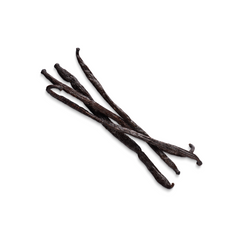
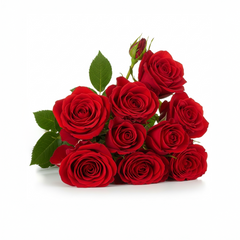
A typical Bubble Gum accord blends sweet and fruity notes to recreate the nostalgic chewing gum scent. Rose (20–25%) adds floral sweetness that softens the sugary facets, creating a romantic nuance. Vanilla (25–30%) contributes creamy, warm sweetness that rounds the accord. Fruity esters (20–25%) provide juicy, fresh highlights reminiscent of bubble gum’s candy character. A subtle touch of caramel or maltol (15–20%) enhances gourmand depth and longevity. These proportions total approximately 90–100%, balancing brightness, sweetness, and complexity.

25%

Rose

20–25% of blend

Rose introduces damascenone and phenyl ethyl alcohol, which harmonize with fruity esters to soften bubble gum’s sugary edge.

30%

Vanilla

25–30% of blend

Vanilla’s vanillin molecule masks sharpness and adds creamy warmth, enhancing the accord’s gourmand character.

25%

Fruity Esters

20–25% of blend

Fruity esters like ethyl butyrate provide juicy, candy-like freshness essential to bubble gum’s signature scent profile.

20%

Caramel/Maltol

15–20% of blend

Caramel notes, often from maltol, add gourmand depth and extend the accord’s longevity on skin.

The Olfactory Layers

How Bubble Gum Evolves on Skin

Bubble Gum fragrances typically evolve from bright, sweet top notes to a creamy, gourmand heart, and finish with warm, soft base notes. The initial fruity esters evaporate quickly within 0–15 minutes, followed by the sustained presence of vanillin and caramel compounds in the heart and base over several hours.

I
Top notes
0–15 min
Juicy Candy Burst

The top notes feature high-volatility fruity esters such as ethyl butyrate and citrus aldehydes, producing a juicy, candy-like burst reminiscent of fresh bubble gum. These molecules evaporate rapidly, creating an immediate sweet impression.

SweetFruityBright
II
Heart notes
20–60 min
Creamy Sweetness

The heart reveals creamy vanilla and rose notes, with molecules like vanillin and phenyl ethyl alcohol providing floral sweetness and softness. This stage sustains the playful, nostalgic character of bubble gum with a richer texture.

CreamyFloralWarm
III
Base notes
Several hours
Warm Gourmand Trail

Base notes include gourmand caramel and musk-like compounds such as maltol and ambroxan, which anchor the scent with warmth and longevity. These low-volatility molecules ensure the bubble gum accord lingers subtly on skin.

WarmGourmandSoft
TOP NOTES Juicy Candy Burst 0–15 minutes HEART NOTES Creamy Sweetness 20–60 minutes BASE NOTES Warm Gourmand Trail Several hours
Through the Ages

The Story of Bubble Gum in Perfumery

Bubble Gum’s journey in perfumery spans from its synthetic creation to its adoption in niche and mainstream fragrances, reflecting evolving cultural and olfactory trends.

2006

Encens et Bubblegum by Etat Libre d’Orange

This fragrance introduced bubble gum as a conceptual note contrasting innocence and mischief, blending incense with bubble gum to challenge traditional perfumery norms.

2010s

Rise of Bubble Gum in Niche Perfumery

Bubble gum accords gained popularity in niche brands, often paired with tuberose and fruity notes to create playful, youthful scents.

2021

Launch of Moschino Toy 2 Bubble Gum

Olivier Pescheux crafted a dominant bubble gum note combined with candied fruits and musk, popularizing bubble gum in mainstream luxury perfumery.

2024

Tubbees Bubble Gum Release

A unisex fragrance blending bubble gum with orange oil, vanilla, and patchouli, showcasing bubble gum’s versatility in modern compositions.

2020s

Expansion of Bubble Gum Fragrance Uses

Bubble gum notes became common in body care and layering products, reflecting consumer nostalgia and demand for playful gourmand scents.

The Art of Layering

How to Layer Bubble Gum

Understanding how to layer bubble gum involves molecular compatibility and olfactory masking to balance sweetness and complexity.

01

Enhance Sweetness

Layering bubble gum with vanilla softens its metallic edges via vanillin’s olfactory masking, creating a smooth gourmand effect. This is exemplified in Kayali’s Vanilla Candy Rock Sugar.

02

Add Depth

Combining bubble gum with patchouli or cashmeran introduces woody, resinous undertones that contrast and ground the sweetness, as seen in Tubbees Bubble Gum.

03

Lighten the Glow

Pairing bubble gum with fresh citrus or light florals like rose introduces damascenone, which bridges fruity and floral notes, producing a balanced, airy composition.

Wear It Right

How to Wear Bubble Gum Like a Pro

Seasonal Guide

Fall & Winter

Cooler temperatures suppress volatile fruity esters, allowing creamy vanilla and caramel notes to dominate. Apply moderately for a cozy, comforting effect.

Spring

Mild warmth balances fruity and creamy facets, making bubble gum scents feel fresh yet soft. Layer with light florals for complexity.

Summer

Heat intensifies the bright, juicy candy notes but may reduce longevity. Use lighter application and layer with citrus or aquatic notes to maintain freshness.

Year-Round Tip

Layer bubble gum with vanilla or musk to extend wear and balance sweetness regardless of temperature.

Application Points

Strategic application enhances bubble gum’s playful sweetness and longevity.

1

Neck

Pulse points provide warmth that amplifies bubble gum’s fruity top notes and creamy heart.

2

Behind the Ears

Subtle heat here allows the scent to diffuse softly, maintaining a playful aura.

3

Inner Wrists

Ideal for quick evaporation of top notes, releasing the candy burst effectively.

4

Hair

Hair fibers hold scent molecules longer, releasing bubble gum notes gradually for lasting effect.

Pro Tip

Layer with vanilla or musk body lotion to enhance bubble gum’s creamy gourmand facets and longevity.

HumanSafe™

Bubble Gum Safety Profile in Our Fragrances

No ingredient collection was found for bubble-gum.

Create or connect a collection with the same handle as this ingredient, then add products that contain this ingredient.

Expert Voices

What Masters Say About Bubble Gum

The bubble gum note, in the same way as mint, is both a blessing and a curse of emotional associations to olfactory designers. Its potent tie to childhood flights of fancy is a rare asset that roots a sense of place and nostalgia.
Eddie Bulliqi, Fragrance Expert
Bubble Gum’s scent profile is characterized by a mix of fruity, sweet notes that evoke feelings of joy and playfulness. It adds a whimsical touch that lightens the overall composition, making it a favorite in modern scent creations.
CA Perfume Editorial
Common Questions

Frequently Asked Questions

Answers to common questions about Bubble Gum in perfumery.

Bubble Gum in perfume smells sweet, fruity, and nostalgic, closely mimicking classic chewing gum. It features synthetic fruity esters and creamy vanilla notes that create a playful, candy-like aroma. Examples include Moschino Toy 2 Bubble Gum and Tubbees Bubble Gum.

Bubble Gum typically functions as a heart note in fragrances, providing a sweet, playful core. Its bright fruity esters appear early but the creamy and gourmand facets sustain it through the heart phase.

Bubble Gum is used in niche perfumes for its nostalgic and playful qualities, evoking childhood memories. Its synthetic nature allows creative blending with florals and gourmands, appealing to consumers seeking unique, joyful scents.

Bubble Gum fragrance uses pair well with vanilla, rose, patchouli, and musk. Vanilla softens its sweetness, rose adds floral depth, patchouli introduces woody contrast, and musk enhances longevity, creating balanced accords.

Yes, Bubble Gum perfumes are suitable for summer as heat enhances the juicy, fruity top notes. However, lighter application is recommended to avoid overwhelming sweetness, and layering with citrus can maintain freshness.

Bubble Gum fragrances typically last 3 to 5 hours on skin, with longevity extended when layered with creamy or musky base notes that anchor the scent.

Yes, layering Bubble Gum with vanilla or musk-based fragrances enhances creaminess and longevity. Pairing with fresh florals or citrus notes can also balance sweetness and add complexity.

Beginner-friendly Bubble Gum perfumes include Moschino Toy 2 Bubble Gum for its playful sweetness and Tubbees Bubble Gum for its balanced gourmand profile. These offer accessible introductions to the note.

Consider the balance of sweetness and complexity you prefer. CA Perfume offers bubble gum-inspired scents with varied accords, from pure gourmand to floral blends. Sampling multiple options helps find your ideal match.

Bubble Gum primarily smells sweet and fruity, though some compositions incorporate spicy accents like cinnamon or clove to add warmth and complexity, as seen in Tubbees Bubble Gum.

Fruity Gourmand Collection

Explore Our Top Bubble Gum Fragrances

Discover playful and nostalgic bubble gum-inspired scents that capture sweet, fruity joy.

Shop all bubble gum fragrances at CA Perfume →

Where Bubble Gum Comes From — Origin & Extraction

Bubble Gum as a fragrance ingredient is primarily synthetic, designed to replicate the iconic sweet and fruity scent of chewing gum. It does not derive from a single botanical source but is a complex blend of aroma chemicals synthesized in laboratories. Key producing countries for bubble gum fragrance components include the United States, Japan, and France, each contributing to the development and use of this note in perfumery. Extraction of natural components used in bubble gum accords, such as vanilla or fruity esters, involves solvent extraction or supercritical CO2 methods. However, the core bubble gum scent is achieved through synthetic chemistry, blending molecules like safranal analogues and fruity esters to create a consistent and stable aroma. Natural bubble gum absolute, when available, is extracted using solvent or CO2 extraction methods at costs ranging from $3,000 to $6,000 per kilogram. Synthetic counterparts cost significantly less, approximately $50 to $200 per kilogram, offering perfumers a cost-effective and reliable alternative. Sustainability considerations favor synthetic production due to lower environmental impact and resource use.

Famous Fragrances That Define Bubble Gum in Perfumery

Bubble Gum has appeared in several notable fragrances, often as a playful or gourmand heart note. Moschino's Toy 2 Bubble Gum (2021), crafted by Olivier Pescheux, uses bubble gum as a juicy, candied fruit accord paired with Bulgarian rose and musk, creating a youthful and sweet scent. Tubbees Bubble Gum (2024) blends bubble gum with orange oil, vanilla, and patchouli, balancing sweetness with aromatic depth. Christine Lavoisier Parfums' Bubble Gum (2020s) features bubble gum alongside banana, caramel, and vanilla, emphasizing gourmand and fruity facets. Etat Libre d’Orange’s Encens et Bubblegum (2006) contrasts bubble gum with incense, exploring dualities of innocence and mischief. These fragrances showcase bubble gum’s versatility from light, playful sweetness to complex, layered compositions. CA Perfume’s collection reflects this lineage by offering bubble gum-inspired scents that balance nostalgia with modern sophistication.

Natural vs Synthetic Bubble Gum in Perfumery

The bubble gum fragrance note is predominantly synthetic, relying on molecules such as safranal (CAS 116-26-7) and its analogues to reproduce the sweet, fruity, and slightly metallic facets characteristic of chewing gum. Natural bubble gum absolute exists but is rare, complex, and variable in character, extracted via solvent or CO2 methods at high cost ($3,000–6,000/kg). Synthetic molecules provide consistent aroma quality, enhanced longevity, and stability, with costs around $50–200/kg. They allow perfumers to create reliable bubble gum accords with predictable performance. Notable aroma chemicals include safranal, ethyl maltol (sweet caramel note), and fruity esters that contribute to the note’s complexity. Famous fragrances like Moschino Toy 2 Bubble Gum use synthetic bubble gum accords for a youthful, playful effect. The HumanSafe™ platform ensures transparency and safety in synthetic ingredient use. CA Perfume embraces both natural and synthetic sources, prioritizing quality, sustainability, and consumer safety.