Ingredient Guide · Gourmand
Gourmand Family · Perfumery Note

Brown Sugar

Rich caramel warmth with nostalgic gourmand appeal

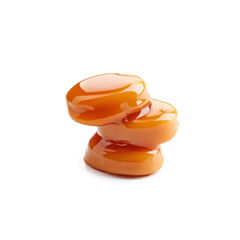
Brown Sugar is a gourmand heart note known for its warm, caramel-like sweetness and molasses nuances. It is typically used at concentrations below 5% to add depth and warmth.

Brown Sugar
Ingredient Profile

Brown Sugar

Gourmand Family
Family Gourmand
Note Position Heart Note
Usage Level <5%
Key Origins Brazil, India, United States
Iconic In Red Wine Brown Sugar, Flora Gorgeous Gardenia
The Ingredient

What does Brown Sugar smell like and why is it cherished?

Brown Sugar in perfumery is recognized for its rich, warm, and sweet scent profile dominated by caramel and molasses nuances. The key molecular contributors include complex sugar-derived compounds that create a luscious gourmand character with subtle boozy undertones reminiscent of toasted sugar. This note is classified as a heart note in fragrance structures, typically used at concentrations below 5% to provide a comforting sweetness without overwhelming the composition. As a heart note, brown sugar interacts with skin chemistry by blending seamlessly with vanilla, amber, and tonka bean, enhancing the overall warmth and depth of a fragrance. Its moderate volatility allows it to persist for 4 to 6 hours on the skin, providing a consistent sweet presence throughout daily wear. Notable fragrances showcasing brown sugar include Bohoboco's Red Wine Brown Sugar (2016), where it serves as a sweet, authentic accent paired with red wine and caramel, and Gucci's Flora Gorgeous Gardenia, which blends brown sugar with pear and floral notes for a sophisticated gourmand effect.

<5%
Typical usage level of brown sugar absolute in perfumery to maintain balance and avoid overpowering sweetness.
4–6 Hours
Average longevity of brown sugar fragrances on skin, sustained by moderate volatility of caramel and molasses compounds.
3000–6000 USD/kg
Approximate cost range for natural brown sugar absolute, reflecting extraction complexity and ingredient rarity.
Origin & Extraction

Where Brown Sugar Comes From — Origin & Extraction

Brown Sugar's scent character is influenced by its geographic origins, with soil composition, climate, and traditional harvesting methods shaping its olfactory nuances. Brazil, India, and the United States are key producers, each imparting distinct qualities to the ingredient.

Brown Sugar's olfactory character is intrinsically linked to its botanical sources: primarily sugarcane (Saccharum officinarum) and sugar beet (Beta vulgaris). The leading producers include Brazil, India, and the United States. Brazil dominates with its high-quality sugarcane, contributing natural sweetness that enhances brown sugar's caramel notes. India adds a unique depth and earthy undertone through traditional sugar production methods, while the United States employs innovative processing techniques to yield a widely used sweet ingredient in perfumery. Extraction of brown sugar absolute for perfumery typically involves solvent extraction or supercritical CO2 extraction from sugarcane molasses or refined brown sugar. These methods preserve the complex, variable aroma profile characterized by caramelized sugar, molasses, and toasted notes. The extract appears as a pale yellow liquid, classified as a middle note in fragrance pyramids. Natural brown sugar absolute costs approximately $3,000–6,000 per kilogram, reflecting its complex extraction and variable character. Synthetic analogues, such as safranal and related molecules, are produced via laboratory synthesis at lower costs ($50–200/kg), offering consistent and stable aroma profiles. Sustainability considerations focus on sourcing from renewable agricultural crops and minimizing environmental impact during extraction.

BR

Brazil

Brazil is renowned for its high-quality sugarcane grown in tropical climates with rich, well-drained soils. The sugarcane's natural sweetness enhances brown sugar's warm caramel notes. Brazil accounts for a significant share of global sugarcane production, supporting sustainable agricultural practices and advanced processing techniques.

IN

India

India produces brown sugar using traditional methods that retain molasses, imparting rich depth and earthy undertones. The varied climate and soil types across regions like Uttar Pradesh and Maharashtra contribute to unique aromatic profiles. India remains a major sugar producer with a strong artisanal sugar industry.

US

United States

The United States employs innovative sugar beet and sugarcane processing methods, yielding brown sugar with a clean, sweet aroma. Regions such as Florida and Louisiana cultivate sugarcane under controlled conditions, while Midwest states focus on sugar beet production. The US market emphasizes quality and consistency in ingredient supply.

Chemistry

Natural vs Synthetic Brown Sugar in Perfumery

Natural brown sugar absolute is obtained through solvent or CO2 extraction from sugarcane molasses, yielding a complex and variable aroma profile rich in caramelized sugar, molasses, and toasted sugar notes. This natural form is prized for its depth and nuanced sweetness but comes at a higher cost ($3,000–6,000/kg) and batch variability. Synthetic substitutes primarily include safranal (CAS 116-26-7) and related analogues, which replicate the warm, sweet, and slightly boozy facets of brown sugar. These synthetics offer consistent performance, greater stability, and cost efficiency ($50–200/kg). They also provide enhanced longevity and diffusion in fragrance compositions. Famous fragrances using natural brown sugar absolute include niche gourmand perfumes, while synthetics are common in mass-market and designer fragrances seeking cost-effective sweetness. The HumanSafe™ platform ensures transparency regarding ingredient origin and safety, guiding CA Perfume's approach to responsibly sourcing and blending both natural and synthetic brown sugar components.

Natural
Brown Sugar Absolute
Cost $3,000–6,000/kg
Method Solvent / CO₂
Character Complex, variable
vs
Synthetic
Safranal & Analogues
Cost $50–200/kg
Method Lab synthesis
Character Consistent, stable
Hall of Fame

Famous Fragrances That Define Brown Sugar in Perfumery

2016
accent

Red Wine Brown Sugar

Bohoboco
Red WineCaramelPatchouliLeather
supporting note

Flora Gorgeous Gardenia

Gucci
PearGardeniaBrown Sugar
2011
heart note

Brown Sugar

Fresh
CaramelAmberSugar
heart note

Jasmine Brown Sugar

Voluspa
JasmineVanillaIncense
2024
dominant note

Brown Sugar Artisan Perfumery

Fragrance World
RoseCaramelCedarwoodPatchouli

Brown sugar has become a defining gourmand note in several notable fragrances over the past two decades. Bohoboco's Red Wine Brown Sugar (2016) uses brown sugar as an accent to enrich its boozy, fruity accord, pairing it with red wine, caramel, and patchouli to create a nostalgic yet sophisticated scent. Gucci's Flora Gorgeous Gardenia blends brown sugar with pear and gardenia, offering a fresh yet sweet floral gourmand experience. Fresh's Brown Sugar (2011) features brown sugar alongside caramel and amber, providing a warm, sweet floral fruity scent. Voluspa's Jasmine Brown Sugar (date unknown) combines brown sugar with jasmine, vanilla, and incense, creating a powdery, warm fragrance evocative of caramel-vanilla aromas. Fragrance World's Brown Sugar Artisan Perfumery (2024) layers brown sugar with rose, caramel, cedarwood, and patchouli, emphasizing its versatility in floral gourmand compositions. CA Perfume recognizes brown sugar's role in gourmand perfumery, reflecting its warm, sweet character in curated fragrance collections that honor this rich olfactory heritage.

The Accord

How is a captivating Brown Sugar accord crafted?

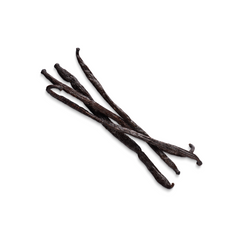
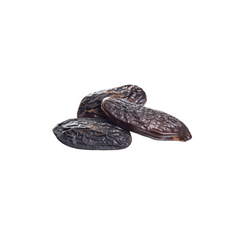
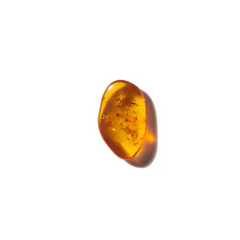
A balanced brown sugar accord typically includes Brown Sugar (20–25%) for its warm, caramelized sweetness, Vanilla (20–25%) to soften and add creamy depth through vanillin, Tonka Bean (20–25%) for its coumarin-based sweet, slightly spicy nuances, and Amber (25–30%) to provide resinous warmth and longevity. Each ingredient complements brown sugar at the molecular level: vanillin masks any harsh edges, coumarin enhances sweetness with subtle spice, and amber's complex resins extend sillage and fix the accord.

25%

Brown Sugar

20–25% of blend

Provides the core warm, caramelized sweetness with molasses nuances, forming the gourmand heart.

25%

Vanilla

20–25% of blend

Contains vanillin which softens brown sugar's edges and adds creamy, sweet depth.

25%

Tonka Bean

20–25% of blend

Coumarin-rich tonka bean adds sweet, slightly spicy nuances that harmonize with brown sugar.

30%

Amber

25–30% of blend

Resinous amber extends longevity and adds warm, complex depth to the accord.

The Olfactory Layers

How Brown Sugar Evolves on Skin

Brown sugar's olfactory evolution begins with its moderate volatility caramel and molasses compounds, which emerge prominently in the heart phase (20–60 minutes). Top notes typically feature lighter sweet or fruity facets that evaporate quickly (0–15 minutes). The base notes (several hours) reveal deeper resinous and woody elements that anchor brown sugar's warmth and longevity.

I
Top notes
0–15 min
Light Sweetness

At this stage, volatile sweet aldehydes and light caramelized sugar molecules provide a gentle initial sweetness with subtle hints of toasted sugar. These high-volatility compounds evaporate quickly, offering a soft, inviting introduction.

SweetLightCaramel
II
Heart notes
20–60 min
Rich Caramel Warmth

The heart reveals the core brown sugar scent, dominated by molasses-derived compounds and caramelized sugar esters. These molecules have moderate volatility, producing a rich, warm, gourmand character that envelops the wearer.

WarmRichGourmand
III
Base notes
Several hours
Resinous Sweetness

Base notes consist of resinous amber, tonka bean coumarin, and vanilla vanillin, which have low volatility and provide lasting warmth, depth, and sweetness. These molecules fix the fragrance, extending its sillage and persistence.

ResinousSweetLong-lasting
TOP NOTES Light Sweetness 0–15 minutes HEART NOTES Rich Caramel Warmth 20–60 minutes BASE NOTES Resinous Sweetness Several hours
Through the Ages

The Story of Brown Sugar in Perfumery

Brown sugar's journey in perfumery spans from its culinary origins to modern gourmand fragrance applications, marked by key developments in extraction and synthetic aroma chemistry.

1700s

Rise of Sugar Plantations

The 18th century saw the expansion of sugar plantations in the Americas, increasing brown sugar availability and cultural prominence, indirectly influencing scent preferences.

1921

Synthetic Aromas Enter Perfumery

The introduction of synthetic aroma chemicals, such as aldehydes in Chanel No. 5, paved the way for complex gourmand notes including sugar-like scents.

2000s

Gourmand Fragrance Boom

The early 21st century experienced a surge in gourmand perfumes, with brown sugar emerging as a key sweet, warm ingredient in niche and designer fragrances.

2016

Launch of Red Wine Brown Sugar by Bohoboco

This fragrance highlighted brown sugar's versatility, combining it with boozy and fruity accords, gaining niche acclaim.

2024

Brown Sugar Artisan Perfumery Release

Fragrance World launched a floral gourmand centered on brown sugar, demonstrating its continued relevance and innovation in perfumery.

The Art of Layering

How to Layer Brown Sugar

Understanding how to layer brown sugar involves molecular compatibility and olfactory synergy. Layering enhances complexity and personalizes scent experiences.

01

Enhance Sweetness

Pair brown sugar with vanilla to leverage shared vanillin compounds, which soften brown sugar's edges and amplify creamy sweetness. This combination is exemplified in Gucci Flora Gorgeous Gardenia.

02

Add Depth

Combine brown sugar with patchouli or amber to introduce resinous, earthy molecules that balance sweetness with warmth and longevity, as seen in Bohoboco's Red Wine Brown Sugar.

03

Lighten the Glow

Layer brown sugar with fresh citrus or green notes like bergamot or petitgrain to mask potential cloying sweetness via olfactory masking, creating a bright, balanced gourmand.

Wear It Right

How to Wear Brown Sugar Like a Pro

Seasonal Guide

Fall & Winter

Cooler temperatures reduce volatility, allowing brown sugar's warm caramel and molasses notes to project richly and last longer. Apply moderately for cozy, enveloping scent experiences.

Spring

Mild temperatures support balanced diffusion; layering brown sugar with fresh florals or citrus can create a versatile, seasonally appropriate gourmand.

Summer

Heat increases volatility, which may cause brown sugar to become overly sweet or cloying. Use sparingly or blend with fresh aquatic or green notes to lighten the effect.

Year-Round Tip

Adjust application amount and layering partners based on temperature and humidity to maintain brown sugar's optimal warmth and sweetness without overpowering.

Application Points

Strategic application enhances brown sugar's warmth and longevity on the skin.

1

Neck

Pulse points at the neck provide warmth that activates brown sugar's caramelized sweetness, enhancing projection.

2

Behind the Ears

This discreet area allows gradual scent release, balancing brown sugar's richness with subtlety.

3

Inner Wrists

High blood flow here intensifies evaporation, highlighting brown sugar's sweet top and heart notes.

4

Hair

Hair fibers hold fragrance oils, enabling a soft, lingering brown sugar trail with movement.

Pro Tip

Layer brown sugar fragrance with complementary vanilla or amber body lotion to extend scent duration and depth.

HumanSafe™

Brown Sugar Safety Profile in Our Fragrances

No ingredient collection was found for brown-sugar.

Create or connect a collection with the same handle as this ingredient, then add products that contain this ingredient.

Expert Voices

What Masters Say About Brown Sugar

Brown sugar's scent profile is rich and alluring, with nuances of molasses underscoring a comforting sweetness that captivates the senses. It evokes feelings of nostalgia and warmth, making it a popular choice in gourmand fragrances.
CA Perfume Editorial
Brown sugar adds a luscious touch to both modern and classic compositions, enhancing gourmand and floral accords with its warm, caramel-like aroma.
CA Perfume Editorial
Common Questions

Frequently Asked Questions

Answers to common questions about brown sugar in perfumery.

Brown sugar in perfume smells warm, sweet, and caramel-like with rich molasses undertones. It provides a comforting gourmand aroma that is both nostalgic and inviting. This note is often used as a heart note and pairs well with vanilla, amber, and spices to create rich, edible scent profiles.

Brown sugar is primarily used as a heart note in fragrance compositions. Its moderate volatility allows it to emerge after the top notes and persist into the heart phase, providing warmth and sweetness without the heaviness of base notes.

Brown sugar is favored in niche perfumes for its complex gourmand character that adds depth and warmth. Its rich, caramelized sweetness evokes nostalgia and comfort, making it a versatile ingredient that enhances both floral and oriental accords with a unique edible quality.

Brown sugar fragrance uses often include pairing with vanilla, amber, tonka bean, caramel, patchouli, and spices like clove and saffron. These combinations create harmonious gourmand accords by balancing sweetness with warmth, resinous depth, and subtle spice.

Brown sugar perfumes are generally better suited for cooler weather as heat can increase volatility, making the sweetness overpowering. In summer, it is advisable to use lighter applications or layer with fresh, citrus, or green notes to maintain balance.

Brown sugar fragrances typically last between 4 to 6 hours on the skin, sustained by the moderate volatility of caramel and molasses compounds and supported by fixative base notes like amber and vanilla.

Yes, layering brown sugar with complementary notes such as vanilla, tonka bean, or fresh citrus can enhance complexity and longevity. Understanding how to layer brown sugar involves considering molecular compatibility and olfactory masking to create a balanced scent.

For beginners, perfumes like Gucci Flora Gorgeous Gardenia and Fresh Brown Sugar offer accessible introductions to brown sugar's gourmand sweetness. These fragrances balance brown sugar with familiar floral and fruity notes, making them easy to wear.

Choosing the right brown sugar fragrance involves considering concentration, complementary notes, and personal preference for sweetness level. CA Perfume offers a curated selection verified for quality and transparency through the HumanSafe™ platform to guide your choice.

Brown sugar primarily smells sweet with warm caramel and molasses tones, but it can exhibit subtle spicy nuances when blended with ingredients like clove and saffron, adding complexity without overpowering sweetness.

Gourmand Collection

Explore Our Top Brown Sugar Fragrances

Discover a curated selection of brown sugar perfumes showcasing the note's warm, sweet, and gourmand qualities.

Shop all brown sugar fragrances at CA Perfume →

Where Brown Sugar Comes From — Origin & Extraction

Brown Sugar's olfactory character is intrinsically linked to its botanical sources: primarily sugarcane (Saccharum officinarum) and sugar beet (Beta vulgaris). The leading producers include Brazil, India, and the United States. Brazil dominates with its high-quality sugarcane, contributing natural sweetness that enhances brown sugar's caramel notes. India adds a unique depth and earthy undertone through traditional sugar production methods, while the United States employs innovative processing techniques to yield a widely used sweet ingredient in perfumery. Extraction of brown sugar absolute for perfumery typically involves solvent extraction or supercritical CO2 extraction from sugarcane molasses or refined brown sugar. These methods preserve the complex, variable aroma profile characterized by caramelized sugar, molasses, and toasted notes. The extract appears as a pale yellow liquid, classified as a middle note in fragrance pyramids. Natural brown sugar absolute costs approximately $3,000–6,000 per kilogram, reflecting its complex extraction and variable character. Synthetic analogues, such as safranal and related molecules, are produced via laboratory synthesis at lower costs ($50–200/kg), offering consistent and stable aroma profiles. Sustainability considerations focus on sourcing from renewable agricultural crops and minimizing environmental impact during extraction.

Famous Fragrances That Define Brown Sugar in Perfumery

Brown sugar has become a defining gourmand note in several notable fragrances over the past two decades. Bohoboco's Red Wine Brown Sugar (2016) uses brown sugar as an accent to enrich its boozy, fruity accord, pairing it with red wine, caramel, and patchouli to create a nostalgic yet sophisticated scent. Gucci's Flora Gorgeous Gardenia blends brown sugar with pear and gardenia, offering a fresh yet sweet floral gourmand experience. Fresh's Brown Sugar (2011) features brown sugar alongside caramel and amber, providing a warm, sweet floral fruity scent. Voluspa's Jasmine Brown Sugar (date unknown) combines brown sugar with jasmine, vanilla, and incense, creating a powdery, warm fragrance evocative of caramel-vanilla aromas. Fragrance World's Brown Sugar Artisan Perfumery (2024) layers brown sugar with rose, caramel, cedarwood, and patchouli, emphasizing its versatility in floral gourmand compositions. CA Perfume recognizes brown sugar's role in gourmand perfumery, reflecting its warm, sweet character in curated fragrance collections that honor this rich olfactory heritage.

Natural vs Synthetic Brown Sugar in Perfumery

Natural brown sugar absolute is obtained through solvent or CO2 extraction from sugarcane molasses, yielding a complex and variable aroma profile rich in caramelized sugar, molasses, and toasted sugar notes. This natural form is prized for its depth and nuanced sweetness but comes at a higher cost ($3,000–6,000/kg) and batch variability. Synthetic substitutes primarily include safranal (CAS 116-26-7) and related analogues, which replicate the warm, sweet, and slightly boozy facets of brown sugar. These synthetics offer consistent performance, greater stability, and cost efficiency ($50–200/kg). They also provide enhanced longevity and diffusion in fragrance compositions. Famous fragrances using natural brown sugar absolute include niche gourmand perfumes, while synthetics are common in mass-market and designer fragrances seeking cost-effective sweetness. The HumanSafe™ platform ensures transparency regarding ingredient origin and safety, guiding CA Perfume's approach to responsibly sourcing and blending both natural and synthetic brown sugar components.