Ingredient Guide · Floral
Floral Family · Perfumery Note

Broom

A yellow floral note with honeyed, green, and hay-like facets.

Broom is a heart-to-base floral note in perfumery, prized for its honeyed, pollen-rich, and subtly bitter aroma. Its key molecular contributors include methyl anthranilate and isobutyl phenylacetate, used at 0.1–1% for nuanced yellow floral accords.

Broom
Ingredient Profile

Broom

Floral Family
Family Floral
Note Position Heart Note
Usage Level 0.1–1% in formula
Key Origins Italy, France, Spain
Iconic In Jasmin Rouge, En Passant
The Ingredient

What does Broom smell like and why is it significant in perfumery?

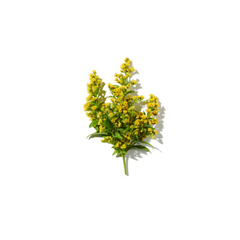
Broom (Spartium junceum or Genista species) is a yellow-flowering shrub native to the Mediterranean, whose blossoms yield an absolute with a complex scent profile. What does broom smell like? The broom scent profile is defined by a sweet, honeyed yellow floral aroma, accented by green, hay-like, and pollen nuances. Key odorants include methyl anthranilate (imparting sweet, fruity-floral facets), isobutyl phenylacetate (providing green, slightly bitter undertones), and traces of ionones and coumarin, which add violet and hay nuances. The overall effect is reminiscent of orange blossom, dried fruit, and a touch of tobacco, with a subtle animalic undertone, making broom in perfumery both distinctive and versatile. In perfumery, broom is typically classified as a heart or base note due to its moderate volatility and fixative properties. It is used at concentrations ranging from 0.1% to 1% in finished compositions, where it imparts a naturalistic, sunlit floral character. Broom interacts with skin chemistry by amplifying its honeyed and hay-like facets on warmer, slightly acidic skin, while on drier or more alkaline skin, the green and herbal aspects become more pronounced. Its molecular complexity allows it to bridge floral, chypre, and oriental accords, enhancing both projection and longevity when paired with other florals or resins. Broom in perfumery is exemplified in fragrances such as Tom Ford Jasmin Rouge (2011, Rodrigo Flores-Roux), where it enriches the white floral bouquet with honeyed depth, and Zoologist Bee (2019, Cristiano Canali), which uses broom absolute to reinforce the pollen and honey theme. Marc-Antoine Barrois Tilia (2023) also features broom as a central note, showcasing its ability to evoke sunlit meadows and Mediterranean landscapes.

0.1–1% in formula
Broom absolute is typically used at 0.1–1% of the total fragrance formula, balancing its intensity and allergenic potential while preserving its nuanced character.
5–8 hours longevity
Fragrances featuring broom as a heart or base note generally last 5–8 hours, with coumarin and phenylacetates providing fixative power and a persistent drydown.
$150–300/kg (absolute)
Natural broom absolute commands a price of $150–300 per kilogram, reflecting the labor-intensive extraction and low yield from fresh flowers.
Origin & Extraction

Where Broom Comes From — Origin & Extraction

Broom’s scent is shaped by Mediterranean climates—hot, dry summers and mineral-rich soils yield flowers with intensified honeyed and hay-like facets. Regional terroir influences the balance of floral, green, and bitter notes.

Broom absolute is derived primarily from the flowers of Spartium junceum (Spanish Broom) and Genista species, members of the Fabaceae family. The shrubs are native to the Mediterranean basin, with major production centered in southern Italy (notably Calabria), southern France, and Spain. Italy is the leading producer, with an estimated 60–70% of the global supply, followed by France and Spain, each contributing approximately 10–15%. The extraction process begins with hand-harvesting the yellow, pea-like flowers at peak bloom in late spring. The blossoms are subjected to solvent extraction (typically with hexane or ethanol) at controlled temperatures below 40°C to preserve volatile aromatics. The resulting concrete is then washed with ethanol to yield broom absolute, a dark brown, semi-solid material with a yield of 0.05–0.1% by weight of fresh flowers. Alternative methods, such as supercritical CO2 extraction, are emerging for improved selectivity and sustainability, but solvent extraction remains standard due to the delicate nature of the flowers. Natural broom absolute is priced at $150–300 per kilogram, depending on purity and origin, while synthetic substitutes (based on methyl anthranilate, isobutyl phenylacetate, and coumarin) cost $20–60 per kilogram. Sustainability concerns include the impact of wild harvesting on native populations and the energy-intensive nature of solvent extraction. However, most commercial broom is cultivated, and certified organic or wild-harvested sources are increasingly available. Synthetic alternatives help reduce pressure on wild populations and offer greater batch consistency.

IT

Italy

Calabria is renowned for broom cultivation, where volcanic soils and coastal breezes produce flowers with pronounced honeyed and pollen notes. Italy supplies 60–70% of global broom absolute, with strict harvesting protocols to ensure quality.

FR

France

In Provence, broom grows wild on limestone hills. The region’s dry climate and high sunlight yield a more herbal, green-leaning absolute. France accounts for 10–15% of production, with some PDO designations for wild-harvested material.

ES

Spain

Andalusia’s broom is characterized by arid soils and high temperatures, resulting in a slightly more bitter, herbaceous scent profile. Spain contributes 10–15% of the market, with both wild and cultivated sources.

GR

Greece

Thessaly’s broom is prized for its intense yellow color and sweet, honeyed aroma, attributed to the region’s mineral-rich soils and traditional hand-harvesting methods. Production is smaller scale but highly valued by artisanal perfumers.

Chemistry

Natural vs Synthetic Broom in Perfumery

Natural broom absolute is a complex mixture of aromatic compounds, with methyl anthranilate (CAS 134-20-3), isobutyl phenylacetate (CAS 102-13-6), and coumarin (CAS 91-64-5) as primary contributors. Synthetic broom notes are typically constructed from these molecules, sometimes augmented with ionones (CAS 127-41-3) for violet nuances and undecalactone (CAS 104-67-6) for a creamy, fruity undertone. Performance-wise, natural broom absolute offers superior depth, nuance, and a more naturalistic evolution on skin, but is less consistent batch-to-batch and can be more allergenic due to trace pollen and resins. Synthetic broom accords provide greater stability, longevity, and batch uniformity, with a cost advantage: $20–60/kg for synthetics versus $150–300/kg for natural absolute. Notable fragrances using natural broom include Tom Ford Jasmin Rouge and Frederic Malle En Passant, while many mainstream and mass-market scents rely on synthetic reconstitutions for cost and allergen control. Sustainability is a key consideration: synthetic broom reduces the need for large-scale flower harvesting and minimizes ecological impact. CA Perfume’s HumanSafe™ platform ensures full transparency regarding the sourcing and allergen profile of broom ingredients, whether natural or synthetic, and prioritizes sustainable supply chains and IFRA-compliant formulations.

Natural
Broom Absolute
Cost $3,000–6,000/kg
Method Solvent / CO₂
Character Complex, variable
vs
Synthetic
Safranal & Analogues
Cost $50–200/kg
Method Lab synthesis
Character Consistent, stable
Hall of Fame

Famous Fragrances That Define Broom in Perfumery

2011
supporting note

Jasmin Rouge

Tom Ford
by Rodrigo Flores-Roux
jasmine sambacspicesamber
2000
bridge note

En Passant

Frederic Malle
by Olivia Giacobetti
lilaccucumberwheat
2019
dominant note

Bee

Zoologist Perfumes
by Cristiano Canali
orange blossomheliotropesandalwood
2023
dominant note

Tilia

Marc-Antoine Barrois
by Quentin Bisch
linden blossommimosamusk
2023
accent

Nomade Nuit d’Egypte

Chloé
myrrhcitrusrose

Broom has been used in perfumery since the early 20th century, but its modern renaissance is marked by several landmark fragrances. In Tom Ford Jasmin Rouge (2011, Rodrigo Flores-Roux), broom absolute is a supporting note that lends honeyed, hay-like depth to the white floral heart, paired with jasmine sambac and spices. Frederic Malle En Passant (2000, Olivia Giacobetti) uses broom to evoke the impression of spring meadows, blending it with lilac and cucumber for a transparent, green-floral effect. Zoologist Bee (2019, Cristiano Canali) places broom at the center of a pollen-rich, honeyed composition, where it bridges orange blossom, heliotrope, and sandalwood. Marc-Antoine Barrois Tilia (2023, Quentin Bisch) features broom as a dominant note, creating a luminous yellow floral accord with linden blossom and mimosa. Chloé Nomade Nuit d’Egypte (2023) incorporates broom to enhance the sunlit, aromatic floral heart, paired with myrrh and citrus. These fragrances illustrate broom’s versatility: as a bridge note in chypre and floral compositions, a dominant yellow floral in modern niche perfumery, and an accent in honeyed, pollen-rich accords. CA Perfume’s collection draws on this lineage, offering broom-centered fragrances that highlight its unique honeyed, herbal, and green facets.

The Accord

How is a captivating Broom accord crafted?

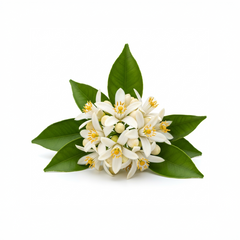
A classic broom accord blends 25–30% broom absolute for its honeyed, pollen-rich core; 20–25% orange blossom absolute to amplify the sweet floralcy via shared methyl anthranilate; 25–30% hay absolute for coumarin-driven hay and tobacco nuances; and 20–25% mimosa absolute to reinforce the yellow floral, powdery character. These ingredients are selected for their molecular overlap and complementary olfactory effects, resulting in a nuanced, sunlit floral accord.

30%

Broom Absolute

25–30% of blend

Provides the core honeyed, pollen-rich, and slightly bitter floralcy, driven by methyl anthranilate and isobutyl phenylacetate.

25%

Orange Blossom Absolute

20–25% of blend

Shares methyl anthranilate, reinforcing broom’s sweet, fruity-floral facets and enhancing projection.

30%

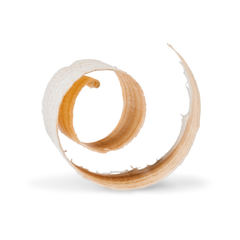
Hay Absolute

25–30% of blend

Coumarin-rich, it amplifies broom’s hay and tobacco nuances, adding warmth and longevity.

25%

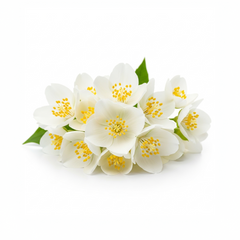
Mimosa Absolute

20–25% of blend

Enhances the yellow floral, powdery, and slightly green aspects through shared ionones and floral aldehydes.

The Olfactory Layers

How Broom Evolves on Skin

Broom’s olfactory evolution unfolds from green, pollen-laden top notes to a honeyed, hay-rich heart, settling into a warm, slightly tobacco-like base. High-volatility esters and aldehydes dominate early, while heavier coumarins and phenylacetates persist for hours.

I
Top notes
0–15 min
Green Pollen Burst

The initial impression is fresh, green, and slightly bitter, driven by high-volatility aldehydes and methyl anthranilate. These molecules evaporate quickly, creating a fleeting burst of pollen, green stems, and a whisper of citrus.

greenpollenfresh
II
Heart notes
20–60 min
Honeyed Floral Core

As the top fades, broom’s honeyed, floral heart emerges—methyl anthranilate and isobutyl phenylacetate combine with ionones to evoke orange blossom, dried fruit, and sweet hay. The pollen and honey nuances become more pronounced.

honeyedfloralyellow
III
Base notes
Several hours
Hay and Tobacco Drydown

The drydown is warm, hay-like, and subtly tobaccoic, anchored by coumarin and residual phenylacetates. A faint animalic undertone lingers, providing depth and fixative power, with low-volatility molecules persisting on skin.

haytobaccowarm
TOP NOTES Green Pollen Burst 0–15 minutes HEART NOTES Honeyed Floral Core 20–60 minutes BASE NOTES Hay and Tobacco Drydown Several hours
Through the Ages

The Story of Broom in Perfumery

Broom’s journey in perfumery spans from ancient Mediterranean use to its modern role in niche and artistic fragrances.

Antiquity

Medicinal and Ritual Use in the Mediterranean

Broom flowers and shrubs were used in ancient Greece and Rome for medicinal, dyeing, and ritual purposes. Their aromatic blossoms were valued for both fragrance and symbolism in local folklore.

1920s

First Use in French Perfumery

French perfumers began extracting broom absolute for use in floral and chypre compositions, leveraging its honeyed, pollen-rich aroma to add naturalistic depth to classic blends.

2000

En Passant by Frederic Malle

Olivia Giacobetti’s En Passant (2000) brought broom to the forefront of modern perfumery, using it to evoke spring meadows and transparent floral accords.

2011

Jasmin Rouge by Tom Ford

Rodrigo Flores-Roux’s Jasmin Rouge (2011) showcased broom as a supporting note, deepening the white floral heart and setting a new standard for honeyed, yellow floral accords.

2019

Bee by Zoologist Perfumes

Cristiano Canali’s Bee (2019) placed broom at the center of a pollen and honey-driven composition, inspiring a new wave of niche fragrances exploring broom’s full olfactory spectrum.

2023

Tilia by Marc-Antoine Barrois

Quentin Bisch’s Tilia (2023) featured broom as a dominant note, demonstrating its versatility in luminous, modern yellow floral fragrances.

The Art of Layering

How to Layer Broom

Understanding how to layer broom is key to unlocking its full olfactory potential. Molecular compatibility with other yellow florals, musks, and green notes allows broom to bridge and harmonize complex accords.

01

Enhance Sweetness

Layer broom with orange blossom or linden blossom to amplify methyl anthranilate-driven sweetness. This combination creates a luminous, honeyed floral accord, as seen in Marc-Antoine Barrois Tilia. The shared molecular structure ensures seamless blending and projection.

02

Add Depth

Pair broom with hay absolute or tobacco for a richer, more rustic drydown. Coumarin and phenylacetates in both materials reinforce hay and tobacco nuances, as demonstrated in Zoologist Bee, where broom and honey create a deep, pollen-laden base.

03

Lighten the Glow

Combine broom with citrus notes (bergamot, lemon) to accentuate its green, fresh facets and temper the honeyed sweetness. This molecular contrast produces a sparkling, airy effect, as in Frederic Malle En Passant, where broom and lilac evoke spring air.

Wear It Right

How to Wear Broom Like a Pro

Seasonal Guide

Fall & Winter

Cooler temperatures slow the evaporation of broom’s volatile aldehydes, allowing the honeyed and hay-like base to dominate. Apply to pulse points under clothing for a warm, enveloping effect that persists in dry air.

Spring

Spring’s moderate warmth and humidity enhance broom’s pollen and green facets. The scent evolves dynamically, echoing blooming meadows. Apply lightly to wrists and neck for a fresh, uplifting aura.

Summer

Heat increases the volatility of broom’s top notes, intensifying its green and slightly bitter facets. To avoid overwhelming projection, use sparingly or layer with citrus or aquatic notes for a lighter effect.

Year-Round Tip

Layer broom-based fragrances with complementary florals or musks to adapt to changing weather. Adjust application amount and placement to control sillage and longevity across seasons.

Application Points

Strategic application enhances broom’s nuanced evolution and optimizes projection.

1

Neck

Applying broom to the neck leverages body heat to amplify its honeyed and floral heart, ensuring a balanced projection as the scent evolves.

2

Behind the Ears

This area retains warmth and moisture, extending the longevity of broom’s pollen and hay notes while keeping the scent intimate.

3

Inner Wrists

Pulse points on the wrists accelerate the release of broom’s top aldehydes and methyl anthranilate, providing a fresh, green opening.

4

Hair

Spraying broom-infused fragrance on hair offers a gentle, continuous diffusion of the honeyed and floral notes, especially effective in warm weather.

★

Pro Tip

Layer broom with orange blossom or hay on clothing for enhanced sillage and to preserve the integrity of delicate top notes.

Mood Architecture™

Top Broom Fragrances by Mood Score

These Broom-based fragrances scored highest on the MEI™ Mood Architecture Framework — measuring how a scent may influence your emotional state.

Highest MEI Score
Jasmin Rouge — Tom Ford Jasmin Rouge Alternative Perfume
7.3
MEI™
Primary Romantic
Secondary Confident
Confidence
6.63
Presence
7.15
Mood Lift
8.1
Identity
6.9
Warmth
8.05
Social Ease
7.41
Energy
4.15
" I am beautiful.
View full mood profile →
Ilhan De Mel — Ilha Do Mel Alternative Perfume
6.5
MEI™
Primary Fresh
Secondary Romantic
Confidence
5.69
Presence
5.75
Mood Lift
7.6
Identity
6.03
Warmth
7.05
Social Ease
6.91
Energy
3.12
" I am radiant.
View full mood profile →
HumanSafe™

Top Broom Fragrances by HumanSafe™ Score

These Broom-based fragrances have the highest product-level HumanSafe™ scores in this ingredient collection.

Highest HumanSafe™ Score
Jasmin Rouge — Tom Ford Jasmin Rouge Alternative Perfume
A-
HumanSafe™ Score Generally Safe
Safest Evaluated Ingredients EDP
AQUA Solvent / Carrier ISS 10.0
ACETIC ACID, PHENYLMETHYL ESTER Evaluated ingredient ISS 10.0
BENZYL SALICYLATE Evaluated ingredient ISS 9.0
BENZOIC ACID, 2-AMINO-, METHYL ESTER Evaluated ingredient ISS 9.0
4H-INDEN-4-ONE, 1,2,3,5,6,7-HEXAHYDRO-1,1,2,3,3-PENTAMETHYL- Evaluated ingredient ISS 9.0
3-HEXEN-1-OL, BENZOATE, (Z)- Evaluated ingredient ISS 9.0
View full safety profile →
Ilhan De Mel — Ilha Do Mel Alternative Perfume
A-
HumanSafe™ Score Generally Safe
Safest Evaluated Ingredients EDP
AQUA Solvent / Carrier ISS 10.0
ACETIC ACID, PHENYLMETHYL ESTER Evaluated ingredient ISS 10.0
1,4-DIOXACYCLOHEPTADECANE-5,17-DIONE Evaluated ingredient ISS 10.0
BENZYL SALICYLATE Evaluated ingredient ISS 9.0
3-BUTEN-2-ONE, 3-METHYL-4-(2,6,6-TRIMETHYL-2-CYCLOHEXEN-1-YL)- Evaluated ingredient ISS 8.0
1,6,10-DODECATRIEN-3-OL, 3,7,11-TRIMETHYL- Evaluated ingredient ISS 8.0
View full safety profile →
Expert Voices

What Masters Say About Broom

“
The aroma of Genet Absolute (Broom) is sweet honey floral, fresh tea rose floral, with a joyous dark fruit floral note comparable to orange blossom and hay.
Adam Michael, Hermitage Oils
“
Broom’s honeyed, pollen-rich scent bridges the gap between green florals and warm, sunlit hay, making it a versatile note in both classic and modern perfumery.
CA Perfume Editorial
Common Questions

Frequently Asked Questions

Answers to common questions about broom in perfumery.

Broom in perfume smells honeyed, green, and slightly bitter, with prominent pollen and hay nuances. Its scent profile is shaped by methyl anthranilate and coumarin, giving it a sweet, sunlit floral character reminiscent of orange blossom, dried fruit, and subtle tobacco. Notable fragrances featuring broom include Tom Ford Jasmin Rouge and Zoologist Bee.

Broom is typically classified as a heart-to-base note in fragrance. Its moderate volatility and fixative properties allow it to bridge the transition from fresh, green top notes to warm, honeyed base notes, making it ideal for floral, chypre, and oriental accords.

Broom is favored in niche perfumery for its unique combination of honeyed, pollen-rich, and hay-like facets, which add naturalistic depth and complexity. Its molecular richness enables nuanced blending with other florals, greens, and resins, allowing perfumers to create distinctive, sunlit compositions.

Broom fragrance uses often involve pairing with orange blossom, mimosa, hay, and linden blossom. These notes share key molecules like methyl anthranilate and coumarin, creating harmonious yellow floral and honeyed accords. Citrus and green notes can also lighten broom’s sweetness.

Broom’s volatility increases in heat, emphasizing its green and slightly bitter facets. For summer, it’s best used in lighter concentrations or layered with citrus or aquatic notes to maintain freshness and prevent overwhelming projection.

A broom-based fragrance generally lasts 5–8 hours on skin. Its longevity is due to the persistence of coumarin and phenylacetate molecules, which anchor the hay and tobacco drydown, especially in higher-concentration formats like Parfum and EDP.

Yes, broom can be layered with complementary florals, musks, or green notes. Its molecular compatibility with orange blossom and hay enhances sweetness and depth, while citrus notes can add freshness. Layering allows for personalized scent evolution.

For those new to broom, Tom Ford Jasmin Rouge, Frederic Malle En Passant, and Marc-Antoine Barrois Tilia are excellent starting points. These fragrances showcase broom’s honeyed, floral, and green facets in accessible, well-balanced compositions.

Explore CA Perfume’s broom collection by considering your preferred balance of floral, green, and hay-like notes. Sampling different concentrations and pairings (with orange blossom, hay, or citrus) can help you find the most appealing broom scent profile for your skin chemistry.

Broom’s scent in fragrance is primarily honeyed and sweet, with a distinct pollen and dried fruit character. However, it also contains subtle green and bitter undertones, especially in the top notes, which balance the overall composition and prevent excessive sweetness.

Floral Collection

Explore Our Top Broom Fragrances

Discover CA Perfume’s curated selection of broom-centered fragrances, highlighting the note’s honeyed, floral, and hay-like character in both classic and modern compositions.

Shop all broom fragrances at CA Perfume →

Where Broom Comes From — Origin & Extraction

Broom absolute is derived primarily from the flowers of Spartium junceum (Spanish Broom) and Genista species, members of the Fabaceae family. The shrubs are native to the Mediterranean basin, with major production centered in southern Italy (notably Calabria), southern France, and Spain. Italy is the leading producer, with an estimated 60–70% of the global supply, followed by France and Spain, each contributing approximately 10–15%. The extraction process begins with hand-harvesting the yellow, pea-like flowers at peak bloom in late spring. The blossoms are subjected to solvent extraction (typically with hexane or ethanol) at controlled temperatures below 40°C to preserve volatile aromatics. The resulting concrete is then washed with ethanol to yield broom absolute, a dark brown, semi-solid material with a yield of 0.05–0.1% by weight of fresh flowers. Alternative methods, such as supercritical CO2 extraction, are emerging for improved selectivity and sustainability, but solvent extraction remains standard due to the delicate nature of the flowers. Natural broom absolute is priced at $150–300 per kilogram, depending on purity and origin, while synthetic substitutes (based on methyl anthranilate, isobutyl phenylacetate, and coumarin) cost $20–60 per kilogram. Sustainability concerns include the impact of wild harvesting on native populations and the energy-intensive nature of solvent extraction. However, most commercial broom is cultivated, and certified organic or wild-harvested sources are increasingly available. Synthetic alternatives help reduce pressure on wild populations and offer greater batch consistency.

Famous Fragrances That Define Broom in Perfumery

Broom has been used in perfumery since the early 20th century, but its modern renaissance is marked by several landmark fragrances. In Tom Ford Jasmin Rouge (2011, Rodrigo Flores-Roux), broom absolute is a supporting note that lends honeyed, hay-like depth to the white floral heart, paired with jasmine sambac and spices. Frederic Malle En Passant (2000, Olivia Giacobetti) uses broom to evoke the impression of spring meadows, blending it with lilac and cucumber for a transparent, green-floral effect. Zoologist Bee (2019, Cristiano Canali) places broom at the center of a pollen-rich, honeyed composition, where it bridges orange blossom, heliotrope, and sandalwood. Marc-Antoine Barrois Tilia (2023, Quentin Bisch) features broom as a dominant note, creating a luminous yellow floral accord with linden blossom and mimosa. Chloé Nomade Nuit d’Egypte (2023) incorporates broom to enhance the sunlit, aromatic floral heart, paired with myrrh and citrus. These fragrances illustrate broom’s versatility: as a bridge note in chypre and floral compositions, a dominant yellow floral in modern niche perfumery, and an accent in honeyed, pollen-rich accords. CA Perfume’s collection draws on this lineage, offering broom-centered fragrances that highlight its unique honeyed, herbal, and green facets.

Natural vs Synthetic Broom in Perfumery

Natural broom absolute is a complex mixture of aromatic compounds, with methyl anthranilate (CAS 134-20-3), isobutyl phenylacetate (CAS 102-13-6), and coumarin (CAS 91-64-5) as primary contributors. Synthetic broom notes are typically constructed from these molecules, sometimes augmented with ionones (CAS 127-41-3) for violet nuances and undecalactone (CAS 104-67-6) for a creamy, fruity undertone. Performance-wise, natural broom absolute offers superior depth, nuance, and a more naturalistic evolution on skin, but is less consistent batch-to-batch and can be more allergenic due to trace pollen and resins. Synthetic broom accords provide greater stability, longevity, and batch uniformity, with a cost advantage: $20–60/kg for synthetics versus $150–300/kg for natural absolute. Notable fragrances using natural broom include Tom Ford Jasmin Rouge and Frederic Malle En Passant, while many mainstream and mass-market scents rely on synthetic reconstitutions for cost and allergen control. Sustainability is a key consideration: synthetic broom reduces the need for large-scale flower harvesting and minimizes ecological impact. CA Perfume’s HumanSafe™ platform ensures full transparency regarding the sourcing and allergen profile of broom ingredients, whether natural or synthetic, and prioritizes sustainable supply chains and IFRA-compliant formulations.