Ingredient Guide · Floral
Floral Family · Perfumery Note

Mimosa

A study in powdery, honeyed, and green floral nuance

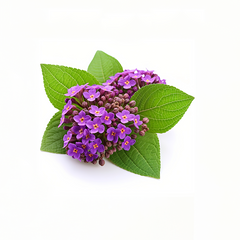
Mimosa is a heart note in perfumery, prized for its powdery, sweet, and green floral character. Its defining quality comes from absolute extracted from Acacia dealbata, containing anisaldehyde and coumarin derivatives.

Mimosa
Ingredient Profile

Mimosa

Floral Family
Family Floral
Note Position Heart Note
Usage Level 0.2–0.4% yield
Key Origins France, Morocco, India
Iconic In Champs-Élysées Eau de Parfum, Mimosa & Cardamom
The Ingredient

What does Mimosa smell like and why is it significant in perfumery?

Mimosa, primarily derived from Acacia dealbata, is renowned in perfumery for its distinctive scent profile: powdery, sweet, and green, with subtle honeyed and almond nuances. The olfactory signature of mimosa absolute is shaped by key molecules such as anisaldehyde, nonanal, heptanal, and coumarin-related compounds. These contribute to its characteristic powdery-floral aroma, gently hay-like undertones, and a faint violet-anisic sweetness. The absolute, obtained through solvent extraction, is notably different from the fresh flower’s scent, presenting a drier, more powdery and straw-like effect with hints of cucumber and melon due to the inclusion of leaves in the extraction process. In perfumery, mimosa is classified as a heart note, typically used at concentrations ranging from 0.2% to 1% of the total composition. Its moderate volatility allows it to bridge top and base notes, providing a soft, comforting transition in the fragrance pyramid. Mimosa’s interaction with skin chemistry is subtle: its powdery and green facets may be accentuated or softened depending on the wearer’s skin pH and moisture, often resulting in a more pronounced powdery or green effect. Mimosa in perfumery is exemplified by fragrances such as Jo Malone London Mimosa & Cardamom (2015, Marie Salamagne), which highlights its powdery and honeyed facets alongside cardamom and tonka, and Amouage Love Mimosa (2019, Nathalie Lorson), where mimosa’s floralcy is paired with pear and heliotrope for a luminous, spring-like effect. These compositions showcase the versatility and enduring appeal of the mimosa scent profile in both classic and contemporary perfumery.

0.2–0.4% yield
Solvent extraction of fresh Acacia dealbata flowers yields 0.2–0.4% concrete by weight, reflecting the labor-intensive nature of mimosa absolute production.
4–6 hours
Mimosa’s typical longevity as a heart note in EDP formulations, influenced by molecular volatility and skin chemistry.
$3,000–$7,000/kg
The price range for natural mimosa absolute, reflecting limited supply and high production costs compared to $50–$150/kg for synthetic mimosa aroma chemicals.
Origin & Extraction

Where Mimosa Comes From — Origin & Extraction

Mimosa’s scent is shaped by terroir—climate, soil, and altitude all influence the absolute’s powdery, green, and honeyed nuances. French and Moroccan origins are especially prized for their complexity and powdery intensity.

Mimosa used in perfumery is primarily sourced from Acacia dealbata (silver wattle) and, to a lesser extent, Acacia farnesiana. Native to southeastern Australia and Tasmania, Acacia dealbata has been cultivated since the 19th century in southern France (notably Grasse and the Tanneron massif), as well as in Morocco, Egypt, and India. France’s Côte d’Azur region, especially Mandelieu-la-Napoule and Tanneron, is a historic center of mimosa cultivation, with annual production volumes estimated at several hundred tons of fresh flowers for the fragrance industry. Extraction involves volatile solvent extraction (typically hexane), yielding a waxy concrete at 0.2–0.4% yield from fresh flowers. The concrete is then washed with ethanol to produce mimosa absolute (CAS 8031-03-6), a golden-yellow to brown paste. The process is temperature-controlled ( Sustainability is a concern due to the labor-intensive hand-harvesting and the relatively low yield per hectare. However, mimosa cultivation in France and Morocco often follows traditional, small-scale agricultural practices that support local biodiversity. Synthetic mimosa materials help alleviate pressure on wild and cultivated stocks, providing a more consistent and sustainable supply for large-scale perfumery.

FR

France

Tanneron massif (Provence-Alpes-Côte d’Azur) produces mimosa with pronounced powdery and green facets due to siliceous soils and mild, humid winters. France supplies high-grade absolute for fine perfumery, with Grasse as a key processing center. Annual production is limited, contributing to premium pricing.

MA

Morocco

The Khemisset region yields mimosa with a honeyed, slightly fruity profile, attributed to higher sunlight and drier soils. Morocco is a major exporter, supplying both raw flowers and absolute, with a growing share of the global market.

IN

India

Southern India (Tamil Nadu, Karnataka) cultivates Acacia dealbata for both floral and tannin extraction. Indian mimosa absolute is valued for its cost-effectiveness and slightly greener, less powdery scent compared to French material.

AU

Australia

Native stands in New South Wales and Victoria produce mimosa with a fresh, green, and slightly woody character. Australia is the genetic origin of Acacia dealbata, but most commercial absolute is exported for further processing.

Chemistry

Natural vs Synthetic Mimosa in Perfumery

Natural mimosa absolute is a complex mixture dominated by anisaldehyde (CAS 123-11-5), nonanal (CAS 124-19-6), heptanal (CAS 111-71-7), and coumarin derivatives. These molecules provide the signature powdery, sweet, and hay-like character. However, natural absolute is expensive, variable in quality, and subject to agricultural constraints. Synthetic mimosa notes are constructed using aroma chemicals such as Mimosal (CAS 103694-68-4, Firmenich), 4-methyl-α-amylcinnamaldehyde (CAS 101-39-3), and mimosa heptanal (Acalea, IFF). These synthetics offer greater stability, batch consistency, and improved longevity and diffusion compared to natural absolute. For example, Mimosal imparts a bright, green-powdery, lily-of-the-valley-like effect, while 4-methyl-α-amylcinnamaldehyde adds heliotrope and fruity facets. Synthetic mimosa accords are widely used in mainstream perfumery due to their lower cost (typically $50–$150/kg) and reliable performance. Famous fragrances such as Jo Malone London Mimosa & Cardamom and Prada Infusion de Mimosa often use a blend of natural and synthetic mimosa materials to balance authenticity and performance. From a sustainability perspective, synthetic mimosa reduces pressure on limited agricultural resources and supports consistent supply chains. CA Perfume’s HumanSafe™ platform ensures full transparency regarding the sourcing and safety of both natural and synthetic mimosa materials, prioritizing traceability and allergen disclosure.

Natural
Mimosa Absolute
Cost $3,000–6,000/kg
Method Solvent / CO₂
Character Complex, variable
vs
Synthetic
Safranal & Analogues
Cost $50–200/kg
Method Lab synthesis
Character Consistent, stable
Hall of Fame

Famous Fragrances That Define Mimosa in Perfumery

1996
dominant note

Champs-Élysées Eau de Parfum

Guerlain
by Jacques Guerlain, Jean-Paul Guerlain
rosealmondalmond blossom
2015
dominant note

Mimosa & Cardamom

Jo Malone London
by Marie Salamagne
cardamomtonka beansandalwood
2019
heart note

Love Mimosa

Amouage
by Nathalie Lorson
pearheliotropeylang-ylang
2016
heart note

Infusion de Mimosa

Prada
by Daniela Andrier
citrusrosemusk
2020
supporting note

The Favourite

Penhaligon's
by Alienor Massenet
irismusksandalwood

Mimosa has featured in both classic and contemporary fragrances, often as a heart note lending powdery, sweet, and green nuances. Notable examples include: 1. Guerlain Champs-Élysées (1996, Jacques Guerlain & Jean-Paul Guerlain): Mimosa is the central note, paired with rose, almond, and almond blossom, creating a luminous, powdery-floral bouquet. 2. Jo Malone London Mimosa & Cardamom (2015, Marie Salamagne): Here, mimosa absolute is combined with cardamom and tonka bean, emphasizing its honeyed and powdery aspects in a modern, unisex composition. 3. Amouage Love Mimosa (2019, Nathalie Lorson): Mimosa is blended with pear, heliotrope, and ylang-ylang, highlighting its fresh, green, and almond facets. 4. Prada Infusion de Mimosa (2016, Daniela Andrier): Mimosa is used as a soft, powdery heart, paired with citrus and rose, for a refined, luminous effect. 5. Penhaligon’s The Favourite (2020, Alienor Massenet): Mimosa is paired with iris, musk, and sandalwood, creating a creamy, powdery floral impression. These fragrances demonstrate mimosa’s versatility—whether as a dominant note (Champs-Élysées), a bridge between florals and spices (Mimosa & Cardamom), or as a supporting powdery accent (The Favourite). CA Perfume’s collection draws inspiration from this lineage, offering mimosa-centered compositions that reflect both tradition and innovation.

The Accord

How is a captivating Mimosa accord crafted?

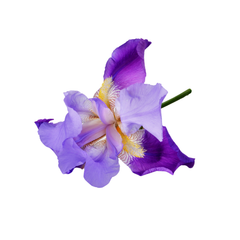
A classic mimosa accord blends Mimosa Absolute (25–30%), Violet Leaf (20–25%), Heliotrope (20–25%), and Iris (20–25%). Mimosa provides the powdery-floral core via anisaldehyde and coumarin. Violet leaf adds green, watery facets through ionones. Heliotrope introduces almondy, sweet heliotropin, enhancing the powdery effect. Iris, rich in irones, deepens the accord’s creamy, buttery texture and reinforces the powdery floralcy. Together, these ingredients create a nuanced, multi-dimensional mimosa signature.

30%

Mimosa Absolute

25–30% of blend

Provides the powdery, sweet floral core via anisaldehyde and coumarin derivatives, defining mimosa’s signature scent.

25%

Violet Leaf

20–25% of blend

Contributes green, watery ionones that enhance mimosa’s fresh, leafy facets and add a dewy brightness.

25%

Heliotrope

20–25% of blend

Heliotropin imparts almondy, sweet, and powdery notes, amplifying the soft, comforting aspect of mimosa.

25%

Iris

20–25% of blend

Rich in irones, iris deepens the accord’s creamy, buttery texture and reinforces the powdery floralcy.

The Olfactory Layers

How Mimosa Evolves on Skin

Mimosa’s olfactory evolution begins with fleeting green and watery notes, transitions to a powdery, sweet floral heart, and settles into a soft, hay-like base. Volatility is moderate, with heart and base notes persisting for several hours.

I
Top notes
0–15 min
Green Dew

Initial impressions are green, fresh, and slightly watery, driven by high-volatility aldehydes (nonanal, heptanal) and ionones from violet leaf. These molecules evaporate quickly, imparting a dewy, cucumber-like freshness that fades as the heart emerges.

greenfreshdewy
II
Heart notes
20–60 min
Powdery Bloom

The core of mimosa’s scent is powdery, sweet, and floral, dominated by anisaldehyde and coumarin derivatives. These mid-weight molecules linger, creating a soft, comforting bouquet with subtle almond and honey nuances.

powderysweetfloral
III
Base notes
Several hours
Hay Softness

As the fragrance dries down, hay-like and slightly woody notes emerge, sustained by coumarin and residual floral compounds. The base is soft, warm, and gently earthy, providing a lasting powdery impression.

hay-likewoodysoft
TOP NOTES Green Dew 0–15 minutes HEART NOTES Powdery Bloom 20–60 minutes BASE NOTES Hay Softness Several hours
Through the Ages

The Story of Mimosa in Perfumery

Mimosa’s journey in perfumery spans from its introduction in Europe to its modern role as a powdery-floral icon.

1804

Introduction to France

Mimosa (Acacia dealbata) is introduced to France from Australia by botanist Étienne Soulange-Bodin, initially as an ornamental plant in the gardens of Joséphine de Beauharnais at Château de Malmaison.

1860s

Mediterranean Cultivation

Wealthy Anglo-Saxons popularize mimosa along the French Riviera, leading to large-scale cultivation in Mandelieu-la-Napoule and Tanneron. The region becomes a hub for mimosa absolute production.

1946

Symbol of Women’s Day

Mimosa is adopted as the emblem of International Women’s Day in France, cementing its cultural and symbolic status.

1996

Champs-Élysées Launch

Guerlain releases Champs-Élysées Eau de Parfum, with mimosa as the dominant note, marking a milestone in powdery-floral perfumery.

2015–2020

Modern Niche Renaissance

Fragrances like Jo Malone London Mimosa & Cardamom (2015) and Penhaligon’s The Favourite (2020) showcase mimosa’s versatility in contemporary compositions, blending natural and synthetic materials.

The Art of Layering

How to Layer Mimosa

Understanding how to layer mimosa involves molecular compatibility—shared aldehydes, coumarin, and ionones enable seamless blends. Here’s how to layer mimosa for unique effects.

01

Enhance Powderiness

Layer mimosa with iris or heliotrope to amplify powdery facets. Both share irones and heliotropin, which synergize with anisaldehyde for a creamy, enveloping effect. Prada Infusion de Mimosa and Guerlain L’Heure Bleue demonstrate this approach.

02

Add Green Freshness

Pair mimosa with violet leaf or galbanum. Ionones and green aldehydes in these notes reinforce mimosa’s dewy, leafy character. Jo Malone Mimosa & Cardamom shows how green and powdery can coexist harmoniously.

03

Sweeten the Floralcy

Combine mimosa with vanilla or tonka bean. Vanillin and coumarin mask mimosa’s dryness, creating a soft, gourmand effect. Amouage Love Mimosa and Penhaligon’s The Favourite use this technique for a comforting, sweet finish.

Wear It Right

How to Wear Mimosa Like a Pro

Seasonal Guide

Fall & Winter

Cooler temperatures suppress mimosa’s volatility, allowing its powdery and sweet notes to linger. Apply to pulse points and layer with warm, resinous notes (e.g., amber, sandalwood) for enhanced projection and comfort.

Spring

Spring’s moderate warmth and humidity highlight mimosa’s green, dewy facets and powdery heart. Use lighter applications to let the floralcy shine, pairing with fresh florals or citrus for a bright, uplifting effect.

Summer

High temperatures increase mimosa’s volatility, emphasizing green and watery top notes but reducing longevity. Apply sparingly and consider layering with aquatic or citrus notes to maintain freshness.

Year-Round Tip

Adjust application based on climate and personal preference. In dry environments, use moisturized skin to enhance diffusion; in humid conditions, lighter application prevents overwhelming powderiness.

Application Points

Strategic application maximizes mimosa’s nuanced evolution and projection.

1

Neck

Pulse points on the neck generate warmth, accelerating the release of mimosa’s green and powdery notes for immediate impact.

2

Behind the Ears

This area retains scent longer due to lower sebaceous activity, allowing mimosa’s powdery heart to persist and evolve subtly.

3

Inner Wrists

Frequent movement and warmth enhance mimosa’s projection, especially its green top notes and powdery mid-phase.

4

Hair

Hair fibers trap mimosa’s molecules, providing a gentle, long-lasting sillage with a soft, powdery trail.

Pro Tip

Apply to clothing (test for staining) to extend mimosa’s longevity and preserve its powdery, sweet facets throughout the day.

Mood Architecture™

Top Mimosa Fragrances by Mood Score

These Mimosa-based fragrances scored highest on the MEI™ Mood Architecture Framework — measuring how a scent may influence your emotional state.

Highest MEI Score
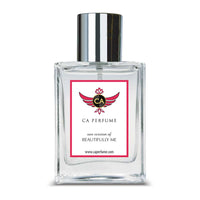
Beautifully Me — Estee Lauder Beautiful Alternative Perfume
8.56
MEI™
Primary Romantic
Secondary Confident
Confidence
7.87
Presence
8.75
Mood Lift
9.5
Identity
8.27
Warmth
9.49
Social Ease
8.35
Energy
4.5
" I am beautiful.
View full mood profile →
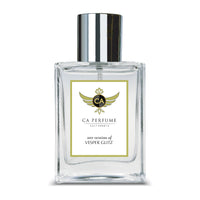
Vesper Glitz — Ex Nihilo Vesper Glitz Alternative Perfume
8.51
MEI™
Primary Romantic
Secondary Confident
Confidence
7.43
Presence
8.05
Mood Lift
9.5
Identity
7.78
Warmth
9.5
Social Ease
9.37
Energy
3.7
" I am beautiful.
View full mood profile →
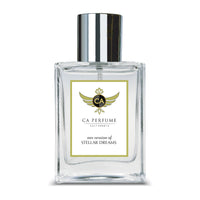
Stellar Dreams — Ex Nihilo Stellar Dreams Alternative Perfume
8.05
MEI™
Primary Fresh
Secondary Romantic
Confidence
7.87
Presence
7.6
Mood Lift
9.35
Identity
7.45
Warmth
8.2
Social Ease
7.66
Energy
3.6
" I am radiant.
View full mood profile →
Cassili Royal Essence — Parfums De Marly Cassili Royal Essence Alternative Perfume
7.87
MEI™
Primary Romantic
Secondary Grounding
Confidence
6.56
Presence
6.79
Mood Lift
8.98
Identity
7.24
Warmth
9.5
Social Ease
8.53
Energy
4.2
" I am beautiful.
View full mood profile →
HumanSafe™

Top Mimosa Fragrances by HumanSafe™ Score

These Mimosa-based fragrances have the highest product-level HumanSafe™ scores in this ingredient collection.

Highest HumanSafe™ Score
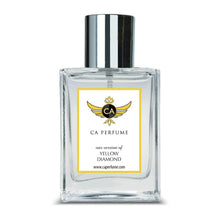
Yellow Diamond — Versace Yellow Diamond Alternative Perfume
A-
HumanSafe™ Score Generally Safe
Safest Evaluated Ingredients EDP
AQUA Solvent / Carrier ISS 10.0
2-(1-(3',3'-DIMETHYL-1'-CYCLOHEXYL)ETHOXY)-2-METHYL Evaluated ingredient ISS 10.0
1,4-DIOXACYCLOHEPTADECANE-5,17-DIONE Evaluated ingredient ISS 10.0
BENZYL SALICYLATE EYE IRRITATION - CAT.2B [H320] Evaluated ingredient ISS 9.0
3-BUTEN-2-ONE, 3-METHYL-4-(2,6,6-TRIMETHYL-2- Evaluated ingredient ISS 8.0
1,6,10-DODECATRIEN-3-OL, 3,7,11-TRIMETHYL- EYE IRRITATION - CAT.2B [H320] Evaluated ingredient ISS 8.0
View full safety profile →
Vesper Glitz — Ex Nihilo Vesper Glitz Alternative Perfume
A-
HumanSafe™ Score Generally Safe
Safest Evaluated Ingredients EDP
AQUA Solvent / Carrier ISS 10.0
BENZENEPROPANAL, 4-METHOXY-.ALPHA.-METHYL- Evaluated ingredient ISS 9.0
LINALYL ACETATE Evaluated ingredient ISS 7.0
LINALOOL Evaluated ingredient ISS 7.0
CITRONELLOL Evaluated ingredient ISS 7.0
AMBREIN Evaluated ingredient ISS 7.0
View full safety profile →
Stellar Dreams — Ex Nihilo Stellar Dreams Alternative Perfume
A-
HumanSafe™ Score Generally Safe
Safest Evaluated Ingredients EDP
AQUA Solvent / Carrier ISS 10.0
1,4-DIOXACYCLOHEPTADECANE-5,17-DIONE Evaluated ingredient ISS 10.0
BENZYL SALICYLATE Evaluated ingredient ISS 9.0
BENZENEPROPANAL, 4-METHOXY-.ALPHA.-METHYL- Evaluated ingredient ISS 9.0
CITRONELLOL Evaluated ingredient ISS 7.0
View full safety profile →
Sole Patchouli — Vertus Sole Patchouli Alternative Perfume
A-
HumanSafe™ Score Generally Safe
Safest Evaluated Ingredients EDP
AQUA Solvent / Carrier ISS 10.0
4H-INDEN-4-ONE, 1,2,3,5,6,7-HEXAHYDRO-1,1,2,3,3- Evaluated ingredient ISS 9.0
AMBREIN Evaluated ingredient ISS 7.0
ALCOHOL DENAT. Solvent / Carrier ISS 7.0
View full safety profile →
Expert Voices

What Masters Say About Mimosa

Mimosa absolute is softer and less complex than cassie absolute—it reads as purely powdery-sweet without cassie's animalic depth. Key aroma compounds include anisaldehyde, nonanal, heptanal, and coumarin-related molecules.
CA Perfume Editorial
The scent obtained by absolute is quite far from the smell of fresh mimosa that one can inhale when standing under a blossoming tree. One can perceive a powdery floral note, with a reminiscence of rice powder. Mimosa is also slightly almondy; it also possesses a quite pronounced green facet.
CA Perfume Editorial
Common Questions

Frequently Asked Questions

Answers to common questions about mimosa’s scent, use, and performance in perfumery.

Mimosa in perfume is characterized by a powdery, sweet, and green floral scent, with subtle honeyed and almond nuances. The scent is shaped by anisaldehyde and coumarin derivatives, resulting in a soft, comforting bouquet reminiscent of rice powder and dried grass. Mimosa’s green, dewy top notes quickly transition to a powdery heart, and the base is gently hay-like and woody. Notable examples include Jo Malone Mimosa & Cardamom and Guerlain Champs-Élysées.

Mimosa is primarily used as a heart note in perfumery. Its moderate volatility allows it to bridge the transition between fleeting top notes and more persistent base notes. Mimosa’s powdery and sweet facets are most prominent in the heart phase (20–60 minutes after application), though its green top notes can be detected in the opening.

Mimosa is favored in niche perfumery for its unique powdery, sweet, and green scent profile, which is difficult to replicate with other florals. Its versatility allows it to be paired with iris, heliotrope, and vanilla for powdery bouquets, or with green and citrus notes for fresh, modern compositions. Mimosa’s nuanced evolution and comforting character appeal to those seeking distinctive, sophisticated fragrances.

Mimosa fragrance uses often include pairing with iris, heliotrope, violet, rose, and vanilla. These notes share molecular affinities—such as irones, heliotropin, and vanillin—that enhance mimosa’s powdery and sweet facets. Green notes like violet leaf or galbanum can highlight mimosa’s fresh, dewy aspects, while sandalwood and amber provide a creamy, warm base.

Mimosa can be worn year-round, but its green, dewy top notes and light powdery heart make it especially suitable for spring and summer. In hot weather, mimosa’s volatility increases, emphasizing freshness but reducing longevity. Lighter application and pairing with citrus or aquatic notes help maintain balance and prevent overwhelming powderiness.

Mimosa fragrances generally last 4–6 hours in Eau de Parfum formulations. Longevity depends on concentration, skin chemistry, and the presence of fixatives. The powdery heart persists longest, while green top notes fade quickly. Oil-based or higher-concentration formats can extend mimosa’s presence on skin and clothing.

Yes, mimosa is highly layerable. It blends well with powdery notes (iris, heliotrope), green notes (violet leaf, galbanum), and sweet notes (vanilla, tonka bean). Layering mimosa with complementary molecules like irones or vanillin creates a seamless, multidimensional scent. Experiment with different combinations to discover your ideal profile.

For beginners, Jo Malone London Mimosa & Cardamom and Prada Infusion de Mimosa are excellent starting points. Both highlight mimosa’s powdery and sweet facets in approachable, balanced compositions. Amouage Love Mimosa offers a more complex, luminous take, while Guerlain Champs-Élysées is a classic powdery-floral reference.

At CA Perfume, explore mimosa-centered offerings that emphasize powdery, sweet, or green facets according to your preference. Consider your desired seasonality, concentration, and layering options. The HumanSafe™ platform provides transparency on ingredient sourcing and allergen content, supporting informed choices.

Mimosa’s sweetness is balanced by powdery and green facets, making it versatile for daily use. When blended with iris, violet, or green notes, the sweetness is moderated, resulting in a soft, comforting scent that is rarely overwhelming. Adjust application and layering to suit your personal taste and environment.

Floral Collection

Explore Our Top Mimosa Fragrances

Discover mimosa-centered compositions in the CA Perfume collection, from powdery-floral classics to modern, green-infused blends.

Shop all mimosa fragrances at CA Perfume →

Where Mimosa Comes From — Origin & Extraction

Mimosa used in perfumery is primarily sourced from Acacia dealbata (silver wattle) and, to a lesser extent, Acacia farnesiana. Native to southeastern Australia and Tasmania, Acacia dealbata has been cultivated since the 19th century in southern France (notably Grasse and the Tanneron massif), as well as in Morocco, Egypt, and India. France’s Côte d’Azur region, especially Mandelieu-la-Napoule and Tanneron, is a historic center of mimosa cultivation, with annual production volumes estimated at several hundred tons of fresh flowers for the fragrance industry. Extraction involves volatile solvent extraction (typically hexane), yielding a waxy concrete at 0.2–0.4% yield from fresh flowers. The concrete is then washed with ethanol to produce mimosa absolute (CAS 8031-03-6), a golden-yellow to brown paste. The process is temperature-controlled (<40°C) to preserve delicate aroma compounds such as anisaldehyde and coumarin derivatives. Enfleurage, once common, is now obsolete for mimosa. Mimosa absolute is costly, with prices ranging from $3,000 to $7,000 per kg depending on origin and harvest quality, while synthetic mimosa aroma chemicals (e.g., Mimosal, 4-methyl-α-amylcinnamaldehyde) are available at $50–$150 per kg. Sustainability is a concern due to the labor-intensive hand-harvesting and the relatively low yield per hectare. However, mimosa cultivation in France and Morocco often follows traditional, small-scale agricultural practices that support local biodiversity. Synthetic mimosa materials help alleviate pressure on wild and cultivated stocks, providing a more consistent and sustainable supply for large-scale perfumery.

Famous Fragrances That Define Mimosa in Perfumery

Mimosa has featured in both classic and contemporary fragrances, often as a heart note lending powdery, sweet, and green nuances. Notable examples include: 1. Guerlain Champs-Élysées (1996, Jacques Guerlain & Jean-Paul Guerlain): Mimosa is the central note, paired with rose, almond, and almond blossom, creating a luminous, powdery-floral bouquet. 2. Jo Malone London Mimosa & Cardamom (2015, Marie Salamagne): Here, mimosa absolute is combined with cardamom and tonka bean, emphasizing its honeyed and powdery aspects in a modern, unisex composition. 3. Amouage Love Mimosa (2019, Nathalie Lorson): Mimosa is blended with pear, heliotrope, and ylang-ylang, highlighting its fresh, green, and almond facets. 4. Prada Infusion de Mimosa (2016, Daniela Andrier): Mimosa is used as a soft, powdery heart, paired with citrus and rose, for a refined, luminous effect. 5. Penhaligon’s The Favourite (2020, Alienor Massenet): Mimosa is paired with iris, musk, and sandalwood, creating a creamy, powdery floral impression. These fragrances demonstrate mimosa’s versatility—whether as a dominant note (Champs-Élysées), a bridge between florals and spices (Mimosa & Cardamom), or as a supporting powdery accent (The Favourite). CA Perfume’s collection draws inspiration from this lineage, offering mimosa-centered compositions that reflect both tradition and innovation.

Natural vs Synthetic Mimosa in Perfumery

Natural mimosa absolute is a complex mixture dominated by anisaldehyde (CAS 123-11-5), nonanal (CAS 124-19-6), heptanal (CAS 111-71-7), and coumarin derivatives. These molecules provide the signature powdery, sweet, and hay-like character. However, natural absolute is expensive, variable in quality, and subject to agricultural constraints. Synthetic mimosa notes are constructed using aroma chemicals such as Mimosal (CAS 103694-68-4, Firmenich), 4-methyl-α-amylcinnamaldehyde (CAS 101-39-3), and mimosa heptanal (Acalea, IFF). These synthetics offer greater stability, batch consistency, and improved longevity and diffusion compared to natural absolute. For example, Mimosal imparts a bright, green-powdery, lily-of-the-valley-like effect, while 4-methyl-α-amylcinnamaldehyde adds heliotrope and fruity facets. Synthetic mimosa accords are widely used in mainstream perfumery due to their lower cost (typically $50–$150/kg) and reliable performance. Famous fragrances such as Jo Malone London Mimosa & Cardamom and Prada Infusion de Mimosa often use a blend of natural and synthetic mimosa materials to balance authenticity and performance. From a sustainability perspective, synthetic mimosa reduces pressure on limited agricultural resources and supports consistent supply chains. CA Perfume’s HumanSafe™ platform ensures full transparency regarding the sourcing and safety of both natural and synthetic mimosa materials, prioritizing traceability and allergen disclosure.