Ingredient Guide · White Flowers
White Flowers Family · Perfumery Note

Black Locust

A sweet, green, and luminous floral heart note with woody undertones.

Black locust is a heart note in perfumery, prized for its honeyed, orange blossom-like floralcy and subtle green facets. Its signature aroma is shaped by linalool and methyl anthranilate, with usage typically below 3% of a composition.

Black Locust
Ingredient Profile

Black Locust

White Flowers Family
Family White Flowers
Note Position Heart Note
Usage Level <3%
Key Origins United States, Canada, Poland
Iconic In Amarige, Eden
The Ingredient

What does Black Locust smell like and why is it prized in perfumery?

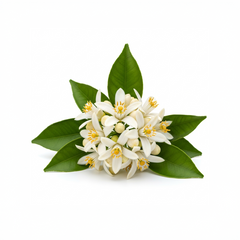
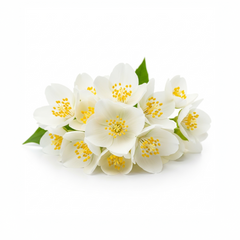
Black locust (Robinia pseudoacacia) is a deciduous tree native to North America, renowned for its pendulous clusters of white flowers. What does black locust smell like? The scent profile is intensely sweet, honeyed, and floral, often compared to orange blossom but with a heavier, denser character and subtle green undertones. Chemically, the aroma is driven by linalool, methyl anthranilate, benzyl alcohol, and traces of indole, which together create a multifaceted olfactory impression. The presence of these molecules results in a scent that is both radiant and creamy, with nuances of grape, hay, and nectar. In perfumery, black locust is classified as a heart note, providing a central floral axis around which other notes can be structured. Its typical usage in a formula is less than 3%, as even small amounts impart a pronounced signature. Black locust in perfumery interacts with skin chemistry by amplifying sweetness on warmer, more acidic skin, while cooler or alkaline skin may accentuate its green or woody aspects. This variability makes it a dynamic ingredient for perfumers seeking both projection and subtlety. Notable fragrances that showcase black locust include Jo Malone London Nectarine Blossom & Honey (2005, Christine Nagel), where it bridges juicy fruit and soft floralcy, and Givenchy Amarige (1991, Dominique Ropion), where black locust supports a lush bouquet of white florals. Chopard Wish (1997, Nathalie Lorson) also features black locust as a creamy, honeyed accent in a gourmand-floral context. These examples illustrate how black locust in perfumery can serve as both a dominant floral note and a nuanced supporting element.

<3%
Black locust is typically used at concentrations below 3% in fine fragrance formulas, as its potent floralcy can dominate a composition even at low levels.
5–6 Hours
A fragrance featuring black locust generally lasts 5–6 hours on skin, with longevity influenced by concentration, application area, and skin type.
$3,000–6,000/kg
The cost of natural black locust absolute reflects its labor-intensive harvest and low extraction yield, making it one of the more expensive floral ingredients.
Origin & Extraction

Where Black Locust Comes From — Origin & Extraction

The scent character of black locust varies by region, with soil composition, climate, and harvest timing influencing the balance of floral, honeyed, and green notes.

Black locust is derived from the flowers of Robinia pseudoacacia, a leguminous tree native to the southeastern United States but now widely naturalized in Europe and Asia. The primary producing countries for perfumery-grade black locust absolute are the United States (notably Kentucky and Appalachia), Canada (Ontario and Quebec), and Poland, with smaller-scale harvesting in France and Hungary. While exact global production volumes are not published, the tree is abundant in temperate regions, and flower harvests are highly seasonal, limited to a brief window in late spring. Extraction of black locust for perfumery is challenging due to the fleeting nature of its floral volatiles. The most common method is solvent extraction, using hexane or ethanol at low temperatures (below 40°C) to prevent degradation of key aroma compounds like linalool and methyl anthranilate. Supercritical CO₂ extraction is also employed for higher fidelity, though yields remain low—typically less than 0.1% by weight of fresh flowers. Maceration in fixed oils is used for artisanal applications, but lacks the concentration and purity required for fine fragrance. The cost of natural black locust absolute ranges from $3,000–6,000 per kilogram, reflecting the labor-intensive harvest and low extraction yield. Synthetic analogues are produced via laboratory synthesis of key molecules such as methyl anthranilate (CAS 134-20-3) and linalool (CAS 78-70-6), which can be purchased for $50–200 per kilogram. Sustainability concerns center on the limited harvest window and the ecological impact of wild collection; however, the tree is not endangered and is often considered invasive in parts of Europe. Cultivation for fragrance extraction is generally sustainable, with most producers adhering to regional agricultural standards.

US

United States

In Kentucky and Appalachia, black locust flowers develop an especially sweet, honeyed aroma due to rich loamy soils and humid spring conditions. The U.S. accounts for the majority of wild-harvested black locust for perfumery, with an estimated 60% of global supply. Harvesting is manual and timed to peak bloom for optimal volatile content.

CA

Canada

Ontario and Quebec produce black locust with a slightly greener, fresher scent profile, attributed to cooler temperatures and higher rainfall. Canadian production is smaller but valued for its clarity and subtlety, with most output used in niche perfumery.

PL

Poland

Poland’s black locust, especially from the Lubusz and Lower Silesia regions, is noted for its creamy floralcy and pronounced green undertones. The country holds about 10% of the European market, with strict quality standards and sustainable harvesting practices.

FR

France

In southern France, black locust is cultivated in the Midi-Pyrénées, where calcareous soils and Mediterranean climate yield blossoms with a rich, honeyed intensity. French production is boutique-scale, focused on high-grade absolutes for luxury perfumery.

Chemistry

Natural vs Synthetic Black Locust in Perfumery

Natural black locust absolute is prized for its complexity, with a volatile profile dominated by linalool (CAS 78-70-6), methyl anthranilate (CAS 134-20-3), and benzyl alcohol (CAS 100-51-6), along with minor indolic and green notes. Synthetic recreations rely on these same molecules, often supplemented with hedione (CAS 24851-98-7) to enhance radiance and methyl salicylate (CAS 119-36-8) for green facets. Performance-wise, synthetics offer greater stability, batch-to-batch consistency, and longer shelf life, while natural extracts can vary with terroir and seasonality. The cost differential is significant: natural black locust absolute commands $3,000–6,000/kg, while synthetic blends are available for $50–200/kg. Iconic fragrances such as Jo Malone London Nectarine Blossom & Honey and Givenchy Amarige use both natural and synthetic components to achieve a balanced effect, with synthetics often preferred in large-scale production for cost and IFRA compliance. Sustainability is generally favorable for both forms, as black locust is not endangered and synthetic production reduces pressure on wild populations. CA Perfume’s HumanSafe™ platform ensures full ingredient traceability and IFRA compliance, with a preference for sustainable natural sourcing when available.

Natural
Black Locust Absolute
Cost $3,000–6,000/kg
Method Solvent / CO₂
Character Complex, variable
vs
Synthetic
Safranal & Analogues
Cost $50–200/kg
Method Lab synthesis
Character Consistent, stable
Hall of Fame

Famous Fragrances That Define Black Locust in Perfumery

1991
supporting note

Amarige

Givenchy
by Dominique Ropion
tuberosegardeniamimosaorange blossom
1994
bridge note

Eden

Cacharel
by Jean Guichard
water lilymimosalotuspatchouli
2005
dominant note

Nectarine Blossom & Honey

Jo Malone London
by Christine Nagel
nectarineacacia honeypeachplum
2015
accent

Fleur de Portofino

Tom Ford
by Rodrigo Flores-Roux
acaciaorange blossomjasminecivet
2022
bridge note

Evil Angel a.k.a. 28.09

Lorenzo Pazzaglia
gourmand noteswhite floralsamber

Black locust has been featured in a range of landmark fragrances, often as a heart note that bridges floral, fruity, and gourmand accords. In Givenchy Amarige (1991, Dominique Ropion), black locust provides a creamy, honeyed nuance that supports a lush bouquet of tuberose, gardenia, and mimosa. Cacharel Eden (1994, Jean Guichard) uses black locust to intensify the white floral heart, blending it with water lily and mimosa for a dewy, radiant effect. Jo Malone London Nectarine Blossom & Honey (2005, Christine Nagel) showcases black locust as a central note, pairing it with nectarine and acacia honey to evoke a sunlit orchard. Tom Ford Fleur de Portofino (2015, Rodrigo Flores-Roux) employs black locust alongside acacia and orange blossom, creating a Mediterranean floral landscape. More recently, Lorenzo Pazzaglia Evil Angel a.k.a. 28.09 (2022) uses black locust as a bridge between gourmand and floral elements, highlighting its versatility in modern niche perfumery. These fragrances demonstrate black locust’s ability to function as a dominant note, a bridge, or a supporting accent, depending on concentration and pairing. CA Perfume’s collection draws inspiration from this lineage, offering interpretations that highlight both the natural and synthetic facets of black locust.

The Accord

How is a captivating Black Locust accord crafted?

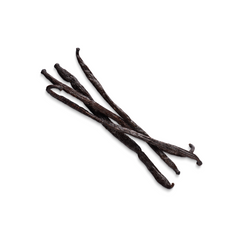
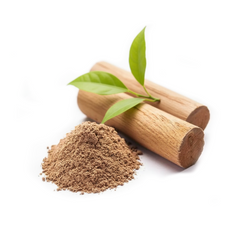
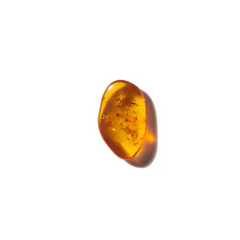
A black locust accord balances floral sweetness with green and woody undertones. Typical proportions: Black locust absolute 25–30%, vanilla 20–25%, amber 15–20%, sandalwood 30–35%. Vanilla enhances the honeyed aspect, amber adds warmth and fixative power, and sandalwood grounds the accord with creamy woodiness. Each ingredient is chosen for molecular compatibility, ensuring a seamless, radiant floral signature.

30%

Black Locust Absolute

25–30% of blend

Provides the core honeyed, orange blossom-like floralcy, driven by linalool and methyl anthranilate. Sets the accord’s radiant, sweet signature.

25%

Vanilla

20–25% of blend

Vanillin softens green edges and amplifies sweetness through olfactory masking, creating a creamy, inviting finish.

20%

Amber

15–20% of blend

Amber’s labdanum and benzoin components add warmth and fixative properties, extending the longevity of volatile floral notes.

35%

Sandalwood

30–35% of blend

Santalol molecules in sandalwood provide a creamy, woody base that stabilizes the floralcy and enhances projection.

The Olfactory Layers

How Black Locust Evolves on Skin

Black locust’s olfactory evolution begins with a burst of green, honeyed floralcy, transitioning to creamy, sweet heart notes and settling into a soft, woody base. High-volatility molecules like linalool dominate the opening, while heavier components such as benzyl alcohol and santalol persist in the drydown.

I
Top notes
0–15 min
Green Honeyed Burst

The opening is marked by a fresh, green floralcy with sparkling nuances of grape and orange blossom, primarily from linalool and methyl anthranilate. These high-volatility molecules evaporate quickly, creating an immediate but fleeting impression of springtime sweetness.

greenhoneyedsparkling
II
Heart notes
20–60 min
Creamy Floral Heart

As the fragrance develops, creamy, nectarous floral notes emerge, driven by benzyl alcohol and indole. The heart is lush and enveloping, reminiscent of acacia honey and mimosa, with subtle hay and woody undertones providing depth.

creamyfloralnectarous
III
Base notes
Several hours
Soft Woody Drydown

The drydown is soft and woody, anchored by sandalwood and amber accords. Santalol and labdanum molecules stabilize the composition, allowing the floral sweetness to linger with a gentle, powdery finish.

woodysoftpowdery
TOP NOTES Green Honeyed Burst 0–15 minutes HEART NOTES Creamy Floral Heart 20–60 minutes BASE NOTES Soft Woody Drydown Several hours
Through the Ages

The Story of Black Locust in Perfumery

Black locust’s journey in perfumery spans from folk traditions to modern niche compositions, marked by evolving extraction techniques and creative uses.

18th Century

Folk Use in North America

Black locust flowers are used in Appalachian folk remedies and homemade perfumes, valued for their sweet, honeyed scent. Early settlers document the use of blossoms in sachets and infusions.

1915

First Modern Perfume Use

D’ORSAY Tilleul (1915) incorporates black locust as a base note, paired with linden blossom and hay. This marks one of the earliest documented uses in fine fragrance.

1991

Givenchy Amarige Launch

Dominique Ropion’s Amarige (Givenchy) uses black locust as a supporting note in a complex white floral bouquet, setting a template for future floral compositions.

2005

Jo Malone Nectarine Blossom & Honey

Christine Nagel’s creation places black locust at the heart of a fruity-floral composition, popularizing its use in modern niche perfumery.

2015

Tom Ford Fleur de Portofino

Rodrigo Flores-Roux utilizes black locust alongside acacia and orange blossom, demonstrating its versatility in Mediterranean-inspired fragrances.

2022

Niche Renaissance

Lorenzo Pazzaglia’s Evil Angel a.k.a. 28.09 features black locust as a bridge between gourmand and floral notes, reflecting its growing popularity in artisanal perfumery.

The Art of Layering

How to Layer Black Locust

Understanding how to layer black locust involves molecular compatibility—shared floral and sweet compounds allow seamless blending with other notes. This approach ensures a harmonious, multidimensional scent.

01

Enhance Sweetness

Layering black locust with vanilla or tonka bean leverages shared vanillin and coumarin molecules, amplifying the creamy, gourmand facets. Jo Malone Nectarine Blossom & Honey demonstrates this synergy by pairing black locust with honey and stone fruits for a radiant, sweet effect.

02

Add Depth

Combining black locust with sandalwood or amber introduces santalol and labdanum, which stabilize the floralcy and add woody warmth. Tom Ford Fleur de Portofino exemplifies this pairing, creating a Mediterranean floral-woody accord with lasting depth.

03

Lighten the Glow

Pairing black locust with citrus (bergamot, grapefruit) utilizes shared terpene molecules, brightening the scent and enhancing freshness. Cacharel Eden uses this technique to balance lush florals with crisp, green top notes.

Wear It Right

How to Wear Black Locust Like a Pro

Seasonal Guide

Fall & Winter

In cooler weather, black locust’s creamy, honeyed heart is more subdued, with woody and powdery facets coming forward. Apply to pulse points and layer with amber or vanilla for enhanced warmth and longevity. Lower temperatures slow evaporation, allowing the scent to linger close to the skin.

Spring

Springtime amplifies the green, luminous aspects of black locust, mirroring its natural bloom. Increased humidity and moderate warmth enhance projection and freshness. Apply lightly to avoid overwhelming the senses, and pair with citrus or green notes for a vibrant, uplifting effect.

Summer

Heat intensifies the volatility of linalool and methyl anthranilate, causing the top notes to project strongly but dissipate faster. For lasting effect, apply to cooler areas such as the inner elbows or behind the knees, and consider layering with sandalwood or musk to anchor the floralcy.

Year-Round Tip

Regardless of season, black locust’s versatility allows for creative layering. Adjust application based on climate: use sparingly in heat, more generously in cold. Pair with complementary notes to adapt the scent profile to personal and environmental factors.

Application Points

Strategic application enhances black locust’s projection and longevity, with different body areas influencing scent evolution.

1

Neck

The neck’s warmth accelerates evaporation of top notes, highlighting black locust’s green, honeyed opening. Ideal for immediate impact and moderate projection.

2

Behind the Ears

This area is slightly cooler, allowing the creamy floral heart to develop gradually. Application here enhances longevity and creates a subtle sillage.

3

Inner Wrists

Pulse points on the wrists amplify the scent’s evolution, with body heat intensifying the heart and base notes. Frequent movement helps diffuse the fragrance.

4

Hair

Hair retains volatile molecules, providing a gentle, continuous release of black locust’s floralcy. Spray lightly from a distance to avoid dryness.

★

Pro Tip

Layer black locust with a fixative oil on moisturized skin to extend wear time and stabilize the scent profile, especially in dry or cold conditions.

Mood Architecture™

Top Black Locust Fragrances by Mood Score

These Black Locust-based fragrances scored highest on the MEI™ Mood Architecture Framework — measuring how a scent may influence your emotional state.

Highest MEI Score
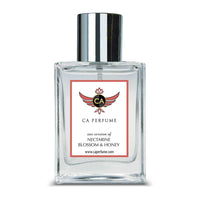
Nectarine Blossom & Honey — Jo Malone Alternative Perfume
6.0
MEI™
Primary Fresh
Secondary Romantic
Confidence
5.55
Presence
5.55
Mood Lift
6.72
Identity
5.55
Warmth
6.38
Social Ease
6.2
Energy
3.55
" I am radiant.
View full mood profile →
HumanSafe™

Top Black Locust Fragrances by HumanSafe™ Score

These Black Locust-based fragrances have the highest product-level HumanSafe™ scores in this ingredient collection.

Highest HumanSafe™ Score
Nectarine Blossom & Honey — Jo Malone Alternative Perfume
A-
HumanSafe™ Score Generally Safe
Safest Evaluated Ingredients EDP
AQUA Evaluated ingredient ISS 10.0
2(3H)-FURANONE, 5-HEPTYLDIHYDRO- Evaluated ingredient ISS 10.0
LINALYL ACETATE Evaluated ingredient ISS 7.0
LINALOOL Evaluated ingredient ISS 7.0
BETA-PINENE Evaluated ingredient ISS 7.0
ALCOHOL DENAT. Evaluated ingredient ISS 7.0
View full safety profile →
Expert Voices

What Masters Say About Black Locust

“
Black locust flowers are sweetly fragrant of orange blossom honey, and the scent carries best in warm humid weather on a south breeze.
Patrick Mooney, Fragrant Earth
“
Black locust’s scent profile is intensely sweet, honeyed, and floral, often compared to orange blossom but with a heavier, denser character and subtle green undertones.
CA Perfume Editorial
Common Questions

Frequently Asked Questions

Answers to common questions about black locust in perfumery.

Black locust in perfume is characterized by a honeyed, intensely sweet floralcy with green and creamy undertones. The scent is often compared to orange blossom but with a denser, more radiant quality. Key aroma molecules include linalool and methyl anthranilate, which provide a sparkling, grape-like freshness and a rich, nectarous heart. The overall effect is both luminous and comforting, making black locust a versatile ingredient in floral, gourmand, and woody compositions.

Black locust is typically used as a heart note in perfumery. Its moderate volatility allows it to bridge the transition between sparkling top notes and deeper base notes. The floralcy persists for 1–2 hours before softening into woody and powdery facets, making it ideal for the central phase of a fragrance’s evolution.

Black locust is favored in niche perfumery for its unique combination of honeyed sweetness, creamy floralcy, and green freshness. Its complex molecular profile allows perfumers to create multifaceted compositions that stand out from more conventional white florals. The ingredient’s rarity and extraction challenges also appeal to artisanal brands seeking distinctive, naturalistic scents.

Black locust fragrance uses often involve pairing with vanilla, sandalwood, amber, and citrus notes. These combinations leverage shared molecular components—such as vanillin, santalol, and terpenes—to create harmonious, multidimensional accords. Rose and mimosa are also frequent partners, enhancing the floral heart and adding textural complexity.

Black locust’s luminous, green facets make it well-suited for warm weather, especially when blended with citrus or aquatic notes. However, its honeyed sweetness can become pronounced in high heat, so lighter application or pairing with fresh notes is recommended for summer use.

A black locust fragrance generally lasts 5–6 hours on skin, with longevity influenced by concentration, application area, and individual skin chemistry. Higher concentrations (EDP, Parfum) and layering with fixatives can extend wear time.

Yes, black locust is highly compatible for layering due to its shared floral and sweet molecules. It blends seamlessly with vanilla, sandalwood, amber, and citrus, allowing for custom scent profiles. Layering can enhance either the sweetness or the freshness, depending on the chosen partner.

For those new to black locust, Jo Malone London Nectarine Blossom & Honey and Cacharel Eden are approachable options that highlight the ingredient’s honeyed floralcy in a balanced, wearable format. Tom Ford Fleur de Portofino offers a more complex, Mediterranean-inspired interpretation.

To select the ideal black locust fragrance at CA Perfume, consider your preferred scent profile—whether you favor sweet, creamy florals or fresher, green-woody blends. Sampling different concentrations and layering with complementary notes can help you find the most flattering expression for your skin chemistry and style.

While black locust is naturally sweet, its green and woody facets provide balance, preventing it from becoming cloying. When used in moderation or paired with fresh or woody notes, black locust is suitable for daily wear across seasons.

White Flowers Collection

Explore Our Top Black Locust Fragrances

Discover CA Perfume’s curated selection of black locust fragrances, each highlighting the ingredient’s honeyed floralcy and radiant complexity.

Shop all black locust fragrances at CA Perfume →

Where Black Locust Comes From — Origin & Extraction

Black locust is derived from the flowers of Robinia pseudoacacia, a leguminous tree native to the southeastern United States but now widely naturalized in Europe and Asia. The primary producing countries for perfumery-grade black locust absolute are the United States (notably Kentucky and Appalachia), Canada (Ontario and Quebec), and Poland, with smaller-scale harvesting in France and Hungary. While exact global production volumes are not published, the tree is abundant in temperate regions, and flower harvests are highly seasonal, limited to a brief window in late spring. Extraction of black locust for perfumery is challenging due to the fleeting nature of its floral volatiles. The most common method is solvent extraction, using hexane or ethanol at low temperatures (below 40°C) to prevent degradation of key aroma compounds like linalool and methyl anthranilate. Supercritical CO₂ extraction is also employed for higher fidelity, though yields remain low—typically less than 0.1% by weight of fresh flowers. Maceration in fixed oils is used for artisanal applications, but lacks the concentration and purity required for fine fragrance. The cost of natural black locust absolute ranges from $3,000–6,000 per kilogram, reflecting the labor-intensive harvest and low extraction yield. Synthetic analogues are produced via laboratory synthesis of key molecules such as methyl anthranilate (CAS 134-20-3) and linalool (CAS 78-70-6), which can be purchased for $50–200 per kilogram. Sustainability concerns center on the limited harvest window and the ecological impact of wild collection; however, the tree is not endangered and is often considered invasive in parts of Europe. Cultivation for fragrance extraction is generally sustainable, with most producers adhering to regional agricultural standards.

Famous Fragrances That Define Black Locust in Perfumery

Black locust has been featured in a range of landmark fragrances, often as a heart note that bridges floral, fruity, and gourmand accords. In Givenchy Amarige (1991, Dominique Ropion), black locust provides a creamy, honeyed nuance that supports a lush bouquet of tuberose, gardenia, and mimosa. Cacharel Eden (1994, Jean Guichard) uses black locust to intensify the white floral heart, blending it with water lily and mimosa for a dewy, radiant effect. Jo Malone London Nectarine Blossom & Honey (2005, Christine Nagel) showcases black locust as a central note, pairing it with nectarine and acacia honey to evoke a sunlit orchard. Tom Ford Fleur de Portofino (2015, Rodrigo Flores-Roux) employs black locust alongside acacia and orange blossom, creating a Mediterranean floral landscape. More recently, Lorenzo Pazzaglia Evil Angel a.k.a. 28.09 (2022) uses black locust as a bridge between gourmand and floral elements, highlighting its versatility in modern niche perfumery. These fragrances demonstrate black locust’s ability to function as a dominant note, a bridge, or a supporting accent, depending on concentration and pairing. CA Perfume’s collection draws inspiration from this lineage, offering interpretations that highlight both the natural and synthetic facets of black locust.

Natural vs Synthetic Black Locust in Perfumery

Natural black locust absolute is prized for its complexity, with a volatile profile dominated by linalool (CAS 78-70-6), methyl anthranilate (CAS 134-20-3), and benzyl alcohol (CAS 100-51-6), along with minor indolic and green notes. Synthetic recreations rely on these same molecules, often supplemented with hedione (CAS 24851-98-7) to enhance radiance and methyl salicylate (CAS 119-36-8) for green facets. Performance-wise, synthetics offer greater stability, batch-to-batch consistency, and longer shelf life, while natural extracts can vary with terroir and seasonality. The cost differential is significant: natural black locust absolute commands $3,000–6,000/kg, while synthetic blends are available for $50–200/kg. Iconic fragrances such as Jo Malone London Nectarine Blossom & Honey and Givenchy Amarige use both natural and synthetic components to achieve a balanced effect, with synthetics often preferred in large-scale production for cost and IFRA compliance. Sustainability is generally favorable for both forms, as black locust is not endangered and synthetic production reduces pressure on wild populations. CA Perfume’s HumanSafe™ platform ensures full ingredient traceability and IFRA compliance, with a preference for sustainable natural sourcing when available.