Ingredient Guide · Fruity Gourmand
Fruity Gourmand Family · Perfumery Note

Black Cherry

A rich, luscious note bridging freshness and gourmand warmth

Black Cherry in perfumery is a top note derived from the fruit of Prunus serotina, known for its sweet, tart, and rich aroma. Benzaldehyde (C7H6O) is a key molecule contributing to its characteristic almond-like nuance.

Black Cherry
Ingredient Profile

Black Cherry

Fruity Gourmand Family
Family Fruity Gourmand
Note Position Top Note
Usage Level 1–5%
Key Origins United States, Canada, Mexico
Iconic In Lost Cherry, Narcotic Delight
The Ingredient

What does Black Cherry smell like and why is it significant in perfumery?

Black Cherry, botanically Prunus serotina, is a native North American fruit whose scent is prized in perfumery for its complex sweet and tart aroma. The note is characterized by a rich, juicy fruitiness with underlying almond and marzipan nuances, primarily due to benzaldehyde (C7H6O), which imparts a bitter almond facet. This molecular complexity gives Black Cherry its distinctive scent profile, balancing syrupy sweetness with a subtle tartness and a faint chocolate undertone. In perfumery, Black Cherry is predominantly used as a top note, often at concentrations ranging from 1% to 5% in fragrance compositions. Its high volatility ensures an immediate impact upon application, drawing the wearer in with a fresh burst of fruitiness. Black Cherry acts as a versatile bridge between floral and gourmand accords, enhancing the overall composition's depth and complexity. The note interacts dynamically with skin chemistry, where body heat can soften its sharpness and reveal warmer, more resinous undertones. Notable fragrances that showcase Black Cherry include Tom Ford's Lost Cherry (2018), where it is paired with almond, rose, and sandalwood to create a rich gourmand experience, and Initio Parfums Prives' Narcotic Delight (2024), which combines Black Cherry with pink pepper and vanilla to produce a spicy, liqueur-like effect. These examples demonstrate Black Cherry's ability to serve as both a dominant and accent note in modern perfumery.

1–5%
Typical concentration range of Black Cherry note in fragrance formulations, balancing impact and blendability.
4–6 hours
Average longevity of Black Cherry's prominent scent on skin before fading to base notes.
20–30°C
Optimal temperature range for Black Cherry's olfactory profile to fully develop and project.
Origin & Extraction

Where Black Cherry Comes From — Origin & Extraction

Black Cherry originates primarily from North America, where the Prunus serotina tree thrives in temperate forests. Soil composition, climate, and harvesting methods influence the fruit's aromatic profile, contributing to its rich, tart scent character.

Black Cherry is sourced primarily from the wild black cherry tree, Prunus serotina, native to North America, especially the eastern and central United States, extending into southern Canada and parts of Mexico. The tree thrives in temperate forests with well-drained soils, producing dark purple to nearly black drupes that ripen in late summer to early fall. Annual production volumes are not precisely documented but the species is widespread and abundant in its native range. Extraction for perfumery focuses on capturing the fruit's aromatic profile, typically through solvent extraction or cold pressing of the fruit or its essence. These methods preserve the delicate balance of sweet, tart, and almond-like notes without heat degradation. The yield of natural Black Cherry essence is relatively low, making it a precious ingredient for niche perfumery. Synthetic aroma chemicals are often used to replicate or enhance Black Cherry's scent due to cost and sustainability considerations. Natural Black Cherry extracts can cost several thousand dollars per kilogram, whereas synthetic substitutes are significantly less expensive. Sustainability concerns include the ecological impact of wild harvesting and the need for responsible forestry practices to maintain the species' health and propagation.

US

United States

Eastern and central US regions produce the majority of Black Cherry fruit, harvested late summer to early fall. Well-drained soils and temperate climate yield cherries with balanced sweetness and tartness. The US accounts for approximately 70% of global wild Black Cherry production.

CA

Canada

Southern Canada, especially Ontario and Quebec, contributes to Black Cherry supply. Cooler climate imparts slightly more tartness. Production is smaller but significant for North American markets.

MX

Mexico

Northern Mexico regions grow Black Cherry with warmer climate influence, producing fruit with riper, sweeter profiles. Harvesting methods emphasize handpicking to preserve fruit integrity.

Chemistry

Natural vs Synthetic Black Cherry in Perfumery

Natural Black Cherry essence is derived from Prunus serotina fruit through solvent extraction or cold pressing, capturing a complex mixture of aroma compounds including benzaldehyde (C7H6O), which imparts the characteristic bitter almond facet. Other natural components include various esters and aldehydes contributing to the tart and sweet nuances. Synthetic Black Cherry aroma chemicals include benzaldehyde (CAS 100-52-7), ethyl benzoate, gamma undecalactone, and methyl phenyl glycidate. These synthetics offer enhanced stability, longevity, and cost-effectiveness compared to natural extracts. Synthetic blends can be tailored to emphasize specific facets such as the juicy fruitiness or almond-like bitterness. Performance-wise, synthetic Black Cherry notes tend to have stronger projection and longer-lasting scent profiles, while natural extracts offer subtle complexity and variability. Cost differentials are significant, with natural extracts priced at several thousand dollars per kilogram versus synthetics at a few hundred dollars. Famous fragrances like Tom Ford Lost Cherry use a blend of natural and synthetic Black Cherry components to achieve a rich, nuanced accord. The HumanSafe™ platform ensures transparency and safety in ingredient sourcing and formulation, reflecting CA Perfume's commitment to ethical and sustainable practices.

Natural
Black Cherry Absolute
Cost $3,000–6,000/kg
Method Solvent / CO₂
Character Complex, variable
vs
Synthetic
Safranal & Analogues
Cost $50–200/kg
Method Lab synthesis
Character Consistent, stable
Hall of Fame

Famous Fragrances That Define Black Cherry in Perfumery

2018
dominant note

Lost Cherry

Tom Ford
by Daniela Andrier
almondrosesandalwoodvetiver
2024
accent

Narcotic Delight

Initio Parfums Prives
by Julien Rasquinet
pink peppervanilla
2020
dominant note

Cherry Punk

Room 1015
leathertonka bean
2023
dominant note

Caspian Cherry

Electimuss
appleamber
2023
dominant note

Sirene

Fragrance Du Bois
rosesandalwood

Black Cherry has become a defining note in contemporary perfumery, celebrated for its rich, sweet, and tart character. Tom Ford's Lost Cherry (2018), crafted by perfumer Daniela Andrier, uses Black Cherry as a dominant note, blending it with almond, rose, sandalwood, and vetiver to create a luxurious gourmand fragrance. Initio Parfums Prives' Narcotic Delight (2024), by perfumer Julien Rasquinet, features Black Cherry as an accent note, combined with pink pepper and vanilla to evoke a spicy cherry liqueur effect. Room 1015's Cherry Punk (2020) employs Black Cherry as a sultry, rebellious note paired with leather and tonka bean, creating a unisex fragrance with a dark cherry-leather accord. Electimuss Caspian Cherry (2023) offers a sophisticated take on sour cherry, blending it with apple and amber for a refreshing yet comforting scent. Fragrance Du Bois Sirene (2023) captures glacé cherry essence, combining Black Cherry with rose and creamy sandalwood to evoke vintage glamour. These fragrances illustrate Black Cherry's versatility across gourmand, woody, and floral families. CA Perfume's collection respects this lineage by offering fragrances that explore Black Cherry's multifaceted nature, emphasizing both its fresh and deep gourmand facets.

The Accord

How is a captivating Black Cherry accord crafted?

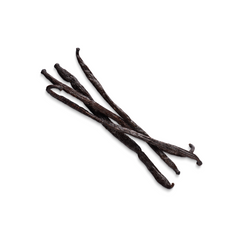
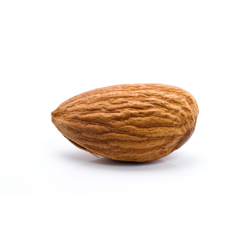
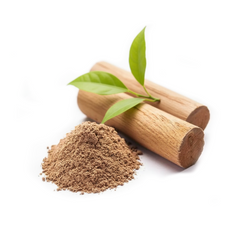
A Black Cherry accord typically consists of Black Cherry (25-30%), Vanilla (20-25%), Almond (20-25%), and Sandalwood (20-25%). Black Cherry provides the juicy, tart fruitiness with benzaldehyde lending an almond-like nuance. Vanilla's vanillin softens the sharpness, creating creamy warmth. Almond shares benzaldehyde compounds, reinforcing the nutty facet, while Sandalwood adds woody, creamy depth and longevity, balancing the accord.

30%

Black Cherry

25–30% of blend

Provides the core juicy, tart fruitiness with benzaldehyde imparting the characteristic bitter almond nuance.

25%

Vanilla

20–25% of blend

Vanillin softens Black Cherry's sharpness through olfactory masking, adding creamy warmth and sweetness.

25%

Almond

20–25% of blend

Shares benzaldehyde compounds with Black Cherry, reinforcing the nutty, marzipan facet of the accord.

25%

Sandalwood

20–25% of blend

Adds woody, creamy depth and fixative properties, enhancing longevity and balancing the fruity top notes.

The Olfactory Layers

How Black Cherry Evolves on Skin

Black Cherry's olfactory evolution begins with a bright, juicy burst of sweet and tart fruitiness from volatile esters and benzaldehyde. As the fragrance develops, the heart reveals softer, warmer notes including almond and floral nuances. The base settles into a rich, creamy woody warmth from sandalwood and musk, providing longevity and depth.

I
Top notes
0–15 min
Bright Juicy Burst

The initial impression is dominated by high-volatility compounds like benzaldehyde and esters, delivering a fresh, sweet, and tart cherry aroma with a slight almond bitterness. This stage is bright and inviting, capturing the essence of ripe Black Cherry fruit.

SweetTartFruity
II
Heart notes
20–60 min
Creamy Nutty Warmth

As top notes fade, the heart reveals smoother facets including marzipan-like almond, soft floral hints, and subtle vanilla warmth. These mid-volatility molecules create a creamy, sensual texture that bridges the fresh fruitiness and deeper base notes.

CreamyNuttyFloral
III
Base notes
Several hours
Woody Resinous Depth

The base is characterized by low-volatility woody and musky molecules such as sandalwood and musk, providing a warm, resinous foundation. This stage anchors the fragrance, enhancing longevity and leaving a comforting, slightly powdery trail.

WoodyWarmResinous
TOP NOTES Bright Juicy Burst 0–15 minutes HEART NOTES Creamy Nutty Warmth 20–60 minutes BASE NOTES Woody Resinous Depth Several hours
Through the Ages

The Story of Black Cherry in Perfumery

Black Cherry's use in perfumery traces from ancient culinary and medicinal applications to modern niche fragrance prominence, reflecting evolving extraction techniques and olfactory appreciation.

Antiquity

Early Uses of Cherry in Mediterranean Cultures

Ancient Mediterranean civilizations valued cherries for culinary and medicinal purposes, incorporating their aromatic qualities in ritual and personal adornment, laying groundwork for later perfumery use.

Renaissance

Cherry Cultivation and Distillation Advances

European perfumers refined cherry aromatic extraction using distillation and solvent techniques, enabling more precise use of cherry notes in fragrance compositions.

19th Century

Scientific Identification of Key Aroma Compounds

Chemists isolated benzaldehyde and other compounds responsible for cherry's scent, facilitating synthetic reproduction and expanded perfumery applications.

2010s

Rise of Black Cherry in Niche Perfumery

Fragrances like Tom Ford Lost Cherry (2018) popularized Black Cherry as a complex gourmand note, inspiring a new wave of cherry-centric perfumes.

2020s

Innovations in Synthetic and Natural Black Cherry Blends

Advances in synthetic aroma chemicals and sustainable sourcing have enhanced Black Cherry's versatility and availability in modern perfumery.

The Art of Layering

How to Layer Black Cherry

Understanding how to layer Black Cherry involves molecular compatibility and olfactory synergy. Layering can enhance sweetness, add depth, or lighten the note's intensity depending on complementary ingredients.

01

Enhance Sweetness

Pairing Black Cherry with vanilla leverages vanillin's olfactory masking to soften benzaldehyde's sharpness, creating a creamy, gourmand effect. This combination is exemplified in Tom Ford Lost Cherry.

02

Add Depth

Combining Black Cherry with leather or tobacco introduces smoky, resinous molecules that contrast and deepen the fruity note, as seen in Room 1015 Cherry Punk.

03

Lighten the Glow

Layering Black Cherry with fresh florals like jasmine or rose exploits shared aromatic esters, producing a balanced, vibrant bouquet that tempers the fruit's richness.

Wear It Right

How to Wear Black Cherry Like a Pro

Seasonal Guide

Fall & Winter

Cooler temperatures slow molecular diffusion, allowing Black Cherry's rich, warm, and resinous facets to emerge fully. Apply more generously to enhance sillage without overwhelming.

Spring

Moderate warmth highlights the fresh, juicy top notes balanced by creamy heart accords. Layer with light florals for a vibrant, uplifting effect.

Summer

Heat increases volatility, emphasizing tart and bright aspects but reducing longevity. Use sparingly and consider layering with musk or vanilla to extend wear.

Year-Round Tip

Adjust application based on climate; layering with complementary notes like almond or sandalwood can modulate intensity and enhance complexity.

Application Points

Strategic application of Black Cherry fragrances optimizes scent evolution and longevity.

1

Neck

Pulse points generate heat that activates Black Cherry's volatile top notes, delivering an immediate burst of fruitiness.

2

Behind the Ears

A discreet area where warmth enhances the creamy heart notes, allowing a subtle scent trail.

3

Inner Wrists

Ideal for layering scents; the moderate heat helps the note evolve naturally throughout the day.

4

Hair

Hair fibers hold fragrance longer, releasing Black Cherry's deeper, woody base notes with movement.

Pro Tip

Apply a light mist to clothing for extended longevity, but test for staining due to the note's rich color associations.

HumanSafe™

Black Cherry Safety Profile in Our Fragrances

No ingredient collection was found for black-cherry.

Create or connect a collection with the same handle as this ingredient, then add products that contain this ingredient.

Expert Voices

What Masters Say About Black Cherry

Black Cherry's scent profile is a complex interplay of sweet, tart, and almond-like notes, with benzaldehyde as a defining molecule that lends it a unique character in fragrance compositions.
CA Perfume Editorial
In Tom Ford Lost Cherry, Black Cherry is masterfully blended with almond and rose, creating a gourmand fragrance that balances richness with freshness, showcasing the note's versatility.
Daniela Andrier, Perfumer
Common Questions

Frequently Asked Questions

Answers to common questions about Black Cherry in perfumery.

Black Cherry in perfume smells sweet and tart with a rich, juicy fruitiness accented by a bitter almond nuance from benzaldehyde. It offers a complex aroma that evolves from bright top notes to creamy, woody bases, often accompanied by vanilla, almond, and floral undertones as seen in fragrances like Tom Ford Lost Cherry.

Black Cherry is primarily used as a top note in perfumery due to its high volatility and fresh, juicy character. It provides an immediate burst of sweetness and tartness that captures attention early in the fragrance's development.

Black Cherry's multifaceted scent profile, combining sweet, tart, and almond-like nuances, makes it a versatile ingredient for niche perfumers seeking to create rich, complex gourmand or fruity compositions. Its ability to bridge floral and deeper base notes adds depth and sophistication.

Black Cherry fragrance uses often include pairing with vanilla, almond, sandalwood, rose, and musk. These notes complement its sweet and tart facets by adding creamy warmth, woody depth, floral softness, and lasting sensuality, enhancing the overall composition.

Black Cherry perfumes can be worn in summer but tend to be more volatile in heat, emphasizing tart and fresh aspects while reducing longevity. Lighter applications or layering with musk and vanilla can improve wearability in hot weather.

Black Cherry's prominent scent typically lasts 4 to 6 hours on skin, with its juicy top notes fading into creamy and woody heart and base notes that can persist longer depending on formulation.

Yes, layering Black Cherry with complementary notes like vanilla, almond, musk, or florals can enhance its complexity and longevity. Understanding how to layer Black Cherry involves considering molecular compatibility and olfactory balance.

Beginner-friendly Black Cherry perfumes include Tom Ford Lost Cherry for its balanced gourmand profile and Kayali Lovefest Burning Cherry for a warm, versatile scent. These offer approachable interpretations of the note with good longevity and sillage.

Choosing a Black Cherry fragrance at CA Perfume involves considering your preference for sweetness, tartness, and accompanying notes like vanilla or leather. Sampling multiple profiles and consulting ingredient details can help find a scent that matches your style and occasion.

Black Cherry primarily smells sweet and tart but can exhibit subtle spicy nuances when blended with ingredients like pink pepper or cinnamon. Its core character remains fruity with almond-like bitterness rather than overt spiciness.

Fruity Gourmand Collection

Explore Our Top Black Cherry Fragrances

Discover a curated selection of Black Cherry fragrances showcasing the note's rich and versatile character.

Shop all black cherry fragrances at CA Perfume →

Where Black Cherry Comes From — Origin & Extraction

Black Cherry is sourced primarily from the wild black cherry tree, Prunus serotina, native to North America, especially the eastern and central United States, extending into southern Canada and parts of Mexico. The tree thrives in temperate forests with well-drained soils, producing dark purple to nearly black drupes that ripen in late summer to early fall. Annual production volumes are not precisely documented but the species is widespread and abundant in its native range. Extraction for perfumery focuses on capturing the fruit's aromatic profile, typically through solvent extraction or cold pressing of the fruit or its essence. These methods preserve the delicate balance of sweet, tart, and almond-like notes without heat degradation. The yield of natural Black Cherry essence is relatively low, making it a precious ingredient for niche perfumery. Synthetic aroma chemicals are often used to replicate or enhance Black Cherry's scent due to cost and sustainability considerations. Natural Black Cherry extracts can cost several thousand dollars per kilogram, whereas synthetic substitutes are significantly less expensive. Sustainability concerns include the ecological impact of wild harvesting and the need for responsible forestry practices to maintain the species' health and propagation.

Famous Fragrances That Define Black Cherry in Perfumery

Black Cherry has become a defining note in contemporary perfumery, celebrated for its rich, sweet, and tart character. Tom Ford's Lost Cherry (2018), crafted by perfumer Daniela Andrier, uses Black Cherry as a dominant note, blending it with almond, rose, sandalwood, and vetiver to create a luxurious gourmand fragrance. Initio Parfums Prives' Narcotic Delight (2024), by perfumer Julien Rasquinet, features Black Cherry as an accent note, combined with pink pepper and vanilla to evoke a spicy cherry liqueur effect. Room 1015's Cherry Punk (2020) employs Black Cherry as a sultry, rebellious note paired with leather and tonka bean, creating a unisex fragrance with a dark cherry-leather accord. Electimuss Caspian Cherry (2023) offers a sophisticated take on sour cherry, blending it with apple and amber for a refreshing yet comforting scent. Fragrance Du Bois Sirene (2023) captures glacé cherry essence, combining Black Cherry with rose and creamy sandalwood to evoke vintage glamour. These fragrances illustrate Black Cherry's versatility across gourmand, woody, and floral families. CA Perfume's collection respects this lineage by offering fragrances that explore Black Cherry's multifaceted nature, emphasizing both its fresh and deep gourmand facets.

Natural vs Synthetic Black Cherry in Perfumery

Natural Black Cherry essence is derived from Prunus serotina fruit through solvent extraction or cold pressing, capturing a complex mixture of aroma compounds including benzaldehyde (C7H6O), which imparts the characteristic bitter almond facet. Other natural components include various esters and aldehydes contributing to the tart and sweet nuances. Synthetic Black Cherry aroma chemicals include benzaldehyde (CAS 100-52-7), ethyl benzoate, gamma undecalactone, and methyl phenyl glycidate. These synthetics offer enhanced stability, longevity, and cost-effectiveness compared to natural extracts. Synthetic blends can be tailored to emphasize specific facets such as the juicy fruitiness or almond-like bitterness. Performance-wise, synthetic Black Cherry notes tend to have stronger projection and longer-lasting scent profiles, while natural extracts offer subtle complexity and variability. Cost differentials are significant, with natural extracts priced at several thousand dollars per kilogram versus synthetics at a few hundred dollars. Famous fragrances like Tom Ford Lost Cherry use a blend of natural and synthetic Black Cherry components to achieve a rich, nuanced accord. The HumanSafe™ platform ensures transparency and safety in ingredient sourcing and formulation, reflecting CA Perfume's commitment to ethical and sustainable practices.