Ingredient Guide · Citrus Aromatic
Citrus Aromatic Family · Perfumery Note

Bitter

Earthy sharpness meets aromatic intrigue in perfumery’s boldest note.

In perfumery, bitter is a multifaceted note spanning citrus, herbal, and gourmand families, often used as a heart or accent note to create contrast and complexity. Its defining quality arises from molecules like limonene and polyphenols, with typical concentrations ranging from trace amounts up to 2% in modern compositions.

Bitter
Ingredient Profile

Bitter

Citrus Aromatic Family
Family Citrus Aromatic
Note Position Heart Note
Usage Level <2%
Key Origins Italy, Brazil, Egypt
Iconic In Chanel No. 19, Guerlain Aqua Allegoria Herba Fresca
The Ingredient

What does Bitter smell like and why is it significant in perfumery?

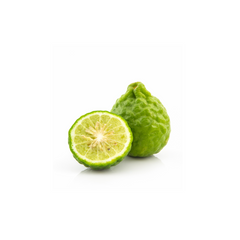
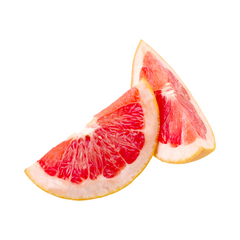
Bitter in perfumery is not a single molecule or botanical, but a sensory effect produced by a range of natural and synthetic materials. What does bitter smell like? Its scent profile is defined by earthy, sharp, and acerbic facets, often described as bracing, dry, and sometimes metallic or pithy. Key molecules responsible for this impression include limonene, linalool, polyphenols, and alkaloids such as caffeine (in coffee) or naringin (in grapefruit). Bitter notes can be found in citrus peels (notably bitter orange, grapefruit, bergamot), aromatic herbs (galbanum, artemisia, wormwood), and certain spices or gourmand materials (unsweetened cacao, black coffee). Only about 14% of bitter molecules are volatile enough to be aromatic, but those that are can create a distinctive olfactory edge that is immediately recognizable. In perfumery, bitter is typically used as a heart or accent note, rarely as a dominant theme but crucial for balancing sweetness and adding complexity. Concentrations in finished fragrances are usually below 2%, with bitter orange or grapefruit essential oils often dosed at 0.5–1% for top notes, while herbal bitters or coffee absolutes may appear in trace amounts in the heart or base. The interaction of bitter notes with skin chemistry is notable: acidic skin can amplify the sharpness, while higher skin moisture and warmth can round out the bitterness, revealing more aromatic or resinous undertones. Bitter in perfumery is valued for its ability to create contrast, enhance freshness, and introduce a sophisticated, avant-garde character. Several modern and classic fragrances exemplify the use of bitter notes. Memo Paris Ithaque (2022, perfumer: Alienor Massenet) uses bitter orange and black pepper to create a vibrant, complex opening. Guerlain Aqua Allegoria Herba Fresca (1999, Jean-Paul Guerlain and Mathilde Laurent) features a bitter mint note that contrasts with sweet green facets. Bitter notes are also prominent in Chanel No. 19 (1970, Henri Robert), where galbanum and green notes provide a sharp, bitter-green signature, and in Diptyque Eau Nabati (2023, Fabrice Pellegrin), which highlights bitter citrus and herbal facets.

<2%
Typical concentration of bitter notes in finished fragrances. Higher levels can overwhelm, while trace amounts provide balance and complexity.
0.3–0.5%
Yield of cold-pressed citrus oils (by weight of fresh peel), reflecting the efficiency of extraction for bitter orange and grapefruit.
80–400 USD/kg
Price range for natural bitter materials (bitter orange oil, coffee absolute), compared to $10–30/kg for synthetic analogs.
Origin & Extraction

Where Bitter Comes From — Origin & Extraction

The character of bitter notes varies by geography, with soil, climate, and cultivation practices influencing the aromatic profile. Citrus bitters from Sicily are prized for their intense, zesty sharpness, while Brazilian bitters are deeper and more resinous due to richer soils and higher humidity.

Bitter as a perfumery note is a composite effect, primarily derived from botanical sources such as citrus fruits (Citrus aurantium var. amara for bitter orange, Citrus paradisi for grapefruit), aromatic herbs (Artemisia absinthium, galbanum), and select spices and seeds. Bitter orange is native to China but is now cultivated extensively in Sicily (Italy), Brazil, and the Caribbean. The main extraction method for citrus bitters is cold expression (mechanical pressing) of the peel, which preserves volatile compounds like limonene, linalool, and naringin. For herbal bitters, steam distillation or solvent extraction (using ethanol or hexane) is employed, especially for delicate materials like wormwood or galbanum. Coffee absolute, another source of bitterness, is obtained via solvent extraction from roasted beans, concentrating caffeine and polyphenols. Production volumes for bitter orange essential oil are highest in Sicily, with estimates around 200–300 metric tons annually, while Brazil is a leading producer of both bitter orange and coffee. The yield for cold-pressed citrus oils is approximately 0.3–0.5% by weight of fresh peel. Natural bitter orange oil can cost $80–150/kg, while coffee absolute ranges from $200–400/kg. Synthetic bitter notes, such as nature-identical limonene (CAS 138-86-3) and linalool (CAS 78-70-6), are produced on an industrial scale at much lower cost ($10–30/kg), providing consistency and supply chain stability. Sustainability considerations include the use of by-products from the juice industry (for citrus peels) and the environmental impact of solvent extraction; supercritical CO2 extraction is increasingly used for its low residue and energy efficiency.

IT

Italy

Sicily produces the world’s highest quality bitter orange oil, with volcanic soils and Mediterranean climate yielding peels rich in limonene and naringin. Annual production: ~200 metric tons. PDO standards ensure purity.

BR

Brazil

Brazil’s São Paulo and Bahia regions are major sources of both bitter orange and coffee. Warm, humid conditions result in bitters with deeper, more resinous undertones. Market share: ~30% of global citrus bitters.

EG

Egypt

Egypt’s Nile Delta is renowned for aromatic herbs and spices, including wormwood and galbanum, which contribute intense, herbal bitterness to perfumery. Traditional harvesting methods preserve volatile compounds.

GH

Ghana

Ghana supplies herbal bitters from indigenous botanicals, with unique soil and climate imparting a sharp, green bitterness. Used in niche and artisanal perfumery.

Chemistry

Natural vs Synthetic Bitter in Perfumery

Natural bitter notes are derived from plant sources such as bitter orange (Citrus aurantium var. amara), grapefruit (Citrus paradisi), galbanum (Ferula galbaniflua), and coffee (Coffea arabica). Key aroma molecules include limonene (CAS 138-86-3), linalool (CAS 78-70-6), and naringin (CAS 10236-47-2). Synthetic analogs and nature-identical compounds, such as synthetic limonene and linalool, provide consistent olfactory profiles and improved stability. Additional synthetic bitter materials include methyl anthranilate (CAS 134-20-3), used to recreate bitter orange nuances, and isoamyl acetate (CAS 123-92-2) for green-bitter effects. Synthetic bitters are favored for their batch-to-batch uniformity, longer shelf life, and lower cost (often $10–30/kg compared to $80–400/kg for naturals). Performance-wise, synthetic bitters offer greater longevity and stability, especially in top and heart notes, while naturals can be more volatile and susceptible to oxidation. Iconic fragrances such as Guerlain Aqua Allegoria Herba Fresca use natural mint and galbanum, while Diptyque Eau Nabati and many modern colognes rely on synthetic bitter citrus and herbal notes for consistency. Sustainability is a key factor: synthetics reduce pressure on agricultural resources and enable transparent sourcing, as verified through the HumanSafe™ platform. CA Perfume prioritizes traceable, HumanSafe™-verified ingredients, balancing natural and synthetic bitters for optimal performance and environmental responsibility.

Natural
Bitter Absolute
Cost $3,000–6,000/kg
Method Solvent / CO₂
Character Complex, variable
vs
Synthetic
Safranal & Analogues
Cost $50–200/kg
Method Lab synthesis
Character Consistent, stable
Hall of Fame

Famous Fragrances That Define Bitter in Perfumery

1970
dominant note

Chanel No. 19

Chanel
by Henri Robert
galbanumirisvetiver
1999
accent note

Guerlain Aqua Allegoria Herba Fresca

Guerlain
by Jean-Paul Guerlain, Mathilde Laurent
mintgreen tealemon
2022
bridge note

Memo Paris Ithaque

Memo Paris
by Alienor Massenet
bitter orangeblack pepperjuniper
2023
accent note

Diptyque Eau Nabati

Diptyque
by Fabrice Pellegrin
bitter citrusherbswoody notes
2007
accent note

Moschino Funny!

Moschino
by Antoine Maisondieu
bitter orangegreen teajasmine

Bitter notes have shaped the character of many landmark fragrances, often serving as a bridge or accent to balance sweetness and add complexity. Chanel No. 19 (1970, Henri Robert) is a classic example, with galbanum and green notes creating a sharp, bitter-green heart. Guerlain Aqua Allegoria Herba Fresca (1999, Jean-Paul Guerlain and Mathilde Laurent) features a prominent bitter mint note, providing a fresh, invigorating bitterness. Memo Paris Ithaque (2022, Alienor Massenet) uses bitter orange and black pepper to create a vibrant, complex opening. Diptyque Eau Nabati (2023, Fabrice Pellegrin) highlights bitter citrus and herbal facets for a modern, sparkling effect. Moschino Funny! (2007, Antoine Maisondieu) employs bitter orange and green tea for a lively, youthful bitterness. Bitter notes also appear in niche compositions such as Guerlain Néroli Outrenoir (2016, Thierry Wasser and Delphine Jelk), where bitter black tea and citrus create a smoky, acerbic signature. CA Perfume’s collection draws inspiration from this lineage, offering contemporary interpretations of bitter as both a dominant and accent note.

The Accord

How is a captivating Bitter accord crafted?

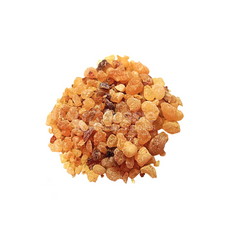
A classic bitter accord balances sharp citrus, earthy resins, and aromatic warmth. Typical proportions: Bitter orange 20–25%, coffee absolute 20–25%, myrrh 25–30%, benzoin 25–30%. Bitter orange provides a volatile, acerbic top; coffee absolute deepens the bitterness with polyphenols and caffeine; myrrh adds resinous, earthy facets; benzoin softens and rounds the accord with creamy, balsamic warmth.

25%

Bitter Orange

20–25% of blend

Cold-pressed bitter orange peel delivers limonene and naringin, creating a volatile, acerbic top note that defines the bitter accord’s initial impact.

25%

Coffee Absolute

20–25% of blend

Solvent-extracted coffee absolute contributes caffeine and polyphenols, reinforcing the bitterness and adding a dark, roasted dimension.

30%

Myrrh

25–30% of blend

Steam-distilled myrrh resin provides earthy, resinous depth, anchoring the accord and enhancing longevity through sesquiterpenes.

30%

Benzoin

25–30% of blend

Benzoin’s vanillic, balsamic molecules (benzoic acid derivatives) round out the sharpness, providing a creamy, softening base for the bitter accord.

The Olfactory Layers

How Bitter Evolves on Skin

Bitter notes evolve from a sharp, acerbic opening to a warm, resinous drydown. High-volatility citrus and herbal molecules dominate the first 15 minutes, followed by earthy, aromatic heart notes, and finally a lingering, balsamic base.

I
Top notes
0–15 min
Acerbic Citrus Burst

The initial impression is defined by volatile citrus molecules—limonene, naringin, and linalool—delivering a sharp, zesty bitterness. Herbal facets from galbanum or artemisia may add a green, slightly metallic edge. This stage is intensely fresh and bracing, evaporating rapidly due to low molecular weight.

Sharp CitrusGreen HerbalAcerbic
II
Heart notes
20–60 min
Earthy Herbal Depth

As top notes dissipate, the heart reveals earthy, aromatic compounds such as polyphenols (from coffee or cacao) and sesquiterpenes (from myrrh or wormwood). These molecules provide a deeper, more persistent bitterness, balanced by subtle floral or woody undertones.

EarthyAromaticResinous
III
Base notes
Several hours
Resinous Warmth

The drydown is anchored by balsamic resins (benzoin, myrrh) and roasted nuances from coffee absolute. Higher molecular weight compounds ensure a lingering, warm bitterness that melds with skin, creating a soft, enveloping finish.

BalsamicWarmLingering
TOP NOTES Acerbic Citrus Burst 0–15 minutes HEART NOTES Earthy Herbal Depth 20–60 minutes BASE NOTES Resinous Warmth Several hours
Through the Ages

The Story of Bitter in Perfumery

Bitter notes have a long history in perfumery, from ancient herbal elixirs to modern avant-garde compositions. Their evolution reflects changing tastes and advances in extraction technology.

Antiquity

Herbal Bitters in Ancient Rituals

Ancient Egyptians and Greeks used bitter herbs such as wormwood and galbanum in ceremonial incense and medicinal preparations, laying the groundwork for their later use in perfumery.

17th Century

Introduction of Bitter Orange to Europe

Bitter orange trees (Citrus aurantium) are brought from Asia to the Mediterranean, becoming a key source for citrus bitters in early colognes and apothecary blends.

1882

Birth of the Chypre Family

François Coty’s Chypre (1882) incorporates bitter citrus, oakmoss, and labdanum, establishing a new fragrance family that relies on bitter notes for structure and contrast.

1970

Chanel No. 19 Launches

Henri Robert creates Chanel No. 19, a landmark green-bitter fragrance featuring galbanum and iris, redefining the role of bitterness in modern perfumery.

2022–2023

Resurgence of Bitter in Niche Perfumery

Memo Paris Ithaque and Diptyque Eau Nabati showcase bitter orange, black pepper, and herbal bitters as central themes, reflecting a renewed interest in complex, non-sweet compositions.

The Art of Layering

How to Layer Bitter

Understanding how to layer bitter is key to unlocking its full potential. At the molecular level, bitter notes pair well with sweet, floral, and woody materials due to olfactory masking and synergistic effects—citrus bitters share limonene with florals, while herbal bitters bridge to woods via shared terpenes.

01

Enhance Sweetness

Layering bitter with vanilla or tonka bean leverages olfactory masking: vanillin’s sweet threshold suppresses the sharpness of limonene and naringin, creating a rounded, gourmand effect. Guerlain L’Homme Idéal (2014) demonstrates this pairing with bitter almond and tonka.

02

Add Depth

Combining bitter with woody notes like vetiver or cedar introduces shared sesquiterpenes, deepening the earthy, resinous facets. Chanel No. 19 pairs galbanum with vetiver for a green-bitter complexity.

03

Lighten the Glow

Pairing bitter citrus with floral notes (rose, neroli) exploits shared terpenes (linalool, geraniol), creating a seamless transition from sharpness to softness. Moschino Funny! uses bitter orange and green tea to achieve a lively, balanced effect.

Wear It Right

How to Wear Bitter Like a Pro

Seasonal Guide

Fall & Winter

Cooler temperatures suppress the volatility of citrus and herbal bitters, allowing earthy and resinous facets to dominate. Apply to pulse points and layer with woody or spicy notes for a complex, warming effect.

Spring

Moderate warmth enhances the freshness of bitter citrus and green notes. Use lighter concentrations and pair with floral or green accords for a vibrant, uplifting scent.

Summer

Heat increases the volatility of bitter top notes, making them more pronounced but shorter-lived. Apply sparingly to avoid overwhelming sharpness, and consider layering with aquatic or fruity notes for balance.

Year-Round Tip

Adjust application based on humidity: higher humidity prolongs aromatic heart notes, while dry air accentuates sharpness. Experiment with layering to tailor bitterness to your environment.

Application Points

Strategic application enhances bitter’s evolution and projection across skin zones.

1

Neck

The warmth of the neck accelerates the evaporation of volatile citrus bitters, creating an immediate, bracing impression.

2

Behind the Ears

This area retains aromatic molecules longer, allowing herbal and resinous bitters to linger and evolve subtly.

3

Inner Wrists

Pulse points on the wrists amplify projection and facilitate the transition from sharp top notes to earthy heart notes.

4

Hair

Applying to hair provides a sustained release of bitter notes, especially herbal and resinous facets, as movement disperses the scent.

Pro Tip

Layer with a neutral moisturizer on skin to slow evaporation and enhance the longevity of bitter’s complex evolution.

Mood Architecture™

Top Bitter Fragrances by Mood Score

These Bitter-based fragrances scored highest on the MEI™ Mood Architecture Framework — measuring how a scent may influence your emotional state.

Highest MEI Score
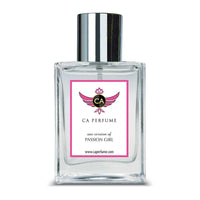
Passion Girl — Poison Girl Alternative Perfume
8.16
MEI™
Primary Romantic
Secondary Grounding
Confidence
6.96
Presence
6.74
Mood Lift
9.34
Identity
7.14
Warmth
9.5
Social Ease
8.93
Energy
5.3
" I am beautiful.
View full mood profile →
HumanSafe™

Top Bitter Fragrances by HumanSafe™ Score

These Bitter-based fragrances have the highest product-level HumanSafe™ scores in this ingredient collection.

Highest HumanSafe™ Score
Passion Girl — Poison Girl Alternative Perfume
A-
HumanSafe™ Score Generally Safe
Safest Evaluated Ingredients EDP
AQUA Solvent / Carrier ISS 10.0
4H-INDEN-4-ONE, 1,2,3,5,6,7-HEXAHYDRO-1,1,2,3,3- Evaluated ingredient ISS 9.0
3-CYCLOPENTENE-1-ACETALDEHYDE, 2,2,3-TRIMETHYL-, Evaluated ingredient ISS 9.0
LINALYL ACETATE Evaluated ingredient ISS 7.0
LINALOOL Evaluated ingredient ISS 7.0
ALCOHOL DENAT. Solvent / Carrier ISS 7.0
View full safety profile →
Expert Voices

What Masters Say About Bitter

“Bitter notes add a sophisticated, unique touch to compositions. It's this elegant, original touch that appeals to consumers who want to assert their personality.”
Fabrice Pellegrin, Perfumer (Diptyque Eau Nabati)
Bitter in perfumery is valued for its ability to create complexity and contrast, balancing sweetness and adding intrigue to both classic and modern compositions.
CA Perfume Editorial
Common Questions

Frequently Asked Questions

Detailed answers to the most common questions about bitter in perfumery.

Bitter in perfume is characterized by sharp, earthy, and acerbic facets, often reminiscent of citrus peel, aromatic herbs, or dark roasted coffee. Key molecules such as limonene, naringin, and polyphenols create a bracing, complex scent profile. Bitter notes are used to balance sweetness and add sophistication, as seen in fragrances like Chanel No. 19 and Memo Paris Ithaque.

Bitter is most commonly used as a top or heart note, especially when derived from citrus peels or herbal materials. Volatile molecules like limonene and linalool evaporate quickly, providing an initial sharpness, while earthy or resinous bitters (from coffee or myrrh) can persist into the base. The specific role depends on the composition and extraction method.

Bitter is favored in niche perfumery for its ability to create contrast, complexity, and a sense of avant-garde sophistication. It balances sweet, floral, or gourmand notes, preventing compositions from becoming cloying. Modern niche fragrances like Diptyque Eau Nabati and Memo Paris Ithaque use bitter as a central theme to appeal to adventurous consumers.

Bitter fragrance uses often involve pairing with sweet (vanilla, tonka), floral (rose, neroli), or woody (vetiver, cedar) notes. These combinations leverage molecular bridges—such as shared terpenes or olfactory masking—to create balanced, multidimensional scents. Guerlain L’Homme Idéal and Moschino Funny! are examples of successful pairings.

Bitter notes, especially citrus and herbal bitters, are well-suited to summer due to their volatility and refreshing sharpness. However, high temperatures can cause rapid evaporation, making the bitterness more fleeting. Lighter concentrations and layering with aquatic or fruity notes can enhance wearability in hot weather.

Longevity varies by composition. Citrus and herbal bitters in top notes may last 30–60 minutes, while earthy or resinous bitters (coffee, myrrh) can persist for several hours. The use of fixatives and the concentration format (EDP vs. EDT) also influence duration. Oil-based perfumes provide the longest-lasting bitterness.

Yes, bitter can be layered with sweet, floral, or woody fragrances to create unique effects. Molecular compatibility (shared terpenes, olfactory masking) ensures harmonious blending. Experiment with vanilla, rose, or vetiver-based scents for balanced, multidimensional results.

Recommended entry points include Guerlain Aqua Allegoria Herba Fresca (minty-bitter), Moschino Funny! (bitter orange and green tea), and Chanel No. 19 (green-bitter). These fragrances showcase bitterness in approachable, balanced compositions.

Explore CA Perfume’s collection by considering your preferred bitter profile—citrus, herbal, or gourmand. Sample different concentrations and layering options to find a composition that suits your skin chemistry and personal style. Our team can guide you through the nuances of each blend.

Bitter is neither inherently sweet nor spicy; it is defined by sharp, acerbic, and earthy facets. However, it can be paired with sweet or spicy notes to create complex, multidimensional scents. The perception of bitterness may shift depending on the composition and skin chemistry.

Citrus Aromatic Collection

Explore Our Top Bitter Fragrances

Discover CA Perfume’s curated selection of fragrances featuring bitter notes, from citrus-aromatic blends to avant-garde herbal compositions.

Shop all bitter fragrances at CA Perfume →

Where Bitter Comes From — Origin & Extraction

Bitter as a perfumery note is a composite effect, primarily derived from botanical sources such as citrus fruits (Citrus aurantium var. amara for bitter orange, Citrus paradisi for grapefruit), aromatic herbs (Artemisia absinthium, galbanum), and select spices and seeds. Bitter orange is native to China but is now cultivated extensively in Sicily (Italy), Brazil, and the Caribbean. The main extraction method for citrus bitters is cold expression (mechanical pressing) of the peel, which preserves volatile compounds like limonene, linalool, and naringin. For herbal bitters, steam distillation or solvent extraction (using ethanol or hexane) is employed, especially for delicate materials like wormwood or galbanum. Coffee absolute, another source of bitterness, is obtained via solvent extraction from roasted beans, concentrating caffeine and polyphenols. Production volumes for bitter orange essential oil are highest in Sicily, with estimates around 200–300 metric tons annually, while Brazil is a leading producer of both bitter orange and coffee. The yield for cold-pressed citrus oils is approximately 0.3–0.5% by weight of fresh peel. Natural bitter orange oil can cost $80–150/kg, while coffee absolute ranges from $200–400/kg. Synthetic bitter notes, such as nature-identical limonene (CAS 138-86-3) and linalool (CAS 78-70-6), are produced on an industrial scale at much lower cost ($10–30/kg), providing consistency and supply chain stability. Sustainability considerations include the use of by-products from the juice industry (for citrus peels) and the environmental impact of solvent extraction; supercritical CO2 extraction is increasingly used for its low residue and energy efficiency.

Famous Fragrances That Define Bitter in Perfumery

Bitter notes have shaped the character of many landmark fragrances, often serving as a bridge or accent to balance sweetness and add complexity. Chanel No. 19 (1970, Henri Robert) is a classic example, with galbanum and green notes creating a sharp, bitter-green heart. Guerlain Aqua Allegoria Herba Fresca (1999, Jean-Paul Guerlain and Mathilde Laurent) features a prominent bitter mint note, providing a fresh, invigorating bitterness. Memo Paris Ithaque (2022, Alienor Massenet) uses bitter orange and black pepper to create a vibrant, complex opening. Diptyque Eau Nabati (2023, Fabrice Pellegrin) highlights bitter citrus and herbal facets for a modern, sparkling effect. Moschino Funny! (2007, Antoine Maisondieu) employs bitter orange and green tea for a lively, youthful bitterness. Bitter notes also appear in niche compositions such as Guerlain Néroli Outrenoir (2016, Thierry Wasser and Delphine Jelk), where bitter black tea and citrus create a smoky, acerbic signature. CA Perfume’s collection draws inspiration from this lineage, offering contemporary interpretations of bitter as both a dominant and accent note.

Natural vs Synthetic Bitter in Perfumery

Natural bitter notes are derived from plant sources such as bitter orange (Citrus aurantium var. amara), grapefruit (Citrus paradisi), galbanum (Ferula galbaniflua), and coffee (Coffea arabica). Key aroma molecules include limonene (CAS 138-86-3), linalool (CAS 78-70-6), and naringin (CAS 10236-47-2). Synthetic analogs and nature-identical compounds, such as synthetic limonene and linalool, provide consistent olfactory profiles and improved stability. Additional synthetic bitter materials include methyl anthranilate (CAS 134-20-3), used to recreate bitter orange nuances, and isoamyl acetate (CAS 123-92-2) for green-bitter effects. Synthetic bitters are favored for their batch-to-batch uniformity, longer shelf life, and lower cost (often $10–30/kg compared to $80–400/kg for naturals). Performance-wise, synthetic bitters offer greater longevity and stability, especially in top and heart notes, while naturals can be more volatile and susceptible to oxidation. Iconic fragrances such as Guerlain Aqua Allegoria Herba Fresca use natural mint and galbanum, while Diptyque Eau Nabati and many modern colognes rely on synthetic bitter citrus and herbal notes for consistency. Sustainability is a key factor: synthetics reduce pressure on agricultural resources and enable transparent sourcing, as verified through the HumanSafe™ platform. CA Perfume prioritizes traceable, HumanSafe™-verified ingredients, balancing natural and synthetic bitters for optimal performance and environmental responsibility.