Ingredient Guide · Gourmand Oriental
Gourmand Oriental Family · Perfumery Note

Bitter Almond

Powdery, cherry-laced, and comfortingly complex.

Bitter almond is a top-to-heart note in perfumery, prized for its sweet, nutty, and cherry-like aroma driven by benzaldehyde. Typically used at 0.1–1% in formulas, it bridges gourmand, floral, and oriental compositions with its powdery, marzipan character.

Bitter Almond
Ingredient Profile

Bitter Almond

Gourmand Oriental Family
Family Gourmand Oriental
Note Position Heart Note
Usage Level 0.1–1% in formula
Key Origins Morocco, Spain, United States (California)
Iconic In Hypnotic Poison, Baccarat Rouge 540 Extrait de Parfum
The Ingredient

What does Bitter Almond smell like and why is it so significant in perfumery?

Bitter almond (Prunus amygdalis var. amara) in perfumery is defined by its principal aroma molecule, benzaldehyde (C7H6O, CAS 100-52-7), which imparts a signature scent reminiscent of marzipan, cherry liqueur, and almond extract. The bitter almond scent profile is sweet, nutty, and cherry-like, with a faintly medicinal, powdery undertone. Unlike sweet almond oil, which is odorless, the bitter almond note is produced through the hydrolysis of amygdalin in the kernel, releasing benzaldehyde and hydrogen cyanide. This molecular process gives bitter almond its distinctive olfactory character, which is both nostalgic and slightly provocative. In perfumery, bitter almond is typically classified as a top-to-heart note due to its moderate volatility and high odor strength. It is used at concentrations ranging from 0.1% to 1% of the total formula, depending on the desired intensity and the composition’s style. Bitter almond interacts with skin chemistry in unique ways: on acidic skin, its cherry facet is more pronounced, while on alkaline skin, the powdery, marzipan aspect dominates. Its fleeting top note can be extended by pairing with fixatives like benzoin or tonka bean, which share molecular affinities and slow down evaporation. Bitter almond in perfumery is exemplified in iconic fragrances such as Dior Hypnotic Poison (1998, Annick Menardo), where it forms the gourmand backbone alongside carvi, jasmine, and vanilla, and Maison Francis Kurkdjian Baccarat Rouge 540 Extrait (2017, Francis Kurkdjian), where it adds a creamy, nutty accent to the radiant ambergris and saffron structure. These compositions showcase how bitter almond can define a scent’s personality, bridging sweetness and sophistication.

0.1–1% in formula
Bitter almond (benzaldehyde) is typically used at 0.1–1% of a fragrance formula, balancing intensity and safety while avoiding overpowering the composition.
10–20 minutes
The sharp, cherry-marzipan top note of bitter almond lasts 10–20 minutes on skin before transitioning to powdery and creamy facets.
$10–800/kg
Synthetic benzaldehyde costs $10–30/kg, while natural FFPA bitter almond oil ranges from $400–800/kg due to labor-intensive extraction and regulatory controls.
Origin & Extraction

Where Bitter Almond Comes From — Origin & Extraction

Bitter almond’s scent is shaped by geography: Moroccan and North African origins yield oils with pronounced cherry facets, while Mediterranean and Californian sources offer a softer, more powdery profile due to soil mineral content and climate.

Bitter almond essential oil is primarily derived from the kernels of Prunus amygdalis var. amara, but commercial production often utilizes apricot (Prunus armeniaca) and peach (Prunus persica) kernels due to higher yields and byproduct availability from fruit canning. The largest producing countries are Morocco, Algeria, Tunisia, and Spain, with Morocco alone processing over 20,000 tons of apricot kernels annually for both cosmetic and fragrance applications. California, USA, and regions in Turkey and Italy also contribute to global supply, though at smaller volumes. The extraction process begins with the mechanical pressing of kernels to remove fixed oils, followed by maceration in water to activate the enzyme emulsin, which hydrolyzes amygdalin into benzaldehyde, hydrogen cyanide (prussic acid), and glucose. The resulting press cake is then steam-distilled at 100°C, yielding a crude essential oil containing 2–4% hydrogen cyanide. To render the oil safe for perfumery, it undergoes rectification: washing with alkaline iron(II) solutions to remove cyanide, followed by a second distillation and drying under nitrogen. The final product, designated FFPA (Free From Prussic Acid), is ≥98% benzaldehyde and colorless. Typical yields are 0.7–1% by weight of kernels. Natural bitter almond oil (FFPA) costs $400–800/kg, while synthetic benzaldehyde (produced via toluene oxidation or cinnamon bark oxidation) is widely available at $10–30/kg. Sustainability concerns include the use of agricultural byproducts (apricot/peach kernels) and the need for responsible cyanide removal. Synthetic production offers a lower environmental impact and greater safety, but some niche perfumers still favor natural FFPA for trace impurities that add complexity.

MA

Morocco

Morocco’s Souss-Massa region is a major producer, with apricot and almond kernels processed for both food and fragrance. The arid climate and mineral-rich soils yield kernels high in amygdalin, producing oil with intense cherry-marzipan aroma. Morocco supplies over 30% of global bitter almond oil.

ES

Spain

Valencia and Murcia are key Spanish regions, where traditional harvesting and sun-drying methods create a softer, more powdery almond oil. Spain accounts for roughly 15% of global production, with strict quality controls for prussic acid removal.

US

United States (California)

California’s Central Valley produces bitter almond as a byproduct of the sweet almond industry. The oil is typically milder, with a creamy, less cherry-forward profile. The US supplies about 10% of the world’s bitter almond oil, mainly for industrial use.

TR

Turkey

The Aegean region of Turkey cultivates bitter almonds and apricots, with kernels used for both culinary and fragrance applications. Turkish oils are noted for their balanced, marzipan-powdery aroma and are increasingly exported for niche perfumery.

Chemistry

Natural vs Synthetic Bitter Almond in Perfumery

The primary aroma molecule in both natural and synthetic bitter almond is benzaldehyde (CAS 100-52-7), responsible for the marzipan-cherry scent. Natural bitter almond oil (FFPA) is steam-distilled from kernels and rectified to remove toxic hydrogen cyanide. Synthetic benzaldehyde, produced by toluene oxidation or via cinnamon bark/cassia oil, is chemically identical and dominates the market due to cost and regulatory safety. Other key aroma chemicals used in almond accords include heliotropin/piperonal (CAS 120-57-0) for powdery sweetness, coumarin (CAS 91-64-5) for hay-like warmth, and benzyl alcohol (CAS 100-51-6) for smoothness. Synthetic almond accords layer these molecules to extend the fleeting benzaldehyde top note into a persistent marzipan effect. Synthetic benzaldehyde costs $10–30/kg, while natural FFPA is $400–800/kg and subject to IFRA restrictions due to trace cyanide risk. Famous fragrances such as Dior Hypnotic Poison and Tom Ford Lost Cherry use synthetic benzaldehyde for consistency and safety. Niche brands may use natural FFPA for added complexity, but most commercial perfumery relies on synthetics for stability, supply chain transparency, and sustainability. The HumanSafe™ platform at CA Perfume ensures all bitter almond materials are screened for cyanide content and traceability, regardless of origin.

Natural
Bitter Almond Absolute
Cost $3,000–6,000/kg
Method Solvent / CO₂
Character Complex, variable
vs
Synthetic
Safranal & Analogues
Cost $50–200/kg
Method Lab synthesis
Character Consistent, stable
Hall of Fame

Famous Fragrances That Define Bitter Almond in Perfumery

1998
dominant note

Hypnotic Poison

Dior
by Annick Menardo
carvijasminevanilla
2017
accent note

Baccarat Rouge 540 Extrait de Parfum

Maison Francis Kurkdjian
by Francis Kurkdjian
saffronambergriscedar
2018
top note

Lost Cherry

Tom Ford
by Louise Turner
cherryTurkish rosetonka bean
2011
bridge note

Pegasus

Parfums de Marly
by Hamid Merati-Kashani
vanillasandalwoodlavender
2019
supporting note

Rolling in Love

By Kilian
by Pascal Gaurin
iristuberosemusk
2014
dominant note

L’Homme Idéal

Guerlain
by Thierry Wasser
tonka beanleathervetiver
2021
dominant note

Italica

Casamorati 1888
by Chris Maurice
toffeevanillamilk

Bitter almond has shaped the modern gourmand and oriental fragrance landscape. Its earliest landmark use was in Dior Hypnotic Poison (1998, Annick Menardo), where bitter almond forms the core of a dark, creamy, and sensuous oriental structure, paired with carvi, jasmine, and vanilla. Maison Francis Kurkdjian Baccarat Rouge 540 Extrait (2017, Francis Kurkdjian) employs bitter almond as a creamy, nutty accent to its radiant saffron and ambergris base, enhancing the composition’s complexity and longevity. Tom Ford Lost Cherry (2018, Louise Turner) highlights bitter almond in the top note, blending it with cherry and Turkish rose for a rich, liqueur-like opening that transitions into a warm, balsamic heart. Parfums de Marly Pegasus (2011, Hamid Merati-Kashani) uses bitter almond to anchor a fougère structure, pairing it with vanilla, sandalwood, and lavender for a sophisticated, masculine effect. By Kilian Rolling in Love (2019, Pascal Gaurin) features bitter almond in a powdery, musky context, layered with iris and tuberose for a tactile, skin-like impression. Other notable examples include Guerlain L’Homme Idéal (2014, Thierry Wasser), where bitter almond is paired with tonka bean, leather, and vetiver for a modern masculine gourmand, and Casamorati Italica (2021, Chris Maurice), which amplifies the marzipan facet with toffee and vanilla. CA Perfume’s collection draws on this lineage, offering interpretations that showcase bitter almond’s versatility across both feminine and masculine palettes.

The Accord

How is a captivating Bitter Almond accord crafted?

A classic bitter almond accord blends 30–35% bitter almond (benzaldehyde source) for marzipan intensity, 20–25% heliotropin for powdery sweetness, 20–25% tonka bean for hay-like warmth, and 20–25% vanilla for creamy, soft depth. Each ingredient is selected for molecular synergy, extending the fleeting top note and rounding the almond’s sharpness.

35%

Bitter Almond

30–35% of blend

Provides the core marzipan, cherry-like character via benzaldehyde, delivering the signature almond effect and initial impact.

25%

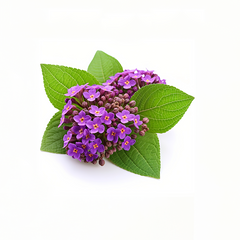
Heliotropin

20–25% of blend

Heliotropin (piperonal) adds powdery, almond-vanilla sweetness, smoothing the sharpness of benzaldehyde and extending the accord’s longevity.

25%

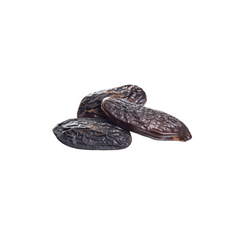
Tonka Bean

20–25% of blend

Tonka bean (coumarin) brings hay-sweet, nutty warmth and acts as a fixative, stabilizing the volatile almond top note.

25%

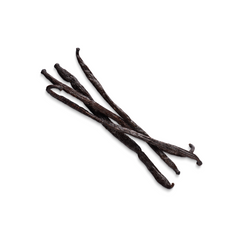
Vanilla

20–25% of blend

Vanilla (vanillin) imparts creamy, soft depth, masking any harshness and rounding the accord for a gourmand finish.

The Olfactory Layers

How Bitter Almond Evolves on Skin

Bitter almond’s olfactory evolution begins with a sharp, cherry-like burst from high-volatility benzaldehyde, softening into powdery sweetness as heliotropin and coumarin emerge, and finally settling into a creamy, nutty base as vanillin and tonka bean persist. The top note dissipates within 30–60 minutes, while the heart and base linger for several hours.

I
Top notes
0–15 min
Cherry Marzipan Flash

The initial impression is dominated by benzaldehyde, which evaporates rapidly to deliver a sharp, sweet, marzipan-cherry aroma. This phase is fleeting, lasting 10–20 minutes, and is often perceived as slightly medicinal or solvent-like at full strength.

cherry-likesharpmarzipan
II
Heart notes
20–60 min
Powdered Almond Veil

As benzaldehyde fades, heliotropin and coumarin emerge, imparting powdery, almond-vanilla sweetness and a subtle hay-like warmth. The heart is smoother and more rounded, with the almond note becoming creamier and less volatile.

powderysweetnutty
III
Base notes
Several hours
Creamy Gourmand Trail

The base is defined by vanillin and residual coumarin, leaving a soft, gourmand trail with lingering nutty and creamy facets. The almond character is now subtle, blending seamlessly with tonka bean and vanilla for a comforting, skin-like finish.

creamygourmandsoft
TOP NOTES Cherry Marzipan Flash 0–15 minutes HEART NOTES Powdered Almond Veil 20–60 minutes BASE NOTES Creamy Gourmand Trail Several hours
Through the Ages

The Story of Bitter Almond in Perfumery

Bitter almond’s history in perfumery spans from ancient Mediterranean use to its pivotal role in the birth of gourmand fragrances.

Antiquity

Early Use in Mediterranean Rituals

Almond trees were cultivated in the Mediterranean and Middle East for thousands of years. Bitter almond oil was used in ancient Greek and Roman cosmetics and anointing oils, valued for its distinctive aroma and symbolic associations with fertility.

1832

Discovery of Benzaldehyde

Friedrich Wöhler and Justus von Liebig elucidate the hydrolysis of amygdalin, identifying benzaldehyde as the key aroma compound in bitter almond. This discovery enables the isolation and industrial production of almond scent for perfumery.

1960s

Widespread Adoption in Fine Fragrance

Bitter almond oil, both natural and synthetic, becomes a staple in French perfumery, especially in powdery and gourmand compositions. The note is popularized in vintage fragrances and luxury cosmetics.

1998

Hypnotic Poison by Dior Launches

Annick Menardo’s Hypnotic Poison establishes bitter almond as a defining note in modern oriental-gourmand perfumery, blending it with vanilla, jasmine, and carvi for a dark, seductive signature.

2017–present

Bitter Almond in Niche and Mainstream Perfumes

Maison Francis Kurkdjian Baccarat Rouge 540 Extrait and Tom Ford Lost Cherry bring bitter almond to the forefront of contemporary fragrance, inspiring a wave of almond-centric perfumes across both niche and designer brands.

The Art of Layering

How to Layer Bitter Almond

Understanding how to layer bitter almond is key to maximizing its impact. Molecular compatibility with vanilla, cherry, and leather notes creates unique olfactory effects.

01

Enhance Sweetness

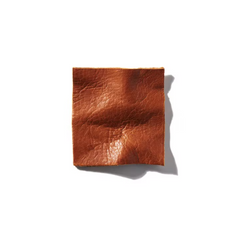
Layering bitter almond with vanilla or tonka bean exploits shared vanillin and coumarin molecules, amplifying the marzipan and creamy facets. This approach is demonstrated in Guerlain L’Homme Idéal, where almond and tonka create a rich, gourmand base.

02

Add Depth

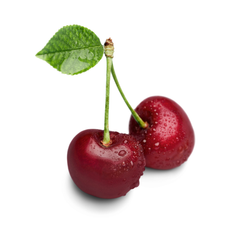
Pairing with cherry, plum, or blackcurrant introduces additional benzaldehyde and fruity esters, deepening the dark, liqueur-like aspect. Tom Ford Lost Cherry exemplifies this synergy, blending almond and cherry for a luxurious, layered effect.

03

Lighten the Glow

Combining bitter almond with white florals (jasmine, orange blossom) or citrus notes tempers its sweetness and adds lift. The molecular bridge between benzaldehyde and floral aldehydes creates a more airy, feminine impression, as seen in By Kilian Rolling in Love.

Wear It Right

How to Wear Bitter Almond Like a Pro

Seasonal Guide

Fall & Winter

Cooler temperatures suppress volatility, allowing bitter almond’s marzipan and creamy facets to linger. Apply to pulse points and clothing for a comforting, enveloping effect. Layer with vanilla or tonka for added warmth.

Spring

Mild temperatures highlight the cherry and floral aspects of bitter almond. Pair with light florals or green notes for a fresh, playful twist. Apply sparingly to avoid overwhelming delicate spring compositions.

Summer

Heat increases benzaldehyde’s volatility, causing the almond note to dissipate quickly. Use lighter concentrations or layer with citrus and white musk to maintain freshness. Reapply as needed for sustained projection.

Year-Round Tip

For maximum longevity, layer bitter almond fragrances over unscented lotion or almond-scented body products. This anchors the top note and creates a cohesive scent trail regardless of season.

Application Points

Strategic application enhances bitter almond’s fleeting top note and creamy base. Pulse points and layering with body products maximize projection and longevity.

1

Neck

Application to the neck leverages body heat, intensifying the cherry-marzipan opening and ensuring the scent diffuses upward for immediate impact.

2

Behind the Ears

This area is slightly cooler, slowing evaporation and extending the powdery, sweet heart note of bitter almond throughout the day.

3

Inner Wrists

Pulse points on the wrists accelerate the top note’s evolution, allowing you to experience the full transition from sharp almond to creamy base. Reapply as needed.

4

Hair

Spraying on hair or a hairbrush provides a gentle, long-lasting diffusion, as hair retains the creamy, gourmand base notes for hours.

Pro Tip

Layer over almond-scented lotion or oil to anchor the fleeting top note and create a more persistent, enveloping scent experience.

Mood Architecture™

Top Bitter Almond Fragrances by Mood Score

These Bitter Almond-based fragrances scored highest on the MEI™ Mood Architecture Framework — measuring how a scent may influence your emotional state.

Highest MEI Score
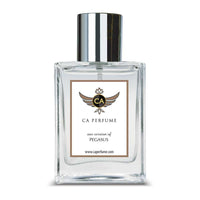
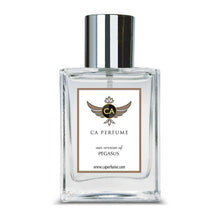
Pegasus — Parfums De Marly Pegasus Alternative Cologne
7.72
MEI™
Primary Romantic
Secondary Confident
Confidence
6.81
Presence
7.17
Mood Lift
8.35
Identity
7.09
Warmth
9.5
Social Ease
8.01
Energy
4.2
" I am beautiful.
View full mood profile →
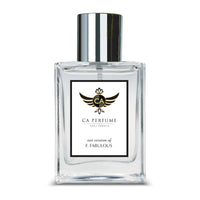
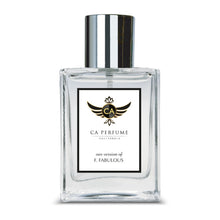
F. Fabulous — Tom Ford Fucking Fabulous Alternative Perfume
7.27
MEI™
Primary Romantic
Secondary Confident
Confidence
6.7
Presence
7.2
Mood Lift
7.7
Identity
7.16
Warmth
8.18
Social Ease
7.47
Energy
4.2
" I am beautiful.
View full mood profile →
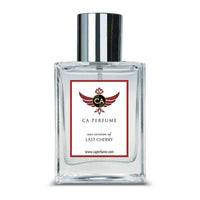
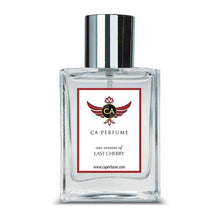
Last Cherry — Tom Ford Lost Cherry Alternative Perfume
6.8
MEI™
Primary Romantic
Secondary Grounding
Confidence
6.37
Presence
6.27
Mood Lift
7.11
Identity
6.08
Warmth
8.38
Social Ease
6.62
Energy
4.9
" I am beautiful.
View full mood profile →
HumanSafe™

Top Bitter Almond Fragrances by HumanSafe™ Score

These Bitter Almond-based fragrances have the highest product-level HumanSafe™ scores in this ingredient collection.

Highest HumanSafe™ Score
Vanilla Sex — Tom Ford Vanilla Sex Alternative Perfume
A-
HumanSafe™ Score Generally Safe
Safest Evaluated Ingredients EDP
AQUA Solvent / Carrier ISS 10.0
1,4-DIOXACYCLOHEPTADECANE-5,17-DIONE Evaluated ingredient ISS 10.0
2H-1-BENZOPYRAN-2-ONE Evaluated ingredient ISS 8.0
LINALOOL Evaluated ingredient ISS 7.0
ALCOHOL DENAT. Solvent / Carrier ISS 7.0
2H-1-BENZOPYRAN-6-OL, 3,4-DIHYDRO-2,5,7,8- Evaluated ingredient ISS 7.0
View full safety profile →
Pegasus — Parfums De Marly Pegasus Alternative Cologne
A-
HumanSafe™ Score Generally Safe
Safest Evaluated Ingredients EDP
AQUA Solvent / Carrier ISS 10.0
1,4-DIOXACYCLOHEPTADECANE-5,17-DIONE Evaluated ingredient ISS 10.0
7-OCTEN-2-OL, 2,6-DIMETHYL- Evaluated ingredient ISS 9.0
3-CYCLOPENTENE-1-ACETALDEHYDE, 2,2,3-TRIMETHYL-, Evaluated ingredient ISS 9.0
CYCLOHEXANEPROPANOL, 2,2,6-TRIMETHYL-.ALPHA.-PROPYL- Evaluated ingredient ISS 7.0
ALCOHOL DENAT. Solvent / Carrier ISS 7.0
View full safety profile →
Last Cherry — Tom Ford Lost Cherry Alternative Perfume
A-
HumanSafe™ Score Generally Safe
Safest Evaluated Ingredients EDP
AQUA Solvent / Carrier ISS 10.0
3-CYCLOPENTENE-1-ACETALDEHYDE, 2,2,3-TRIMETHYL-, Evaluated ingredient ISS 9.0
2H-1-BENZOPYRAN-2-ONE Evaluated ingredient ISS 8.0
ALCOHOL DENAT. Solvent / Carrier ISS 7.0
1-[(2-TERT-BUTYL)CYCLOHEXYLOXY]-2-BUTANOL Evaluated ingredient ISS 7.0
1,3-BENZODIOXOLE-5-CARBOXALDEHYDE Evaluated ingredient ISS 7.0
View full safety profile →
F. Fabulous — Tom Ford Fucking Fabulous Alternative Perfume
A-
HumanSafe™ Score Generally Safe
Safest Evaluated Ingredients EDP
AQUA Solvent / Carrier ISS 10.0
1,4-DIOXACYCLOHEPTADECANE-5,17-DIONE Evaluated ingredient ISS 10.0
BENZENEPROPANAL, 4-METHOXY-.ALPHA.-METHYL- Evaluated ingredient ISS 9.0
4H-INDEN-4-ONE, 1,2,3,5,6,7-HEXAHYDRO-1,1,2,3,3- Evaluated ingredient ISS 9.0
2-OXABICYCLO[2.2.2]OCTANE, 1,3,3-TRIMETHYL- Evaluated ingredient ISS 9.0
3-BUTEN-2-ONE, 3-METHYL-4-(2,6,6-TRIMETHYL-2- Evaluated ingredient ISS 8.0
View full safety profile →
Expert Voices

What Masters Say About Bitter Almond

At its heart is benzaldehyde, the compound responsible for Bitter Almond’s signature marzipan scent: a note long prized in perfumery for adding creamy warmth and seductive character to both feminine and masculine compositions.
Esas Beauty Editorial
Bitter almond transforms any fragrance it touches—adding a comforting sweetness, powdery smoothness, and a whisper of mystery. It’s a note that blurs the line between innocence and indulgence.
CA Perfume Editorial
Common Questions

Frequently Asked Questions

Answers to the most common questions about bitter almond in perfumery.

Bitter almond in perfume is defined by benzaldehyde, which imparts a sweet, nutty, and cherry-like aroma reminiscent of marzipan and almond extract. The scent profile evolves from a sharp, cherry-marzipan top note to a powdery, creamy, and slightly gourmand base. Its complexity is enhanced by pairing with vanilla, tonka bean, and heliotrope, resulting in a comforting yet sophisticated fragrance signature.

Bitter almond is typically classified as a top-to-heart note due to its moderate volatility. The benzaldehyde-driven top note is fleeting, lasting 10–20 minutes, but can be extended into the heart by pairing with fixatives like tonka bean or benzoin. In some compositions, it anchors the heart or even the base, especially in gourmand or oriental fragrances.

Bitter almond is favored in niche perfumery for its bold, recognizable character and its ability to bridge gourmand, floral, and oriental styles. Its unique marzipan-cherry scent adds nostalgia, complexity, and a touch of retro sophistication. Niche perfumers exploit its molecular interplay with other notes to create innovative, memorable accords.

Bitter almond fragrance uses include pairing with vanilla, tonka bean, heliotrope, cherry, rose, jasmine, leather, and amber. These notes share molecular affinities (vanillin, coumarin, piperonal) that extend and round the almond’s sharpness, creating harmonious, layered compositions.

Bitter almond’s volatile benzaldehyde top note dissipates quickly in heat, making it less persistent in summer. However, its creamy, powdery base can be refreshing when paired with citrus or white florals. For hot weather, choose lighter concentrations or layer with fresh notes to maintain balance.

The sharp top note of bitter almond lasts 10–20 minutes, but the creamy, gourmand heart and base can persist for several hours, especially when anchored by fixatives. In Eau de Parfum, the overall scent may last 4–6 hours, while in Parfum formats, it can linger even longer.

Yes, bitter almond is highly versatile for layering. It pairs well with vanilla, cherry, leather, and floral notes, enhancing both sweetness and depth. Layering techniques exploit molecular compatibility to create unique, personalized scent profiles.

For those new to bitter almond, Dior Hypnotic Poison, Tom Ford Lost Cherry, and Parfums de Marly Pegasus are excellent entry points. These fragrances showcase the almond note in accessible, balanced compositions, blending it with familiar gourmand and floral accords.

Explore CA Perfume’s collection by considering the style you prefer—gourmand, floral, or oriental. Look for compositions where bitter almond is paired with complementary notes like vanilla, tonka bean, or cherry. Sampling different concentrations and layering with body products can help you find your ideal match.

While bitter almond is inherently sweet and gourmand, its powdery, nutty, and slightly bitter facets prevent it from being cloying. When balanced with woody, floral, or leathery notes, it becomes versatile enough for daily use, appealing to both feminine and unisex preferences.

Gourmand Oriental Collection

Explore Our Top Bitter Almond Fragrances

Discover CA Perfume’s curated selection of bitter almond fragrances, spanning gourmand, floral, and oriental styles for every season and mood.

Shop all bitter almond fragrances at CA Perfume →

Where Bitter Almond Comes From — Origin & Extraction

Bitter almond essential oil is primarily derived from the kernels of Prunus amygdalis var. amara, but commercial production often utilizes apricot (Prunus armeniaca) and peach (Prunus persica) kernels due to higher yields and byproduct availability from fruit canning. The largest producing countries are Morocco, Algeria, Tunisia, and Spain, with Morocco alone processing over 20,000 tons of apricot kernels annually for both cosmetic and fragrance applications. California, USA, and regions in Turkey and Italy also contribute to global supply, though at smaller volumes. The extraction process begins with the mechanical pressing of kernels to remove fixed oils, followed by maceration in water to activate the enzyme emulsin, which hydrolyzes amygdalin into benzaldehyde, hydrogen cyanide (prussic acid), and glucose. The resulting press cake is then steam-distilled at 100°C, yielding a crude essential oil containing 2–4% hydrogen cyanide. To render the oil safe for perfumery, it undergoes rectification: washing with alkaline iron(II) solutions to remove cyanide, followed by a second distillation and drying under nitrogen. The final product, designated FFPA (Free From Prussic Acid), is ≥98% benzaldehyde and colorless. Typical yields are 0.7–1% by weight of kernels. Natural bitter almond oil (FFPA) costs $400–800/kg, while synthetic benzaldehyde (produced via toluene oxidation or cinnamon bark oxidation) is widely available at $10–30/kg. Sustainability concerns include the use of agricultural byproducts (apricot/peach kernels) and the need for responsible cyanide removal. Synthetic production offers a lower environmental impact and greater safety, but some niche perfumers still favor natural FFPA for trace impurities that add complexity.

Famous Fragrances That Define Bitter Almond in Perfumery

Bitter almond has shaped the modern gourmand and oriental fragrance landscape. Its earliest landmark use was in Dior Hypnotic Poison (1998, Annick Menardo), where bitter almond forms the core of a dark, creamy, and sensuous oriental structure, paired with carvi, jasmine, and vanilla. Maison Francis Kurkdjian Baccarat Rouge 540 Extrait (2017, Francis Kurkdjian) employs bitter almond as a creamy, nutty accent to its radiant saffron and ambergris base, enhancing the composition’s complexity and longevity. Tom Ford Lost Cherry (2018, Louise Turner) highlights bitter almond in the top note, blending it with cherry and Turkish rose for a rich, liqueur-like opening that transitions into a warm, balsamic heart. Parfums de Marly Pegasus (2011, Hamid Merati-Kashani) uses bitter almond to anchor a fougère structure, pairing it with vanilla, sandalwood, and lavender for a sophisticated, masculine effect. By Kilian Rolling in Love (2019, Pascal Gaurin) features bitter almond in a powdery, musky context, layered with iris and tuberose for a tactile, skin-like impression. Other notable examples include Guerlain L’Homme Idéal (2014, Thierry Wasser), where bitter almond is paired with tonka bean, leather, and vetiver for a modern masculine gourmand, and Casamorati Italica (2021, Chris Maurice), which amplifies the marzipan facet with toffee and vanilla. CA Perfume’s collection draws on this lineage, offering interpretations that showcase bitter almond’s versatility across both feminine and masculine palettes.

Natural vs Synthetic Bitter Almond in Perfumery

The primary aroma molecule in both natural and synthetic bitter almond is benzaldehyde (CAS 100-52-7), responsible for the marzipan-cherry scent. Natural bitter almond oil (FFPA) is steam-distilled from kernels and rectified to remove toxic hydrogen cyanide. Synthetic benzaldehyde, produced by toluene oxidation or via cinnamon bark/cassia oil, is chemically identical and dominates the market due to cost and regulatory safety. Other key aroma chemicals used in almond accords include heliotropin/piperonal (CAS 120-57-0) for powdery sweetness, coumarin (CAS 91-64-5) for hay-like warmth, and benzyl alcohol (CAS 100-51-6) for smoothness. Synthetic almond accords layer these molecules to extend the fleeting benzaldehyde top note into a persistent marzipan effect. Synthetic benzaldehyde costs $10–30/kg, while natural FFPA is $400–800/kg and subject to IFRA restrictions due to trace cyanide risk. Famous fragrances such as Dior Hypnotic Poison and Tom Ford Lost Cherry use synthetic benzaldehyde for consistency and safety. Niche brands may use natural FFPA for added complexity, but most commercial perfumery relies on synthetics for stability, supply chain transparency, and sustainability. The HumanSafe™ platform at CA Perfume ensures all bitter almond materials are screened for cyanide content and traceability, regardless of origin.