Ingredient Guide · Fruity
Fruity Family · Perfumery Note

Apple

A vibrant, mouthwatering note that defines modern freshness.

In perfumery, apple is a top note known for its crisp, juicy, and sweet-tart character. Its scent is shaped by esters like hexyl acetate and butyl acetate, with typical usage at 1–5% in fruity-floral and gourmand compositions.

Apple
Ingredient Profile

Apple

Fruity Family
Family Fruity
Note Position Top Note
Usage Level 1–5% in formula
Key Origins China, United States, Poland
Iconic In DKNY Be Delicious, Boss Bottled
The Ingredient

What does Apple smell like and why is it a modern perfumery staple?

Apple in perfumery is defined by its crisp, juicy, and sweet-tart aroma, which closely mimics the sensation of biting into a fresh fruit. The apple scent profile is primarily constructed from esters such as hexyl acetate (green, fruity), butyl acetate (sharp, sweet), and 2-methylbutyl acetate (overripe, tropical), with malic acid contributing to its signature tartness. These molecules together recreate the multifaceted olfactory experience of apple—ranging from green and sour to honeyed and red. Apple notes can also evoke subtle floral, woody, or even caramelized nuances, depending on the variety and the accord construction. In perfumery, apple is almost always used as a top note, providing an immediate burst of freshness and vibrancy. Typical concentrations in finished fragrances range from 1% to 5%, depending on the desired intensity and the type of apple accord (green, red, caramelized, or spiced). Apple interacts with skin chemistry by amplifying its juiciness on warmer, more acidic skin, while drier or more alkaline skin may highlight its tart or green facets. The volatility of apple esters means the note is most prominent in the first 15–30 minutes after application, but can linger subtly in the heart when paired with floral or gourmand notes. Apple in perfumery is exemplified by several landmark fragrances. DKNY Be Delicious (Donna Karan, 2004, perfumer Maurice Roucel) is perhaps the most iconic, using a green apple accord as the central theme. Hugo Boss Boss Bottled (1998, Annick Menardo) features a spiced apple note blended with cinnamon and vanilla, while Parfums de Marly Greenley (2020, Quentin Bisch) showcases a vibrant green apple in a woody-citrus context. These examples demonstrate apple’s versatility and enduring popularity in contemporary scent design.

1–5% in formula
Apple accords are typically used at 1–5% of the total fragrance formula, providing sufficient impact without overwhelming the composition.
15–30 minutes
Apple’s top notes are most prominent within the first 15–30 minutes after application, due to the high volatility of its esters.
$20–$200/kg
The cost of synthetic apple aroma chemicals ranges from $20 to $200 per kilogram, depending on purity and complexity, making them accessible for large-scale use.
Origin & Extraction

Where Apple Comes From — Origin & Extraction

Geography influences apple’s scent character, with climate and soil affecting the balance of esters and acids. Cooler regions yield crisper, tarter apples, while warmer climates produce sweeter, softer profiles.

Apple (Malus domestica) is a member of the Rosaceae family, with origins traced to Central Asia—specifically Kazakhstan, Uzbekistan, and Tajikistan, where wild Malus sieversii is still found. Modern apples are cultivated globally, with China producing over 40 million metric tons annually (more than 50% of world supply), followed by the United States, Poland, and India. In perfumery, the apple note is rarely extracted directly from the fruit due to the instability and low yield of natural apple aroma compounds. Instead, perfumers construct apple accords using a blend of synthetic esters and alcohols to replicate the scent of specific apple varieties. Key molecules include hexyl acetate, butyl acetate, 2-methylbutyl acetate, and ethyl 2-methylbutanoate, which together provide the green, sweet, and tart facets of apple. These compounds are synthesized via esterification reactions, typically at temperatures below 60°C to preserve olfactory integrity. Natural apple extracts are occasionally produced via headspace technology or CO2 extraction, but these are costly (>$5,000/kg) and unstable, with limited use in fine fragrance. Synthetic apple aroma chemicals are far more economical, with prices ranging from $20–$200/kg depending on purity and complexity. Sustainability considerations favor synthetic apple accords, as direct extraction from fruit is not resource-efficient and would require vast agricultural input for minimal yield. Upcycling initiatives, such as Etat Libre d’Orange’s I Am Trash, have begun to incorporate apple waste from the food industry, providing a more circular approach. The apple note’s synthetic construction ensures consistent quality, allergen control, and minimal environmental impact compared to large-scale natural extraction.

CN

China

The Shandong region is the world’s largest apple producer, known for Fuji and Gala varieties. Loamy soils and temperate climate yield apples high in malic acid and esters, giving a tart, juicy aroma. China accounts for over 50% of global apple production.

US

United States

Washington State dominates US apple production, with Yakima Valley’s volcanic soil and cool nights producing crisp, aromatic apples rich in hexyl acetate. The US supplies about 6% of global apples, with a focus on Granny Smith and Honeycrisp varieties.

PL

Poland

The Mazovia region is renowned for tart, aromatic apples used in European perfumery. Sandy soils and moderate rainfall favor high ester content, resulting in apples with pronounced green, sour notes. Poland is Europe’s leading apple exporter.

KZ

Kazakhstan

Almaty, the ancestral home of Malus sieversii, produces wild apples with intense, complex aromas. High altitude and mineral-rich soils yield fruit with elevated acidity and unique ester profiles, prized for natural apple accords.

Chemistry

Natural vs Synthetic Apple in Perfumery

The apple note in perfumery is almost exclusively synthetic, as the volatile esters responsible for its scent—such as hexyl acetate (CAS 142-92-7), butyl acetate (CAS 123-86-4), and 2-methylbutyl acetate (CAS 624-41-9)—are present in apples at low concentrations and are highly unstable when extracted. Synthetic versions of these molecules are produced via controlled esterification, offering superior consistency, stability, and cost-effectiveness. For example, Verdox (2-tert-butylcyclohexyl acetate, CAS 88-41-5) is used to impart a green-apple nuance with woody undertones, while Manzanate (ethyl 2-methylpentanoate, CAS 39255-32-8) provides a waxy, green apple skin effect. Natural apple extracts, when available, are produced via headspace or CO2 extraction, but these are prohibitively expensive and degrade rapidly, making them unsuitable for most commercial perfumery. Synthetic apple aroma chemicals cost $20–$200/kg, compared to >$5,000/kg for rare natural extracts. Famous fragrances such as DKNY Be Delicious (Donna Karan, 2004) and Hugo Boss Boss Bottled (1998) rely on synthetic apple accords for their signature freshness. Sustainability is enhanced by the use of synthetics, reducing agricultural waste and ensuring allergen control. The HumanSafe™ platform at CA Perfume ensures all apple aroma chemicals are fully traceable and IFRA-compliant, with transparency in sourcing and safety data. Key aroma chemicals in apple accords include hexyl acetate, butyl acetate, Verdox, and Manzanate.

Natural
Apple Absolute
Cost $3,000–6,000/kg
Method Solvent / CO₂
Character Complex, variable
vs
Synthetic
Safranal & Analogues
Cost $50–200/kg
Method Lab synthesis
Character Consistent, stable
Hall of Fame

Famous Fragrances That Define Apple in Perfumery

2004
dominant note

DKNY Be Delicious

Donna Karan
by Maurice Roucel
cucumbergrapefruitmagnolia
1998
bridge note

Boss Bottled

Hugo Boss
by Annick Menardo
cinnamonvanillaplum
2020
dominant note

Greenley

Parfums de Marly
by Quentin Bisch
bergamotoakmossmusk
2021
dominant note

Apple Brandy on the Rocks

By Kilian
by Sidonie Lancesseur
brandycardamomcedarwood
2013
accent

Peony & Blush Suede

Jo Malone
by Christine Nagel
peonysuedejasmine
2018
top note

Toy 2

Moschino
by Alberto Morillas, Fabrice Pellegrin
mandarinmagnoliawhite currant

Apple has become a defining note in both mainstream and niche perfumery, particularly since the early 2000s. DKNY Be Delicious (Donna Karan, 2004, perfumer Maurice Roucel) is perhaps the most iconic apple fragrance, featuring a photorealistic green apple accord as its central theme, supported by cucumber and grapefruit. Hugo Boss Boss Bottled (1998, Annick Menardo) uses a spiced apple note blended with cinnamon and vanilla, creating a warm, gourmand effect. Parfums de Marly Greenley (2020, Quentin Bisch) highlights a vibrant green apple in a woody-citrus context, while By Kilian Apple Brandy on the Rocks (2021, Sidonie Lancesseur) explores a boozy, caramelized apple accord. Moschino Toy 2 (2018, Alberto Morillas and Fabrice Pellegrin) employs apple as a fresh, playful top note in a floral-musky structure. Jo Malone Peony & Blush Suede (2013, Christine Nagel) features red apple paired with peony and suede, demonstrating apple’s versatility in floral compositions. These fragrances illustrate apple’s role as a dominant note, bridge, or accent, often paired with citrus, floral, or gourmand notes. CA Perfume’s collection draws inspiration from this lineage, offering apple-forward scents that balance freshness, sweetness, and complexity.

The Accord

How is a captivating Apple accord crafted?

A modern apple accord blends 25–30% hexyl acetate (for green, juicy freshness), 20–25% butyl acetate (sweet, ripe apple), 20–25% Verdox (woody-green apple skin), and 25–30% ethyl maltol (caramelized, gourmand nuance). Each component is selected for its molecular contribution: esters for fruitiness, Verdox for realism, and ethyl maltol for warmth.

30%

Hexyl Acetate

25–30% of blend

Provides the crisp, green, juicy signature of fresh apple through its high volatility and green-fruity character.

25%

Butyl Acetate

20–25% of blend

Imparts ripe, sweet apple notes and enhances the overall fruitiness by mimicking natural apple esters.

25%

Verdox

20–25% of blend

Adds a woody-green apple skin nuance, increasing realism and longevity in the accord.

30%

Ethyl Maltol

25–30% of blend

Contributes caramelized, gourmand warmth, rounding out the accord and supporting apple’s sweet facets.

The Olfactory Layers

How Apple Evolves on Skin

Apple’s olfactory evolution is rapid, with high-volatility esters dominating the top notes (0–15 min), followed by a softer, floral-fruity heart (20–60 min) as the esters dissipate and supporting notes emerge. The base is typically subtle, with residual sweetness or woody undertones.

I
Top notes
0–15 min
Juicy Crispness

The initial impression is dominated by hexyl acetate and butyl acetate, providing a crisp, juicy, and slightly tart burst reminiscent of biting into a fresh apple. These high-volatility esters evaporate quickly, delivering immediate freshness and vibrancy.

crispjuicygreen
II
Heart notes
20–60 min
Fruity-Floral Glow

As the top esters fade, the heart reveals softer, floral-fruity nuances, often supported by peony, jasmine, or pear accords. Verdox and ethyl maltol may persist, adding a green apple skin or caramelized facet, while the apple note becomes more blended and less linear.

fruity-floralsoftluminous
III
Base notes
Several hours
Subtle Warmth

The base is subtle, with lingering sweetness from ethyl maltol or a woody undertone from Verdox. Apple’s presence is faint, serving as a memory trace that supports musks, woods, or vanilla, depending on the composition.

sweetwoodysubtle
TOP NOTES Juicy Crispness 0–15 minutes HEART NOTES Fruity-Floral Glow 20–60 minutes BASE NOTES Subtle Warmth Several hours
Through the Ages

The Story of Apple in Perfumery

Apple’s journey in perfumery spans from ancient symbolism to modern synthetic accords, with key milestones in fragrance history.

Medieval Era

Apple Symbolism in Early Fragrance

Apples, native to Central Asia, are referenced in medieval Arab perfumery texts for their symbolic and aromatic qualities, though not directly extracted for scent.

1920s

First Apple Accords in French Perfume

French houses like Caron and Patou begin incorporating apple accords in compositions such as Acaciosa and Vers le Jour, using early synthetic esters.

1980s

Apple Emerges in Mainstream Perfume

Apple notes gain popularity in both men’s and women’s fragrances, with Lapidus pour Homme and Armani featuring apple as a fresh, modern accent.

2004

DKNY Be Delicious Launches

Maurice Roucel’s DKNY Be Delicious debuts, using a photorealistic green apple accord as the central theme, sparking a global trend for apple-based scents.

2020s

Sustainable and Upcycled Apple Notes

Innovations like Etat Libre d’Orange’s I Am Trash incorporate upcycled apple materials, reflecting a shift toward sustainability and circular fragrance design.

The Art of Layering

How to Layer Apple

Understanding how to layer apple fragrances involves molecular compatibility—pairing apple’s esters with notes that complement or modulate its character. Knowing how to layer apple can create unique, multidimensional scents.

01

Enhance Sweetness

Layer apple with vanilla or caramel notes, such as in By Kilian Apple Brandy on the Rocks, to amplify gourmand facets. Ethyl maltol and vanillin share sweet, creamy molecules that mask apple’s tartness, resulting in a dessert-like effect.

02

Add Depth

Pair apple with woody or amber notes (e.g., Parfums de Marly Greenley) to ground its freshness. Verdox and cedarwood share green, woody molecules, creating a seamless transition from top to base and extending apple’s presence.

03

Lighten the Glow

Combine apple with citrus or aquatic notes, as in Moschino Toy 2, to enhance brightness and transparency. Shared esters (like hexyl acetate and limonene) create a sparkling, effervescent effect, ideal for summer layering.

Wear It Right

How to Wear Apple Like a Pro

Seasonal Guide

Fall & Winter

In cooler months, apple’s crispness is softened, and its sweet-tart profile pairs well with spices (cinnamon, clove) and woods. Lower temperatures slow evaporation, prolonging the apple note’s presence. Apply to pulse points under clothing for a subtle, cozy effect.

Spring

Spring’s mild temperatures enhance apple’s green, floral facets. Layer with peony, lily, or pear notes for a luminous, optimistic scent. Moderate humidity helps apple’s esters linger, making it ideal for daytime wear.

Summer

Heat increases apple’s volatility, amplifying its freshness but shortening its lifespan. Apply sparingly to avoid overwhelming projection. Pair with citrus or aquatic notes for a refreshing, cooling effect during hot weather.

Year-Round Tip

Adjust application based on climate: use more in cold, less in heat. Layer apple with musks or woods for added longevity, or with gourmand notes for a playful twist. Always test on skin to gauge projection and evolution.

Application Points

Strategic application maximizes apple’s freshness and longevity, focusing on pulse points and areas with moderate warmth.

1

Neck

Applying apple fragrances to the neck enhances projection, as body heat accelerates evaporation of esters, releasing the crisp, juicy aroma.

2

Behind the Ears

This area is slightly cooler, allowing apple’s top notes to linger longer before dissipating, preserving freshness.

3

Inner Wrists

Pulse points on the wrists provide warmth, intensifying apple’s initial burst and facilitating interaction with skin chemistry for a personalized scent.

4

Hair

Spraying apple fragrances lightly on hair offers sustained diffusion, as hair fibers trap volatile esters and release them gradually with movement.

Pro Tip

Layer apple fragrances over unscented moisturizer to slow evaporation and boost longevity, especially in dry or cold conditions.

Mood Architecture™

Top Apple Fragrances by Mood Score

These Apple-based fragrances scored highest on the MEI™ Mood Architecture Framework — measuring how a scent may influence your emotional state.

Highest MEI Score
Alexandria II — Xerjoff Alexandria II Alternative Perfume
8.87
MEI™
Primary Confident
Secondary Romantic
Confidence
8.92
Presence
9.25
Mood Lift
8.91
Identity
9.23
Warmth
9.5
Social Ease
8.67
Energy
4.5
" I am unstoppable.
View full mood profile →
Emblem Intense — Mont Blanc Emblem Intense Alternative Cologne
8.33
MEI™
Primary Romantic
Secondary Confident
Confidence
7.99
Presence
8.23
Mood Lift
8.91
Identity
8.01
Warmth
9.41
Social Ease
8.03
Energy
4.5
" I am beautiful.
View full mood profile →
Oligarchic — Oligarch Alternative Cologne
8.2
MEI™
Primary Fresh
Secondary Energizing
Confidence
8.04
Presence
8.04
Mood Lift
9.5
Identity
7.82
Warmth
7.22
Social Ease
7.98
Energy
6.7
" I am radiant.
View full mood profile →
Layton — Parfums De Marly Layton Alternative Perfume
8.14
MEI™
Primary Romantic
Secondary Confident
Confidence
7.52
Presence
7.64
Mood Lift
8.61
Identity
7.72
Warmth
9.5
Social Ease
8.38
Energy
4.8
" I am beautiful.
View full mood profile →
HumanSafe™

Top Apple Fragrances by HumanSafe™ Score

These Apple-based fragrances have the highest product-level HumanSafe™ scores in this ingredient collection.

Highest HumanSafe™ Score
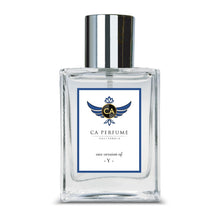
Y — YSL Y Alternative Cologne
#1
Y — YSL Y Alternative Cologne
Starting from $14.99
A-
HumanSafe™ Score Generally Safe
Safest Evaluated Ingredients EDP
AQUA Solvent / Carrier ISS 10.0
1,4-DIOXACYCLOHEPTADECANE-5,17-DIONE Evaluated ingredient ISS 10.0
7-OCTEN-2-OL, 2,6-DIMETHYL- Evaluated ingredient ISS 9.0
2-HEXENE, 6,6-DIMETHOXY-2,5,5-TRIMETHYL- Evaluated ingredient ISS 8.0
LINALYL ACETATE Evaluated ingredient ISS 7.0
LINALOOL Evaluated ingredient ISS 7.0
View full safety profile →
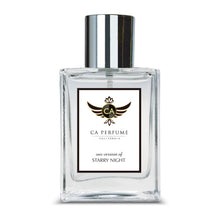
Starry Night — Montale Starry Night Alternative Perfume
A-
HumanSafe™ Score Generally Safe
Safest Evaluated Ingredients EDP
AQUA Solvent / Carrier ISS 10.0
BICYCLO[3.1.1]HEPT-2-ENE-2-ETHANOL, 6,6-DIMETHYL-, ACETATE EYE IRRITATION - CAT. 2A [H319] Evaluated ingredient ISS 9.0
7-OCTEN-2-OL, 2,6-DIMETHYL- Evaluated ingredient ISS 9.0
4H-INDEN-4-ONE, 1,2,3,5,6,7-HEXAHYDRO-1,1,2,3,3- Evaluated ingredient ISS 9.0
3-HEPTEN-2-ONE, 3,4,5,6,6-PENTAMETHYL- Evaluated ingredient ISS 9.0
REACTION MASS OF: (E)-OXACYCLOHEXADEC-12-EN-2-ONE, (E)- Evaluated ingredient ISS 7.0
View full safety profile →
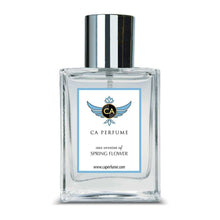
Spring Flower — Creed Spring Flower Alternative Perfume
A-
HumanSafe™ Score Generally Safe
Safest Evaluated Ingredients EDP
AQUA Solvent / Carrier ISS 10.0
7-OCTEN-2-OL, 2,6-DIMETHYL- Evaluated ingredient ISS 9.0
2-HEXENE, 6,6-DIMETHOXY-2,5,5-TRIMETHYL- Evaluated ingredient ISS 8.0
LINALYL ACETATE Evaluated ingredient ISS 7.0
LINALOOL Evaluated ingredient ISS 7.0
ALCOHOL DENAT. Solvent / Carrier ISS 7.0
View full safety profile →
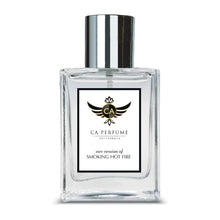
Smoking Hot Fire — Smoking Hot Alternative Perfume
A-
HumanSafe™ Score Generally Safe
Safest Evaluated Ingredients EDP
AQUA Solvent / Carrier ISS 10.0
1,4-DIOXACYCLOHEPTADECANE-5,17-DIONE Evaluated ingredient ISS 10.0
BENZENE, 1-METHOXY-4-(1-PROPENYL)-, (E)- Evaluated ingredient ISS 9.0
2H-1-BENZOPYRAN-2-ONE Evaluated ingredient ISS 8.0
LINALYL ACETATE Evaluated ingredient ISS 7.0
BENZOIC ACID, 2,4-DIHYDROXY-3,6-DIMETHYL-, METHYL Evaluated ingredient ISS 7.0
View full safety profile →
Expert Voices

What Masters Say About Apple

Apple notes can inject a fresh, vibrant feel while also evoking warmth and comfort. In many apple perfumes, the note serves as a top note, creating an invigorating introduction that balances richer, deeper layers.
CA Perfume Editorial
Apple’s scent profile is shaped by esters such as hexyl acetate and butyl acetate, which together create the crisp, juicy impression found in both green and red apple accords.
CA Perfume Editorial
Common Questions

Frequently Asked Questions

Answers to common questions about apple in perfumery, including scent, usage, and performance.

Apple in perfume smells crisp, juicy, and sweet-tart, closely resembling the sensation of biting into a fresh apple. The scent profile is shaped by esters like hexyl acetate and butyl acetate, which provide green, fruity, and slightly floral nuances. Depending on the accord, apple can range from bright and green (Granny Smith) to soft and honeyed (red apple), with occasional caramelized or spiced undertones. This versatility makes apple a popular top note in both fruity-floral and gourmand fragrances.

Apple is almost always used as a top note in fragrance compositions due to the high volatility of its key aroma molecules. Its fresh, juicy character is most prominent in the first 15–30 minutes after application, providing an immediate burst of energy and vibrancy. While apple can linger into the heart of a fragrance when paired with floral or gourmand notes, it is rarely present in the base.

Apple is favored in niche perfumery for its versatility and ability to evoke freshness, nostalgia, and playfulness. Advances in synthetic aroma chemistry have enabled perfumers to create highly realistic apple accords, ranging from green and tart to caramelized and spiced. Apple’s compatibility with floral, woody, and gourmand notes allows for innovative compositions that appeal to a wide audience, making it a staple in both mainstream and artisanal scent design.

Apple fragrance uses often involve pairing with notes like pear, peony, jasmine, vanilla, cinnamon, and sandalwood. These combinations enhance apple’s freshness, add floral or gourmand depth, and create a balanced, multidimensional scent. For example, Jo Malone Peony & Blush Suede pairs red apple with peony and suede, while Hugo Boss Boss Bottled blends apple with cinnamon and vanilla for a warm, inviting effect.

Apple perfumes are well-suited for summer and hot weather due to their crisp, refreshing character. The high volatility of apple esters means the note projects strongly in heat, providing an energizing, cooling effect. However, the scent may fade more quickly in high temperatures, so lighter application and layering with citrus or aquatic notes can help maintain freshness throughout the day.

Apple’s top notes are most prominent within the first 15–30 minutes after application, with the overall fragrance lasting 3–6 hours depending on concentration and supporting notes. Eau de Toilette and Eau de Parfum formats showcase apple’s freshness, while oil-based or Parfum concentrations offer greater longevity but a subtler apple impression.

Yes, apple fragrances are highly layerable. Knowing how to layer apple involves pairing it with complementary notes such as vanilla, woods, or florals. For example, layering apple with vanilla or caramel enhances sweetness, while pairing with woody or citrus notes adds depth and brightness. Jo Malone Peony & Blush Suede and By Kilian Apple Brandy on the Rocks are examples of apple scents designed for layering.

For those new to apple fragrances, DKNY Be Delicious (Donna Karan, 2004), Hugo Boss Boss Bottled (1998), and Moschino Toy 2 (2018) are excellent entry points. These scents feature approachable, well-balanced apple accords that highlight the note’s freshness and versatility. Jo Malone Peony & Blush Suede is another popular choice for its blend of red apple and floral notes.

Choosing the right apple fragrance at CA Perfume involves considering your preferred scent profile—green and tart, sweet and floral, or caramelized and gourmand. Explore the collection for apple-forward scents and test on skin to assess projection and evolution. The HumanSafe™ platform provides transparency on aroma chemical sourcing and safety, ensuring a high-quality experience.

Apple can smell both sweet and tart in fragrance, depending on the specific accord and supporting notes. Green apple accords emphasize tartness and freshness, while red apple or caramelized apple accords highlight sweetness. The balance is shaped by the proportion of esters like hexyl acetate (green, tart) and butyl acetate (sweet, ripe), allowing perfumers to tailor the apple note to the desired effect.

Fruity Collection

Explore Our Top Apple Fragrances

Discover CA Perfume’s most popular apple-inspired scents, each highlighting the note’s crisp, juicy character in a range of fresh, floral, and gourmand compositions.

Shop all apple fragrances at CA Perfume →

Where Apple Comes From — Origin & Extraction

Apple (Malus domestica) is a member of the Rosaceae family, with origins traced to Central Asia—specifically Kazakhstan, Uzbekistan, and Tajikistan, where wild Malus sieversii is still found. Modern apples are cultivated globally, with China producing over 40 million metric tons annually (more than 50% of world supply), followed by the United States, Poland, and India. In perfumery, the apple note is rarely extracted directly from the fruit due to the instability and low yield of natural apple aroma compounds. Instead, perfumers construct apple accords using a blend of synthetic esters and alcohols to replicate the scent of specific apple varieties. Key molecules include hexyl acetate, butyl acetate, 2-methylbutyl acetate, and ethyl 2-methylbutanoate, which together provide the green, sweet, and tart facets of apple. These compounds are synthesized via esterification reactions, typically at temperatures below 60°C to preserve olfactory integrity. Natural apple extracts are occasionally produced via headspace technology or CO2 extraction, but these are costly (>$5,000/kg) and unstable, with limited use in fine fragrance. Synthetic apple aroma chemicals are far more economical, with prices ranging from $20–$200/kg depending on purity and complexity. Sustainability considerations favor synthetic apple accords, as direct extraction from fruit is not resource-efficient and would require vast agricultural input for minimal yield. Upcycling initiatives, such as Etat Libre d’Orange’s I Am Trash, have begun to incorporate apple waste from the food industry, providing a more circular approach. The apple note’s synthetic construction ensures consistent quality, allergen control, and minimal environmental impact compared to large-scale natural extraction.

Famous Fragrances That Define Apple in Perfumery

Apple has become a defining note in both mainstream and niche perfumery, particularly since the early 2000s. DKNY Be Delicious (Donna Karan, 2004, perfumer Maurice Roucel) is perhaps the most iconic apple fragrance, featuring a photorealistic green apple accord as its central theme, supported by cucumber and grapefruit. Hugo Boss Boss Bottled (1998, Annick Menardo) uses a spiced apple note blended with cinnamon and vanilla, creating a warm, gourmand effect. Parfums de Marly Greenley (2020, Quentin Bisch) highlights a vibrant green apple in a woody-citrus context, while By Kilian Apple Brandy on the Rocks (2021, Sidonie Lancesseur) explores a boozy, caramelized apple accord. Moschino Toy 2 (2018, Alberto Morillas and Fabrice Pellegrin) employs apple as a fresh, playful top note in a floral-musky structure. Jo Malone Peony & Blush Suede (2013, Christine Nagel) features red apple paired with peony and suede, demonstrating apple’s versatility in floral compositions. These fragrances illustrate apple’s role as a dominant note, bridge, or accent, often paired with citrus, floral, or gourmand notes. CA Perfume’s collection draws inspiration from this lineage, offering apple-forward scents that balance freshness, sweetness, and complexity.

Natural vs Synthetic Apple in Perfumery

The apple note in perfumery is almost exclusively synthetic, as the volatile esters responsible for its scent—such as hexyl acetate (CAS 142-92-7), butyl acetate (CAS 123-86-4), and 2-methylbutyl acetate (CAS 624-41-9)—are present in apples at low concentrations and are highly unstable when extracted. Synthetic versions of these molecules are produced via controlled esterification, offering superior consistency, stability, and cost-effectiveness. For example, Verdox (2-tert-butylcyclohexyl acetate, CAS 88-41-5) is used to impart a green-apple nuance with woody undertones, while Manzanate (ethyl 2-methylpentanoate, CAS 39255-32-8) provides a waxy, green apple skin effect. Natural apple extracts, when available, are produced via headspace or CO2 extraction, but these are prohibitively expensive and degrade rapidly, making them unsuitable for most commercial perfumery. Synthetic apple aroma chemicals cost $20–$200/kg, compared to >$5,000/kg for rare natural extracts. Famous fragrances such as DKNY Be Delicious (Donna Karan, 2004) and Hugo Boss Boss Bottled (1998) rely on synthetic apple accords for their signature freshness. Sustainability is enhanced by the use of synthetics, reducing agricultural waste and ensuring allergen control. The HumanSafe™ platform at CA Perfume ensures all apple aroma chemicals are fully traceable and IFRA-compliant, with transparency in sourcing and safety data. Key aroma chemicals in apple accords include hexyl acetate, butyl acetate, Verdox, and Manzanate.