Ingredient Guide · Woody
Woody Family · Perfumery Note

Amyris

A sustainable sandalwood alternative with creamy, balsamic depth.

Amyris is a woody base note in perfumery, valued for its creamy, subtly sweet, and balsamic scent. Its main constituent, valerianol, imparts a soft, long-lasting woody character, typically used at 3–20% in blends.

Amyris
Ingredient Profile

Amyris

Woody Family
Family Woody
Note Position Base Note
Usage Level 3–20% in blends
Key Origins Haiti, Dominican Republic, Jamaica
Iconic In Amyris Homme, Amyris Femme
The Ingredient

What does Amyris smell like and why is it significant in perfumery?

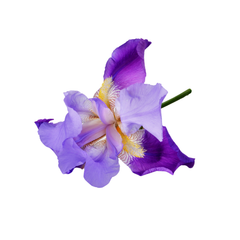
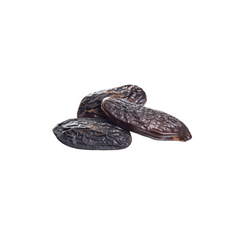
Amyris, derived from the wood of Amyris balsamifera, is botanically part of the Rutaceae (citrus) family but is prized in perfumery for its distinctively creamy, woody, and subtly balsamic scent profile. The primary odorant molecules are sesquiterpene alcohols—especially valerianol (CAS 20489-45-6, 20–44%), along with β-eudesmol, γ-eudesmol, and elemol. These compounds create a scent that is less creamy than Mysore sandalwood, with a drier, more angular woodiness, faint peppery-citrus top notes, and a soft, vanilla-sweet drydown. The amyris scent profile is often described as warm, milky, and slightly smoky, with a papery, resinous undertone and a mild balsamic sweetness. In perfumery, amyris is classified as a base note due to its high molecular weight and low volatility, which allow it to persist for over 400 hours on a blotter. Typical concentrations in fine fragrance range from 3–20%, depending on the desired fixative effect and blend structure. Amyris interacts with skin chemistry by retaining its woody core while allowing subtle variations in sweetness and smokiness, influenced by skin pH and moisture. Its fixative properties help anchor more volatile heart and top notes, making it a versatile foundation in both natural and modern compositions. Amyris in perfumery is exemplified by Maison Francis Kurkdjian Amyris Homme (2012, Francis Kurkdjian), where it is paired with iris and tonka bean for a luminous, woody-amber effect, and Juliette Has a Gun Sunny Side Up (2017, Romano Ricci), where amyris’s creamy woodiness supports sandalwood and vanilla. These fragrances showcase amyris’s ability to provide a persistent, clean, and subtly sweet woody base that enhances both floral and gourmand structures.

3–20% in blends
Amyris is typically used at 3–20% of a fragrance compound, providing fixative power and creamy woodiness without overpowering the composition.
400+ hours
Amyris oil’s substantivity on a smelling strip exceeds 400 hours, thanks to its high molecular weight sesquiterpenes (valerianol, eudesmol).
$40–80/kg
Pure Haitian amyris oil is affordable, costing $40–80 per kilogram—far less than Mysore sandalwood, making it accessible for both niche and designer perfumery.
Origin & Extraction

Where Amyris Comes From — Origin & Extraction

Amyris’s scent character is shaped by the Caribbean’s unique climate—volcanic soils, high humidity, and intense sun yield wood rich in sesquiterpenes, resulting in a creamy, balsamic profile.

Amyris essential oil is extracted from the heartwood and branches of Amyris balsamifera, a small evergreen tree native to the Caribbean, especially Haiti and the Dominican Republic. The tree belongs to the Rutaceae family, and its resin-rich wood is historically known as 'torchwood' or 'candlewood' due to its high flammability. Haiti is the near-exclusive global producer, accounting for approximately 90% of commercial supply, with annual output stabilized at 55–65 metric tonnes. The Bahoruco Forest in the Dominican Republic is a secondary source, and small-scale production exists in Jamaica and Central America. Extraction is performed via steam distillation of hammer-milled wood chips and sawdust, with batch distillation lasting up to 3.5 days per charge. The oil yield ranges from 2.5–4% by weight, depending on wood age and moisture content. The resulting oil is a pale to brownish yellow viscous liquid, rich in oxygenated sesquiterpenes (valerianol, β-eudesmol, elemol). No solvents or additives are used in high-quality production. Amyris oil is valued for its affordability—typically $40–$80/kg for pure Haitian oil—compared to Mysore sandalwood oil, which can exceed $4,000/kg. Sustainability is a key advantage: Amyris trees grow rapidly and are not listed as threatened (IUCN 'Least Concern'). The wood is often a by-product of the timber industry, and responsible producers maintain replanting programs. The oil’s low cost and stable supply make it an ecologically sound alternative to endangered sandalwood species.

HT

Haiti

The Grand’Anse and Les Cayes regions in southern Haiti produce over 90% of the world’s amyris oil. Volcanic soils, high rainfall, and traditional wild harvesting yield oil with a dry, papery woodiness and high valerianol content. Annual output is 55–65 tonnes, with strict quality controls and replanting programs.

DO

Dominican Republic

Bahoruco Forest in the Dominican Republic offers wild amyris with a slightly greener, more herbaceous scent. Production is smaller—less than 10% of global supply—but prized for its subtle citrus nuance and artisanal distillation methods.

JM

Jamaica

Jamaican amyris is rare, with micro-producers in the Blue Mountains. The oil is noted for a sharper, more peppery opening and a lighter, less balsamic drydown, reflecting the island’s mineral-rich soils and moderate rainfall.

Chemistry

Natural vs Synthetic Amyris in Perfumery

Natural amyris oil is composed primarily of sesquiterpene alcohols—valerianol (CAS 20489-45-6), β-eudesmol (CAS 473-15-4), γ-eudesmol (CAS 1209-71-8), and elemol (CAS 639-99-6)—which together account for over 80% of the oil’s composition. Synthetic substitutes are less common for amyris itself, as the natural oil is affordable and abundant. However, synthetic sandalwood aroma chemicals such as Javanol (CAS 198404-98-7), Polysantol (CAS 198404-98-7), and Ebanol (CAS 67801-20-1) are often used to replicate or enhance creamy, woody facets in compositions where amyris is present. Performance-wise, natural amyris offers excellent longevity and fixative power but is less creamy and less diffusive than synthetic sandalwood molecules. Synthetics provide greater batch-to-batch consistency and can be tailored for specific olfactory effects, but lack the subtle balsamic and papery nuances of the natural oil. Cost is a major differentiator: natural amyris oil is $40–$80/kg, while high-purity synthetic sandalwood molecules range from $200–$1,000/kg. Notable fragrances using natural amyris include Maison Francis Kurkdjian Amyris Homme and Juliette Has a Gun Sunny Side Up. Synthetics dominate in mass-market sandalwood accords. Sustainability and transparency are prioritized through the HumanSafe™ platform, ensuring traceability and responsible sourcing for all CA Perfume amyris-based blends.

Natural
Amyris Absolute
Cost $3,000–6,000/kg
Method Solvent / CO₂
Character Complex, variable
vs
Synthetic
Safranal & Analogues
Cost $50–200/kg
Method Lab synthesis
Character Consistent, stable
Hall of Fame

Famous Fragrances That Define Amyris in Perfumery

2012
dominant note

Amyris Homme

Maison Francis Kurkdjian
by Francis Kurkdjian
iristonka beanmandarincoconut
2012
dominant note

Amyris Femme

Maison Francis Kurkdjian
by Francis Kurkdjian
lemon blossomirisambervetiver
2017
supporting note

Sunny Side Up

Juliette Has a Gun
by Romano Ricci
sandalwoodvanillajasmineambrette
2014
bridge note

Sacred Wood

By Kilian
by Calice Becker
sandalwoodmilkcedarmyrrh
2021
accent

Velvet Tonka

BDK Parfums
by Alexandra Carlin
tonka beanalmondroseorange blossom

Amyris has become a cornerstone of modern woody and woody-amber fragrances, especially as a sustainable alternative to Mysore sandalwood. Maison Francis Kurkdjian Amyris Homme (2012, Francis Kurkdjian) is perhaps the most iconic, where amyris is paired with iris and tonka bean to create a luminous, creamy, and subtly spicy base. Amyris Femme (2012, Francis Kurkdjian) explores a floral-woody structure, highlighting amyris’s ability to blend seamlessly with citrus and powdery notes. Juliette Has a Gun Sunny Side Up (2017, Romano Ricci) leverages amyris’s milky, woody character to support sandalwood and vanilla, resulting in a radiant, lactonic drydown. By Kilian Sacred Wood (2014, Calice Becker) uses amyris in the heart to reinforce sandalwood’s creamy facets, while BDK Parfums Velvet Tonka (2021, Alexandra Carlin) employs amyris as a bridge between almond, tonka bean, and rose. These compositions demonstrate amyris’s versatility as both a dominant note and a subtle, long-lasting fixative. CA Perfume’s collection draws inspiration from this lineage, offering amyris-forward blends that respect both tradition and sustainability.

The Accord

How is a captivating Amyris accord crafted?

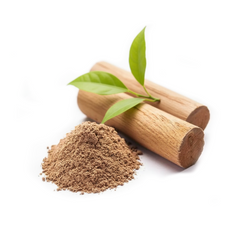
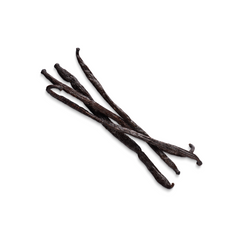
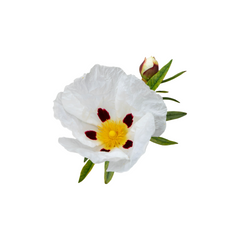
A classic amyris accord balances creamy woods, subtle sweetness, and balsamic depth. Amyris 25–30%, sandalwood 25–30%, vanilla 20–25%, and labdanum 20–25% create a smooth, persistent base. Amyris provides the dry, papery woodiness (valerianol), sandalwood amplifies lactonic creaminess (santalols), vanilla softens edges (vanillin), and labdanum adds resinous warmth (labdanic acids).

30%

Amyris

25–30% of blend

Amyris supplies the dry, balsamic, and slightly papery woody core, driven by valerianol and eudesmol isomers. It anchors the accord and extends longevity.

30%

Sandalwood

25–30% of blend

Sandalwood (santalols) enhances the creamy, milky facets and rounds out amyris’s angularity, providing a smooth, lactonic texture.

25%

Vanilla

20–25% of blend

Vanillin and related compounds mask woody dryness, imparting a soft sweetness and smoothing transitions between woody and resinous notes.

25%

Labdanum

20–25% of blend

Labdanum (labdanic acids, amberene) adds balsamic, resinous warmth and enhances fixative power, supporting amyris’s longevity and depth.

The Olfactory Layers

How Amyris Evolves on Skin

Amyris’s olfactory evolution is gradual: initial volatility is low, with top notes fading quickly and the woody, balsamic core persisting for hours due to high molecular weight sesquiterpenes.

I
Top notes
0–15 min
Peppery Citrus Spark

The opening is subtle, with faint peppery-citrus facets and a hint of green freshness. These are attributed to minor monoterpenes and the Rutaceae lineage, but they evaporate rapidly due to high volatility. The initial impression is clean, slightly herbal, and fleeting.

PepperyCitrusGreen
II
Heart notes
20–60 min
Creamy Woody Core

The heart reveals the core woody-balsamic character. Valerianol and eudesmol isomers dominate, producing a creamy, papery, and slightly smoky woodiness. A soft, vanilla-like sweetness emerges as the oil warms on skin, blending with subtle resinous undertones.

WoodyBalsamicCreamy
III
Base notes
Several hours
Papery Vanilla Drydown

The drydown is persistent and close to the skin, with a lingering papery, vanilla-sweet, and slightly earthy woodiness. Slow-evaporating sesquiterpenes (valerianol, elemol) ensure the scent remains stable and linear for 8+ hours.

PaperyVanilla-sweetEarthy
TOP NOTES Peppery Citrus Spark 0–15 minutes HEART NOTES Creamy Woody Core 20–60 minutes BASE NOTES Papery Vanilla Drydown Several hours
Through the Ages

The Story of Amyris in Perfumery

Amyris’s history in perfumery spans from Caribbean folk uses to its modern role as a sandalwood alternative in fine fragrance.

18th Century

Torchwood Tradition in Haiti

Amyris balsamifera wood is used as 'bois chandelle' (candlewood) by Haitian fishermen and farmers, valued for its resinous, highly flammable properties. The aromatic smoke is noted in colonial records.

1920s

First Essential Oil Distillation

Steam distillation of amyris wood begins in Haiti, with oil exported to Europe as a fixative and sandalwood extender in early colognes and soaps.

1970s

Recognition as Sandalwood Substitute

Amyris oil gains popularity in perfumery as Mysore sandalwood faces overharvesting and CITES restrictions. Perfumers adopt amyris for its creamy, woody profile and affordability.

2012

Amyris in Modern Niche Perfumery

Maison Francis Kurkdjian launches Amyris Homme and Amyris Femme, establishing amyris as a signature note in contemporary woody-floral and woody-amber compositions.

2020s

Sustainable Woody Base Note

Amyris is widely used in both niche and designer fragrances as a sustainable, transparent woody base. CA Perfume and other brands highlight traceability and ecological sourcing.

The Art of Layering

How to Layer Amyris

Understanding how to layer amyris involves pairing it with notes that share molecular affinities or provide olfactory contrast. Amyris’s sesquiterpenes blend seamlessly with lactonic sandalwood, sweet vanilla, and resinous labdanum, while citrus or floral top notes create a fresh, luminous opening.

01

Enhance Creaminess

Layer amyris with sandalwood or coconut for a lactonic, milky effect. Both share santalol and related molecules, creating a smooth, creamy base. Maison Francis Kurkdjian Amyris Homme demonstrates this synergy with iris and coconut.

02

Add Sweetness

Pair amyris with vanilla or tonka bean. Vanillin and coumarin mask woody dryness, amplifying the soft, sweet facets. BDK Parfums Velvet Tonka uses this combination for a gourmand-woody effect.

03

Brighten with Citrus

Combine amyris with bergamot or mandarin. The shared citrus top notes bridge the transition to the woody base, enhancing freshness and transparency. Amyris Femme by Maison Francis Kurkdjian pairs amyris with lemon blossom for a luminous start.

Wear It Right

How to Wear Amyris Like a Pro

Seasonal Guide

Fall & Winter

In cooler months, amyris’s balsamic, woody base provides warmth and persistence. Cold air suppresses volatility, so apply to pulse points and under clothing for a longer-lasting, intimate scent. Layer with vanilla or labdanum for added depth.

Spring

Spring’s moderate temperatures allow amyris’s creamy and papery facets to shine. The scent remains close to the skin, pairing well with floral or citrus notes for a fresh, woody-floral effect. Apply lightly to avoid overpowering delicate top notes.

Summer

Heat increases molecular diffusion, amplifying amyris’s creamy, slightly sweet facets. Use sparingly to prevent the woody base from becoming too dominant. Pair with citrus or green notes for a radiant, transparent effect.

Year-Round Tip

Amyris’s fixative properties make it a versatile base for layering in any season. Adjust application and pairing notes according to temperature and humidity for optimal projection and longevity.

Application Points

Strategic application maximizes amyris’s persistence and reveals its creamy, woody core.

1

Neck

Applying amyris to the neck leverages body heat to accelerate the transition from peppery top notes to creamy, woody heart, enhancing projection and sillage.

2

Behind the Ears

This pulse point is ideal for amyris’s subtle, close-to-skin drydown. The area’s warmth helps reveal the vanilla-sweet undertones over time.

3

Inner Wrists

Wrist application allows for easy scent evaluation and highlights amyris’s evolution from citrusy top to papery, woody base. Avoid rubbing to preserve molecular structure.

4

Hair

Spraying amyris on hair provides a slow, sustained release of the creamy, woody scent, as hair fibers trap the heavier sesquiterpenes for hours.

Pro Tip

Layer amyris-based fragrances over unscented lotion to hydrate skin and prolong the woody, balsamic drydown. This technique is especially effective in dry climates.

Mood Architecture™

Top Amyris Fragrances by Mood Score

These Amyris-based fragrances scored highest on the MEI™ Mood Architecture Framework — measuring how a scent may influence your emotional state.

Highest MEI Score
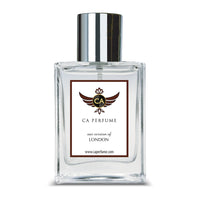
London — Tom Ford London Alternative Perfume
7.47
MEI™
Primary Romantic
Secondary Confident
Confidence
8.3
Presence
8.87
Mood Lift
6.94
Identity
8.92
Warmth
7.94
Social Ease
5.99
Energy
4.0
" I am beautiful.
View full mood profile →
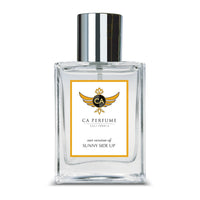
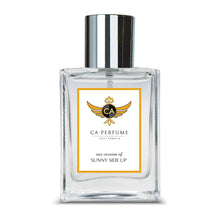
Sunny Side Up — Juliette Has A Gun Sunny Side Up Alternative Perfume
7.13
MEI™
Primary Romantic
Secondary Confident
Confidence
6.65
Presence
7.17
Mood Lift
7.19
Identity
7.3
Warmth
9.0
Social Ease
6.89
Energy
3.5
" I am beautiful.
View full mood profile →
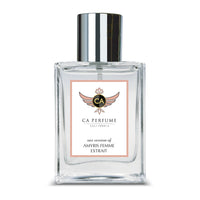
Amyris Femme Extrait — Amyris Extrait Alternative Perfume
7.01
MEI™
Primary Fresh
Secondary Romantic
Confidence
6.31
Presence
6.74
Mood Lift
8.36
Identity
6.29
Warmth
6.25
Social Ease
7.73
Energy
4.4
" I am radiant.
View full mood profile →
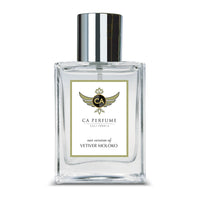
Vetiver Moloko — Ex Nihilo Vetiver Moloko Alternative Perfume
6.76
MEI™
Primary Romantic
Secondary Confident
Confidence
6.67
Presence
6.55
Mood Lift
6.89
Identity
6.71
Warmth
7.54
Social Ease
6.61
Energy
4.6
" I am beautiful.
View full mood profile →
HumanSafe™

Top Amyris Fragrances by HumanSafe™ Score

These Amyris-based fragrances have the highest product-level HumanSafe™ scores in this ingredient collection.

Highest HumanSafe™ Score
Vetiver Moloko — Ex Nihilo Vetiver Moloko Alternative Perfume
A-
HumanSafe™ Score Generally Safe
Safest Evaluated Ingredients EDP
AQUA Solvent / Carrier ISS 10.0
BENZYL SALICYLATE EYE IRRITATION - CAT. 2B [H320] Evaluated ingredient ISS 9.0
4H-INDEN-4-ONE, 1,2,3,5,6,7-HEXAHYDRO-1,1,2,3,3- Evaluated ingredient ISS 9.0
1H-3A,7-METHANOAZULENE, OCTAHYDRO-6-METHOXY-3,6,8,8- Evaluated ingredient ISS 9.0
OCTANAL, 2-(PHENYLMETHYLENE)- Evaluated ingredient ISS 8.0
REACTION MASS OF: (E)-OXACYCLOHEXADEC-12-EN-2-ONE, (E)- Evaluated ingredient ISS 7.0
View full safety profile →
Sunny Side Up — Juliette Has A Gun Sunny Side Up Alternative Perfume
A-
HumanSafe™ Score Generally Safe
Safest Evaluated Ingredients EDP
AQUA Solvent / Carrier ISS 10.0
1,4-DIOXACYCLOHEPTADECANE-5,17-DIONE Evaluated ingredient ISS 10.0
BENZYL SALICYLATE Evaluated ingredient ISS 9.0
4H-INDEN-4-ONE, 1,2,3,5,6,7-HEXAHYDRO-1,1,2,3,3- Evaluated ingredient ISS 9.0
ALCOHOL DENAT. Solvent / Carrier ISS 7.0
View full safety profile →
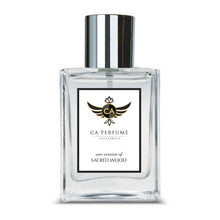
Sacred Wood — By Kilian Sacred Wood Alternative Perfume
A-
HumanSafe™ Score Generally Safe
Safest Evaluated Ingredients EDP
AQUA Solvent / Carrier ISS 10.0
3-CYCLOPENTENE-1-ACETALDEHYDE, 2,2,3-TRIMETHYL-, Evaluated ingredient ISS 9.0
SANTALOL Evaluated ingredient ISS 8.0
AMBREIN Evaluated ingredient ISS 7.0
View full safety profile →
London — Tom Ford London Alternative Perfume
A-
HumanSafe™ Score Generally Safe
Safest Evaluated Ingredients EDP
AQUA Solvent / Carrier ISS 10.0
BENZYL SALICYLATE Evaluated ingredient ISS 9.0
4H-INDEN-4-ONE, 1,2,3,5,6,7-HEXAHYDRO-1,1,2,3,3- Evaluated ingredient ISS 9.0
2-OXABICYCLO[2.2.2]OCTANE, 1,3,3-TRIMETHYL- Evaluated ingredient ISS 9.0
TRICYCLO[6.3.1.02,5]DODECAN-1-OL, 4,4,8-TRIMETHYL-, Evaluated ingredient ISS 8.0
View full safety profile →
Expert Voices

What Masters Say About Amyris

Amyris functions primarily as a cost-effective anchor in compositions that require persistent woody character without the price of true sandalwood. Valerianol and the eudesmol isomers provide the fixative backbone — their high molecular weight and low vapor pressure slow the evaporation of more volatile heart notes stacked above them.
Première Peau Editorial
Amyris oil is a versatile, sustainably sourced, and olfactorily complex base note that brings warmth, depth, and lasting power to an enormous range of fragrance compositions.
CA Perfume Editorial
Common Questions

Frequently Asked Questions

Answers to common questions about amyris’s scent, use, and performance in perfumery.

Amyris in perfume smells creamy, woody, and subtly balsamic, with a papery, vanilla-sweet drydown and faint citrus-pepper top notes. Its primary odorants—valerianol and eudesmol isomers—produce a persistent, clean woodiness that is less creamy than sandalwood but more linear and transparent. Amyris’s scent profile is showcased in Maison Francis Kurkdjian Amyris Homme, where it forms the luminous woody base.

Amyris is classified as a base note in perfumery. Its high molecular weight sesquiterpenes (valerianol, eudesmol) evaporate slowly, ensuring the woody, balsamic scent persists for hours. Amyris anchors compositions and provides fixative power, supporting more volatile heart and top notes.

Amyris is favored in niche perfumery for its sustainable sourcing, affordability, and complex creamy-woody scent profile. It serves as a transparent, persistent base note, allowing perfumers to build modern woody, floral, and gourmand structures without relying on endangered sandalwood. Its subtle papery and balsamic nuances add depth and longevity.

Amyris fragrance uses include pairing with sandalwood, vanilla, labdanum, iris, tonka bean, and citrus notes. These combinations exploit molecular affinities—lactonic, sweet, and resinous compounds—to create creamy, woody, or luminous effects. Maison Francis Kurkdjian Amyris Homme and BDK Parfums Velvet Tonka are examples of successful pairings.

Amyris adapts well to summer due to its transparent, creamy woodiness. Heat amplifies its milky, sweet facets, but it should be applied sparingly to avoid overwhelming lighter top notes. Pairing with citrus or green notes enhances freshness and projection in hot weather.

Amyris-based fragrances are known for their longevity, with the woody, balsamic base persisting for 8+ hours on skin. The high substantivity (over 400 hours on a blotter) is due to slow-evaporating sesquiterpenes. Performance may vary with concentration and skin chemistry.

Yes, amyris is ideal for layering due to its fixative properties and molecular compatibility with sandalwood, vanilla, and citrus notes. Layering amyris with creamy or sweet accords enhances smoothness, while citrus or floral top notes add brightness. Maison Francis Kurkdjian Amyris Homme demonstrates effective layering with iris and coconut.

Recommended entry points include Maison Francis Kurkdjian Amyris Homme and Amyris Femme, Juliette Has a Gun Sunny Side Up, and By Kilian Sacred Wood. These fragrances showcase amyris’s creamy, woody core in accessible, modern compositions.

Consider your preferred scent profile—creamy, woody, or sweet—and look for amyris blends with complementary notes like vanilla, sandalwood, or citrus. CA Perfume’s collection offers transparent ingredient sourcing and a range of concentrations to suit different preferences.

Amyris’s scent is primarily creamy and woody, with a subtle vanilla-sweet undertone and occasional faint smokiness, especially in the opening. The balance depends on concentration, pairing notes, and skin chemistry. It is less sweet than vanilla or tonka bean, and less smoky than guaiacwood.

Woody Collection

Explore Our Top Amyris Fragrances

Discover amyris-forward blends that showcase creamy, woody, and balsamic notes, inspired by modern classics and sustainable sourcing.

Shop all amyris fragrances at CA Perfume →

Where Amyris Comes From — Origin & Extraction

Amyris essential oil is extracted from the heartwood and branches of Amyris balsamifera, a small evergreen tree native to the Caribbean, especially Haiti and the Dominican Republic. The tree belongs to the Rutaceae family, and its resin-rich wood is historically known as 'torchwood' or 'candlewood' due to its high flammability. Haiti is the near-exclusive global producer, accounting for approximately 90% of commercial supply, with annual output stabilized at 55–65 metric tonnes. The Bahoruco Forest in the Dominican Republic is a secondary source, and small-scale production exists in Jamaica and Central America. Extraction is performed via steam distillation of hammer-milled wood chips and sawdust, with batch distillation lasting up to 3.5 days per charge. The oil yield ranges from 2.5–4% by weight, depending on wood age and moisture content. The resulting oil is a pale to brownish yellow viscous liquid, rich in oxygenated sesquiterpenes (valerianol, β-eudesmol, elemol). No solvents or additives are used in high-quality production. Amyris oil is valued for its affordability—typically $40–$80/kg for pure Haitian oil—compared to Mysore sandalwood oil, which can exceed $4,000/kg. Sustainability is a key advantage: Amyris trees grow rapidly and are not listed as threatened (IUCN 'Least Concern'). The wood is often a by-product of the timber industry, and responsible producers maintain replanting programs. The oil’s low cost and stable supply make it an ecologically sound alternative to endangered sandalwood species.

Famous Fragrances That Define Amyris in Perfumery

Amyris has become a cornerstone of modern woody and woody-amber fragrances, especially as a sustainable alternative to Mysore sandalwood. Maison Francis Kurkdjian Amyris Homme (2012, Francis Kurkdjian) is perhaps the most iconic, where amyris is paired with iris and tonka bean to create a luminous, creamy, and subtly spicy base. Amyris Femme (2012, Francis Kurkdjian) explores a floral-woody structure, highlighting amyris’s ability to blend seamlessly with citrus and powdery notes. Juliette Has a Gun Sunny Side Up (2017, Romano Ricci) leverages amyris’s milky, woody character to support sandalwood and vanilla, resulting in a radiant, lactonic drydown. By Kilian Sacred Wood (2014, Calice Becker) uses amyris in the heart to reinforce sandalwood’s creamy facets, while BDK Parfums Velvet Tonka (2021, Alexandra Carlin) employs amyris as a bridge between almond, tonka bean, and rose. These compositions demonstrate amyris’s versatility as both a dominant note and a subtle, long-lasting fixative. CA Perfume’s collection draws inspiration from this lineage, offering amyris-forward blends that respect both tradition and sustainability.

Natural vs Synthetic Amyris in Perfumery

Natural amyris oil is composed primarily of sesquiterpene alcohols—valerianol (CAS 20489-45-6), β-eudesmol (CAS 473-15-4), γ-eudesmol (CAS 1209-71-8), and elemol (CAS 639-99-6)—which together account for over 80% of the oil’s composition. Synthetic substitutes are less common for amyris itself, as the natural oil is affordable and abundant. However, synthetic sandalwood aroma chemicals such as Javanol (CAS 198404-98-7), Polysantol (CAS 198404-98-7), and Ebanol (CAS 67801-20-1) are often used to replicate or enhance creamy, woody facets in compositions where amyris is present. Performance-wise, natural amyris offers excellent longevity and fixative power but is less creamy and less diffusive than synthetic sandalwood molecules. Synthetics provide greater batch-to-batch consistency and can be tailored for specific olfactory effects, but lack the subtle balsamic and papery nuances of the natural oil. Cost is a major differentiator: natural amyris oil is $40–$80/kg, while high-purity synthetic sandalwood molecules range from $200–$1,000/kg. Notable fragrances using natural amyris include Maison Francis Kurkdjian Amyris Homme and Juliette Has a Gun Sunny Side Up. Synthetics dominate in mass-market sandalwood accords. Sustainability and transparency are prioritized through the HumanSafe™ platform, ensuring traceability and responsible sourcing for all CA Perfume amyris-based blends.