Ingredient Guide · Floral Musk
Floral Musk Family · Perfumery Note

Ambrette Seed

Soft, natural musk with floral nuances

Ambrette Seed is a heart note derived from Abelmoschus moschatus seeds, prized for its musky, floral warmth. Its key molecule ambrettolide defines its complex musk character used below 5% in perfumes.

Ambrette Seed
Ingredient Profile

Ambrette Seed

Floral Musk Family
Family Floral Musk
Note Position Heart Note
Usage Level <5%
Key Origins India, Madagascar, France
Iconic In Dior Homme Intense, Ambrette 9
The Ingredient

What does Ambrette Seed smell like and why is it significant in perfumery?

Ambrette Seed, extracted from the seeds of the hibiscus plant Abelmoschus moschatus, is known for its musky scent profile characterized by warm, floral, and slightly fruity notes. The key molecular contributors include macrocyclic lactones, primarily ambrettolide (7-11% of the essential oil), which impart the signature musky aroma reminiscent of clean skin with subtle amber, nutty, and powdery facets. The scent also contains farnesyl acetates contributing green-floral and soapy nuances. In perfumery, ambrette seed functions predominantly as a heart note, used at concentrations typically below 5%. It provides a smooth transition between lighter top notes and deeper base notes, enhancing longevity and adding a natural musk glow. Ambrette seed's musk is softer and less animalic than traditional animal musks, making it a valued botanical alternative. Its interaction with skin chemistry allows it to create an intimate, skin-like warmth that evolves gently over 4–6 hours. Notable fragrances featuring ambrette seed include Dior Homme Intense (2011) by François Demachy, where it adds a sensual musk depth, and Le Labo's Ambrette 9, which highlights its musky-floral complexity. Byredo's Mojave Ghost also uses ambrette to enhance its soft, clean musk character.

<5%
Typical usage concentration in perfumes, balancing musk intensity with safety and blend harmony.
4–6 Hours
Average longevity of ambrette seed-based fragrances on skin, influenced by formulation and skin chemistry.
0.15–0.6%
Extraction yield range from seeds depending on method: steam distillation (0.15-0.2%) and solvent extraction (up to 0.6%).
Origin & Extraction

Where Ambrette Seed Comes From — Origin & Extraction

Ambrette Seed’s scent character reflects its tropical origins, with soil and climate influencing its floral and musky nuances. Key producing regions include India, Madagascar, and France, each imparting distinct aromatic profiles due to terroir and harvesting methods.

Ambrette Seed is derived from the seeds of Abelmoschus moschatus, a tropical hibiscus species native to India and cultivated in tropical and subtropical regions including Madagascar, France, Vietnam, Ecuador, Colombia, and El Salvador. The plant produces pale yellow flowers followed by seed pods containing kidney-shaped seeds. The primary extraction methods for ambrette seed oil are steam distillation and solvent extraction (including supercritical CO2 extraction). Steam distillation yields approximately 0.15-0.2% oil, while solvent extraction methods such as Soxhlet can yield up to 0.6%. The seeds are harvested typically in spring or summer, dried, crushed, and processed. The oil undergoes maturation to reduce fatty, oily nuances. Ambrette seed absolute is produced by removing fatty acids from the crude oil via ethanol precipitation or salt formation, resulting in a highly prized product with a complex scent profile. The cost of natural ambrette absolute ranges from $3,000 to $6,000 per kilogram, reflecting its labor-intensive harvest and low yield. Sustainability efforts include traceable supply chains such as Robertet's program in El Salvador, which supports small farmers and ensures ethical and environmentally responsible production certified under SMETA 4 Pillars standards.

IN

India

India, the native home of Abelmoschus moschatus, produces ambrette seed with rich floral undertones. Traditional artisanal harvesting and drying methods contribute to its complex aroma. India remains a major supplier, with a significant share of global production.

MG

Madagascar

Madagascar offers ambrette seed with a sweeter, more sumptuous profile, influenced by its humid tropical climate and diverse soil composition. Local harvesting techniques emphasize quality, supporting luxury perfumery markets.

FR

France

French perfumers source ambrette seed for its nuanced depth, often cultivated under controlled conditions to ensure consistency. France’s expertise in extraction and refinement enhances the ingredient’s olfactory complexity.

SV

El Salvador

El Salvador has developed a sustainable ambrette supply chain managed by Robertet, focusing on traceability and ethical farming. The region’s agroforestry practices and climate yield high-quality seeds with balanced musky and floral notes.

Chemistry

Natural vs Synthetic Ambrette Seed in Perfumery

Natural ambrette seed absolute, extracted via solvent or CO2 methods, contains complex and variable aromatic compounds including ambrettolide (CAS 8015-62-1) and farnesyl acetates, which provide a rich, musky, floral, and slightly fruity scent. It is valued for its nuanced, skin-like warmth but is costly, priced between $3,000 and $6,000 per kilogram. Synthetic alternatives primarily include ambrettolide analogues and other macrocyclic lactones such as ethylene brassylate (CAS 105-95-3) and exaltolide (CAS 106-02-5), which offer consistent, stable musk notes at significantly lower costs ($50–200/kg). These synthetics provide longer-lasting projection and diffusion but lack the full complexity of the natural absolute. Famous fragrances like Dior Homme Intense and Le Labo Ambrette 9 utilize natural ambrette for its authentic musk glow, while synthetic musks dominate mainstream perfumery for cost and stability reasons. The HumanSafe™ platform supports transparency in sourcing and formulation, encouraging the use of ethically produced natural ambrette alongside responsibly selected synthetics to balance sustainability, cost, and olfactory quality.

Natural
Ambrette Seed Absolute
Cost $3,000–6,000/kg
Method Solvent / CO₂
Character Complex, variable
vs
Synthetic
Safranal & Analogues
Cost $50–200/kg
Method Lab synthesis
Character Consistent, stable
Hall of Fame

Famous Fragrances That Define Ambrette Seed in Perfumery

2011
supporting note

Dior Homme Intense

Dior
by François Demachy
irisleatheramber
2014
dominant note

Ambrette 9

Le Labo
by Fabrice Pellegrin, Yann Vasnier
floralwoodymusky
2010
accent

Mojave Ghost

Byredo
by Ben Gorham
floralwoodyamber
heart note

Tralala

Penhaligon’s
floralmusk
base note

Forest

Wales Perfumery
woodymuskgreen

Ambrette Seed has been embraced by numerous prestigious perfume houses for its unique musky warmth and floral nuances. Dior Homme Intense (Dior, 2011, perfumer François Demachy) uses ambrette as a supporting note to add sensual depth alongside iris and leather. Le Labo's Ambrette 9 (Le Labo, 2014, perfumers Fabrice Pellegrin and Yann Vasnier) highlights ambrette as a dominant note, showcasing its musky-floral complexity. Byredo's Mojave Ghost (Byredo, 2010, perfumer Ben Gorham) incorporates ambrette to enhance its soft, clean musk character, blending with floral and woody notes. Penhaligon’s Tralala and Wales Perfumery Forest also feature ambrette to provide a natural musk glow that anchors floral compositions. Cusani Perfumes uses ambrette in Mystic Rose and Haute Bohème to impart powdery-musky elegance. CA Perfume's collection respects this lineage by including ambrette in refined accords that emphasize its delicate musk and floral balance.

The Accord

How is a captivating Ambrette Seed accord crafted?

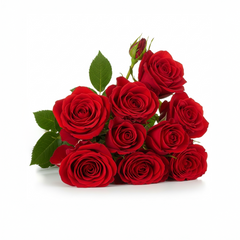
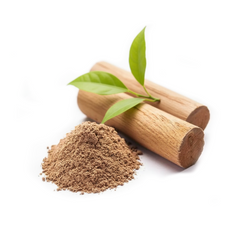
An Ambrette Seed accord is carefully balanced to showcase its soft musky warmth while complementing floral and woody elements. Ambrette Seed (25-30%) provides the musky heart with ambrettolide lactones. Rose (20-25%) shares floral and damascenone compounds that harmonize with ambrette’s musk. Sandalwood (25-30%) adds creamy, woody depth through alpha- and beta-santalol molecules, enhancing longevity. Vanilla (20-25%) contributes vanillin, which masks ambrette’s metallic edges and adds sweetness, creating a smooth, enveloping finish.

30%

Ambrette Seed

25–30% of blend

Provides the core musky warmth via ambrettolide macrocyclic lactones, essential for the accord’s signature softness.

25%

Rose

20–25% of blend

Shares damascenone and floral aldehydes that molecularly bridge with ambrette’s musk, enhancing floral complexity.

30%

Sandalwood

25–30% of blend

Alpha- and beta-santalol provide creamy woody depth and fixative properties, extending accord longevity.

25%

Vanilla

20–25% of blend

Vanillin softens ambrette’s metallic facets via olfactory masking, adding sweet warmth and smoothness.

The Olfactory Layers

How Ambrette Seed Evolves on Skin

Ambrette Seed’s olfactory evolution begins with subtle musky floral top impressions that quickly transition into a warm, musky heart dominated by ambrettolide lactones. Over several hours, the base reveals powdery, woody, and slightly animalic nuances as lower volatility compounds emerge, sustaining the fragrance’s intimate skin-like aura.

I
Top notes
0–15 min
Fresh Floral Green

Initial perception includes light floral and green nuances from farnesyl acetates, imparting a fresh, soapy, and slightly citrusy character. These high-volatility compounds evaporate quickly, setting a clean and airy opening.

FreshFloralGreen
II
Heart notes
20–60 min
Soft Musk Warmth

The heart reveals the core musky warmth from ambrettolide macrocyclic lactones, producing a soft, skin-like musk with subtle amber and nutty undertones. This stage provides the fragrance’s signature intimate and comforting character.

MuskyWarmFloral
III
Base notes
Several hours
Powdery Woody Animalic

Long-lasting base notes emerge with powdery, woody, and slightly animalic facets, supported by residual fatty acids and oxidation products. These low-volatility molecules anchor the scent, enhancing longevity and depth.

PowderyWoodyAnimalic
TOP NOTES Fresh Floral Green 0–15 minutes HEART NOTES Soft Musk Warmth 20–60 minutes BASE NOTES Powdery Woody Animalic Several hours
Through the Ages

The Story of Ambrette Seed in Perfumery

Ambrette Seed’s journey in perfumery spans centuries, from traditional medicinal uses in India to its modern role as a prized botanical musk. Key milestones mark its evolution from natural extract to a sophisticated ingredient in niche and luxury fragrances.

Ancient times

Traditional Medicinal Use

Ambrette seeds were used in Ayurvedic and traditional Chinese medicine for their calming and aphrodisiac properties, establishing early appreciation for their aromatic qualities.

1927

Chemical Identification of Ambrettolide

German chemist Max Kerschbaum identified ambrettolide as the key musky compound in ambrette seed oil, elucidating its molecular basis and importance in perfumery.

1970s

Shift from Animal Musk to Botanical Alternatives

Due to ethical concerns and bans on animal musk, ambrette seed gained prominence as a natural, cruelty-free musk substitute in perfumery.

2010s

Rise in Niche Perfumery Usage

Ambrette seed absolute became a favored ingredient in niche and luxury fragrances, valued for its complex musk glow and natural origin.

2015

Sustainable Supply Chain Development

Robertet established a sustainable ambrette seed supply chain in El Salvador, emphasizing traceability, ethical farming, and environmental responsibility.

The Art of Layering

How to Layer Ambrette Seed

Understanding how to layer ambrette seed enhances its musky warmth and floral nuances. Layering exploits molecular compatibility, such as shared lactones or aldehydes, to create harmonious blends that evolve smoothly on skin.

01

Enhance Sweetness

Pair ambrette with vanilla’s vanillin to mask metallic edges and amplify warmth. This olfactory masking softens ambrette’s musk, creating a creamy, sweet finish as seen in accords like Ambrette 9 by Le Labo.

02

Add Depth

Combine ambrette with sandalwood’s alpha- and beta-santalol, which provide creamy woody depth and fixative qualities. The molecular synergy extends longevity and enriches the base, exemplified in Dior Homme Intense.

03

Lighten the Glow

Blend ambrette with fresh florals such as rose or neroli, sharing damascenone and floral aldehydes, to brighten the musk and add complexity. This layering creates an inviting, intimate aura without overpowering.

Wear It Right

How to Wear Ambrette Seed Like a Pro

Seasonal Guide

Fall & Winter

Cooler temperatures slow molecular evaporation, enhancing ambrette’s warm, powdery, and woody base notes. Apply moderately to pulse points for intimate diffusion and lasting warmth.

Spring

Mild temperatures balance fresh floral top notes and musky heart. Layer with light florals or citrus to complement ambrette’s natural musk glow.

Summer

Heat increases volatility, making ambrette’s fresh green-floral facets more prominent. Use lighter concentrations or blend with aquatic notes to maintain freshness and avoid overpowering.

Year-Round Tip

Ambrette Seed’s versatility allows it to function as a base or heart note year-round. Adjust concentration and layering to suit temperature and occasion.

Application Points

Strategic application enhances ambrette’s musky warmth and longevity.

1

Neck

Pulse points at the neck provide warmth that activates ambrette’s musk, enhancing projection and intimate sillage.

2

Behind the Ears

This area’s heat helps volatilize ambrette’s floral and musky facets, creating a subtle, inviting aura.

3

Inner Wrists

The pulse of the wrists allows for controlled diffusion, making ambrette’s scent evolve naturally with body chemistry.

4

Hair

Hair fibers retain ambrette’s scent longer, releasing it gradually with movement and warmth.

Pro Tip

Layer ambrette with complementary florals or woods on clothing for extended scent longevity and complexity.

Mood Architecture™

Top Ambrette Seed Fragrances by Mood Score

These Ambrette Seed-based fragrances scored highest on the MEI™ Mood Architecture Framework — measuring how a scent may influence your emotional state.

Highest MEI Score
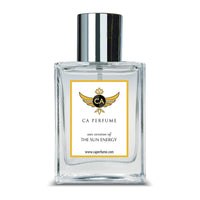
The Sun Energy — Gliza The Sun Energy Alternative Perfume
6.62
MEI™
Primary Fresh
Secondary Romantic
Confidence
5.75
Presence
6.25
Mood Lift
7.88
Identity
6.4
Warmth
6.55
Social Ease
7.15
Energy
3.8
" I am radiant.
View full mood profile →
HumanSafe™

Top Ambrette Seed Fragrances by HumanSafe™ Score

These Ambrette Seed-based fragrances have the highest product-level HumanSafe™ scores in this ingredient collection.

Highest HumanSafe™ Score
The Sun Energy — Gliza The Sun Energy Alternative Perfume
A-
HumanSafe™ Score Generally Safe
Safest Evaluated Ingredients EDP
AQUA Solvent / Carrier ISS 10.0
4,7-METHANO-1H-INDENE-2-CARBOXALDEHYDE, OCTAHYDRO-5- Evaluated ingredient ISS 9.0
LINALYL ACETATE Evaluated ingredient ISS 7.0
LINALOOL Evaluated ingredient ISS 7.0
BENZOIC ACID, 2,4-DIHYDROXY-3,6-DIMETHYL-, METHYL ESTER Evaluated ingredient ISS 7.0
ALCOHOL DENAT. Solvent / Carrier ISS 7.0
View full safety profile →
Expert Voices

What Masters Say About Ambrette Seed

“I love ambrette, this vegetal musk, one of the most precious raw materials. Starting with ambrette seed, the only natural plant-based musk, I created a fluid, minimal, urban perfume.”
Aurélien Guichard, perfumer and founder of Matière Première
Ambrette Seed provides a soft, musky warmth with a nuanced complexity that synthetic musks struggle to replicate, making it a treasured ingredient in niche perfumery.
CA Perfume Editorial
Common Questions

Frequently Asked Questions

Answers to common questions about Ambrette Seed in perfumery.

Ambrette Seed smells musky, warm, and floral with subtle fruity and powdery undertones. Its scent is often described as a natural musk glow reminiscent of clean skin, enhanced by molecules like ambrettolide. It provides a soft, intimate warmth that evolves over several hours, making it a valued heart note in many fragrances such as Dior Homme Intense and Le Labo Ambrette 9.

Ambrette Seed primarily functions as a heart note in fragrance compositions, where it bridges lighter top notes and deeper base notes. However, its gentle musk can sometimes be perceived in the early stages. It is typically used at concentrations below 5% to provide warmth and longevity without overpowering the scent.

Ambrette Seed is prized in niche perfumery for its complex, natural musk character that adds depth and a skin-like warmth. Its botanical origin and nuanced aroma provide an ethical alternative to animal musks, appealing to perfumers seeking authenticity and sophistication. Its moderate cost and fixative properties also support creative, long-lasting compositions.

Ambrette Seed fragrance uses include pairing with rose and neroli for shared floral and damascenone compounds, sandalwood for creamy woody depth, and vanilla to soften metallic edges via vanillin masking. It also blends well with amber, patchouli, clary sage, lavender, and labdanum, creating rich, harmonious accords.

Yes, Ambrette Seed works well in warm weather, especially in lighter formulations. Heat enhances its fresh green-floral top notes, making it uplifting and suitable for summer. However, lighter concentrations or blending with aquatic notes are recommended to maintain freshness and avoid overpowering.

Ambrette Seed-based fragrances typically exhibit moderate longevity, lasting around 4 to 6 hours on skin. Longevity depends on formulation and supporting ingredients, with parfum concentrations extending duration due to higher oil content and slower evaporation.

Absolutely. How to layer Ambrette Seed involves pairing it with complementary notes like woods for depth or florals for softness. Its molecular compatibility with rose, vanilla, and sandalwood allows for rich, multidimensional scent experiences, enhancing both warmth and complexity.

Beginner-friendly Ambrette Seed perfumes include Dior Homme Intense, which balances musk with iris and leather; Byredo Mojave Ghost, offering a soft musk-floral blend; and Le Labo Ambrette 9, showcasing natural musk in a clean, approachable way. These provide accessible introductions to ambrette’s nuanced scent.

Choosing Ambrette Seed fragrances at CA Perfume involves considering concentration, complementary notes, and occasion. The HumanSafe™ platform ensures transparency in ingredient sourcing and safety. Sampling diverse ambrette-based perfumes helps identify preferred musk intensity and floral or woody pairings.

Ambrette Seed’s scent is primarily musky and floral with subtle sweet undertones from fruity lactones and vanillin masking. It may exhibit faint spicy nuances reminiscent of clary sage or tobacco in complex compositions, but sweetness predominates over spiciness.

Floral Musk Collection

Explore Our Top Ambrette Seed Fragrances

Discover curated selections featuring ambrette seed’s unique musky warmth and floral elegance.

Shop all ambrette-seed fragrances at CA Perfume →

Where Ambrette Seed Comes From — Origin & Extraction

Ambrette Seed is derived from the seeds of Abelmoschus moschatus, a tropical hibiscus species native to India and cultivated in tropical and subtropical regions including Madagascar, France, Vietnam, Ecuador, Colombia, and El Salvador. The plant produces pale yellow flowers followed by seed pods containing kidney-shaped seeds. The primary extraction methods for ambrette seed oil are steam distillation and solvent extraction (including supercritical CO2 extraction). Steam distillation yields approximately 0.15-0.2% oil, while solvent extraction methods such as Soxhlet can yield up to 0.6%. The seeds are harvested typically in spring or summer, dried, crushed, and processed. The oil undergoes maturation to reduce fatty, oily nuances. Ambrette seed absolute is produced by removing fatty acids from the crude oil via ethanol precipitation or salt formation, resulting in a highly prized product with a complex scent profile. The cost of natural ambrette absolute ranges from $3,000 to $6,000 per kilogram, reflecting its labor-intensive harvest and low yield. Sustainability efforts include traceable supply chains such as Robertet's program in El Salvador, which supports small farmers and ensures ethical and environmentally responsible production certified under SMETA 4 Pillars standards.

Famous Fragrances That Define Ambrette Seed in Perfumery

Ambrette Seed has been embraced by numerous prestigious perfume houses for its unique musky warmth and floral nuances. Dior Homme Intense (Dior, 2011, perfumer François Demachy) uses ambrette as a supporting note to add sensual depth alongside iris and leather. Le Labo's Ambrette 9 (Le Labo, 2014, perfumers Fabrice Pellegrin and Yann Vasnier) highlights ambrette as a dominant note, showcasing its musky-floral complexity. Byredo's Mojave Ghost (Byredo, 2010, perfumer Ben Gorham) incorporates ambrette to enhance its soft, clean musk character, blending with floral and woody notes. Penhaligon’s Tralala and Wales Perfumery Forest also feature ambrette to provide a natural musk glow that anchors floral compositions. Cusani Perfumes uses ambrette in Mystic Rose and Haute Bohème to impart powdery-musky elegance. CA Perfume's collection respects this lineage by including ambrette in refined accords that emphasize its delicate musk and floral balance.

Natural vs Synthetic Ambrette Seed in Perfumery

Natural ambrette seed absolute, extracted via solvent or CO2 methods, contains complex and variable aromatic compounds including ambrettolide (CAS 8015-62-1) and farnesyl acetates, which provide a rich, musky, floral, and slightly fruity scent. It is valued for its nuanced, skin-like warmth but is costly, priced between $3,000 and $6,000 per kilogram. Synthetic alternatives primarily include ambrettolide analogues and other macrocyclic lactones such as ethylene brassylate (CAS 105-95-3) and exaltolide (CAS 106-02-5), which offer consistent, stable musk notes at significantly lower costs ($50–200/kg). These synthetics provide longer-lasting projection and diffusion but lack the full complexity of the natural absolute. Famous fragrances like Dior Homme Intense and Le Labo Ambrette 9 utilize natural ambrette for its authentic musk glow, while synthetic musks dominate mainstream perfumery for cost and stability reasons. The HumanSafe™ platform supports transparency in sourcing and formulation, encouraging the use of ethically produced natural ambrette alongside responsibly selected synthetics to balance sustainability, cost, and olfactory quality.