Ingredient Guide · Citrus
Citrus Family · Perfumery Note

Yuzu

A rare citrus, distilled for nuanced freshness.

Yuzu is a top note in perfumery, prized for its tart, zesty, and subtly floral character. Its essential oil, uniquely distilled rather than cold-expressed, is coumarin-free and non-photosensitizing, distinguishing it from other citrus notes.

Yuzu
Ingredient Profile

Yuzu

Citrus Family
Family Citrus
Note Position Top Note
Usage Level 0.5–2% of formula
Key Origins Japan, South Korea, China
Iconic In L’Eau d’Issey Pour Homme, L’Eau par Kenzo pour Homme
The Ingredient

What does Yuzu smell like and why is it unique in perfumery?

Yuzu (Citrus junos) is a citrus fruit native to East Asia, botanically a hybrid of wild mandarin (Citrus reticulata var. austere) and Ichang papeda (Citrus ichangensis). In perfumery, yuzu is celebrated for its complex scent profile, which combines sharp, zesty citrus facets with a distinctive tartness and a subtle floral undertone. The primary molecular components responsible for its aroma are limonene (citrus, fresh), γ-terpinene (green-herbal), linalool (floral-herbal-woody), β-myrcene (herbal), and α-pinene (piney). Unlike standard citrus oils, yuzu’s essential oil is typically distilled, not cold-expressed, resulting in a coumarin-free, non-photosensitizing product. This process preserves its unique terpenic and powdery nuances, setting it apart from lemon or grapefruit. Yuzu in perfumery is almost exclusively used as a top note, with typical concentrations ranging from 0.5% to 2% of the total formula. Its high volatility ensures a sparkling, immediate impact, but it can also impart a lingering tartness into the heart of a fragrance due to its complex molecular makeup. On skin, yuzu interacts with individual pH and moisture levels, sometimes amplifying its tartness or allowing its floral and powdery facets to emerge more prominently. Its non-photosensitizing nature makes it safer for skin application compared to other citrus oils. Notable fragrances that exemplify yuzu’s role include Issey Miyake L’Eau d’Issey Pour Homme (1994, Jacques Cavallier), where yuzu is the dominant opening note, and Guerlain Aqua Allegoria Forte Oud Yuzu (2023, Delphine Jelk), which contrasts yuzu’s brightness with smoky oud. In both, yuzu’s presence is unmistakable—providing a tart, energetic lift that defines the composition’s character. Other examples include J-Scent Yuzu and Parfum d’Empire Yuzu Fou, each showcasing the note’s versatility in both traditional and modern fragrance structures.

0.5–2% of formula
Typical yuzu concentration in fine fragrance formulas, balancing impact with volatility and allergen safety.
10+ years
Time required for a yuzu tree to reach full fruit-bearing maturity, contributing to the ingredient’s rarity and cost.
3,000–5,000 USD/kg
Approximate price per kilogram for natural yuzu oil, reflecting limited supply and labor-intensive extraction.
Origin & Extraction

Where Yuzu Comes From — Origin & Extraction

Yuzu’s aromatic profile is shaped by the soil, climate, and cultivation methods of its growing regions. Mountainous Japanese terroirs yield fruit with heightened acidity and aromatic complexity, while Korean and Chinese yuzu offer subtle variations in tartness and floral nuance.

Yuzu (Citrus junos) is a member of the Rutaceae family, originating from a cross between wild mandarin and Ichang papeda. Its earliest cultivation traces back to the Yangtze River region in China, but it is now most strongly associated with Japan and Korea. In Japan, Kochi Prefecture produces approximately 50% of the nation’s yuzu crop, with annual harvests estimated at 27,000–30,000 metric tons. South Korea’s main production areas include Jeju Island and the southern coastal provinces, while China remains a significant historical source. Yuzu trees are among the hardiest citrus, tolerating temperatures as low as -9°C, and require up to ten years to bear fruit. The fruit itself is small, with a thick, uneven rind, abundant seeds, and limited flesh. For perfumery, the essential oil is extracted primarily from the rind. Unlike most citrus oils, which are cold-expressed, yuzu oil is typically obtained via steam distillation at temperatures below 60°C to preserve delicate terpenes and avoid coumarin formation. Alternative methods include cold expression and, more recently, enzyme-assisted extraction, which can increase yield and maintain aromatic integrity. Natural yuzu oil is rare and costly—prices in Japan can reach $3,000–$5,000 per kg for high-quality oil, reflecting limited supply and labor-intensive harvesting. Synthetic yuzu accords, built from molecules like limonene, citral, and hedione, are more affordable (typically $50–$200 per kg) and provide batch-to-batch consistency. Sustainability concerns focus on the slow maturation of yuzu trees and the limited geographic range, but the use of byproducts from the food industry and the development of synthetic alternatives help mitigate environmental impact.

JP

Japan

Kochi Prefecture is Japan’s leading yuzu producer, responsible for about 50% of the national crop. The region’s volcanic soil, high rainfall, and cool winters produce yuzu with intense tartness and aromatic depth. Strict quality standards and PDO designations ensure authenticity.

KR

South Korea

Jeju Island and southern coastal provinces are key production areas. Jeju’s basaltic soil and maritime climate yield yuzu with a softer, more floral aroma. Korean yuzu is often used for both culinary and perfumery applications, with annual production estimated at 5,000–7,000 tons.

CN

China

The Yangtze River basin is the historical origin of yuzu. Chinese yuzu tends to be larger and more bitter, with a pronounced green note. Production is smaller and less standardized, but the region’s ancient groves contribute genetic diversity.

FR

France

Small-scale yuzu cultivation has emerged in the Pyrénées-Orientales and Corsica, where Mediterranean climate and mineral-rich soils yield fruit with bright acidity. French yuzu is prized by niche perfumers for its aromatic clarity.

Chemistry

Natural vs Synthetic Yuzu in Perfumery

Natural yuzu oil is a complex mixture dominated by limonene (CAS 138-86-3), γ-terpinene (CAS 99-85-4), and linalool (CAS 78-70-6), with minor contributions from β-myrcene and α-pinene. Its volatility and molecular complexity give it a multifaceted scent but also make it unstable and prone to oxidation. Synthetic yuzu accords are typically constructed from nature-identical limonene, citral (CAS 5392-40-5), and hedione (CAS 24851-98-7), which can mimic the fresh, tart, and floral aspects of the natural oil while offering greater stability and lower cost. Performance-wise, synthetic yuzu accords provide more consistent longevity and projection, as natural yuzu’s top-note volatility means it dissipates quickly. Notable fragrances like Issey Miyake L’Eau d’Issey Pour Homme and Guerlain Aqua Allegoria Forte Oud Yuzu often use a blend of natural and synthetic materials to balance authenticity with performance. Sustainability is a key consideration—natural yuzu oil is limited by slow agricultural cycles and regional production, while synthetics reduce pressure on wild and cultivated resources. The HumanSafe™ platform at CA Perfume ensures full traceability and allergen transparency, whether using natural or synthetic yuzu ingredients.

Natural
Yuzu Absolute
Cost $3,000–6,000/kg
Method Solvent / CO₂
Character Complex, variable
vs
Synthetic
Safranal & Analogues
Cost $50–200/kg
Method Lab synthesis
Character Consistent, stable
Hall of Fame

Famous Fragrances That Define Yuzu in Perfumery

1994
dominant note

L’Eau d’Issey Pour Homme

Issey Miyake
by Jacques Cavallier
lotusnutmegsandalwood
2000
accent note

L’Eau par Kenzo pour Homme

Kenzo
by Olivier Cresp
mintlotusgreen pepper
2006
bridge note

Bright Crystal

Versace
by Alberto Morillas
peonymagnoliapomegranate
2023
dominant note

Aqua Allegoria Forte Oud Yuzu

Guerlain
by Delphine Jelk
oudcedar
2017
dominant note

Yuzu

J-Scent
bergamotthymerose

Yuzu’s introduction to Western perfumery was marked by Issey Miyake’s L’Eau d’Issey Pour Homme (1994, Jacques Cavallier), which showcased yuzu as a dominant, sparkling top note, paired with lotus, nutmeg, and sandalwood. This fragrance established yuzu’s reputation for freshness and longevity in modern compositions. In 2000, Kenzo’s L’Eau par Kenzo pour Homme (Olivier Cresp) highlighted yuzu’s green and watery facets, blending it with mint and lotus for a crisp, aquatic effect. Versace Bright Crystal (2006, Alberto Morillas) used yuzu to add a tart, energetic lift to a floral-fruity heart of peony and magnolia. Guerlain Aqua Allegoria Forte Oud Yuzu (2023, Delphine Jelk) demonstrated yuzu’s ability to contrast with deep, smoky oud, creating a dynamic interplay between citrus and wood. J-Scent Yuzu (2017) is a niche example, focusing on the authenticity of Japanese yuzu, supported by bergamot, thyme, and rose. Each of these fragrances leverages yuzu’s unique tartness and floral undertones, often as a bridge or accent note, and CA Perfume’s collection draws inspiration from this lineage, offering yuzu-centric blends that respect both tradition and innovation.

The Accord

How is a captivating Yuzu accord crafted?

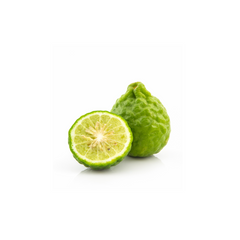
A balanced yuzu accord combines 30–35% yuzu (for tart citrus impact), 20–25% bergamot (to amplify freshness and add green facets), 20–25% hedione (for a floral, airy lift), and 20–25% sandalwood (to provide a creamy, long-lasting base). Each component is chosen for its molecular compatibility: bergamot and yuzu share limonene, hedione bridges the citrus and floral notes, and sandalwood anchors the volatility.

35%

Yuzu

30–35% of blend

Provides the tart, zesty citrus signature through limonene and γ-terpinene, forming the core of the accord.

25%

Bergamot

20–25% of blend

Amplifies freshness and green facets via shared limonene and linalool, extending the citrus effect.

25%

Hedione

20–25% of blend

Adds a transparent, jasmine-like floral lift, increasing diffusion and linking citrus to floral notes.

25%

Sandalwood

20–25% of blend

Provides creamy, long-lasting support, stabilizing volatile citrus molecules and enhancing persistence.

The Olfactory Layers

How Yuzu Evolves on Skin

Yuzu’s olfactory evolution is rapid and dynamic. The top note delivers an immediate, volatile burst of tart citrus, which transitions within 15 minutes to reveal powdery, floral, and green facets. As the heart fades, subtle woody and musky undertones persist, shaped by molecular evaporation rates.

I
Top notes
0–15 min
Zesty Citrus Burst

The opening is dominated by limonene and γ-terpinene, producing a sharp, zesty citrus impact with a terpenic edge. Volatile aldehydes and minor esters contribute to the initial brightness, while a faint bitterness from the rind lingers.

zestyterpenictart
II
Heart notes
20–60 min
Powdery Floral Lift

As top volatiles dissipate, linalool and β-myrcene emerge, lending a powdery, floral, and slightly herbal character. The tartness softens, and a subtle sweetness reminiscent of green mandarin develops, supported by hedione if present.

powderyfloralherbal
III
Base notes
Several hours
Clean Woody Finish

Yuzu’s natural base is fleeting, but in complex compositions, sandalwood, musk, or synthetic fixatives extend its presence. Residual aldehydes and faint woody notes persist, providing a clean, skin-like finish.

cleanwoodymusky
TOP NOTES Zesty Citrus Burst 0–15 minutes HEART NOTES Powdery Floral Lift 20–60 minutes BASE NOTES Clean Woody Finish Several hours
Through the Ages

The Story of Yuzu in Perfumery

Yuzu’s journey in perfumery spans centuries, from ancient East Asian rituals to its modern role in global fragrance. Its rise in Western perfumery is a recent phenomenon, driven by innovation and niche appeal.

Tang Dynasty (618–907)

Yuzu Introduced to Japan and Korea

Yuzu is brought from China to Japan and Korea, where it becomes integral to culinary and bathing traditions. Its aromatic peel is prized for both ritual and practical uses.

20th Century

Yuzu Cultivation Expands in Japan

Kochi Prefecture emerges as Japan’s yuzu heartland, developing advanced cultivation and harvesting techniques. Yuzu’s use in food and aromatherapy grows.

1994

L’Eau d’Issey Pour Homme Launches

Jacques Cavallier’s iconic fragrance introduces yuzu to Western perfumery, establishing it as a modern citrus signature and inspiring a wave of fresh, aquatic scents.

2000s

Niche and Artistic Fragrances Embrace Yuzu

Brands like Parfum d’Empire and J-Scent create yuzu-centric compositions, highlighting its authenticity and versatility. Yuzu becomes a symbol of Japanese minimalism and innovation.

2023

Guerlain Aqua Allegoria Forte Oud Yuzu Released

Delphine Jelk’s composition pairs yuzu with oud, demonstrating the note’s ability to bridge citrus and woody genres in contemporary perfumery.

The Art of Layering

How to Layer Yuzu

Understanding how to layer yuzu is key to optimizing its molecular compatibility. Yuzu’s high volatility and tartness pair best with notes that stabilize or complement its sharpness, such as woods, florals, or green aromatics.

01

Enhance Freshness

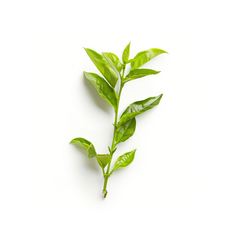
Layer yuzu with bergamot or green tea notes—both share limonene and linalool, creating a seamless, sparkling citrus-green accord. Nishane EGE / ΑΙΓΑΙΟ demonstrates this synergy, amplifying freshness and longevity.

02

Add Depth

Combine yuzu with sandalwood or vetiver. The woody base slows evaporation and provides a creamy, grounding effect. Guerlain Aqua Allegoria Forte Oud Yuzu showcases how woody notes anchor yuzu’s volatility.

03

Soften Tartness

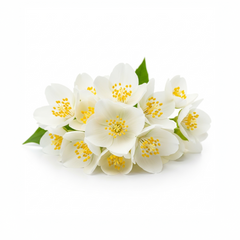
Pair yuzu with floral notes like jasmine or orange blossom. Hedione bridges the citrus and floral molecules, smoothing sharp edges and adding radiance. Versace Bright Crystal uses peony and magnolia for this effect.

Wear It Right

How to Wear Yuzu Like a Pro

Seasonal Guide

Fall & Winter

Cool air suppresses yuzu’s volatility, reducing projection but extending its tart, citrus presence. Apply to pulse points and layer with woody or spicy notes to enhance warmth and longevity.

Spring

Moderate temperatures allow yuzu’s zesty character to shine. Pair with green or floral notes for a fresh, uplifting effect. Apply lightly to avoid overwhelming delicate spring compositions.

Summer

Heat increases molecular diffusion, amplifying yuzu’s brightness but shortening its lifespan. Use sparingly and reapply as needed. Combine with aquatic or herbal notes for a cooling, refreshing effect.

Year-Round Tip

Adjust application based on climate and activity. For maximum longevity, apply to moisturized skin and layer with fixative-rich bases. Yuzu’s versatility makes it suitable for both day and evening wear.

Application Points

Strategic application enhances yuzu’s projection and longevity, leveraging skin temperature and diffusion dynamics.

1

Neck

Pulse points on the neck generate heat, accelerating yuzu’s evaporation and maximizing its initial zesty impact.

2

Behind the Ears

A discreet area where warmth and movement help diffuse yuzu’s top notes, maintaining freshness throughout the day.

3

Inner Wrists

Frequent movement and thin skin promote rapid diffusion, ideal for experiencing yuzu’s evolving scent profile.

4

Hair

Hair fibers trap volatile molecules, providing a sustained release of yuzu’s citrus brightness with every movement.

Pro Tip

Layer yuzu with a fixative-rich base on moisturized skin to extend its presence and prevent rapid dissipation.

Mood Architecture™

Top Yuzu Fragrances by Mood Score

These Yuzu-based fragrances scored highest on the MEI™ Mood Architecture Framework — measuring how a scent may influence your emotional state.

Highest MEI Score
In Leather Man — Etienne Aigner In Leather Man Alternative Cologne
7.19
MEI™
Primary Confident
Secondary Magnetic
Confidence
7.2
Presence
7.8
Mood Lift
7.15
Identity
7.35
Warmth
7.9
Social Ease
6.8
Energy
4.4
" I am powerful.
View full mood profile →
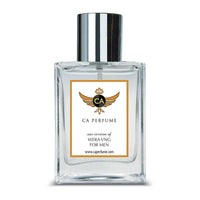
Wera Vng. For Men — Vera Wang For Men Alternative Cologne
7.09
MEI™
Primary Magnetic
Secondary Confident
Confidence
7.24
Presence
9.24
Mood Lift
7.01
Identity
7.71
Warmth
7.38
Social Ease
6.05
Energy
3.7
" I am bold.
View full mood profile →
Opus — Opus 1870 Alternative Cologne
#3
Opus — Opus 1870 Alternative Cologne
Starting from $14.99
7.04
MEI™
Primary Confident
Secondary Romantic
Confidence
7.02
Presence
7.42
Mood Lift
6.99
Identity
7.12
Warmth
8.31
Social Ease
6.48
Energy
3.8
" I am powerful.
View full mood profile →
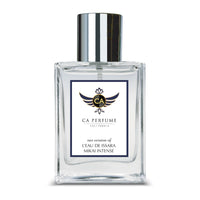
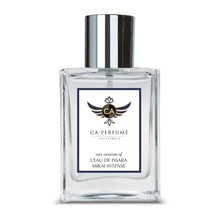
L'eau De Issara Mikai Intense — L'eau D'issey Intense Alternative Cologne
6.78
MEI™
Primary Romantic
Secondary Confident
Confidence
7.52
Presence
7.57
Mood Lift
6.58
Identity
7.74
Warmth
6.91
Social Ease
5.71
Energy
3.3
" I am beautiful.
View full mood profile →
HumanSafe™

Top Yuzu Fragrances by HumanSafe™ Score

These Yuzu-based fragrances have the highest product-level HumanSafe™ scores in this ingredient collection.

Highest HumanSafe™ Score
Wera Vng. For Men — Vera Wang For Men Alternative Cologne
A-
HumanSafe™ Score Generally Safe
Safest Evaluated Ingredients EDP
AQUA Solvent / Carrier ISS 10.0
BENZYL SALICYLATE Evaluated ingredient ISS 9.0
7-OCTEN-2-OL, 2,6-DIMETHYL- Evaluated ingredient ISS 9.0
LINALYL ACETATE Evaluated ingredient ISS 7.0
LINALOOL Evaluated ingredient ISS 7.0
View full safety profile →
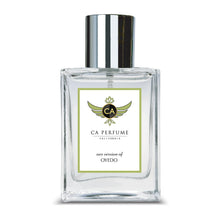
Oyedo — Diptyque Oyedo Alternative Perfume
A-
HumanSafe™ Score Generally Safe
Safest Evaluated Ingredients EDP
AQUA Solvent / Carrier ISS 10.0
CYCLOPENTANONE, 2,2,5-TRIMETHYL-5-PENTYL- Evaluated ingredient ISS 9.0
CYCLOHEXANOL, 5-METHYL-2-(1-METHYLETHYL)-, (1R,2S,5R)- Evaluated ingredient ISS 8.0
CITRAL Evaluated ingredient ISS 8.0
LINALOOL Evaluated ingredient ISS 7.0
ALCOHOL DENAT. Solvent / Carrier ISS 7.0
View full safety profile →
Opus — Opus 1870 Alternative Cologne
#3
Opus — Opus 1870 Alternative Cologne
Starting from $14.99
A-
HumanSafe™ Score Generally Safe
Safest Evaluated Ingredients EDP
AQUA Solvent / Carrier ISS 10.0
AMBROXIDE Evaluated ingredient ISS 9.0
7-OCTEN-2-OL, 2,6-DIMETHYL- Evaluated ingredient ISS 9.0
3-CYCLOPENTENE-1-ACETALDEHYDE, 2,2,3-TRIMETHYL-, Evaluated ingredient ISS 9.0
VETIVEROL Evaluated ingredient ISS 8.0
TRICYCLO[6.3.1.02,5]DODECAN-1-OL, 4,4,8-TRIMETHYL-, Evaluated ingredient ISS 8.0
View full safety profile →
L'eau De Issara Mikai Intense — L'eau D'issey Intense Alternative Cologne
A-
HumanSafe™ Score Generally Safe
Safest Evaluated Ingredients EDP
AQUA Solvent / Carrier ISS 10.0
1,4-DIOXACYCLOHEPTADECANE-5,17-DIONE Evaluated ingredient ISS 10.0
1H-3A,7-METHANOAZULENE, OCTAHYDRO-6-METHOXY- Evaluated ingredient ISS 9.0
2H-1-BENZOPYRAN-2-ONE Evaluated ingredient ISS 8.0
LINALYL ACETATE Evaluated ingredient ISS 7.0
LINALOOL Evaluated ingredient ISS 7.0
View full safety profile →
Expert Voices

What Masters Say About Yuzu

Yuzu’s unique fragrance is beautiful and aromatically complex, combining many familiar citrus tones—lime, mandarin, lemon—with an underlying herbal freshness and spice.
Jill Mulvaney, The Alembics Lab
Yuzu’s aroma is both sweet and bitter, with a fresh citrus start, terpenic facet, and powdery heart notes—a subtle and unique signature.
CA Perfume Editorial
Common Questions

Frequently Asked Questions

Answers to common questions about yuzu’s scent, use, and performance in perfumery.

Yuzu in perfume delivers a sharp, zesty citrus aroma with pronounced tartness, subtle floral undertones, and a green, terpenic nuance. Its scent is often described as a blend of grapefruit, lime, and mandarin, with a powdery, slightly sweet heart. Notable examples include Issey Miyake L’Eau d’Issey Pour Homme and Guerlain Aqua Allegoria Forte Oud Yuzu.

Yuzu is almost exclusively used as a top note due to its high volatility and immediate impact. Its molecular structure, dominated by limonene and γ-terpinene, ensures a bright, energetic opening that transitions quickly to heart and base notes.

Yuzu’s rarity, complex scent profile, and cultural associations with Japan make it a favorite among niche perfumers seeking freshness and authenticity. Its tartness and floral undertones offer versatility in both modern and traditional compositions.

Yuzu fragrance uses often involve pairing with bergamot, green tea, sandalwood, jasmine, and vetiver. These notes share molecular affinities or provide olfactory contrast, enhancing yuzu’s freshness or grounding its volatility.

Yes, yuzu’s high volatility and refreshing tartness make it ideal for summer. Its bright, clean scent cuts through heat and humidity, though reapplication may be needed due to rapid evaporation in warm conditions.

Yuzu’s top note impact is immediate but short-lived, typically lasting 30–60 minutes. In well-constructed formulas, supporting fixatives can extend its presence into the heart for several hours.

Yes, yuzu layers well with green, woody, and floral notes. For optimal results, pair with ingredients that share limonene or linalool, or use a fixative-rich base to stabilize its volatility.

Recommended entry points include Issey Miyake L’Eau d’Issey Pour Homme, Versace Bright Crystal, and J-Scent Yuzu. These fragrances showcase yuzu’s signature tartness in accessible, balanced compositions.

Consider your preferred scent profile—whether you want a pure citrus burst or a more complex blend with florals or woods. CA Perfume’s collection offers yuzu-centric options with full ingredient transparency via the HumanSafe™ platform.

Yuzu is primarily tart and zesty, with a subtle underlying sweetness and powdery floral nuance. Its unique balance of sharpness and complexity distinguishes it from other citrus notes.

Citrus Collection

Explore Our Top Yuzu Fragrances

Discover CA Perfume’s curated selection of yuzu-inspired fragrances, each crafted to highlight the ingredient’s tart, zesty, and complex character.

Shop all yuzu fragrances at CA Perfume →

Where Yuzu Comes From — Origin & Extraction

Yuzu (Citrus junos) is a member of the Rutaceae family, originating from a cross between wild mandarin and Ichang papeda. Its earliest cultivation traces back to the Yangtze River region in China, but it is now most strongly associated with Japan and Korea. In Japan, Kochi Prefecture produces approximately 50% of the nation’s yuzu crop, with annual harvests estimated at 27,000–30,000 metric tons. South Korea’s main production areas include Jeju Island and the southern coastal provinces, while China remains a significant historical source. Yuzu trees are among the hardiest citrus, tolerating temperatures as low as -9°C, and require up to ten years to bear fruit. The fruit itself is small, with a thick, uneven rind, abundant seeds, and limited flesh. For perfumery, the essential oil is extracted primarily from the rind. Unlike most citrus oils, which are cold-expressed, yuzu oil is typically obtained via steam distillation at temperatures below 60°C to preserve delicate terpenes and avoid coumarin formation. Alternative methods include cold expression and, more recently, enzyme-assisted extraction, which can increase yield and maintain aromatic integrity. Natural yuzu oil is rare and costly—prices in Japan can reach $3,000–$5,000 per kg for high-quality oil, reflecting limited supply and labor-intensive harvesting. Synthetic yuzu accords, built from molecules like limonene, citral, and hedione, are more affordable (typically $50–$200 per kg) and provide batch-to-batch consistency. Sustainability concerns focus on the slow maturation of yuzu trees and the limited geographic range, but the use of byproducts from the food industry and the development of synthetic alternatives help mitigate environmental impact.

Famous Fragrances That Define Yuzu in Perfumery

Yuzu’s introduction to Western perfumery was marked by Issey Miyake’s L’Eau d’Issey Pour Homme (1994, Jacques Cavallier), which showcased yuzu as a dominant, sparkling top note, paired with lotus, nutmeg, and sandalwood. This fragrance established yuzu’s reputation for freshness and longevity in modern compositions. In 2000, Kenzo’s L’Eau par Kenzo pour Homme (Olivier Cresp) highlighted yuzu’s green and watery facets, blending it with mint and lotus for a crisp, aquatic effect. Versace Bright Crystal (2006, Alberto Morillas) used yuzu to add a tart, energetic lift to a floral-fruity heart of peony and magnolia. Guerlain Aqua Allegoria Forte Oud Yuzu (2023, Delphine Jelk) demonstrated yuzu’s ability to contrast with deep, smoky oud, creating a dynamic interplay between citrus and wood. J-Scent Yuzu (2017) is a niche example, focusing on the authenticity of Japanese yuzu, supported by bergamot, thyme, and rose. Each of these fragrances leverages yuzu’s unique tartness and floral undertones, often as a bridge or accent note, and CA Perfume’s collection draws inspiration from this lineage, offering yuzu-centric blends that respect both tradition and innovation.

Natural vs Synthetic Yuzu in Perfumery

Natural yuzu oil is a complex mixture dominated by limonene (CAS 138-86-3), γ-terpinene (CAS 99-85-4), and linalool (CAS 78-70-6), with minor contributions from β-myrcene and α-pinene. Its volatility and molecular complexity give it a multifaceted scent but also make it unstable and prone to oxidation. Synthetic yuzu accords are typically constructed from nature-identical limonene, citral (CAS 5392-40-5), and hedione (CAS 24851-98-7), which can mimic the fresh, tart, and floral aspects of the natural oil while offering greater stability and lower cost. Performance-wise, synthetic yuzu accords provide more consistent longevity and projection, as natural yuzu’s top-note volatility means it dissipates quickly. Notable fragrances like Issey Miyake L’Eau d’Issey Pour Homme and Guerlain Aqua Allegoria Forte Oud Yuzu often use a blend of natural and synthetic materials to balance authenticity with performance. Sustainability is a key consideration—natural yuzu oil is limited by slow agricultural cycles and regional production, while synthetics reduce pressure on wild and cultivated resources. The HumanSafe™ platform at CA Perfume ensures full traceability and allergen transparency, whether using natural or synthetic yuzu ingredients.