Ingredient Guide · Floral
Floral Family · Perfumery Note

White Rose

Delicate, pure, and timeless floral essence

White Rose is a heart note in perfumery known for its fresh, floral, and powdery character. It is primarily extracted through steam distillation or solvent extraction, yielding a complex bouquet rich in floral aldehydes and musk.

White Rose
Ingredient Profile

White Rose

Floral Family
Family Floral
Note Position Heart Note
Usage Level 1-3%
Key Origins France, Bulgaria, Italy
Iconic In White Rose, White Rose Natural
The Ingredient

What does White Rose smell like and why is it significant in perfumery?

White Rose, botanically Rosa × alba, offers a fresh, floral scent with subtle powdery and green undertones. Its scent profile is defined by complex aromatic molecules including phenyl ethyl alcohol, geraniol, citronellol, and aldehydes, which contribute to its delicate, dewy sweetness and soft floral character. This note is classified as a heart note in perfumery, typically used at concentrations of 1-3% in fragrance compositions. White Rose interacts with skin chemistry by blending its powdery and fresh facets with the wearer's natural scent, often creating a luminous, velvety aura. In perfumery, White Rose is prized for its ability to impart elegance and softness, often layered with complementary notes such as musk, amber, and iris to enhance its longevity and complexity. It is extracted mainly through steam distillation and solvent extraction, methods that preserve its delicate floral nuances. Notable examples include Floris White Rose (1800), which features green notes, aldehydes, carnation, violet, and musk to create a classic white rose bouquet, and Shiseido White Rose Natural (1954), renowned for its authentic white rose aroma combined with ylang-ylang and musk. These fragrances showcase White Rose's versatility and timeless appeal in perfumery.

1-3%
Typical concentration range of White Rose absolute or essential oil in fragrance formulations, balancing scent impact and safety.
4-6 Hours
Average longevity of White Rose fragrances on skin, depending on concentration and formulation.
2,280
Approximate number of white rose petals required to produce one 32 ml bottle of Shiseido White Rose Natural, reflecting extraction intensity.
Origin & Extraction

Where White Rose Comes From — Origin & Extraction

White Rose cultivation spans several key regions, each imparting unique olfactory nuances due to climate and soil. These origins influence the rose's aromatic profile, from the fresh and refined scents of French Grasse to the warmer, fruitier notes of Bulgarian fields.

White Rose in perfumery primarily derives from Rosa × alba, a hybrid rose species believed to originate from crosses between Rosa gallica and Rosa canina. Cultivated extensively across Europe, especially in France (notably Grasse), Italy (Tuscany), and Bulgaria, Rosa × alba thrives in temperate climates with well-drained soil and ample sunlight. These regions contribute distinct olfactory qualities due to soil composition and climate variations. Extraction methods for White Rose include steam distillation and solvent extraction. Steam distillation involves exposing fresh petals to steam at controlled temperatures (typically below 100°C) to extract essential oils, yielding a concentrated rose otto with a clean floral profile. Solvent extraction uses organic solvents to produce a rose absolute, capturing a richer, more complex scent with powdery and green facets. The yield from Rosa × alba petals is low, often requiring thousands of flowers for a kilogram of absolute, contributing to its high cost. Synthetic alternatives and aroma chemicals are increasingly used due to cost and sustainability concerns. Natural White Rose oils can cost upwards of $3,000–6,000 per kilogram, whereas synthetic molecules such as phenyl ethyl alcohol and geraniol are more affordable. Sustainable cultivation and organic farming practices are growing in the U.S. and Europe, emphasizing purity and environmental responsibility in White Rose production.

FR

France

The Grasse region is renowned for its traditional rose cultivation, producing White Roses with a refined, elegant scent marked by floral aldehydes and powdery nuances. The region holds PDO designations ensuring quality and authenticity, contributing approximately 20% of the global rose absolute market.

BG

Bulgaria

Bulgaria's Rose Valley is famous for Rosa Damascena but also cultivates Rosa × alba, yielding White Roses with a rich, velvety aroma featuring fruity and honeyed undertones. Bulgaria accounts for about 40% of the world's rose oil production, with sustainable farming practices gaining prominence.

IT

Italy

Tuscany's temperate climate and traditional horticulture produce White Roses with a soft yet powerful fragrance, combining floral freshness with subtle green notes. Italian cultivation emphasizes organic methods, contributing to niche perfumery markets.

US

United States

Organic White Rose cultivation in California focuses on purity and sustainability, producing fresh, vibrant blooms with clean floral profiles. Though smaller in volume, US production supports high-end natural perfumery and eco-conscious brands.

Chemistry

Natural vs Synthetic White Rose in Perfumery

Natural White Rose essential oils and absolutes contain hundreds of aromatic compounds, including phenyl ethyl alcohol (CAS 60-12-8), geraniol (CAS 106-24-1), and citronellol (CAS 106-22-9), which provide the authentic floral, fresh, and slightly green scent profile. These natural extracts offer complexity and evolving scent nuances but can vary batch to batch due to environmental factors. Synthetic perfumery uses isolated molecules such as phenyl ethyl alcohol, rose oxide (CAS 431-03-8), beta-damascenone (CAS 23726-93-4), and beta-ionone (CAS 14901-07-6) to recreate or enhance the White Rose scent. Synthetics provide greater consistency, longer longevity, and cost efficiency, with prices often an order of magnitude lower than natural oils. Famous fragrances like Floris White Rose use natural extracts, while modern compositions may blend natural and synthetic elements for balance. Synthetic molecules also allow perfumers to tailor the rose note's character—making it greener, fruitier, or more powdery. The HumanSafe™ platform ensures transparency and safety in ingredient sourcing, with CA Perfume favoring blends that optimize both natural authenticity and synthetic stability for consumer safety and environmental sustainability.

Natural
White Rose Absolute
Cost $3,000–6,000/kg
Method Solvent / CO₂
Character Complex, variable
vs
Synthetic
Safranal & Analogues
Cost $50–200/kg
Method Lab synthesis
Character Consistent, stable
Hall of Fame

Famous Fragrances That Define White Rose in Perfumery

1800
heart note

White Rose

Floris
Green NotesAldehydesCarnationVioletIrisJasminePowdery NotesMuskAmber
1954
dominant note

White Rose Natural

Shiseido
Ylang-YlangMusk
2024
dominant note

White Rose

Majouri
by Cyrill Rolland
MuskVioletLemonTuberose
—
heart note

Pure DKNY A Drop Of Rose

Donna Karan
CitrusMusk
—
accent

Peony & Blush Suede

Jo Malone
PeonyRed AppleSuede

White Rose has been a defining floral note in perfumery for centuries, with landmark fragrances showcasing its elegance and versatility. Floris White Rose (1800), crafted by the historic British house Floris, features White Rose as a heart note surrounded by green aldehydes, violet, iris, and musk, creating a timeless bouquet that remains relevant today. Shiseido White Rose Natural (1954), by Japanese perfumers, is celebrated for its authentic white rose aroma combined with ylang-ylang and musk, embodying a delicate and refined floral character cherished in Asian markets. Majouri White Rose (2024), by perfumer Cyrill Rolland, explores the subtler side of rose with musk, violet, lemon, and tuberose, highlighting the white rose's softer tonalities. Other notable mentions include Donna Karan Pure DKNY A Drop Of Rose, Maison Violet CYCLE 001, and Jo Malone Peony & Blush Suede, where White Rose functions as an accent or heart note, paired with citrus, musk, or powdery accords. CA Perfume's collection honors this lineage by offering fragrances that balance White Rose's purity with modern compositional techniques.

The Accord

How is a captivating White Rose accord crafted?

A White Rose accord typically blends White Rose absolute or essential oil (30-35%) with complementary florals and softening notes to enhance its delicate character. Jasmine (20-25%) adds intoxicating sweetness and depth, while Benzoin (15-20%) contributes a warm, balsamic sweetness that balances the floral brightness. Neroli (15-20%) introduces a sparkling citrus freshness that lifts the accord, creating a harmonious and elegant bouquet. This blend totals approximately 90-100%, designed to preserve the white rose's purity while adding complexity and longevity.

35%

White Rose Absolute

30–35% of blend

Provides the core floral and powdery facets of the accord with complex aromatic molecules like phenyl ethyl alcohol and geraniol.

25%

Jasmine Absolute

20–25% of blend

Adds rich, sweet floral notes that complement and deepen the white rose's softness through shared indole compounds.

20%

Benzoin Resin

15–20% of blend

Contributes warm, sweet balsamic undertones that enhance the white rose's powdery sweetness and fix the accord.

20%

Neroli Oil

15–20% of blend

Introduces a bright, citrusy freshness that lifts the accord and balances the floral richness with sparkling aldehydes.

The Olfactory Layers

How White Rose Evolves on Skin

The White Rose fragrance pyramid reveals a delicate olfactory evolution from fresh, green aldehydic top notes to a soft, floral heart rich in phenyl ethyl alcohol and geraniol, culminating in a powdery, musky base that enhances longevity and warmth over several hours.

I
Top notes
0–15 min
Fresh and Aldehydic

The opening features bright green notes and aldehydes, which are high-volatility compounds that evaporate quickly, imparting a fresh, dewy impression reminiscent of morning rose petals. These molecules create an initial crispness that invites the floral heart.

FreshAldehydicGreen
II
Heart notes
20–60 min
Soft Floral Bouquet

The heart unfolds with the core White Rose accord, dominated by phenyl ethyl alcohol, geraniol, and citronellol. These molecules provide a soft, sweet floral character with subtle powdery and green undertones, creating a romantic and luminous bouquet.

FloralPowderyRomantic
III
Base notes
Several hours
Warm and Velvety

The base reveals musky and amber notes that anchor the fragrance, composed of low-volatility molecules that evaporate slowly. These provide warmth, depth, and a velvety finish, extending the scent's presence on skin for hours.

MuskyWarmVelvety
TOP NOTES Fresh and Aldehydic 0–15 minutes HEART NOTES Soft Floral Bouquet 20–60 minutes BASE NOTES Warm and Velvety Several hours
Through the Ages

The Story of White Rose in Perfumery

White Rose has a rich history in perfumery, from its early cultivation in medieval Europe to its modern use in iconic fragrances, reflecting evolving extraction techniques and cultural significance.

15th Century

Cultivation of Rosa × alba begins in Europe

Rosa × alba, the White Rose hybrid, was cultivated in Mediterranean Europe, valued for its beauty and fragrance, influencing garden aesthetics and early perfumery.

1800

Launch of Floris White Rose

Floris, the historic British perfume house, introduced White Rose, one of the earliest perfumes featuring white rose as a central note, establishing its classic floral profile.

1936

Introduction of Shiseido White Rose

Japanese house Shiseido launched White Rose, emphasizing authentic white rose aroma with ylang-ylang and musk, reflecting Eastern appreciation for delicate florals.

1954

Re-release of Shiseido White Rose Natural

Shiseido reissued White Rose Natural, enhancing its formula with modern extraction techniques, solidifying its status as a platinum standard in white rose fragrances.

2024

Majouri White Rose by Cyrill Rolland

Majouri released White Rose, a contemporary interpretation highlighting the subtler, musky, and lemon facets of white rose, expanding its modern perfumery applications.

The Art of Layering

How to Layer White Rose

Understanding how to layer White Rose involves combining it with notes that share molecular compatibility or provide olfactory masking to enhance or soften its facets. This technique allows customization of the rose's character to suit personal preferences.

01

Enhance Sweetness

Layer White Rose with vanilla, whose vanillin molecule masks the rose's metallic edges and softens its floral sharpness. This combination is exemplified in fragrances like Kayali Fleur Majesty Rose Royale, where vanilla rounds the rose's brightness.

02

Add Depth

Pair White Rose with woody notes such as sandalwood, which shares lactone compounds that blend seamlessly with the rose's powdery facets. This creates a warm, velvety base as seen in Floris White Rose.

03

Lighten the Glow

Combine White Rose with citrus notes like neroli or bergamot, whose aldehydes complement the rose's fresh top notes, adding sparkle and lift. This layering technique is used in Majouri White Rose to balance floral softness with brightness.

Wear It Right

How to Wear White Rose Like a Pro

Seasonal Guide

Fall & Winter

Cooler temperatures slow molecular diffusion, highlighting White Rose's musky and amber base notes. Apply more generously or layer with warm woods to enhance sillage and longevity during colder months.

Spring

Mild weather accentuates the fresh floral heart of White Rose, making it ideal for moderate application. Layer with light citrus or green notes to complement the season's vibrancy.

Summer

Heat increases volatility, emphasizing top aldehydic and green notes. Use lighter concentrations or apply sparingly to avoid overwhelming freshness. Layer with aquatic or citrus notes for cooling effect.

Year-Round Tip

Adjust application based on temperature and humidity. Layer White Rose with complementary notes like musk or vanilla to maintain balance and enhance longevity regardless of season.

Application Points

Strategic application enhances White Rose's olfactory impact by leveraging pulse points and hair for optimal diffusion and longevity.

1

Neck

Pulse points at the neck generate warmth that activates White Rose's floral heart, enhancing projection and scent evolution.

2

Behind the Ears

Applying behind the ears allows the fragrance to mingle with natural skin oils, releasing subtle floral nuances throughout the day.

3

Inner Wrists

The inner wrists provide warmth and frequent movement, intensifying the rose's powdery and musky facets for a dynamic scent experience.

4

Hair

Hair holds fragrance molecules well, offering a soft, lingering trail of White Rose that diffuses gently with movement.

★

Pro Tip

Layer White Rose with unscented moisturizer to enhance longevity and prevent rapid evaporation, especially in dry climates.

Mood Architecture™

Top White Rose Fragrances by Mood Score

These White Rose-based fragrances scored highest on the MEI™ Mood Architecture Framework — measuring how a scent may influence your emotional state.

Highest MEI Score
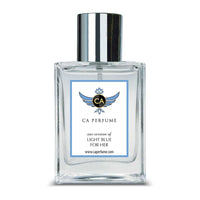
Light Blue For Her — Light Blue Alternative Perfume
6.7
MEI™
Primary Fresh
Secondary Romantic
Confidence
6.27
Presence
6.52
Mood Lift
7.48
Identity
6.4
Warmth
6.88
Social Ease
6.9
Energy
3.28
" I am radiant.
View full mood profile →
HumanSafe™

Top White Rose Fragrances by HumanSafe™ Score

These White Rose-based fragrances have the highest product-level HumanSafe™ scores in this ingredient collection.

Highest HumanSafe™ Score
Light Blue For Her — Light Blue Alternative Perfume
A-
HumanSafe™ Score Generally Safe
Safest Evaluated Ingredients EDP
AQUA Solvent / Carrier ISS 10.0
2,6-OCTADIEN-1-OL, 3,7-DIMETHYL-, ACETATE, (Z)- Evaluated ingredient ISS 9.0
CITRAL Evaluated ingredient ISS 8.0
CEDROL Evaluated ingredient ISS 7.0
AMBREIN Evaluated ingredient ISS 7.0
ALPHA-CEDRENE Evaluated ingredient ISS 7.0
View full safety profile →
Expert Voices

What Masters Say About White Rose

“
A little bitter at first, it soon becomes a delicate aroma of roses – white roses in the wet morning fog. One can smell rose essential oil and rose absolute, geranium and musk quite clearly – but the smell is so gentle, like a young girl in a white bridal dress on a city street.
Tomoo Inaba, Japanese perfumer and fragrance blogger
“
White Rose is prized for its ability to add a delicate floral depth that enhances the natural and sophisticated appeal of fragrances, evoking a sense of timeless beauty and gentle allure.
CA Perfume Editorial
Common Questions

Frequently Asked Questions

Frequently asked questions about White Rose in perfumery, covering scent, usage, and pairing.

White Rose in perfume smells fresh, floral, and powdery with subtle green and aldehydic undertones. It is characterized by molecules such as phenyl ethyl alcohol and geraniol, which provide a soft, dewy sweetness. Notable perfumes like Floris White Rose and Shiseido White Rose Natural exemplify this scent profile, offering a delicate yet complex floral bouquet.

White Rose is primarily used as a heart note in fragrances. It unfolds after the evaporation of top notes, revealing its soft floral character. Its powdery and musky facets often linger into the base, but the rose itself is centered in the mid-stage of the fragrance pyramid.

White Rose is favored in niche perfumery for its elegant, fresh, and powdery scent that conveys purity and sophistication. Its complex molecular composition allows perfumers to craft nuanced floral accords that evolve beautifully on skin, making it a versatile and timeless ingredient.

White Rose fragrance uses commonly pair with musk, jasmine, neroli, benzoin, iris, vanilla, and sandalwood. These notes complement its floral and powdery facets, enhancing depth, longevity, and freshness in compositions.

Yes, White Rose perfumes are suitable for summer due to their fresh and aldehydic top notes that provide a cooling effect. However, lighter concentrations or Eau de Toilettes are recommended in hot weather to avoid overwhelming the senses.

White Rose fragrances typically last between 4 to 6 hours on skin, depending on concentration and formulation. Parfum and Eau de Parfum concentrations offer longer longevity, while Eau de Toilette versions are lighter and shorter-lasting.

Yes, layering White Rose with complementary notes like vanilla, sandalwood, or citrus can enhance its character. Understanding how to layer White Rose allows customization of its floral, powdery, or fresh facets to suit personal preferences.

For beginners, Floris White Rose and Shiseido White Rose Natural are excellent introductions, offering classic and authentic white rose scents. These perfumes balance freshness and softness, making them approachable and versatile.

Choosing the right White Rose fragrance involves considering concentration, complementary notes, and personal scent preferences. CA Perfume offers a curated selection verified through the HumanSafe™ platform, ensuring quality, safety, and authenticity.

White Rose generally smells fresh and floral with subtle powdery sweetness rather than spicy. Its scent profile emphasizes dewy, tender floral notes with occasional green or citrus nuances, rarely exhibiting spicy characteristics.

Floral Collection

Explore Our Top White Rose Fragrances

Discover classic and contemporary White Rose perfumes that showcase the note's fresh, floral elegance and timeless appeal.

Shop all white rose fragrances at CA Perfume →

Where White Rose Comes From — Origin & Extraction

White Rose in perfumery primarily derives from Rosa × alba, a hybrid rose species believed to originate from crosses between Rosa gallica and Rosa canina. Cultivated extensively across Europe, especially in France (notably Grasse), Italy (Tuscany), and Bulgaria, Rosa × alba thrives in temperate climates with well-drained soil and ample sunlight. These regions contribute distinct olfactory qualities due to soil composition and climate variations. Extraction methods for White Rose include steam distillation and solvent extraction. Steam distillation involves exposing fresh petals to steam at controlled temperatures (typically below 100°C) to extract essential oils, yielding a concentrated rose otto with a clean floral profile. Solvent extraction uses organic solvents to produce a rose absolute, capturing a richer, more complex scent with powdery and green facets. The yield from Rosa × alba petals is low, often requiring thousands of flowers for a kilogram of absolute, contributing to its high cost. Synthetic alternatives and aroma chemicals are increasingly used due to cost and sustainability concerns. Natural White Rose oils can cost upwards of $3,000–6,000 per kilogram, whereas synthetic molecules such as phenyl ethyl alcohol and geraniol are more affordable. Sustainable cultivation and organic farming practices are growing in the U.S. and Europe, emphasizing purity and environmental responsibility in White Rose production.

Famous Fragrances That Define White Rose in Perfumery

White Rose has been a defining floral note in perfumery for centuries, with landmark fragrances showcasing its elegance and versatility. Floris White Rose (1800), crafted by the historic British house Floris, features White Rose as a heart note surrounded by green aldehydes, violet, iris, and musk, creating a timeless bouquet that remains relevant today. Shiseido White Rose Natural (1954), by Japanese perfumers, is celebrated for its authentic white rose aroma combined with ylang-ylang and musk, embodying a delicate and refined floral character cherished in Asian markets. Majouri White Rose (2024), by perfumer Cyrill Rolland, explores the subtler side of rose with musk, violet, lemon, and tuberose, highlighting the white rose's softer tonalities. Other notable mentions include Donna Karan Pure DKNY A Drop Of Rose, Maison Violet CYCLE 001, and Jo Malone Peony & Blush Suede, where White Rose functions as an accent or heart note, paired with citrus, musk, or powdery accords. CA Perfume's collection honors this lineage by offering fragrances that balance White Rose's purity with modern compositional techniques.

Natural vs Synthetic White Rose in Perfumery

Natural White Rose essential oils and absolutes contain hundreds of aromatic compounds, including phenyl ethyl alcohol (CAS 60-12-8), geraniol (CAS 106-24-1), and citronellol (CAS 106-22-9), which provide the authentic floral, fresh, and slightly green scent profile. These natural extracts offer complexity and evolving scent nuances but can vary batch to batch due to environmental factors. Synthetic perfumery uses isolated molecules such as phenyl ethyl alcohol, rose oxide (CAS 431-03-8), beta-damascenone (CAS 23726-93-4), and beta-ionone (CAS 14901-07-6) to recreate or enhance the White Rose scent. Synthetics provide greater consistency, longer longevity, and cost efficiency, with prices often an order of magnitude lower than natural oils. Famous fragrances like Floris White Rose use natural extracts, while modern compositions may blend natural and synthetic elements for balance. Synthetic molecules also allow perfumers to tailor the rose note's character—making it greener, fruitier, or more powdery. The HumanSafe™ platform ensures transparency and safety in ingredient sourcing, with CA Perfume favoring blends that optimize both natural authenticity and synthetic stability for consumer safety and environmental sustainability.