Ingredient Guide · Spicy Woody
Spicy Woody Family · Perfumery Note

White Pepper

A nuanced spice, bridging freshness and warmth in modern perfumery.

White pepper is a heart note in perfumery, prized for its warm, resinous, and subtly spicy character. Its defining aroma comes from a complex mix of terpenes and alkaloids, with typical use at 0.2–1% of a fragrance composition.

White Pepper
Ingredient Profile

White Pepper

Spicy Woody Family
Family Spicy Woody
Note Position Heart Note
Usage Level 0.2–1% in formula
Key Origins Vietnam, Indonesia, India
Iconic In Burberry Touch for Men, White Pepper Mandarin
The Ingredient

What does White Pepper smell like and why is it prized in perfumery?

White pepper (Piper nigrum) in perfumery is characterized by a warm, resinous, and subtly spicy scent profile. Its olfactory signature is shaped by a blend of volatile terpenes—limonene, 3-carene, sabinene, β-pinene, and α-pinene—as well as minor alkaloids and fatty acids. The initial impression is bright and camphoraceous, with nuances reminiscent of sage, cedar, and black tea. Secondary notes reveal nutmeg, grapefruit zest, thyme, and a faint animalic undertone from compounds like skatole and cresols. This complexity distinguishes white pepper from black pepper, which is sharper and more pungent due to a higher piperine content. In perfumery, white pepper is typically classified as a heart note, though it can bridge top and base notes depending on concentration and composition. Its volatility is moderate, allowing it to persist for 1–3 hours on skin, especially when anchored by woody or resinous base notes. White pepper is used at concentrations ranging from 0.2% to 1% in finished formulas. Its interaction with skin chemistry is notable: on warmer, more acidic skin, the spicy facets are amplified, while on drier or more alkaline skin, the woody and citrusy aspects become more pronounced. This adaptability makes it a valuable tool for perfumers seeking to add warmth and subtle tension without overwhelming a composition. White pepper in perfumery is exemplified in several contemporary and classic fragrances. In Note Fragrances’ White Pepper Mandarin (2013, perfumer Danielle Fleming), it forms the aromatic heart, paired with citrus and herbal notes. Carolina Herrera’s Bad Boy (2019) uses white pepper as a dynamic accent to bridge bergamot and tonka bean. Burberry Touch for Men (2000, Jean-Pierre Bethouart) employs white pepper to add a crisp, spicy lift to a woody-musk base. These examples highlight white pepper’s versatility and its growing significance in modern fragrance design.

0.2–1% in formula
Typical concentration of white pepper oil in fine fragrance. Higher levels risk overpowering the blend due to its sharp, spicy facets.
2–3.6% extraction yield
Steam distillation of sun-dried white peppercorns yields 2–3.6% essential oil by weight, with composition varying by origin and processing.
1–3 hours persistence
White pepper’s heart note typically lasts 1–3 hours on skin, depending on concentration, fixatives, and individual skin chemistry.
Origin & Extraction

Where White Pepper Comes From — Origin & Extraction

White pepper’s scent is shaped by its geographic origin. Soil composition, rainfall, and processing methods in Vietnam, Indonesia, and India yield distinct aromatic profiles—Vietnamese pepper is robust and spicy, Indonesian is subtly sweet, and Indian is earthy and smooth.

White pepper is derived from the fully ripe berries of Piper nigrum L., a perennial climbing vine native to the Malabar Coast of India and now widely cultivated in tropical regions. The primary producing countries are Vietnam (accounting for over 35% of global production, with annual yields exceeding 80,000 metric tons), Indonesia, and India (notably the Malabar and Tellicherry regions). The unique processing of white pepper involves soaking ripe pepper berries in water for 7–10 days to remove the pericarp, followed by sun-drying. This method yields a milder, less pungent spice compared to black pepper, as much of the piperine-rich outer layer is lost. For perfumery, essential oil is extracted from sun-dried white peppercorns via steam distillation or, for higher olfactory fidelity, supercritical CO2 extraction. Steam distillation is typically conducted at 120–130°C for 1.5–2 hours, yielding 2–3.6% essential oil by weight. The resulting oil contains limonene (up to 27%), 3-carene (23%), sabinene (18%), β-pinene (10%), α-pinene (5%), and α-phellandrene (5%), among other constituents. Supercritical CO2 extraction, performed at 40–60°C and 100–300 bar, preserves more delicate volatile compounds and produces a truer-to-nature aroma profile, though at a higher cost. Natural white pepper oil can cost $400–800 per kg, depending on origin and extraction method, while synthetic aroma chemicals used to replicate its facets (such as limonene, β-pinene, and synthetic piperonal) are available for $30–100 per kg. Sustainability concerns include the high water usage in traditional processing and the environmental impact of monoculture farming. However, white pepper cultivation is less resource-intensive than some other spice crops, and CO2 extraction is considered a greener technology due to reduced solvent waste.

VN

Vietnam

Phu Quoc Island produces white pepper with a vibrant, spicy profile due to rich volcanic soils and high humidity. Vietnam leads global production, exceeding 80,000 metric tons annually. Traditional water-soaking and sun-drying methods are used.

ID

Indonesia

Bangka Island’s white pepper is known for its balanced, subtly sweet aroma, influenced by sandy soils and moderate rainfall. Indonesia supplies about 15% of the world market, with hand-harvesting and extended fermentation for flavor development.

IN

India

The Malabar Coast yields white pepper with earthy, smooth notes, reflecting laterite soils and monsoon climate. India’s production is smaller (~6% global share) but highly valued for quality. Malabar and Tellicherry peppers are PDO-protected.

Chemistry

Natural vs Synthetic White Pepper in Perfumery

Natural white pepper oil is prized for its nuanced, multi-layered scent, but its composition varies by harvest and origin. Key aroma molecules include limonene (CAS 138-86-3), 3-carene (CAS 13466-78-9), and sabinene (CAS 3387-41-5). Synthetic versions typically use isolated or synthesized terpenes—limonene and β-pinene (CAS 127-91-3)—to recreate the bright, spicy facets, often supplemented by synthetic piperonal (CAS 120-57-0) for added warmth. Synthetic white pepper notes offer greater consistency, stability, and cost efficiency, with prices as low as $30–100/kg compared to $400–800/kg for natural oil. Performance-wise, synthetic white pepper accords tend to have longer-lasting top notes and improved stability in finished fragrances, especially in high-temperature or light-exposed environments. Notable fragrances using synthetic pepper notes include Carolina Herrera Bad Boy (2019) and Calvin Klein CK One (1994). In contrast, niche brands and artisan perfumers may favor natural CO2 extracts for their complexity, as seen in Note Fragrances White Pepper Mandarin (2013). Sustainability and transparency are increasingly important: synthetic production reduces pressure on agricultural land and water resources, while the HumanSafe™ platform enables traceability and allergen screening for both natural and synthetic white pepper ingredients. CA Perfume’s approach prioritizes HumanSafe™ verified sourcing, ensuring both safety and environmental responsibility.

Natural
White Pepper Absolute
Cost $3,000–6,000/kg
Method Solvent / CO₂
Character Complex, variable
vs
Synthetic
Safranal & Analogues
Cost $50–200/kg
Method Lab synthesis
Character Consistent, stable
Hall of Fame

Famous Fragrances That Define White Pepper in Perfumery

2000
heart note

Burberry Touch for Men

Burberry
by Jean-Pierre Bethouart
violet leafnutmegwhite musk
2013
dominant note

White Pepper Mandarin

Note Fragrances
by Danielle Fleming
mandarin orangewhite grapefruitlemon verbenaclary sage
2019
accent

Bad Boy

Carolina Herrera
by Quentin Bisch, Louise Turner
bergamottonka beancacaocedarwood
2025
supporting note

Soleil Neige

Tom Ford
creamy floralsaquatic notessandalwood
2008
dominant note

Lalique White

Lalique
by Christine Nagel
lemon leaftamarindambermusk

White pepper has become a signature note in several landmark fragrances, often serving as a bridge between citrus, floral, and woody elements. Notable examples include: 1. Burberry Touch for Men (2000, Jean-Pierre Bethouart): White pepper is used as a crisp, spicy heart note, paired with violet leaf and nutmeg to create a fresh yet warm masculine signature. 2. Note Fragrances White Pepper Mandarin (2013, Danielle Fleming): Here, white pepper forms the aromatic core, balanced by citrus top notes and herbal accents, demonstrating its versatility in unisex compositions. 3. Carolina Herrera Bad Boy (2019, Quentin Bisch and Louise Turner): White pepper acts as a dynamic accent, bridging bergamot and tonka bean, and adding a modern spicy edge. 4. Tom Ford Soleil Neige (2025): White pepper is employed as a subtle, creamy spice, enhancing the fresh, aquatic, and woody facets of the fragrance. 5. Lalique White (2008, Christine Nagel): White pepper is the dominant note, providing a clean, piquant signature that is softened by lemon leaf and tamarind. White pepper is also featured in niche and artisanal releases, such as L’Artisan Parfumeur Poivre Piquant (2002, Bertrand Duchaufour), where it is paired with honey and licorice for a lactonic, gourmand twist. CA Perfume’s collection draws inspiration from these classics, offering white pepper-centered fragrances that explore its full aromatic range.

The Accord

How is a captivating White Pepper accord crafted?

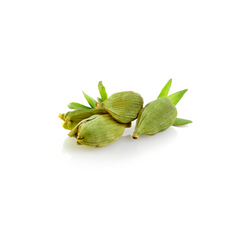
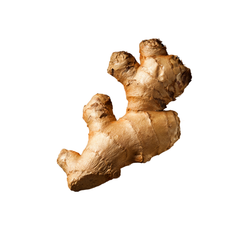
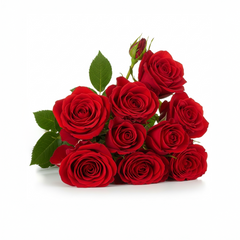
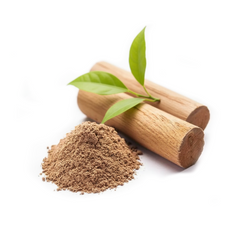
A white pepper accord is constructed by blending its spicy, resinous core (25–30%) with complementary notes: cardamom (20–25%) for additional warmth and green freshness, ginger (20–25%) for zesty brightness, and rose (25–30%) to soften and round the spice. Cardamom’s 1,8-cineole and α-terpinyl acetate amplify white pepper’s terpenic facets, while gingerol in ginger sharpens the spicy edge. Rose’s damascenone bridges the spice and floral elements, creating a seamless, multidimensional accord.

30%

White Pepper

25–30% of blend

Provides the spicy, resinous core, driven by limonene, sabinene, and minor alkaloids. Sets the aromatic direction of the accord.

25%

Cardamom

20–25% of blend

Adds warmth and green freshness via 1,8-cineole and α-terpinyl acetate, enhancing the complexity of the spice profile.

25%

Ginger

20–25% of blend

Contributes zesty, sharp brightness through gingerol and shogaol, intensifying the top notes and supporting the pepper’s lift.

30%

Rose

25–30% of blend

Damascenone and β-damascenone in rose create a molecular bridge to white pepper’s terpenes, rounding the accord and softening the spice.

The Olfactory Layers

How White Pepper Evolves on Skin

White pepper’s olfactory evolution begins with a bright, spicy opening, transitions to a warm, resinous heart, and settles into a soft, woody base. Volatile terpenes dominate early, while heavier sesquiterpenes and fatty acids persist in the drydown.

I
Top notes
0–15 min
Zesty Spice Burst

The initial impression is a burst of camphoraceous spice, led by limonene, 3-carene, and sabinene. These high-volatility terpenes evaporate quickly, delivering a bright, zesty freshness with subtle citrus and herbal nuances.

BrightSpicyZesty
II
Heart notes
20–60 min
Warm Resinous Core

As the top notes dissipate, the heart reveals a warm, resinous character. β-pinene and α-pinene, along with minor alkaloids, provide a dry, woody-spicy warmth. This stage is where white pepper’s signature complexity emerges, lasting 1–3 hours.

WarmResinousWoody
III
Base notes
Several hours
Soft Woody Drydown

In the base, heavier sesquiterpenes and fatty acids linger, imparting a soft, slightly animalic undertone. The drydown is subtle, with faint hints of cedar, musk, and a touch of earthiness, ensuring a gentle, persistent finish.

SoftEarthyPersistent
TOP NOTES Zesty Spice Burst 0–15 minutes HEART NOTES Warm Resinous Core 20–60 minutes BASE NOTES Soft Woody Drydown Several hours
Through the Ages

The Story of White Pepper in Perfumery

White pepper’s history in perfumery spans ancient spice trade routes to modern niche fragrance design, reflecting evolving extraction methods and olfactory trends.

Antiquity

Pepper as a Luxury Commodity

Pepper, including white pepper, is traded along the Silk Road and valued as highly as gold in ancient Rome and Greece. Its use in incense and early perfumed oils is documented in Indian and Middle Eastern texts.

17th–18th Century

European Perfume Houses Adopt Spices

European perfumers incorporate pepper extracts into colognes and apothecary blends. The Dutch and Portuguese spice trade brings white pepper to Grasse, France, influencing early eau de cologne formulas.

1950s–1970s

Modern Extraction Techniques

Steam distillation and solvent extraction enable the isolation of white pepper essential oil for use in fine fragrance. Perfumers begin to explore its subtler, less pungent profile compared to black pepper.

2000

White Pepper in Mainstream Masculine Fragrances

Burberry Touch for Men (2000) showcases white pepper as a heart note, setting a trend for its use in contemporary men’s and unisex scents.

2013–2025

Niche and Artisanal Exploration

Artisan perfumers and niche brands, such as Note Fragrances and Tom Ford, feature white pepper in innovative compositions, often using CO2 extracts for greater olfactory fidelity.

The Art of Layering

How to Layer White Pepper

Understanding how to layer white pepper is key to creating multidimensional scent experiences. Molecular compatibility with florals, woods, and citrus notes enables seamless blending and olfactory masking.

01

Enhance Freshness

Layer white pepper with citrus notes such as bergamot or grapefruit. Shared terpenes (limonene, β-pinene) create a molecular bridge, amplifying the zesty, effervescent facets. Fragrances like Burberry Touch for Men and Tom Ford Soleil Neige demonstrate this synergy.

02

Add Warmth

Combine white pepper with woody or amber notes. The interaction between pepper’s sesquiterpenes and the vanillin or labdanum in amber creates olfactory masking, smoothing the spice and extending the drydown. Carolina Herrera Bad Boy exemplifies this pairing.

03

Soften with Florals

Layer with rose or jasmine to round the spice. Damascenone in rose and indole in jasmine interact with white pepper’s terpenes, producing a balanced, multidimensional accord. Note Fragrances White Pepper Mandarin uses this technique for a unisex effect.

Wear It Right

How to Wear White Pepper Like a Pro

Seasonal Guide

Fall & Winter

Cooler temperatures suppress volatility, allowing white pepper’s warm, resinous heart to linger. Apply to pulse points under clothing for a subtle, enveloping effect. Layer with woods or amber for added depth.

Spring

Moderate warmth enhances the spicy-citrus top notes. White pepper pairs well with green or floral accords, creating a fresh, invigorating signature. Apply lightly to avoid overwhelming delicate spring scents.

Summer

Heat increases volatility, amplifying the zesty, camphoraceous facets but reducing longevity. Use sparingly on exposed skin and consider layering with citrus or aquatic notes for a refreshing effect.

Year-Round Tip

Adjust application based on climate and desired projection. In humid conditions, white pepper’s scent diffuses more rapidly—reapply as needed or use oil-based formulas for sustained wear.

Application Points

Strategic application maximizes white pepper’s nuanced evolution and projection. Pulse points and hair offer different diffusion profiles.

1

Neck

Body heat at the neck accelerates evaporation of top notes, highlighting white pepper’s spicy brightness in the first 15 minutes.

2

Behind the Ears

A discreet spot where warmth and skin oils help anchor the heart notes, prolonging the resinous, woody facets.

3

Inner Wrists

Frequent movement and thin skin enhance diffusion, making the spicy core more noticeable. Avoid rubbing to preserve molecular integrity.

4

Hair

Hair fibers trap volatile terpenes, releasing the scent gradually and extending the fresh, spicy impression throughout the day.

Pro Tip

Layer white pepper fragrances with unscented moisturizer to slow evaporation and boost longevity, especially in dry climates.

Mood Architecture™

Top White Pepper Fragrances by Mood Score

These White Pepper-based fragrances scored highest on the MEI™ Mood Architecture Framework — measuring how a scent may influence your emotional state.

Highest MEI Score
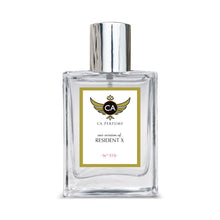
Resident X — Citizen X Alternative Perfume
7.86
MEI™
Primary Romantic
Secondary Confident
Confidence
8.04
Presence
8.24
Mood Lift
8.01
Identity
8.56
Warmth
8.29
Social Ease
7.41
Energy
3.4
" I am beautiful.
View full mood profile →
Aphrodisiaque — Agent Provecateur Aphrodisiaque Alternative Perfume
7.3
MEI™
Primary Romantic
Secondary Confident
Confidence
6.53
Presence
6.89
Mood Lift
8.05
Identity
7.02
Warmth
8.86
Social Ease
7.31
Energy
3.0
" I am beautiful.
View full mood profile →
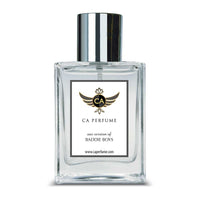
Baddie Boys — Carolina Herrera Bad Boy Alternative Cologne
7.2
MEI™
Primary Fresh
Secondary Romantic
Confidence
6.54
Presence
6.32
Mood Lift
8.35
Identity
6.64
Warmth
7.98
Social Ease
7.37
Energy
3.4
" I am radiant.
View full mood profile →
L'homme Cologne — L Cologne Alternative Cologne
6.91
MEI™
Primary Romantic
Secondary Confident
Confidence
6.47
Presence
6.55
Mood Lift
7.76
Identity
6.1
Warmth
7.78
Social Ease
6.56
Energy
4.9
" I am beautiful.
View full mood profile →
HumanSafe™

Top White Pepper Fragrances by HumanSafe™ Score

These White Pepper-based fragrances have the highest product-level HumanSafe™ scores in this ingredient collection.

Highest HumanSafe™ Score
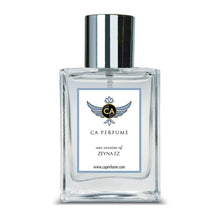
Zeyna Ez — Zegna Z Alternative Cologne
A-
HumanSafe™ Score Generally Safe
Safest Evaluated Ingredients EDP
AQUA Solvent / Carrier ISS 10.0
1,4-DIOXACYCLOHEPTADECANE-5,17-DIONE Evaluated ingredient ISS 10.0
7-OCTEN-2-OL, 2,6-DIMETHYL- Evaluated ingredient ISS 9.0
1H-3A,7-METHANOAZULENE, OCTAHYDRO-6-METHOXY-3,6,8,8- Evaluated ingredient ISS 9.0
3-BUTEN-2-ONE, 3-METHYL-4-(2,6,6-TRIMETHYL-2- Evaluated ingredient ISS 8.0
LINALYL ACETATE Evaluated ingredient ISS 7.0
View full safety profile →
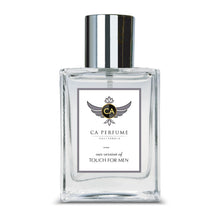
Touch For Men — Touch Alternative Cologne
A-
HumanSafe™ Score Generally Safe
Safest Evaluated Ingredients EDP
AQUA Solvent / Carrier ISS 10.0
1,4-DIOXACYCLOHEPTADECANE-5,17-DIONE Evaluated ingredient ISS 10.0
7-OCTEN-2-OL, 2,6-DIMETHYL- CAT. 3 Evaluated ingredient ISS 9.0
3-BUTEN-2-ONE, 3-METHYL-4-(2,6,6-TRIMETHYL-2- Evaluated ingredient ISS 8.0
2H-1-BENZOPYRAN-2-ONE Evaluated ingredient ISS 8.0
LINALYL ACETATE Evaluated ingredient ISS 7.0
View full safety profile →
Resident X — Citizen X Alternative Perfume
A-
HumanSafe™ Score Generally Safe
Safest Evaluated Ingredients EDP
AQUA Solvent / Carrier ISS 10.0
1,4-DIOXACYCLOHEPTADECANE-5,17-DIONE Evaluated ingredient ISS 10.0
4H-INDEN-4-ONE, 1,2,3,5,6,7-HEXAHYDRO-1,1,2,3,3- Evaluated ingredient ISS 9.0
1H-3A,7-METHANOAZULENE, OCTAHYDRO-6-METHOXY-3,6,8,8- Evaluated ingredient ISS 9.0
REACTION MASS OF: (E)-OXACYCLOHEXADEC-12-EN-2-ONE, (E)- Evaluated ingredient ISS 7.0
LINALOOL Evaluated ingredient ISS 7.0
View full safety profile →
L'homme Cologne — L Cologne Alternative Cologne
A-
HumanSafe™ Score Generally Safe
Safest Evaluated Ingredients EDP
AQUA Solvent / Carrier ISS 10.0
7-OCTEN-2-OL, 2,6-DIMETHYL- Evaluated ingredient ISS 9.0
2H-1-BENZOPYRAN-2-ONE Evaluated ingredient ISS 8.0
LINALYL ACETATE Evaluated ingredient ISS 7.0
ALPHA-CEDRENE Evaluated ingredient ISS 7.0
ALCOHOL DENAT. Solvent / Carrier ISS 7.0
View full safety profile →
Expert Voices

What Masters Say About White Pepper

High-quality, freshly ground white pepper has a truly unique aroma: a bright, camphoraceous, and ethereal scent reminiscent of sage, cedar, black tea, and bread. Secondary notes reveal hints of nutmeg, grapefruit zest, fresh lime, and other citrus nuances, along with spicy herbs like thyme and lemon balm, and a touch of fresh greenery.
Fragrantica Editorial
White pepper is an ingredient that moves, breathes and evolves, exactly what modern perfumery is looking for. It is versatile without being predictable; it offers perfumers a way to create warmth without falling back on sweetness or heavy accords.
CA Perfume Editorial
Common Questions

Frequently Asked Questions

Answers to the most common questions about white pepper in perfumery.

White pepper in perfume offers a warm, resinous, and subtly spicy scent profile. The top notes are bright and camphoraceous due to limonene and 3-carene, while the heart is warm and woody from β-pinene and sabinene. Subtle citrus, herbal, and earthy undertones emerge as the fragrance evolves. White pepper’s complexity allows it to bridge fresh and warm notes, making it a versatile ingredient in both modern and classic compositions.

White pepper is typically used as a heart note in perfumery, though it can function as a bridge between top and base notes depending on concentration and composition. Its moderate volatility allows it to persist for 1–3 hours, providing a warm, spicy core that supports both fresh and woody accords.

Niche perfumers value white pepper for its ability to add subtle complexity and tension without overwhelming a composition. Its nuanced, multi-faceted aroma—spicy, woody, and slightly citrusy—enables perfumers to create modern, gender-neutral scents that feel both fresh and warm. White pepper’s versatility and adaptability to skin chemistry make it a popular choice in innovative fragrance design.

White pepper fragrance uses include pairing with citrus (bergamot, grapefruit), florals (rose, jasmine), woods (sandalwood, cedar), and warm resins (amber, vanilla). These combinations leverage shared terpenes or olfactory masking to create harmonious, multidimensional accords. For example, pairing with rose (damascenone) or vanilla (vanillin) softens the spice, while citrus notes amplify its brightness.

Yes, white pepper’s zesty, camphoraceous top notes perform well in summer, offering a refreshing, invigorating effect. However, heat increases volatility, so the scent may fade faster. To maximize longevity, apply sparingly and consider layering with citrus or aquatic notes for a lighter, more refreshing signature.

White pepper’s heart note typically lasts 1–3 hours on skin, depending on concentration, fixatives, and individual skin chemistry. In Eau de Parfum, the spicy warmth may persist for several hours, while in Eau de Toilette, the scent is more fleeting. Oil-based formats can extend longevity.

Absolutely. Knowing how to layer white pepper enables you to create multidimensional scent experiences. It blends well with citrus, woods, florals, and amber. Molecular compatibility—such as shared terpenes or olfactory masking—ensures seamless transitions between notes. Examples include layering with bergamot for freshness or with rose for a soft, spicy-floral effect.

Beginner-friendly white pepper fragrances include Burberry Touch for Men (2000), which balances spice with woody-musk notes, and Note Fragrances White Pepper Mandarin (2013), a unisex scent with citrus and herbal accents. Lalique White (2008) offers a clean, piquant signature ideal for those new to spicy notes.

Consider your preferred scent profile—fresh, spicy, woody, or floral—and look for white pepper fragrances that feature complementary notes. CA Perfume’s collection includes options that highlight white pepper’s versatility, from crisp citrus blends to warm, resinous compositions. Sampling different styles can help you find the best fit for your skin chemistry and lifestyle.

White pepper is primarily spicy and resinous, with only subtle sweetness from minor terpenes and aldehydes. Its scent is less pungent and more nuanced than black pepper, offering a dry, warm, and slightly woody character. In some compositions, pairing with vanilla or amber can introduce a soft, sweet undertone.

Spicy Woody Collection

Explore Our Top White Pepper Fragrances

Discover CA Perfume’s curated selection of white pepper fragrances, each highlighting the ingredient’s unique spicy, resinous, and woody facets.

Shop all white pepper fragrances at CA Perfume →

Where White Pepper Comes From — Origin & Extraction

White pepper is derived from the fully ripe berries of Piper nigrum L., a perennial climbing vine native to the Malabar Coast of India and now widely cultivated in tropical regions. The primary producing countries are Vietnam (accounting for over 35% of global production, with annual yields exceeding 80,000 metric tons), Indonesia, and India (notably the Malabar and Tellicherry regions). The unique processing of white pepper involves soaking ripe pepper berries in water for 7–10 days to remove the pericarp, followed by sun-drying. This method yields a milder, less pungent spice compared to black pepper, as much of the piperine-rich outer layer is lost. For perfumery, essential oil is extracted from sun-dried white peppercorns via steam distillation or, for higher olfactory fidelity, supercritical CO2 extraction. Steam distillation is typically conducted at 120–130°C for 1.5–2 hours, yielding 2–3.6% essential oil by weight. The resulting oil contains limonene (up to 27%), 3-carene (23%), sabinene (18%), β-pinene (10%), α-pinene (5%), and α-phellandrene (5%), among other constituents. Supercritical CO2 extraction, performed at 40–60°C and 100–300 bar, preserves more delicate volatile compounds and produces a truer-to-nature aroma profile, though at a higher cost. Natural white pepper oil can cost $400–800 per kg, depending on origin and extraction method, while synthetic aroma chemicals used to replicate its facets (such as limonene, β-pinene, and synthetic piperonal) are available for $30–100 per kg. Sustainability concerns include the high water usage in traditional processing and the environmental impact of monoculture farming. However, white pepper cultivation is less resource-intensive than some other spice crops, and CO2 extraction is considered a greener technology due to reduced solvent waste.

Famous Fragrances That Define White Pepper in Perfumery

White pepper has become a signature note in several landmark fragrances, often serving as a bridge between citrus, floral, and woody elements. Notable examples include: 1. Burberry Touch for Men (2000, Jean-Pierre Bethouart): White pepper is used as a crisp, spicy heart note, paired with violet leaf and nutmeg to create a fresh yet warm masculine signature. 2. Note Fragrances White Pepper Mandarin (2013, Danielle Fleming): Here, white pepper forms the aromatic core, balanced by citrus top notes and herbal accents, demonstrating its versatility in unisex compositions. 3. Carolina Herrera Bad Boy (2019, Quentin Bisch and Louise Turner): White pepper acts as a dynamic accent, bridging bergamot and tonka bean, and adding a modern spicy edge. 4. Tom Ford Soleil Neige (2025): White pepper is employed as a subtle, creamy spice, enhancing the fresh, aquatic, and woody facets of the fragrance. 5. Lalique White (2008, Christine Nagel): White pepper is the dominant note, providing a clean, piquant signature that is softened by lemon leaf and tamarind. White pepper is also featured in niche and artisanal releases, such as L’Artisan Parfumeur Poivre Piquant (2002, Bertrand Duchaufour), where it is paired with honey and licorice for a lactonic, gourmand twist. CA Perfume’s collection draws inspiration from these classics, offering white pepper-centered fragrances that explore its full aromatic range.

Natural vs Synthetic White Pepper in Perfumery

Natural white pepper oil is prized for its nuanced, multi-layered scent, but its composition varies by harvest and origin. Key aroma molecules include limonene (CAS 138-86-3), 3-carene (CAS 13466-78-9), and sabinene (CAS 3387-41-5). Synthetic versions typically use isolated or synthesized terpenes—limonene and β-pinene (CAS 127-91-3)—to recreate the bright, spicy facets, often supplemented by synthetic piperonal (CAS 120-57-0) for added warmth. Synthetic white pepper notes offer greater consistency, stability, and cost efficiency, with prices as low as $30–100/kg compared to $400–800/kg for natural oil. Performance-wise, synthetic white pepper accords tend to have longer-lasting top notes and improved stability in finished fragrances, especially in high-temperature or light-exposed environments. Notable fragrances using synthetic pepper notes include Carolina Herrera Bad Boy (2019) and Calvin Klein CK One (1994). In contrast, niche brands and artisan perfumers may favor natural CO2 extracts for their complexity, as seen in Note Fragrances White Pepper Mandarin (2013). Sustainability and transparency are increasingly important: synthetic production reduces pressure on agricultural land and water resources, while the HumanSafe™ platform enables traceability and allergen screening for both natural and synthetic white pepper ingredients. CA Perfume’s approach prioritizes HumanSafe™ verified sourcing, ensuring both safety and environmental responsibility.