Ingredient Guide · Fruity
Fruity Family · Perfumery Note

White Pear

The quintessential essence of fresh, crisp sweetness

White Pear is a heart note in perfumery known for its fresh, juicy sweetness and subtly crisp texture. It is typically used at concentrations below 5%, providing a bright, uplifting character.

White Pear
Ingredient Profile

White Pear

Fruity Family
Family Fruity
Note Position Heart Note
Usage Level <5%
Key Origins France, United States, Netherlands
Iconic In English Pear & Freesia, Red Tobacco
The Ingredient

What does White Pear smell like and why is it so special?

White Pear is a fruity note that captures the essence of sun-ripened pears, characterized by fresh, juicy sweetness combined with a subtly crisp texture. The key molecular contributors to this scent include esters such as hexyl acetate, which imparts the signature pear-like aroma, and phenylethyl acetate, which adds a rose-honey nuance enhancing its complexity. In perfumery, White Pear functions predominantly as a heart note, appearing at concentrations typically below 5%. Its bright and uplifting scent profile enlivens compositions without overwhelming the senses, harmonizing well with floral and citrus elements. The note interacts with skin chemistry by providing a refreshing balance that can subtly shift depending on individual skin pH and temperature. Notable examples include Jo Malone London's English Pear & Freesia (2010), where White Pear blends with freesia and patchouli to create a fresh yet sophisticated scent, and Mancera's Red Tobacco (2014), which uses White Pear to add a juicy brightness that contrasts with warm spices and patchouli. These fragrances demonstrate White Pear's versatility and its ability to enhance both fresh and warm accords.

<5%
Typical usage concentration in fragrance formulations to maintain balance and prevent overpowering the composition.
1–3 Sprays
Recommended application quantity to achieve a noticeable yet subtle White Pear scent profile.
4–6 Hours
Average longevity of White Pear fragrances on skin, influenced by supporting notes and formulation.
Origin & Extraction

Where White Pear Comes From — Origin & Extraction

White Pear's scent character is influenced by its geographic origins, where soil composition, climate, and agricultural practices shape the fruit's aromatic profile. Regions with temperate climates and fertile soils produce pears with a balanced sweetness and crispness, essential for the note's freshness in perfumery.

White Pear's olfactory profile is inspired by the fruit of Pyrus communis, cultivated primarily in temperate regions with rich agricultural traditions. Key producing countries include France, the United States (notably California), and the Netherlands. French orchards are renowned for producing pears with a sophisticated balance of sweetness and tartness, while American and Dutch farms emphasize juiciness and crispness respectively. Due to the delicate and watery nature of pear fruit, natural extraction of its aroma is challenging. Traditional steam distillation is ineffective, so perfumers rely on advanced techniques such as headspace technology to capture the scent directly from fresh fruit. Additionally, synthetic aroma chemicals like hexyl acetate and ethyl decadienoate are used to recreate the pear's fresh, juicy facets with consistency and stability. Supercritical CO2 extraction is also employed to preserve the full aromatic profile without heat degradation. Natural pear aroma concentrates are rare and expensive, with synthetic substitutes costing significantly less, approximately $100–300/kg compared to several thousand dollars per kilogram for natural isolates. Sustainability considerations favor synthetic production due to reduced agricultural resource use and environmental impact.

FR

France

French orchards, particularly in regions like the Loire Valley, cultivate high-quality white pears with a sophisticated balance of sweetness and tartness. The temperate climate and well-drained soils contribute to the fruit's remarkable freshness and juicy character. France holds a significant market share in pear production, with strict agricultural standards ensuring premium quality.

US

United States

In California and the Pacific Northwest, white pears thrive in climates with warm days and cool nights, yielding juicy and flavorful fruits. Advanced farming techniques emphasize quality and consistency, producing pears with a refreshing crispness favored in perfumery.

NL

Netherlands

Dutch farms specialize in pear cultivation with varieties known for exquisite sweetness balanced by a refreshing crunch. The region's fertile clay soils and moderate rainfall contribute to the distinctive aromatic profile of pears used in fragrance creation.

Chemistry

Natural vs Synthetic White Pear in Perfumery

The natural aroma of White Pear is derived from complex mixtures of esters, primarily hexyl acetate (CAS 142-92-7), which accounts for 20-30% of the pear scent profile, along with other acetates such as butyl acetate and amyl acetate. Natural isolates are difficult to obtain due to the fruit's watery composition and low yield, making synthetic molecules essential for perfumery. Synthetic aroma chemicals such as hexyl acetate, ethyl decadienoate (CAS 18829-55-5), and benzyl acetate (CAS 140-11-4) are commonly used to replicate and stabilize the pear scent. These synthetics offer advantages in longevity, diffusion, and cost-effectiveness, with prices around $100–300/kg compared to natural extracts costing thousands per kilogram. Famous fragrances like Jo Malone English Pear & Freesia utilize a blend of natural and synthetic ingredients to achieve a balanced pear note. Synthetic molecules ensure consistency across batches and reduce environmental impact by minimizing agricultural resource consumption. The HumanSafe™ platform verifies ingredient transparency and safety, supporting responsible use of both natural and synthetic components in White Pear accords.

Natural
White Pear Absolute
Cost $3,000–6,000/kg
Method Solvent / CO₂
Character Complex, variable
vs
Synthetic
Safranal & Analogues
Cost $50–200/kg
Method Lab synthesis
Character Consistent, stable
Hall of Fame

Famous Fragrances That Define White Pear in Perfumery

2010
heart note

English Pear & Freesia

Jo Malone London
by Christine Nagel
FreesiaPatchouliRhubarbMusk
2014
accent

Red Tobacco

Mancera
CinnamonNutmegPatchouli
2020
bridge note

Fiamma

Salvatore Ferragamo
GardeniaSpices
—
supporting note

Pear Inc.

Juliette Has A Gun
White florals
—
heart note

Springtime in a Park

Maison Martin Margiela
FloralGreen notes

White Pear has become a defining note in contemporary perfumery, featured in a variety of notable fragrances that showcase its fresh, juicy character. Jo Malone London's English Pear & Freesia (2010), crafted by perfumer Christine Nagel, uses White Pear as a heart note paired with freesia and patchouli to create a luminous, elegant scent that balances fruitiness with floral sophistication. Mancera's Red Tobacco (2014) employs White Pear as a bright, juicy accent that contrasts with warm spices like cinnamon and nutmeg, and a rich patchouli base, enhancing the fragrance's complexity and longevity. Salvatore Ferragamo's Fiamma (2020) highlights White Pear alongside gardenia and spices, where it functions as a vibrant bridge note adding freshness to the floral-spicy composition. Other examples include Juliette Has A Gun's Pear Inc., which uses the note to provide a subtle, sweet fruitiness supporting white florals, and Maison Martin Margiela's Springtime in a Park, where White Pear adds a crisp, naturalistic fruit facet. These fragrances illustrate White Pear's versatility across fragrance families and its capacity to enhance both fresh and warm accords. CA Perfume's collection draws inspiration from this lineage, emphasizing White Pear's role in crafting refined, joyful scent experiences.

The Accord

How is a captivating White Pear accord crafted?

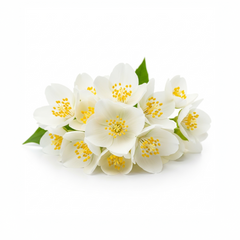
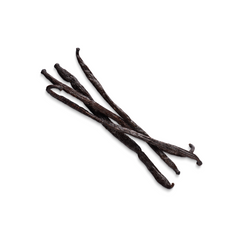
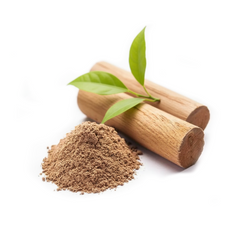
A balanced White Pear accord typically includes White Pear (20-25%) as the central fruity note, supported by Jasmine (15-20%) to enhance floral sweetness through shared aromatic esters. Sandalwood (25-30%) provides a creamy, woody base that softens the crispness of pear via vanillin-like compounds. Vanilla (25-30%) adds warmth and olfactory masking of metallic edges through vanillin molecules, creating a smooth, inviting finish. These proportions create a harmonious blend that highlights White Pear's fresh juiciness while ensuring longevity and depth.

25%

White Pear

20–25% of blend

Provides the fresh, juicy, and subtly crisp core of the accord, mainly via hexyl acetate and related esters.

20%

Jasmine

15–20% of blend

Enhances floral sweetness and complexity through aromatic esters like benzyl acetate, complementing pear's fruitiness.

30%

Sandalwood

25–30% of blend

Adds creamy, woody depth with vanillin-like molecules that soften pear's crisp edges and improve longevity.

30%

Vanilla

25–30% of blend

Contributes warmth and olfactory masking of metallic notes via vanillin, rounding out the accord with sweetness.

The Olfactory Layers

How White Pear Evolves on Skin

White Pear's olfactory evolution begins with bright, high-volatility esters that evaporate quickly within the first 15 minutes, delivering a fresh and juicy impression. As the scent develops, mid-volatility floral esters and alcohols emerge, sustaining the heart notes for up to an hour. Finally, low-volatility woody and musky compounds provide a soft, warm base that anchors the pear's brightness for several hours.

I
Top notes
0–15 min
Bright Juicy Freshness

The initial burst features volatile esters such as hexyl acetate and ethyl acetate, producing a fresh, crisp, and juicy pear aroma. These molecules evaporate rapidly, creating an immediate impression of brightness and sweetness.

FreshJuicyBright
II
Heart notes
20–60 min
Floral Fruity Elegance

Mid-volatility compounds like benzyl acetate and phenylethyl acetate contribute floral and honeyed nuances, blending pear's fruitiness with soft white florals. This phase maintains the pear's uplifting character with added complexity.

FloralSweetElegant
III
Base notes
Several hours
Creamy Warmth

Low-volatility woody molecules such as sandalwood lactones and vanillin provide creamy warmth and longevity. Musks softly round out the composition, balancing pear's crispness with a subtle, comforting finish.

WoodyCreamyWarm
TOP NOTES Bright Juicy Freshness 0–15 minutes HEART NOTES Floral Fruity Elegance 20–60 minutes BASE NOTES Creamy Warmth Several hours
Through the Ages

The Story of White Pear in Perfumery

White Pear's journey in perfumery traces back to ancient cultivation and modern synthetic advancements, marking its evolution from natural fruit aroma to a versatile fragrance note.

Antiquity

Early Cultivation of Pears

Pyrus communis was cultivated in ancient Greece over 3,000 years ago, with pears valued for their fresh and sweet aroma, laying the botanical foundation for later fragrance use.

Renaissance

Use of Fruit Aromas in Perfume

European perfumers began incorporating fruit essences, including pear, in complex compositions, though natural pear aroma extraction remained limited.

20th Century

Synthetic Aroma Chemicals Development

Advances in organic chemistry enabled the synthesis of esters like hexyl acetate, allowing perfumers to replicate pear scents with stability and consistency.

2010

Launch of Jo Malone English Pear & Freesia

Christine Nagel's creation popularized White Pear as a prominent heart note, blending natural and synthetic elements to capture pear's fresh juiciness.

2020s

Expansion in Niche and Designer Fragrances

White Pear gained widespread use in diverse fragrance families, celebrated for its versatility and ability to harmonize with florals, spices, and woods.

The Art of Layering

How to Layer White Pear

Understanding how to layer White Pear involves recognizing molecular compatibilities and olfactory masking effects that enhance or balance its fresh, juicy character.

01

Enhance Sweetness

Layering White Pear with vanilla softens its crispness through vanillin's olfactory masking, creating a creamy, gourmand effect. This combination is exemplified in Maison Alhambra's Glacier Bella paired with Paris Corner's Khair Confection.

02

Add Depth

Combining White Pear with woody notes like sandalwood introduces creamy lactones that complement pear's brightness, extending longevity and adding warmth, as seen in Mancera Red Tobacco.

03

Lighten the Glow

Pairing White Pear with fresh florals such as jasmine or freesia leverages shared aromatic esters like benzyl acetate, producing a luminous, airy bouquet that maintains vibrancy without heaviness, demonstrated in Jo Malone English Pear & Freesia.

Wear It Right

How to Wear White Pear Like a Pro

Seasonal Guide

Fall & Winter

In cooler temperatures, White Pear's volatility decreases, softening its brightness. Layering with warm woods or vanilla enhances warmth and longevity. Apply more generously to pulse points to compensate for reduced diffusion.

Spring

Spring's mild climate allows White Pear's fresh and juicy facets to shine. Light application highlights its crispness, making it ideal for daytime wear. Pair with florals for a vibrant, uplifting effect.

Summer

Heat increases molecular diffusion, intensifying White Pear's freshness and projection. Use sparingly to avoid overwhelming. Combine with citrus or aquatic notes for a cooling, energizing scent.

Year-Round Tip

Adjust application based on temperature and humidity. Layer with complementary notes like jasmine or sandalwood to maintain balance and enhance complexity throughout the year.

Application Points

Strategic application of White Pear fragrances enhances their freshness and longevity by leveraging body heat and diffusion points.

1

Neck

Pulse points at the neck emit heat that activates White Pear's volatile esters, enhancing projection and freshness.

2

Behind the Ears

This warm area allows the pear note to diffuse subtly, creating an intimate scent trail.

3

Inner Wrists

Applying here facilitates easy scent release through movement and warmth, prolonging the pear's juicy character.

4

Hair

Hair holds fragrance molecules longer, releasing White Pear gradually with natural movement and warmth.

★

Pro Tip

Avoid rubbing wrists together after application to prevent molecular breakdown and preserve the note's integrity.

Mood Architecture™

Top White Pear Fragrances by Mood Score

These White Pear-based fragrances scored highest on the MEI™ Mood Architecture Framework — measuring how a scent may influence your emotional state.

Highest MEI Score
Red Tobacco — Mancera Red Tobacco Alternative Perfume
8.0
MEI™
Primary Romantic
Secondary Confident
Confidence
7.9
Presence
7.8
Mood Lift
8.12
Identity
7.2
Warmth
9.5
Social Ease
7.66
Energy
3.45
" I am beautiful.
View full mood profile →
HumanSafe™

Top White Pear Fragrances by HumanSafe™ Score

These White Pear-based fragrances have the highest product-level HumanSafe™ scores in this ingredient collection.

Highest HumanSafe™ Score
Red Tobacco — Mancera Red Tobacco Alternative Perfume
A-
HumanSafe™ Score Generally Safe
Safest Evaluated Ingredients EDP
AQUA Solvent / Carrier ISS 10.0
1,4-DIOXACYCLOHEPTADECANE-5,17-DIONE Evaluated ingredient ISS 10.0
2H-1-BENZOPYRAN-2-ONE Evaluated ingredient ISS 8.0
LINALOOL Evaluated ingredient ISS 7.0
CYCLOHEXANEPROPANOL, 2,2,6-TRIMETHYL-.ALPHA.-PROPYL- Evaluated ingredient ISS 7.0
ALCOHOL DENAT. Solvent / Carrier ISS 7.0
View full safety profile →
Expert Voices

What Masters Say About White Pear

“
White Pear's scent profile is primarily shaped by hexyl acetate, which imparts its fresh, juicy, and subtly crisp character. Its ability to harmonize with floral and woody notes makes it a versatile ingredient in modern perfumery.
CA Perfume Editorial
“
The pear note is not just a single scent but a complex blend of esters and aldehydes that together create the sensation of biting into a ripe, succulent pear. This complexity is what makes it so appealing in fragrance compositions.
CA Perfume Editorial
Common Questions

Frequently Asked Questions

Frequently asked questions about White Pear in perfumery, addressing scent, usage, and layering.

White Pear in perfume smells fresh, juicy, and subtly crisp, evoking the sensation of biting into a ripe pear. Its scent combines bright fruity esters like hexyl acetate with delicate floral undertones, creating an uplifting and refreshing profile. It is often used as a heart note to add brightness and balance to compositions, as seen in Jo Malone English Pear & Freesia.

White Pear is primarily used as a heart note in perfumery. Its fresh and juicy character provides a vibrant middle phase that bridges the initial top notes and the deeper base notes. It is rarely used as a top or base note due to its moderate volatility and delicate nature.

White Pear is favored in niche perfumery for its unique ability to add a naturalistic, fresh fruitiness without overwhelming sweetness. Its versatility allows it to blend seamlessly with florals, woods, and spices, creating sophisticated and multidimensional fragrances that appeal to discerning consumers.

White Pear pairs well with floral notes like jasmine and freesia, woody notes such as sandalwood and patchouli, and warm gourmand elements like vanilla and amber. These combinations enhance pear's crispness while adding depth and longevity, making them popular in various fragrance families.

Yes, White Pear perfumes are well-suited for summer and warm climates due to their fresh, juicy, and uplifting scent profile. The note's brightness and moderate volatility make it refreshing in heat, though lighter application is recommended to avoid overpowering.

White Pear fragrances typically last between 4 to 6 hours on the skin, depending on formulation and supporting notes. The note's moderate volatility means it may fade faster than heavier base notes but can be extended through layering with woods or musks.

Absolutely. Layering White Pear with complementary notes like vanilla, musk, or fresh florals can enhance its longevity and complexity. Molecular compatibilities such as shared esters and olfactory masking effects allow for creative and harmonious scent combinations.

Beginner-friendly White Pear perfumes include Jo Malone English Pear & Freesia for a fresh floral experience, and Mancera Red Tobacco for a richer, spiced interpretation. These fragrances showcase pear's versatility and are widely appreciated for their balanced compositions.

Selecting a White Pear fragrance at CA Perfume involves considering your preference for freshness, floral accents, or warmth. Explore options that highlight pear's crispness or those that blend it with gourmand or woody notes. CA Perfume's HumanSafe™ platform ensures ingredient transparency and safety.

White Pear primarily smells sweet and fresh rather than spicy. Its crisp, juicy sweetness is occasionally complemented by subtle floral or fruity nuances, but it does not inherently possess spicy characteristics. Spicy notes are typically added separately in compositions.

Fruity Collection

Explore Our Top White Pear Fragrances

Discover a curated selection of fragrances featuring White Pear, showcasing its fresh and versatile character across various scent families.

Shop all white pear fragrances at CA Perfume →

Where White Pear Comes From — Origin & Extraction

White Pear's olfactory profile is inspired by the fruit of Pyrus communis, cultivated primarily in temperate regions with rich agricultural traditions. Key producing countries include France, the United States (notably California), and the Netherlands. French orchards are renowned for producing pears with a sophisticated balance of sweetness and tartness, while American and Dutch farms emphasize juiciness and crispness respectively. Due to the delicate and watery nature of pear fruit, natural extraction of its aroma is challenging. Traditional steam distillation is ineffective, so perfumers rely on advanced techniques such as headspace technology to capture the scent directly from fresh fruit. Additionally, synthetic aroma chemicals like hexyl acetate and ethyl decadienoate are used to recreate the pear's fresh, juicy facets with consistency and stability. Supercritical CO2 extraction is also employed to preserve the full aromatic profile without heat degradation. Natural pear aroma concentrates are rare and expensive, with synthetic substitutes costing significantly less, approximately $100–300/kg compared to several thousand dollars per kilogram for natural isolates. Sustainability considerations favor synthetic production due to reduced agricultural resource use and environmental impact.

Famous Fragrances That Define White Pear in Perfumery

White Pear has become a defining note in contemporary perfumery, featured in a variety of notable fragrances that showcase its fresh, juicy character. Jo Malone London's English Pear & Freesia (2010), crafted by perfumer Christine Nagel, uses White Pear as a heart note paired with freesia and patchouli to create a luminous, elegant scent that balances fruitiness with floral sophistication. Mancera's Red Tobacco (2014) employs White Pear as a bright, juicy accent that contrasts with warm spices like cinnamon and nutmeg, and a rich patchouli base, enhancing the fragrance's complexity and longevity. Salvatore Ferragamo's Fiamma (2020) highlights White Pear alongside gardenia and spices, where it functions as a vibrant bridge note adding freshness to the floral-spicy composition. Other examples include Juliette Has A Gun's Pear Inc., which uses the note to provide a subtle, sweet fruitiness supporting white florals, and Maison Martin Margiela's Springtime in a Park, where White Pear adds a crisp, naturalistic fruit facet. These fragrances illustrate White Pear's versatility across fragrance families and its capacity to enhance both fresh and warm accords. CA Perfume's collection draws inspiration from this lineage, emphasizing White Pear's role in crafting refined, joyful scent experiences.

Natural vs Synthetic White Pear in Perfumery

The natural aroma of White Pear is derived from complex mixtures of esters, primarily hexyl acetate (CAS 142-92-7), which accounts for 20-30% of the pear scent profile, along with other acetates such as butyl acetate and amyl acetate. Natural isolates are difficult to obtain due to the fruit's watery composition and low yield, making synthetic molecules essential for perfumery. Synthetic aroma chemicals such as hexyl acetate, ethyl decadienoate (CAS 18829-55-5), and benzyl acetate (CAS 140-11-4) are commonly used to replicate and stabilize the pear scent. These synthetics offer advantages in longevity, diffusion, and cost-effectiveness, with prices around $100–300/kg compared to natural extracts costing thousands per kilogram. Famous fragrances like Jo Malone English Pear & Freesia utilize a blend of natural and synthetic ingredients to achieve a balanced pear note. Synthetic molecules ensure consistency across batches and reduce environmental impact by minimizing agricultural resource consumption. The HumanSafe™ platform verifies ingredient transparency and safety, supporting responsible use of both natural and synthetic components in White Pear accords.