Ingredient Guide · Fruity
Fruity Family · Perfumery Note

White Peach

Luscious, sun-ripened fruit essence in perfumery

White Peach is a heart note in perfumery known for its juicy, sweet, and floral character. Its scent profile features gamma-undecalactone as a key molecule, used typically at concentrations below 3%.

White Peach
Ingredient Profile

White Peach

Fruity Family
Family Fruity
Note Position Heart Note
Usage Level <3%
Key Origins United States, Japan, China
Iconic In White Peach, White Peach
The Ingredient

What does White Peach smell like and why is it beloved in perfume?

White Peach is the fragrant essence of the Prunus persica fruit, characterized by its tender flesh and juicy sweetness. Its scent profile combines fruity accords with delicate floral nuances, primarily due to gamma-undecalactone (aldehyde C14), which imparts a velvety, creamy peach aroma with a subtle powdery facet. This molecule is central to the white peach scent profile, which is fresh, sweet, and slightly nectarous. In perfumery, white peach is classified as a heart note, typically used at concentrations below 3%, where it provides a natural brightness and juicy character without overpowering other elements. Its interaction with skin chemistry can vary, as body heat enhances the fruity warmth while skin pH modulates the perception of sweetness and freshness. White peach blends seamlessly with floral and woody notes, creating complex and layered compositions. Notable fragrances featuring white peach include Noseway's White Peach (2024), where it opens the composition with juicy sweetness, and biblioteka aromatov's White Peach, which highlights its floral-fruity character. These examples demonstrate white peach's versatility and its ability to evoke summer orchard imagery and nostalgic warmth.

<3%
Typical concentration of white peach accord in Eau de Parfum formulations, balancing scent impact and safety.
1908
Year gamma-undecalactone, the primary synthetic molecule replicating peach aroma, was first discovered.
300,000+ tons
Approximate annual global peach production, with white peach varieties contributing significantly to the perfumery ingredient supply chain.
Origin & Extraction

Where White Peach Comes From — Origin & Extraction

White Peach's olfactory character is influenced by its geographic origins, where soil composition, climate, and cultivation methods shape the fruit's aroma. These factors contribute to subtle variations in sweetness, juiciness, and floral undertones.

White Peach originates from the fruit of the Prunus persica tree, a member of the Rosaceae family, native to China and widely cultivated in temperate regions globally. Key producing countries include the United States (notably California), Japan, and China, each contributing unique fruit qualities due to variations in soil composition, climate, and cultivation methods. California's white peaches are known for their sweet, juicy varieties, Japan's for premium, delicately sweet peaches cultivated with traditional care, and China's for a diverse range of aromatic profiles. Extraction of white peach scent for perfumery is challenging due to the fruit's high water content and delicate aromatic compounds. Traditional methods like steam distillation are unsuitable as heat degrades the volatile molecules. Instead, advanced techniques such as solvent extraction and spinning cone column distillation are employed to capture the fresh, velvety aroma. The spinning cone column process isolates aromatic molecules at low temperatures, preserving the juicy, natural scent in a white peach water or absolute. Natural white peach extracts are rare and costly, with prices ranging from $3,000 to $6,000 per kilogram due to labor-intensive harvesting and low yield. Synthetic alternatives, primarily gamma-undecalactone (CAS 104-67-6), provide a cost-effective and stable substitute, priced between $50 and $200 per kilogram. Sustainability concerns focus on minimizing waste and supporting ethical agricultural practices in producing regions.

US

United States

California is the primary white peach producing region, known for its fertile alluvial soils and warm Mediterranean climate. The peaches here are characterized by a bright, juicy sweetness and high aromatic intensity. California accounts for a significant share of the US peach market, with advanced harvesting and sorting techniques ensuring quality.

JP

Japan

Japan cultivates premium white peaches, particularly in Okayama and Fukushima prefectures. Traditional cultivation methods emphasize hand-picking and careful ripening, resulting in peaches with elevated sweetness and delicate floral nuances. Japanese white peaches are prized for their refined aroma and velvety texture.

CN

China

China, the origin of the peach tree, produces a wide variety of white peaches across provinces such as Zhejiang and Shandong. The diverse climates and soils yield peaches with complex aromatic profiles, ranging from tart and fresh to rich and honeyed. China remains the world's largest peach producer by volume.

ES

Spain

Andalusia in Spain is known for white peach cultivation, benefiting from warm temperatures and well-drained soils. Spanish white peaches often exhibit a balance of juicy sweetness and fresh green notes, with sustainable farming practices increasingly adopted to preserve quality and environmental health.

Chemistry

Natural vs Synthetic White Peach in Perfumery

White peach scent in perfumery is predominantly recreated using synthetic aroma chemicals due to the impracticality of extracting essential oils from the fruit itself. The principal synthetic molecule is gamma-undecalactone (aldehyde C14, CAS 104-67-6), which replicates the creamy, juicy, and slightly powdery facets of white peach. Other synthetic compounds such as ethyl methylphenylglycidate and gamma-dodecalactone may be used to enhance the fruity and floral nuances. Natural white peach extracts, including absolutes and white peach water obtained via solvent extraction or spinning cone column distillation, offer a richer, more complex aroma with subtle green and fresh notes but are less consistent and significantly more expensive. Synthetic versions provide greater stability, longevity, and diffusion in fragrance compositions, with cost advantages facilitating broader use. Famous fragrances like Noseway White Peach utilize natural-inspired accords, while many commercial perfumes rely on synthetic gamma-undecalactone for consistency. The HumanSafe™ platform supports transparency in ingredient sourcing and safety, with CA Perfume emphasizing a balanced approach that respects both natural authenticity and synthetic innovation for optimal fragrance quality.

Natural
White Peach Absolute
Cost $3,000–6,000/kg
Method Solvent / CO₂
Character Complex, variable
vs
Synthetic
Safranal & Analogues
Cost $50–200/kg
Method Lab synthesis
Character Consistent, stable
Hall of Fame

Famous Fragrances That Define White Peach in Perfumery

2024
dominant note

White Peach

Noseway
Oolong teaMysore sandalwoodAmber
accent

White Peach

biblioteka aromatov
Floral notes
1921
heart note

Mitsouko

Guerlain
by Jacques Guerlain
OakmossSpicesFloral notes
2018
heart note

Bitter Peach

Tom Ford
by Alberto Morillas
PatchouliAmberWoody notes
2012
heart note

Nectarine Blossom & Honey

Jo Malone London
NectarineHoneyFloral notes

White Peach has become a defining note in several contemporary fragrances, appreciated for its vibrant and luscious qualities. Notable examples include Noseway's White Peach (2024), where the note serves as the dominant opening, paired with oolong tea, Mysore sandalwood, and amber to create a soft, elegant composition. Biblioteka Aromatov's White Peach (year unknown) highlights the note as a floral-fruity accent, blending with complementary florals to evoke a fresh, summery aura. Other significant fragrances incorporating white peach or peach accords include Guerlain's Mitsouko (1921), which uses peach to add a warm, fruity complexity; Tom Ford's Bitter Peach (2018), where peach is a bold, juicy heart note; and Jo Malone London's Nectarine Blossom & Honey (2012), featuring peach in a bright, fresh context alongside nectarine and honey. These fragrances demonstrate white peach's versatility, functioning as a bridge or accent note that enhances floral, woody, and gourmand accords. CA Perfume's collection reflects this lineage by offering fragrances that explore white peach's multifaceted character in both fresh and warm interpretations.

The Accord

How is a captivating White Peach accord crafted?

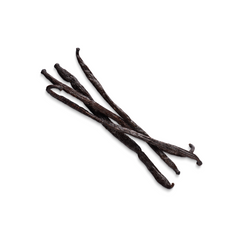
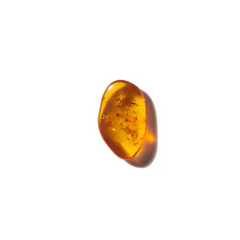
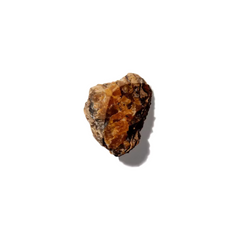
A balanced White Peach accord typically blends 25-30% White Peach with complementary notes to enhance its juicy sweetness and floral nuances. Rose (15-20%) is included for its delicate floral compounds like phenyl ethyl alcohol, which harmonize with peach's fruity lactones. Vanilla (20-25%) contributes vanillin, softening the sharpness of peach and adding creamy warmth. Amber (20-25%) provides a resinous base with compounds like ambrein, which deepen the accord's richness. Benzoin (10-15%) adds a sweet balsamic facet through benzoic acid derivatives, enhancing the accord's complexity and longevity.

30%

White Peach

25–30% of blend

The core ingredient, providing juicy, creamy lactones such as gamma-undecalactone that define the accord's fruity character.

20%

Rose

15–20% of blend

Adds floral phenyl ethyl alcohol and damascenone, which create a molecular bridge with peach's fruity notes.

25%

Vanilla

20–25% of blend

Contributes vanillin, which masks peach's metallic edges and adds creamy sweetness.

25%

Amber

20–25% of blend

Provides ambrein and related compounds that add warm, resinous depth to balance the accord.

15%

Benzoin

10–15% of blend

Introduces sweet balsamic notes through benzoic acid derivatives, enhancing complexity and fixative properties.

The Olfactory Layers

How White Peach Evolves on Skin

White Peach fragrance unfolds with a bright, juicy top phase dominated by high-volatility lactones like gamma-undecalactone, which evaporate within the first 15 minutes. The heart phase (20–60 minutes) reveals creamy floral undertones as the lactones soften and blend with phenyl ethyl alcohol and damascenone from rose. The base phase (several hours) settles into warm, resinous notes from amber and benzoin, providing longevity and depth.

I
Top notes
0–15 min
Juicy Freshness

The initial burst features volatile fruity lactones such as gamma-undecalactone, delivering a fresh, juicy peach impression with a slight powdery edge. These molecules evaporate quickly, creating an immediate sense of ripe fruitiness.

JuicyFreshBright
II
Heart notes
20–60 min
Creamy Floral

As the top notes fade, the heart reveals creamy floral nuances from rose compounds like phenyl ethyl alcohol and damascenone, which soften the fruitiness and add romantic complexity. The lactones become less sharp, blending into a velvety texture.

CreamyFloralVelvety
III
Base notes
Several hours
Warm Sweetness

The dry down features warm, resinous amber and sweet balsamic benzoin, which anchor the composition and extend its longevity. These heavier molecules evaporate slowly, providing a comforting and rich finish.

WarmResinousSweet
TOP NOTES Juicy Freshness 0–15 minutes HEART NOTES Creamy Floral 20–60 minutes BASE NOTES Warm Sweetness Several hours
Through the Ages

The Story of White Peach in Perfumery

White Peach's journey in perfumery spans from early synthetic discoveries to modern niche applications, reflecting evolving extraction technologies and fragrance trends.

1908

Discovery of Gamma-Undecalactone

Gamma-undecalactone (aldehyde C14), the key synthetic molecule replicating peach aroma, was first identified in 1908, laying the foundation for peach scent use in perfumery.

1921

Peach Note Popularized in Guerlain's Mitsouko

Guerlain's Mitsouko (1921) incorporated peach accords, showcasing the fruit's warm, fruity complexity in a classic fragrance.

1944

Rochas Femme Features Peach

Rochas Femme (1944) used peach to add softness and sweetness, reinforcing peach's role in feminine fragrances.

2012

Jo Malone Nectarine Blossom & Honey Launch

Jo Malone introduced Nectarine Blossom & Honey, featuring peach in a fresh, bright context paired with nectarine and honey.

2024

Noseway White Peach Release

Noseway launched White Peach, a fragrance highlighting white peach as the dominant note, paired with oolong tea and Mysore sandalwood.

The Art of Layering

How to Layer White Peach

Understanding how to layer white peach involves recognizing molecular compatibilities and olfactory masking effects to enhance its juicy, floral character.

01

Enhance Sweetness

Layering white peach with vanilla increases vanillin's creamy sweetness, which masks any metallic edges of lactones, producing a smooth, luscious fragrance. This combination is exemplified in fragrances like Jo Malone's Nectarine Blossom & Honey.

02

Add Depth

Pairing white peach with amber introduces ambrein compounds that add warm resinous depth, balancing the fruit's brightness and extending longevity. Tom Ford's Bitter Peach demonstrates this synergy.

03

Lighten the Glow

Combining white peach with citrus notes like bergamot introduces fresh limonene molecules that brighten the accord, creating a sparkling effect that prevents cloying sweetness. This technique is used in many summer fruity-floral perfumes.

Wear It Right

How to Wear White Peach Like a Pro

Seasonal Guide

Fall & Winter

In cooler temperatures, white peach's volatility decreases, softening its juicy brightness. Layering with warm notes like amber and vanilla enhances longevity and adds cozy depth. Apply more generously on pulse points to compensate for reduced diffusion.

Spring

Spring's moderate warmth allows white peach to express its fresh, floral facets fully. Pairing with light florals and green notes complements the season's renewal vibe. Moderate application ensures balanced projection.

Summer

High heat increases white peach's evaporation rate, intensifying its juicy, fresh character. Use lighter application to avoid overwhelming sweetness. Layer with citrus or aquatic notes for refreshing brightness and enhanced sillage.

Year-Round Tip

Adjust application based on temperature and humidity. Use moisturizing body products to enhance scent longevity and consider layering with complementary notes to maintain balance.

Application Points

Strategic application of white peach fragrance enhances its radiant, juicy qualities and longevity.

1

Neck

Pulse points like the neck emit heat that activates white peach's lactones, amplifying its juicy freshness and projection.

2

Behind the Ears

This warm area helps diffuse the scent subtly, allowing white peach's softer floral and sweet notes to emerge.

3

Inner Wrists

Applying on wrists provides a balance of heat and movement, enhancing the scent's evolution and sillage.

4

Hair

Hair holds fragrance oils well, releasing white peach's aroma gradually with natural movement, creating a gentle scent trail.

Pro Tip

Layer white peach perfume with unscented moisturizer to improve adherence and longevity without altering the scent profile.

Mood Architecture™

Top White Peach Fragrances by Mood Score

These White Peach-based fragrances scored highest on the MEI™ Mood Architecture Framework — measuring how a scent may influence your emotional state.

Highest MEI Score
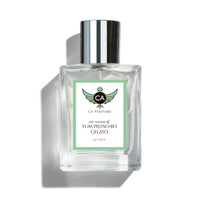
Yum Pistachio Gelato — Yum Pistachio Gelato 33 Alternative Perfume
7.63
MEI™
Primary Romantic
Secondary Energizing
Confidence
7.04
Presence
6.46
Mood Lift
8.69
Identity
6.76
Warmth
8.45
Social Ease
7.51
Energy
6.8
" I am beautiful.
View full mood profile →
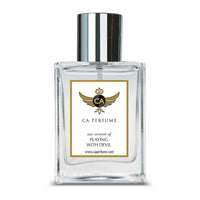
Playing With Devil — Playing With The Devil Alternative Perfume
5.99
MEI™
Primary Serene
Secondary Romantic
Confidence
5.07
Presence
5.54
Mood Lift
6.65
Identity
5.63
Warmth
7.31
Social Ease
6.3
Energy
3.5
" I am enough.
View full mood profile →
HumanSafe™

Top White Peach Fragrances by HumanSafe™ Score

These White Peach-based fragrances have the highest product-level HumanSafe™ scores in this ingredient collection.

Highest HumanSafe™ Score
Yum Pistachio Gelato — Yum Pistachio Gelato 33 Alternative Perfume
A-
HumanSafe™ Score Generally Safe
Safest Evaluated Ingredients EDP
AQUA Solvent / Carrier ISS 10.0
AMBROXIDE Evaluated ingredient ISS 9.0
2H-1-BENZOPYRAN-2-ONE Evaluated ingredient ISS 8.0
LINALYL ACETATE Evaluated ingredient ISS 7.0
LINALOOL Evaluated ingredient ISS 7.0
View full safety profile →
Playing With Devil — Playing With The Devil Alternative Perfume
A-
HumanSafe™ Score Generally Safe
Safest Evaluated Ingredients EDP
AQUA Solvent / Carrier ISS 10.0
1,4-DIOXACYCLOHEPTADECANE-5,17-DIONE Evaluated ingredient ISS 10.0
3-CYCLOPENTENE-1-ACETALDEHYDE, 2,2,3-TRIMETHYL-, Evaluated ingredient ISS 9.0
ALCOHOL DENAT. Solvent / Carrier ISS 7.0
2-BUTEN-1-OL, 2-ETHYL-4-(2,2,3-TRIMETHYL-3- Evaluated ingredient ISS 7.0
1-[(2-TERT-BUTYL)CYCLOHEXYLOXY]-2-BUTANOL Evaluated ingredient ISS 7.0
View full safety profile →
Expert Voices

What Masters Say About White Peach

White Peach's scent profile is defined by gamma-undecalactone, which delivers a creamy, juicy aroma that is both fresh and comforting. Its ability to blend seamlessly with floral and warm notes makes it a versatile ingredient in modern perfumery.
CA Perfume Editorial
Peach is very versatile and complements many different olfactive families. It revives childhood memories and brings a sense of comfort and joy to fragrance compositions.
Julienne Rasquinet, Senior Perfumer at CPL Aromas
Common Questions

Frequently Asked Questions

Answers to common questions about white peach in perfumery.

White Peach in perfume smells juicy, sweet, and delicately floral, primarily due to gamma-undecalactone, which imparts a creamy, velvety peach aroma. It evokes the sensation of biting into a ripe, sun-warmed white peach, often accompanied by soft floral and warm resinous undertones. Fragrances like Noseway White Peach and Jo Malone Nectarine Blossom & Honey exemplify this scent profile.

White Peach is primarily used as a heart note in perfumery. Its lactone compounds provide a juicy, creamy character that emerges after the initial top notes evaporate and before the base notes fully develop. This placement allows white peach to bridge bright openings with warm, resinous finishes.

White Peach is favored in niche perfumery for its vibrant, luscious qualities and its ability to add originality and joy to compositions. Its complex aroma profile, combining fruity, floral, and creamy facets, allows perfumers to craft unique and memorable scent experiences that stand out from conventional fruity notes.

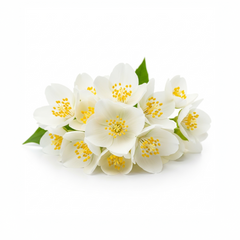
White Peach fragrance uses often pair it with floral notes like rose and jasmine due to shared molecular compounds such as damascenone, which create olfactory harmony. Warm notes like amber and vanilla soften and enrich the peach's brightness through vanillin and ambrein, while citrus notes like bergamot add sparkling freshness. These combinations enhance the overall balance and complexity.

Yes, White Peach perfumes are well-suited for summer and hot weather due to their fresh, juicy character and bright floral undertones. However, high temperatures increase volatility, so lighter application and layering with citrus or aquatic notes can help maintain freshness without overwhelming sweetness.

White Peach fragrances typically last between 4 to 6 hours, depending on concentration and formulation. Parfum and perfume oils with higher concentrations of lactones and fixatives like amber and benzoin offer longer longevity, while lighter Eau de Toilette versions may dissipate faster.

Yes, layering White Peach perfume is recommended to enhance its complexity and longevity. Pairing with vanilla or musk adds creamy warmth and softness, while citrus or green notes provide brightness and freshness. Layering techniques optimize molecular compatibility and olfactory masking for a personalized scent experience.

For beginners, fragrances like Jo Malone Nectarine Blossom & Honey and Noseway White Peach offer approachable, well-balanced white peach accords with complementary florals and warm notes. These provide a clear expression of white peach without overwhelming complexity.

Choosing the right White Peach fragrance involves considering your preference for freshness, sweetness, and warmth. CA Perfume's collection offers a range of white peach scents from bright and juicy to creamy and warm, allowing you to select based on season, occasion, and personal style, supported by the HumanSafe™ platform for ingredient transparency.

White Peach primarily smells sweet and juicy rather than spicy. Its fruity lactones provide a creamy, velvety sweetness with subtle floral undertones. While it can be combined with spicy notes in compositions, the white peach note itself is characterized by its soft, sweet aroma.

Fruity Collection

Explore Our Top White Peach Fragrances

Discover a curated selection of white peach perfumes showcasing the note's juicy sweetness and versatile character.

Shop all white peach fragrances at CA Perfume →

Where White Peach Comes From — Origin & Extraction

White Peach originates from the fruit of the Prunus persica tree, a member of the Rosaceae family, native to China and widely cultivated in temperate regions globally. Key producing countries include the United States (notably California), Japan, and China, each contributing unique fruit qualities due to variations in soil composition, climate, and cultivation methods. California's white peaches are known for their sweet, juicy varieties, Japan's for premium, delicately sweet peaches cultivated with traditional care, and China's for a diverse range of aromatic profiles. Extraction of white peach scent for perfumery is challenging due to the fruit's high water content and delicate aromatic compounds. Traditional methods like steam distillation are unsuitable as heat degrades the volatile molecules. Instead, advanced techniques such as solvent extraction and spinning cone column distillation are employed to capture the fresh, velvety aroma. The spinning cone column process isolates aromatic molecules at low temperatures, preserving the juicy, natural scent in a white peach water or absolute. Natural white peach extracts are rare and costly, with prices ranging from $3,000 to $6,000 per kilogram due to labor-intensive harvesting and low yield. Synthetic alternatives, primarily gamma-undecalactone (CAS 104-67-6), provide a cost-effective and stable substitute, priced between $50 and $200 per kilogram. Sustainability concerns focus on minimizing waste and supporting ethical agricultural practices in producing regions.

Famous Fragrances That Define White Peach in Perfumery

White Peach has become a defining note in several contemporary fragrances, appreciated for its vibrant and luscious qualities. Notable examples include Noseway's White Peach (2024), where the note serves as the dominant opening, paired with oolong tea, Mysore sandalwood, and amber to create a soft, elegant composition. Biblioteka Aromatov's White Peach (year unknown) highlights the note as a floral-fruity accent, blending with complementary florals to evoke a fresh, summery aura. Other significant fragrances incorporating white peach or peach accords include Guerlain's Mitsouko (1921), which uses peach to add a warm, fruity complexity; Tom Ford's Bitter Peach (2018), where peach is a bold, juicy heart note; and Jo Malone London's Nectarine Blossom & Honey (2012), featuring peach in a bright, fresh context alongside nectarine and honey. These fragrances demonstrate white peach's versatility, functioning as a bridge or accent note that enhances floral, woody, and gourmand accords. CA Perfume's collection reflects this lineage by offering fragrances that explore white peach's multifaceted character in both fresh and warm interpretations.

Natural vs Synthetic White Peach in Perfumery

White peach scent in perfumery is predominantly recreated using synthetic aroma chemicals due to the impracticality of extracting essential oils from the fruit itself. The principal synthetic molecule is gamma-undecalactone (aldehyde C14, CAS 104-67-6), which replicates the creamy, juicy, and slightly powdery facets of white peach. Other synthetic compounds such as ethyl methylphenylglycidate and gamma-dodecalactone may be used to enhance the fruity and floral nuances. Natural white peach extracts, including absolutes and white peach water obtained via solvent extraction or spinning cone column distillation, offer a richer, more complex aroma with subtle green and fresh notes but are less consistent and significantly more expensive. Synthetic versions provide greater stability, longevity, and diffusion in fragrance compositions, with cost advantages facilitating broader use. Famous fragrances like Noseway White Peach utilize natural-inspired accords, while many commercial perfumes rely on synthetic gamma-undecalactone for consistency. The HumanSafe™ platform supports transparency in ingredient sourcing and safety, with CA Perfume emphasizing a balanced approach that respects both natural authenticity and synthetic innovation for optimal fragrance quality.