Where White Musk Comes From — Origin & Extraction
White musk is not a botanical or animal-derived material; it is a family of synthetic aroma chemicals designed to replicate the scent of natural musk, which was historically obtained from the glandular secretions of the male musk deer (Moschus moschiferus). Due to ethical, legal, and sustainability concerns, the use of natural musk has been banned in most countries since the late 1970s. The first synthetic musk, nitro-musk (musk ketone, CAS 81-14-1), was discovered by Albert Baur in 1888. However, modern white musks are primarily macrocyclic (e.g., muscone, habanolide) or polycyclic (e.g., galaxolide) compounds, synthesized via multi-step organic reactions involving cyclization, oxidation, and purification.
Major producers of white musk aroma chemicals include global fragrance houses and specialty chemical companies in Switzerland, Germany, and the United States. The production of key musks such as galaxolide and habanolide is measured in thousands of metric tons annually, with the global synthetic musk market valued at over $400 million USD per year. The cost of white musk aroma chemicals varies by type: galaxolide is relatively inexpensive at $15–$30/kg, while macrocyclic musks such as muscone can exceed $1,000/kg due to more complex synthesis routes. In contrast, natural musk tincture historically cost over $45,000/kg.
Extraction of white musk involves chemical synthesis rather than physical extraction. For example, galaxolide is produced via Diels-Alder cyclization followed by hydrogenation and distillation, while muscone is synthesized through macrocyclic lactone formation. The final product is purified via distillation and crystallization to achieve high olfactory purity. Sustainability considerations focus on the environmental impact of chemical manufacturing and the avoidance of persistent, bioaccumulative nitro- and polycyclic musks, with many modern musks designed for improved biodegradability. All white musks used in perfumery today are cruelty-free and regulated for safety under IFRA and REACH guidelines.
Famous Fragrances That Define White Musk in Perfumery
White musk has become a signature note in modern perfumery, often serving as the clean, powdery base that anchors a wide range of compositions. Its introduction as a standalone theme began with The Body Shop White Musk (1981), composed by perfumer Ann Gottlieb, which showcased the synthetic musk accord as a symbol of purity and ethical sourcing. Narciso Rodriguez For Her (2003, Christine Nagel and Francis Kurkdjian) further elevated white musk, using a blend of galaxolide and muscenone to create a creamy, skin-like sensuality that became the brand’s olfactory signature.
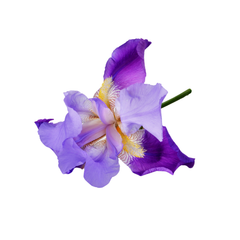
Juliette Has A Gun Musc Invisible (2020, Romano Ricci) demonstrates the versatility of white musk in minimalist, transparent compositions, pairing it with jasmine and cotton flower for a soft, enveloping effect. Maison Margiela Lazy Sunday Morning (2013, Louise Turner) uses habanolide and muscenone to evoke the sensation of freshly laundered linen, blending white musk with lily of the valley and iris. Montale White Musk (2007) takes a more floral approach, combining white musk with violet and ylang-ylang for a luminous, airy finish.
These fragrances illustrate the diverse roles white musk can play: as a dominant note (The Body Shop White Musk), a bridge between floral and woody accords (Lazy Sunday Morning), or a softening base (Narciso Rodriguez For Her). CA Perfume’s collection draws inspiration from this lineage, offering white musk compositions that emphasize transparency, longevity, and ethical sourcing.
Natural vs Synthetic White Musk in Perfumery
Natural musk, once obtained from the musk deer, is now almost entirely replaced by synthetic analogs in perfumery due to ethical and legal restrictions. The most common synthetic white musks include galaxolide (CAS 1222-05-5), habanolide (CAS 1222-05-5), and muscone (CAS 541-91-3). Galaxolide is a polycyclic musk known for its clean, powdery, and slightly floral scent, while habanolide is a macrocyclic musk with a more radiant, airy profile. Muscone, the primary odorant in natural musk, is now synthesized for use in high-end fragrances, offering a closer olfactory match to the animalic original but without ethical concerns.
Performance-wise, synthetic white musks are valued for their stability, low allergenicity, and excellent fixative properties, providing longevity and a soft, skin-like drydown. Polycyclic musks such as galaxolide are widely used for their cost-effectiveness (approx. $20–$30/kg), while macrocyclic musks like muscone and habanolide are more expensive but offer superior biodegradability and a more nuanced scent profile. Notable fragrances using synthetic white musks include Narciso Rodriguez For Her (galaxolide, muscenone), The Body Shop White Musk (galaxolide, habanolide), and Maison Margiela Lazy Sunday Morning (habanolide, muscenone).
Sustainability is a key concern, as early nitro- and polycyclic musks were found to be persistent in the environment. Modern macrocyclic musks are designed for rapid biodegradation. The HumanSafe™ platform ensures all white musks used in CA Perfume fragrances are IFRA-compliant, non-bioaccumulative, and fully traceable, supporting both consumer safety and environmental stewardship.