Ingredient Guide · Floral
Floral Family · Perfumery Note

White Lily

A study in green, creamy, and spicy floral nuance.

White Lily is a heart note in perfumery, prized for its creamy, green, and softly spicy floral character. Its scent profile is constructed using key molecules like eugenol and indole, typically at 1–3% of a composition.

White Lily
Ingredient Profile

White Lily

Floral Family
Family Floral
Note Position Heart Note
Usage Level 1–3% of formula
Key Origins France, Italy, United States
Iconic In Un Lys, Baiser Volé
The Ingredient

What does White Lily smell like and why is it significant in perfumery?

White Lily (Lilium candidum and related species) is classified as a white floral heart note, sharing its olfactory family with jasmine, tuberose, and gardenia. What does white lily smell like? The white lily scent profile is a nuanced blend of creamy, green, and softly spicy facets. The dominant aroma compounds include eugenol (spicy, clove-like), indole (subtle animalic), and minor aldehydes and phenylethyl alcohol (floral, rose-like). In fresh blooms, the scent is both luminous and narcotic, with a green, almost watery freshness layered over a creamy, pollen-rich base. Trace amounts of methyl anthranilate and benzyl acetate add subtle fruitiness and lift. The result is a floral note that is both pure and complex, with a faintly spicy undertone and a creamy, almost waxy texture. In perfumery, white lily is almost always constructed using a blend of natural isolates and synthetic aroma chemicals, as the flower is a "mute flower"—its scent cannot be extracted directly in usable quantities. White lily is typically used as a heart note, forming the central floral theme of a composition. It is dosed at 1–3% of the total formula in most modern fragrances. The note interacts with skin chemistry through the volatility of indole and the stability of eugenol, which can be accentuated by warmer, more acidic skin. On some skin types, the green and spicy facets become more pronounced, while on others, the creamy and powdery aspects dominate. White lily in perfumery is exemplified in several landmark fragrances. Serge Lutens Un Lys (2000, perfumer Christopher Sheldrake) is often cited as the most photorealistic lily soliflore, capturing both the green freshness and creamy pollen of the flower. Cartier Baiser Volé (2011, perfumer Mathilde Laurent) presents a luminous, powdery lily with a subtle green stem accord. Other notable examples include Le Labo Lys 41 (2013, Daphne Bugey), Donna Karan Gold (2006, Rodrigo Flores-Roux), and Frederic Malle Lys Méditerranée (2000, Edouard Fléchier), each using white lily as a dominant or central theme.

1–3% of formula
White lily accords are typically used at 1–3% of the total fragrance composition, providing a balanced floral heart without overwhelming the blend.
4–6 hours
The average longevity of white lily fragrances is 4–6 hours, determined by the volatility of aldehydes and the fixative properties of musks and vanillin.
$50–$200/kg (synthetic)
Synthetic white lily accords cost $50–$200 per kilogram, while natural extraction (rarely available) exceeds $15,000/kg due to low yield and instability.
Origin & Extraction

Where White Lily Comes From — Origin & Extraction

White lily’s scent profile is shaped by the climate and soil of its cultivation regions. Mediterranean climates yield blooms with more pronounced green and spicy facets, while cooler regions produce lilies with a creamier, subtler aroma.

White Lily (Lilium candidum, Lilium longiflorum, and related species) is native to the Mediterranean basin and Western Asia, with significant cultivation in France (notably Grasse), Italy, and the United States. The flower is botanically classified in the Liliaceae family. Despite its prominence in perfumery, white lily is a mute flower—meaning its scent cannot be extracted by traditional steam distillation or enfleurage due to the instability of its volatile compounds. Attempts at solvent extraction (using hexane or petroleum ether) yield a concrete with extremely low yield (0.05–0.1% by weight) and poor olfactory fidelity, making natural lily absolute prohibitively expensive (estimates exceed $15,000/kg) and rare in commercial perfumery. As a result, the vast majority of white lily notes are constructed synthetically. Key aroma chemicals include eugenol (CAS 97-53-0), methyl anthranilate (CAS 134-20-3), indole (CAS 120-72-9), and phenylethyl alcohol (CAS 60-12-8). These are blended with natural isolates from jasmine, orange blossom, and ylang-ylang to create a realistic white lily accord. France remains a leading center for the development of lily accords, with Grasse-based houses supplying both natural isolates and synthetic blends. Italy and the United States also cultivate lilies for ornamental and symbolic use, but not for direct fragrance extraction. Cost comparison is stark: synthetic lily accords cost $50–$200/kg, while natural extraction (if available) exceeds $15,000/kg. Sustainability is a key consideration—synthetic construction reduces pressure on agricultural land and avoids the waste associated with low-yield extraction. The HumanSafe™ platform at CA Perfume ensures full transparency regarding the sourcing and safety of all lily-related aroma chemicals.

FR

France

Grasse, in the Provence region, is renowned for its cultivation of white lilies for ornamental and symbolic use. The region’s calcareous soils and mild Mediterranean climate yield blooms with a luminous, green-fresh scent. France is a leader in developing synthetic lily accords, with Grasse-based houses supplying global perfumery.

IT

Italy

Tuscany and Liguria are known for their lush lily fields, where warm temperatures and fertile soils produce blooms with a creamy, pollen-rich aroma. Italian lilies are celebrated in local perfumery traditions, though not widely used for direct extraction.

US

United States

California and Oregon cultivate white lilies primarily for the floral industry. The Pacific climate yields robust, large-petaled blooms with a balanced green and creamy scent. The U.S. is a significant market for both natural and synthetic lily-based fragrances.

JP

Japan

Hokkaido and Honshu grow Lilium longiflorum (Easter lily), prized for its delicate, subtly sweet aroma. Japanese lilies are often used in ceremonial contexts and influence the construction of lily accords in niche perfumery.

Chemistry

Natural vs Synthetic White Lily in Perfumery

White lily is a classic example of a mute flower in perfumery, meaning its scent cannot be extracted in usable quantities from the natural bloom. As a result, nearly all white lily notes are constructed using synthetic aroma chemicals and natural isolates. Key synthetic molecules include eugenol (CAS 97-53-0), which provides the spicy, clove-like facet; methyl anthranilate (CAS 134-20-3), contributing a fruity-floral nuance; and indole (CAS 120-72-9), which imparts a subtle animalic depth. Phenylethyl alcohol (CAS 60-12-8) is often used for its rose-like, fresh floral character. Performance-wise, synthetic lily accords offer consistent longevity (typically 4–6 hours) and stable diffusion, whereas natural extracts (where available) are less stable and more variable. Cost is a major factor: synthetic lily accords are priced at $50–$200/kg, while natural lily absolute (rarely produced) can exceed $15,000/kg. Iconic fragrances such as Serge Lutens Un Lys, Cartier Baiser Volé, and Frederic Malle Lys Méditerranée rely on synthetic lily accords for their signature effect. Sustainability and supply chain transparency are enhanced by synthetic production, which avoids the agricultural impact of mass lily cultivation. At CA Perfume, all white lily accords are HumanSafe™ verified for ingredient transparency and skin safety.

Natural
White Lily Absolute
Cost $3,000–6,000/kg
Method Solvent / CO₂
Character Complex, variable
vs
Synthetic
Safranal & Analogues
Cost $50–200/kg
Method Lab synthesis
Character Consistent, stable
Hall of Fame

Famous Fragrances That Define White Lily in Perfumery

2000
dominant note

Un Lys

Serge Lutens
by Christopher Sheldrake
vanillamuskgreen notes
2011
dominant note

Baiser Volé

Cartier
by Mathilde Laurent
green leavescitruspowdery notes
2000
dominant note

Lys Méditerranée

Frederic Malle
by Edouard Fléchier
sea water accordorange blossommusk
2013
dominant note

Lys 41

Le Labo
by Daphne Bugey
jasminetuberosevanilla
2006
dominant note

Gold

Donna Karan
by Rodrigo Flores-Roux
amberpatchouliacacia

White lily has inspired some of the most iconic floral fragrances in modern perfumery. Serge Lutens Un Lys (2000, perfumer Christopher Sheldrake) is widely regarded as the reference soliflore, capturing the creamy, green, and pollen-rich facets of the flower with remarkable realism. Cartier Baiser Volé (2011, Mathilde Laurent) presents a luminous, powdery lily, focusing on the freshness of petals and the subtle green of stems. Frederic Malle Lys Méditerranée (2000, Edouard Fléchier) offers a photorealistic interpretation, with aquatic and salty nuances that evoke lilies by the sea. Le Labo Lys 41 (2013, Daphne Bugey) blends lily with jasmine and tuberose, creating a voluptuous, creamy floral heart. Donna Karan Gold (2006, Rodrigo Flores-Roux) uses Casablanca lily as a dominant note, paired with amber and patchouli for a warm, sensual base. Each of these fragrances demonstrates a different facet of white lily in perfumery, from green and fresh to creamy and spicy. CA Perfume’s collection draws inspiration from this lineage, offering white lily-centered compositions that reflect both tradition and innovation.

The Accord

How is a captivating White Lily accord crafted?

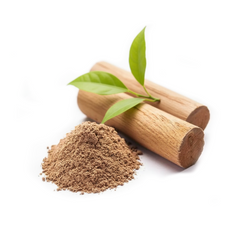
A white lily accord is constructed using 25–30% eugenol-rich spicy notes (for the clove-like facet), 20–25% indolic white florals (for depth and realism), 25–30% green aldehydes and leaf alcohols (to evoke the fresh stem), and 20–25% creamy musks or vanilla (to round out the texture). Each component is selected for its molecular compatibility, mimicking the complexity of the natural bloom.

25%

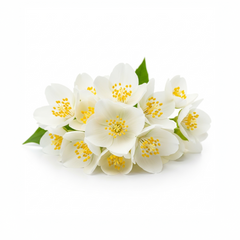
Jasmine

20–25% of blend

Jasmine absolute provides indole and benzyl acetate, essential for the narcotic, creamy depth found in natural white lily.

25%

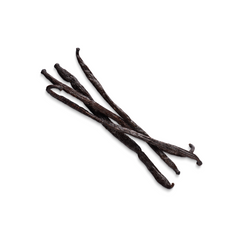
Vanilla

20–25% of blend

Vanilla adds vanillin, which softens the green and spicy facets, creating a creamy, enveloping base that mimics the pollen-rich heart of the flower.

30%

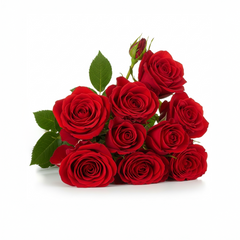
Rose

25–30% of blend

Rose oil supplies phenylethyl alcohol, bridging the green and floral aspects and enhancing the petal-like freshness.

30%

Amber

25–30% of blend

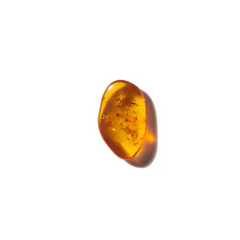
Amber accords introduce warmth and fixative properties, stabilizing the volatile top notes and extending the sillage.

The Olfactory Layers

How White Lily Evolves on Skin

White lily fragrances evolve from a fresh, green opening to a creamy, spicy heart and a soft, musky base. High-volatility aldehydes and green notes evaporate quickly, revealing the indolic, pollen-rich core before settling into a warm, powdery trail.

I
Top notes
0–15 min
Dewy Green Opening

The opening features green aldehydes (such as hexanal and cis-3-hexenol) and light floral alcohols, creating a dewy, fresh impression. These high-volatility compounds evaporate rapidly, providing an initial burst of brightness and clarity.

GreenFreshDewy
II
Heart notes
20–60 min
Creamy Floral Heart

The heart is dominated by eugenol, indole, and phenylethyl alcohol, which together create the creamy, spicy, and narcotic core of the white lily accord. This stage is where the signature floral character fully blooms.

CreamySpicyFloral
III
Base notes
Several hours
Powdery Musky Drydown

As the fragrance dries down, musks and vanillin emerge, providing a soft, powdery finish. These heavier molecules have low volatility, ensuring a lingering, skin-like warmth that anchors the composition.

PowderyMuskyWarm
TOP NOTES Dewy Green Opening 0–15 minutes HEART NOTES Creamy Floral Heart 20–60 minutes BASE NOTES Powdery Musky Drydown Several hours
Through the Ages

The Story of White Lily in Perfumery

White lily’s history in perfumery spans from ancient symbolism to modern synthetic construction, shaping its role as a symbol of purity and elegance.

1570 BCE

Ancient Egypt: Lily in Rituals

White lilies appear in tomb paintings and ceremonial garlands in Thebes, symbolizing rebirth and purity in ancient Egyptian culture.

Middle Ages

Fleur-de-lis: Royal Emblem

The white lily becomes the emblem of French royalty, the fleur-de-lis, representing purity and divine right in the courts of France.

19th Century

Mute Flower Discovery

Perfumers in Grasse determine that white lily is a mute flower, leading to early attempts at solvent extraction and the first synthetic lily accords.

2000

Un Lys by Serge Lutens

Christopher Sheldrake creates Un Lys, the first widely acclaimed photorealistic lily soliflore, setting a new standard for white lily in perfumery.

2011

Baiser Volé by Cartier

Mathilde Laurent launches Baiser Volé, focusing on the luminous, powdery facets of lily, and bringing the note to a new generation of fragrance enthusiasts.

The Art of Layering

How to Layer White Lily

Understanding how to layer white lily involves pairing it with notes that share molecular affinities or provide olfactory contrast. The key is to balance green, creamy, and spicy facets for a multidimensional effect.

01

Enhance Green Freshness

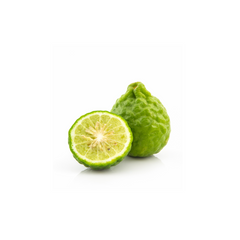
Layering white lily with citrus notes (such as bergamot or grapefruit) amplifies the green aldehydic molecules, resulting in a brighter, more luminous scent. This technique is demonstrated in Cartier Baiser Volé, where green leaves and citrus elevate the lily heart.

02

Add Creamy Depth

Pairing white lily with vanilla or sandalwood introduces vanillin and lactones, which mask the sharper green facets and enhance the creamy, pollen-like texture. Serge Lutens Un Lys uses vanilla to create a soft, enveloping base.

03

Introduce Spicy Warmth

Combining white lily with spicy notes like clove or pink pepper leverages the shared eugenol content, deepening the spicy undertone. Donna Karan Gold pairs Casablanca lily with amber and patchouli for a warm, sensual effect.

Wear It Right

How to Wear White Lily Like a Pro

Seasonal Guide

Fall & Winter

In cooler temperatures, white lily’s creamy and musky facets are more pronounced, as lower volatility suppresses the green top notes. Apply to pulse points under clothing to maximize warmth-driven diffusion. Pair with amber or vanilla for added richness.

Spring

Spring’s moderate temperatures allow the full spectrum of white lily’s scent profile to emerge. The green, dewy opening is most vibrant, while the creamy heart remains balanced. Apply to exposed skin for optimal projection.

Summer

Heat increases the volatility of aldehydes and green notes, making the fragrance brighter but shorter-lived. Apply sparingly to avoid overwhelming sillage, and consider layering with citrus or aquatic notes for freshness.

Year-Round Tip

Adjust application based on humidity: high humidity amplifies projection, while dry air favors longevity. Layer with musks or woods to anchor the floral heart in all seasons.

Application Points

Strategic application of white lily fragrances optimizes their olfactory evolution and longevity.

1

Neck

Applying to the neck leverages body heat to accelerate the evaporation of green top notes, revealing the creamy heart more quickly.

2

Behind the Ears

This area is less exposed to air, slowing evaporation and extending the musky, powdery drydown of the white lily accord.

3

Inner Wrists

Pulse points on the wrists enhance the projection of volatile aldehydes, making the green, dewy opening more prominent.

4

Hair

Spraying on hair provides a slow-release effect, as the scent molecules are gradually released with movement and warmth.

Pro Tip

Layer white lily fragrances over unscented moisturizer to enhance longevity and prevent rapid evaporation of top notes.

HumanSafe™

Top White Lily Fragrances by HumanSafe™ Score

These White Lily-based fragrances have the highest product-level HumanSafe™ scores in this ingredient collection.

Highest HumanSafe™ Score
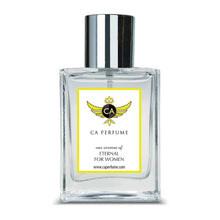
083- Eternal For Women Perfume Spray
#1
083- Eternal For Women Perfume Spray
Starting from $12.99
A-
HumanSafe™ Score Generally Safe
Safest Evaluated Ingredients EDP
AQUA Solvent / Carrier ISS 10.0
ACETIC ACID, PHENYLMETHYL ESTER Evaluated ingredient ISS 10.0
3-BUTEN-2-ONE, 4-(2,6,6-TRIMETHYL-1-CYCLOHEXEN-1- Evaluated ingredient ISS 10.0
BENZYL SALICYLATE EYE IRRITATION - CAT.2B [H320] Evaluated ingredient ISS 9.0
3-BUTEN-2-ONE, 4-(2,6,6-TRIMETHYL-2-CYCLOHEXEN-1- Evaluated ingredient ISS 9.0
TERPINEOL EYE IRRITATION - CAT.2A [H319] Evaluated ingredient ISS 7.0
View full safety profile →
Expert Voices

What Masters Say About White Lily

The most photorealistic, to me, is Lys Méditerranée by Frederic Malle: it is the experience of burying your face into the waxy petals of white oriental lilies in a vase of fresh water. The development even mimics the lifespan of the flower; it begins quite green and fresh, but as the wear progresses you're introduced to the honeyed pollen and the powdery-fluffy golden stamen. Masterpiece.
Azula, Fragrantica Club
White lily is a mute flower in perfumery—its scent is constructed from a blend of natural isolates and synthetic molecules, with eugenol and indole providing the spicy and narcotic facets that define its unique floral character.
CA Perfume Editorial
Common Questions

Frequently Asked Questions

Answers to common questions about white lily in perfumery, with technical and practical detail.

White lily in perfume is characterized by a creamy, green, and softly spicy floral scent. The note is constructed using key aroma chemicals such as eugenol (spicy, clove-like), indole (subtle animalic), and phenylethyl alcohol (fresh, rose-like). The overall effect is luminous and narcotic, with a dewy freshness in the opening and a creamy, musky drydown. Notable fragrances that capture this profile include Serge Lutens Un Lys and Cartier Baiser Volé.

White lily is classified as a heart (middle) note in perfumery. It forms the central floral theme of a composition, bridging the volatility of top notes with the longevity of the base. Its key aroma molecules, such as eugenol and indole, have moderate volatility, ensuring that the floral character persists after the initial freshness dissipates.

White lily is favored in niche perfumery for its complex, multidimensional scent profile and its ability to evoke both purity and sensuality. Its construction allows perfumers to balance green, creamy, and spicy facets, offering versatility in both soliflore and blended compositions. The note’s symbolic associations with elegance and purity further enhance its appeal.

White lily fragrance uses often involve pairing with jasmine, rose, vanilla, and sandalwood. Jasmine and rose share indole and phenylethyl alcohol, creating a seamless floral heart. Vanilla and sandalwood introduce creamy, lactonic, and woody facets that round out the composition. Green notes and citrus can be used to enhance freshness.

White lily perfumes can be worn in summer, but their volatility increases in heat, making the green and aldehydic notes more prominent and the overall scent brighter but shorter-lived. For hot weather, choose lighter concentrations (EDT) or layer with citrus and aquatic notes for added freshness.

White lily fragrances typically last 4–6 hours on the skin. Longevity depends on the concentration of musks and fixatives in the formula, as well as individual skin chemistry. Parfum and EDP formats offer the longest wear, while EDT is lighter and more fleeting.

Yes, white lily can be layered with complementary notes such as citrus (for freshness), vanilla (for creaminess), or woods (for depth). Layering works best when the molecular profiles are compatible—shared indole and eugenol content ensures a harmonious blend. Experiment with small amounts to find your preferred combination.

For those new to white lily, recommended entry points include Cartier Baiser Volé (luminous, powdery), Serge Lutens Un Lys (photorealistic soliflore), and Le Labo Lys 41 (creamy, blended with jasmine and tuberose). These fragrances showcase different facets of the white lily note.

Consider your preferred scent profile—if you enjoy fresh, green florals, look for white lily fragrances with pronounced aldehydic or citrus top notes. For a creamier, more sensual effect, select blends with vanilla or sandalwood in the base. CA Perfume’s collection highlights both classic and modern interpretations, all HumanSafe™ verified for ingredient transparency.

White lily is not inherently overly sweet; its sweetness is balanced by green and spicy facets. The creamy, pollen-like heart is offset by aldehydic freshness and subtle animalic notes. Most white lily fragrances are suitable for daily wear, offering a clean, elegant floral character that is neither cloying nor overpowering.

Floral Collection

Explore Our Top White Lily Fragrances

Discover CA Perfume’s curated selection of white lily-centered fragrances, each crafted to highlight the note’s creamy, green, and spicy facets.

Shop all white lily fragrances at CA Perfume →

Where White Lily Comes From — Origin & Extraction

White Lily (Lilium candidum, Lilium longiflorum, and related species) is native to the Mediterranean basin and Western Asia, with significant cultivation in France (notably Grasse), Italy, and the United States. The flower is botanically classified in the Liliaceae family. Despite its prominence in perfumery, white lily is a mute flower—meaning its scent cannot be extracted by traditional steam distillation or enfleurage due to the instability of its volatile compounds. Attempts at solvent extraction (using hexane or petroleum ether) yield a concrete with extremely low yield (0.05–0.1% by weight) and poor olfactory fidelity, making natural lily absolute prohibitively expensive (estimates exceed $15,000/kg) and rare in commercial perfumery. As a result, the vast majority of white lily notes are constructed synthetically. Key aroma chemicals include eugenol (CAS 97-53-0), methyl anthranilate (CAS 134-20-3), indole (CAS 120-72-9), and phenylethyl alcohol (CAS 60-12-8). These are blended with natural isolates from jasmine, orange blossom, and ylang-ylang to create a realistic white lily accord. France remains a leading center for the development of lily accords, with Grasse-based houses supplying both natural isolates and synthetic blends. Italy and the United States also cultivate lilies for ornamental and symbolic use, but not for direct fragrance extraction. Cost comparison is stark: synthetic lily accords cost $50–$200/kg, while natural extraction (if available) exceeds $15,000/kg. Sustainability is a key consideration—synthetic construction reduces pressure on agricultural land and avoids the waste associated with low-yield extraction. The HumanSafe™ platform at CA Perfume ensures full transparency regarding the sourcing and safety of all lily-related aroma chemicals.

Famous Fragrances That Define White Lily in Perfumery

White lily has inspired some of the most iconic floral fragrances in modern perfumery. Serge Lutens Un Lys (2000, perfumer Christopher Sheldrake) is widely regarded as the reference soliflore, capturing the creamy, green, and pollen-rich facets of the flower with remarkable realism. Cartier Baiser Volé (2011, Mathilde Laurent) presents a luminous, powdery lily, focusing on the freshness of petals and the subtle green of stems. Frederic Malle Lys Méditerranée (2000, Edouard Fléchier) offers a photorealistic interpretation, with aquatic and salty nuances that evoke lilies by the sea. Le Labo Lys 41 (2013, Daphne Bugey) blends lily with jasmine and tuberose, creating a voluptuous, creamy floral heart. Donna Karan Gold (2006, Rodrigo Flores-Roux) uses Casablanca lily as a dominant note, paired with amber and patchouli for a warm, sensual base. Each of these fragrances demonstrates a different facet of white lily in perfumery, from green and fresh to creamy and spicy. CA Perfume’s collection draws inspiration from this lineage, offering white lily-centered compositions that reflect both tradition and innovation.

Natural vs Synthetic White Lily in Perfumery

White lily is a classic example of a mute flower in perfumery, meaning its scent cannot be extracted in usable quantities from the natural bloom. As a result, nearly all white lily notes are constructed using synthetic aroma chemicals and natural isolates. Key synthetic molecules include eugenol (CAS 97-53-0), which provides the spicy, clove-like facet; methyl anthranilate (CAS 134-20-3), contributing a fruity-floral nuance; and indole (CAS 120-72-9), which imparts a subtle animalic depth. Phenylethyl alcohol (CAS 60-12-8) is often used for its rose-like, fresh floral character. Performance-wise, synthetic lily accords offer consistent longevity (typically 4–6 hours) and stable diffusion, whereas natural extracts (where available) are less stable and more variable. Cost is a major factor: synthetic lily accords are priced at $50–$200/kg, while natural lily absolute (rarely produced) can exceed $15,000/kg. Iconic fragrances such as Serge Lutens Un Lys, Cartier Baiser Volé, and Frederic Malle Lys Méditerranée rely on synthetic lily accords for their signature effect. Sustainability and supply chain transparency are enhanced by synthetic production, which avoids the agricultural impact of mass lily cultivation. At CA Perfume, all white lily accords are HumanSafe™ verified for ingredient transparency and skin safety.