Ingredient Guide · Floral
Floral Family · Perfumery Note

White Hyacinth

A fresh, green floral note that embodies spring's essence.

White hyacinth serves as a heart note in green and floral compositions, offering a fresh, green, and floral scent profile. Its key molecule, 2-phenylethanol, imparts a sweet, rose-like aroma, typically used at concentrations of 0.5–2% in perfumery.

White Hyacinth
Ingredient Profile

White Hyacinth

Floral Family
Family Floral
Usage Level 0.5–2%
The Ingredient

What does White Hyacinth smell like and why is it significant in perfumery?

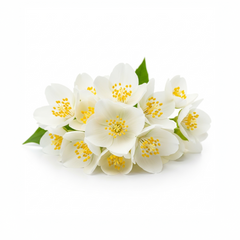
White hyacinth (Hyacinthus orientalis) is a bulbous perennial native to the Mediterranean region, celebrated for its intensely sweet, green, and floral fragrance. The scent is primarily attributed to 2-phenylethanol, a compound known for its rose-like aroma. In perfumery, white hyacinth is predominantly used as a heart note, contributing to green and floral compositions. Due to the delicate nature of the flower, natural extraction methods are challenging, leading to the widespread use of synthetic reproductions. Notable fragrances featuring white hyacinth include 'White Hyacinth' by Parfums Guy Alari (2013), where it serves as a central floral note, and 'Pana Dora' by Emanuele (2017), which incorporates white hyacinth to enhance its floral opulence. These examples demonstrate white hyacinth's versatility and enduring appeal in modern perfumery.

0.5–2%
Typical concentration range of white hyacinth in perfume formulations, balancing its fresh, green floral aroma without overpowering the composition.
5–7 hours
Average longevity of white hyacinth on the skin, providing a moderate duration of its fresh, green floral scent.
0.5–1%
Concentration range of white hyacinth in hair care products, offering a subtle scent without causing dryness or damage.
Origin & Extraction

Where White Hyacinth Comes From — Origin & Extraction

White hyacinth is native to the Mediterranean region, particularly Greece and Turkey. The plant thrives in well-drained soils and requires a temperate climate for optimal growth. The delicate nature of the flower makes natural extraction methods, such as steam distillation, challenging and inefficient. Consequently, the fragrance is predominantly obtained through solvent extraction, capturing the complex aroma of the flower. Synthetic versions of white hyacinth are also prevalent, offering a cost-effective and consistent alternative. These synthetics are typically produced by combining various floral and green aroma chemicals to replicate the distinctive scent profile of the natural flower. The choice between natural and synthetic white hyacinth in perfumery depends on factors such as desired scent authenticity, cost considerations, and sustainability practices.

White hyacinth (Hyacinthus orientalis) is native to the Mediterranean region, particularly Greece and Turkey. The plant thrives in well-drained soils and requires a temperate climate for optimal growth. The delicate nature of the flower makes natural extraction methods, such as steam distillation, challenging and inefficient. Consequently, the fragrance is predominantly obtained through solvent extraction, capturing the complex aroma of the flower. Synthetic versions of white hyacinth are also prevalent, offering a cost-effective and consistent alternative. These synthetics are typically produced by combining various floral and green aroma chemicals to replicate the distinctive scent profile of the natural flower. The choice between natural and synthetic white hyacinth in perfumery depends on factors such as desired scent authenticity, cost considerations, and sustainability practices.

Chemistry

Natural vs Synthetic White Hyacinth in Perfumery

In perfumery, white hyacinth is available in both natural and synthetic forms. The natural extract, obtained through solvent extraction of Hyacinthus orientalis flowers, offers a complex and authentic scent but is costly and yields limited quantities. Synthetic versions, created by blending floral and green aroma chemicals, provide a consistent and cost-effective alternative. These synthetics can replicate the key aroma compounds of natural white hyacinth, such as 2-phenylethanol, ensuring stability and scalability in fragrance production. The choice between natural and synthetic white hyacinth depends on factors like desired scent authenticity, cost considerations, and sustainability practices. Notably, the synthetic version is widely used in modern perfumery due to its practicality and consistency.

Natural
White Hyacinth Absolute
Cost $3,000–6,000/kg
Method Solvent / CO₂
Character Complex, variable
vs
Synthetic
Safranal & Analogues
Cost $50–200/kg
Method Lab synthesis
Character Consistent, stable
Hall of Fame

Famous Fragrances That Define White Hyacinth in Perfumery

White hyacinth has been a cherished note in perfumery, especially in green and floral compositions. Notable fragrances featuring white hyacinth include: - 'White Hyacinth' by Parfums Guy Alari (2013): A floral fragrance where white hyacinth serves as a central note, complemented by green notes and bergamot. - 'Pana Dora' by Emanuele (2017): Incorporates white hyacinth to enhance its floral opulence, blending it with other floral notes. - 'Scandic' by Pana Dora (2024): Features white hyacinth as a key component, contributing to its fruity-floral honeyed serenity. - 'Delox Extrait de Parfum' by Tiziana Terenzi (2017): Utilizes white hyacinth to add depth to its floral composition. - 'Magnetic Eau de Toilette' by Gabriela Sabatini (1992): Includes white hyacinth, adding a fresh floral element to its scent profile. These examples highlight white hyacinth's versatility and enduring appeal in modern perfumery.

The Accord

How is a captivating White Hyacinth accord crafted?

A white hyacinth accord can be crafted by blending the following ingredients: - White Hyacinth: 30–35% of blend - Jasmine: 25–30% of blend - Green Notes: 20–25% of blend - Musk: 15–20% of blend Each component contributes to the accord's overall character: - White Hyacinth provides the central floral note with its sweet, green, and floral aroma. - Jasmine adds depth and a rich floral complexity. - Green Notes introduce a fresh, vegetal facet, enhancing the naturalistic quality. - Musk offers a soft, lingering base, enhancing longevity and sillage.

The Olfactory Layers

How White Hyacinth Evolves on Skin

The olfactory evolution of white hyacinth in a fragrance unfolds as follows: - Top Notes (0–15 minutes): The initial impression is a fresh, green floral burst, attributed to high-volatility compounds like 2-phenylethanol. - Heart Notes (20–60 minutes): The scent develops into a more rounded floral profile, with the green facets becoming more pronounced. - Base Notes (Several hours): The fragrance settles into a soft, lingering floral aroma, with subtle green undertones.

Through the Ages

The Story of White Hyacinth in Perfumery

White hyacinth has been a cherished note in perfumery, especially in green and floral compositions. Notable fragrances featuring white hyacinth include: - 'White Hyacinth' by Parfums Guy Alari (2013): A floral fragrance where white hyacinth serves as a central note, complemented by green notes and bergamot. - 'Pana Dora' by Emanuele (2017): Incorporates white hyacinth to enhance its floral opulence, blending it with other floral notes. - 'Scandic' by Pana Dora (2024): Features white hyacinth as a key component, contributing to its fruity-floral honeyed serenity. - 'Delox Extrait de Parfum' by Tiziana Terenzi (2017): Utilizes white hyacinth to add depth to its floral composition. - 'Magnetic Eau de Toilette' by Gabriela Sabatini (1992): Includes white hyacinth, adding a fresh floral element to its scent profile. These examples highlight white hyacinth's versatility and enduring appeal in modern perfumery.

The Art of Layering

How to Layer White Hyacinth

Layering white hyacinth with complementary notes can enhance its fresh, green floral aroma, creating a harmonious and balanced fragrance experience.

01

Enhance Freshness

Pairing white hyacinth with green notes like galbanum or violet can amplify its fresh, green facets, creating a vibrant and invigorating scent profile.

02

Add Depth

Combining white hyacinth with floral notes such as jasmine or rose can add depth and complexity, balancing its green freshness with rich floral undertones.

03

Introduce Warmth

Layering white hyacinth with warm, spicy notes like cinnamon or sandalwood can introduce a contrasting warmth, adding dimension and interest to the fragrance.

Wear It Right

How to Wear White Hyacinth Like a Pro

Seasonal Guide

Fall & Winter

In cooler months, white hyacinth's fresh, green floral scent can provide a refreshing contrast to the typical warm, spicy fragrances. Its crisp aroma can evoke a sense of renewal and brightness during the colder seasons.

Spring

Spring is the prime season for white hyacinth, as its fresh, green floral scent aligns perfectly with the blossoming of nature. The fragrance complements the season's themes of renewal and growth.

Summer

In summer, white hyacinth's crisp, clean aroma offers a refreshing and cooling effect, making it a popular choice for daytime wear. Its lightness ensures it remains pleasant even in the heat.

Year-Round Tip

White hyacinth's versatility allows it to be worn year-round, though its fresh, green floral scent is particularly uplifting during the warmer months. In cooler weather, it can serve as a bright contrast to heavier fragrances.

Application Points

Strategic application of white hyacinth can enhance its fresh, green floral aroma, making it suitable for various occasions and settings.

1

Neck

Applying white hyacinth to the neck allows the fragrance to diffuse with body heat, enhancing its projection and longevity. The pulse points in this area help in the even distribution of the scent.

2

Behind the Ears

The area behind the ears is a subtle spot for applying white hyacinth, offering a delicate scent trail that is intimate and inviting. This application is ideal for close encounters.

3

Inner Wrists

The inner wrists are pulse points that emit heat, aiding in the diffusion of white hyacinth's fragrance. This application allows for easy reapplication and a personal scent experience.

4

Hair

Applying white hyacinth to the hair can leave a lingering scent that is released with movement. However, be cautious with alcohol-based perfumes to prevent hair dryness.

★

Pro Tip

For a more pronounced scent, apply white hyacinth to clothing or fabric. The fragrance will adhere to the material, providing a longer-lasting aroma that is less affected by body heat and moisture.

Mood Architecture™

Top White Hyacinth Fragrances by Mood Score

These White Hyacinth-based fragrances scored highest on the MEI™ Mood Architecture Framework — measuring how a scent may influence your emotional state.

Highest MEI Score
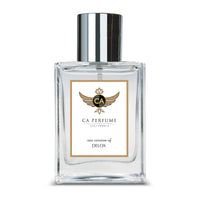
Delox — Tiziana Terenzi Delox Alternative Perfume
6.9
MEI™
Primary Romantic
Secondary Confident
Confidence
6.3
Presence
6.43
Mood Lift
7.45
Identity
6.67
Warmth
7.97
Social Ease
7.12
Energy
3.45
" I am beautiful.
View full mood profile →
HumanSafe™

Top White Hyacinth Fragrances by HumanSafe™ Score

These White Hyacinth-based fragrances have the highest product-level HumanSafe™ scores in this ingredient collection.

Highest HumanSafe™ Score
Delox — Tiziana Terenzi Delox Alternative Perfume
A
HumanSafe™ Score Very Safe
Safest Evaluated Ingredients EDP
AQUA Solvent / Carrier ISS 10.0
1,4-DIOXACYCLOHEPTADECANE-5,17-DIONE Evaluated ingredient ISS 10.0
N° TURKISH REACH: 01-0000453802-44- Evaluated ingredient ISS 7.0
CITRONELLOL Evaluated ingredient ISS 7.0
BENZENEMETHANOL, 4-METHOXY-, ACETATE Evaluated ingredient ISS 7.0
ALCOHOL DENAT. Solvent / Carrier ISS 7.0
View full safety profile →
Expert Voices

What Masters Say About White Hyacinth

“
White hyacinth's fresh, green floral scent makes it ideal for spring and summer wear, offering a crisp, clean aroma that complements warmer temperatures.
CA Perfume Editorial
“
Layering white hyacinth with complementary notes can enhance its fresh, green floral aroma, creating a harmonious and balanced fragrance experience.
CA Perfume Editorial
Common Questions

Frequently Asked Questions

Frequently asked questions about white hyacinth in perfumery.

White hyacinth in perfume offers a fresh, green floral scent, characterized by a sweet, rose-like aroma due to the presence of 2-phenylethanol, accompanied by green and slightly aquatic nuances. This combination imparts a crisp, clean scent reminiscent of spring, with a soft, watery sweetness and a subtle green undertone that evokes freshly cut flowers.

White hyacinth is typically used as a heart note in fragrances, contributing to green and floral compositions. Its fresh, green floral aroma provides a central floral note that enhances the overall complexity and balance of the perfume.

White hyacinth is valued in niche perfumes for its fresh, green floral scent that evokes springtime freshness. Its versatility allows it to be paired with various notes, making it a popular choice for creating unique and sophisticated compositions.

White hyacinth pairs well with floral notes such as jasmine and rose, green notes like galbanum and violet, and warm, spicy notes like cinnamon and sandalwood. These combinations enhance its fresh, green floral aroma and add depth to the fragrance.

Yes, white hyacinth's fresh, green floral scent makes it ideal for summer and hot weather. Its crisp, clean aroma complements warmer temperatures and provides a refreshing olfactory experience.

A white hyacinth fragrance typically lasts 5–7 hours on the skin, offering moderate longevity. The scent's projection is noticeable yet not overpowering, making it suitable for daytime wear.

Yes, white hyacinth can be layered with other fragrances to create a harmonious and balanced scent profile. Pairing it with complementary notes like jasmine, rose, or green notes can enhance its fresh, green floral aroma.

For beginners, fragrances like 'White Hyacinth' by Parfums Guy Alari (2013) and 'Pana Dora' by Emanuele (2017) are excellent choices. These perfumes showcase white hyacinth's versatility and appeal in modern perfumery.

At CA Perfume, selecting the right white hyacinth fragrance involves considering your personal scent preferences and the desired intensity. Our collection offers a range of options, from subtle to more pronounced white hyacinth notes, ensuring a perfect match for your olfactory profile.

White hyacinth in fragrance primarily imparts a sweet, floral aroma due to the presence of 2-phenylethanol. While it may have subtle spicy undertones, its dominant characteristic is its sweet, green floral scent.

Floral Collection

Explore Our Top White Hyacinth Fragrances

Discover our curated selection of white hyacinth perfumes, each offering a unique interpretation of this fresh, green floral note.

Shop all white hyacinth fragrances at CA Perfume →

Where White Hyacinth Comes From — Origin & Extraction

White hyacinth (Hyacinthus orientalis) is native to the Mediterranean region, particularly Greece and Turkey. The plant thrives in well-drained soils and requires a temperate climate for optimal growth. The delicate nature of the flower makes natural extraction methods, such as steam distillation, challenging and inefficient. Consequently, the fragrance is predominantly obtained through solvent extraction, capturing the complex aroma of the flower. Synthetic versions of white hyacinth are also prevalent, offering a cost-effective and consistent alternative. These synthetics are typically produced by combining various floral and green aroma chemicals to replicate the distinctive scent profile of the natural flower. The choice between natural and synthetic white hyacinth in perfumery depends on factors such as desired scent authenticity, cost considerations, and sustainability practices.

Famous Fragrances That Define White Hyacinth in Perfumery

White hyacinth has been a cherished note in perfumery, especially in green and floral compositions. Notable fragrances featuring white hyacinth include: - 'White Hyacinth' by Parfums Guy Alari (2013): A floral fragrance where white hyacinth serves as a central note, complemented by green notes and bergamot. - 'Pana Dora' by Emanuele (2017): Incorporates white hyacinth to enhance its floral opulence, blending it with other floral notes. - 'Scandic' by Pana Dora (2024): Features white hyacinth as a key component, contributing to its fruity-floral honeyed serenity. - 'Delox Extrait de Parfum' by Tiziana Terenzi (2017): Utilizes white hyacinth to add depth to its floral composition. - 'Magnetic Eau de Toilette' by Gabriela Sabatini (1992): Includes white hyacinth, adding a fresh floral element to its scent profile. These examples highlight white hyacinth's versatility and enduring appeal in modern perfumery.

Natural vs Synthetic White Hyacinth in Perfumery

In perfumery, white hyacinth is available in both natural and synthetic forms. The natural extract, obtained through solvent extraction of Hyacinthus orientalis flowers, offers a complex and authentic scent but is costly and yields limited quantities. Synthetic versions, created by blending floral and green aroma chemicals, provide a consistent and cost-effective alternative. These synthetics can replicate the key aroma compounds of natural white hyacinth, such as 2-phenylethanol, ensuring stability and scalability in fragrance production. The choice between natural and synthetic white hyacinth depends on factors like desired scent authenticity, cost considerations, and sustainability practices. Notably, the synthetic version is widely used in modern perfumery due to its practicality and consistency.