Ingredient Guide · Floral
Floral Family · Perfumery Note

White Flowers

The indolic, creamy signature of perfumery’s most sensual blooms.

White flowers in perfumery are heart notes defined by their creamy, narcotic, and animalic facets, primarily due to indole and related molecules. Used at 1–5% in compositions, they create both luminous and carnal effects depending on the blend.

White Flowers
Ingredient Profile

White Flowers

Floral Family
Family Floral
Note Position Heart Note
Usage Level 1–5% of formula
Key Origins India, Egypt, France
Iconic In Fracas, J’adore
The Ingredient

What does White Flowers smell like and why are they so central to perfumery?

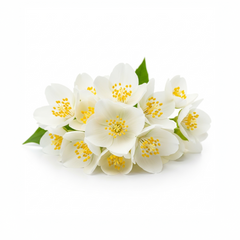
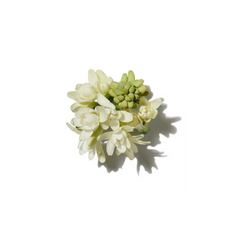
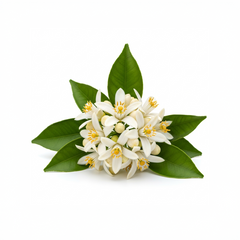
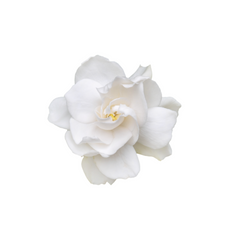
White flowers in perfumery refer to a group of blossoms—most notably jasmine (Jasminum grandiflorum and Jasminum sambac), tuberose (Polianthes tuberosa), gardenia (Gardenia jasminoides), orange blossom (Citrus aurantium), and lily of the valley (Convallaria majalis)—that share a creamy, narcotic, and sometimes animalic scent profile. The defining molecular signature is indole (C8H7N, CAS 120-72-9), present at trace levels in natural extracts, which imparts a heady, almost fleshy quality. Other key molecules include benzyl acetate (fruity, sweet), methyl anthranilate (grape-like, floral), and cis-jasmone (green, jasmine facet). These compounds, especially indole, are responsible for the duality of white flowers: radiant and pure at low concentrations, but carnal and even slightly dirty when concentrated or overdosed. In perfumery, white flowers are almost always used as heart notes, providing the central theme or bouquet in a composition. They are typically dosed at 1–5% of the formula, though in soliflore or “big white floral” fragrances, this can rise to 10% or more. Their interaction with skin chemistry is notable: indole and related molecules can be amplified by body heat and skin pH, sometimes producing a more animalic or musky effect on warmer or more acidic skin. This variability is part of what makes white floral fragrances so personal and polarizing. White flowers in perfumery are exemplified by iconic fragrances such as Fracas by Robert Piguet (1948, Germaine Cellier), which showcases tuberose’s creamy, green, and camphoraceous facets, and Dior J’adore (1999, Calice Becker), which blends jasmine, ylang-ylang, and magnolia for a luminous, modern white floral accord. More recently, Mugler Alien (2005, Dominique Ropion and Laurent Bruyère) uses jasmine sambac absolute for a solar, indolic heart, while Chanel Gabrielle (2017, Olivier Polge) combines jasmine, ylang-ylang, orange blossom, and tuberose in a radiant bouquet.

1–5% of formula
Typical concentration of white flower absolutes in fine fragrance compositions. Higher levels (>10%) are used in soliflores but can overwhelm due to indole’s intensity.
5–8 hours
Average longevity of white floral heart notes on skin, due to the persistence of indole, methyl anthranilate, and musks. Sillage is moderate to strong, especially in EDP/Parfum.
$5,000–12,000/kg
Cost range for natural jasmine and tuberose absolutes, reflecting the labor-intensive extraction and low yield. Synthetics cost $50–200/kg, enabling broader use.
Origin & Extraction

Where White Flowers Comes From — Origin & Extraction

The scent character of white flowers varies by geography: Indian jasmine is intensely indolic and fruity due to warm, humid climates; Egyptian jasmine is more delicate and green; French tuberose is creamy and lactonic, shaped by the Mediterranean terroir.

White flowers as a perfumery note are an olfactory family, not a single botanical source. The primary contributors are jasmine (Jasminum grandiflorum, Jasminum sambac), tuberose (Polianthes tuberosa), gardenia (Gardenia jasminoides), orange blossom (Citrus aurantium), and lily of the valley (Convallaria majalis). Jasmine is cultivated extensively in India (especially Tamil Nadu and Uttar Pradesh), Egypt (notably the Nile Delta), and Grasse, France. India accounts for over 70% of global jasmine absolute production, with annual output exceeding 50 metric tons. Tuberose is grown in southern India, China, and France, with India as the leading producer. Extraction methods vary by flower. Jasmine and tuberose are typically processed via solvent extraction (using hexane or petroleum ether) to yield concrete, which is then washed with ethanol to produce absolute. Yields are low: approximately 700–800 kg of jasmine flowers are required for 1 kg of absolute. Orange blossom can be extracted by both steam distillation (producing neroli oil) and solvent extraction (yielding orange flower absolute). Gardenia is a “mute flower”—its scent cannot be directly extracted and is reconstructed using isolates and synthetics. Lily of the valley is also mute and is recreated using aroma chemicals such as hydroxycitronellal (CAS 107-75-5). Natural white floral absolutes are among the most expensive perfumery materials, with jasmine absolute costing $5,000–8,000/kg and tuberose absolute $8,000–12,000/kg. Synthetic substitutes (e.g., indole, benzyl acetate, methyl anthranilate) cost $50–200/kg. Sustainability is a concern due to labor intensity and land use; synthetic and biotechnological routes are increasingly favored for environmental and ethical reasons.

IN

India

Tamil Nadu and Uttar Pradesh are major jasmine and tuberose producers. The hot, humid climate yields intensely indolic, fruity jasmine and creamy, narcotic tuberose. India supplies over 70% of global jasmine absolute, with annual production exceeding 50 metric tons.

EG

Egypt

The Nile Delta region produces jasmine grandiflorum with a green, delicate, and slightly tea-like profile. Egypt is the second-largest jasmine exporter, with a market share of about 20%.

FR

France

Grasse, in Provence, is renowned for tuberose and jasmine. The Mediterranean climate and limestone soils yield creamy, lactonic tuberose and balanced, nuanced jasmine. Grasse’s production is boutique-scale but sets global quality standards.

MA

Morocco

Morocco’s coastal regions produce orange blossom and neroli with a fresh, honeyed, and slightly green profile. The country accounts for 15–20% of global orange blossom absolute production, with strict PDO standards for quality.

Chemistry

Natural vs Synthetic White Flowers in Perfumery

Natural white flower extracts—such as jasmine absolute, tuberose absolute, and orange flower absolute—are prized for their complexity and nuance, containing hundreds of volatile compounds. However, their high cost, batch variability, and sustainability concerns have driven widespread use of synthetics. Key synthetic molecules include indole (CAS 120-72-9), benzyl acetate (CAS 140-11-4), and methyl anthranilate (CAS 134-20-3). Hydroxycitronellal (CAS 107-75-5) is essential for recreating lily of the valley, while hedione (methyl dihydrojasmonate, CAS 24851-98-7) imparts a radiant, jasmine-like freshness. Synthetic white floral notes offer greater stability, consistency, and affordability. For example, hedione is used extensively in Dior Eau Sauvage (1966) and Mugler Alien (2005) for its diffusive, luminous effect. Indole and methyl anthranilate are used to boost or reconstruct the narcotic, animalic facets of natural white florals. Cost differentials are stark: synthetics range from $50–200/kg, while natural absolutes can exceed $10,000/kg. Sustainability and transparency are increasingly important. The HumanSafe™ platform enables traceability of both natural and synthetic white floral materials, ensuring IFRA compliance and ethical sourcing. Most modern fragrances use a blend of natural and synthetic white floral notes for optimal performance, longevity, and safety.

Natural
White Flowers Absolute
Cost $3,000–6,000/kg
Method Solvent / CO₂
Character Complex, variable
vs
Synthetic
Safranal & Analogues
Cost $50–200/kg
Method Lab synthesis
Character Consistent, stable
Hall of Fame

Famous Fragrances That Define White Flowers in Perfumery

1948
dominant note

Fracas

Robert Piguet
by Germaine Cellier
orange blossomjasminegreen notes
1999
heart note bouquet

J’adore

Dior
by Calice Becker
jasmine sambacylang-ylangmagnolia
2005
dominant note

Alien

Mugler
by Dominique Ropion, Laurent Bruyère
jasmine sambacsolar notesamber
2017
heart note bouquet

Gabrielle

Chanel
by Olivier Polge
jasmineylang-ylangorange blossomtuberose
2000
dominant note

À la Nuit

Serge Lutens
by Christopher Sheldrake
jasminehoneygreen notes
2007
dominant note

Tuberose Gardenia

Estée Lauder
by Aerin Lauder, Harry Fremont
gardeniajasmineorange blossom

White flowers have defined some of the most iconic fragrances in perfumery. Fracas by Robert Piguet (1948, Germaine Cellier) is the archetypal tuberose soliflore, using natural tuberose absolute at high concentration for an opulent, creamy, and green effect, paired with orange blossom and jasmine. Dior J’adore (1999, Calice Becker) is a modern white floral bouquet, blending jasmine sambac, ylang-ylang, and magnolia with a luminous, transparent structure. Mugler Alien (2005, Dominique Ropion and Laurent Bruyère) centers on jasmine sambac absolute, amplified by synthetic solar and woody notes for a radiant, indolic heart. Chanel Gabrielle (2017, Olivier Polge) is a contemporary interpretation, combining jasmine, ylang-ylang, orange blossom, and tuberose in a balanced, radiant bouquet. Serge Lutens À la Nuit (2000, Christopher Sheldrake) is a jasmine soliflore, using both natural and synthetic jasmine materials for a lush, animalic effect. Estee Lauder Tuberose Gardenia (2007, Aerin Lauder and Harry Fremont) showcases a creamy, dewy white floral accord. Each of these fragrances demonstrates the versatility of white flowers as dominant, bridge, or accent notes, often paired with green, citrus, or woody elements. CA Perfume’s collection draws inspiration from this lineage, offering white floral compositions that balance natural absolutes and innovative synthetics.

The Accord

How is a captivating White Flowers accord crafted?

A white flowers accord blends jasmine absolute (25–30%), tuberose absolute (20–25%), orange blossom absolute (20–25%), and hedione (20–25%). Jasmine provides the indolic, narcotic heart; tuberose adds creamy, lactonic richness; orange blossom imparts a fresh, honeyed facet; hedione boosts diffusion and radiance by mimicking jasmine’s airy, transparent molecules.

30%

Jasmine Absolute

25–30% of blend

Jasmine absolute supplies indole, cis-jasmone, and benzyl acetate, creating the narcotic, animalic, and fruity facets essential to the white floral core.

25%

Tuberose Absolute

20–25% of blend

Tuberose absolute introduces methyl benzoate and methyl salicylate, giving a creamy, lactonic, and slightly medicinal richness that amplifies the accord’s depth.

25%

Orange Blossom Absolute

20–25% of blend

Orange blossom absolute brings linalool and nerolidol, adding a honeyed, fresh, and slightly green dimension that balances the heavier indolic notes.

25%

Hedione

20–25% of blend

Hedione (methyl dihydrojasmonate) is a synthetic that boosts the diffusion and radiance of the accord, mimicking jasmine’s airy, transparent molecules and enhancing projection.

The Olfactory Layers

How White Flowers Evolves on Skin

White flowers evolve from bright, green-citrus top notes to a narcotic, creamy heart and finally a musky, animalic base. Volatile esters and aldehydes evaporate quickly, revealing indolic, lactonic, and woody molecules over several hours.

I
Top notes
0–15 min
Dewy Green Petals

The opening is bright and green, dominated by volatile esters (benzyl acetate, linalool) and aldehydes. These molecules evaporate rapidly, creating an initial impression of fresh, dewy petals and citrus zest before the richer heart emerges.

greenfreshcitrus
II
Heart notes
20–60 min
Narcotic Creaminess

The heart is defined by indole, methyl anthranilate, and lactones, producing a narcotic, creamy, and slightly animalic floral bouquet. This stage is the signature of white flowers, with jasmine, tuberose, and orange blossom dominating.

narcoticcreamyfloral
III
Base notes
Several hours
Musky Skin Warmth

As the fragrance dries down, musks, sandalwood, and residual indole persist, creating a soft, skin-like, and subtly animalic trail. The base is warm, slightly powdery, and lingers due to the low volatility of these heavier molecules.

muskypowderyanimalic
TOP NOTES Dewy Green Petals 0–15 minutes HEART NOTES Narcotic Creaminess 20–60 minutes BASE NOTES Musky Skin Warmth Several hours
Through the Ages

The Story of White Flowers in Perfumery

White flowers have shaped perfumery from ancient rituals to modern icons, with each era introducing new extraction techniques and olfactory styles.

Antiquity

Sacred Florals in Rituals

Jasmine and orange blossom were used in ancient Indian and Egyptian rituals, valued for their intoxicating, sensual aromas. Early enfleurage and maceration techniques extracted their scent for oils and unguents.

1912

Quelques Fleurs Launch

Houbigant’s Quelques Fleurs, created by Robert Bienaimé, is considered the first true multi-floral bouquet, combining jasmine, tuberose, and orange blossom in a complex, blended accord.

1921

Chanel No. 5 and Aldehydic Florals

Ernest Beaux’s Chanel No. 5 uses synthetic aldehydes and jasmine absolute to create a luminous, abstract white floral effect, revolutionizing modern perfumery.

1948

Fracas: The Tuberose Icon

Germaine Cellier’s Fracas for Robert Piguet sets the standard for tuberose soliflores, using high concentrations of natural tuberose absolute and green notes.

1999–present

Modern White Floral Bouquets

Dior J’adore (1999, Calice Becker) and Mugler Alien (2005, Dominique Ropion) showcase the versatility of white flowers, blending natural absolutes with innovative synthetics for new olfactory effects.

The Art of Layering

How to Layer White Flowers

Understanding how to layer white flowers is key to creating personalized, complex fragrances. Molecular compatibility—shared indole, benzyl acetate, and lactone content—enables seamless blending with other notes.

01

Enhance Sweetness

Pair white flowers with vanilla or tonka bean. Vanillin and coumarin molecules mask indole’s sharpness, creating a creamy, gourmand effect. Fragrances like Dior J’adore and Guerlain Mon Guerlain demonstrate this synergy.

02

Add Depth

Layer with sandalwood or amber. The lactonic, woody molecules in sandalwood (santalol) and amber (labdanum derivatives) reinforce the creamy and musky base, enhancing longevity. Mugler Alien and Serge Lutens À la Nuit use these pairings.

03

Lighten the Glow

Combine with citrus or green notes. Limonene and hexyl cinnamic aldehyde in citrus/green accords brighten the floral heart and reduce animalic intensity. Chanel Gabrielle and Diptyque Olene use this approach.

Wear It Right

How to Wear White Flowers Like a Pro

Seasonal Guide

Fall & Winter

In cooler weather, the creamy, narcotic heart of white flowers is more subdued, and the musky, powdery base is prolonged. Apply to pulse points and clothing to maximize projection, as cold air suppresses volatility.

Spring

Spring’s moderate temperatures allow the green, dewy top notes and luminous heart to shine. Apply lightly to wrists and neck for a fresh, uplifting effect that matches the season’s renewal.

Summer

Heat increases volatility, amplifying the indolic, animalic facets and boosting sillage. Use sparingly or opt for EDT concentrations to avoid overwhelming projection. White flowers bloom in humid air, creating a radiant, enveloping aura.

Year-Round Tip

Layer white floral fragrances with citrus or green notes in warm weather for freshness, or with sandalwood and musk in cold weather for depth. Adjust application to climate and personal comfort.

Application Points

Strategic application enhances the evolution and projection of white flower fragrances.

1

Neck

Applying to the neck exposes the fragrance to body heat, accelerating the transition from green top notes to the creamy, narcotic heart. Ideal for showcasing the full evolution.

2

Behind the Ears

This area is slightly cooler, allowing the floral heart to linger and project subtly. The skin’s natural oils help anchor the musky, animalic base.

3

Inner Wrists

Pulse points on the wrists provide warmth and movement, enhancing the diffusion of indolic and lactonic molecules. Avoid rubbing to preserve the top notes’ integrity.

4

Hair

Spraying on hair or hairbrush allows for slow, sustained release of the fragrance. The creamy, musky facets are gently diffused with every movement.

Pro Tip

Layer over unscented moisturizer or body oil to prolong the longevity of white floral notes. Hydrated skin slows evaporation, intensifying the creamy, narcotic heart.

Mood Architecture™

Top White Flowers Fragrances by Mood Score

These White Flowers-based fragrances scored highest on the MEI™ Mood Architecture Framework — measuring how a scent may influence your emotional state.

Highest MEI Score
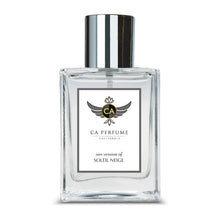
Soleil Neige — Tom Ford Soleil Neige Alternative Perfume
8.25
MEI™
Primary Romantic
Secondary Confident
Confidence
6.98
Presence
6.95
Mood Lift
9.5
Identity
7.4
Warmth
9.5
Social Ease
9.29
Energy
3.9
" I am beautiful.
View full mood profile →
Dark Oud — Apple Fruity Perfume
#2
Dark Oud — Apple Fruity Perfume
Starting from $14.99
7.63
MEI™
Primary Magnetic
Secondary Romantic
Confidence
6.88
Presence
8.68
Mood Lift
8.25
Identity
7.55
Warmth
8.61
Social Ease
7.3
Energy
4.2
" I am bold.
View full mood profile →
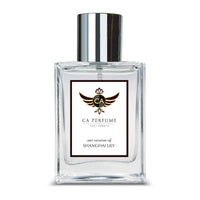
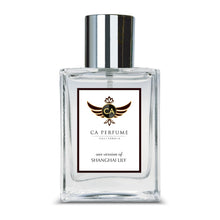
Shanghai Lily — Tom Ford Impression Shanghai Lily Alternative Perfume
7.13
MEI™
Primary Romantic
Secondary Confident
Confidence
6.79
Presence
7.36
Mood Lift
8.0
Identity
6.75
Warmth
7.99
Social Ease
6.33
Energy
4.5
" I am beautiful.
View full mood profile →
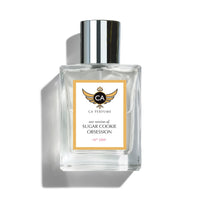
Sugar Cookie Obsession — Ylang-Ylang Floral Perfume
6.78
MEI™
Primary Romantic
Secondary Confident
Confidence
5.76
Presence
6.25
Mood Lift
7.8
Identity
6.15
Warmth
8.1
Social Ease
7.06
Energy
3.1
" I am beautiful.
View full mood profile →
HumanSafe™

Top White Flowers Fragrances by HumanSafe™ Score

These White Flowers-based fragrances have the highest product-level HumanSafe™ scores in this ingredient collection.

Highest HumanSafe™ Score
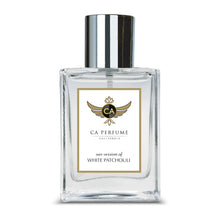
White Patchouli — Tom Ford White Patchouli Alternative Perfume
A-
HumanSafe™ Score Generally Safe
Safest Evaluated Ingredients EDP
AQUA Solvent / Carrier ISS 10.0
BENZYL SALICYLATE Evaluated ingredient ISS 9.0
LINALYL ACETATE Evaluated ingredient ISS 7.0
LINALOOL Evaluated ingredient ISS 7.0
CITRONELLOL Evaluated ingredient ISS 7.0
View full safety profile →
Sugar Cookie Obsession — Ylang-Ylang Floral Perfume
A-
HumanSafe™ Score Generally Safe
Safest Evaluated Ingredients EDP
AQUA Solvent / Carrier ISS 10.0
ALCOHOL DENAT. Solvent / Carrier ISS 7.0
ETHYL VANILLIN Evaluated ingredient ISS 6.0
View full safety profile →
Soleil Neige — Tom Ford Soleil Neige Alternative Perfume
A-
HumanSafe™ Score Generally Safe
Safest Evaluated Ingredients EDP
AQUA Solvent / Carrier ISS 10.0
AMBROXID Evaluated ingredient ISS 10.0
1,4-DIOXACYCLOHEPTADECANE-5,17-DIONE Evaluated ingredient ISS 10.0
BENZYL SALICYLATE Evaluated ingredient ISS 9.0
BENZENEPROPANAL, 4-METHOXY-.ALPHA.-METHYL- Evaluated ingredient ISS 9.0
View full safety profile →
Shanghai Lily — Tom Ford Impression Shanghai Lily Alternative Perfume
A-
HumanSafe™ Score Generally Safe
Safest Evaluated Ingredients EDP
AQUA Solvent / Carrier ISS 10.0
BENZYL SALICYLATE EYE IRRITATION - CAT. 2B [H320] Evaluated ingredient ISS 9.0
4H-INDEN-4-ONE, 1,2,3,5,6,7-HEXAHYDRO-1,1,2,3,3- Evaluated ingredient ISS 9.0
1H-3A,7-METHANOAZULENE, OCTAHYDRO-6-METHOXY-3,6,8,8- Evaluated ingredient ISS 9.0
OCTANAL, 2-(PHENYLMETHYLENE)- Evaluated ingredient ISS 8.0
LINALYL ACETATE Evaluated ingredient ISS 7.0
View full safety profile →
Expert Voices

What Masters Say About White Flowers

White floral fragrances share a family of molecules—particularly indole and its relatives—that produce the rich, heady, sometimes animalic depth that distinguishes these blooms from other flowers.
CA Perfume Editorial
In small amounts, indole smells beautiful—it is precisely what gives white flowers their slightly dangerous, intoxicating quality, the sense that they are not entirely innocent.
CA Perfume Editorial
Common Questions

Frequently Asked Questions

Answers to the most common questions about white flowers in perfumery.

White flowers in perfume smell creamy, narcotic, and slightly animalic, with a heady, enveloping floral character. The scent profile is shaped by indole (which adds a musky, sometimes sensual undertone), benzyl acetate (fruity, sweet), and methyl anthranilate (grape-like, floral). Depending on the blend, white flowers can evoke fresh, dewy petals or a rich, carnal bouquet. Iconic examples include Fracas by Robert Piguet and Dior J’adore, both of which showcase the complexity and versatility of this note.

White flowers are almost always used as heart notes in fragrance compositions. Their key molecules—indole, methyl anthranilate, and lactones—have moderate volatility, allowing the floral heart to persist after the top notes fade but before the base notes fully emerge. In soliflore fragrances, white flowers can dominate the entire olfactory pyramid, but their main impact is in the heart.

White flowers are favored in niche perfumery for their complexity, intensity, and ability to create both luminous and carnal effects. Their indolic, creamy, and sometimes animalic facets offer a broad palette for artistic expression. Niche brands often use higher concentrations of natural absolutes or innovative synthetic reconstructions to push the boundaries of traditional floral perfumery.

White flowers fragrance uses often include pairing with sandalwood, vanilla, musk, and citrus. Sandalwood and vanilla enhance the creamy, gourmand facets, while musk and amber reinforce the skin-like base. Citrus and green notes brighten the floral heart, reducing the intensity of indolic or animalic aspects. These combinations are seen in fragrances like Mugler Alien and Chanel Gabrielle.

White flowers can be worn in summer, but their indolic, animalic facets are amplified by heat and humidity, increasing projection and sillage. Lighter concentrations (EDT) or blends with citrus and green notes are recommended for hot weather to avoid overwhelming intensity. Many summer florals use white flowers in a more transparent, airy style.

White flowers fragrances typically last 5–8 hours on skin, depending on concentration and formulation. The persistence is due to the moderate volatility of indole, methyl anthranilate, and musks. Parfum and EDP formats offer the longest longevity, while EDTs are lighter and shorter-lived.

Yes, white flowers layer well with vanilla, sandalwood, musk, and citrus notes. Molecular compatibility—shared indole, benzyl acetate, and lactone content—enables seamless blending. Layering with vanilla or tonka bean softens the animalic edge, while citrus and green notes add freshness. Experimenting with layering allows for personalized, complex scent profiles.

For beginners, fragrances like Dior J’adore (Calice Becker, 1999), Chanel Gabrielle (Olivier Polge, 2017), and Estée Lauder Tuberose Gardenia (Aerin Lauder, Harry Fremont, 2007) offer approachable, balanced white floral accords. These use a mix of natural and synthetic materials for a luminous, wearable effect.

Consider your preference for creamy, narcotic, or fresh floral styles. If you enjoy classic, opulent white florals, look for compositions with tuberose and jasmine. For a lighter, more modern effect, seek blends with citrus, green, or musky notes. Sampling different concentrations (EDP vs EDT) can help you find the ideal projection and longevity for your needs.

While white flowers have traditionally been associated with feminine fragrances, modern perfumery increasingly uses them in unisex and even masculine compositions. The creamy, narcotic heart can be balanced with woody, musky, or citrus notes for a gender-neutral effect. Iconic unisex examples include Mugler Alien and Serge Lutens À la Nuit.

Floral Collection

Explore Our Top White Flowers Fragrances

Discover CA Perfume’s most popular white floral compositions, blending natural absolutes and innovative synthetics for a luminous, narcotic heart.

Shop all white flowers fragrances at CA Perfume →

Where White Flowers Comes From — Origin & Extraction

White flowers as a perfumery note are an olfactory family, not a single botanical source. The primary contributors are jasmine (Jasminum grandiflorum, Jasminum sambac), tuberose (Polianthes tuberosa), gardenia (Gardenia jasminoides), orange blossom (Citrus aurantium), and lily of the valley (Convallaria majalis). Jasmine is cultivated extensively in India (especially Tamil Nadu and Uttar Pradesh), Egypt (notably the Nile Delta), and Grasse, France. India accounts for over 70% of global jasmine absolute production, with annual output exceeding 50 metric tons. Tuberose is grown in southern India, China, and France, with India as the leading producer. Extraction methods vary by flower. Jasmine and tuberose are typically processed via solvent extraction (using hexane or petroleum ether) to yield concrete, which is then washed with ethanol to produce absolute. Yields are low: approximately 700–800 kg of jasmine flowers are required for 1 kg of absolute. Orange blossom can be extracted by both steam distillation (producing neroli oil) and solvent extraction (yielding orange flower absolute). Gardenia is a “mute flower”—its scent cannot be directly extracted and is reconstructed using isolates and synthetics. Lily of the valley is also mute and is recreated using aroma chemicals such as hydroxycitronellal (CAS 107-75-5). Natural white floral absolutes are among the most expensive perfumery materials, with jasmine absolute costing $5,000–8,000/kg and tuberose absolute $8,000–12,000/kg. Synthetic substitutes (e.g., indole, benzyl acetate, methyl anthranilate) cost $50–200/kg. Sustainability is a concern due to labor intensity and land use; synthetic and biotechnological routes are increasingly favored for environmental and ethical reasons.

Famous Fragrances That Define White Flowers in Perfumery

White flowers have defined some of the most iconic fragrances in perfumery. Fracas by Robert Piguet (1948, Germaine Cellier) is the archetypal tuberose soliflore, using natural tuberose absolute at high concentration for an opulent, creamy, and green effect, paired with orange blossom and jasmine. Dior J’adore (1999, Calice Becker) is a modern white floral bouquet, blending jasmine sambac, ylang-ylang, and magnolia with a luminous, transparent structure. Mugler Alien (2005, Dominique Ropion and Laurent Bruyère) centers on jasmine sambac absolute, amplified by synthetic solar and woody notes for a radiant, indolic heart. Chanel Gabrielle (2017, Olivier Polge) is a contemporary interpretation, combining jasmine, ylang-ylang, orange blossom, and tuberose in a balanced, radiant bouquet. Serge Lutens À la Nuit (2000, Christopher Sheldrake) is a jasmine soliflore, using both natural and synthetic jasmine materials for a lush, animalic effect. Estee Lauder Tuberose Gardenia (2007, Aerin Lauder and Harry Fremont) showcases a creamy, dewy white floral accord. Each of these fragrances demonstrates the versatility of white flowers as dominant, bridge, or accent notes, often paired with green, citrus, or woody elements. CA Perfume’s collection draws inspiration from this lineage, offering white floral compositions that balance natural absolutes and innovative synthetics.

Natural vs Synthetic White Flowers in Perfumery

Natural white flower extracts—such as jasmine absolute, tuberose absolute, and orange flower absolute—are prized for their complexity and nuance, containing hundreds of volatile compounds. However, their high cost, batch variability, and sustainability concerns have driven widespread use of synthetics. Key synthetic molecules include indole (CAS 120-72-9), benzyl acetate (CAS 140-11-4), and methyl anthranilate (CAS 134-20-3). Hydroxycitronellal (CAS 107-75-5) is essential for recreating lily of the valley, while hedione (methyl dihydrojasmonate, CAS 24851-98-7) imparts a radiant, jasmine-like freshness. Synthetic white floral notes offer greater stability, consistency, and affordability. For example, hedione is used extensively in Dior Eau Sauvage (1966) and Mugler Alien (2005) for its diffusive, luminous effect. Indole and methyl anthranilate are used to boost or reconstruct the narcotic, animalic facets of natural white florals. Cost differentials are stark: synthetics range from $50–200/kg, while natural absolutes can exceed $10,000/kg. Sustainability and transparency are increasingly important. The HumanSafe™ platform enables traceability of both natural and synthetic white floral materials, ensuring IFRA compliance and ethical sourcing. Most modern fragrances use a blend of natural and synthetic white floral notes for optimal performance, longevity, and safety.