Ingredient Guide · Gourmand
Gourmand Family · Perfumery Note

White Chocolate

Indulgent gourmand heart note with velvety warmth

White chocolate is a gourmand heart note in perfumery known for its rich, creamy sweetness derived from cocoa butter and vanilla. It is typically used below 5% concentration, adding a comforting, velvety warmth to compositions.

White Chocolate
Ingredient Profile

White Chocolate

Gourmand Family
Family Gourmand
Note Position Heart Note
Usage Level <5%
Key Origins Switzerland, Belgium, United States
Iconic In Fantasy, Matcha Meditation
The Ingredient

What does White Chocolate smell like and what is its role in perfumery?

White chocolate is a gourmand fragrance note derived from the confection made of cocoa butter, sugar, and milk solids. Its scent profile is characterized by a rich, creamy sweetness with lactonic nuances and a velvety texture. Key molecules contributing to this profile include vanillin and fatty cocoa butter components, which create a smooth, milky aroma reminiscent of melted confectioner’s sugar and vanilla custard. In perfumery, white chocolate functions primarily as a heart note, used at concentrations typically below 5%. It enhances the sweetness and creaminess of compositions without overwhelming other notes. Its interaction with skin chemistry often results in a warm, comforting aura that can evoke nostalgic and indulgent sensations. Notable fragrances featuring white chocolate include Britney Spears' Fantasy (2005), where it adds a soft gourmand sweetness, and Chanel's Coromandel Eau de Parfum (2016), which uses it to enrich the oriental woody accord with creamy nuances.

2–3 Sprays
Optimal application amount to experience white chocolate’s creamy sweetness without overpowering other notes, ensuring balanced projection.
4–6 Hours
Typical longevity of white chocolate fragrances on skin, reflecting the persistence of vanillin and fatty cocoa butter molecules.
<5%
Common usage concentration in perfume formulations to maintain gourmand character while avoiding cloying sweetness or skin sensitization.
Origin & Extraction

Where White Chocolate Comes From — Origin & Extraction

White chocolate’s scent character is influenced by its geographic origins, where soil quality, climate, and artisanal methods shape the cocoa butter and milk solids used in confectionery. These factors translate into subtle olfactory nuances in perfumery ingredients.

White chocolate as a fragrance ingredient is inspired by the confectionery product made primarily from cocoa butter, sugar, and milk solids. The key origins of white chocolate in perfumery trace back to countries renowned for chocolate craftsmanship: Switzerland, Belgium, and the United States. Switzerland produces richly flavored white chocolate known for its smooth, luxurious texture, often serving as a base for artisanal confections. Belgium's white chocolate is characterized by a perfect balance of sweetness and creaminess, reflecting its high-quality chocolate-making tradition. In the United States, white chocolate embodies a playful and indulgent spirit, popular in various desserts and gourmand products. Extraction of natural white chocolate absolute for perfumery involves solvent extraction or supercritical CO₂ extraction from cocoa butter and related materials. These methods preserve the complex, variable character of the note. Natural white chocolate absolute costs approximately $3,000 to $6,000 per kilogram due to the complexity and labor-intensive extraction process. Synthetic alternatives, including safranal and related analogues, are produced via laboratory synthesis, offering consistent and stable aroma profiles at a lower cost of $50 to $200 per kilogram. Sustainability considerations favor synthetic molecules due to the environmental impact of large-scale cocoa production and the variability of natural extracts.

CH

Switzerland

Swiss white chocolate is renowned for its smooth, luxurious texture and rich flavor, attributed to high-quality cocoa butter and precise artisanal craftsmanship. Switzerland holds a significant market share in premium white chocolate production, with strict quality standards ensuring consistency.

BE

Belgium

Belgian white chocolate is characterized by a balanced sweetness and creamy mouthfeel, derived from traditional chocolate-making techniques and high-grade raw materials. Belgium is a leading exporter of gourmet white chocolate, with PDO designations for certain regional specialties.

US

United States

The US market embraces white chocolate with a playful and indulgent spirit, producing a variety of artisanal and mass-market products. Regional climate and dairy quality influence the milk solids, contributing to the note’s creamy and sweet nuances in perfumery.

Chemistry

Natural vs Synthetic White Chocolate in Perfumery

Natural white chocolate absolute is extracted through solvent or CO₂ methods from cocoa butter and milk solids, yielding a complex and variable aroma profile that captures the creamy, sweet, and lactonic nuances of the confection. This natural form is costly, ranging from $3,000 to $6,000 per kilogram, and its character can vary with source material and extraction conditions. Synthetic white chocolate aroma chemicals primarily include safranal (CAS 116-26-7) and analogues that replicate the creamy sweetness and velvety warmth of natural white chocolate. These synthetics offer consistent performance, enhanced longevity, and diffusion, with costs between $50 and $200 per kilogram. Famous fragrances like Britney Spears' Fantasy use natural or natural-inspired white chocolate absolutes, while others may rely on synthetic molecules for stability and cost-effectiveness. Sustainability concerns and supply chain transparency are increasingly important; the HumanSafe™ platform verifies ingredient safety and ethical sourcing, guiding CA Perfume's approach to balancing natural complexity with synthetic reliability.

Natural
White Chocolate Absolute
Cost $3,000–6,000/kg
Method Solvent / CO₂
Character Complex, variable
vs
Synthetic
Safranal & Analogues
Cost $50–200/kg
Method Lab synthesis
Character Consistent, stable
Hall of Fame

Famous Fragrances That Define White Chocolate in Perfumery

2005
heart note

Fantasy

Britney Spears
fruity notesflorals
2021
accent note

Matcha Meditation

Maison Martin Margiela
green teaflorals
2016
supporting note

Coromandel Eau de Parfum

Chanel
by Jacques Polge
patchoulibenzoinwoods
2025
accent note

Tonka Latte

Parfums Dusita
tonka beancoffee
2025
heart note

Cocoa & Latte

Zara
caramelvanillawoods
2025
accent note

Queens Caramel

Ellis Brooklyn
caramelvanilla

White chocolate has become a defining gourmand note in several landmark fragrances over the past two decades. Britney Spears' Fantasy (2005) uses white chocolate as a heart note to impart a creamy sweetness that balances fruity and floral accords, creating a youthful and indulgent scent. Maison Martin Margiela's Matcha Meditation (2021) incorporates white chocolate to add a smooth, milky texture that complements green tea and floral notes. Chanel's Coromandel Eau de Parfum (2016), crafted by perfumer Jacques Polge, employs white chocolate to enrich its oriental woody structure, lending a subtle creamy warmth that contrasts with patchouli and benzoin. Parfums Dusita's Tonka Latte (2025) features white chocolate as a gourmand accent paired with tonka bean and coffee, enhancing the edible quality of the fragrance. Zara's Cocoa & Latte (2025) and Ellis Brooklyn's Queens Caramel (2025) also highlight white chocolate's versatility in modern gourmand compositions, blending it with caramel, vanilla, and soft woods for a cozy effect. CA Perfume's collection draws inspiration from this lineage, emphasizing white chocolate's role in creating comforting, sophisticated gourmand fragrances.

The Accord

How is a captivating White Chocolate accord crafted?

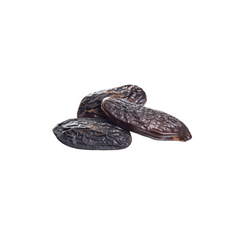
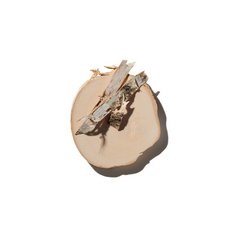
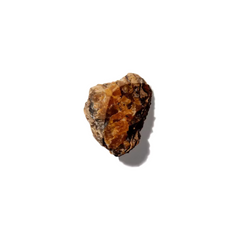
A white chocolate accord is constructed by blending creamy, sweet, and warm notes to evoke the indulgent character of the ingredient. Cashmere wood (15–20%) provides a smooth, velvety undertone that complements the fatty richness of white chocolate. Benzoin (20–25%) adds a resinous, sweet balsamic depth that enhances the gourmand quality. Vanilla (25–30%) contributes vanillin, softening and rounding the accord with its creamy sweetness. Tonka bean (20–25%) introduces coumarin, lending a warm, slightly spicy nuance that balances the sweetness and adds complexity. Together, these ingredients create a harmonious, enveloping accord that highlights white chocolate's luxurious texture.

20%

Cashmere Wood

15–20% of blend

Adds a smooth, creamy undertone that complements white chocolate’s fatty richness, enhancing texture.

25%

Benzoin

20–25% of blend

Provides sweet, balsamic resinous depth that amplifies the gourmand sweetness and warmth.

30%

Vanilla

25–30% of blend

Contributes vanillin, softening the accord with creamy sweetness and enhancing gourmand appeal.

25%

Tonka Bean

20–25% of blend

Introduces coumarin, adding warm, slightly spicy nuances that balance and enrich the sweetness.

The Olfactory Layers

How White Chocolate Evolves on Skin

White chocolate unfolds in a gourmand fragrance pyramid with an initial creamy sweetness that evolves into a warm, velvety heart before settling into a soft, comforting base. The evaporation rates of vanillin and fatty cocoa butter molecules govern the smooth transition from top to base notes over several hours.

I
Top notes
0–15 min
Creamy Sweetness

The opening features light creamy and sweet facets, primarily due to volatile vanillin and sugar-derived molecules. These high-volatility compounds create an inviting, mouthwatering impression reminiscent of melted confectioner’s sugar and fresh milk.

CreamySweetInviting
II
Heart notes
20–60 min
Velvety Richness

The heart reveals the velvety richness of cocoa butter and lactones, which evaporate more slowly, imparting a smooth, buttery texture. This stage is marked by a warm, indulgent sweetness with subtle milky and vanilla nuances that deepen the gourmand character.

VelvetyButteryWarm
III
Base notes
Several hours
Warm Comfort

The base is composed of lingering vanillin and tonka bean coumarin, providing a soft, warm sweetness with a faintly nutty and resinous undertone. These low-volatility molecules ensure the fragrance’s comforting trail and longevity.

WarmNuttyComforting
TOP NOTES Creamy Sweetness 0–15 minutes HEART NOTES Velvety Richness 20–60 minutes BASE NOTES Warm Comfort Several hours
Through the Ages

The Story of White Chocolate in Perfumery

White chocolate’s journey in perfumery spans from its confectionery origins to modern gourmand fragrance applications, marking key milestones in ingredient extraction and notable fragrance launches.

1930s

Commercial Introduction of White Chocolate

White chocolate was first commercially produced in the 1930s, primarily in Switzerland and the United States, establishing the confectionery base for later perfumery inspiration.

1980s

Emergence of Gourmand Fragrances

The gourmand fragrance family began to rise in popularity, with perfumers experimenting with edible notes including vanilla and chocolate, setting the stage for white chocolate’s inclusion.

2005

Fantasy by Britney Spears Launch

One of the first mainstream fragrances to prominently feature white chocolate as a heart note, enhancing the sweet gourmand profile with creamy nuances.

2016

Chanel Coromandel Eau de Parfum Release

Jacques Polge incorporated white chocolate to enrich the oriental woody accord, demonstrating white chocolate’s versatility beyond pure gourmand scents.

2020s

Advances in Extraction and Synthetic Molecules

Improved solvent and CO₂ extraction techniques and synthetic aroma chemicals like safranal analogues enhanced the availability and consistency of white chocolate notes in perfumery.

The Art of Layering

How to Layer White Chocolate

Understanding how to layer white chocolate involves molecular compatibility and olfactory synergy, enhancing its gourmand sweetness or balancing its richness.

01

Enhance Sweetness

Layer white chocolate with fruity notes like berries or caramel to amplify sweetness through complementary vanillin and sugar-derived molecules. This creates a luscious, dessert-like effect as seen in fragrances like Britney Spears' Fantasy.

02

Add Depth

Combining white chocolate with spicy or woody notes such as cashmere wood or patchouli introduces contrasting molecules like terpenes and coumarin, which balance sweetness and add complexity. This technique is employed in Chanel Coromandel to enrich the gourmand accord.

03

Lighten the Glow

Pairing white chocolate with fresh florals or citrus notes introduces aldehydes and esters that brighten the creamy base, creating a more airy and sophisticated scent profile. This approach allows white chocolate to remain prominent without overwhelming the composition.

Wear It Right

How to Wear White Chocolate Like a Pro

Seasonal Guide

Fall & Winter

Cooler temperatures slow molecular evaporation, allowing white chocolate’s creamy sweetness and warmth to linger longer. Apply more liberally for cozy, enveloping effect ideal for cold weather.

Spring

Moderate warmth enhances the note’s velvety texture without overwhelming sweetness. Layer with light florals or fresh greens to balance gourmand richness.

Summer

Heat increases volatility, which can make white chocolate notes more fleeting and less creamy. Use sparingly or blend with fresh citrus or aquatic notes to maintain freshness.

Year-Round Tip

Adjust application based on climate; layering white chocolate with woody or vanilla notes can stabilize and extend its presence regardless of season.

Application Points

Strategic application of white chocolate perfumes enhances their gourmand effect and longevity.

1

Neck

Pulse points like the neck generate warmth that helps release white chocolate’s creamy and sweet facets gradually.

2

Behind the Ears

This area’s subtle heat allows the gourmand note to unfold softly, creating an intimate scent aura.

3

Inner Wrists

Applying here facilitates moderate diffusion and easy scent layering with complementary notes.

4

Hair

Hair holds fragrance molecules longer, releasing white chocolate’s velvety sweetness with movement.

Pro Tip

Layer white chocolate with vanilla or woody notes on moisturized skin to enhance longevity and richness.

Mood Architecture™

Top White Chocolate Fragrances by Mood Score

These White Chocolate-based fragrances scored highest on the MEI™ Mood Architecture Framework — measuring how a scent may influence your emotional state.

Highest MEI Score
Fantasy — Britney Spears Fantasy Alternative Perfume
5.91
MEI™
Primary Fresh
Secondary Romantic
Confidence
4.63
Presence
4.71
Mood Lift
7.61
Identity
5.13
Warmth
6.32
Social Ease
6.67
Energy
3.3
" I am radiant.
View full mood profile →
HumanSafe™

Top White Chocolate Fragrances by HumanSafe™ Score

These White Chocolate-based fragrances have the highest product-level HumanSafe™ scores in this ingredient collection.

Highest HumanSafe™ Score
Fantasy — Britney Spears Fantasy Alternative Perfume
A-
HumanSafe™ Score Generally Safe
Safest Evaluated Ingredients EDP
AQUA Solvent / Carrier ISS 10.0
1,4-DIOXACYCLOHEPTADECANE-5,17-DIONE Evaluated ingredient ISS 10.0
BENZYL SALICYLATE EYE IRRITATION - CAT.2B [H320] Evaluated ingredient ISS 9.0
4H-INDEN-4-ONE, 1,2,3,5,6,7-HEXAHYDRO-1,1,2,3,3- Evaluated ingredient ISS 9.0
1H-3A,7-METHANOAZULEN-6-OL, OCTAHYDRO-3,6,8,8- Evaluated ingredient ISS 9.0
OCTANAL, 2-(PHENYLMETHYLENE)- Evaluated ingredient ISS 8.0
View full safety profile →
Expert Voices

What Masters Say About White Chocolate

White chocolate in perfumery is not “chocolate without the chocolate” so much as a different creature altogether: pale, velvety, and slightly indecent in its softness. Where dark chocolate speaks in roasted bitterness and smoky depth, white chocolate whispers in milk, vanilla, and warm cocoa butter.
Fragrantica Editorial
The white chocolate accord is expertly crafted by blending sweet and creamy notes to form an enveloping and indulgent experience. This harmonious creation elevates the gourmand aspect of white chocolate, ensuring its rich character shines vibrantly in every composition.
CA Perfume Editorial
Common Questions

Frequently Asked Questions

Answers to common questions about white chocolate in perfumery.

White chocolate in perfume smells creamy, sweet, and velvety, characterized by a rich gourmand profile derived from cocoa butter, sugar, and milk solids. It evokes melted confectioner’s sugar, vanilla custard, and a soft buttery warmth. This note is typically used as a heart note in gourmand fragrances, adding a comforting and indulgent sweetness that enhances the overall composition.

White chocolate is primarily used as a heart note in fragrances. Its creamy and sweet molecules, such as vanillin and fatty cocoa butter components, have moderate volatility, allowing the note to develop after the initial top notes evaporate and before the base notes fully settle. This positioning helps it impart a smooth, velvety sweetness that supports the fragrance’s core.

White chocolate is favored in niche perfumery for its unique creamy sweetness and ability to add depth to gourmand compositions. Its complex aroma, combining milky, vanilla, and buttery nuances, offers a sophisticated alternative to darker chocolate notes. Niche perfumers appreciate its versatility in blending with florals, woods, and spices to create rich, textured scents that evoke indulgence without cloying sweetness.

White chocolate fragrance uses include pairing with vanilla, tonka bean, cashmere wood, benzoin, and patchouli. These ingredients complement its creamy sweetness by adding warmth, resinous depth, or woody undertones. Florals like iris and heliotrope also blend well, softening the gourmand edge and creating a plush, powdery effect. Such combinations balance sweetness with complexity and longevity.

White chocolate perfumes can be worn in summer, but heat increases volatility, which may cause the creamy sweetness to dissipate faster. To maintain freshness, it is advisable to use lighter applications or blend white chocolate with citrus or aquatic notes. Layering with woody or vanilla bases can also stabilize the scent, making it more suitable for warmer climates.

White chocolate fragrances typically last between four to six hours on the skin. The longevity is influenced by the presence of vanillin and coumarin molecules, which provide a lasting creamy sweetness. Concentration and formulation also affect duration, with parfum and eau de parfum concentrations offering longer wear compared to eau de toilette.

Yes, layering white chocolate perfumes is recommended to enhance or balance its gourmand sweetness. It pairs well with fruity notes to increase sweetness, woody or spicy notes to add depth, and fresh florals or citrus to lighten the overall scent. Understanding how to layer white chocolate at a molecular level helps create harmonious and personalized fragrance blends.

For beginners, fragrances like Britney Spears' Fantasy (2005) and Maison Martin Margiela's Matcha Meditation (2021) offer approachable white chocolate notes blended with familiar fruity or floral accords. These provide a balanced gourmand experience without overwhelming sweetness, making them ideal entry points to white chocolate perfumes.

Choosing the right white chocolate fragrance involves considering your preference for sweetness intensity, complementary notes, and occasion. CA Perfume’s collection offers a range of white chocolate scents from soft and creamy to rich and complex. Sampling different concentrations and accords, and consulting layering advice, can help find a fragrance that suits your style and skin chemistry.

White chocolate primarily smells sweet and creamy in fragrance, characterized by vanilla and buttery cocoa butter notes. However, when blended with spices like cinnamon or star anise, it can acquire a subtle spicy warmth that adds complexity and balances the sweetness, resulting in a more sophisticated gourmand profile.

Gourmand Collection

Explore Our Top White Chocolate Fragrances

Discover a curated selection of white chocolate perfumes that showcase creamy sweetness and gourmand elegance.

Shop all white chocolate fragrances at CA Perfume →

Where White Chocolate Comes From — Origin & Extraction

White chocolate as a fragrance ingredient is inspired by the confectionery product made primarily from cocoa butter, sugar, and milk solids. The key origins of white chocolate in perfumery trace back to countries renowned for chocolate craftsmanship: Switzerland, Belgium, and the United States. Switzerland produces richly flavored white chocolate known for its smooth, luxurious texture, often serving as a base for artisanal confections. Belgium's white chocolate is characterized by a perfect balance of sweetness and creaminess, reflecting its high-quality chocolate-making tradition. In the United States, white chocolate embodies a playful and indulgent spirit, popular in various desserts and gourmand products. Extraction of natural white chocolate absolute for perfumery involves solvent extraction or supercritical CO₂ extraction from cocoa butter and related materials. These methods preserve the complex, variable character of the note. Natural white chocolate absolute costs approximately $3,000 to $6,000 per kilogram due to the complexity and labor-intensive extraction process. Synthetic alternatives, including safranal and related analogues, are produced via laboratory synthesis, offering consistent and stable aroma profiles at a lower cost of $50 to $200 per kilogram. Sustainability considerations favor synthetic molecules due to the environmental impact of large-scale cocoa production and the variability of natural extracts.

Famous Fragrances That Define White Chocolate in Perfumery

White chocolate has become a defining gourmand note in several landmark fragrances over the past two decades. Britney Spears' Fantasy (2005) uses white chocolate as a heart note to impart a creamy sweetness that balances fruity and floral accords, creating a youthful and indulgent scent. Maison Martin Margiela's Matcha Meditation (2021) incorporates white chocolate to add a smooth, milky texture that complements green tea and floral notes. Chanel's Coromandel Eau de Parfum (2016), crafted by perfumer Jacques Polge, employs white chocolate to enrich its oriental woody structure, lending a subtle creamy warmth that contrasts with patchouli and benzoin. Parfums Dusita's Tonka Latte (2025) features white chocolate as a gourmand accent paired with tonka bean and coffee, enhancing the edible quality of the fragrance. Zara's Cocoa & Latte (2025) and Ellis Brooklyn's Queens Caramel (2025) also highlight white chocolate's versatility in modern gourmand compositions, blending it with caramel, vanilla, and soft woods for a cozy effect. CA Perfume's collection draws inspiration from this lineage, emphasizing white chocolate's role in creating comforting, sophisticated gourmand fragrances.

Natural vs Synthetic White Chocolate in Perfumery

Natural white chocolate absolute is extracted through solvent or CO₂ methods from cocoa butter and milk solids, yielding a complex and variable aroma profile that captures the creamy, sweet, and lactonic nuances of the confection. This natural form is costly, ranging from $3,000 to $6,000 per kilogram, and its character can vary with source material and extraction conditions. Synthetic white chocolate aroma chemicals primarily include safranal (CAS 116-26-7) and analogues that replicate the creamy sweetness and velvety warmth of natural white chocolate. These synthetics offer consistent performance, enhanced longevity, and diffusion, with costs between $50 and $200 per kilogram. Famous fragrances like Britney Spears' Fantasy use natural or natural-inspired white chocolate absolutes, while others may rely on synthetic molecules for stability and cost-effectiveness. Sustainability concerns and supply chain transparency are increasingly important; the HumanSafe™ platform verifies ingredient safety and ethical sourcing, guiding CA Perfume's approach to balancing natural complexity with synthetic reliability.