Ingredient Guide · Citrus Aromatic
Citrus Aromatic Family · Perfumery Note

White Bergamot

A nuanced citrus note with musky, floral undertones.

White Bergamot is a citrus aromatic top note in perfumery, valued for its luminous, clean, and subtly musky character. Its defining quality comes from a unique blend of citrus aldehydes and floral-lactonic molecules, typically used at 2–5% concentration in modern compositions.

White Bergamot
Ingredient Profile

White Bergamot

Citrus Aromatic Family
Family Citrus Aromatic
Note Position Heart Note
Usage Level 2–5% in formula
Key Origins Italy, France, Morocco
Iconic In Virgin Island Water, Ellwood White Bergamot
The Ingredient

What does White Bergamot smell like and why is it prized in perfumery?

White Bergamot in perfumery is defined by a citrusy, airy, and musky scent profile, distinct from standard bergamot due to its lighter, more transparent character. The note is often described as a fusion of citrus aldehydes, subtle floral nuances, and a clean, almost ozonic muskiness. Key molecular contributors include limonene, linalool, and a higher proportion of nonanal and decanal, which impart a creamy, soft citrus effect. This makes white bergamot less bitter and more ethereal than traditional bergamot, with a scent reminiscent of fresh citrus peel, white blossoms, and a faint green herbal undertone. The note is sometimes compared to the aroma of Earl Grey tea, but with added softness and a less pronounced tartness. In perfumery, white bergamot is almost exclusively used as a top note, providing immediate brightness and lift to a composition. Its volatility ensures it is among the first impressions upon application, typically lasting 10–20 minutes before yielding to heart notes. White bergamot is used at concentrations of 2–5% in the top accord, as higher levels can overwhelm more delicate floral or musky notes. Its interaction with skin chemistry is notable: on warmer, more acidic skin, the citrus aspect is accentuated, while on drier, more alkaline skin, the musky and floral facets become more prominent. This adaptability makes it a versatile tool for perfumers seeking a clean, modern citrus opening that transitions smoothly into both floral and woody compositions. Notable fragrances that exemplify the use of white bergamot include Creed Virgin Island Water (2007, Olivier Creed), where it forms a sparkling, tropical introduction paired with coconut and lime, and Abercrombie & Fitch Ellwood White Bergamot (2017), which showcases the note’s clean, musky freshness as the central theme. Sisley Izia (2017) also features white bergamot in its opening, lending a bright, contemporary twist to a classic floral structure. These examples illustrate how white bergamot in perfumery delivers a nuanced, modern citrus signature that is both immediately recognizable and highly adaptable.

2–5% in formula
White bergamot is typically used at 2–5% of the total fragrance formula, providing a luminous top note without overpowering the heart and base.
10–20 minutes
The citrus top note lasts 10–20 minutes on skin, as high-volatility aldehydes and monoterpenes evaporate rapidly, giving way to floral and musky heart notes.
$350–$600/kg
Natural white bergamot oil costs $350–$600 per kg, reflecting the labor-intensive cold press extraction and limited geographic origin (mainly Calabria, Italy).
Origin & Extraction

Where White Bergamot Comes From — Origin & Extraction

White bergamot’s scent character is shaped by its Mediterranean origins—Calabria’s mineral-rich soils and coastal climate yield oil with high limonene and linalyl acetate, while other regions produce subtle variations in floral and green facets.

White Bergamot in perfumery refers to a specific citrus note derived primarily from the peel of Citrus bergamia, with a focus on lighter, less bitter fractions or specific cultivars yielding a paler, more floral oil. The majority of global bergamot production—over 90%—is centered in Calabria, Italy, with annual yields of approximately 200–250 metric tons of essential oil. White bergamot oil is typically obtained via cold pressing of the fruit peel, a process that preserves volatile top-note molecules such as limonene, linalyl acetate, and nonanal. The cold press method involves mechanical abrasion of the peel at low temperatures (below 30°C) to prevent degradation of delicate aldehydes and esters. The yield is about 0.5–1% by weight of fresh fruit. White bergamot oil is sometimes further refined through fractional distillation or molecular distillation to remove furanocoumarins (notably bergapten), resulting in a colorless or pale yellow oil with reduced phototoxicity and a cleaner scent. This fraction, often labeled as 'Furanocoumarin-Free' (FCF), is preferred in fine perfumery and skin-contact applications. The cost of natural white bergamot oil ranges from $350–$600 per kg, depending on purity and origin, while synthetic substitutes (see below) are available for $25–$80 per kg. Sustainability concerns include the monoculture of bergamot orchards in Calabria and the need for responsible harvesting to maintain soil health and genetic diversity. Some white bergamot notes in perfumery are also constructed using a blend of natural oil and synthetic citrus aldehydes to ensure batch-to-batch consistency and minimize allergen content.

IT

Italy

Calabria, especially Reggio Calabria, produces over 90% of the world’s bergamot oil. The region’s volcanic soils and mild winters yield oil with high limonene and low bitterness. Annual production: ~200 metric tons. Protected Designation of Origin (PDO) status ensures quality.

FR

France

Corsica and Provence cultivate small quantities of bergamot, with oil characterized by a more floral, less tart profile due to higher linalyl acetate. French oil is prized for niche perfumery but represents less than 2% of global supply.

MA

Morocco

Moroccan bergamot is grown in the Souss-Massa region, with sandy soils and high sunlight yielding oil with pronounced green and herbal notes. Production is limited, mainly for regional markets.

CI

Ivory Coast

Ivory Coast supplies a small but growing share of bergamot oil, with a profile marked by higher aldehyde content and a slightly more bitter edge. Production is under 1% of global volume, with increasing sustainability initiatives.

Chemistry

Natural vs Synthetic White Bergamot in Perfumery

Natural white bergamot oil is composed of a complex mixture of terpenes (limonene, linalool), esters (linalyl acetate), and aldehydes (nonanal, decanal), with trace amounts of furanocoumarins. Synthetic white bergamot accords are typically built from a combination of limonene (CAS 138-86-3), linalool (CAS 78-70-6), and nonanal (CAS 124-19-6), with the addition of synthetic musks such as galaxolide (CAS 1222-05-5) to replicate the airy, clean finish. Synthetic versions offer greater stability, batch consistency, and are free from phototoxic furanocoumarins, making them suitable for wider regulatory compliance (IFRA standards restrict natural bergamot oil to Performance-wise, synthetic white bergamot provides longer-lasting top notes (20–30 minutes vs. 10–15 minutes for natural) and a more linear scent profile. The cost differential is significant: natural oil at $350–$600/kg versus $25–$80/kg for synthetic blends. Notable fragrances using natural white bergamot include Creed Virgin Island Water, while many designer and mass-market scents employ synthetic or blended accords for cost and safety reasons. Sustainability is a key consideration: synthetic production reduces pressure on Calabrian orchards and ensures supply chain transparency. At CA Perfume, all white bergamot notes are HumanSafe™ platform verified, with full traceability and allergen disclosure, ensuring both safety and environmental responsibility.

Natural
White Bergamot Absolute
Cost $3,000–6,000/kg
Method Solvent / CO₂
Character Complex, variable
vs
Synthetic
Safranal & Analogues
Cost $50–200/kg
Method Lab synthesis
Character Consistent, stable
Hall of Fame

Famous Fragrances That Define White Bergamot in Perfumery

2007
dominant note

Virgin Island Water

Creed
by Olivier Creed
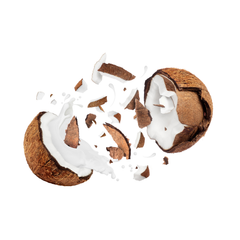
CoconutLimeSugar CaneWhite Musk
2017
dominant note

Ellwood White Bergamot

Abercrombie & Fitch
White MuskAquatic NotesSoft Woods
2017
bridge note

Izia

Sisley
by Amandine Clerc-Marie
RoseJasmineCedarwood
2022
accent

White Bergamot

Toni Cabal
by Toni Cabal
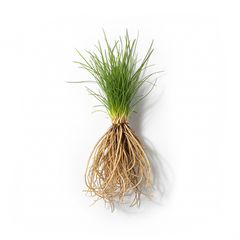
ThymeGreen TangerineLavenderVetiver
2009
supporting note

White Bergamot

Berkeley Square
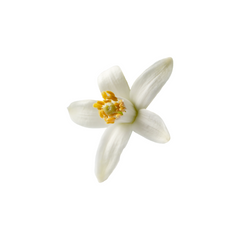
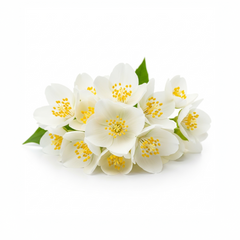
NeroliJasmineAfrican Orange Flower

White bergamot has become a signature note in contemporary perfumery, especially in compositions seeking a luminous, clean citrus opening. Creed Virgin Island Water (2007, Olivier Creed) is a benchmark, using white bergamot as the sparkling introduction to a tropical accord of coconut, lime, and sugar cane. Abercrombie & Fitch Ellwood White Bergamot (2017) centers the note as a musky, aquatic top, paired with subtle woods and clean musks. Sisley Izia (2017, Amandine Clerc-Marie) employs white bergamot to add brightness and modernity to a rose-jasmine heart. Toni Cabal White Bergamot (2022, Toni Cabal) explores the note’s green and herbal facets, blending it with thyme, green tangerine, and vetiver for a fresh, unisex profile. Berkeley Square White Bergamot (2009) combines the note with neroli and jasmine, emphasizing its spa-like, relaxing qualities. These fragrances demonstrate the versatility of white bergamot in both niche and mainstream contexts, often as a dominant or bridge note. CA Perfume’s white bergamot collection draws inspiration from this lineage, offering modern citrus-musk interpretations with full ingredient transparency.

The Accord

How is a captivating White Bergamot accord crafted?

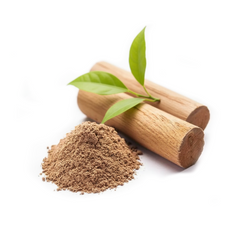
A classic white bergamot accord balances citrus brightness with musky softness and floral nuance. Typical proportions: White Bergamot 30–35%, White Musk 25–30%, Neroli 15–20%, Sandalwood 20–25%. Each ingredient is selected for molecular synergy: white musk extends the airy citrus, neroli bridges floral and citrus aldehydes, and sandalwood anchors the blend with lactonic warmth.

35%

White Bergamot

30–35% of blend

Provides the luminous, citrusy-musk opening via limonene, nonanal, and subtle aldehydes; defines the accord’s brightness.

30%

White Musk

25–30% of blend

Extends the clean, airy effect and enhances longevity by olfactory masking of citrus volatility; key for a soft drydown.

20%

Neroli

15–20% of blend

Bridges citrus and floral facets through shared linalool and nerolidol, smoothing the transition from top to heart.

25%

Sandalwood

20–25% of blend

Anchors the accord with lactonic, creamy notes; santalol molecules provide a fixative effect for volatile citrus.

The Olfactory Layers

How White Bergamot Evolves on Skin

White bergamot’s olfactory evolution is rapid and luminous: initial top notes (0–15 minutes) are dominated by high-volatility aldehydes and monoterpenes, giving way to a soft floral heart and a musky, creamy base as heavier molecules persist.

I
Top notes
0–15 min
Citrus Sparkle

A burst of citrus aldehydes (nonanal, decanal) and limonene creates a sparkling, airy impression with subtle green and floral undertones. These highly volatile molecules evaporate quickly, delivering immediate brightness and lift.

CitrusyAirySparkling
II
Heart notes
20–60 min
Floral Musk

As the top fades, linalool and nerolidol emerge, imparting a soft, floral-musk character. The transition is seamless, with neroli and jasmine facets blending into the citrus, supported by musky undertones.

FloralMuskyClean
III
Base notes
Several hours
Creamy Drydown

The drydown is defined by white musk and sandalwood, with persistent lactonic and creamy notes. These heavier molecules (muscone, santalol) provide a smooth, skin-like finish that lingers subtly.

MuskyCreamySubtle
TOP NOTES Citrus Sparkle 0–15 minutes HEART NOTES Floral Musk 20–60 minutes BASE NOTES Creamy Drydown Several hours
Through the Ages

The Story of White Bergamot in Perfumery

White bergamot’s journey in perfumery spans from 18th-century colognes to modern niche compositions, evolving with advances in extraction and molecular blending.

1714

First Use in Eau de Cologne

Bergamot oil is documented as a key ingredient in early Eau de Cologne by Giovanni Maria Farina in Cologne, Germany, establishing citrus as a foundational top note.

1844

Calabrian Machine Revolutionizes Extraction

Nicola Barilla and Luigi Auteri invent the Calabrian Machine, increasing bergamot oil production efficiency and quality, cementing Calabria’s dominance in the market.

1970s

Introduction of FCF (Furanocoumarin-Free) Bergamot

Fractional distillation enables the removal of phototoxic furanocoumarins, allowing safer use of bergamot and white bergamot in skin-contact perfumery.

2007

Creed Virgin Island Water Launch

Olivier Creed’s Virgin Island Water debuts, using white bergamot as a luminous, tropical top note, influencing a new wave of citrus-musk fragrances.

2017

White Bergamot as a Named Note

Abercrombie & Fitch Ellwood White Bergamot and Sisley Izia highlight white bergamot as a distinct ingredient, marking its rise in contemporary perfumery.

The Art of Layering

How to Layer White Bergamot

Understanding how to layer white bergamot involves pairing it with notes that share molecular bridges or olfactory masking effects. For 'how to layer white bergamot,' combine with musks, woods, or florals for a customized scent evolution.

01

Enhance Freshness

Layer white bergamot with neroli or orange blossom to amplify the citrus-floral bridge. Both notes share linalool and nerolidol, creating a seamless transition from citrus sparkle to floral heart. Example: Sisley Izia demonstrates this pairing.

02

Add Depth

Combine white bergamot with sandalwood or vetiver. The creamy, lactonic santalol in sandalwood and earthy vetiverols in vetiver provide a molecular anchor, extending the citrus top through olfactory masking and fixative action. Creed Virgin Island Water uses this technique.

03

Soften with Musk

Pair with white musk or ambrette for a clean, skin-like finish. Synthetic musks (e.g., galaxolide) mask the sharpness of citrus aldehydes, producing a smooth, airy drydown. Abercrombie & Fitch Ellwood White Bergamot exemplifies this approach.

Wear It Right

How to Wear White Bergamot Like a Pro

Seasonal Guide

Fall & Winter

Cooler temperatures suppress the volatility of white bergamot’s top notes, resulting in a softer, more subdued citrus opening. Apply to pulse points and layer with warmer base notes (woods, musks) to enhance longevity and create a comforting effect.

Spring

Mild temperatures allow white bergamot’s sparkling citrus and floral facets to shine. The note projects well in fresh air, making it ideal for daytime wear. Pair with green or floral fragrances for a bright, uplifting signature.

Summer

Heat increases the volatility of white bergamot, amplifying its projection but shortening its lifespan. Apply sparingly and consider layering with aquatic or coconut notes for a tropical, refreshing effect. Reapply as needed for sustained freshness.

Year-Round Tip

Humidity enhances diffusion and sillage, making white bergamot more noticeable in moist climates. Adjust application based on environment: more in dry, cold air; less in hot, humid conditions. Layer with musks or woods to anchor the citrus.

Application Points

Strategic application maximizes white bergamot’s luminous opening and smooth drydown.

1

Neck

Pulse points on the neck radiate heat, accelerating the release of citrus aldehydes and enhancing the initial projection of white bergamot.

2

Behind the Ears

This area is slightly cooler, allowing the top notes to linger and transition smoothly into heart and base notes.

3

Inner Wrists

Frequent movement and warmth from blood flow help diffuse the scent, making the citrus sparkle more noticeable.

4

Hair

Applying to hair (or hairbrush) provides a subtle, long-lasting trail as the hair moves, extending the airy, musky facets.

★

Pro Tip

Layer white bergamot with a neutral body lotion to enhance longevity and create a more even scent evolution across skin types.

Mood Architecture™

Top White Bergamot Fragrances by Mood Score

These White Bergamot-based fragrances scored highest on the MEI™ Mood Architecture Framework — measuring how a scent may influence your emotional state.

Highest MEI Score
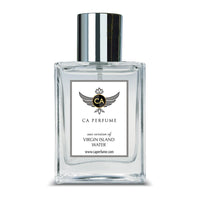
Virgin Island Water — Virgin Island Water Alternative Perfume
6.6
MEI™
Primary Fresh
Secondary Romantic
Confidence
6.12
Presence
6.38
Mood Lift
7.5
Identity
6.0
Warmth
6.85
Social Ease
6.67
Energy
4.08
" I am radiant.
View full mood profile →
HumanSafe™

Top White Bergamot Fragrances by HumanSafe™ Score

These White Bergamot-based fragrances have the highest product-level HumanSafe™ scores in this ingredient collection.

Highest HumanSafe™ Score
Virgin Island Water — Virgin Island Water Alternative Perfume
A-
HumanSafe™ Score Generally Safe
Safest Evaluated Ingredients EDP
AQUA Solvent / Carrier ISS 10.0
HEXYL SALICYLATE Evaluated ingredient ISS 9.0
BENZYL SALICYLATE Evaluated ingredient ISS 9.0
2-OXABICYCLO[2.2.2]OCTANE, 1,3,3-TRIMETHYL- Evaluated ingredient ISS 9.0
2,6-OCTADIEN-1-OL, 3,7-DIMETHYL-, ACETATE, (Z)- Evaluated ingredient ISS 9.0
CITRAL Evaluated ingredient ISS 8.0
View full safety profile →
Expert Voices

What Masters Say About White Bergamot

“
Bergamot can lift and energise a warm Woody scent, or give a classic Floral fragrance a contemporary twist.
Clive Christian Perfume Editorial
“
White bergamot’s unique blend of citrus and musky aldehydes makes it a modern staple for clean, luminous top notes.
CA Perfume Editorial
Common Questions

Frequently Asked Questions

Answers to common questions about white bergamot in perfumery.

White bergamot in perfume smells citrusy, airy, and musky, with a clean, modern freshness. It opens with sparkling citrus aldehydes and limonene, transitions to a soft floral-musk heart, and dries down to a creamy, subtle base. The scent is less bitter and more transparent than traditional bergamot, making it ideal for contemporary compositions. Notable examples include Creed Virgin Island Water and Abercrombie & Fitch Ellwood White Bergamot.

White bergamot is almost exclusively used as a top note in fragrance. Its high-volatility molecules (limonene, nonanal) evaporate quickly, providing an immediate burst of citrus brightness that lasts 10–20 minutes before yielding to heart and base notes.

White bergamot is favored in niche perfumery for its luminous, clean character and versatility. Its nuanced blend of citrus, floral, and musky facets allows perfumers to create modern, transparent openings that pair seamlessly with both floral and woody compositions. Its adaptability and batch-to-batch consistency (especially in synthetic forms) make it a staple for innovative scent structures.

White bergamot fragrance uses often involve pairing with neroli, white musk, sandalwood, jasmine, and coconut. These notes share molecular bridges (linalool, lactones) or provide olfactory masking and fixative effects, enhancing the citrus top and creating a smooth scent evolution.

Yes, white bergamot is ideal for summer and hot weather due to its light, refreshing citrus profile and high volatility. Heat amplifies its projection, making it especially noticeable in warm climates. However, reapplication may be needed as the top note fades quickly in high temperatures.

The white bergamot top note lasts 10–20 minutes on skin, after which the scent transitions to heart and base notes. Overall fragrance longevity depends on the composition, but white bergamot itself is a fleeting, luminous opening.

Yes, white bergamot is highly layerable. It pairs well with musks, woods, florals, and even gourmands. Layering can extend the citrus freshness or add depth and complexity, as seen in fragrances like Creed Virgin Island Water and Sisley Izia.

Recommended white bergamot perfumes for beginners include Creed Virgin Island Water (tropical citrus-musk), Abercrombie & Fitch Ellwood White Bergamot (clean, musky citrus), and Sisley Izia (floral-citrus). Each showcases the note’s versatility and modern appeal.

At CA Perfume, explore the white bergamot collection by considering your preferred scent evolution—whether you favor a sparkling citrus opening, a musky floral heart, or a creamy, skin-like drydown. All options are HumanSafe™ platform verified for ingredient transparency and safety.

White bergamot is primarily clean and airy, with subtle sweetness from floral and musky undertones. It is less sweet than orange or mandarin, and more transparent than traditional bergamot, making it ideal for modern, minimalist compositions.

Citrus Aromatic Collection

Explore Our Top White Bergamot Fragrances

Discover the most popular white bergamot scents in our collection, each offering a unique interpretation of this luminous citrus-musk note.

Shop all white bergamot fragrances at CA Perfume →

Where White Bergamot Comes From — Origin & Extraction

White Bergamot in perfumery refers to a specific citrus note derived primarily from the peel of Citrus bergamia, with a focus on lighter, less bitter fractions or specific cultivars yielding a paler, more floral oil. The majority of global bergamot production—over 90%—is centered in Calabria, Italy, with annual yields of approximately 200–250 metric tons of essential oil. White bergamot oil is typically obtained via cold pressing of the fruit peel, a process that preserves volatile top-note molecules such as limonene, linalyl acetate, and nonanal. The cold press method involves mechanical abrasion of the peel at low temperatures (below 30°C) to prevent degradation of delicate aldehydes and esters. The yield is about 0.5–1% by weight of fresh fruit. White bergamot oil is sometimes further refined through fractional distillation or molecular distillation to remove furanocoumarins (notably bergapten), resulting in a colorless or pale yellow oil with reduced phototoxicity and a cleaner scent. This fraction, often labeled as 'Furanocoumarin-Free' (FCF), is preferred in fine perfumery and skin-contact applications. The cost of natural white bergamot oil ranges from $350–$600 per kg, depending on purity and origin, while synthetic substitutes (see below) are available for $25–$80 per kg. Sustainability concerns include the monoculture of bergamot orchards in Calabria and the need for responsible harvesting to maintain soil health and genetic diversity. Some white bergamot notes in perfumery are also constructed using a blend of natural oil and synthetic citrus aldehydes to ensure batch-to-batch consistency and minimize allergen content.

Famous Fragrances That Define White Bergamot in Perfumery

White bergamot has become a signature note in contemporary perfumery, especially in compositions seeking a luminous, clean citrus opening. Creed Virgin Island Water (2007, Olivier Creed) is a benchmark, using white bergamot as the sparkling introduction to a tropical accord of coconut, lime, and sugar cane. Abercrombie & Fitch Ellwood White Bergamot (2017) centers the note as a musky, aquatic top, paired with subtle woods and clean musks. Sisley Izia (2017, Amandine Clerc-Marie) employs white bergamot to add brightness and modernity to a rose-jasmine heart. Toni Cabal White Bergamot (2022, Toni Cabal) explores the note’s green and herbal facets, blending it with thyme, green tangerine, and vetiver for a fresh, unisex profile. Berkeley Square White Bergamot (2009) combines the note with neroli and jasmine, emphasizing its spa-like, relaxing qualities. These fragrances demonstrate the versatility of white bergamot in both niche and mainstream contexts, often as a dominant or bridge note. CA Perfume’s white bergamot collection draws inspiration from this lineage, offering modern citrus-musk interpretations with full ingredient transparency.

Natural vs Synthetic White Bergamot in Perfumery

Natural white bergamot oil is composed of a complex mixture of terpenes (limonene, linalool), esters (linalyl acetate), and aldehydes (nonanal, decanal), with trace amounts of furanocoumarins. Synthetic white bergamot accords are typically built from a combination of limonene (CAS 138-86-3), linalool (CAS 78-70-6), and nonanal (CAS 124-19-6), with the addition of synthetic musks such as galaxolide (CAS 1222-05-5) to replicate the airy, clean finish. Synthetic versions offer greater stability, batch consistency, and are free from phototoxic furanocoumarins, making them suitable for wider regulatory compliance (IFRA standards restrict natural bergamot oil to <0.4% in leave-on products unless FCF). Performance-wise, synthetic white bergamot provides longer-lasting top notes (20–30 minutes vs. 10–15 minutes for natural) and a more linear scent profile. The cost differential is significant: natural oil at $350–$600/kg versus $25–$80/kg for synthetic blends. Notable fragrances using natural white bergamot include Creed Virgin Island Water, while many designer and mass-market scents employ synthetic or blended accords for cost and safety reasons. Sustainability is a key consideration: synthetic production reduces pressure on Calabrian orchards and ensures supply chain transparency. At CA Perfume, all white bergamot notes are HumanSafe™ platform verified, with full traceability and allergen disclosure, ensuring both safety and environmental responsibility.