Ingredient Guide · Gourmand
Gourmand Family · Perfumery Note

Wheat

The comforting essence of golden fields in fragrance

Wheat in perfumery is a soft, warm, and nutty note primarily used as a mild modifier in gourmand and oriental compositions. Its scent profile is characterized by a cereal-like aroma with subtle nutty undertones, often achieved through wheat bran or grain extracts.

Wheat
Ingredient Profile

Wheat

Gourmand Family
Family Gourmand
Note Position Heart Note
Usage Level 0.1–1%
Key Origins Italy (Cuneo Region), United States (Midwest), France (Burgundy)
Iconic In Jeux de Peau, Poppy & Barley
The Ingredient

What does Wheat smell like and why is it significant in perfumery?

Wheat's scent in perfumery is defined by a warm, dry, cereal-like aroma with a subtle nutty facet derived mainly from wheat bran and grain components. This scent profile is complex, evoking sun-baked fields and a comforting, earthy softness. The molecular basis includes compounds that mimic toasted cereal and nutty nuances, contributing to its unique olfactory character. In perfumery, wheat is classified as a heart or base note, typically used at concentrations that range from 0.1% to 1% depending on the formula. It acts as a soft, warm modifier that enhances oriental and gourmand compositions by adding depth and a naturalistic warmth. Wheat accords interact with skin chemistry by blending seamlessly with vanillin and woody notes, softening sharper edges and creating a smooth olfactory texture. Notable fragrances featuring wheat include Serge Lutens' Jeux de Peau (2007), where wheat adds a powdery, skin-like warmth, and Jo Malone London's Poppy & Barley (2016), which uses wheat to balance floral and green notes with a comforting cereal warmth. These examples demonstrate wheat's versatility in both niche and mainstream perfumery.

0.1–1%
Typical concentration range of wheat absolute in perfume formulations, balancing scent impact and safety.
198 proof
Purity level of wheat-derived perfumer's alcohol used as a solvent and carrier in fragrance compositions.
0.5%
IFRA maximum recommended usage limit for wheat absolute to avoid sensitization and ensure consumer safety.
Origin & Extraction

Where Wheat Comes From — Origin & Extraction

Wheat's olfactory character is influenced by its geographic origin, with soil composition, climate, and cultivation methods affecting the aromatic profile. Regions with temperate climates and well-drained soils produce wheat with a balanced nutty and cereal scent, while drier areas yield a more toasted, dry aroma.

Wheat used in perfumery derives from the Triticum genus, primarily Triticum aestivum and Triticum spelta. These cereal grains are cultivated globally, with major production centers in the United States, Russia, Canada, France, and Italy. Italy's Cuneo region is notable for producing organic wheat used in perfumer's alcohol distillation. Extraction of wheat's aromatic components is challenging due to the weak and often overly nutty scent of direct grain oils. Instead, perfumers typically use solvent extraction on wheat bran or germ to obtain wheat absolute, which captures the warm, nutty, and slightly sweet nuances. Solvent extraction involves using hexane or ethanol at controlled temperatures below 40°C to preserve delicate odorants, yielding a thick, rich absolute with a yield of approximately 0.1-0.3% by weight. Additionally, wheat alcohol, a high-purity ethanol derived from fermented wheat starch, is widely used as a solvent and carrier in perfumery. This grain alcohol is distilled multiple times to achieve 198 proof purity, ensuring a clean, hypoallergenic base for fragrance delivery. Wheat alcohol production is concentrated in Europe and North America, with sustainable practices emphasizing organic cultivation and reduced chemical inputs. Natural wheat absolute costs range from $2,000 to $5,000 per kilogram, while synthetic aroma chemicals mimicking wheat scent are significantly cheaper, around $100 to $500 per kilogram. Sustainability concerns focus on minimizing agricultural runoff and promoting organic farming to protect soil health and biodiversity.

IT

Italy (Cuneo Region)

Organic wheat from Cuneo is quintuple distilled to produce high-purity perfumer's alcohol. The region's alpine climate and mineral-rich soil contribute to a clean, refined wheat aroma. Production is limited but highly regarded for quality.

US

United States (Midwest)

The US Midwest is a major wheat producer with vast cultivation areas. Wheat here tends to have a robust, slightly toasted scent due to the continental climate. Large-scale production supports both food and fragrance industries.

FR

France (Burgundy)

French wheat benefits from temperate climate and fertile soils, yielding a soft, nutty aroma. Sustainable farming practices and PDO designations ensure quality and environmental care.

RU

Russia (Southern Regions)

Russian wheat is characterized by a dry, sun-baked scent profile. The region's continental climate and steppe soils produce wheat with pronounced cereal and toasted notes, used in both food and fragrance sectors.

Chemistry

Natural vs Synthetic Wheat in Perfumery

Natural wheat absolute is obtained through solvent extraction from wheat bran or germ, providing a complex, warm, and nutty aroma with subtle cereal nuances. Key natural odorants include aldehydes and lactones that contribute to its creamy, toasted facets. Natural wheat absolute is prized for its authenticity but is costly and subject to batch variability due to agricultural factors. Synthetic wheat accords rely on aroma chemicals such as ethyl maltol (CAS 4940-11-8), maltol (CAS 118-71-8), and coumarin (CAS 91-64-5) to replicate the sweet, toasted, and nutty aspects of wheat. These synthetics offer greater consistency, longer shelf life, and lower cost, typically priced between $100 and $500 per kilogram. Performance-wise, natural wheat absolute offers a richer, more nuanced scent but may have lower longevity and diffusion compared to synthetics. Synthetic wheat accords provide stronger projection and stability, making them suitable for mass-market formulations. Famous fragrances like Serge Lutens' Jeux de Peau utilize natural wheat absolute for its skin-like warmth, whereas some gourmand fragrances employ synthetic wheat accords for enhanced sweetness and longevity. The HumanSafe™ platform verifies the safety and sustainability of both natural and synthetic wheat ingredients used by CA Perfume, ensuring transparency and consumer confidence.

Natural
Wheat Absolute
Cost $3,000–6,000/kg
Method Solvent / CO₂
Character Complex, variable
vs
Synthetic
Safranal & Analogues
Cost $50–200/kg
Method Lab synthesis
Character Consistent, stable
Hall of Fame

Famous Fragrances That Define Wheat in Perfumery

2007
dominant note

Jeux de Peau

Serge Lutens
by Christopher Sheldrake
irismuskpowdery notes
2016
supporting note

Poppy & Barley

Jo Malone London
by Christine Nagel
poppybarleyfloralgreen
2019
accent

Chemin D'Amande

Une Nuit Nomade
almondvanillagourmand
2018
supporting note

Old Fashioned

Kilian
orientalwarm spices
2000
dominant note

Bois Farine

L'Artisan Parfumeur
by Jean-Claude Ellena
wheat bran absoluteiriscedarwoodsandalwood

Wheat has been employed by several renowned perfumers to add a warm, nutty, and comforting dimension to their compositions. Serge Lutens' Jeux de Peau (2007), crafted by Christopher Sheldrake, uses wheat absolute as a dominant note to evoke a powdery, skin-like warmth that blends with iris and musk. Jo Malone London's Poppy & Barley (2016), by perfumer Christine Nagel, features wheat as a supporting note, balancing floral and green accords with its soft cereal character. Une Nuit Nomade's Chemin D'Amande (2019) incorporates wheat to enhance its gourmand almond and vanilla facets, while Kilian's Old Fashioned (2018) uses wheat to provide a subtle warmth within its oriental structure. L'Artisan Parfumeur's Bois Farine (2000), by Jean-Claude Ellena, is a notable example where wheat bran absolute is central, creating a floury, nutty accord reminiscent of freshly ground grain. These fragrances illustrate wheat's versatility across fragrance families, from gourmand to oriental to floral. CA Perfume's collection honors this lineage by featuring wheat in accords that emphasize natural warmth and textural complexity.

The Accord

How is a captivating Wheat accord crafted?

A wheat accord is carefully balanced to evoke the warm, nutty, and cereal-like character of the grain. Typically, wheat absolute or synthetic wheat aroma chemicals form 25-30% of the accord, providing the core scent. Complementary ingredients include vanilla (20-25%) to soften and add sweetness through vanillin, sandalwood (25-30%) for creamy, woody depth, and benzoin (20-25%) to introduce resinous warmth and enhance longevity. This blend creates a rich, comforting accord that is both naturalistic and gourmand.

30%

Wheat Absolute

25–30% of blend

Provides the core warm, nutty, and cereal-like aroma, capturing wheat's natural essence.

25%

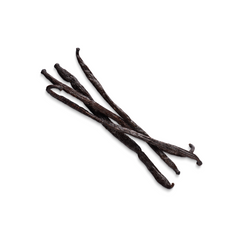
Vanilla

20–25% of blend

Softens wheat's dry facets with sweet vanillin, balancing the accord's warmth.

30%

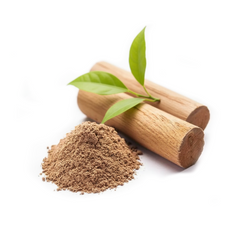
Sandalwood

25–30% of blend

Adds creamy, woody depth that complements wheat's natural warmth and enhances longevity.

25%

Benzoin

20–25% of blend

Introduces resinous sweetness and fixative properties, stabilizing the accord.

The Olfactory Layers

How Wheat Evolves on Skin

Wheat's olfactory evolution in fragrance begins with subtle top notes that quickly give way to a warm, nutty heart. The middle phase reveals the full cereal and toasted character as lower volatility compounds emerge. The base notes linger with creamy, woody, and resinous facets that stabilize the accord over several hours.

I
Top notes
0–15 min
Fresh Cereal Breeze

Initial impression is soft and slightly sweet with light aldehydic and green cereal facets. These high-volatility compounds evaporate quickly, creating a fresh, airy opening reminiscent of sunlit wheat fields.

softaldehydicgreen
II
Heart notes
20–60 min
Warm Nutty Grain

The heart reveals the warm, nutty, and toasted cereal character of wheat, dominated by mid-volatility lactones and aldehydes. This phase is creamy and comforting, blending with floral or gourmand elements.

warmnuttycreamy
III
Base notes
Several hours
Woody Vanilla Embrace

Base notes consist of woody sandalwood, resinous benzoin, and vanillin-rich vanilla, providing longevity and depth. These low-volatility molecules anchor the fragrance, ensuring a smooth, lingering finish.

woodyresinousvanillic
TOP NOTES Fresh Cereal Breeze 0–15 minutes HEART NOTES Warm Nutty Grain 20–60 minutes BASE NOTES Woody Vanilla Embrace Several hours
Through the Ages

The Story of Wheat in Perfumery

Wheat's use in perfumery has evolved from ancient practices of capturing grain aromas to modern sophisticated accords. Key milestones include the development of solvent extraction techniques and the integration of wheat accords in landmark gourmand fragrances.

Antiquity

Early Use of Grain Aromas

Ancient civilizations such as Egyptians and Romans used grain and cereal aromas in rituals and cosmetics, employing oil maceration and enfleurage to capture natural scents.

19th Century

Advancement in Extraction Methods

The advent of solvent extraction allowed for more effective capture of wheat's aromatic compounds, enabling its use in perfumery beyond traditional oils.

2000

Launch of L'Artisan Parfumeur Bois Farine

Jean-Claude Ellena created Bois Farine, a fragrance centered on wheat bran absolute, marking a modern milestone in wheat's perfumery application.

2007

Serge Lutens Jeux de Peau

Christopher Sheldrake incorporated wheat absolute as a dominant note to evoke skin-like warmth, showcasing wheat's versatility in niche perfumery.

2016

Jo Malone London Poppy & Barley

Christine Nagel used wheat to balance floral and green notes, highlighting wheat's role as a soft, natural modifier in contemporary fragrances.

The Art of Layering

How to Layer Wheat

Understanding how to layer wheat in perfumery involves recognizing molecular compatibility and olfactory synergy. Wheat's nutty lactones blend seamlessly with vanilla's vanillin, which masks any harshness and adds sweetness. Layering wheat with sandalwood enhances creamy woody undertones through shared sesquiterpene compounds, creating a smooth, long-lasting base. Combining wheat with benzoin introduces resinous warmth and fixative properties, stabilizing the blend. These molecular interactions enable harmonious layering that enhances wheat's natural warmth without overpowering.

01

Enhance Sweetness

Layering wheat with vanilla exploits vanillin's olfactory masking to soften wheat's dry edges, producing a creamy gourmand effect. This pairing is exemplified in Armani Privé Santal Dan Sha.

02

Add Depth

Combining wheat with sandalwood leverages shared sesquiterpenes, enriching the woody, creamy facets and extending longevity. L'Artisan Parfumeur's Bois Farine demonstrates this synergy.

03

Lighten the Glow

Pairing wheat with benzoin introduces resinous warmth and fixative qualities, stabilizing the accord and enhancing sillage. This layering is common in oriental compositions.

Wear It Right

How to Wear Wheat Like a Pro

Seasonal Guide

Fall & Winter

Wheat's warm, nutty facets are enhanced by cooler temperatures that slow evaporation, increasing longevity and depth. Layer with spicy or woody notes for cozy, enveloping scents.

Spring

In spring, wheat blends with fresh florals and green notes to evoke blooming fields. Moderate application balances warmth with lightness, suitable for transitional weather.

Summer

Summer heat increases volatility, which can make wheat notes feel lighter and more transient. Use lighter concentrations or pair with aquatic or citrus notes to maintain freshness.

Year-Round Tip

Adjust wheat concentration and layering according to temperature and humidity. Combining wheat with vanilla or sandalwood enhances versatility across seasons.

Application Points

Strategic application of wheat-based fragrances maximizes their warm, comforting character.

1

Neck

Pulse points like the neck provide warmth that activates wheat's creamy and nutty facets, enhancing projection.

2

Behind the Ears

Applying behind the ears allows subtle diffusion, ideal for intimate, skin-like wheat accords.

3

Inner Wrists

Wrists offer warmth and movement, helping wheat notes evolve naturally throughout the day.

4

Hair

Hair holds fragrance longer; wheat accords applied here release softly with natural motion.

★

Pro Tip

Layer wheat-based perfumes with vanilla or sandalwood body lotions to enhance depth and longevity.

Mood Architecture™

Top Wheat Fragrances by Mood Score

These Wheat-based fragrances scored highest on the MEI™ Mood Architecture Framework — measuring how a scent may influence your emotional state.

Highest MEI Score
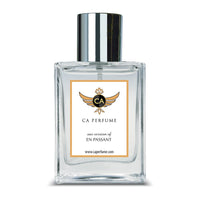
En Passant — Frederic Malle En Passant Alternative Perfume
3.7
MEI™
Primary Fresh
Secondary Energizing
Confidence
2.9
Presence
2.7
Mood Lift
4.7
Identity
3.1
Warmth
3.5
Social Ease
4.5
Energy
3.4
" I am free.
View full mood profile →
HumanSafe™

Top Wheat Fragrances by HumanSafe™ Score

These Wheat-based fragrances have the highest product-level HumanSafe™ scores in this ingredient collection.

Highest HumanSafe™ Score
En Passant — Frederic Malle En Passant Alternative Perfume
A-
HumanSafe™ Score Generally Safe
Safest Evaluated Ingredients EDP
AQUA Solvent / Carrier ISS 10.0
BENZYL SALICYLATE Evaluated ingredient ISS 9.0
BENZENEPROPANAL, 4-METHOXY-.ALPHA.-METHYL- Evaluated ingredient ISS 9.0
AMBROXIDE Evaluated ingredient ISS 9.0
LINALYL ACETATE Evaluated ingredient ISS 7.0
LINALOOL Evaluated ingredient ISS 7.0
View full safety profile →
Expert Voices

What Masters Say About Wheat

“
Wheat's olfactory profile ranges from straw to praline, with honeyed qualities that evoke a natural gourmand warmth.
Anatole Lebreton, Independent Perfumer
“
Wheat accords add a soft, warm, and nutty character that blends seamlessly with gourmand and oriental notes, enhancing depth and comfort.
CA Perfume Editorial
Common Questions

Frequently Asked Questions

Frequently asked questions about wheat in perfumery.

Wheat in perfume smells warm, soft, and nutty with a dry, cereal-like aroma reminiscent of sun-baked fields and freshly ground grain. It provides a comforting, creamy texture often used in gourmand and oriental fragrances. Notable examples include Serge Lutens' Jeux de Peau and Jo Malone London's Poppy & Barley.

Wheat is typically used as a heart or base note in perfumery. Its mid to low volatility compounds provide a warm, nutty foundation that supports and enhances other notes, contributing to the fragrance's depth and longevity.

Wheat is favored in niche perfumery for its unique warm, nutty, and naturalistic scent that adds complexity and softness. It acts as a mild modifier that can bridge gourmand, oriental, and floral notes, creating sophisticated and distinctive compositions.

Wheat pairs well with vanilla, sandalwood, benzoin, iris, almond, tonka bean, cedarwood, honey, and amber. These combinations enhance wheat's creamy, warm, and nutty facets, making it versatile for layering in gourmand and oriental accords.

Wheat perfumes can be worn in summer but may feel lighter and less long-lasting due to increased volatility in heat. Using lighter concentrations or layering with fresh citrus or aquatic notes can maintain freshness while preserving wheat's warmth.

Wheat accords typically last several hours, especially in Eau de Parfum and parfum concentrations where woody and resinous base notes support longevity. The creamy and resinous components help wheat maintain presence on the skin.

Yes, wheat perfumes layer well with vanilla, sandalwood, benzoin, and other gourmand or woody scents. Layering enhances molecular synergy, improving projection and creating personalized scent profiles.

Beginner-friendly wheat perfumes include Jo Malone London's Poppy & Barley for a soft, floral-cereal blend and L'Artisan Parfumeur's Bois Farine for a gentle, floury warmth. These offer accessible introductions to wheat's olfactory character.

Consider your preference for gourmand, oriental, or floral styles. CA Perfume offers wheat accords verified by the HumanSafe™ platform for safety and sustainability. Sampling multiple options and noting complementary notes helps find your ideal wheat scent.

Wheat primarily smells warm and nutty with subtle sweetness but is not spicy. Its sweetness is creamy and cereal-like, often enhanced by vanilla or benzoin in compositions.

Gourmand Collection

Explore Our Top Wheat Fragrances

Discover fragrances featuring wheat accords that offer warm, nutty, and comforting scent profiles.

Shop all wheat fragrances at CA Perfume →

Where Wheat Comes From — Origin & Extraction

Wheat used in perfumery derives from the Triticum genus, primarily Triticum aestivum and Triticum spelta. These cereal grains are cultivated globally, with major production centers in the United States, Russia, Canada, France, and Italy. Italy's Cuneo region is notable for producing organic wheat used in perfumer's alcohol distillation. Extraction of wheat's aromatic components is challenging due to the weak and often overly nutty scent of direct grain oils. Instead, perfumers typically use solvent extraction on wheat bran or germ to obtain wheat absolute, which captures the warm, nutty, and slightly sweet nuances. Solvent extraction involves using hexane or ethanol at controlled temperatures below 40°C to preserve delicate odorants, yielding a thick, rich absolute with a yield of approximately 0.1-0.3% by weight. Additionally, wheat alcohol, a high-purity ethanol derived from fermented wheat starch, is widely used as a solvent and carrier in perfumery. This grain alcohol is distilled multiple times to achieve 198 proof purity, ensuring a clean, hypoallergenic base for fragrance delivery. Wheat alcohol production is concentrated in Europe and North America, with sustainable practices emphasizing organic cultivation and reduced chemical inputs. Natural wheat absolute costs range from $2,000 to $5,000 per kilogram, while synthetic aroma chemicals mimicking wheat scent are significantly cheaper, around $100 to $500 per kilogram. Sustainability concerns focus on minimizing agricultural runoff and promoting organic farming to protect soil health and biodiversity.

Famous Fragrances That Define Wheat in Perfumery

Wheat has been employed by several renowned perfumers to add a warm, nutty, and comforting dimension to their compositions. Serge Lutens' Jeux de Peau (2007), crafted by Christopher Sheldrake, uses wheat absolute as a dominant note to evoke a powdery, skin-like warmth that blends with iris and musk. Jo Malone London's Poppy & Barley (2016), by perfumer Christine Nagel, features wheat as a supporting note, balancing floral and green accords with its soft cereal character. Une Nuit Nomade's Chemin D'Amande (2019) incorporates wheat to enhance its gourmand almond and vanilla facets, while Kilian's Old Fashioned (2018) uses wheat to provide a subtle warmth within its oriental structure. L'Artisan Parfumeur's Bois Farine (2000), by Jean-Claude Ellena, is a notable example where wheat bran absolute is central, creating a floury, nutty accord reminiscent of freshly ground grain. These fragrances illustrate wheat's versatility across fragrance families, from gourmand to oriental to floral. CA Perfume's collection honors this lineage by featuring wheat in accords that emphasize natural warmth and textural complexity.

Natural vs Synthetic Wheat in Perfumery

Natural wheat absolute is obtained through solvent extraction from wheat bran or germ, providing a complex, warm, and nutty aroma with subtle cereal nuances. Key natural odorants include aldehydes and lactones that contribute to its creamy, toasted facets. Natural wheat absolute is prized for its authenticity but is costly and subject to batch variability due to agricultural factors. Synthetic wheat accords rely on aroma chemicals such as ethyl maltol (CAS 4940-11-8), maltol (CAS 118-71-8), and coumarin (CAS 91-64-5) to replicate the sweet, toasted, and nutty aspects of wheat. These synthetics offer greater consistency, longer shelf life, and lower cost, typically priced between $100 and $500 per kilogram. Performance-wise, natural wheat absolute offers a richer, more nuanced scent but may have lower longevity and diffusion compared to synthetics. Synthetic wheat accords provide stronger projection and stability, making them suitable for mass-market formulations. Famous fragrances like Serge Lutens' Jeux de Peau utilize natural wheat absolute for its skin-like warmth, whereas some gourmand fragrances employ synthetic wheat accords for enhanced sweetness and longevity. The HumanSafe™ platform verifies the safety and sustainability of both natural and synthetic wheat ingredients used by CA Perfume, ensuring transparency and consumer confidence.