Ingredient Guide · Aquatic
Aquatic Family · Perfumery Note

Watery Notes

The essence of rain, sea breeze, and dew in perfumery.

Watery notes are a modern perfumery construct, evoking the sensation of water, rain, and sea air as top or heart notes. Their signature freshness is achieved through molecules like Calone (CAS 28940-11-6), typically used at 0.1–2% of a formula.

Watery Notes
Ingredient Profile

Watery Notes

Aquatic Family
Family Aquatic
Note Position Heart Note
Usage Level 0.1–2%
Key Origins United States, France, Japan
Iconic In L’Eau d’Issey, Aqva Pour Homme Marine
The Ingredient

What does Watery Notes smell like and why are they pivotal in modern perfumery?

Watery notes in perfumery are defined by their fresh, ozonic, and dewy scent profile, designed to evoke the impression of rain, sea breeze, or morning dew. The core molecular identity is synthetic, with Calone (7-methyl-2H-1,5-benzodioxepin-3(4H)-one, CAS 28940-11-6) being the archetypal compound, imparting a distinctive watery-melon, marine, and slightly metallic aroma. Other molecules such as Floralozone (CAS 67634-15-5), Melonal (CAS 106-41-2), and Aldehydes contribute to the atmospheric, aquatic effect. Natural notes like water lily, lotus, and green leaves are sometimes used to enhance the realism, but the primary impact is synthetic. In perfumery, watery notes are most often classified as top or heart notes due to their high volatility and immediate freshness. They are typically dosed at 0.1–2% in the overall composition, depending on the desired intensity. Watery notes interact with skin chemistry by amplifying freshness and can shift toward more mineralic or green facets depending on pH and skin moisture. Their volatility means they often serve as an opening impression, setting the stage for florals, citrus, or woods. Notable examples of watery notes in perfumery include Issey Miyake L’Eau d’Issey (1992, Jacques Cavallier), which pioneered the aquatic genre with Calone, and Bvlgari Aqva Pour Homme Marine (2008, Jacques Cavallier), where marine notes are paired with citrus and woods. Maison Margiela When the Rain Stops (2022) uses watery accords to evoke petrichor and rain-soaked earth. These fragrances demonstrate how watery notes in perfumery create a sense of clarity, space, and modernity.

0.1–2%
Typical concentration of Calone and related watery molecules in a fragrance formula. Higher levels risk overpowering the composition.
2–4 Hours
Average longevity of watery notes as top/heart notes before transitioning to musks and woods. Volatility is high, so reapplication may be needed.
$80–150/kg
Approximate cost of Calone and similar synthetic watery aroma chemicals, making them accessible for both designer and niche perfumery.
Origin & Extraction

Where Watery Notes Come From — Origin & Extraction

Watery notes are a synthetic construct, but their inspiration draws from diverse aquatic environments—Mediterranean coasts, Asian lotus ponds, and rain-soaked landscapes. The molecular palette is global, with major production in Europe and North America.

Watery notes are a perfumery abstraction, not a direct botanical or mineral extract. The concept originated in the late 20th century with the discovery of Calone (Calone 1951, CAS 28940-11-6) by Pfizer in 1951, originally intended as a flavoring agent. Calone was first marketed for perfumery in 1966 and patented in 1970. Its structure mimics pheromones produced by certain algae, giving it a marine, ozonic, and melon-like scent. Other key synthetic molecules include Floralozone (CAS 67634-15-5), Melonal (CAS 106-41-2), and Algenone (CAS 67634-15-5), each contributing different facets of aquatic freshness. Natural materials such as water lily, lotus, and seaweed absolute can be used to enhance watery accords, but their extraction yields are low and often require solvent extraction or CO2 extraction. Seaweed absolute, for example, is obtained via volatile solvent extraction and imparts a green, iodic nuance. However, the vast majority of watery notes in perfumery are synthetic due to the lack of a true 'water' aroma in nature—water itself is odorless, and the scent of sea air is produced by marine organisms, not iodine. Synthetic watery notes are produced at industrial scale, with Calone costing approximately $80–150/kg, compared to $2,000–4,000/kg for rare natural aquatic absolutes. Sustainability is generally favorable for synthetics, as they reduce pressure on natural aquatic plant populations and avoid the environmental impact of large-scale harvesting. Major manufacturers include Firmenich, Givaudan, and IFF, who supply HumanSafe™ verified aroma chemicals for transparent sourcing.

US

United States

Pfizer (New York) discovered Calone in 1951, later commercialized for perfumery. The US remains a leader in aroma chemical innovation and production.

FR

France

Grasse and Paris are centers for aquatic fragrance creation, with companies like Firmenich and Givaudan producing Calone and related molecules for global use.

JP

Japan

Japanese perfumery, exemplified by Issey Miyake, popularized watery notes with a focus on purity and minimalism, often inspired by lotus and rain.

CH

Switzerland

Swiss firms (Givaudan, Firmenich) are major manufacturers of synthetic watery aroma chemicals, supplying perfumers worldwide with IFRA-compliant materials.

Chemistry

Natural vs Synthetic Watery Notes in Perfumery

The watery notes used in perfumery are overwhelmingly synthetic, as water itself is odorless and natural aquatic plants yield minimal volatile aroma compounds. The primary synthetic molecule is Calone (7-methyl-2H-1,5-benzodioxepin-3(4H)-one, CAS 28940-11-6), which imparts a marine, ozonic, and melon-like freshness. Other important aroma chemicals include Floralozone (CAS 67634-15-5), Melonal (CAS 106-41-2), and Algenone (CAS 67634-15-5). These molecules offer high stability, consistent quality, and strong diffusion, with longevity typically in the 2–4 hour range for top notes, but can be extended when paired with fixatives. Natural watery notes, such as lotus or water lily absolutes, are rare and expensive, with yields often below 0.1% and prices exceeding $2,000/kg. Their olfactory impact is subtle and less diffusive than synthetics. Most iconic aquatic fragrances, such as Issey Miyake L’Eau d’Issey and Bvlgari Aqva Pour Homme Marine, rely on synthetic watery notes for their signature effect. Sustainability is generally better for synthetics, as they avoid overharvesting of aquatic plants. The HumanSafe™ platform at CA Perfume ensures all synthetic watery notes are fully traceable and IFRA-compliant.

Natural
Watery Notes Absolute
Cost $3,000–6,000/kg
Method Solvent / CO₂
Character Complex, variable
vs
Synthetic
Safranal & Analogues
Cost $50–200/kg
Method Lab synthesis
Character Consistent, stable
Hall of Fame

Famous Fragrances That Define Watery Notes in Perfumery

1992
dominant note

L’Eau d’Issey

Issey Miyake
by Jacques Cavallier
lotusrosemeloncyclamen
2008
dominant note

Aqva Pour Homme Marine

Bvlgari
by Jacques Cavallier
neroligrapefruitcedarwoodseaweed
2022
bridge note

When the Rain Stops

Maison Margiela
by Fanny Bal
rosepatchoulipinepetrichor
1999
dominant note

L’Eau par Kenzo pour Homme

Kenzo
by Olivier Cresp
yuzulotusmintgreen pepper
2000
accent

En Passant

Frederic Malle
by Olivia Giacobetti
lilaccucumberwheatwhite musk

Watery notes have defined an entire genre of modern perfumery, particularly since the 1990s. The landmark fragrance Issey Miyake L’Eau d’Issey (1992, Jacques Cavallier) introduced Calone to a global audience, creating a transparent, aquatic floral signature. Bvlgari Aqva Pour Homme Marine (2008, Jacques Cavallier) uses marine notes with citrus and woods to evoke Mediterranean freshness. Maison Margiela When the Rain Stops (2022) employs watery accords and petrichor to simulate the scent of rainfall. Kenzo L’Eau par Kenzo pour Homme (1999, Olivier Cresp) blends watery notes with yuzu and lotus for a serene, riverine effect. Frederic Malle En Passant (2000, Olivia Giacobetti) uses watery cucumber and lilac to create a dewy, springtime atmosphere. These fragrances demonstrate the versatility of watery notes as dominant, bridge, or accent notes, often paired with florals, citrus, and woods. CA Perfume’s collection reflects this lineage, offering modern interpretations of aquatic freshness.

The Accord

How is a captivating Watery Notes accord crafted?

A classic watery accord is built from Calone 25–30%, Lotus Absolute 20–25%, Green Leaves 20–25%, and Citrus (Bergamot) 25–30%. Calone provides the marine, ozonic signature; lotus adds floral-aquatic nuance; green leaves contribute freshness and realism via cis-3-hexenol; bergamot supplies a zesty lift and bridges the top notes. Together, these ingredients create a seamless, transparent aquatic effect.

30%

Calone

25–30% of blend

Calone (CAS 28940-11-6) is the core synthetic molecule, imparting marine, ozonic, and melon-like freshness. It defines the watery accord’s signature.

25%

Lotus Absolute

20–25% of blend

Lotus absolute adds a natural aquatic-floral facet, providing subtle sweetness and a dewy effect through its high linalool and phenylethyl alcohol content.

25%

Green Leaves

20–25% of blend

Green leaves (cis-3-hexenol) contribute a freshly cut, sappy character, enhancing realism and supporting the watery, dewy impression.

30%

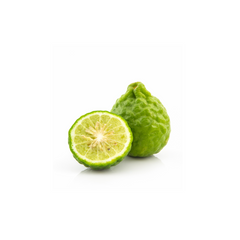
Bergamot

25–30% of blend

Bergamot oil provides a bright, citrus lift, bridging the top notes and amplifying the freshness of the watery accord through limonene and linalyl acetate.

The Olfactory Layers

How Watery Notes Evolves on Skin

Watery notes evolve rapidly, opening with a burst of ozonic freshness (Calone, Floralozone) in the first 10–15 minutes, then transitioning to dewy florals and green notes, before settling into a soft, musky base. Their volatility and molecular weight drive this olfactory progression.

I
Top notes
0–15 min
Marine Freshness

The initial impression is dominated by high-volatility molecules like Calone and Floralozone, producing an immediate sense of sea breeze, rain, or dew. These compounds evaporate quickly, providing a sharp, airy, and slightly metallic freshness that defines the opening.

ozonicfreshmarine
II
Heart notes
20–60 min
Dewy Florals

As the top notes dissipate, lotus, water lily, and green leaves emerge. These mid-weight molecules (linalool, phenylethyl alcohol, cis-3-hexenol) create a dewy, floral-aquatic heart, maintaining transparency while adding subtle sweetness and complexity.

dewyfloralgreen
III
Base notes
Several hours
Clean Musk

The base is soft and clean, with white musk and light woods (Iso E Super, Ambroxan) providing gentle support. These heavier molecules have low volatility, ensuring a lingering, skin-like freshness that anchors the watery accord.

cleanmusksoft
TOP NOTES Marine Freshness 0–15 minutes HEART NOTES Dewy Florals 20–60 minutes BASE NOTES Clean Musk Several hours
Through the Ages

The Story of Watery Notes in Perfumery

Watery notes are a late-20th-century innovation, reshaping perfumery with their synthetic, aquatic freshness. Their history spans from laboratory discovery to global fragrance trend.

1951

Discovery of Calone by Pfizer

Pfizer chemists in New York synthesize Calone 1951, initially as a flavoring agent. Its marine, ozonic aroma is later recognized as a breakthrough for perfumery.

1966–1970

Calone Commercialization

Calone is marketed for fragrance use in 1966 and patented in 1970, enabling perfumers to create the first true aquatic accords.

1992

L’Eau d’Issey Launches

Jacques Cavallier’s L’Eau d’Issey (Issey Miyake) debuts, pioneering the aquatic genre and popularizing watery notes in global perfumery.

2000s

Expansion of Aquatic Fragrances

Watery notes become a staple in both designer and niche perfumery, with molecules like Floralozone and Melonal expanding the olfactory palette.

2020s

Modern Interpretations and Sustainability

Contemporary fragrances use advanced synthetic watery notes with improved sustainability and traceability, supported by platforms like HumanSafe™.

The Art of Layering

How to Layer Watery Notes

Understanding how to layer watery notes is key to maximizing their molecular compatibility and olfactory impact. Their transparency allows for creative combinations with florals, citrus, and woods.

01

Enhance Freshness

Layer watery notes with citrus (bergamot, lemon) to amplify brightness. Both share high-volatility molecules (limonene, Calone), resulting in synergistic freshness. Fragrances like Bvlgari Aqva Pour Homme Marine demonstrate this pairing.

02

Add Depth

Combine watery notes with woods (cedar, vetiver) to anchor the aquatic effect. The linear, transparent quality of watery notes is balanced by the fixative properties of woody molecules (cedrol, vetiverol), as seen in Kenzo L’Eau par Kenzo pour Homme.

03

Soften with Florals

Pair watery notes with soft florals (lotus, peony) to create a dewy, naturalistic effect. Shared alcohols and esters (phenylethyl alcohol, linalool) bridge the watery and floral facets, exemplified by L’Eau d’Issey.

Wear It Right

How to Wear Watery Notes Like a Pro

Seasonal Guide

Fall & Winter

In cooler temperatures, watery notes project less and may feel more subtle and introspective. Layer with woods or musks to add warmth and longevity. Apply to pulse points under clothing to preserve freshness.

Spring

Spring’s moderate humidity and rising temperatures enhance the dewy, green facets of watery notes. Pair with florals for a natural, rain-kissed effect. Apply lightly to avoid overwhelming delicate spring scents.

Summer

Heat increases the volatility of watery notes, amplifying their freshness but reducing longevity. Reapply as needed, and consider layering with citrus or mint for extra brightness. Ideal for hot, humid days.

Year-Round Tip

Watery notes can be worn year-round by adjusting application and layering. In dry climates, use a moisturizing base to enhance diffusion; in humid environments, apply sparingly to avoid excessive projection.

Application Points

Strategic application enhances the freshness and longevity of watery notes.

1

Neck

Applying watery notes to the neck utilizes body heat for rapid diffusion, maximizing the initial marine freshness. Ideal for immediate impact.

2

Behind the Ears

This area retains scent longer due to lower exposure to air and sunlight, allowing the dewy heart notes to linger throughout the day.

3

Inner Wrists

Pulse points on the wrists accelerate evaporation, releasing the ozonic top notes quickly. Reapply as needed for sustained freshness.

4

Hair

Spraying watery notes on hair provides a gentle, diffusive trail as you move. Hair holds scent molecules well, extending the aquatic aura.

★

Pro Tip

Layer watery notes over a light, unscented moisturizer to slow evaporation and enhance projection, especially in dry or cold environments.

Mood Architecture™

Top Watery Notes Fragrances by Mood Score

These Watery Notes-based fragrances scored highest on the MEI™ Mood Architecture Framework — measuring how a scent may influence your emotional state.

Highest MEI Score
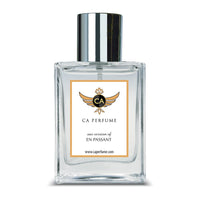
En Passant — Frederic Malle En Passant Alternative Perfume
3.7
MEI™
Primary Fresh
Secondary Energizing
Confidence
2.9
Presence
2.7
Mood Lift
4.7
Identity
3.1
Warmth
3.5
Social Ease
4.5
Energy
3.4
" I am free.
View full mood profile →
HumanSafe™

Top Watery Notes Fragrances by HumanSafe™ Score

These Watery Notes-based fragrances have the highest product-level HumanSafe™ scores in this ingredient collection.

Highest HumanSafe™ Score
En Passant — Frederic Malle En Passant Alternative Perfume
A-
HumanSafe™ Score Generally Safe
Safest Evaluated Ingredients EDP
AQUA Solvent / Carrier ISS 10.0
BENZYL SALICYLATE Evaluated ingredient ISS 9.0
BENZENEPROPANAL, 4-METHOXY-.ALPHA.-METHYL- Evaluated ingredient ISS 9.0
AMBROXIDE Evaluated ingredient ISS 9.0
LINALYL ACETATE Evaluated ingredient ISS 7.0
LINALOOL Evaluated ingredient ISS 7.0
View full safety profile →
Expert Voices

What Masters Say About Watery Notes

“
Calone’s introduction in the 1990s revolutionized perfumery, enabling the creation of fragrances that evoke the sensation of water, sea breeze, and rain—an entirely new olfactory territory.
CA Perfume Editorial
“
Watery notes are not a direct extract from nature but a perfumer’s abstraction, built from molecules like Calone and Floralozone to create the illusion of aquatic freshness.
CA Perfume Editorial
Common Questions

Frequently Asked Questions

Answers to common questions about watery notes in perfumery.

Watery notes in perfume smell fresh, ozonic, and dewy, often evoking the sensation of rain, sea breeze, or morning dew. The scent profile is built from synthetic molecules like Calone, which imparts a marine, melon-like, and slightly metallic freshness. These notes are transparent and airy, sometimes paired with florals or green leaves for added realism. Notable examples include Issey Miyake L’Eau d’Issey and Bvlgari Aqva Pour Homme Marine.

Watery notes are typically used as top or heart notes in fragrance compositions. Their high volatility means they provide an immediate burst of freshness, setting the stage for florals, citrus, or woods. They rarely function as base notes due to their rapid evaporation.

Watery notes are favored in niche perfumery for their ability to create a sense of transparency, space, and modernity. They allow perfumers to evoke rain, sea, or dew, expanding the olfactory palette beyond traditional florals and woods. Their synthetic origin ensures consistency and sustainability.

Watery notes fragrance uses often involve pairing with citrus (bergamot, lemon), florals (lotus, peony), green notes (cis-3-hexenol), and woods (cedar, vetiver). These combinations enhance freshness, realism, and longevity, as seen in fragrances like Kenzo L’Eau par Kenzo pour Homme.

Yes, watery notes are especially suitable for summer and hot weather due to their refreshing, airy character. Their volatility increases in heat, amplifying their projection and making them ideal for warm, humid conditions. Reapplication may be necessary for sustained effect.

Watery notes generally last 2–4 hours as top or heart notes before fading into musks or woods. Their high volatility means longevity is shorter than heavier base notes, but fixatives or layering can extend their presence.

Yes, watery notes are highly versatile for layering. They combine well with citrus, florals, and woods, enhancing freshness or adding transparency to denser compositions. Apply watery notes first, then layer heavier scents for optimal effect.

Beginner-friendly watery notes perfumes include Issey Miyake L’Eau d’Issey, Bvlgari Aqva Pour Homme Marine, and Maison Margiela When the Rain Stops. These fragrances showcase the aquatic genre’s signature freshness and are widely accessible.

To choose the right watery notes fragrance at CA Perfume, consider your preferred level of freshness, pairing notes (citrus, florals, woods), and desired longevity. Explore the collection for options that balance aquatic clarity with your personal style.

Watery notes can smell both clean and slightly synthetic, depending on the concentration and supporting notes. Calone and related molecules have a distinctive marine, ozonic freshness that is unmistakably modern and transparent, often perceived as clean but with a subtle synthetic edge.

Aquatic Collection

Explore Our Top Watery Notes Fragrances

Discover CA Perfume’s curated selection of aquatic fragrances, each showcasing the clarity and freshness of watery notes in modern compositions.

Shop all watery notes fragrances at CA Perfume →

Where Watery Notes Come From — Origin & Extraction

Watery notes are a perfumery abstraction, not a direct botanical or mineral extract. The concept originated in the late 20th century with the discovery of Calone (Calone 1951, CAS 28940-11-6) by Pfizer in 1951, originally intended as a flavoring agent. Calone was first marketed for perfumery in 1966 and patented in 1970. Its structure mimics pheromones produced by certain algae, giving it a marine, ozonic, and melon-like scent. Other key synthetic molecules include Floralozone (CAS 67634-15-5), Melonal (CAS 106-41-2), and Algenone (CAS 67634-15-5), each contributing different facets of aquatic freshness. Natural materials such as water lily, lotus, and seaweed absolute can be used to enhance watery accords, but their extraction yields are low and often require solvent extraction or CO2 extraction. Seaweed absolute, for example, is obtained via volatile solvent extraction and imparts a green, iodic nuance. However, the vast majority of watery notes in perfumery are synthetic due to the lack of a true 'water' aroma in nature—water itself is odorless, and the scent of sea air is produced by marine organisms, not iodine. Synthetic watery notes are produced at industrial scale, with Calone costing approximately $80–150/kg, compared to $2,000–4,000/kg for rare natural aquatic absolutes. Sustainability is generally favorable for synthetics, as they reduce pressure on natural aquatic plant populations and avoid the environmental impact of large-scale harvesting. Major manufacturers include Firmenich, Givaudan, and IFF, who supply HumanSafe™ verified aroma chemicals for transparent sourcing.

Famous Fragrances That Define Watery Notes in Perfumery

Watery notes have defined an entire genre of modern perfumery, particularly since the 1990s. The landmark fragrance Issey Miyake L’Eau d’Issey (1992, Jacques Cavallier) introduced Calone to a global audience, creating a transparent, aquatic floral signature. Bvlgari Aqva Pour Homme Marine (2008, Jacques Cavallier) uses marine notes with citrus and woods to evoke Mediterranean freshness. Maison Margiela When the Rain Stops (2022) employs watery accords and petrichor to simulate the scent of rainfall. Kenzo L’Eau par Kenzo pour Homme (1999, Olivier Cresp) blends watery notes with yuzu and lotus for a serene, riverine effect. Frederic Malle En Passant (2000, Olivia Giacobetti) uses watery cucumber and lilac to create a dewy, springtime atmosphere. These fragrances demonstrate the versatility of watery notes as dominant, bridge, or accent notes, often paired with florals, citrus, and woods. CA Perfume’s collection reflects this lineage, offering modern interpretations of aquatic freshness.

Natural vs Synthetic Watery Notes in Perfumery

The watery notes used in perfumery are overwhelmingly synthetic, as water itself is odorless and natural aquatic plants yield minimal volatile aroma compounds. The primary synthetic molecule is Calone (7-methyl-2H-1,5-benzodioxepin-3(4H)-one, CAS 28940-11-6), which imparts a marine, ozonic, and melon-like freshness. Other important aroma chemicals include Floralozone (CAS 67634-15-5), Melonal (CAS 106-41-2), and Algenone (CAS 67634-15-5). These molecules offer high stability, consistent quality, and strong diffusion, with longevity typically in the 2–4 hour range for top notes, but can be extended when paired with fixatives. Natural watery notes, such as lotus or water lily absolutes, are rare and expensive, with yields often below 0.1% and prices exceeding $2,000/kg. Their olfactory impact is subtle and less diffusive than synthetics. Most iconic aquatic fragrances, such as Issey Miyake L’Eau d’Issey and Bvlgari Aqva Pour Homme Marine, rely on synthetic watery notes for their signature effect. Sustainability is generally better for synthetics, as they avoid overharvesting of aquatic plants. The HumanSafe™ platform at CA Perfume ensures all synthetic watery notes are fully traceable and IFRA-compliant.