Where Seaweed Comes From — Origin & Extraction
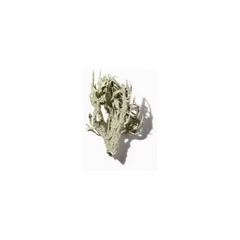
Seaweed absolute used in perfumery is extracted primarily from brown algae species, notably Fucus vesiculosus (bladderwrack) and Laminaria digitata (oarweed). The main harvesting regions are the coasts of Brittany, France, and parts of Iceland, where wild populations are sustainably collected. France, particularly the Brittany region, is the global leader, with Biolandes and other suppliers processing several hundred metric tons of raw seaweed annually for the fragrance industry.
The extraction process begins with the collection and drying of the seaweed thallus. Solvent extraction (typically using hexane) at elevated temperatures yields a concrete, which is then subjected to alcohol precipitation and filtration to produce the absolute. The resulting material is a dark green, viscous liquid with intense iodic-marine odor. For fine perfumery, a further molecular distillation step at low pressure removes residual waxes and pigments, resulting in a more soluble, near-colorless variant. Typical extraction yields are 1–3% absolute from dried seaweed. CO2 extraction is also employed for a cleaner, less phenolic profile, though it is less common due to higher costs.
Natural seaweed absolute commands a high price, ranging from $1,200–$1,500 per kg (2025 wholesale), reflecting the labor-intensive harvesting and low yield. Synthetic marine notes, such as calone (CAS 28940-11-6) and Helional (CAS 141-13-9), cost significantly less ($50–$200 per kg) and are often used to supplement or replace natural seaweed in large-scale production. Sustainability is a key concern: wild harvesting is regulated in France and Iceland to prevent overexploitation, and some producers are exploring aquaculture methods. The absolute is IFRA-approved for restricted use, with no major allergen concerns, but its intensity requires careful dosing in formulations.
Famous Fragrances That Define Seaweed in Perfumery
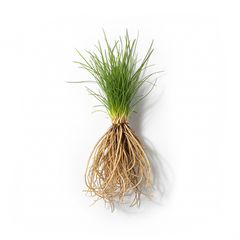
Seaweed has become a defining note in marine and aquatic perfumery, lending authenticity and complexity to compositions that aim to evoke the ocean. One of the earliest and most influential uses is found in James Heeley Sel Marin (2008, James Heeley), where seaweed and seagrass create a photorealistic impression of Atlantic spray and rocky shores. Jo Malone London Wood Sage & Sea Salt (2014, Christine Nagel) popularized the mineral-salty facet of seaweed, pairing it with ambrette and sage for a breezy, coastal effect. Maison Margiela Sailing Day (2017, Jacques Cavallier) employs seaweed as a bridge note, grounding synthetic sea accords with a naturalistic marine depth.
Orto Parisi Megamare (2019, Alessandro Gualtieri) pushes the note to its limits, using seaweed as a dominant, immersive element alongside citrus and ambergris. Issey Miyake Le Sel d’Issey (2024) and Tom Ford Oud Minérale (2023) both feature seaweed as a supporting note, blending it with woods, salt, and mineral accords to evoke the interplay of land and sea. Etat Libre d'Orange Secretions Magnifiques (2006, Antoine Lie) uses seaweed to create a provocative, animalic marine effect, paired with metallic and lactonic notes.
These fragrances demonstrate seaweed’s versatility: as a dominant note (Megamare), a bridge (Sailing Day), or a subtle accent (Wood Sage & Sea Salt). CA Perfume’s collection draws inspiration from this lineage, offering both photorealistic and stylized marine interpretations for those seeking the true scent of the sea.
Natural vs Synthetic Seaweed in Perfumery
Natural seaweed absolute is a complex mixture of marine, green, and mineral odorants, with dimethyl sulfide (CAS 75-18-3), bromophenols, and (Z,Z,Z)-8,11,14-heptadecatrienal as key contributors. Synthetic marine notes, such as calone (CAS 28940-11-6), Helional (CAS 141-13-9), and Floralozone (CAS 67634-15-5), are designed to mimic the fresh, ozonic aspects of the ocean but lack the organic, slightly animalic depth of true seaweed absolute.
Performance-wise, synthetic molecules offer greater stability, diffusion, and batch-to-batch consistency. They are less susceptible to oxidation and are not subject to the seasonal or geographic variability of natural seaweed. Natural seaweed, however, provides a more nuanced, layered scent evolution, with a distinctive iodine-saline signature that is difficult to replicate fully in the lab. Cost is a major differentiator: natural seaweed absolute can cost upwards of $1,200/kg, while synthetics are typically under $200/kg.
Famous fragrances such as Jo Malone Wood Sage & Sea Salt and Maison Margiela Sailing Day use a blend of natural and synthetic marine notes to achieve both realism and projection. Sustainability is an ongoing challenge for natural seaweed, with regulated wild harvesting and increasing interest in aquaculture. CA Perfume utilizes the HumanSafe™ platform to ensure traceability and responsible sourcing, favoring natural seaweed absolute for authenticity in select compositions while relying on advanced synthetics for broader applications and allergen control.