
Ingredient Guide · Gourmand Woody
Gourmand Woody Family · Perfumery Note

Walnut

Synthetic walnut accords evoke warm, dry nuttiness with woody undertones

Walnut in perfumery is a synthetic fantasy accord representing nutty, woody, and slightly bitter aromas. It is composed primarily of sotolon and lactones, used at heart to base concentrations. Sotolon is a key molecule responsible for its characteristic maple-fenugreek warmth.

Walnut
Ingredient Profile

Walnut

Gourmand Woody Family
Family Gourmand Woody
Note Position Top Note
Usage Level 0.1–1%
Key Origins China, United States, Iran
Iconic In Yesterday Haze, Bowmakers
The Ingredient

What does Walnut smell like and what is its significance in perfumery?

Walnut in perfumery is not derived from natural walnut extracts but is a synthetic fantasy accord designed to replicate the nutty, woody, and slightly bitter scent profile associated with walnuts. The key molecules include sotolon (CAS 28664-35-9), which imparts a maple-fenugreek warmth, and lactones such as gamma-nonalactone and delta-decalactone, which contribute creamy, coconut-like nuttiness. Pyrazines like 2,3-dimethylpyrazine provide roasted nut facets, while green-fatty aldehydes like (Z)-2-octenal add vegetal realism. This note is typically used as a heart to base modifier in gourmand, woody, and tobacco-adjacent compositions, usually at concentrations ranging from 0.1% to 1%. Walnut accords bridge sweet balsamic bases with greener top notes, offering a drier, less sweet, and more cereal-like character compared to hazelnut or chestnut notes. The synthetic nature ensures stability and safety, as natural walnut husk contains juglone, a skin-staining and vesicant compound unsuitable for perfumery. Notable fragrances featuring walnut accords include Imaginary Authors' Yesterday Haze (2014), where walnut blends with creamy fig and woody notes, and DS&Durga's Bowmakers (2013), which uses walnut to add depth to its woody gourmand profile. Swiss Arabian's Shaghaf Vanilla Toffee (2024) also employs walnut to enrich its spicy gourmand composition.

0.1–1%
Typical concentration range of walnut accords in fragrance formulations, balancing potency and harmony.
Parts-per-billion
Sotolon, the key walnut odorant, is perceptible at extremely low concentrations, highlighting its potency.
50–200 USD/kg
Approximate cost range for synthetic aroma chemicals used in walnut accords, significantly more economical than natural extracts.
Origin & Extraction

Where Walnut Comes From — Origin & Extraction

Walnut production is concentrated in temperate regions with rich soils and moderate rainfall, influencing the nut's aromatic qualities. While natural walnut extracts are not used in perfumery, understanding origin helps contextualize the note's olfactory inspiration.

Walnut belongs to the genus Juglans, with Juglans regia (English walnut) being the primary botanical species associated with the nut. However, in perfumery, no natural walnut extract, absolute, or essential oil is used due to the presence of juglone (CAS 481-39-0) in the husk, a potent skin-staining dye and vesicant. Walnut seed oil (Juglans regia Seed Oil, CAS 8024-09-7) is produced by cold pressing and serves as a cosmetic emollient but lacks a volatile scent profile and is not used as a fragrance material. The walnut scent in perfumery is entirely synthetic, constructed from aroma chemicals such as sotolon, lactones, and pyrazines. Sotolon is a highly potent molecule detectable at parts-per-billion concentrations, contributing maple-fenugreek warmth. Lactones like gamma-nonalactone and delta-decalactone add creamy, coconut nuances, while pyrazines provide roasted nutty facets. Natural walnut production is concentrated in countries such as China, the United States (California), Iran, and Turkey, with China leading global production. However, these natural materials are not used in perfumery due to safety and extraction challenges. Synthetic walnut accords offer consistent quality and sustainability, avoiding the environmental and safety issues linked to natural walnut husk extraction.

CN

China

China is the world's largest walnut producer, with extensive cultivation in provinces such as Yunnan and Xinjiang. The region's fertile soils and temperate climate yield walnuts with rich, earthy aromas. China accounts for over 50% of global walnut production, though these are not used directly in perfumery.

US

United States

California leads US walnut production, known for high-quality English walnuts grown in the Central Valley. The Mediterranean climate and well-drained soils contribute to the nut's characteristic aroma. US walnuts form a significant portion of the global market but are not used as fragrance extracts.

IR

Iran

Iran is a major walnut producer with cultivation in the Zagros Mountains region. The altitude and climate produce walnuts with distinct earthy and woody notes. Iranian walnuts contribute significantly to the global supply but are not utilized in perfumery.

TR

Turkey

Turkey cultivates walnuts primarily in the Black Sea region, where humid climate and fertile soils yield nuts with robust aroma profiles. Turkish walnuts are important commercially but remain outside perfumery ingredient use.

Chemistry

Natural vs Synthetic Walnut in Perfumery

Walnut in perfumery is exclusively a synthetic note; no natural walnut extracts are used due to safety concerns and the absence of a suitable volatile profile. The synthetic walnut accord is composed of key aroma chemicals including sotolon (CAS 28664-35-9), gamma-nonalactone, delta-decalactone, and 2,3-dimethylpyrazine. These molecules replicate the nutty, woody, and slightly bitter scent facets of walnut. Synthetic walnut accords offer superior longevity, stability, and diffusion compared to any natural counterpart, which is unavailable for fragrance use. The cost of synthetic aroma chemicals ranges from $50 to $200 per kilogram, significantly lower than natural extracts that are not commercially viable for perfumery. Famous fragrances such as Imaginary Authors' Yesterday Haze and DS&Durga's Bowmakers utilize synthetic walnut accords to achieve complex gourmand and woody profiles. From a sustainability perspective, synthetic walnut accords reduce reliance on agricultural resources and avoid the toxicological risks of juglone in walnut husks. CA Perfume employs the HumanSafe™ platform to ensure transparency and safety in synthetic ingredient use, favoring synthetic walnut accords for consistent and safe fragrance creation.

Natural
Walnut Absolute
Cost $3,000–6,000/kg
Method Solvent / CO₂
Character Complex, variable
vs
Synthetic
Safranal & Analogues
Cost $50–200/kg
Method Lab synthesis
Character Consistent, stable
Hall of Fame

Famous Fragrances That Define Walnut in Perfumery

2014
heart note

Yesterday Haze

Imaginary Authors
by Josh Meyer
figwoody notescreamy accords
2013
supporting note

Bowmakers

DS&Durga
woody notesgourmand accords
2024
accent note

Shaghaf Vanilla Toffee

Swiss Arabian
vanillaspicesgourmand accords
2023
bridge note

Forlorn Embers & Black Reigns

Toskovat'
smoky woodsgourmand notes
2024
accent note

Rococo Pie

Sarah Baker Perfumes
peachgourmand fruity accords

Walnut accords have been used in several notable fragrances to impart a warm, nutty, and woody character, often within gourmand and woody compositions. Imaginary Authors' Yesterday Haze (2014), crafted by perfumer Josh Meyer, features walnut blended with creamy fig and woody notes, where walnut serves as a heart note adding depth and gourmand warmth. DS&Durga's Bowmakers (2013) uses walnut as a supporting note within a woody gourmand accord, enhancing the roasted nutty facets. Swiss Arabian's Shaghaf Vanilla Toffee (2024) incorporates walnut as an accent note, enriching its spicy gourmand profile with nutty warmth. Toskovat's Forlorn Embers & Black Reigns (2023) employs walnut to complement smoky woods and gourmand elements, functioning as a bridge note. Sarah Baker's Rococo Pie (2024) uses walnut to add a subtle nutty nuance within its gourmand peach cobbler accord. These fragrances demonstrate walnut's versatility as a heart to base modifier, bridging sweet, woody, and spicy notes. CA Perfume's collection reflects this lineage by exploring walnut's synthetic accords to create nuanced gourmand and woody fragrances.

The Accord

How is a captivating Walnut accord crafted?

A walnut accord is typically constructed from a blend of synthetic aroma chemicals that replicate the nutty, woody, and slightly bitter facets of walnut. Sotolon (20-25%) provides the characteristic maple-fenugreek warmth and potent aroma impact. Lactones such as gamma-nonalactone and delta-decalactone (15-20%) contribute creamy, coconut-like nuttiness and smoothness. Pyrazines like 2,3-dimethylpyrazine (15-20%) add roasted nutty and toasted notes, while green-fatty aldehydes such as (Z)-2-octenal (20-25%) introduce vegetal and fresh green nuances for realism. A base of cedarwood (20-25%) grounds the accord with woody depth, enhancing longevity and complexity. This blend totals approximately 90-100%, balancing warmth, creaminess, and green freshness for a nuanced walnut scent.

25%

Sotolon

20–25% of blend

Sotolon is the key odorant responsible for walnut's maple-fenugreek warmth and potent nutty character, detectable at parts-per-billion levels.

20%

Gamma-Nonalactone

15–20% of blend

Gamma-nonalactone adds creamy, coconut-like nuttiness that softens the accord and enhances gourmand facets.

20%

2,3-Dimethylpyrazine

15–20% of blend

2,3-Dimethylpyrazine imparts roasted nutty and toasted notes, contributing depth and complexity.

25%

Cedarwood

20–25% of blend

Cedarwood provides woody depth and fixative properties, anchoring the accord and enhancing longevity.

The Olfactory Layers

How Walnut Evolves on Skin

Walnut accords in fragrance evolve from an initial subtle green and slightly bitter facet to a warm, nutty heart and a woody, dry base. The high-volatility aldehydes and pyrazines evaporate within the first 15 minutes, revealing creamy lactones and sotolon that dominate the heart. The base notes of cedarwood and dry woody elements persist for hours, providing lasting depth.

I
Top notes
0–15 min
Green and Bitter Freshness

The top notes feature green-fatty aldehydes such as (Z)-2-octenal, imparting a fresh, slightly bitter, and vegetal aroma. These volatile compounds evaporate quickly, creating an initial impression of green husks and fresh wood.

GreenBitterFresh
II
Heart notes
20–60 min
Warm Nutty Creaminess

Heart notes are dominated by sotolon and lactones like gamma-nonalactone, which provide warm, creamy, maple-fenugreek and coconut-like nutty aromas. Pyrazines add roasted and toasted nut facets, enriching the gourmand character.

NuttyCreamyWarm
III
Base notes
Several hours
Dry Woody Persistence

Base notes consist of cedarwood and dry woody elements that offer a lasting dry, woody, and slightly bitter finish. These low-volatility molecules anchor the accord and enhance longevity and sillage.

WoodyDryPersistent
TOP NOTES Green and Bitter Freshness 0–15 minutes HEART NOTES Warm Nutty Creaminess 20–60 minutes BASE NOTES Dry Woody Persistence Several hours
Through the Ages

The Story of Walnut in Perfumery

Walnut's olfactory use in perfumery is a modern synthetic construction, with key developments in aroma chemical identification and synthetic accord creation occurring in the late 20th and early 21st centuries.

Late 20th Century

Identification of Sotolon and Aroma Chemicals

Sotolon was identified as a potent aroma compound responsible for nutty, maple-like scents. Advances in analytical chemistry allowed perfumers to isolate and synthesize molecules like sotolon, lactones, and pyrazines.

Early 2000s

Development of Synthetic Walnut Accord

Perfumers began constructing walnut accords synthetically using sotolon, lactones, and pyrazines to replicate the nutty, woody scent profile, as natural walnut extracts were unsuitable for fragrance use.

2013

Release of DS&Durga Bowmakers

Bowmakers featured walnut as a supporting note, showcasing the synthetic walnut accord in a woody gourmand composition.

2014

Imaginary Authors' Yesterday Haze Launch

Yesterday Haze prominently used walnut accord blended with fig and woody notes, highlighting walnut's versatility in modern niche perfumery.

2020s

Expansion of Walnut Use in Gourmand Fragrances

Walnut accords became increasingly popular in gourmand and woody fragrances, with new releases incorporating synthetic walnut to add complexity and warmth.

The Art of Layering

How to Layer Walnut

Understanding how to layer walnut accords involves molecular compatibility and olfactory synergy. Walnut's sotolon shares warm, sweet facets with vanilla's vanillin, allowing seamless blending that softens walnut's dry bitterness. Pairing walnut with rose leverages shared lactone compounds, creating a creamy floral-nutty bridge. Layering with cedarwood enhances woody depth and longevity through complementary terpenes. These combinations are evident in fragrances like Yesterday Haze (walnut and fig) and Bowmakers (walnut and cedar). How to layer walnut effectively involves balancing its dry nuttiness with creamy, floral, or woody notes to create harmonious, evolving compositions.

01

Enhance Sweetness

Layer walnut with vanilla to soften its dry, bitter facets. Vanillin masks sharp edges of sotolon, producing a warm, creamy gourmand effect as seen in Shaghaf Vanilla Toffee.

02

Add Depth

Combine walnut with cedarwood to deepen the woody base. Cedar's terpenes complement walnut's dry nuttiness, enhancing longevity and complexity, exemplified in Bowmakers.

03

Lighten the Glow

Pair walnut with rose to exploit shared lactones, creating a creamy floral-nutty accord. This molecular bridge smooths transitions between heart notes, enriching compositions like Yesterday Haze.

Wear It Right

How to Wear Walnut Like a Pro

Seasonal Guide

Fall & Winter

Cooler temperatures slow molecular evaporation, allowing walnut's creamy lactones and woody base notes to linger longer. Apply moderately for cozy, enveloping warmth.

Spring

Mild temperatures enhance the fresh green aldehydes in walnut accords. Layer with floral or citrus notes to brighten and balance nuttiness.

Summer

Heat increases volatility, causing rapid evaporation of top and heart notes. Use lighter application or blend with aquatic or fresh notes to maintain balance.

Year-Round Tip

Layer walnut accords with vanilla or musk to soften dryness and extend longevity regardless of season.

Application Points

Strategic application of walnut accords enhances their warm, nutty character and longevity.

1

Neck

Pulse points like the neck provide warmth that activates walnut's creamy lactones and sotolon, enhancing projection.

2

Behind the Ears

This area offers subtle heat to diffuse the woody and nutty facets softly throughout the day.

3

Inner Wrists

Wrists allow for quick evaporation of top notes, revealing the heart's warm nuttiness effectively.

4

Hair

Hair holds fragrance molecules longer, releasing walnut's dry woody base notes gradually.

★

Pro Tip

Layer walnut accords with complementary gourmand or woody notes on clothing for extended scent life.

Mood Architecture™

Top Walnut Fragrances by Mood Score

These Walnut-based fragrances scored highest on the MEI™ Mood Architecture Framework — measuring how a scent may influence your emotional state.

Highest MEI Score
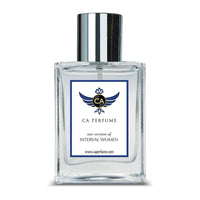
Interval Women — Interlude Women Alternative Perfume
7.7
MEI™
Primary Romantic
Secondary Confident
Confidence
7.05
Presence
7.75
Mood Lift
8.03
Identity
7.45
Warmth
9.5
Social Ease
7.44
Energy
4.62
" I am beautiful.
View full mood profile →
HumanSafe™

Top Walnut Fragrances by HumanSafe™ Score

These Walnut-based fragrances have the highest product-level HumanSafe™ scores in this ingredient collection.

Highest HumanSafe™ Score
Interval Women — Interlude Women Alternative Perfume
A-
HumanSafe™ Score Generally Safe
Safest Evaluated Ingredients EDP
AQUA Solvent / Carrier ISS 10.0
LINALYL ACETATE Evaluated ingredient ISS 7.0
LINALOOL Evaluated ingredient ISS 7.0
ALCOHOL DENAT. Solvent / Carrier ISS 7.0
1,3,4,6,7,8-HEXAHYDRO-4,6,6,7,8,8- Evaluated ingredient ISS 7.0
D-LIMONENE Evaluated ingredient ISS 6.8
View full safety profile →
Expert Voices

What Masters Say About Walnut

“
Walnut is a fantasy note in perfumery, constructed from potent aroma chemicals like sotolon and pyrazines to evoke a warm, dry nuttiness that bridges gourmand and woody accords.
CA Perfume Editorial
“
Sotolon, the key odorant in walnut accords, is one of the most potent aroma compounds known, detectable at parts-per-billion levels, and central to replicating walnut's characteristic scent.
CA Perfume Editorial
Common Questions

Frequently Asked Questions

Frequently asked questions about walnut in perfumery, addressing scent, usage, and layering.

Walnut in perfume smells nutty, woody, and slightly bitter, created synthetically using aroma chemicals such as sotolon, lactones, and pyrazines. It evokes warm, creamy, roasted nut facets with vegetal green undertones. Notably, no natural walnut extracts are used due to safety concerns.

Walnut functions primarily as a heart to base note in fragrance compositions. Its key molecules like sotolon and lactones emerge after the top notes evaporate, providing warm, creamy, and woody depth that lasts into the dry down.

Walnut accords add complex gourmand warmth and dry nuttiness that enrich woody and tobacco-adjacent fragrances. Their synthetic nature allows perfumers to create unique, stable accords that evoke autumnal and cozy atmospheres, appealing to niche perfumery's experimental ethos.

Walnut fragrance uses include pairing with vanilla to soften bitterness, cedarwood to deepen woody facets, and rose to create creamy floral-nutty bridges. These combinations leverage shared molecular compounds for harmonious layering.

Walnut accords can be worn in summer but tend to be more volatile in heat, causing faster evaporation of creamy and woody notes. Light layering with fresh or citrus notes is recommended to maintain balance and freshness.

Walnut accords typically last several hours, with base woody notes persisting longest. Synthetic aroma chemicals like sotolon and lactones provide good longevity and moderate projection in parfum and eau de parfum concentrations.

Yes, layering walnut with complementary notes such as vanilla, cedarwood, or rose enhances its creamy, woody, and floral facets. Understanding how to layer walnut involves molecular compatibility and olfactory synergy for a personalized scent.

Beginner-friendly walnut perfumes include Imaginary Authors' Yesterday Haze and Swiss Arabian's Shaghaf Vanilla Toffee, which showcase walnut in balanced gourmand and woody contexts without overwhelming intensity.

Choosing a walnut fragrance at CA Perfume involves considering the desired scent profile—whether gourmand, woody, or spicy—and concentration. Sampling fragrances with walnut accords in different compositions helps find a personal fit.

Walnut in fragrance leans more toward a dry, nutty sweetness with subtle spicy undertones from fenugreek-like sotolon. It is less sweet than hazelnut and has a slightly bitter, woody edge, contributing complexity rather than overt sweetness.

Gourmand Woody Collection

Explore Our Top Walnut Fragrances

Discover curated selections featuring walnut accords in gourmand and woody perfumes, exemplifying the note's versatility and warmth.

Shop all walnut fragrances at CA Perfume →

Where Walnut Comes From — Origin & Extraction

Walnut belongs to the genus Juglans, with Juglans regia (English walnut) being the primary botanical species associated with the nut. However, in perfumery, no natural walnut extract, absolute, or essential oil is used due to the presence of juglone (CAS 481-39-0) in the husk, a potent skin-staining dye and vesicant. Walnut seed oil (Juglans regia Seed Oil, CAS 8024-09-7) is produced by cold pressing and serves as a cosmetic emollient but lacks a volatile scent profile and is not used as a fragrance material. The walnut scent in perfumery is entirely synthetic, constructed from aroma chemicals such as sotolon, lactones, and pyrazines. Sotolon is a highly potent molecule detectable at parts-per-billion concentrations, contributing maple-fenugreek warmth. Lactones like gamma-nonalactone and delta-decalactone add creamy, coconut nuances, while pyrazines provide roasted nutty facets. Natural walnut production is concentrated in countries such as China, the United States (California), Iran, and Turkey, with China leading global production. However, these natural materials are not used in perfumery due to safety and extraction challenges. Synthetic walnut accords offer consistent quality and sustainability, avoiding the environmental and safety issues linked to natural walnut husk extraction.

Famous Fragrances That Define Walnut in Perfumery

Walnut accords have been used in several notable fragrances to impart a warm, nutty, and woody character, often within gourmand and woody compositions. Imaginary Authors' Yesterday Haze (2014), crafted by perfumer Josh Meyer, features walnut blended with creamy fig and woody notes, where walnut serves as a heart note adding depth and gourmand warmth. DS&Durga's Bowmakers (2013) uses walnut as a supporting note within a woody gourmand accord, enhancing the roasted nutty facets. Swiss Arabian's Shaghaf Vanilla Toffee (2024) incorporates walnut as an accent note, enriching its spicy gourmand profile with nutty warmth. Toskovat's Forlorn Embers & Black Reigns (2023) employs walnut to complement smoky woods and gourmand elements, functioning as a bridge note. Sarah Baker's Rococo Pie (2024) uses walnut to add a subtle nutty nuance within its gourmand peach cobbler accord. These fragrances demonstrate walnut's versatility as a heart to base modifier, bridging sweet, woody, and spicy notes. CA Perfume's collection reflects this lineage by exploring walnut's synthetic accords to create nuanced gourmand and woody fragrances.

Natural vs Synthetic Walnut in Perfumery

Walnut in perfumery is exclusively a synthetic note; no natural walnut extracts are used due to safety concerns and the absence of a suitable volatile profile. The synthetic walnut accord is composed of key aroma chemicals including sotolon (CAS 28664-35-9), gamma-nonalactone, delta-decalactone, and 2,3-dimethylpyrazine. These molecules replicate the nutty, woody, and slightly bitter scent facets of walnut. Synthetic walnut accords offer superior longevity, stability, and diffusion compared to any natural counterpart, which is unavailable for fragrance use. The cost of synthetic aroma chemicals ranges from $50 to $200 per kilogram, significantly lower than natural extracts that are not commercially viable for perfumery. Famous fragrances such as Imaginary Authors' Yesterday Haze and DS&Durga's Bowmakers utilize synthetic walnut accords to achieve complex gourmand and woody profiles. From a sustainability perspective, synthetic walnut accords reduce reliance on agricultural resources and avoid the toxicological risks of juglone in walnut husks. CA Perfume employs the HumanSafe™ platform to ensure transparency and safety in synthetic ingredient use, favoring synthetic walnut accords for consistent and safe fragrance creation.