Ingredient Guide · Gourmand
Gourmand Family · Perfumery Note

Vanilla Bean

Explore the rich aroma of vanilla bean in perfumery.

Vanilla bean serves as a base note in perfumery, offering a sweet, creamy, and rich aroma. Its primary component, vanillin, imparts the characteristic scent, while other compounds contribute to its complexity. Typically used at concentrations of 2–4%, vanilla bean interacts with skin chemistry to enhance its warm, comforting profile. Notable fragrances like Guerlain's Shalimar (1925) and Tom Ford's Tobacco Vanille (2007) showcase vanilla bean's versatility in compositions.

Ingredient Profile

Vanilla Bean

Gourmand Family
Family Gourmand
Note Position Base Note
Usage Level 2–4%
Key Origins Madagascar, Indonesia, Mexico
The Ingredient

What does Vanilla Bean smell like and why is it significant in perfumery?

Vanilla bean, derived from the orchid Vanilla planifolia, is renowned for its sweet, creamy, and rich aroma. This scent profile is primarily attributed to vanillin (C8H8O3), the main component of vanilla's fragrance. In perfumery, vanilla bean is classified as a base note, typically used at concentrations of 2–4%. It interacts with skin chemistry, releasing its full aroma over time and enhancing the overall scent experience. Vanilla bean's versatility allows it to complement various notes, making it a staple in many compositions. For instance, Guerlain's Shalimar (1925) and Tom Ford's Tobacco Vanille (2007) both prominently feature vanilla bean, highlighting its enduring appeal in the fragrance industry.

2–4%
Typical concentration range of vanilla bean in perfume compositions, depending on desired intensity.
60%
Percentage of global vanilla bean production accounted for by Madagascar, the leading producer.
200+
Number of compounds contributing to the complex aroma of natural vanilla bean extract.
Origin & Extraction

Where Vanilla Bean Comes From — Origin & Extraction

Vanilla bean's aroma is deeply influenced by its geographic origin, with each region imparting unique characteristics to the scent profile. Factors such as soil composition, climate, and cultivation practices contribute to the distinctive qualities of vanilla beans from different countries.

Vanilla bean is the fruit of the Vanilla planifolia orchid, native to Mexico. Today, major producers include Madagascar, Indonesia, and Mexico. The cultivation process is labor-intensive, requiring hand-pollination and a lengthy curing period of several months to develop the characteristic aroma. Extraction methods vary; natural vanilla is obtained through solvent extraction using ethanol, while synthetic vanillin is produced from guaiacol or lignin. Natural vanilla is significantly more expensive, with prices ranging from $600 to $800 per kilogram, compared to synthetic vanillin, which is much more affordable. Sustainability concerns arise due to the intensive labor and environmental impact of cultivation and extraction processes.

MG

Madagascar

Madagascar is the world's leading producer of vanilla beans, accounting for approximately 60% of global production. The beans from this region are known for their rich, creamy, and slightly smoky aroma, attributed to the unique soil and climate conditions. The beans undergo a meticulous curing process, enhancing their complex scent profile.

ID

Indonesia

Indonesia produces vanilla beans with a deeper, less sweet aroma, often described as smoky. The beans are harvested from vines grown in volcanic soils, which impart a distinctive depth to the scent. The curing process is similar to that of Madagascar beans, though the flavor profile differs due to regional variations.

MX

Mexico

As the native home of Vanilla planifolia, Mexico's vanilla beans are earthy and slightly woody. The beans are traditionally cured using methods passed down through generations, contributing to their unique flavor profile. Mexican vanilla is often considered the original and is highly prized for its authenticity.

Chemistry

Natural vs Synthetic Vanilla Bean in Perfumery

Natural vanilla bean extract is a complex mixture containing over 200 compounds, with vanillin being the primary contributor to its aroma. Synthetic vanillin, derived from guaiacol or lignin, replicates the sweet, creamy scent but lacks the depth and complexity of natural vanilla. In perfumery, natural vanilla is preferred for its richness, while synthetic vanillin offers a cost-effective alternative. The choice between natural and synthetic depends on factors like desired scent complexity, cost, and sustainability considerations. CA Perfume's HumanSafe™ platform ensures transparency in ingredient sourcing and usage, aligning with ethical and environmental standards.

Natural
Vanilla Bean Absolute
Cost $3,000–6,000/kg
Method Solvent / CO₂
Character Complex, variable
vs
Synthetic
Safranal & Analogues
Cost $50–200/kg
Method Lab synthesis
Character Consistent, stable
Hall of Fame

Famous Fragrances That Define Vanilla Bean in Perfumery

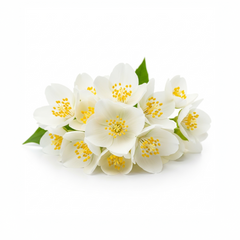
Vanilla bean has been a cornerstone in perfumery, featured in numerous iconic fragrances. Notable examples include: - **Guerlain's Shalimar (1925)**: A pioneering oriental fragrance that blends vanilla bean with bergamot and iris, creating a timeless scent. - **Tom Ford's Tobacco Vanille (2007)**: A modern gourmand composition that pairs vanilla bean with tobacco and spices, offering a warm, inviting aroma. - **Yves Saint Laurent's Black Opium (2014)**: A contemporary fragrance that combines vanilla bean with coffee and white flowers, delivering a sweet and edgy profile. - **Dior's Hypnotic Poison (1998)**: A bold scent that fuses vanilla bean with almond and jasmine, creating a rich, intoxicating experience. - **By Kilian's Love, Don't Be Shy (2007)**: A sweet, floral fragrance where vanilla bean is harmoniously blended with orange blossom and marshmallow. These fragrances exemplify vanilla bean's versatility and enduring presence in the perfume industry.

The Accord

How is a captivating Vanilla Bean accord crafted?

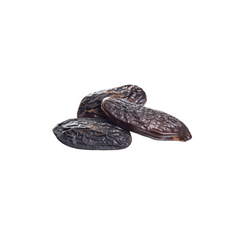
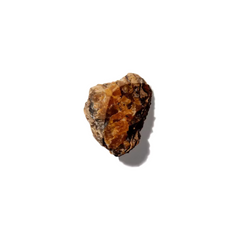
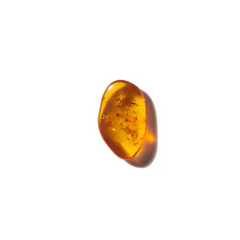
A Vanilla Bean accord can be crafted by blending the following ingredients: - **Vanilla Bean Absolute**: 50–60% of blend - Provides the rich, sweet, and creamy aroma characteristic of vanilla. - **Tonka Bean Absolute**: 20–25% of blend - Adds almond-like warmth and depth, enhancing the gourmand profile. - **Benzoin Resin**: 10–15% of blend - Contributes a balsamic sweetness and fixative properties, prolonging the scent's longevity. - **Cinnamon Leaf Oil**: 5–10% of blend - Introduces a spicy nuance that balances the sweetness and adds complexity. This combination results in a well-rounded Vanilla Bean accord suitable for use in various fragrance compositions.

The Olfactory Layers

How Vanilla Bean Evolves on Skin

The olfactory experience of vanilla bean evolves over time, with its scent profile unfolding in distinct stages as it interacts with skin chemistry and environmental factors.

I
Top notes
0–15 min
Immediate Sweetness

Upon initial application, vanilla bean imparts a sweet, creamy aroma, with vanillin being the primary contributor. This immediate impression is warm and inviting, setting the stage for the deeper notes to emerge.

SweetCreamyWarm
II
Heart notes
20–60 min
Developing Complexity

As the fragrance develops, the complexity of vanilla bean becomes more apparent, with subtle hints of floral and woody nuances. The scent remains comforting and rich, with the sweetness mellowing into a more rounded profile.

ComplexRichComforting
III
Base notes
Several hours
Lingering Warmth

In the dry-down phase, vanilla bean's aroma becomes deeper and more resinous, with balsamic undertones from compounds like vanillin and eugenol. The scent lingers, providing a lasting impression of warmth and sweetness.

DeepResinousLingering
TOP NOTES Immediate Sweetness 0–15 minutes HEART NOTES Developing Complexity 20–60 minutes BASE NOTES Lingering Warmth Several hours
Through the Ages

The Story of Vanilla Bean in Perfumery

Vanilla bean has a rich history in perfumery, evolving from its origins in ancient Mesoamerica to becoming a cherished ingredient in modern fragrance compositions.

Pre-16th Century

Aztec Civilization's Use of Vanilla

The Aztecs were the first to cultivate and use vanilla, which they called 'tlilxochitl.' They flavored their chocolate beverages with vanilla, appreciating its complex aroma.

1520s

Introduction of Vanilla to Europe

Spanish conquistadors brought vanilla beans back to Europe after their conquest of the Aztecs, leading to its integration into European cuisine and culture.

19th Century

Vanilla's Entry into Perfumery

Vanilla became a significant ingredient in perfumery, with its sweet and creamy aroma complementing various compositions and becoming a staple in many fragrances.

Late 20th Century

Synthetic Vanillin's Rise

The development of synthetic vanillin made vanilla more accessible and affordable, leading to its widespread use in both food and fragrance industries.

21st Century

Vanilla's Enduring Popularity

Vanilla continues to be a beloved note in perfumery, featured in numerous iconic fragrances and appreciated for its versatility and comforting aroma.

The Art of Layering

How to Layer Vanilla Bean

Layering vanilla bean with complementary notes can enhance its aroma and create a more complex scent profile.

01

Enhance Sweetness

Pairing vanilla bean with tonka bean absolute (CAS 97-76-9) enhances the sweet, almond-like facets, creating a richer gourmand profile.

02

Add Depth

Combining vanilla bean with benzoin resin (CAS 119-53-9) introduces balsamic sweetness and fixative properties, prolonging the scent's longevity.

03

Lighten the Glow

Blending vanilla bean with cinnamon leaf oil (CAS 8007-80-5) adds a spicy nuance that balances the sweetness and adds complexity.

Wear It Right

How to Wear Vanilla Bean Like a Pro

Seasonal Guide

Fall & Winter

Vanilla bean's rich, warm aroma is especially comforting during cooler months, making it a popular choice for fall and winter fragrances.

Spring

In spring, vanilla bean can add a sweet, comforting note to lighter compositions, balancing floral and citrus elements.

Summer

During summer, vanilla bean's sweetness can be refreshing when paired with fresh, aquatic notes, though it may be more subdued in high heat.

Year-Round Tip

Vanilla bean's versatility allows it to be enjoyed year-round, especially when layered with other notes to suit different seasons.

Application Points

Strategic application of vanilla bean fragrances can enhance their projection and longevity, especially when applied to pulse points.

1

Neck

Applying fragrance to the neck allows the scent to diffuse with body heat, enhancing projection.

2

Behind the Ears

The warmth behind the ears helps release the fragrance, making it more noticeable.

3

Inner Wrists

Wrist application allows for easy reapplication and personal enjoyment of the scent.

4

Hair

Hair retains fragrance well, allowing the scent to linger and diffuse throughout the day.

★

Pro Tip

Avoid rubbing wrists together after application to maintain the integrity of the fragrance.

HumanSafe™

Vanilla Bean Safety Profile in Our Fragrances

No ingredient collection was found for vanilla-bean.

Create or connect a collection with the same handle as this ingredient, then add products that contain this ingredient.

Expert Voices

What Masters Say About Vanilla Bean

“
"Vanilla is the most-used note in modern perfumery — and almost none of it is real vanilla."
Florencia Editorial
“
"Vanilla is so complex that its signature aroma comes from more than 200 chemical compounds."
Elana Spivack, Inverse
Common Questions

Frequently Asked Questions

Frequently asked questions provide further insights into vanilla bean's role in perfumery.

Vanilla bean imparts a sweet, creamy, and rich aroma in perfumes, primarily due to the presence of vanillin. This scent profile is comforting and warm, making it a popular base note in various fragrance compositions.

Vanilla bean is typically used as a base note in perfumery. Its rich, deep aroma provides a lasting foundation for fragrances, allowing other notes to unfold over time.

Vanilla bean's versatility and comforting aroma make it a favorite in niche perfumes. Its ability to blend harmoniously with various notes allows perfumers to create unique and complex compositions.

Vanilla bean pairs well with notes like tonka bean, benzoin, cinnamon, amber, jasmine, rose, sandalwood, and patchouli. These combinations enhance its sweetness, depth, and complexity.

Vanilla bean's rich aroma is more suited to cooler weather, as heat can amplify its sweetness. However, when blended with lighter notes, it can be adapted for summer wear.

Vanilla bean fragrances can last several hours, with the scent evolving over time. The longevity depends on the concentration and composition of the perfume.

Yes, vanilla bean's versatility allows it to be layered with various fragrances. Pairing it with floral or spicy notes can create a balanced and harmonious scent profile.

For beginners, fragrances like Tom Ford's Tobacco Vanille and Guerlain's Shalimar offer a classic introduction to vanilla bean's rich aroma.

At CA Perfume, you can explore a curated selection of vanilla bean fragrances, each offering a unique interpretation of this beloved note. Consider your personal scent preferences and the occasion to find the perfect match.

Vanilla bean primarily imparts a sweet aroma in fragrances. However, when combined with spicy notes like cinnamon or clove, it can exhibit a warm, spicy facet.

Gourmand Collection

Explore Our Top Vanilla Bean Fragrances

Discover a curated selection of vanilla bean perfumes, each offering a unique interpretation of this beloved note.

Shop all vanilla bean fragrances at CA Perfume →

Where Vanilla Bean Comes From — Origin & Extraction

Vanilla bean is the fruit of the Vanilla planifolia orchid, native to Mexico. Today, major producers include Madagascar, Indonesia, and Mexico. The cultivation process is labor-intensive, requiring hand-pollination and a lengthy curing period of several months to develop the characteristic aroma. Extraction methods vary; natural vanilla is obtained through solvent extraction using ethanol, while synthetic vanillin is produced from guaiacol or lignin. Natural vanilla is significantly more expensive, with prices ranging from $600 to $800 per kilogram, compared to synthetic vanillin, which is much more affordable. Sustainability concerns arise due to the intensive labor and environmental impact of cultivation and extraction processes.

Famous Fragrances That Define Vanilla Bean in Perfumery

Vanilla bean has been a cornerstone in perfumery, featured in numerous iconic fragrances. Notable examples include: - **Guerlain's Shalimar (1925)**: A pioneering oriental fragrance that blends vanilla bean with bergamot and iris, creating a timeless scent. - **Tom Ford's Tobacco Vanille (2007)**: A modern gourmand composition that pairs vanilla bean with tobacco and spices, offering a warm, inviting aroma. - **Yves Saint Laurent's Black Opium (2014)**: A contemporary fragrance that combines vanilla bean with coffee and white flowers, delivering a sweet and edgy profile. - **Dior's Hypnotic Poison (1998)**: A bold scent that fuses vanilla bean with almond and jasmine, creating a rich, intoxicating experience. - **By Kilian's Love, Don't Be Shy (2007)**: A sweet, floral fragrance where vanilla bean is harmoniously blended with orange blossom and marshmallow. These fragrances exemplify vanilla bean's versatility and enduring presence in the perfume industry.

Natural vs Synthetic Vanilla Bean in Perfumery

Natural vanilla bean extract is a complex mixture containing over 200 compounds, with vanillin being the primary contributor to its aroma. Synthetic vanillin, derived from guaiacol or lignin, replicates the sweet, creamy scent but lacks the depth and complexity of natural vanilla. In perfumery, natural vanilla is preferred for its richness, while synthetic vanillin offers a cost-effective alternative. The choice between natural and synthetic depends on factors like desired scent complexity, cost, and sustainability considerations. CA Perfume's HumanSafe™ platform ensures transparency in ingredient sourcing and usage, aligning with ethical and environmental standards.