Ingredient Guide · Amber Gourmand
Amber Gourmand Family · Perfumery Note

Vanilla

From orchid pod to iconic base note—vanilla’s scent is both familiar and profound.

In perfumery, vanilla is a cornerstone base note, prized for its creamy, sweet, and woody character. Its scent is defined by vanillin and over 200 minor compounds, with natural vanilla absolute typically used at 0.5–2% in fine fragrance compositions.

Vanilla
Ingredient Profile

Vanilla

Amber Gourmand Family
Family Amber Gourmand
Note Position Base Note
Key Origins Madagascar, Indonesia, Mexico
Iconic In Shalimar, Hypnotic Poison
The Ingredient

What does Vanilla smell like and why is it so significant in perfumery?

Vanilla in perfumery is derived primarily from the cured seed pods of Vanilla planifolia, an orchid native to Mexico but now cultivated globally in tropical regions. The scent profile of vanilla is dominated by vanillin (4-hydroxy-3-methoxybenzaldehyde), which imparts a creamy, sweet, and slightly woody aroma. However, natural vanilla contains over 200 additional compounds, including piperonal (heliotropine), eugenol, and anisaldehyde, contributing nuances of spice, floral, balsamic, and even smoky undertones. This complexity means that what does vanilla smell like is not simply 'sweet,' but can range from boozy and resinous to powdery and floral, depending on origin and extraction. Vanilla in perfumery is almost always used as a base note due to its high molecular weight and low volatility. In most fine fragrances, vanilla absolute or CO2 extract is dosed at 0.5–2% of the composition, providing longevity and a soft, enveloping sillage. Synthetic vanillin (CAS 121-33-5) and ethylvanillin (CAS 121-32-4) are also widely used for their stability and cost-effectiveness. On skin, vanilla’s scent can be amplified or muted depending on the wearer’s pH and hydration, with higher skin acidity often accentuating vanilla’s creamy facets, while drier skin may reveal more woody or smoky aspects. Vanilla in perfumery is exemplified by landmark fragrances such as Guerlain Shalimar (1925, Jacques Guerlain), where vanilla absolute is paired with bergamot and opoponax to create the archetypal oriental accord. More recently, Tom Ford’s Tobacco Vanille (2007, Olivier Gillotin) showcases a rich, spicy vanilla layered with dried fruits and tobacco leaf. These examples highlight vanilla’s versatility as both a dominant note and a structural anchor in modern fragrance design.

200+
Natural vanilla contains over 200 identified aroma compounds, with vanillin comprising 1.5–2.5% of cured pod mass. This complexity underpins its unique scent profile.
6–12 Hours
Vanilla-based fragrances typically last 6–12 hours on skin, depending on concentration and supporting notes. Low volatility of vanillin and resins ensures extended wear.
$4,000–8,000/kg
Premium vanilla absolute commands prices up to $8,000 per kg, reflecting labor-intensive cultivation and low extraction yield. Synthetic vanillin costs under $20/kg.
Origin & Extraction

Where Vanilla Comes From — Origin & Extraction

Vanilla’s scent character is shaped by geography—soil, climate, and curing practices all influence its aromatic profile. Madagascar’s humid, volcanic soils yield pods with high vanillin content and creamy, caramelic notes. Tahitian vanilla is more floral and anisic, while Mexican vanilla is spicier and earthier.

Vanilla used in perfumery is primarily sourced from the cured seed pods of Vanilla planifolia Andrews, a climbing orchid native to Mexico. Today, Madagascar accounts for approximately 80% of global production, with annual yields estimated at 2,000–2,500 metric tons. Other significant producers include Indonesia, Uganda, and Tahiti (Vanilla tahitensis), each imparting distinct olfactory nuances due to terroir. The pods are hand-pollinated (a technique developed by Edmond Albius in 1841 on Réunion Island) and require 8–9 months to mature, followed by a labor-intensive curing process involving blanching, sweating, sun-drying, and conditioning over several months to develop the characteristic aroma. Extraction for perfumery is typically performed via volatile solvent extraction (using hexane or ethanol) to yield vanilla absolute, which captures the full spectrum of aromatic compounds. Supercritical CO2 extraction is increasingly favored for its ability to preserve delicate top notes and for environmental reasons, operating at lower temperatures and without residual solvents. Traditional tincturing (alcohol maceration) is now rare due to lower yield and less olfactory intensity. Yields for vanilla absolute are low—approximately 1–2% of the dry pod mass—contributing to its high cost, which can reach $4,000–$8,000 per kg for premium grades. In contrast, synthetic vanillin (produced from lignin or guaiacol) costs $10–$20 per kg, making it the dominant source in mass-market perfumery. Sustainability is a critical concern: vanilla cultivation is highly labor-intensive, vulnerable to disease (notably Fusarium wilt), and subject to price volatility. Efforts such as Rainforest Alliance certification and Fair for Life programs aim to improve traceability, farmer income, and biodiversity. Synthetic alternatives, while more stable and affordable, lack the full complexity of natural vanilla but reduce pressure on fragile ecosystems.

MG

Madagascar

The Sava region produces over 80% of the world’s vanilla. Volcanic soils, high humidity, and traditional sun-curing yield pods with intense vanillin and caramelic, creamy nuances. Annual output: ~2,000 metric tons.

ID

Indonesia

Java and Sumatra produce vanilla with a slightly smokier, woody profile due to unique curing methods involving fire-drying. Indonesia supplies 10–15% of global vanilla, often used in blends for its robustness.

MX

Mexico

Veracruz is the historical cradle of vanilla. Mexican vanilla is spicier, with earthy, woody undertones, and is prized for its complexity. Production is limited (~1–2% global share) but highly valued.

PF

French Polynesia (Tahiti)

Taha’a Island produces Vanilla tahitensis, noted for its floral, anisic, and fruity facets. Lower vanillin content but richer in heliotropin and anisaldehyde. Annual output is small but sought after in niche perfumery.

Chemistry

Natural vs Synthetic Vanilla in Perfumery

Natural vanilla absolute is a complex mixture containing vanillin (CAS 121-33-5), piperonal (CAS 120-57-0), and trace amounts of eugenol, anisaldehyde, and coumarin. Synthetic vanilla notes are primarily constructed from vanillin and ethylvanillin (CAS 121-32-4), the latter being 3–4 times more potent and imparting a more intense, slightly spicy sweetness. Other aroma chemicals used to reconstruct vanilla’s profile include heliotropin (piperonal), maltol (CAS 118-71-8), and cyclotene (CAS 498-81-7), which add caramelic and nutty nuances. Performance-wise, synthetic vanillin and ethylvanillin offer greater stability, consistency, and longevity in formulations, with less batch-to-batch variation than natural extracts. However, natural vanilla absolute provides a richer, more nuanced scent with balsamic, woody, and even leathery undertones due to its complex matrix of minor constituents. Cost is a major differentiator: natural vanilla absolute can exceed $4,000/kg, while synthetic vanillin is available for under $20/kg. Iconic fragrances such as Guerlain Shalimar and Diptyque Eau Duelle use natural vanilla, while many contemporary mass-market scents rely on synthetics for economic and sustainability reasons. From a sustainability perspective, synthetic vanillin reduces pressure on tropical ecosystems and offers a more predictable supply chain. However, the HumanSafe™ platform at CA Perfume ensures full ingredient transparency, whether using natural or synthetic vanilla, with batch-level traceability and IFRA compliance. Ultimately, most modern fragrances blend both forms to balance olfactory richness, performance, and ethical sourcing.

Natural
Vanilla Absolute
Cost $3,000–6,000/kg
Method Solvent / CO₂
Character Complex, variable
vs
Synthetic
Safranal & Analogues
Cost $50–200/kg
Method Lab synthesis
Character Consistent, stable
Hall of Fame

Famous Fragrances That Define Vanilla in Perfumery

1925
dominant note

Shalimar

Guerlain
by Jacques Guerlain
bergamotopoponaxiris
1998
bridge note

Hypnotic Poison

Dior
by Annick Menardo
almondjasminemusk
2007
dominant note

Tobacco Vanille

Tom Ford
by Olivier Gillotin
tobacco leafdried fruitscacao
2018
bridge note

Gentle Fluidity Gold

Maison Francis Kurkdjian
by Francis Kurkdjian
amber woodsmuskjuniper berry
2010
accent

Eau Duelle

Diptyque
by Fabrice Pellegrin
cardamomblack teaincense
2006
dominant note

Tihota

Indult
by Francis Kurkdjian
musk

Vanilla’s role in perfumery spans nearly a century, evolving from a rare luxury to a ubiquitous anchor in both niche and mainstream compositions. Guerlain’s Shalimar (1925, Jacques Guerlain) is widely recognized as the first fragrance to use synthetic vanillin in significant quantity, paired with natural vanilla absolute to create the archetypal oriental accord. In the late 20th century, Yves Saint Laurent’s Opium (1977, Jean Amic, Jean-Louis Sieuzac) and Dior’s Hypnotic Poison (1998, Annick Menardo) leveraged vanilla’s warmth to balance spicy and almond notes, respectively. The 21st century has seen a proliferation of vanilla-centric fragrances. Tom Ford’s Tobacco Vanille (2007, Olivier Gillotin) pairs vanilla absolute with tobacco leaf, dried fruits, and cacao for a dense, gourmand effect. Maison Francis Kurkdjian’s Gentle Fluidity Gold (2018, Francis Kurkdjian) uses vanilla as a bridge between musks and amber woods, while Indult Tihota (2006, Francis Kurkdjian) is celebrated for its photorealistic, minimalist vanilla composition. More recent launches such as Diptyque Eau Duelle (2010, Fabrice Pellegrin) explore the spicy, resinous facets of vanilla, blending it with cardamom and black tea. CA Perfume’s vanilla-forward fragrances draw inspiration from this lineage, offering both classic and modern interpretations grounded in ingredient transparency and olfactory authenticity.

The Accord

How is a captivating Vanilla accord crafted?

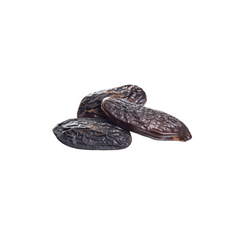
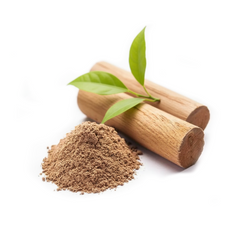
A classic vanilla accord balances sweetness, warmth, and complexity. Vanilla absolute (30–35%) provides the creamy, balsamic core via vanillin and piperonal. Tonka bean (20–25%) adds coumarin-driven almond and hay facets, creating a molecular bridge. Sandalwood (20–25%) imparts lactonic, woody depth, while benzoin (20–25%) reinforces the resinous, caramelic undertones through benzoic acid derivatives. This structure allows vanilla to function as both a dominant note and a harmonizing base.

35%

Vanilla Absolute

30–35% of blend

Provides the creamy, sweet, and balsamic core via vanillin, piperonal, and over 200 minor compounds. Sets the accord’s main olfactory signature.

25%

Tonka Bean

20–25% of blend

Adds coumarin-driven almond and hay notes, molecularly bridging vanilla’s sweetness with woody and spicy elements.

25%

Sandalwood

20–25% of blend

Imparts lactonic, creamy, and woody depth, enhancing vanilla’s longevity and rounding sharp edges through santalol and related molecules.

25%

Benzoin

20–25% of blend

Reinforces the resinous, caramelic undertones with benzoic acid derivatives, supporting vanilla’s warmth and fixative power.

The Olfactory Layers

How Vanilla Evolves on Skin

Vanilla’s olfactory evolution is gradual, with low-volatility molecules ensuring a persistent, enveloping presence. Initial impressions are creamy and sweet, dominated by vanillin, but as higher-volatility notes dissipate, deeper balsamic and woody facets emerge, lasting for hours.

I
Top notes
0–15 min
Creamy Prelude

The opening is subtle, with creamy, sweet, and slightly powdery facets from vanillin and ethylvanillin. Minor aldehydes and esters contribute fleeting fruity or floral nuances, but volatility is low, so projection is soft.

creamysweetpowdery
II
Heart notes
20–60 min
Balsamic Warmth

As the scent develops, piperonal and anisaldehyde emerge, adding heliotrope-like and almond nuances. Coumarin from tonka bean or natural vanilla provides a hay-like warmth, while benzoin and sandalwood reinforce the balsamic core.

balsamicalmondwarm
III
Base notes
Several hours
Woody Drydown

Vanilla’s base is long-lasting, dominated by vanillin and supported by resinous, woody, and musky molecules. The drydown is creamy, woody, and slightly smoky, with lactones and traces of eugenol and musk extending the sillage.

woodyresinousmusky
TOP NOTES Creamy Prelude 0–15 minutes HEART NOTES Balsamic Warmth 20–60 minutes BASE NOTES Woody Drydown Several hours
Through the Ages

The Story of Vanilla in Perfumery

Vanilla’s journey in perfumery spans from ancient Aztec rituals to its central role in modern gourmand fragrances. Key milestones include the discovery of manual pollination, the synthesis of vanillin, and the rise of vanilla as a global fragrance icon.

Pre-16th century

Aztec Ritual Use

Vanilla, known as tlilxochitl, is cultivated by the Aztecs in Mexico and used to flavor xocoatl, a sacred cacao drink. Its aromatic properties are reserved for nobility and religious ceremonies.

1841

Manual Pollination Revolution

Edmond Albius invents the manual pollination technique on Réunion Island, enabling commercial vanilla cultivation outside Mexico and transforming global supply.

1874

Synthesis of Vanillin

German chemists Ferdinand Tiemann and Wilhelm Haarmann synthesize vanillin from coniferin, making vanilla’s signature aroma accessible for perfumery and food industries.

1925

Shalimar Launches the Oriental Vanilla Accord

Guerlain’s Shalimar, composed by Jacques Guerlain, pioneers the use of synthetic vanillin and natural vanilla absolute, defining the oriental fragrance family.

2000s–present

Vanilla’s Gourmand Renaissance

Vanilla becomes a dominant note in gourmand and niche perfumery, with minimalist and photorealistic compositions like Indult Tihota and Tom Ford Tobacco Vanille showcasing its versatility.

The Art of Layering

How to Layer Vanilla

Understanding how to layer vanilla involves molecular compatibility—vanilla’s vanillin and piperonal form bridges with florals, spices, and woods, enabling seamless blending and olfactory masking.

01

Enhance Sweetness

Layer vanilla with tonka bean or benzoin to amplify coumarin and caramelic notes. This synergy increases perceived sweetness and longevity, as seen in Guerlain Shalimar and Maison Francis Kurkdjian Gentle Fluidity Gold.

02

Add Depth

Pair vanilla with sandalwood or patchouli to introduce creamy, woody, and earthy undertones. Santalol and patchoulol molecules interact with vanillin, creating a balanced, multidimensional base. Tom Ford Tobacco Vanille demonstrates this effect.

03

Lighten the Glow

Combine vanilla with citrus or green notes (e.g., bergamot, petitgrain) to brighten and freshen the composition. Limonene and linalool molecules mask vanilla’s heaviness, yielding a more transparent, uplifting scent as in Diptyque Eau Duelle.

Wear It Right

How to Wear Vanilla Like a Pro

Seasonal Guide

Fall & Winter

Cooler temperatures suppress volatility, allowing vanilla’s creamy and balsamic notes to linger. Apply to pulse points and textiles for maximum diffusion. Layer with spicy or woody notes for added warmth and longevity.

Spring

Moderate temperatures bring out vanilla’s floral and powdery nuances. Pair with green or citrus notes for a fresh, uplifting effect. Apply lightly to avoid overwhelming lighter spring compositions.

Summer

Heat increases volatility, making vanilla project more intensely but fade faster. Use sparingly, focusing on oil-based or EDT formats. Layer with coconut, citrus, or aquatic notes for a breezy, gourmand twist.

Year-Round Tip

Adjust application based on climate and skin hydration. In humid conditions, vanilla’s lactonic and musky facets are amplified. Reapply as needed to maintain presence without overwhelming the senses.

Application Points

Strategic application enhances vanilla’s longevity and evolution. Target pulse points and textiles for optimal diffusion.

1

Neck

Body heat at the neck accelerates the release of vanillin and lactones, creating a soft, enveloping sillage. Ideal for showcasing vanilla’s creamy top notes.

2

Behind the Ears

A discreet spot that maintains warmth and prolongs vanilla’s projection. The skin here is less exposed to air, slowing evaporation and enhancing longevity.

3

Inner Wrists

Pulse points at the wrists provide warmth and movement, allowing vanilla’s scent to evolve with each gesture. Avoid rubbing to preserve molecular integrity.

4

Hair

Hair fibers trap and slowly release vanilla’s heavier molecules, extending the creamy, woody drydown. Use alcohol-free formulations to prevent dryness.

Pro Tip

Spray vanilla fragrance on clothing or scarves for extended sillage. Textiles absorb and gradually release vanillin and resinous notes, maintaining presence throughout the day.

Mood Architecture™

Top Vanilla Fragrances by Mood Score

These Vanilla-based fragrances scored highest on the MEI™ Mood Architecture Framework — measuring how a scent may influence your emotional state.

Highest MEI Score
Alexandria II — Xerjoff Alexandria II Alternative Perfume
8.87
MEI™
Primary Confident
Secondary Romantic
Confidence
8.92
Presence
9.25
Mood Lift
8.91
Identity
9.23
Warmth
9.5
Social Ease
8.67
Energy
4.5
" I am unstoppable.
View full mood profile →
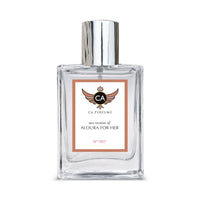
Aloura For Her — Chanel Allure For Her Alternative Perfume
8.68
MEI™
Primary Romantic
Secondary Confident
Confidence
7.83
Presence
8.15
Mood Lift
9.5
Identity
7.83
Warmth
9.5
Social Ease
9.5
Energy
4.6
" I am beautiful.
View full mood profile →
Beautifully Me — Estee Lauder Beautiful Alternative Perfume
8.56
MEI™
Primary Romantic
Secondary Confident
Confidence
7.87
Presence
8.75
Mood Lift
9.5
Identity
8.27
Warmth
9.49
Social Ease
8.35
Energy
4.5
" I am beautiful.
View full mood profile →
Noir Extreme — Tom Ford Noir Extreme Alternative Cologne
8.39
MEI™
Primary Romantic
Secondary Confident
Confidence
8.24
Presence
7.55
Mood Lift
8.93
Identity
7.5
Warmth
9.5
Social Ease
8.54
Energy
3.6
" I am beautiful.
View full mood profile →
HumanSafe™

Top Vanilla Fragrances by HumanSafe™ Score

These Vanilla-based fragrances have the highest product-level HumanSafe™ scores in this ingredient collection.

Highest HumanSafe™ Score
Women in Gold — Women In Gold Alternative Perfume
A-
HumanSafe™ Score Generally Safe
Safest Evaluated Ingredients EDP
AQUA Solvent / Carrier ISS 10.0
3-BUTEN-2-ONE, 3-METHYL-4-(2,6,6-TRIMETHYL-2- Evaluated ingredient ISS 8.0
LINALYL ACETATE Evaluated ingredient ISS 7.0
LINALOOL Evaluated ingredient ISS 7.0
ALCOHOL DENAT. Solvent / Carrier ISS 7.0
3-BUTEN-2-ONE, 4-(2,6,6-TRIMETHYL-1-CYCLOHEXEN-1- Evaluated ingredient ISS 7.0
View full safety profile →
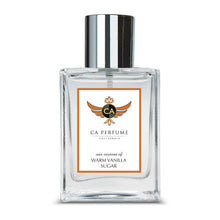
Warm Vanilla Sugar — Bath & Body Work WARM VANILLA SUGAR Alternative Perfume
A-
HumanSafe™ Score Generally Safe
Safest Evaluated Ingredients EDP
AQUA Solvent / Carrier ISS 10.0
2H-1-BENZOPYRAN-6-OL, 3,4-DIHYDRO-2,5,7,8-TETRAMETHYL- Evaluated ingredient ISS 8.0
LINALOOL Evaluated ingredient ISS 7.0
BENZALDEHYDE, 3,4-DIMETHOXY- Evaluated ingredient ISS 7.0
ALCOHOL DENAT. Solvent / Carrier ISS 7.0
1,3,4,6,7,8-HEXAHYDRO-4,6,6,7,8,8-HEXAMETHYLINDENO[5,6- Evaluated ingredient ISS 7.0
View full safety profile →
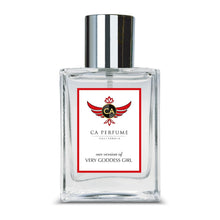
Very Goddess Girl — Very Good Girl Alternative Perfume
A-
HumanSafe™ Score Generally Safe
Safest Evaluated Ingredients EDP
OXACYCLOHEPTADEC-10-EN-2-ONE Evaluated ingredient ISS 10.0
AQUA Solvent / Carrier ISS 10.0
2H-1-BENZOPYRAN-2-ONE Evaluated ingredient ISS 8.0
LINALYL ACETATE Evaluated ingredient ISS 7.0
LINALOOL Evaluated ingredient ISS 7.0
ALCOHOL DENAT. Solvent / Carrier ISS 7.0
View full safety profile →
Vanilla Sex — Tom Ford Vanilla Sex Alternative Perfume
A-
HumanSafe™ Score Generally Safe
Safest Evaluated Ingredients EDP
AQUA Solvent / Carrier ISS 10.0
1,4-DIOXACYCLOHEPTADECANE-5,17-DIONE Evaluated ingredient ISS 10.0
2H-1-BENZOPYRAN-2-ONE Evaluated ingredient ISS 8.0
LINALOOL Evaluated ingredient ISS 7.0
ALCOHOL DENAT. Solvent / Carrier ISS 7.0
2H-1-BENZOPYRAN-6-OL, 3,4-DIHYDRO-2,5,7,8- Evaluated ingredient ISS 7.0
View full safety profile →
Expert Voices

What Masters Say About Vanilla

Vanilla is a cornerstone in the perfumer’s palette—not just for its scent, but for its structure. Often used as a base note, it provides depth, warmth, and longevity.
CA Perfume Editorial
The scent of vanilla consists of several components, main of which are vanillin and piperonal (heliotropine). The real vanilla pod has darker facets that recall treacle and booze with off notes.
Fragrantica Editorial
Common Questions

Frequently Asked Questions

Frequently asked questions about vanilla in perfumery, covering scent, usage, and technical details.

Vanilla in perfume smells creamy, sweet, and woody, with balsamic undertones and occasional hints of spice or floral. The scent is primarily due to vanillin, but natural vanilla also contains piperonal, eugenol, and other compounds that add complexity. Depending on extraction and origin, vanilla can also exhibit smoky, powdery, or even boozy nuances. Notable examples include Guerlain Shalimar and Tom Ford Tobacco Vanille.

Vanilla is almost always used as a base note in fragrance due to its low volatility and molecular weight. It provides longevity and a soft, enveloping sillage, anchoring the composition and supporting lighter top and heart notes. In rare cases, lighter synthetic vanilla notes may appear earlier in the scent pyramid, but natural vanilla absolute is firmly a base note.

Vanilla is favored in niche perfumes for its versatility, complexity, and emotional resonance. Its ability to bridge diverse notes—florals, woods, resins—makes it a structural anchor in both gourmand and oriental compositions. The nuanced scent profile of natural vanilla, combined with its comforting associations, appeals to both perfumers and consumers seeking depth and individuality.

Vanilla fragrance uses include pairing with tonka bean, benzoin, sandalwood, patchouli, and florals like jasmine and rose. These ingredients share molecular affinities—such as coumarin, benzoic acid derivatives, and lactones—that create seamless, harmonious accords. Spices (cinnamon, clove) and citrus (bergamot) also complement vanilla’s sweetness and warmth.

Vanilla can be worn year-round, but in hot weather, its projection and sweetness are amplified due to increased volatility. For summer, lighter concentrations (EDT) or vanilla paired with citrus, coconut, or aquatic notes are recommended. Application should be light to avoid overwhelming the senses.

Vanilla-based fragrances typically last 6–12 hours on skin, depending on concentration and supporting notes. The low volatility of vanillin and related compounds ensures extended wear, especially in Parfum and oil-based formats. Longevity may vary with skin type and environmental conditions.

Yes, vanilla is highly layerable due to its molecular compatibility with florals, woods, resins, and spices. Layering vanilla with tonka bean, sandalwood, or citrus can enhance sweetness, add depth, or lighten the overall impression. Always test combinations on skin to ensure harmonious blending.

Beginner-friendly vanilla perfumes include Guerlain Shalimar, Diptyque Eau Duelle, and Indult Tihota. These fragrances showcase vanilla’s versatility, from classic oriental to minimalist and spicy interpretations. They provide a balanced introduction to vanilla’s scent profile.

Choosing the right vanilla fragrance at CA Perfume involves considering concentration, supporting notes, and personal preferences. Explore the scent pyramid, read ingredient transparency reports on the HumanSafe™ platform, and sample both classic and modern vanilla-centric compositions to find your ideal match.

Vanilla’s sweetness can be modulated by pairing with woods, resins, or spices. While some vanilla fragrances are overtly gourmand, others balance sweetness with balsamic, woody, or floral notes, making them suitable for daily wear. The key is to select a composition that aligns with your scent preferences and the season.

Amber Gourmand Collection

Explore Our Top Vanilla Fragrances

Discover CA Perfume’s most-loved vanilla creations—ranging from classic orientals to modern gourmand blends, each crafted for lasting comfort and complexity.

Shop all vanilla fragrances at CA Perfume →

Where Vanilla Comes From — Origin & Extraction

Vanilla used in perfumery is primarily sourced from the cured seed pods of Vanilla planifolia Andrews, a climbing orchid native to Mexico. Today, Madagascar accounts for approximately 80% of global production, with annual yields estimated at 2,000–2,500 metric tons. Other significant producers include Indonesia, Uganda, and Tahiti (Vanilla tahitensis), each imparting distinct olfactory nuances due to terroir. The pods are hand-pollinated (a technique developed by Edmond Albius in 1841 on Réunion Island) and require 8–9 months to mature, followed by a labor-intensive curing process involving blanching, sweating, sun-drying, and conditioning over several months to develop the characteristic aroma. Extraction for perfumery is typically performed via volatile solvent extraction (using hexane or ethanol) to yield vanilla absolute, which captures the full spectrum of aromatic compounds. Supercritical CO2 extraction is increasingly favored for its ability to preserve delicate top notes and for environmental reasons, operating at lower temperatures and without residual solvents. Traditional tincturing (alcohol maceration) is now rare due to lower yield and less olfactory intensity. Yields for vanilla absolute are low—approximately 1–2% of the dry pod mass—contributing to its high cost, which can reach $4,000–$8,000 per kg for premium grades. In contrast, synthetic vanillin (produced from lignin or guaiacol) costs $10–$20 per kg, making it the dominant source in mass-market perfumery. Sustainability is a critical concern: vanilla cultivation is highly labor-intensive, vulnerable to disease (notably Fusarium wilt), and subject to price volatility. Efforts such as Rainforest Alliance certification and Fair for Life programs aim to improve traceability, farmer income, and biodiversity. Synthetic alternatives, while more stable and affordable, lack the full complexity of natural vanilla but reduce pressure on fragile ecosystems.

Famous Fragrances That Define Vanilla in Perfumery

Vanilla’s role in perfumery spans nearly a century, evolving from a rare luxury to a ubiquitous anchor in both niche and mainstream compositions. Guerlain’s Shalimar (1925, Jacques Guerlain) is widely recognized as the first fragrance to use synthetic vanillin in significant quantity, paired with natural vanilla absolute to create the archetypal oriental accord. In the late 20th century, Yves Saint Laurent’s Opium (1977, Jean Amic, Jean-Louis Sieuzac) and Dior’s Hypnotic Poison (1998, Annick Menardo) leveraged vanilla’s warmth to balance spicy and almond notes, respectively. The 21st century has seen a proliferation of vanilla-centric fragrances. Tom Ford’s Tobacco Vanille (2007, Olivier Gillotin) pairs vanilla absolute with tobacco leaf, dried fruits, and cacao for a dense, gourmand effect. Maison Francis Kurkdjian’s Gentle Fluidity Gold (2018, Francis Kurkdjian) uses vanilla as a bridge between musks and amber woods, while Indult Tihota (2006, Francis Kurkdjian) is celebrated for its photorealistic, minimalist vanilla composition. More recent launches such as Diptyque Eau Duelle (2010, Fabrice Pellegrin) explore the spicy, resinous facets of vanilla, blending it with cardamom and black tea. CA Perfume’s vanilla-forward fragrances draw inspiration from this lineage, offering both classic and modern interpretations grounded in ingredient transparency and olfactory authenticity.

Natural vs Synthetic Vanilla in Perfumery

Natural vanilla absolute is a complex mixture containing vanillin (CAS 121-33-5), piperonal (CAS 120-57-0), and trace amounts of eugenol, anisaldehyde, and coumarin. Synthetic vanilla notes are primarily constructed from vanillin and ethylvanillin (CAS 121-32-4), the latter being 3–4 times more potent and imparting a more intense, slightly spicy sweetness. Other aroma chemicals used to reconstruct vanilla’s profile include heliotropin (piperonal), maltol (CAS 118-71-8), and cyclotene (CAS 498-81-7), which add caramelic and nutty nuances. Performance-wise, synthetic vanillin and ethylvanillin offer greater stability, consistency, and longevity in formulations, with less batch-to-batch variation than natural extracts. However, natural vanilla absolute provides a richer, more nuanced scent with balsamic, woody, and even leathery undertones due to its complex matrix of minor constituents. Cost is a major differentiator: natural vanilla absolute can exceed $4,000/kg, while synthetic vanillin is available for under $20/kg. Iconic fragrances such as Guerlain Shalimar and Diptyque Eau Duelle use natural vanilla, while many contemporary mass-market scents rely on synthetics for economic and sustainability reasons. From a sustainability perspective, synthetic vanillin reduces pressure on tropical ecosystems and offers a more predictable supply chain. However, the HumanSafe™ platform at CA Perfume ensures full ingredient transparency, whether using natural or synthetic vanilla, with batch-level traceability and IFRA compliance. Ultimately, most modern fragrances blend both forms to balance olfactory richness, performance, and ethical sourcing.