Ingredient Guide · Floral Gourmand
Floral Gourmand Family · Perfumery Note

Vanilla Orchid

Sweet warmth meets floral sophistication in every drop.

In perfumery, vanilla orchid is a heart-to-base note prized for its creamy, sweet, and subtly floral character. Its signature aroma is driven by vanillin and over 200 minor compounds, typically used at 0.5–3% in modern compositions.

Vanilla Orchid
Ingredient Profile

Vanilla Orchid

Floral Gourmand Family
Family Floral Gourmand
Note Position Base Note
Usage Level 0.5–3%
Key Origins Madagascar, Mexico, French Polynesia (Tahiti)
Iconic In Black Orchid, XXI Art Deco Vanilla Orchid
The Ingredient

What does Vanilla Orchid smell like and why is it cherished in perfumery?

Vanilla orchid, botanically Vanilla planifolia, is the only orchid species used in commercial fragrance. What does vanilla orchid smell like? Its scent profile is a nuanced blend of creamy sweetness, floral brightness, and subtle balsamic undertones. The dominant molecule, vanillin (4-hydroxy-3-methoxybenzaldehyde), imparts the characteristic sweet, creamy aroma, while over 200 minor constituents—such as p-hydroxybenzaldehyde, heliotropin, and anisaldehyde—contribute to its complexity. Depending on the extraction and origin, vanilla orchid can display facets ranging from powdery and floral (notably in Tahitian and Mexican varieties) to honeyed, woody, or even slightly spicy. The vanilla orchid scent profile is universally recognized for its comforting, gourmand appeal, yet high-quality natural extracts reveal a multi-layered, sophisticated aroma beyond synthetic vanillin’s linear sweetness. In perfumery, vanilla orchid is classified as a heart-to-base note, valued for its fixative properties and ability to round out sharp or angular compositions. It is typically used at concentrations of 0.5–3% in the fragrance formula, though higher levels are found in gourmand or oriental styles. Vanilla orchid interacts with skin chemistry by softening and sweetening other notes, while its relatively high molecular weight ensures moderate diffusion and lasting power. Its creamy, floral warmth is especially effective in balancing florals, resins, and woods, and it is a staple in gourmand, amber, and floral-oriental families. The ingredient’s ability to mask harsh aldehydes or animalic notes is due to olfactory masking and the sweet threshold effect, making it a versatile tool for perfumers. Vanilla orchid in perfumery is exemplified by fragrances such as Clive Christian XXI Art Deco Vanilla Orchid (2018, Marie Salamagne), where it is paired with lily-of-the-valley and galbanum for a green-floral opening, and Gucci Flora Gorgeous Orchid (2024, Marie Salamagne), which highlights a creamy, ozonic vanilla orchid heart. Floral Street Wild Vanilla Orchid (2017, Jérôme Epinette) demonstrates the note’s ability to bridge between fruity, floral, and woody accords. These compositions showcase how vanilla orchid can serve as both a dominant theme and a subtle, harmonizing accent.

0.5–3%
Typical concentration of vanilla orchid absolute in fine fragrance formulas. Higher levels are reserved for gourmand or oriental compositions, while lower concentrations add subtle warmth.
4–8 Hours
Average longevity of vanilla orchid as a heart-to-base note, depending on concentration and skin chemistry. Natural extracts tend to wear more softly, while synthetics provide greater projection.
$4,000–$10,000/kg
Market price for high-quality vanilla absolute, reflecting the labor-intensive cultivation and curing process. Synthetic vanillin costs $10–$30/kg, driving its widespread use in mass-market perfumery.
Origin & Extraction

Where Vanilla Orchid Comes From — Origin & Extraction

Vanilla orchid’s scent character is shaped by geography, with soil composition, rainfall, and altitude influencing the aromatic profile. Madagascar’s humid, volcanic soils yield rich, creamy vanilla; Tahiti’s maritime climate produces floral, powdery nuances.

Vanilla orchid refers specifically to Vanilla planifolia, a tropical climbing orchid native to Mexico and now cultivated in Madagascar, Tahiti, Réunion, and Indonesia. Madagascar accounts for approximately 70–80% of global vanilla production, with annual yields exceeding 2,000 metric tons. The orchid produces pale greenish-yellow flowers, each blooming for a single day and requiring hand pollination outside its native range. The fruit, known as the vanilla bean or pod, matures over 8–9 months before harvest. Extraction of vanilla for perfumery is performed on cured pods, not flowers. The pods undergo a multi-stage curing process: blanching, sweating, drying, and conditioning, lasting up to 6 months. The primary extraction methods are solvent extraction (using ethanol or hexane) to produce vanilla absolute, and supercritical CO₂ extraction for a more complete aromatic profile. Steam distillation is not used, as vanillin and related compounds are thermally sensitive and degrade above 60°C. Typical yields for vanilla absolute are 1–2% of pod weight. Natural vanilla absolute commands prices of $4,000–$10,000 per kg, depending on origin and quality, while synthetic vanillin (CAS 121-33-5) costs $10–$30 per kg. Sustainability challenges include labor-intensive pollination, vulnerability to crop disease, and market volatility. Some producers are shifting to agroforestry and fair-trade practices to improve environmental and social impacts.

MG

Madagascar

Sava region is the world’s leading vanilla producer, accounting for over 70% of supply. Volcanic soils and high humidity yield beans with intense, creamy, slightly spicy profiles. Annual output exceeds 2,000 metric tons.

MX

Mexico

Veracruz and Papantla regions are the vanilla orchid’s native habitat. Beans are known for their complex, woody-floral aroma and balanced sweetness. Mexican vanilla is prized for its traditional curing and robust flavor.

PF

French Polynesia (Tahiti)

Tahiti produces Vanilla tahitensis, a distinct species with pronounced floral, powdery, and fruity notes. Lower vanillin content but higher heliotropin and anisaldehyde yield a unique aromatic profile.

ID

Indonesia

Java and Sumatra supply significant vanilla volumes, with beans displaying a floral-sweet aroma and subtle spicy undertones. Indonesian vanilla is often used in blends for its cost-effectiveness and moderate complexity.

Chemistry

Natural vs Synthetic Vanilla Orchid in Perfumery

Natural vanilla orchid extracts, primarily vanilla absolute, contain vanillin (CAS 121-33-5), p-hydroxybenzaldehyde, heliotropin (piperonal, CAS 120-57-0), and anisaldehyde (CAS 123-11-5), among over 200 minor aroma compounds. Synthetic vanillin, first isolated from vanilla pods in 1858 and synthesized from guaiacol or lignin since the late 19th century, now accounts for over 95% of 'vanilla' used in perfumery. Ethyl vanillin (CAS 121-32-4) is another common synthetic, offering a stronger, sweeter, and more persistent vanilla note. Natural vanilla orchid extracts are prized for their complexity and subtle floral, woody, and spicy nuances, but are less consistent and more expensive than synthetics. Synthetic vanillin and ethyl vanillin provide linear, powerful sweetness, greater longevity, and batch-to-batch consistency, but lack the depth of natural extracts. Famous fragrances such as Tom Ford Black Orchid (2006, David Appel & Pierre Negrin) and Clive Christian XXI Art Deco Vanilla Orchid (2018, Marie Salamagne) use both natural and synthetic vanilla materials for balance and cost control. The HumanSafe™ platform at CA Perfume ensures full ingredient traceability and transparency, verifying both natural and synthetic vanilla sources for safety and sustainability. Sustainability concerns drive a preference for synthetics in mass-market perfumery, as natural vanilla production is resource-intensive and subject to supply chain instability.

Natural
Vanilla Orchid Absolute
Cost $3,000–6,000/kg
Method Solvent / CO₂
Character Complex, variable
vs
Synthetic
Safranal & Analogues
Cost $50–200/kg
Method Lab synthesis
Character Consistent, stable
Hall of Fame

Famous Fragrances That Define Vanilla Orchid in Perfumery

2006
bridge note

Black Orchid

Tom Ford
by David Appel & Pierre Negrin
black trufflepatchouliincensefloral notes
2018
dominant note

XXI Art Deco Vanilla Orchid

Clive Christian
by Marie Salamagne
lily-of-the-valleygalbanumvanilla
2024
dominant heart note

Flora Gorgeous Orchid

Gucci
by Marie Salamagne
ozonic notesvanilla
2017
bridge note

Wild Vanilla Orchid

Floral Street
by Jérôme Epinette
cassisbamboojasminesandalwood
2009
dominant note

Orchidee Vanille

Van Cleef & Arpels
by Randa Hammami
almondchocolaterose

Vanilla orchid has anchored some of the most influential fragrances in the modern era. Tom Ford Black Orchid (2006, David Appel & Pierre Negrin) employs vanilla orchid as a bridge note, linking dark florals, truffle, and patchouli. Clive Christian XXI Art Deco Vanilla Orchid (2018, Marie Salamagne) highlights the creamy, floral aspect of vanilla orchid, paired with lily-of-the-valley and galbanum for a green, sophisticated profile. Gucci Flora Gorgeous Orchid (2024, Marie Salamagne) features vanilla orchid as a dominant heart note, blending it with ozonic and vanilla facets for a luminous, gourmand-floral effect. Floral Street Wild Vanilla Orchid (2017, Jérôme Epinette) demonstrates the note’s versatility, combining it with cassis, bamboo, and sandalwood for a modern, layered scent. Van Cleef & Arpels Orchidee Vanille (2009, Randa Hammami) is a benchmark for vanilla orchid as a dominant note, enriched with almond, chocolate, and rose. CA Perfume’s collection draws inspiration from this lineage, offering vanilla orchid-centered compositions that balance natural and synthetic materials for both complexity and accessibility.

The Accord

How is a captivating Vanilla Orchid accord crafted?

A classic vanilla orchid accord balances creamy sweetness with floral nuance and subtle warmth. Typical proportions: Vanilla Orchid Absolute 30–35%, White Honey 20–25%, Rose 15–20%, Benzoin 25–30%. Vanilla orchid provides the creamy, floral core; white honey adds smooth, nectar-like facets; rose bridges floral and gourmand notes through shared damascenone; benzoin deepens the accord with balsamic, resinous warmth, enhancing longevity and complexity.

35%

Vanilla Orchid Absolute

30–35% of blend

Provides the creamy, sweet-floral core, driven by vanillin and minor phenolic compounds. Sets the accord’s primary character.

25%

White Honey

20–25% of blend

Adds nectar-like smoothness and a subtle floral undertone via phenylacetic acid and benzaldehyde, amplifying vanilla’s natural sweetness.

20%

Rose

15–20% of blend

Bridges floral and gourmand notes through damascenone and beta-damascenone, enhancing the accord’s roundness and complexity.

30%

Benzoin

25–30% of blend

Provides balsamic, resinous depth and fixative properties, extending longevity and rounding the sweetness of vanilla orchid.

The Olfactory Layers

How Vanilla Orchid Evolves on Skin

Vanilla orchid’s olfactory evolution moves from bright, airy floral sweetness in the top notes to a creamy, enveloping heart and a warm, balsamic base. Volatile esters and aldehydes dominate early, while vanillin and resinoids persist for hours.

I
Top notes
0–15 min
Airy Floral Prelude

Initial impression is light, sweet, and slightly green-floral, driven by volatile esters and minor aldehydes. The fleeting floral brightness is often paired with citrus or cassis for lift. These high-volatility compounds evaporate quickly, giving way to the richer heart.

airyfloralfresh
II
Heart notes
20–60 min
Creamy Sweetness

The creamy, sweet-floral core emerges as vanillin, heliotropin, and anisaldehyde become prominent. This stage is characterized by roundness and warmth, with the vanilla orchid’s signature gourmand-floral blend enveloping the senses. The heart is stabilized by benzoin and honey notes.

creamygourmandfloral
III
Base notes
Several hours
Balsamic Warmth

Long-lasting balsamic, woody, and resinous undertones persist, anchored by vanillin, benzoin, and coumarin. The base is soft, sweet, and slightly powdery, providing depth and fixative power to the composition. These heavier molecules ensure the scent’s longevity.

warmbalsamicpowdery
TOP NOTES Airy Floral Prelude 0–15 minutes HEART NOTES Creamy Sweetness 20–60 minutes BASE NOTES Balsamic Warmth Several hours
Through the Ages

The Story of Vanilla Orchid in Perfumery

Vanilla orchid’s journey in perfumery spans ancient Mesoamerican ritual use to its modern status as a cornerstone of gourmand and floral compositions.

Pre-Columbian Era

Totonac Cultivation in Mexico

The Totonac people of Veracruz cultivate Vanilla planifolia, using it in ritual beverages and as a sacred aromatic. Vanilla is later adopted by the Aztecs, who blend it with cacao in xocoatl.

16th Century

Introduction to Europe

Spanish conquistadors bring vanilla to Europe, where it is prized as an exotic flavoring and fragrance. Its rarity and pollination challenges limit its spread.

1841

Manual Pollination Discovered

Edmond Albius invents hand-pollination on Réunion Island, enabling commercial cultivation outside Mexico. This breakthrough leads to global vanilla production.

Late 19th Century

Synthetic Vanillin Revolution

Vanillin is first synthesized from coniferin and later from guaiacol, making vanilla’s aroma accessible for mass-market perfumery. This shifts the industry toward synthetic vanilla materials.

2006–2024

Vanilla Orchid in Modern Perfumery

Fragrances like Tom Ford Black Orchid (2006), Clive Christian XXI Art Deco Vanilla Orchid (2018), and Gucci Flora Gorgeous Orchid (2024) showcase the note’s versatility as both a dominant and supporting element in complex compositions.

The Art of Layering

How to Layer Vanilla Orchid

Understanding how to layer vanilla orchid is key to crafting a signature scent. Molecular compatibility—such as shared aldehydes, esters, or masking effects—determines which notes blend seamlessly.

01

Enhance Sweetness

Layer vanilla orchid with white honey or benzoin to amplify creamy, gourmand facets. Benzoin’s cinnamic acid esters share balsamic undertones with vanilla, while honey’s phenylacetic acid bridges floral and sweet notes. Example: Van Cleef & Arpels Orchidee Vanille paired with a honey-rich fragrance.

02

Add Depth

Combine vanilla orchid with sandalwood or patchouli for a deeper, more resinous base. Sandalwood’s santalol molecules enhance the creamy texture, while patchouli’s patchoulol adds earthy complexity. Example: Tom Ford Black Orchid layered with a sandalwood-forward scent.

03

Lighten the Glow

Pair vanilla orchid with citrus or ozonic notes to brighten and freshen the composition. Shared aldehydes and esters create a seamless transition, softening the gourmand intensity. Example: Gucci Flora Gorgeous Orchid with a citrus-based fragrance.

Wear It Right

How to Wear Vanilla Orchid Like a Pro

Seasonal Guide

Fall & Winter

Cool temperatures slow the evaporation of volatile esters, allowing vanilla orchid’s creamy, balsamic base to linger. Apply to pulse points under clothing for a warm, enveloping effect. The note’s gourmand sweetness is especially comforting in cold weather.

Spring

Moderate warmth enhances the floral and powdery facets of vanilla orchid. Layer with fresh florals or citrus for a balanced, uplifting scent. Apply lightly to avoid overwhelming projection as temperatures rise.

Summer

High heat increases volatility, amplifying the airy, sweet top notes but shortening longevity. Use sparingly and focus on lighter concentrations (EDT or body mist). Pair with ozonic or aquatic notes for a refreshing twist.

Year-Round Tip

Adjust application and layering based on climate and personal preference. Moisturize skin before applying to enhance longevity and diffusion, especially in dry or cold conditions.

Application Points

Strategic application maximizes vanilla orchid’s creamy warmth and longevity.

1

Neck

Pulse points on the neck emit heat, accelerating the release of vanilla orchid’s top and heart notes. This area enhances projection and creates an inviting scent aura.

2

Behind the Ears

This area is slightly cooler, allowing the creamy, powdery base notes to develop slowly. It’s ideal for a subtle, intimate sillage.

3

Inner Wrists

Frequent movement and warmth from the wrists help diffuse the fragrance, showcasing vanilla orchid’s evolving sweetness throughout the day.

4

Hair

Hair holds scent molecules well, providing a gentle, lingering trail of vanilla orchid. Spritz lightly to avoid alcohol-induced dryness.

Pro Tip

Layer with unscented moisturizer or a matching body cream to create a base for the fragrance, extending the longevity of vanilla orchid’s delicate floral and gourmand facets.

Mood Architecture™

Top Vanilla Orchid Fragrances by Mood Score

These Vanilla Orchid-based fragrances scored highest on the MEI™ Mood Architecture Framework — measuring how a scent may influence your emotional state.

Highest MEI Score
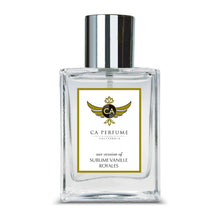
Sublime Vanille Royales — Sublime Vanille Royales Exclusives Alternative Perfume
7.25
MEI™
Primary Fresh
Secondary Romantic
Confidence
6.22
Presence
6.16
Mood Lift
9.22
Identity
5.5
Warmth
7.06
Social Ease
8.01
Energy
4.4
" I am radiant.
View full mood profile →
Cloud — Ariana Grande Cloud Alternative Perfume
6.54
MEI™
Primary Romantic
Secondary Energizing
Confidence
5.67
Presence
5.49
Mood Lift
7.56
Identity
5.49
Warmth
7.44
Social Ease
7.05
Energy
4.5
" I am beautiful.
View full mood profile →
Crush 59 — Cheriosa 59 Alternative Perfume
6.28
MEI™
Primary Romantic
Secondary Confident
Confidence
5.34
Presence
5.14
Mood Lift
7.29
Identity
5.77
Warmth
7.38
Social Ease
6.85
Energy
3.0
" I am beautiful.
View full mood profile →
HumanSafe™

Top Vanilla Orchid Fragrances by HumanSafe™ Score

These Vanilla Orchid-based fragrances have the highest product-level HumanSafe™ scores in this ingredient collection.

Highest HumanSafe™ Score
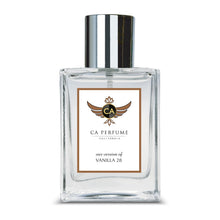
Vanilla 28 — Kayali Vanilla 28 Alternative Perfume
A-
HumanSafe™ Score Generally Safe
Safest Evaluated Ingredients EDP
AQUA Solvent / Carrier ISS 10.0
2-(1-(3',3'-DIMETHYL-1'-CYCLOHEXYL)ETHOXY)-2-METHYL Evaluated ingredient ISS 10.0
1,4-DIOXACYCLOHEPTADECANE-5,17-DIONE Evaluated ingredient ISS 10.0
3-METHYLCYCLOPENTADECENONE Evaluated ingredient ISS 9.0
LINALYL ACETATE Evaluated ingredient ISS 7.0
ALCOHOL DENAT. Solvent / Carrier ISS 7.0
View full safety profile →
Sublime Vanille Royales — Sublime Vanille Royales Exclusives Alternative Perfume
A-
HumanSafe™ Score Generally Safe
Safest Evaluated Ingredients EDP
AQUA Solvent / Carrier ISS 10.0
AMBROXID Evaluated ingredient ISS 10.0
1,4-DIOXACYCLOHEPTADECANE-5,17-DIONE Evaluated ingredient ISS 10.0
AMBROXIDE Evaluated ingredient ISS 9.0
View full safety profile →
Crush 59 — Cheriosa 59 Alternative Perfume
A-
HumanSafe™ Score Generally Safe
Safest Evaluated Ingredients EDP
AQUA Solvent / Carrier ISS 10.0
AMBROXIDE Evaluated ingredient ISS 9.0
3-BUTEN-2-ONE, 3-METHYL-4-(2,6,6-TRIMETHYL-2- Evaluated ingredient ISS 8.0
ALCOHOL DENAT. Solvent / Carrier ISS 7.0
View full safety profile →
Cloud — Ariana Grande Cloud Alternative Perfume
A-
HumanSafe™ Score Generally Safe
Safest Evaluated Ingredients EDP
AQUA Solvent / Carrier ISS 10.0
AMBROXID Evaluated ingredient ISS 10.0
BENZOIC ACID, 2,4-DIHYDROXY-3,6-DIMETHYL-, METHYL Evaluated ingredient ISS 7.0
ALCOHOL DENAT. Solvent / Carrier ISS 7.0
D-LIMONENE Evaluated ingredient ISS 6.8
REACTION MASS OF: (E)-OXACYCLOHEXADEC-12-EN-2- Evaluated ingredient ISS 6.6
View full safety profile →
Expert Voices

What Masters Say About Vanilla Orchid

Most of the vanilla we encounter in commercial fragrances isn’t vanilla at all — it’s vanillin, a synthetic compound that mimics one facet of vanilla’s sweetness. Real vanilla doesn’t behave that way. It sits closer to the skin — warm, rich, and intimate.
Candy Bulsara, Perfumer
Vanilla orchid’s creamy, sweet-floral aroma is prized for its ability to anchor compositions and create a sense of comfort and sophistication.
CA Perfume Editorial
Common Questions

Frequently Asked Questions

Answers to common questions about vanilla orchid in perfumery.

Vanilla orchid in perfume smells creamy, sweet, and subtly floral, with a powdery and balsamic undertone. The dominant aroma molecule is vanillin, but natural extracts also contain heliotropin, anisaldehyde, and over 200 minor compounds, resulting in a multi-layered scent. It is less linear and more nuanced than synthetic vanillin, offering both gourmand and floral facets.

Vanilla orchid is typically classified as a heart-to-base note. Its main component, vanillin, has a relatively high molecular weight and low volatility, allowing it to persist for hours and anchor a fragrance’s drydown. In some compositions, it bridges the heart and base, providing both sweetness and fixative qualities.

Vanilla orchid is favored in niche perfumery for its complexity and ability to add creamy, floral warmth without overpowering other notes. Its natural extract provides subtlety and depth, while synthetic vanillin offers projection and consistency. The ingredient’s versatility allows it to complement florals, woods, resins, and spices, making it a cornerstone of modern gourmand and floral-oriental compositions.

Vanilla orchid fragrance uses include pairing with white honey, benzoin, rose, sandalwood, jasmine, and patchouli. These notes share molecular affinities—such as damascenone in rose and phenylacetic acid in honey—creating seamless, harmonious blends. Woody and balsamic notes enhance vanilla’s depth, while florals add brightness.

Vanilla orchid can be worn year-round, but in hot weather, its creamy sweetness may become more pronounced due to increased volatility. Lighter concentrations (EDT or body mist) and pairing with citrus or ozonic notes can make it more refreshing and suitable for summer. Apply sparingly to avoid overwhelming projection.

A vanilla orchid fragrance usually lasts 4–8 hours, depending on concentration, skin chemistry, and whether natural or synthetic materials are used. Natural vanilla absolute tends to wear more softly, while synthetic vanillin and ethyl vanillin extend longevity and projection.

Yes, vanilla orchid is highly versatile for layering. It blends well with florals, woods, resins, and gourmand notes. Molecular compatibility—such as shared aldehydes, esters, or masking effects—ensures seamless blends. Experiment with honey, sandalwood, or citrus-based fragrances for unique combinations.

Recommended entry points include Gucci Flora Gorgeous Orchid (2024), Floral Street Wild Vanilla Orchid (2017), and Van Cleef & Arpels Orchidee Vanille (2009). These fragrances showcase vanilla orchid’s creamy, floral, and gourmand facets in accessible, well-balanced compositions.

Consider your preferred scent profile—whether you favor creamy, floral, or gourmand notes. Explore CA Perfume’s collection for options that balance natural vanilla absolute with supporting florals, woods, or resins. The HumanSafe™ platform provides ingredient transparency and safety data for each formula.

Vanilla orchid’s sweetness can be adjusted by concentration and pairing. In lower concentrations or when blended with woody, floral, or citrus notes, it offers a balanced, sophisticated aroma suitable for daily use. Heavier, gourmand-focused compositions may be best reserved for cooler weather or evening wear.

Floral Gourmand Collection

Explore Our Top Vanilla Orchid Fragrances

Discover CA Perfume’s most popular vanilla orchid scents, each crafted to highlight the ingredient’s creamy, floral, and gourmand facets.

Shop all vanilla orchid fragrances at CA Perfume →

Where Vanilla Orchid Comes From — Origin & Extraction

Vanilla orchid refers specifically to Vanilla planifolia, a tropical climbing orchid native to Mexico and now cultivated in Madagascar, Tahiti, Réunion, and Indonesia. Madagascar accounts for approximately 70–80% of global vanilla production, with annual yields exceeding 2,000 metric tons. The orchid produces pale greenish-yellow flowers, each blooming for a single day and requiring hand pollination outside its native range. The fruit, known as the vanilla bean or pod, matures over 8–9 months before harvest. Extraction of vanilla for perfumery is performed on cured pods, not flowers. The pods undergo a multi-stage curing process: blanching, sweating, drying, and conditioning, lasting up to 6 months. The primary extraction methods are solvent extraction (using ethanol or hexane) to produce vanilla absolute, and supercritical CO₂ extraction for a more complete aromatic profile. Steam distillation is not used, as vanillin and related compounds are thermally sensitive and degrade above 60°C. Typical yields for vanilla absolute are 1–2% of pod weight. Natural vanilla absolute commands prices of $4,000–$10,000 per kg, depending on origin and quality, while synthetic vanillin (CAS 121-33-5) costs $10–$30 per kg. Sustainability challenges include labor-intensive pollination, vulnerability to crop disease, and market volatility. Some producers are shifting to agroforestry and fair-trade practices to improve environmental and social impacts.

Famous Fragrances That Define Vanilla Orchid in Perfumery

Vanilla orchid has anchored some of the most influential fragrances in the modern era. Tom Ford Black Orchid (2006, David Appel & Pierre Negrin) employs vanilla orchid as a bridge note, linking dark florals, truffle, and patchouli. Clive Christian XXI Art Deco Vanilla Orchid (2018, Marie Salamagne) highlights the creamy, floral aspect of vanilla orchid, paired with lily-of-the-valley and galbanum for a green, sophisticated profile. Gucci Flora Gorgeous Orchid (2024, Marie Salamagne) features vanilla orchid as a dominant heart note, blending it with ozonic and vanilla facets for a luminous, gourmand-floral effect. Floral Street Wild Vanilla Orchid (2017, Jérôme Epinette) demonstrates the note’s versatility, combining it with cassis, bamboo, and sandalwood for a modern, layered scent. Van Cleef & Arpels Orchidee Vanille (2009, Randa Hammami) is a benchmark for vanilla orchid as a dominant note, enriched with almond, chocolate, and rose. CA Perfume’s collection draws inspiration from this lineage, offering vanilla orchid-centered compositions that balance natural and synthetic materials for both complexity and accessibility.

Natural vs Synthetic Vanilla Orchid in Perfumery

Natural vanilla orchid extracts, primarily vanilla absolute, contain vanillin (CAS 121-33-5), p-hydroxybenzaldehyde, heliotropin (piperonal, CAS 120-57-0), and anisaldehyde (CAS 123-11-5), among over 200 minor aroma compounds. Synthetic vanillin, first isolated from vanilla pods in 1858 and synthesized from guaiacol or lignin since the late 19th century, now accounts for over 95% of 'vanilla' used in perfumery. Ethyl vanillin (CAS 121-32-4) is another common synthetic, offering a stronger, sweeter, and more persistent vanilla note. Natural vanilla orchid extracts are prized for their complexity and subtle floral, woody, and spicy nuances, but are less consistent and more expensive than synthetics. Synthetic vanillin and ethyl vanillin provide linear, powerful sweetness, greater longevity, and batch-to-batch consistency, but lack the depth of natural extracts. Famous fragrances such as Tom Ford Black Orchid (2006, David Appel & Pierre Negrin) and Clive Christian XXI Art Deco Vanilla Orchid (2018, Marie Salamagne) use both natural and synthetic vanilla materials for balance and cost control. The HumanSafe™ platform at CA Perfume ensures full ingredient traceability and transparency, verifying both natural and synthetic vanilla sources for safety and sustainability. Sustainability concerns drive a preference for synthetics in mass-market perfumery, as natural vanilla production is resource-intensive and subject to supply chain instability.