Ingredient Guide · Gourmand
Gourmand Family · Perfumery Note

Vanilla Absolute

The essential base note for depth and creamy sweetness.

Vanilla Absolute is a cornerstone base note in perfumery, prized for its rich, sweet, and balsamic character. Its defining quality comes from vanillin (up to 30% content), imparting a creamy, chocolate-like nuance at concentrations of 0.2–1% in fine fragrance.

Vanilla Absolute
Ingredient Profile

Vanilla Absolute

Gourmand Family
Family Gourmand
Note Position Base Note
Usage Level 0.2–1% in formula
Key Origins Madagascar, Indonesia, Uganda
Iconic In Shalimar, Un Bois Vanille
The Ingredient

What does Vanilla Absolute smell like and why is it so prized in perfumery?

Vanilla Absolute, derived from the cured pods of Vanilla planifolia, is renowned in perfumery for its intensely rich, sweet, and balsamic aroma. The scent is dominated by vanillin (C8H8O3, CAS 121-33-5), which imparts a creamy, slightly woody sweetness, while supporting molecules such as p-hydroxybenzaldehyde, vanillic acid, and anisic aldehyde contribute chocolate-like, spicy, and faintly smoky undertones. Unlike synthetic vanillin, natural vanilla absolute offers a multidimensional scent profile with subtle bitter, rum-like, and animalic nuances. This complexity is why perfumers distinguish the 'vanilla absolute scent profile' from the more linear, confectionary character of lab-made vanillin. In perfumery, vanilla absolute is classified as a base note and a fixative, meaning it anchors and extends the longevity of a composition. Typical usage levels range from 0.2% in delicate florals to up to 1% in gourmand or oriental fragrances. Its high molecular weight and low volatility ensure a slow, persistent evaporation curve, which allows the scent to linger for hours and evolve with skin chemistry. On skin, vanilla absolute can interact with natural oils and pH, sometimes amplifying its creamy facets or revealing more balsamic, woody aspects depending on the wearer. Vanilla absolute in perfumery is exemplified in landmark fragrances such as Guerlain Shalimar (1925, Jacques Guerlain), where it forms the heart of the iconic amber accord, and Tom Ford Tobacco Vanille (2007, Olivier Gillotin), which showcases its pairing with tobacco, dried fruits, and spices. More recently, Kayali Vanilla | 28 (2018) and Byredo Vanille Antique (2022) highlight the ingredient’s versatility in both classic and contemporary compositions.

0.2–1% in formula
Typical concentration of vanilla absolute in fine fragrance compositions. Higher levels can overwhelm, while lower levels provide subtle warmth and fixative properties.
8–12 hours longevity
On skin, vanilla absolute’s high molecular weight ensures a persistent scent, with the creamy, balsamic drydown lasting well into the evening.
$4,000–8,000/kg
Market price for natural vanilla absolute, reflecting labor-intensive cultivation, low extraction yield, and global demand.
Origin & Extraction

Where Vanilla Absolute Comes From — Origin & Extraction

Vanilla absolute’s scent profile is shaped by terroir—soil, climate, and curing practices. Madagascar’s humid, volcanic soils yield pods with intense creamy sweetness, while Ugandan and Indonesian origins offer spicier, woodier nuances.

Vanilla Absolute is obtained from the cured seed pods of Vanilla planifolia Jacks. ex Andrews, a climbing orchid native to Mexico but now cultivated primarily in Madagascar, which accounts for approximately 80% of global vanilla production (roughly 2,000 metric tons annually). Other significant producers include Indonesia, Uganda, and India. The pods undergo a labor-intensive curing process involving scalding, sweating, drying, and conditioning over several months to develop their characteristic aroma. Extraction of vanilla absolute is performed via solvent extraction, typically using ethanol or hexane, followed by purification through alcoholic washing to yield a viscous, dark brown to reddish-brown liquid. The yield is low—about 1–2 kg of absolute per 100 kg of cured pods—contributing to its high cost, which ranges from $4,000 to $8,000 per kg depending on origin and quality. Supercritical CO2 extraction is also used for high-end applications, preserving delicate volatile compounds and reducing solvent residues. Natural vanilla absolute is far more expensive than synthetic alternatives like vanillin (typically $10–$30/kg for synthetic vanillin). Sustainability concerns include the risk of monoculture, labor exploitation, and price volatility due to crop failures. Certified organic and fair-trade vanilla absolutes are increasingly available, and some producers employ agroforestry models to reduce environmental impact. The CAS number for vanilla absolute is 8024-06-4.

MG

Madagascar

The Sava region produces over 80% of the world’s vanilla, with volcanic soils and high humidity yielding pods rich in vanillin and creamy, sweet facets. Annual output: ~1,600 metric tons. Madagascar vanilla is the global quality benchmark.

ID

Indonesia

Java and Sumatra regions produce vanilla with spicier, woody undertones due to higher rainfall and unique post-harvest curing. Indonesia accounts for ~10% of global supply, with a robust, less sweet profile.

UG

Uganda

Ugandan vanilla, grown in the Mukono and Kayunga districts, is known for its bold, earthy, and slightly smoky aroma. Production is smaller (~2% global share) but highly valued for its distinctive terroir.

IN

India

Kerala and Karnataka produce vanilla with a balanced, mild profile. Indian vanilla is often used in blends to moderate sweetness and add subtle woody notes. Production is limited but growing.

Chemistry

Natural vs Synthetic Vanilla Absolute in Perfumery

Natural vanilla absolute contains a complex mixture of over 200 compounds, with vanillin (CAS 121-33-5), p-hydroxybenzaldehyde (CAS 123-08-0), and vanillic acid (CAS 121-34-6) as key contributors to its olfactory profile. Synthetic vanillin and ethyl vanillin (CAS 121-32-4) are the primary laboratory substitutes, offering a more linear, intensely sweet aroma but lacking the balsamic, woody, and spicy nuances of natural absolute. Performance-wise, synthetic vanillin provides greater batch consistency, higher stability, and lower allergenicity, but can appear flat or 'one-dimensional' in complex compositions. Cost is a major differentiator: natural vanilla absolute can exceed $5,000/kg, while synthetic vanillin is widely available at less than $30/kg. Many mainstream fragrances rely on synthetic vanillin or ethyl vanillin for economic reasons, while niche and luxury brands may use natural absolute for its depth and authenticity. Notable examples of natural vanilla absolute use include Guerlain Shalimar and Serge Lutens Un Bois Vanille, whereas synthetic vanillin dominates in mass-market gourmands. Sustainability is a key concern: natural vanilla cultivation can strain ecosystems and labor markets, while synthetics reduce pressure on natural resources but may rely on petrochemical feedstocks. The HumanSafe™ platform at CA Perfume verifies ingredient sourcing and transparency, ensuring both natural and synthetic vanilla materials meet safety and ethical standards. Other aroma chemicals sometimes used for vanilla effects include heliotropin (CAS 120-57-0) and coumarin (CAS 91-64-5).

Natural
Vanilla Absolute Absolute
Cost $3,000–6,000/kg
Method Solvent / CO₂
Character Complex, variable
vs
Synthetic
Safranal & Analogues
Cost $50–200/kg
Method Lab synthesis
Character Consistent, stable
Hall of Fame

Famous Fragrances That Define Vanilla Absolute in Perfumery

1925
dominant note

Shalimar

Guerlain
by Jacques Guerlain
bergamotirisopoponaxtonka bean
2003
dominant note

Un Bois Vanille

Serge Lutens
by Christopher Sheldrake
coconut milklicoricesandalwoodbitter almond
2007
bridge note

Tobacco Vanille

Tom Ford
by Olivier Gillotin
tobacco leafdried fruitscacaospices
2022
dominant note

Vanille Antique

Byredo
by Jérôme Epinette
plumambercashmere woodmusk
2018
accent

Vanilla | 28

Kayali
by Honorine Blanc and Christophe Raynaud
brown sugartonka beanmuskamber
2025
dominant note

Vanilla Absolue

Tauer Perfumes
by Andy Tauer
spicestobacco leafroseambergris

Vanilla absolute has shaped the identity of countless iconic fragrances, serving as a foundational base note and a bridge between gourmand, amber, and floral accords. In Guerlain Shalimar (1925, Jacques Guerlain), vanilla absolute is paired with bergamot, iris, and opoponax to create the archetypal oriental structure. Tom Ford Tobacco Vanille (2007, Olivier Gillotin) uses a high concentration of vanilla absolute to balance spicy tobacco leaf and dried fruits, establishing a benchmark for modern gourmands. Serge Lutens Un Bois Vanille (2003, Christopher Sheldrake) explores the woody, smoky facets of vanilla absolute, while Byredo Vanille Antique (2022, Jérôme Epinette) highlights its balsamic and leathery undertones in a contemporary, minimalist context. Kayali Vanilla | 28 (2018, Honorine Blanc and Christophe Raynaud) demonstrates the ingredient’s versatility, blending vanilla absolute with brown sugar, tonka bean, and musk for a layered, sweet effect. In niche perfumery, Tauer Perfumes Vanilla Absolue (2025, Andy Tauer) and Memento Mori Vanilla Absolute (2025) showcase the ingredient’s ability to anchor spicy, resinous, and woody compositions. CA Perfume’s vanilla-focused collection draws inspiration from these milestones, emphasizing both natural and sustainable synthetic vanilla materials.

The Accord

How is a captivating Vanilla Absolute accord crafted?

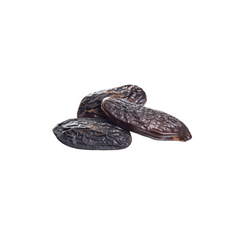
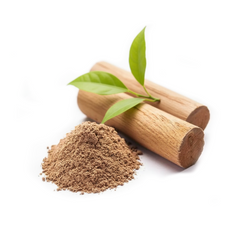
A classic vanilla absolute accord balances creamy sweetness with depth and complexity. Typical proportions: Vanilla Absolute 30–35%, Tonka Bean Absolute 20–25%, Sandalwood 20–25%, Benzoin Resin 20–25%. Vanilla absolute provides the core creamy sweetness (vanillin), tonka bean adds coumarin-driven warmth and almond facets, sandalwood imparts a soft, woody base, and benzoin resin enhances balsamic and caramel nuances for longevity.

35%

Vanilla Absolute

30–35% of blend

Provides the creamy, sweet, and balsamic core via vanillin and supporting phenolic compounds. Essential for the signature vanilla absolute scent profile.

25%

Tonka Bean Absolute

20–25% of blend

Rich in coumarin, tonka bean amplifies vanilla’s warmth and adds almond, hay, and caramel nuances, enhancing the accord’s depth and persistence.

25%

Sandalwood

20–25% of blend

Santalol molecules provide a creamy, woody base that supports and rounds out vanilla’s sweetness, improving fixative properties and olfactory longevity.

25%

Benzoin Resin

20–25% of blend

Benzoin’s benzoic acid esters contribute caramel and balsamic notes, reinforcing vanilla’s richness and extending the drydown.

The Olfactory Layers

How Vanilla Absolute Evolves on Skin

Vanilla absolute’s olfactory evolution is gradual, with low-volatility molecules ensuring a persistent, creamy presence. Top notes fade quickly, revealing the heart’s chocolate and balsamic nuances, while the base lingers for hours.

I
Top notes
0–15 min
Rum-Infused Opener

Initial impression is subtle, with fleeting hints of rum, dried fruit, and faint spice from volatile aldehydes and esters. These evaporate rapidly, giving way to the denser core of the absolute.

rum-likefruityspicy
II
Heart notes
20–60 min
Creamy Chocolate Core

The heart reveals the signature creamy sweetness of vanillin, supported by chocolate-like and balsamic undertones from p-hydroxybenzaldehyde and anisic aldehyde. The scent becomes denser and more enveloping.

creamychocolatebalsamic
III
Base notes
Several hours
Woody Balsamic Drydown

Long-lasting base dominated by vanillin and coumarin, with woody, smoky, and slightly animalic nuances. These high molecular weight compounds ensure a persistent, comforting drydown.

woodysmokycomforting
TOP NOTES Rum-Infused Opener 0–15 minutes HEART NOTES Creamy Chocolate Core 20–60 minutes BASE NOTES Woody Balsamic Drydown Several hours
Through the Ages

The Story of Vanilla Absolute in Perfumery

Vanilla’s journey in perfumery spans ancient Mesoamerican rituals to its modern status as a universal base note, shaped by advances in extraction and synthesis.

Pre-16th Century

Mesoamerican Ritual Use

The Totonac and Aztec peoples of Mexico use vanilla pods (tlilxochitl) in ceremonial cacao drinks and as a sacred aromatic, centuries before European contact.

1841

Hand Pollination Discovery

Edmond Albius in Réunion Island invents manual pollination, enabling global vanilla cultivation outside Mexico and revolutionizing supply.

1874

First Synthetic Vanillin

Chemists Ferdinand Tiemann and Wilhelm Haarmann synthesize vanillin from coniferin, marking the beginning of synthetic vanilla in perfumery.

1925

Shalimar Launches

Guerlain’s Shalimar, composed by Jacques Guerlain, debuts with natural vanilla absolute as a defining base note, setting the standard for orientals.

2000s–2020s

Gourmand and Niche Renaissance

Vanilla absolute becomes central to modern gourmands and niche fragrances, with innovative uses in Tom Ford Tobacco Vanille (2007), Byredo Vanille Antique (2022), and Tauer Perfumes Vanilla Absolue (2025).

The Art of Layering

How to Layer Vanilla Absolute

Understanding how to layer vanilla absolute involves molecular compatibility—shared compounds like coumarin, santalol, and aldehydes create seamless blends. Here’s how to layer vanilla absolute for depth, sweetness, or freshness.

01

Enhance Sweetness

Pair vanilla absolute with tonka bean or benzoin. Coumarin in tonka and benzoic acid esters in benzoin amplify vanilla’s creamy, caramel facets. This combination is demonstrated in Guerlain Shalimar and Tom Ford Tobacco Vanille, where the shared molecular structure creates a harmonious, long-lasting sweetness.

02

Add Depth

Layer with sandalwood or patchouli. Santalol and patchoulol molecules interact with vanillin, providing a woody, grounding effect that balances sweetness and extends the drydown. Serge Lutens Un Bois Vanille exemplifies this approach, blending vanilla with sandalwood and licorice for complexity.

03

Brighten the Profile

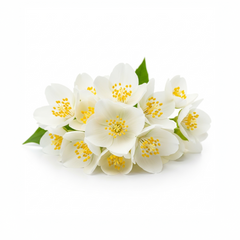
Combine vanilla absolute with citrus or floral notes like bergamot or jasmine. Linalool and limonene in these notes lighten vanilla’s density through olfactory masking, resulting in a fresher, more uplifting scent as seen in Kayali Vanilla | 28 and Byredo Vanille Antique.

Wear It Right

How to Wear Vanilla Absolute Like a Pro

Seasonal Guide

Fall & Winter

In cooler months, vanilla absolute’s dense, creamy molecules evaporate more slowly, resulting in a richer, longer-lasting scent. Apply to pulse points and under clothing for maximum warmth and projection.

Spring

Spring’s moderate temperatures highlight vanilla’s floral and chocolate nuances. Pair with lighter florals or citrus notes to create a balanced, uplifting effect that evolves gently throughout the day.

Summer

Heat increases vanilla’s volatility, intensifying its sweetness and projection. Use sparingly, focusing on cooler areas like the inner elbows or behind the knees to avoid overwhelming sillage.

Year-Round Tip

Layer vanilla absolute with woody or citrus notes to adapt its profile for any season. Adjust application quantity and placement based on temperature and humidity for optimal performance.

Application Points

Strategic application maximizes vanilla absolute’s longevity and evolution.

1

Neck

Applying vanilla absolute to the neck leverages body heat, enhancing the release of creamy and balsamic molecules for a persistent, enveloping scent.

2

Behind the Ears

This area radiates warmth, allowing vanilla’s top aldehydes to bloom and transition smoothly into the heart and base notes.

3

Inner Wrists

Pulse points on the wrists accelerate molecular diffusion, making the chocolate and woody nuances more perceptible during the heart phase.

4

Hair

Spraying on hair provides a slow, sustained release of vanilla’s heavier molecules, extending sillage and enhancing projection throughout the day.

Pro Tip

Layer vanilla absolute over unscented moisturizer to increase adhesion and longevity, especially in dry climates or during colder seasons.

Mood Architecture™

Top Vanilla Absolute Fragrances by Mood Score

These Vanilla Absolute-based fragrances scored highest on the MEI™ Mood Architecture Framework — measuring how a scent may influence your emotional state.

Highest MEI Score
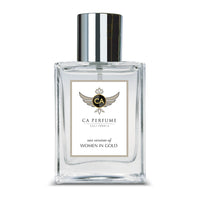
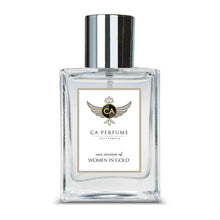
Women in Gold — Women In Gold Alternative Perfume
7.65
MEI™
Primary Romantic
Secondary Confident
Confidence
6.75
Presence
7.23
Mood Lift
8.54
Identity
7.25
Warmth
8.8
Social Ease
8.0
Energy
3.7
" I am beautiful.
View full mood profile →
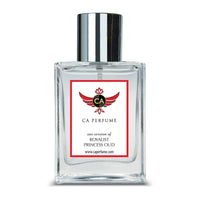
Royalist Princess Oud — Royal Oud Princess Alternative Perfume
7.24
MEI™
Primary Romantic
Secondary Confident
Confidence
6.38
Presence
6.88
Mood Lift
8.0
Identity
6.75
Warmth
8.99
Social Ease
7.18
Energy
3.4
" I am beautiful.
View full mood profile →
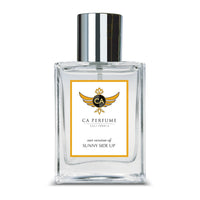
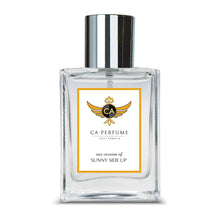
Sunny Side Up — Juliette Has A Gun Sunny Side Up Alternative Perfume
7.13
MEI™
Primary Romantic
Secondary Confident
Confidence
6.65
Presence
7.17
Mood Lift
7.19
Identity
7.3
Warmth
9.0
Social Ease
6.89
Energy
3.5
" I am beautiful.
View full mood profile →
Her Majesty The Oud — Atkinsons Her Majesty The Oud Impression Alternative Perfume
7.12
MEI™
Primary Romantic
Secondary Confident
Confidence
7.62
Presence
8.29
Mood Lift
6.9
Identity
8.36
Warmth
7.57
Social Ease
6.09
Energy
2.5
" I am beautiful.
View full mood profile →
HumanSafe™

Top Vanilla Absolute Fragrances by HumanSafe™ Score

These Vanilla Absolute-based fragrances have the highest product-level HumanSafe™ scores in this ingredient collection.

Highest HumanSafe™ Score
Women in Gold — Women In Gold Alternative Perfume
A-
HumanSafe™ Score Generally Safe
Safest Evaluated Ingredients EDP
AQUA Solvent / Carrier ISS 10.0
3-BUTEN-2-ONE, 3-METHYL-4-(2,6,6-TRIMETHYL-2- Evaluated ingredient ISS 8.0
LINALYL ACETATE Evaluated ingredient ISS 7.0
LINALOOL Evaluated ingredient ISS 7.0
ALCOHOL DENAT. Solvent / Carrier ISS 7.0
3-BUTEN-2-ONE, 4-(2,6,6-TRIMETHYL-1-CYCLOHEXEN-1- Evaluated ingredient ISS 7.0
View full safety profile →
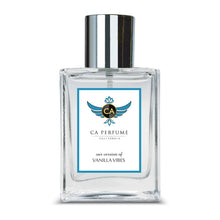
Vanilla Vibes — Juliette Has A Gun Vanilla Vibes Alternative Perfume
A-
HumanSafe™ Score Generally Safe
Safest Evaluated Ingredients EDP
AQUA Solvent / Carrier ISS 10.0
1,4-DIOXACYCLOHEPTADECANE-5,17-DIONE Evaluated ingredient ISS 10.0
BENZYL SALICYLATE Evaluated ingredient ISS 9.0
BENZENEPROPANAL, 4-METHOXY-.ALPHA.-METHYL- Evaluated ingredient ISS 9.0
3-CYCLOPENTENE-1-ACETALDEHYDE, 2,2,3-TRIMETHYL-, Evaluated ingredient ISS 9.0
View full safety profile →
Vanilla Sex — Tom Ford Vanilla Sex Alternative Perfume
A-
HumanSafe™ Score Generally Safe
Safest Evaluated Ingredients EDP
AQUA Solvent / Carrier ISS 10.0
1,4-DIOXACYCLOHEPTADECANE-5,17-DIONE Evaluated ingredient ISS 10.0
2H-1-BENZOPYRAN-2-ONE Evaluated ingredient ISS 8.0
LINALOOL Evaluated ingredient ISS 7.0
ALCOHOL DENAT. Solvent / Carrier ISS 7.0
2H-1-BENZOPYRAN-6-OL, 3,4-DIHYDRO-2,5,7,8- Evaluated ingredient ISS 7.0
View full safety profile →
Sunny Side Up — Juliette Has A Gun Sunny Side Up Alternative Perfume
A-
HumanSafe™ Score Generally Safe
Safest Evaluated Ingredients EDP
AQUA Solvent / Carrier ISS 10.0
1,4-DIOXACYCLOHEPTADECANE-5,17-DIONE Evaluated ingredient ISS 10.0
BENZYL SALICYLATE Evaluated ingredient ISS 9.0
4H-INDEN-4-ONE, 1,2,3,5,6,7-HEXAHYDRO-1,1,2,3,3- Evaluated ingredient ISS 9.0
ALCOHOL DENAT. Solvent / Carrier ISS 7.0
View full safety profile →
Expert Voices

What Masters Say About Vanilla Absolute

"Vanilla absolute is produced by solvent extraction then purification through alcoholic washing. The aroma oozes dreamy vanillic goodness, sweet playful woody notes infused with ambery warmth. Useful for building honey-sweet florals, Oriental bases, improving gourmand notes especially cocoa rich ones and works wonders with heavy florals."
Adam Michael, The Good Scents Company
Natural vanilla absolute offers a multidimensional scent profile—creamy, balsamic, and subtly woody—distinct from the linear sweetness of synthetic vanillin. Its complexity is why it remains a cornerstone of both classic and modern perfumery.
CA Perfume Editorial
Common Questions

Frequently Asked Questions

Essential answers to common questions about vanilla absolute in perfumery.

Vanilla absolute in perfume smells intensely rich, creamy, and balsamic, with chocolate, woody, and faintly smoky undertones. Its complexity comes from vanillin and over 200 supporting compounds, distinguishing it from the simpler, sweeter scent of synthetic vanillin. The result is a warm, enveloping aroma that lingers for hours and forms the backbone of many iconic fragrances.

Vanilla absolute is classified as a base note and fixative in perfumery. Its high molecular weight and low volatility ensure it evaporates slowly, providing long-lasting depth and persistence in the drydown. It anchors compositions and supports both gourmand and floral accords.

Niche perfumes favor vanilla absolute for its multidimensional scent profile and ability to add complexity, warmth, and longevity. Unlike synthetic vanillin, natural absolute offers nuanced chocolate, balsamic, and woody facets, making it a versatile anchor for both classic and avant-garde compositions.

Vanilla absolute fragrance uses include pairing with tonka bean (coumarin), benzoin (caramel-balsamic), sandalwood (creamy-woody), and patchouli (earthy depth). These combinations amplify vanilla’s warmth and complexity, as seen in Shalimar and Tobacco Vanille.

In hot weather, vanilla absolute’s volatility increases, intensifying its sweetness and projection. Use lighter concentrations or layer with citrus and floral notes for a fresher effect. Apply sparingly to avoid overwhelming sillage.

Vanilla absolute is known for its longevity, often lasting 8–12 hours on skin due to its high molecular weight and fixative properties. The creamy, balsamic drydown persists well into the evening, especially in higher concentrations or oil-based formats.

Yes, vanilla absolute is highly versatile for layering. It blends seamlessly with tonka bean, benzoin, sandalwood, and florals due to shared molecular structures, creating harmonious, long-lasting accords. Layering can enhance sweetness, add depth, or brighten the profile depending on the complementary notes.

Beginner-friendly vanilla absolute perfumes include Kayali Vanilla | 28, Tom Ford Tobacco Vanille, and Serge Lutens Un Bois Vanille. These fragrances showcase vanilla’s creamy, complex character in accessible, well-balanced compositions.

Consider your preferred scent profile—pure creamy vanilla, woody-balsamic, or spicy-gourmand. CA Perfume’s HumanSafe™ platform provides ingredient transparency, allowing you to select fragrances with natural or sustainable synthetic vanilla to match your taste and ethical preferences.

While vanilla absolute is inherently sweet, its natural complexity—balsamic, woody, and chocolate facets—prevents it from being cloying. When balanced with woody, floral, or citrus notes, it becomes versatile and suitable for daily use across seasons.

Gourmand Collection

Explore Our Top Vanilla Absolute Fragrances

Discover CA Perfume’s curated selection of vanilla absolute fragrances, spanning classic gourmands, woody blends, and modern niche interpretations.

Shop all vanilla absolute fragrances at CA Perfume →

Where Vanilla Absolute Comes From — Origin & Extraction

Vanilla Absolute is obtained from the cured seed pods of Vanilla planifolia Jacks. ex Andrews, a climbing orchid native to Mexico but now cultivated primarily in Madagascar, which accounts for approximately 80% of global vanilla production (roughly 2,000 metric tons annually). Other significant producers include Indonesia, Uganda, and India. The pods undergo a labor-intensive curing process involving scalding, sweating, drying, and conditioning over several months to develop their characteristic aroma. Extraction of vanilla absolute is performed via solvent extraction, typically using ethanol or hexane, followed by purification through alcoholic washing to yield a viscous, dark brown to reddish-brown liquid. The yield is low—about 1–2 kg of absolute per 100 kg of cured pods—contributing to its high cost, which ranges from $4,000 to $8,000 per kg depending on origin and quality. Supercritical CO2 extraction is also used for high-end applications, preserving delicate volatile compounds and reducing solvent residues. Natural vanilla absolute is far more expensive than synthetic alternatives like vanillin (typically $10–$30/kg for synthetic vanillin). Sustainability concerns include the risk of monoculture, labor exploitation, and price volatility due to crop failures. Certified organic and fair-trade vanilla absolutes are increasingly available, and some producers employ agroforestry models to reduce environmental impact. The CAS number for vanilla absolute is 8024-06-4.

Famous Fragrances That Define Vanilla Absolute in Perfumery

Vanilla absolute has shaped the identity of countless iconic fragrances, serving as a foundational base note and a bridge between gourmand, amber, and floral accords. In Guerlain Shalimar (1925, Jacques Guerlain), vanilla absolute is paired with bergamot, iris, and opoponax to create the archetypal oriental structure. Tom Ford Tobacco Vanille (2007, Olivier Gillotin) uses a high concentration of vanilla absolute to balance spicy tobacco leaf and dried fruits, establishing a benchmark for modern gourmands. Serge Lutens Un Bois Vanille (2003, Christopher Sheldrake) explores the woody, smoky facets of vanilla absolute, while Byredo Vanille Antique (2022, Jérôme Epinette) highlights its balsamic and leathery undertones in a contemporary, minimalist context. Kayali Vanilla | 28 (2018, Honorine Blanc and Christophe Raynaud) demonstrates the ingredient’s versatility, blending vanilla absolute with brown sugar, tonka bean, and musk for a layered, sweet effect. In niche perfumery, Tauer Perfumes Vanilla Absolue (2025, Andy Tauer) and Memento Mori Vanilla Absolute (2025) showcase the ingredient’s ability to anchor spicy, resinous, and woody compositions. CA Perfume’s vanilla-focused collection draws inspiration from these milestones, emphasizing both natural and sustainable synthetic vanilla materials.

Natural vs Synthetic Vanilla Absolute in Perfumery

Natural vanilla absolute contains a complex mixture of over 200 compounds, with vanillin (CAS 121-33-5), p-hydroxybenzaldehyde (CAS 123-08-0), and vanillic acid (CAS 121-34-6) as key contributors to its olfactory profile. Synthetic vanillin and ethyl vanillin (CAS 121-32-4) are the primary laboratory substitutes, offering a more linear, intensely sweet aroma but lacking the balsamic, woody, and spicy nuances of natural absolute. Performance-wise, synthetic vanillin provides greater batch consistency, higher stability, and lower allergenicity, but can appear flat or 'one-dimensional' in complex compositions. Cost is a major differentiator: natural vanilla absolute can exceed $5,000/kg, while synthetic vanillin is widely available at less than $30/kg. Many mainstream fragrances rely on synthetic vanillin or ethyl vanillin for economic reasons, while niche and luxury brands may use natural absolute for its depth and authenticity. Notable examples of natural vanilla absolute use include Guerlain Shalimar and Serge Lutens Un Bois Vanille, whereas synthetic vanillin dominates in mass-market gourmands. Sustainability is a key concern: natural vanilla cultivation can strain ecosystems and labor markets, while synthetics reduce pressure on natural resources but may rely on petrochemical feedstocks. The HumanSafe™ platform at CA Perfume verifies ingredient sourcing and transparency, ensuring both natural and synthetic vanilla materials meet safety and ethical standards. Other aroma chemicals sometimes used for vanilla effects include heliotropin (CAS 120-57-0) and coumarin (CAS 91-64-5).