Ingredient Guide · Floral
Floral Family · Perfumery Note

Turkey Red Rose

A velvety rose with spicy and fruity nuances

Turkey Red Rose is a perfumery note derived from Rosa damascena, prized for its rich, honeyed, and slightly spicy aroma. It is typically used at 0.1–1% concentration, offering a complex floral heart note with red fruit undertones.

Turkey Red Rose
Ingredient Profile

Turkey Red Rose

Floral Family
Family Floral
Note Position Heart Note
Usage Level 0.02%
Key Origins Turkey, Bulgaria, Morocco
Iconic In Ristretto Intense Café, Coco Mademoiselle
The Ingredient

What does Turkey Red Rose smell like and why is it significant in perfumery?

Turkey Red Rose is derived from the Damask rose (Rosa damascena), specifically cultivated in Turkey's Isparta region. Its scent is characterized by a rich, velvety floral aroma with honeyed sweetness, subtle spiciness, and a hint of red fruit or lychee-like facets. The key aromatic compounds include phenyl ethyl alcohol, geraniol, citronellol, and beta-damascenone, which contribute to its complex and multi-dimensional scent. In perfumery, Turkey Red Rose is primarily used as a heart note, typically at concentrations ranging from 0.1% to 1%. It interacts with skin chemistry by offering a warm, diffusive floral presence that can vary slightly depending on individual skin pH and moisture. Its versatility allows it to blend well with both fresh citrus and warm woody or gourmand notes, making it suitable for a wide range of fragrance families. Notable fragrances featuring Turkey Red Rose include Montale's Ristretto Intense Café (2020), where it pairs with coffee and roasted notes to create a rich gourmand floral, and Chanel's Coco Mademoiselle (2001), which uses it as a refined floral heart alongside citrus and patchouli. These examples demonstrate Turkey Red Rose's ability to convey both elegance and depth in modern perfumery.

0.02%
Average yield of rose oil from fresh Rosa damascena petals via steam distillation, requiring 3,500-4,000 kg of petals per kilogram of oil.
0.1–1%
Typical concentration range of Turkey Red Rose absolute in perfume formulations to achieve balanced floral heart notes without overpowering.
$3,300–4,200/kg
Market price range for natural Turkish rose oil, reflecting its rarity, labor-intensive harvesting, and complex extraction process.
Origin & Extraction

Where Turkey Red Rose Comes From — Origin & Extraction

Turkey's Isparta region, known as the 'City of Roses,' is the primary source of Turkey Red Rose. The area's climate, altitude, and soil composition create ideal conditions for Rosa damascena cultivation, producing roses with a rich, honeyed, and spicy scent profile. Traditional hand-harvesting methods and modern distillation techniques ensure high-quality rose oil production.

Turkey Red Rose is sourced from Rosa damascena Miller, a hybrid rose cultivated extensively in Turkey, particularly in the Isparta and Burdur provinces of southwest Anatolia. This region, known as the 'City of Roses,' produces approximately 7,000 tons of fresh roses annually, yielding about 1,600 kg of rose oil and 2,400 kg of rose concrete. The rose variety used is the 'trigintipetala,' meaning it has around 30 petals, prized for its intense fragrance with green, spicy, and red fruit nuances. Extraction is primarily conducted through water distillation using large stainless steel or copper stills. Fresh rose petals (400-500 kg) are combined with water (1,500-2,000 liters) in 3,000-liter batch stills, distilling for approximately 1.5 hours at a condenser temperature of 35°C to preserve delicate aromatic compounds. The yield of rose oil is about 0.02%, requiring 3,500-4,000 kg of fresh petals per kilogram of oil. Rose concrete is obtained via solvent extraction using n-hexane, with a higher yield of about 0.25% from fresh petals. Natural Turkish rose oil commands prices around $3,300 to $4,200 per kilogram, while rose concrete is priced between $475 and $500 per kilogram. Synthetic aroma chemicals replicating rose scent are significantly less expensive. Sustainability efforts focus on maintaining traditional harvesting methods and supporting local farming communities, with modern factories replacing cottage industries since the 1930s.

TR

Turkey

The Isparta and Burdur provinces in southwest Anatolia form the 'rose triangle,' producing about 7,000 tons of fresh Rosa damascena annually. The region's calcareous soil, moderate rainfall, and altitude contribute to the rose's distinctive rich and spicy aroma. Harvesting occurs once yearly, with petals distilled within hours to preserve fragrance integrity. Turkish rose oil commands premium market prices and holds PDO status in some areas.

BG

Bulgaria

Bulgaria's Kazanlak Valley is a major producer of Damask rose oil, known for a softer, fruitier rose scent compared to Turkey. The region benefits from a temperate climate and fertile soils, with traditional harvesting and steam distillation methods. Bulgarian rose oil is a key competitor in the global market, often priced slightly lower than Turkish rose oil.

MA

Morocco

Morocco produces Damask rose oil primarily in the Atlas Mountains, with a rose scent profile noted for its fresh and slightly green facets. The region's unique climate and altitude influence the aromatic profile, making Moroccan rose oil a valued ingredient in perfumery, though production volumes are smaller than Turkey and Bulgaria.

Chemistry

Natural vs Synthetic Turkey Red Rose in Perfumery

Natural Turkey Red Rose oil contains hundreds of aromatic molecules, including geraniol, citronellol, phenyl ethyl alcohol (PEA), rose oxide, beta-damascenone, and beta-ionone, which provide a complex, multi-dimensional scent profile with honeyed, spicy, and fruity facets. Synthetic perfumery replicates these effects using isolated molecules such as geraniol (CAS 106-24-1), citronellol (CAS 106-22-9), and phenyl ethyl alcohol (CAS 60-12-8), allowing precise control over the rose character, consistency, and allergen management. Natural rose oil offers depth and irregularity but is costly ($3,300–4,200/kg) and subject to batch variability. Synthetic molecules are more affordable ($50–200/kg), stable, and scalable, enabling perfumers to craft tailored rose accords with green, fruity, or tea-like nuances. Famous fragrances like Montale Ristretto Intense Café use natural Turkey Red Rose oil, while others may blend synthetics for consistency. CA Perfume employs the HumanSafe™ platform to ensure transparency and safety, balancing natural and synthetic components to optimize performance, sustainability, and skin compatibility.

Natural
Turkey Red Rose Absolute
Cost $3,000–6,000/kg
Method Solvent / CO₂
Character Complex, variable
vs
Synthetic
Safranal & Analogues
Cost $50–200/kg
Method Lab synthesis
Character Consistent, stable
Hall of Fame

Famous Fragrances That Define Turkey Red Rose in Perfumery

2020
heart note

Ristretto Intense Café

Montale
by Pierre Montale
coffeeroasted beansTurkey Red Rose
2001
heart note

Coco Mademoiselle

Chanel
by Jacques Polge
citruspatchouliTurkey Red Rose
2018
dominant note

Rose of No Man’s Land

Byredo
by Nathalie Lorson
raspberry blossompapyrusTurkey Red Rose
2015
accent note

Oud Satin Mood

Maison Francis Kurkdjian
by Francis Kurkdjian
oudvioletTurkey Red Rose
2019
accent note

Rose Prick

Tom Ford
by Carlos Benaim
patchoulileatherTurkey Red Rose

Turkey Red Rose has been a defining note in several landmark fragrances over the past two decades. Montale's Ristretto Intense Café (2020), crafted by perfumer Pierre Montale, uses Turkey Red Rose as a heart note paired with coffee and roasted beans, creating a rich gourmand floral that highlights the rose's honeyed and spicy facets. Chanel's Coco Mademoiselle (2001), by Jacques Polge, features Turkey Red Rose as a refined floral heart, bridging fresh citrus top notes with a warm patchouli base. Byredo's Rose of No Man’s Land (2018) employs Turkey Red Rose to evoke romance and resilience, blending it with raspberry blossom and papyrus. Maison Francis Kurkdjian's Oud Satin Mood (2015) uses the note to add floral depth to a luxurious oud composition. Tom Ford's Rose Prick (2019) showcases Turkey Red Rose as a bold, spicy floral accent paired with patchouli and leather. These fragrances illustrate the versatility of Turkey Red Rose across fragrance families, from oriental to woody and gourmand. CA Perfume's collection reflects this lineage by offering nuanced rose accords that honor this tradition.

The Accord

How is a captivating Turkey Red Rose accord crafted?

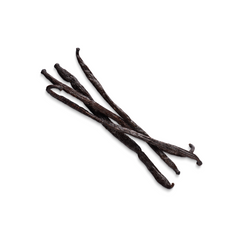
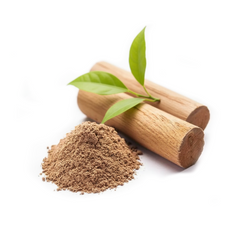
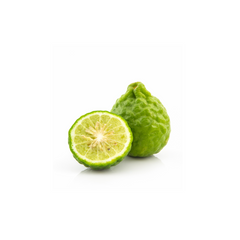
A balanced Turkey Red Rose accord typically includes Turkey Red Rose absolute (30-35%) for its rich floral and honeyed facets, complemented by Bergamot (15-20%) to provide fresh citrus brightness that lifts the accord. Sandalwood (25-30%) adds creamy, woody depth and enhances longevity, while Vanilla (20-25%) softens the metallic and spicy edges through its vanillin content, creating a smooth, warm finish. This combination leverages molecular synergy between damascenone in rose and vanillin in vanilla for olfactory masking and harmony.

35%

Turkey Red Rose Absolute

30–35% of blend

Provides the core rich, honeyed, and spicy floral character with complex aromatic molecules like phenyl ethyl alcohol and beta-damascenone.

20%

Bergamot

15–20% of blend

Adds fresh, citrusy top notes that brighten and lift the rose accord through limonene and linalyl acetate.

30%

Sandalwood

25–30% of blend

Contributes creamy, woody depth and fixative properties with alpha- and beta-santalol molecules enhancing longevity.

25%

Vanilla

20–25% of blend

Softens the rose’s metallic and spicy facets via vanillin, providing warmth and olfactory masking for a smooth finish.

The Olfactory Layers

How Turkey Red Rose Evolves on Skin

Turkey Red Rose perfumes typically unfold with fresh, citrusy top notes that evaporate within 15 minutes, revealing a rich floral heart dominated by rose absolute molecules like phenyl ethyl alcohol and beta-damascenone. The heart phase lasts up to an hour, where the honeyed and spicy facets emerge. Base notes of sandalwood, vanilla, and musk provide long-lasting warmth and depth, persisting for several hours due to their lower volatility.

I
Top notes
0–15 min
Bright Citrus Sparkle

Bright citrus molecules such as limonene and linalyl acetate from bergamot or other citrus notes provide an initial fresh and sparkling impression. These high-volatility compounds evaporate quickly, setting a clean stage for the rose heart.

FreshCitrusySparkling
II
Heart notes
20–60 min
Rich Honeyed Floral

The heart is dominated by Turkey Red Rose absolute, with phenyl ethyl alcohol and beta-damascenone delivering rich, honeyed, and slightly spicy floral aromas. This phase is the olfactory core, where the rose’s complexity and depth are most perceptible.

FloralHoneyedSpicy
III
Base notes
Several hours
Warm Woody Creaminess

Woody and creamy molecules from sandalwood (alpha- and beta-santalol), vanilla (vanillin), and musk provide a warm, smooth, and lingering foundation. These low-volatility compounds ensure longevity and a soft sillage.

WoodyCreamyWarm
TOP NOTES Bright Citrus Sparkle 0–15 minutes HEART NOTES Rich Honeyed Floral 20–60 minutes BASE NOTES Warm Woody Creaminess Several hours
Through the Ages

The Story of Turkey Red Rose in Perfumery

Turkey Red Rose's history in perfumery spans centuries, from its introduction to Turkey in the late 19th century to its modern use in luxury fragrances. Key milestones highlight its cultivation, extraction advancements, and global recognition.

17th Century

Rose Cultivation in Ottoman Turkey

Evidence shows rose cultivation for rose water production in European Turkey during the 17th century, marking early use of Damask rose in perfumery and cosmetics.

1894

Introduction of Damask Rose to Turkey

A farmer introduced Rosa damascena to Turkey from Bulgaria, initiating rose water production that led to Turkey becoming a major rose oil producer.

Early 20th Century

Establishment of Turkey's Rose Industry

The Turkish government supported rose cultivation and production, creating the Anatolian 'rose triangle' in Isparta and Burdur provinces.

1934

Modernization of Rose Oil Production

Traditional cottage industries were replaced by modern factories employing stainless steel stills and controlled distillation processes.

2000s–Present

Global Recognition and Luxury Use

Turkey Red Rose oil became a prized ingredient in niche and designer perfumery worldwide, featured in iconic fragrances and commanding premium prices.

The Art of Layering

How to Layer Turkey Red Rose

Understanding how to layer Turkey Red Rose involves molecular compatibility and olfactory masking. Layering can enhance or soften facets of the rose note, creating personalized scent experiences.

01

Enhance Sweetness

Layer Turkey Red Rose with vanilla or tonka bean to amplify the honeyed facets via vanillin and coumarin molecules, which mask metallic edges and create a smooth, warm effect. This is exemplified in Montale’s Ristretto Intense Café.

02

Add Depth

Combine Turkey Red Rose with patchouli and incense to introduce woody and smoky undertones. Beta-caryophyllene in patchouli complements the rose’s spicy notes, adding complexity as seen in Tom Ford’s Rose Prick.

03

Lighten the Glow

Pair Turkey Red Rose with citrus notes like bergamot or mandarin. Limonene and linalyl acetate brighten the accord, reducing heaviness and enhancing freshness, a technique used in Chanel Coco Mademoiselle.

Wear It Right

How to Wear Turkey Red Rose Like a Pro

Seasonal Guide

Fall & Winter

Cooler temperatures slow evaporation, allowing Turkey Red Rose’s honeyed and woody base notes to emerge fully. Apply more liberally for richer sillage and warmth.

Spring

Moderate temperatures highlight the rose’s fresh and floral heart. Layer with light citrus or green notes to enhance brightness and freshness.

Summer

Heat increases volatility, emphasizing citrus top notes and reducing longevity. Use lighter application or oil formats to maintain a subtle, fresh rose presence.

Year-Round Tip

Adjust layering and application based on temperature and occasion, pairing Turkey Red Rose with complementary notes like vanilla or musk to balance diffusion and depth.

Application Points

Strategic application of Turkey Red Rose enhances its olfactory impact by leveraging pulse points and hair for heat and diffusion.

1

Neck

Pulse points at the neck provide warmth that activates volatile rose molecules, enhancing projection and scent evolution.

2

Behind the Ears

This area offers subtle heat and proximity to the nose, allowing intimate scent release without overwhelming.

3

Inner Wrists

Wrists generate heat and movement, promoting dynamic scent diffusion of the rose’s floral heart.

4

Hair

Hair holds fragrance longer and releases it gradually with movement, ideal for sustained Turkey Red Rose presence.

★

Pro Tip

Moisturize skin before application to increase scent longevity and smooth scent transition phases.

Mood Architecture™

Top Turkey Red Rose Fragrances by Mood Score

These Turkey Red Rose-based fragrances scored highest on the MEI™ Mood Architecture Framework — measuring how a scent may influence your emotional state.

Highest MEI Score
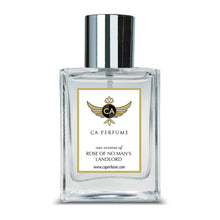
Rose Of No Man's Landlord — Rose Of No Man's Land Alternative Cologne
5.6
MEI™
Primary Fresh
Secondary Romantic
Confidence
5.2
Presence
5.55
Mood Lift
6.38
Identity
5.9
Warmth
5.65
Social Ease
5.88
Energy
2.1
" I am radiant.
View full mood profile →
HumanSafe™

Top Turkey Red Rose Fragrances by HumanSafe™ Score

These Turkey Red Rose-based fragrances have the highest product-level HumanSafe™ scores in this ingredient collection.

Highest HumanSafe™ Score
Rose Of No Man's Landlord — Rose Of No Man's Land Alternative Cologne
A-
HumanSafe™ Score Generally Safe
Safest Evaluated Ingredients EDP
AQUA Solvent / Carrier ISS 10.0
AMBROXID Evaluated ingredient ISS 10.0
AMBROXIDE Evaluated ingredient ISS 9.0
BULNESIA SARMIENTI, EXT., ACETATE Evaluated ingredient ISS 7.0
ALCOHOL DENAT. Solvent / Carrier ISS 7.0
2,6-OCTADIEN-1-OL, 3,7-DIMETHYL-, ACETATE, (E)- Evaluated ingredient ISS 7.0
View full safety profile →
Expert Voices

What Masters Say About Turkey Red Rose

“
Turkey Red Rose absolute is prized for its rich, honeyed, and slightly spicy facets, which create a multi-dimensional floral heart note that is both elegant and deeply evocative.
CA Perfume Editorial
“
The Turkish rose oil from Isparta offers a vintage, jammy character with a subtle honey sweetness that distinguishes it from other rose oils, making it indispensable in luxury perfumery.
CA Perfume Editorial
Common Questions

Frequently Asked Questions

Answers to common questions about Turkey Red Rose in perfumery.

Turkey Red Rose in perfume smells rich and velvety with honeyed sweetness, subtle spiciness, and fruity red berry undertones. Its scent is complex due to aromatic molecules like phenyl ethyl alcohol and beta-damascenone. It often evokes the aroma of freshly harvested Damask roses from Turkey’s Isparta region, providing a warm floral heart note in many fragrances.

Turkey Red Rose is primarily used as a heart note in fragrances. It develops after the initial top notes evaporate, offering a rich floral character that lasts through the mid-phase of the scent’s evolution. Its complexity and depth make it unsuitable as a fleeting top note or a heavy base note.

Turkey Red Rose is favored in niche perfumery for its authentic, multi-faceted floral profile that natural rose absolutes provide. Its rich honeyed and spicy nuances add depth and complexity, distinguishing niche fragrances from mass-market rose scents. Additionally, its cultural heritage and labor-intensive production contribute to its luxury appeal.

Turkey Red Rose fragrance uses best pair with vanilla, sandalwood, patchouli, bergamot, and musk. Vanilla’s vanillin softens the rose’s metallic edges, sandalwood adds creamy depth, patchouli introduces woody-spicy facets, bergamot provides fresh citrus lift, and musk enhances warmth and longevity.

Turkey Red Rose perfumes can be worn in summer, but heat increases volatility, emphasizing citrus and lighter floral notes while reducing longevity. Lighter formulations or oil-based versions are recommended for hot weather to maintain a fresh yet subtle rose presence without overwhelming sillage.

Turkey Red Rose fragrances typically last 5 to 7 hours, depending on concentration and formulation. Parfum and Eau de Parfum formats showcase the rose’s depth and longevity best, while Eau de Toilette versions may last shorter due to lower absolute concentrations.

Yes, layering Turkey Red Rose with complementary notes like vanilla, musk, or woody accords can enhance its warmth and complexity. Understanding how to layer Turkey Red Rose involves molecular compatibility to avoid clashes and create harmonious blends.

For beginners, fragrances like Chanel Coco Mademoiselle and Montale Ristretto Intense Café offer accessible introductions to Turkey Red Rose, balancing the note with familiar citrus and gourmand accords for an easy-to-wear rose experience.

Choosing the right Turkey Red Rose fragrance involves considering concentration, complementary notes, and occasion. CA Perfume offers options that highlight natural rose absolute or synthetic blends, with detailed descriptions to guide selection based on personal preference and skin chemistry.

Turkey Red Rose in fragrance exhibits both sweet and spicy facets. The honeyed sweetness arises from aromatic compounds like phenyl ethyl alcohol, while subtle spicy undertones come from beta-damascenone and related molecules, creating a balanced and complex rose scent.

Floral Collection

Explore Our Top Turkey Red Rose Fragrances

Discover expertly curated perfumes featuring Turkey Red Rose, showcasing its versatility across floral, gourmand, and woody compositions.

Shop all turkey red rose fragrances at CA Perfume →

Where Turkey Red Rose Comes From — Origin & Extraction

Turkey Red Rose is sourced from Rosa damascena Miller, a hybrid rose cultivated extensively in Turkey, particularly in the Isparta and Burdur provinces of southwest Anatolia. This region, known as the 'City of Roses,' produces approximately 7,000 tons of fresh roses annually, yielding about 1,600 kg of rose oil and 2,400 kg of rose concrete. The rose variety used is the 'trigintipetala,' meaning it has around 30 petals, prized for its intense fragrance with green, spicy, and red fruit nuances. Extraction is primarily conducted through water distillation using large stainless steel or copper stills. Fresh rose petals (400-500 kg) are combined with water (1,500-2,000 liters) in 3,000-liter batch stills, distilling for approximately 1.5 hours at a condenser temperature of 35°C to preserve delicate aromatic compounds. The yield of rose oil is about 0.02%, requiring 3,500-4,000 kg of fresh petals per kilogram of oil. Rose concrete is obtained via solvent extraction using n-hexane, with a higher yield of about 0.25% from fresh petals. Natural Turkish rose oil commands prices around $3,300 to $4,200 per kilogram, while rose concrete is priced between $475 and $500 per kilogram. Synthetic aroma chemicals replicating rose scent are significantly less expensive. Sustainability efforts focus on maintaining traditional harvesting methods and supporting local farming communities, with modern factories replacing cottage industries since the 1930s.

Famous Fragrances That Define Turkey Red Rose in Perfumery

Turkey Red Rose has been a defining note in several landmark fragrances over the past two decades. Montale's Ristretto Intense Café (2020), crafted by perfumer Pierre Montale, uses Turkey Red Rose as a heart note paired with coffee and roasted beans, creating a rich gourmand floral that highlights the rose's honeyed and spicy facets. Chanel's Coco Mademoiselle (2001), by Jacques Polge, features Turkey Red Rose as a refined floral heart, bridging fresh citrus top notes with a warm patchouli base. Byredo's Rose of No Man’s Land (2018) employs Turkey Red Rose to evoke romance and resilience, blending it with raspberry blossom and papyrus. Maison Francis Kurkdjian's Oud Satin Mood (2015) uses the note to add floral depth to a luxurious oud composition. Tom Ford's Rose Prick (2019) showcases Turkey Red Rose as a bold, spicy floral accent paired with patchouli and leather. These fragrances illustrate the versatility of Turkey Red Rose across fragrance families, from oriental to woody and gourmand. CA Perfume's collection reflects this lineage by offering nuanced rose accords that honor this tradition.

Natural vs Synthetic Turkey Red Rose in Perfumery

Natural Turkey Red Rose oil contains hundreds of aromatic molecules, including geraniol, citronellol, phenyl ethyl alcohol (PEA), rose oxide, beta-damascenone, and beta-ionone, which provide a complex, multi-dimensional scent profile with honeyed, spicy, and fruity facets. Synthetic perfumery replicates these effects using isolated molecules such as geraniol (CAS 106-24-1), citronellol (CAS 106-22-9), and phenyl ethyl alcohol (CAS 60-12-8), allowing precise control over the rose character, consistency, and allergen management. Natural rose oil offers depth and irregularity but is costly ($3,300–4,200/kg) and subject to batch variability. Synthetic molecules are more affordable ($50–200/kg), stable, and scalable, enabling perfumers to craft tailored rose accords with green, fruity, or tea-like nuances. Famous fragrances like Montale Ristretto Intense Café use natural Turkey Red Rose oil, while others may blend synthetics for consistency. CA Perfume employs the HumanSafe™ platform to ensure transparency and safety, balancing natural and synthetic components to optimize performance, sustainability, and skin compatibility.