Ingredient Guide · Musk, Amber, Animalic
Musk, Amber, Animalic Family · Perfumery Note

Truffle

A subterranean note with musky, umami, and mineral facets.

Truffle is a base note in perfumery, prized for its earthy, musky, and umami-rich character. Its signature aroma is recreated using 2,4-dithiapentane and dimethyl sulfide, dosed at trace levels for maximum impact.

Truffle
Ingredient Profile

Truffle

Musk, Amber, Animalic Family
Family Musk, Amber, Animalic
Note Position Base Note
Usage Level <0.1%
Key Origins Italy, France, Spain
Iconic In Black Orchid, Noir de Noir
The Ingredient

What does Truffle smell like and why is it so significant in perfumery?

Truffle, derived from the subterranean fungi of the genus Tuber, is renowned for its complex, earthy, and musky scent. The truffle scent profile is dominated by organosulfur compounds, primarily 2,4-dithiapentane (bis(methylthio)methane, CAS 1618-26-4) in white truffle and dimethyl sulfide (CAS 75-18-3) in black truffle. These molecules impart a unique aroma that is earthy, mineral, slightly animalic, and reminiscent of damp soil and umami-rich foods. Additional volatiles such as 1-octen-3-ol (mushroom alcohol) and 2-methylbutanal contribute to the overall olfactory complexity, creating a scent that is both savory and subtly sweet, with hints of garlic, musk, and wet stone. In perfumery, truffle is classified as a base note due to its low volatility and strong tenacity. It is typically used at concentrations below 0.1% of the total formula, as higher dosages can overwhelm a composition with culinary or sulfurous facets. Truffle in perfumery interacts with skin chemistry in distinctive ways: on warmer, more acidic skin, its sulfurous and musky aspects become more pronounced, while on drier or more alkaline skin, the earthy and woody nuances are accentuated. This variability makes truffle a challenging yet rewarding note for perfumers seeking to create depth and intrigue. Notable examples of truffle in perfumery include Tom Ford’s Black Orchid (2006, perfumer David Appel), where the synthetic truffle accord anchors a dark, gourmand-amber composition, and Pantheon Roma’s Dolce Passione (2016), which pairs white truffle with dark chocolate and vanilla for a decadent, layered effect. These fragrances exemplify how truffle in perfumery can function as both a dominant and supporting note, lending a signature richness and complexity.

<0.1%
Typical concentration of truffle accord in fine fragrance formulas. Higher levels can overwhelm the composition with sulfurous or culinary notes.
5–8 Hours
Average longevity of truffle-dominant fragrances in EDP or Parfum format, due to the persistence of heavy musky and balsamic molecules.
$50–200/kg
Cost of synthetic truffle aroma chemicals (2,4-dithiapentane, dimethyl sulfide) compared to $50,000+/kg for natural truffle absolute.
Origin & Extraction

Where Truffle Comes From — Origin & Extraction

Truffle’s scent is intimately tied to its terroir, with soil composition, climate, and symbiotic tree species shaping its volatile profile. Calcareous soils and seasonal rainfall in regions like Piedmont and Périgord yield truffles with heightened sulfurous and musky notes.

Truffle used in perfumery is inspired by the edible fungi of the genus Tuber, most notably Tuber melanosporum (black truffle) and Tuber magnatum (white truffle). The primary producing regions are Piedmont in Italy (notably Alba for white truffle), Périgord in France for black truffle, and Soria in Spain, with minor production in Australia. Global truffle harvests are small: annual production of black truffle is estimated at 30–50 metric tons, with white truffle even scarcer. Truffles grow symbiotically with oak, hazel, or poplar trees in calcareous soils, at depths of 5–30 cm, and are traditionally harvested using trained dogs due to their volatile aroma. Natural truffle absolute (CAS 85085-76-3) is obtained by solvent extraction (hexane or ethanol) of fresh truffle tissue, yielding a dark, viscous extract. Supercritical CO2 extraction, performed at ~30 MPa for 3 hours, is increasingly favored as it preserves heat-sensitive sulfur volatiles. However, yields are extremely low—less than 0.1% by weight—and the resulting absolute is rarely used in commercial perfumery due to cost (>$50,000/kg) and supply limitations. Most truffle notes are constructed synthetically: 2,4-dithiapentane is used for white truffle character, while dimethyl sulfide and branched aldehydes (2-methylbutanal, 3-methylbutanal) mimic black truffle. Synthetic truffle aroma chemicals cost $50–200/kg, making them vastly more accessible. Sustainability is a concern: wild truffle populations are threatened by climate change, habitat loss, and overharvesting. Synthetic reconstruction avoids pressure on natural stocks and ensures batch-to-batch consistency. The HumanSafe™ platform at CA Perfume verifies the traceability and safety of all truffle-related aroma chemicals.

IT

Italy

Piedmont’s Alba region produces the world’s most prized white truffles (Tuber magnatum), noted for their intense 2,4-dithiapentane content. The clay-marl soils and cool, humid climate yield truffles with sharp, musky, and garlic-like top notes. Italy accounts for over 60% of global white truffle harvests.

FR

France

The Périgord region in southwestern France is renowned for black truffles (Tuber melanosporum). Calcareous oak plateaus and moderate rainfall produce truffles with a rounder, earthier, and less sulfurous aroma, dominated by dimethyl sulfide. France supplies 30–40% of global black truffle production.

ES

Spain

Soria and Aragón are key Spanish truffle regions, producing both black and summer truffles. The higher altitude and drier climate result in truffles with a more subdued, nutty, and woody scent profile. Spain’s market share is growing, now representing 10–15% of European truffle output.

AU

Australia

Tasmania and Western Australia cultivate black truffles using inoculated oak plantations. The maritime climate and sandy soils yield truffles with a balanced, less pungent aroma, often used for culinary and experimental perfumery applications. Australian production is small but rising.

Chemistry

Natural vs Synthetic Truffle in Perfumery

Natural truffle extracts, such as truffle absolute (CAS 85085-76-3), are rarely used in perfumery due to extremely low yield, high cost, and instability. The extraction process often results in a material that is too sulfurous or culinary for fine fragrance. Instead, perfumers rely on synthetic molecules to recreate the truffle scent profile. The most important are 2,4-dithiapentane (CAS 1618-26-4), which imparts the characteristic white truffle aroma; dimethyl sulfide (CAS 75-18-3), which provides the earthy, vegetal core of black truffle; and 1-octen-3-ol (CAS 3391-86-4), which adds a mushroom-like nuance. 2-methylbutanal (CAS 96-17-3) and 3-methylbutanal (CAS 590-86-3) are also used to round out the nutty and musty facets. Synthetic truffle accords offer superior performance in terms of longevity, diffusion, and stability, and are dosed at trace levels (parts per million to parts per billion). The cost differential is dramatic: synthetic truffle aroma chemicals cost $50–200/kg, while natural truffle absolute can exceed $50,000/kg. Notable fragrances using synthetic truffle include Tom Ford Black Orchid and Pantheon Roma Dolce Passione. Sustainability is a key advantage of synthetics, as they avoid depleting wild truffle populations and ensure consistent quality. CA Perfume’s HumanSafe™ platform provides full transparency on the sourcing and safety of all truffle-related ingredients.

Natural
Truffle Absolute
Cost $3,000–6,000/kg
Method Solvent / CO₂
Character Complex, variable
vs
Synthetic
Safranal & Analogues
Cost $50–200/kg
Method Lab synthesis
Character Consistent, stable
Hall of Fame

Famous Fragrances That Define Truffle in Perfumery

2006
dominant note

Black Orchid

Tom Ford
by David Appel
orchidpatchoulidark chocolateincense
2007
bridge note

Noir de Noir

Tom Ford
by Harry Fremont
roseoudsaffronpatchouli
2003
accent

Rose Tonnerre

Frederic Malle
by Edouard Fléchier
rosepatchoulimusk
2016
accent

Dolce Passione

Pantheon Roma
white truffledark chocolatevanillastrawberry
2022
supporting note

Earth

Loewe
mineral notesvioletmusk

Truffle has become an emblematic note in modern perfumery, particularly in the niche and luxury segments. Tom Ford Black Orchid (2006, perfumer David Appel) is perhaps the most influential, using a synthetic truffle accord as the dark, earthy anchor for a composition featuring orchid, patchouli, and dark chocolate. Tom Ford Noir de Noir (2007) further explores truffle’s potential as a bridge note, pairing it with rose, saffron, and oud for a complex, gothic floral. Frederic Malle Rose Tonnerre (2003, Edouard Fléchier) employs a truffle accord to amplify the earthy, animalic facets of rose, creating a strikingly naturalistic effect. Pantheon Roma Dolce Passione (2016) features white truffle with dark chocolate and vanilla, showcasing truffle as a gourmand accent. Loewe Earth (2022) and Carolina Herrera Bad Boy Cobalt Parfum Electrique (2022) both use truffle to add depth and intrigue to contemporary woody-amber and aromatic compositions. These fragrances demonstrate truffle’s versatility: as a dominant note (Black Orchid), a bridge between floral and woody notes (Noir de Noir), or a supporting accent (Rose Tonnerre, Dolce Passione). CA Perfume’s collection draws inspiration from this lineage, offering truffle-centric scents that balance earthy richness with modern wearability.

The Accord

How is a captivating Truffle accord crafted?

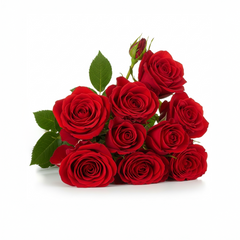
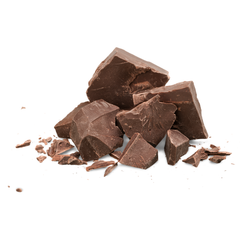
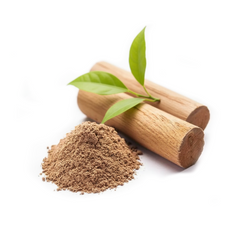
A truffle accord is constructed by blending earthy, sulfurous, and musky facets with complementary notes that balance and enhance its complexity. Typical proportions: Truffle (2–5%), Patchouli (20–25%), Rose (20–25%), Dark Chocolate (25–30%), and Benzoin (25–30%). Patchouli reinforces the earthy depth via sesquiterpenes, rose provides a floral lift through damascenone, dark chocolate introduces a bitter-sweet gourmand edge via theobromine, and benzoin softens the sulfurous aspect with balsamic vanillin.

5%

Truffle

2–5% of blend

Provides the earthy, musky, and umami-rich core via 2,4-dithiapentane and dimethyl sulfide. Used at trace levels for impact.

25%

Patchouli

20–25% of blend

Reinforces the earthy and woody depth through patchoulol and related sesquiterpenes, supporting truffle’s subterranean character.

25%

Rose

20–25% of blend

Adds floral brightness and a molecular bridge via damascenone, lifting the composition and balancing truffle’s animalic edge.

30%

Dark Chocolate

25–30% of blend

Imparts a gourmand, bitter-sweet nuance through theobromine and pyrazines, enhancing the umami and musky facets of truffle.

The Olfactory Layers

How Truffle Evolves on Skin

The olfactory evolution of truffle in perfume is marked by a slow, subterranean emergence. High-volatility sulfur compounds create an initial earthy punch, while mid-weight musky and woody molecules persist, and the drydown reveals creamy, balsamic warmth.

I
Top notes
0–15 min
Earthy Umami Burst

The opening is dominated by volatile sulfur compounds—2,4-dithiapentane and dimethyl sulfide—delivering an earthy, mineral, and slightly garlic-like impression. These molecules evaporate quickly, creating an immediate, attention-grabbing effect reminiscent of damp soil and umami.

earthymineralsulfurous
II
Heart notes
20–60 min
Musky-Mineral Depth

As the top notes dissipate, 1-octen-3-ol (mushroom alcohol) and branched aldehydes emerge, lending a musky, woody, and subtly sweet character. The truffle’s animalic and creamy facets become more pronounced, blending with patchouli and floral notes if present.

muskywoodyumami
III
Base notes
Several hours
Balsamic Warmth

The drydown is anchored by heavier molecules—musk, benzoin, and residual truffle accord—producing a warm, balsamic, and slightly animalic finish. The earthy depth lingers, softened by gourmand or resinous notes, with remarkable persistence on skin.

balsamicwarmanimalic
TOP NOTES Earthy Umami Burst 0–15 minutes HEART NOTES Musky-Mineral Depth 20–60 minutes BASE NOTES Balsamic Warmth Several hours
Through the Ages

The Story of Truffle in Perfumery

Truffle’s journey in perfumery spans from ancient culinary reverence to its modern status as a symbol of luxury and olfactory intrigue.

Antiquity

Truffle Revered in Mediterranean Cuisine

Truffles were prized by the Greeks and Romans for their intense aroma and supposed aphrodisiac properties. Ancient texts describe their use in banquets and as luxury gifts, though not yet in fragrance.

1890s

First Truffle Extracts Studied

French chemists begin analyzing truffle volatiles, identifying key sulfur compounds. Early attempts at extraction yield culinary but not perfumery-grade materials.

2003

Truffle Accord in Niche Perfumery

Frederic Malle Rose Tonnerre (Edouard Fléchier) introduces a truffle accord to amplify rose’s earthy, animalic facets, marking truffle’s entry into modern fine fragrance.

2006

Tom Ford Black Orchid Launches

David Appel’s composition for Tom Ford uses a synthetic truffle accord as a dominant base, setting a new standard for earthy-gourmand luxury in perfumery.

2016

Gourmand Truffle Accords Emerge

Pantheon Roma Dolce Passione and other niche releases explore truffle as a gourmand accent, pairing it with chocolate, vanilla, and fruit for layered complexity.

2020s

Sustainable Synthetics and Global Expansion

Widespread use of synthetic truffle aroma chemicals enables broader creative use, while Australian and Spanish truffle cultivation expands the ingredient’s global reach.

The Art of Layering

How to Layer Truffle

Understanding how to layer truffle involves molecular compatibility: truffle’s sulfurous and musky molecules interact with florals, gourmands, and woods to create unique olfactory bridges. Knowing how to layer truffle enables you to customize projection and complexity.

01

Enhance Gourmand Depth

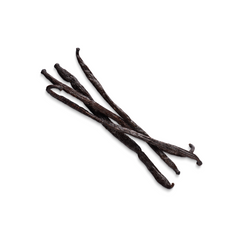
Layer truffle with vanilla or dark chocolate fragrances. The vanillin in vanilla and theobromine in chocolate mask truffle’s sulfurous edge, amplifying its creamy, umami facets. Tom Ford Black Orchid demonstrates this synergy, where truffle and chocolate create a decadent, layered effect.

02

Add Floral Brightness

Pair truffle with rose or jasmine notes. Damascenone in rose bridges the earthy-musk of truffle, resulting in a seamless heart. Frederic Malle Rose Tonnerre is a prime example, where truffle and rose create a strikingly naturalistic, earthy-floral accord.

03

Deepen Woody Complexity

Combine truffle with patchouli or oud. Patchoulol and agarwood sesquiterpenes reinforce truffle’s earthy and animalic facets, producing a rich, long-lasting base. Tom Ford Noir de Noir illustrates this, with truffle, rose, and oud forming a gothic, woody-floral structure.

Wear It Right

How to Wear Truffle Like a Pro

Seasonal Guide

Fall & Winter

Cooler temperatures suppress the volatility of truffle’s sulfur compounds, allowing the earthy and musky base to linger. Apply to pulse points under clothing to maximize warmth-driven diffusion. Truffle’s richness pairs well with spicy and gourmand notes in cold weather.

Spring

Moderate temperatures allow truffle’s complexity to unfold gradually. Pair with green or floral notes for a balanced, fresh-earth effect. Apply lightly to avoid overpowering lighter spring scents, focusing on wrists and behind the ears.

Summer

Heat increases the volatility of truffle’s top notes, intensifying the initial earthy burst but shortening longevity. Layer with citrus or aquatic notes for a fresher profile, and apply sparingly to avoid overwhelming sillage in humid conditions.

Year-Round Tip

Adjust application based on climate and personal skin chemistry. In dry environments, moisturize skin before applying to enhance projection. In humid climates, use lower concentrations to prevent the truffle note from becoming too dominant.

Application Points

Strategic application of truffle fragrances maximizes their complexity and longevity.

1

Neck

Pulse points on the neck generate heat, accelerating the diffusion of truffle’s top notes and enhancing projection. Ideal for showcasing the earthy burst.

2

Behind the Ears

This area remains slightly cooler, allowing the musky and balsamic heart of truffle to develop gradually and linger throughout the day.

3

Inner Wrists

Frequent movement and warmth at the wrists help release truffle’s volatile compounds, providing a dynamic scent trail as you move.

4

Hair

Applying a small amount to hair or a hairbrush allows for slow, sustained release of truffle’s base notes, enhancing longevity and sillage.

Pro Tip

Layer truffle fragrances over unscented moisturizer to lock in volatile molecules and extend the evolution of earthy and musky facets.

Mood Architecture™

Top Truffle Fragrances by Mood Score

These Truffle-based fragrances scored highest on the MEI™ Mood Architecture Framework — measuring how a scent may influence your emotional state.

Highest MEI Score
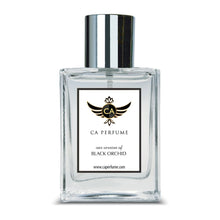
Black Orchid — Tom Ford Black Orchid Alternative Perfume
8.33
MEI™
Primary Romantic
Secondary Confident
Confidence
7.84
Presence
8.66
Mood Lift
8.87
Identity
8.98
Warmth
9.5
Social Ease
7.93
Energy
3.7
" I am beautiful.
View full mood profile →
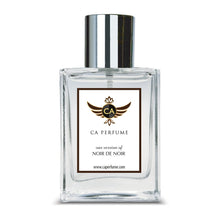
Noir De Noir — Tom Ford Noir De Noir Alternative Perfume
7.82
MEI™
Primary Confident
Secondary Romantic
Confidence
7.68
Presence
8.71
Mood Lift
7.65
Identity
8.86
Warmth
9.09
Social Ease
7.27
Energy
3.4
" I am powerful.
View full mood profile →
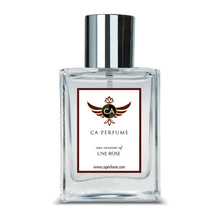
Une Rose — Frederic Malle Une Rose Alternative Perfume
7.29
MEI™
Primary Fresh
Secondary Romantic
Confidence
6.76
Presence
6.76
Mood Lift
8.24
Identity
6.95
Warmth
7.4
Social Ease
7.74
Energy
4.0
" I am radiant.
View full mood profile →
HumanSafe™

Top Truffle Fragrances by HumanSafe™ Score

These Truffle-based fragrances have the highest product-level HumanSafe™ scores in this ingredient collection.

Highest HumanSafe™ Score
Une Rose — Frederic Malle Une Rose Alternative Perfume
A-
HumanSafe™ Score Generally Safe
Safest Evaluated Ingredients EDP
AQUA Solvent / Carrier ISS 10.0
ACETIC ACID, PHENYLMETHYL ESTER Evaluated ingredient ISS 10.0
3-BUTEN-2-ONE, 4-(2,6,6-TRIMETHYL-2-CYCLOHEXEN-1- Evaluated ingredient ISS 9.0
1H-3A,7-METHANOAZULEN-6-OL, OCTAHYDRO-3,6,8,8- Evaluated ingredient ISS 9.0
CITRONELLOL Evaluated ingredient ISS 7.0
View full safety profile →
Noir De Noir — Tom Ford Noir De Noir Alternative Perfume
A-
HumanSafe™ Score Generally Safe
Safest Evaluated Ingredients EDP
AQUA Solvent / Carrier ISS 10.0
HEXYL SALICYLATE Evaluated ingredient ISS 9.0
AMBROXIDE Evaluated ingredient ISS 9.0
1,6,10-DODECATRIEN-3-OL, 3,7,11-TRIMETHYL- Evaluated ingredient ISS 8.0
View full safety profile →
Black Orchid — Tom Ford Black Orchid Alternative Perfume
A-
HumanSafe™ Score Generally Safe
Safest Evaluated Ingredients EDP
AQUA Solvent / Carrier ISS 10.0
ACETIC ACID, PHENYLMETHYL ESTER Evaluated ingredient ISS 10.0
3-CYCLOPENTENE-1-ACETALDEHYDE, 2,2,3-TRIMETHYL-, Evaluated ingredient ISS 9.0
BUTANOIC ACID, 1,1-DIMETHYL-2-PHENYLETHYL ESTER Evaluated ingredient ISS 8.0
LINALOOL Evaluated ingredient ISS 7.0
ALCOHOL DENAT. Solvent / Carrier ISS 7.0
View full safety profile →
Expert Voices

What Masters Say About Truffle

Low-cost imitation truffle oils often contain no natural truffle in them but are instead flavoured with 2-methylbutanal (musty, nutty) and dimethyl sulfide (sulphurous, vegetal) to recreate the truffle experience. Both materials can be used in scent.
Eddie Bulliqi, Fragrantica
Truffle occupies a territory no other material covers: somewhere between mushroom, wet stone, and animalic musk, with a sulfurous volatility that reads as alive rather than mineral.
CA Perfume Editorial
Common Questions

Frequently Asked Questions

Answers to common questions about truffle in perfumery, from scent profile to layering and longevity.

Truffle in perfume smells earthy, musky, and umami-rich, with sulfurous and mineral nuances. The scent is dominated by molecules like 2,4-dithiapentane and dimethyl sulfide, which create a complex aroma reminiscent of damp soil, mushrooms, and subtle garlic. In fine fragrance, truffle is used at trace levels to add depth and intrigue, as seen in Tom Ford Black Orchid and Frederic Malle Rose Tonnerre.

Truffle is classified as a base note due to its low volatility and strong tenacity. Its heavy sulfur and musky molecules persist for hours, anchoring the composition and providing a rich, earthy foundation. In most perfumes, truffle is used to add depth to the heart and base, rather than as a fleeting top note.

Truffle is favored in niche perfumery for its unique, complex scent profile and ability to create a signature earthy, umami-rich character. Its rarity and association with luxury cuisine add to its allure. Synthetic truffle accords allow perfumers to explore new olfactory territory, offering depth and intrigue not found in more conventional notes.

Truffle fragrance uses often involve pairing with patchouli, rose, dark chocolate, vanilla, and oud. These notes complement truffle’s earthy, musky, and umami facets, creating balanced compositions. For example, Tom Ford Noir de Noir pairs truffle with rose and oud, while Pantheon Roma Dolce Passione combines truffle with chocolate and vanilla.

Truffle can be worn in summer if blended with lighter notes like citrus or green florals, which balance its earthy richness. However, high temperatures increase the volatility of truffle’s sulfur compounds, making the scent more intense but potentially shorter-lived. Apply sparingly and layer with fresher notes for optimal summer wear.

Truffle-dominant fragrances in EDP or Parfum format typically last 5–8 hours on skin, thanks to the persistence of heavy musky and balsamic molecules. Longevity can vary with skin chemistry, concentration, and environmental conditions.

Yes, truffle can be layered with florals, gourmands, or woody scents to create unique effects. For example, pairing truffle with vanilla or dark chocolate enhances its creamy, umami facets, while rose or jasmine adds floral brightness. Layering allows you to customize projection and complexity based on personal preference.

Tom Ford Black Orchid is the most accessible and widely recognized truffle fragrance, offering a balanced blend of earthy, floral, and gourmand notes. Pantheon Roma Dolce Passione and Frederic Malle Rose Tonnerre are also excellent introductions, each showcasing a different facet of truffle’s complexity.

Explore CA Perfume’s truffle collection by considering your preferred fragrance family (gourmand, floral, woody) and desired intensity. Sample different truffle-centric scents to experience how the note interacts with your skin chemistry and personal style.

Truffle is primarily earthy and musky, with umami-rich and mineral nuances. However, when paired with gourmand notes like chocolate or vanilla, it can acquire a subtle sweetness. The balance depends on the composition and concentration of complementary ingredients.

Musk, Amber, Animalic Collection

Explore Our Top Truffle Fragrances

Discover CA Perfume’s most popular truffle-centric scents, each showcasing the earthy, musky, and umami-rich character of this unique ingredient.

Shop all truffle fragrances at CA Perfume →

Where Truffle Comes From — Origin & Extraction

Truffle used in perfumery is inspired by the edible fungi of the genus Tuber, most notably Tuber melanosporum (black truffle) and Tuber magnatum (white truffle). The primary producing regions are Piedmont in Italy (notably Alba for white truffle), Périgord in France for black truffle, and Soria in Spain, with minor production in Australia. Global truffle harvests are small: annual production of black truffle is estimated at 30–50 metric tons, with white truffle even scarcer. Truffles grow symbiotically with oak, hazel, or poplar trees in calcareous soils, at depths of 5–30 cm, and are traditionally harvested using trained dogs due to their volatile aroma. Natural truffle absolute (CAS 85085-76-3) is obtained by solvent extraction (hexane or ethanol) of fresh truffle tissue, yielding a dark, viscous extract. Supercritical CO2 extraction, performed at ~30 MPa for 3 hours, is increasingly favored as it preserves heat-sensitive sulfur volatiles. However, yields are extremely low—less than 0.1% by weight—and the resulting absolute is rarely used in commercial perfumery due to cost (>$50,000/kg) and supply limitations. Most truffle notes are constructed synthetically: 2,4-dithiapentane is used for white truffle character, while dimethyl sulfide and branched aldehydes (2-methylbutanal, 3-methylbutanal) mimic black truffle. Synthetic truffle aroma chemicals cost $50–200/kg, making them vastly more accessible. Sustainability is a concern: wild truffle populations are threatened by climate change, habitat loss, and overharvesting. Synthetic reconstruction avoids pressure on natural stocks and ensures batch-to-batch consistency. The HumanSafe™ platform at CA Perfume verifies the traceability and safety of all truffle-related aroma chemicals.

Famous Fragrances That Define Truffle in Perfumery

Truffle has become an emblematic note in modern perfumery, particularly in the niche and luxury segments. Tom Ford Black Orchid (2006, perfumer David Appel) is perhaps the most influential, using a synthetic truffle accord as the dark, earthy anchor for a composition featuring orchid, patchouli, and dark chocolate. Tom Ford Noir de Noir (2007) further explores truffle’s potential as a bridge note, pairing it with rose, saffron, and oud for a complex, gothic floral. Frederic Malle Rose Tonnerre (2003, Edouard Fléchier) employs a truffle accord to amplify the earthy, animalic facets of rose, creating a strikingly naturalistic effect. Pantheon Roma Dolce Passione (2016) features white truffle with dark chocolate and vanilla, showcasing truffle as a gourmand accent. Loewe Earth (2022) and Carolina Herrera Bad Boy Cobalt Parfum Electrique (2022) both use truffle to add depth and intrigue to contemporary woody-amber and aromatic compositions. These fragrances demonstrate truffle’s versatility: as a dominant note (Black Orchid), a bridge between floral and woody notes (Noir de Noir), or a supporting accent (Rose Tonnerre, Dolce Passione). CA Perfume’s collection draws inspiration from this lineage, offering truffle-centric scents that balance earthy richness with modern wearability.

Natural vs Synthetic Truffle in Perfumery

Natural truffle extracts, such as truffle absolute (CAS 85085-76-3), are rarely used in perfumery due to extremely low yield, high cost, and instability. The extraction process often results in a material that is too sulfurous or culinary for fine fragrance. Instead, perfumers rely on synthetic molecules to recreate the truffle scent profile. The most important are 2,4-dithiapentane (CAS 1618-26-4), which imparts the characteristic white truffle aroma; dimethyl sulfide (CAS 75-18-3), which provides the earthy, vegetal core of black truffle; and 1-octen-3-ol (CAS 3391-86-4), which adds a mushroom-like nuance. 2-methylbutanal (CAS 96-17-3) and 3-methylbutanal (CAS 590-86-3) are also used to round out the nutty and musty facets. Synthetic truffle accords offer superior performance in terms of longevity, diffusion, and stability, and are dosed at trace levels (parts per million to parts per billion). The cost differential is dramatic: synthetic truffle aroma chemicals cost $50–200/kg, while natural truffle absolute can exceed $50,000/kg. Notable fragrances using synthetic truffle include Tom Ford Black Orchid and Pantheon Roma Dolce Passione. Sustainability is a key advantage of synthetics, as they avoid depleting wild truffle populations and ensure consistent quality. CA Perfume’s HumanSafe™ platform provides full transparency on the sourcing and safety of all truffle-related ingredients.