Ingredient Guide · Sweets and Gourmand Smells
Sweets and Gourmand Smells Family · Perfumery Note

Dark Chocolate

Rich, complex, and deeply indulgent scent journey

Dark Chocolate in perfumery is a gourmand heart or base note characterized by bitter, woody, and roasted cocoa facets. Key molecules include vanillin and isobutyl phenylacetate, typically used at 0.1–0.5% concentration.

Dark Chocolate
Ingredient Profile

Dark Chocolate

Sweets and Gourmand Smells Family
Family Sweets and Gourmand Smells
Note Position Heart Note
Usage Level 0.1–0.5%
Key Origins Ivory Coast, Ghana, Indonesia (Sulawesi)
Iconic In Black Phantom, Black Orchid Reserve
The Ingredient

What does Dark Chocolate smell like and how is it used in perfumery?

Dark Chocolate in perfumery is a complex gourmand note derived primarily from the cacao bean (Theobroma cacao). Its scent profile is defined by a balance of bitterness and warmth, with woody dryness, a gentle burnt edge, and subtle nuances of espresso and dried fruit. Chemically, it is characterized by molecules such as vanillin (a phenolic aldehyde responsible for creamy sweetness) and isobutyl phenylacetate, which imparts waxy, musky, and honeyed cocoa facets. Typically classified as a heart or base note, dark chocolate is used at concentrations ranging from 0.1% to 0.5% in fine perfumery. It interacts with skin chemistry by deepening amber and patchouli accords, and lending a tactile, velvety texture to florals like rose, jasmine, and tuberose. The note’s bitterness and dryness can modulate the overall warmth and sweetness of a fragrance. Notable perfumes featuring dark chocolate include Kilian's Black Phantom (2015), where it serves as a dominant gourmand note paired with rum and coffee, and Tom Ford's Black Orchid Reserve (2020), which uses dark chocolate as an accent to deepen the floral and woody composition.

0.1–0.5%
Typical concentration range of dark chocolate absolute in fine fragrance formulations to balance intensity and safety.
2 million metric tons
Approximate annual cacao bean production in Ivory Coast, the largest global source impacting natural chocolate ingredient supply.
3–6k USD/kg
Estimated market price range for natural cacao absolute, reflecting its rarity and extraction complexity.
Origin & Extraction

Where Dark Chocolate Comes From — Origin & Extraction

Dark Chocolate's scent character is influenced by the cacao bean's growing conditions. Soil composition, altitude, and climate affect the bean's aromatic profile, impacting the final fragrance note.

Dark Chocolate fragrance materials originate from the cacao bean (Theobroma cacao), a tropical plant native to Central and South America. The primary producers today include Ivory Coast, Ghana, and Indonesia, which together account for over 70% of the global cacao supply, with Ivory Coast alone producing approximately 2 million metric tons annually. Extraction of chocolate fragrance materials involves solvent extraction methods such as hexane or ethanol extraction to obtain cacao absolute, as well as CO2 supercritical extraction. These methods preserve the complex aroma compounds formed during roasting, including pyrazines and aldehydes responsible for roasted, nutty, and cocoa notes. Typical yields for cacao absolute are low, approximately 0.5–1% of dry bean weight, making it a costly raw material. Synthetic aroma chemicals such as vanillin and isobutyl phenylacetate are often used to replicate or enhance the chocolate scent due to the high cost and complexity of natural extracts. Sustainability concerns focus on ethical cacao farming practices and reducing deforestation in cacao-growing regions.

CI

Ivory Coast

The largest cacao producer globally, Ivory Coast's humid tropical climate and rich volcanic soils yield beans with intense, bitter cocoa and woody notes. Annual production exceeds 2 million metric tons, with traditional hand-harvesting methods. No PDO designations exist, but quality standards are improving through certification programs.

GH

Ghana

Ghana produces about 900,000 metric tons annually. Its beans are known for balanced bitterness and mild fruity undertones due to well-drained, loamy soils and moderate rainfall. Harvesting combines manual and mechanized techniques. Ghanaian cacao is often certified for sustainable and ethical farming.

ID

Indonesia (Sulawesi)

Sulawesi region produces around 300,000 metric tons yearly. Beans have a unique earthy, woody aroma influenced by volcanic soil and tropical climate. Harvesting is predominantly manual. Indonesian cacao is prized for its robust, slightly smoky profile favored in perfumery.

Chemistry

Natural vs Synthetic Dark Chocolate in Perfumery

Natural dark chocolate fragrance materials are primarily derived from cacao absolute obtained through solvent or CO2 extraction of roasted cacao beans. These natural extracts provide a rich, complex aroma with deep balsamic, woody, and slightly animalic undertones, but are expensive and have limited supply. Synthetic molecules commonly used to replicate dark chocolate include vanillin (CAS 121-33-5), isobutyl phenylacetate (CAS 101-86-0), and ethyl maltol (CAS 4940-11-8). These synthetics offer consistent quality, greater stability, and cost-effectiveness, with prices ranging from $50 to $200 per kilogram compared to $3,000–6,000 per kilogram for natural cacao absolute. Performance-wise, synthetic molecules provide longer-lasting scent and better diffusion but may lack the full complexity of natural extracts. Famous fragrances like Kilian Black Phantom use a blend of natural and synthetic chocolate notes, while others rely solely on synthetics for economic reasons. CA Perfume employs the HumanSafe™ platform to ensure transparency and safety in sourcing both natural and synthetic chocolate ingredients, balancing sustainability with olfactory quality.

Natural
Dark Chocolate Absolute
Cost $3,000–6,000/kg
Method Solvent / CO₂
Character Complex, variable
vs
Synthetic
Safranal & Analogues
Cost $50–200/kg
Method Lab synthesis
Character Consistent, stable
Hall of Fame

Famous Fragrances That Define Dark Chocolate in Perfumery

2015
dominant note

Black Phantom

Kilian
by Sidonie Lancesseur
rumcoffeecaramel
2020
accent

Black Orchid Reserve

Tom Ford
patchouliorchidwoods
2018
supporting note

A*Men Fantasm

Jean Paul Gaultier
by Olivier Cresp
cinnamonvanillaamber
2017
accent

Boccanera

Orto Parisi
patchouliincenseresins
2015
supporting note

Pardon

Nasomatto
oudspicesdark chocolate

Dark chocolate has become a defining gourmand note in modern perfumery, used to evoke richness, depth, and sensuality. Kilian's Black Phantom (2015), crafted by perfumer Sidonie Lancesseur, features dark chocolate as a dominant note combined with rum, coffee, and caramel, creating a dark, boozy gourmand. Tom Ford's Black Orchid Reserve (2020), by Givaudan perfumers, uses dark chocolate as an accent to deepen the floral and woody accords, paired with patchouli and orchid. Jean Paul Gaultier's A*Men Fantasm (2018) by Olivier Cresp employs dark chocolate as a supporting note with cinnamon and vanilla, enhancing the spicy gourmand character. Orto Parisi's Boccanera (2017) uses dark chocolate to add a plush, velvety texture alongside patchouli and incense. Nasomatto's Pardon (2015) integrates dark chocolate with oud and spices for a rich, complex oriental. These fragrances illustrate dark chocolate's versatility, from dominant gourmand to subtle structural note. CA Perfume's collection respects this lineage by offering nuanced chocolate accords that balance gourmand sweetness with sophisticated depth.

The Accord

How is a captivating Dark Chocolate accord crafted?

A typical dark chocolate accord blend includes Dark Chocolate 30–35%, Vanilla 20–25%, Patchouli 20–25%, and Amber 15–20%. Dark Chocolate provides the bitter, roasted cocoa core through molecules like vanillin and isobutyl phenylacetate. Vanilla's vanillin complements and softens the bitterness by adding creamy sweetness. Patchouli shares earthy, balsamic compounds that enhance the accord’s depth and longevity. Amber contributes warm, resinous facets that extend the dry-down and add complexity.

35%

Dark Chocolate

30–35% of blend

Provides the bitter, roasted cocoa core with vanillin and isobutyl phenylacetate molecules.

25%

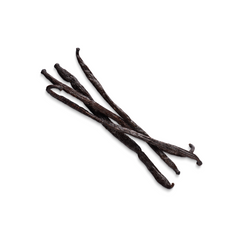
Vanilla

20–25% of blend

Softens bitterness with creamy sweetness via vanillin, creating gourmand harmony.

25%

Patchouli

20–25% of blend

Adds earthy, balsamic depth and enhances longevity through shared molecular traits.

20%

Amber

15–20% of blend

Contributes warm, resinous facets that enrich the dry-down and complexity.

The Olfactory Layers

How Dark Chocolate Evolves on Skin

Dark Chocolate fragrance evolves from an initial dry, slightly bitter cocoa impression to a warm, creamy heart and finally a rich, resinous base. Volatile aldehydes and pyrazines evaporate early, revealing deeper vanillin and balsamic molecules that provide lasting gourmand warmth.

I
Top notes
0–15 min
Bitter Cocoa Edge

The opening features volatile roasted aldehydes and pyrazines such as 2-methylpropanal and trimethylpyrazine, imparting a dry, slightly burnt cocoa aroma with subtle espresso hints. These molecules evaporate quickly, creating an initial bitter and woody impression.

BitterWoodyEspresso
II
Heart notes
20–60 min
Creamy Gourmand Warmth

The heart reveals vanillin and isobutyl phenylacetate, which provide creamy, sweet, and musky cocoa facets. This stage softens the initial bitterness and adds a velvety gourmand texture, often enriched with floral undertones like jasmine or rose.

CreamyMuskyGourmand
III
Base notes
Several hours
Warm Resinous Depth

Base notes include amber, patchouli, and labdanum, which contribute warm, resinous, and earthy depth. These molecules have low volatility, ensuring long-lasting warmth and complexity that balances the gourmand sweetness with dry, woody facets.

WarmResinousEarthy
TOP NOTES Bitter Cocoa Edge 0–15 minutes HEART NOTES Creamy Gourmand Warmth 20–60 minutes BASE NOTES Warm Resinous Depth Several hours
Through the Ages

The Story of Dark Chocolate in Perfumery

Dark Chocolate's journey in perfumery spans from early 20th-century novelty scents to modern gourmand masterpieces, reflecting evolving extraction technologies and olfactory preferences.

16th Century

Chocolate Introduced to Europe

Following the Spanish conquest of the Americas, cacao was introduced to Europe as a luxury beverage, laying the cultural foundation for its later use in perfumery.

1912

First Documented Chocolate Perfume

Parisian perfumers created early chocolate-infused fragrances, combining cacao's richness with floral notes as a daring novelty.

1980s

Rise of Gourmand Fragrances

Chocolate became a key gourmand note, popularized by niche and designer houses seeking edible, comforting scents.

2015

Launch of Kilian Black Phantom

Sidonie Lancesseur crafted a dark chocolate-dominant gourmand with rum and coffee, setting a new standard for chocolate perfumes.

2020

Tom Ford Black Orchid Reserve

This fragrance used dark chocolate as an accent to deepen floral and woody accords, demonstrating chocolate's versatility.

The Art of Layering

How to Layer Dark Chocolate

Understanding how to layer dark chocolate involves molecular compatibility and olfactory masking to enhance or balance its facets.

01

Enhance Sweetness

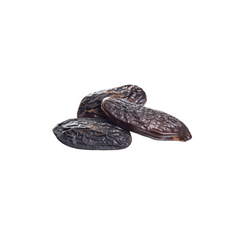
Layering dark chocolate with vanilla or tonka bean introduces vanillin and coumarin molecules that soften bitterness through olfactory masking, creating a creamy gourmand harmony. This is exemplified in Kilian’s Black Phantom.

02

Add Depth

Combining dark chocolate with patchouli and amber leverages shared earthy and balsamic compounds, enriching the accord’s complexity and longevity, as seen in Tom Ford Black Orchid Reserve.

03

Lighten the Glow

Pairing dark chocolate with citrus or green notes introduces high-volatility terpenes that brighten the composition and provide contrast, preventing heaviness. This approach is used in some gourmand spring fragrances.

Wear It Right

How to Wear Dark Chocolate Like a Pro

Seasonal Guide

Fall & Winter

Cooler temperatures slow evaporation, allowing dark chocolate's warm, resinous facets to linger longer. Apply moderately on pulse points for cozy, enveloping warmth.

Spring

Moderate heat enhances the creamy gourmand heart without overpowering. Layer with fresh florals or light woods to balance richness.

Summer

Heat increases volatility, potentially intensifying bitter top notes and reducing longevity. Use sparingly or opt for lighter formulations to avoid heaviness.

Year-Round Tip

Layer dark chocolate with citrus or green notes to brighten and freshen the accord, adapting it for diverse climates and moods.

Application Points

Strategic application enhances dark chocolate's olfactory impact and longevity.

1

Neck

Pulse points here provide warmth that activates dark chocolate’s gourmand facets, enhancing projection.

2

Behind the Ears

Ideal for subtle diffusion; warmth in this area gently releases the note throughout the day.

3

Inner Wrists

High blood flow intensifies scent release, making dark chocolate’s creamy and bitter nuances more pronounced.

4

Hair

Hair holds fragrance molecules longer, allowing a soft, lingering chocolate trail with movement.

Pro Tip

Layer dark chocolate with vanilla or patchouli on skin to create a richer, more complex gourmand experience.

Mood Architecture™

Top Dark Chocolate Fragrances by Mood Score

These Dark Chocolate-based fragrances scored highest on the MEI™ Mood Architecture Framework — measuring how a scent may influence your emotional state.

Highest MEI Score
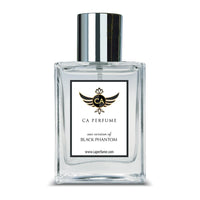
Black Phantom — By Kilian Black Phantom Alternative Perfume
6.55
MEI™
Primary Romantic
Secondary Grounding
Confidence
5.68
Presence
5.64
Mood Lift
7.56
Identity
5.74
Warmth
8.35
Social Ease
6.39
Energy
3.5
" I am beautiful.
View full mood profile →
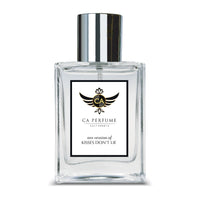
Kisses Don't Lie — By Kilian Alternative Perfume for Women
6.38
MEI™
Primary Fresh
Secondary Romantic
Confidence
5.45
Presence
5.83
Mood Lift
7.64
Identity
6.23
Warmth
6.69
Social Ease
6.94
Energy
2.5
" I am radiant.
View full mood profile →
HumanSafe™

Top Dark Chocolate Fragrances by HumanSafe™ Score

These Dark Chocolate-based fragrances have the highest product-level HumanSafe™ scores in this ingredient collection.

Highest HumanSafe™ Score
Kisses Don't Lie — By Kilian Alternative Perfume for Women
A-
HumanSafe™ Score Generally Safe
Safest Evaluated Ingredients EDP
AQUA Solvent / Carrier ISS 10.0
1,4-DIOXACYCLOHEPTADECANE-5,17-DIONE Evaluated ingredient ISS 10.0
AMBERKETAL Evaluated ingredient ISS 8.0
LINALYL ACETATE Evaluated ingredient ISS 7.0
LINALOOL Evaluated ingredient ISS 7.0
CITRONELLOL Evaluated ingredient ISS 7.0
View full safety profile →
Black Phantom — By Kilian Black Phantom Alternative Perfume
A-
HumanSafe™ Score Generally Safe
Safest Evaluated Ingredients EDP
AQUA Solvent / Carrier ISS 10.0
3-CYCLOPENTENE-1-ACETALDEHYDE, 2,2,3-TRIMETHYL-, Evaluated ingredient ISS 9.0
BUTANOIC ACID, 1,1-DIMETHYL-2-PHENYLETHYL ESTER Evaluated ingredient ISS 8.0
ALCOHOL DENAT. Solvent / Carrier ISS 7.0
2-BUTEN-1-OL, 2-ETHYL-4-(2,2,3-TRIMETHYL-3- Evaluated ingredient ISS 7.0
ETHANONE, 1-(2,3,4,7,8,8A-HEXAHYDRO-3,6,8,8- Evaluated ingredient ISS 6.6
View full safety profile →
Expert Voices

What Masters Say About Dark Chocolate

Chocolate can be summed up as a combination of Isobutyl Phenylacetate, which smells of waxy petals, slightly musky with honey and cocoa notes, and Vanillin, which provides creamy sweetness. This framework allows perfumers to create nuanced chocolate accords.
Jean-Claude Ellena, Perfumer
Dark chocolate in perfumery balances bitterness and warmth, often with woody dryness and a gentle burnt edge. It deepens amber and patchouli, giving florals a nocturnal undertone, and with resins or leather, it becomes ritualistic and sensual.
CA Perfume Editorial
Common Questions

Frequently Asked Questions

Frequently asked questions about dark chocolate in perfumery, covering scent, usage, and layering.

Dark chocolate in perfume smells bitter, woody, and rich with roasted cocoa and subtle espresso nuances. It balances gourmand sweetness with dry, slightly burnt facets, creating a complex and tactile aroma. Notable perfumes like Kilian Black Phantom showcase this note's depth and warmth.

Dark chocolate is typically used as a heart or base note in perfumery due to its low volatility and rich, lasting aroma. It provides depth and warmth that unfolds after the initial top notes evaporate.

Dark chocolate is favored in niche perfumery for its complex gourmand profile that adds richness and sensuality. Its ability to deepen accords and blend with spices, resins, and florals allows for sophisticated, layered compositions.

Dark chocolate fragrance uses complementary notes like vanilla, patchouli, amber, tonka bean, cinnamon, coffee, sandalwood, leather, and jasmine. These pairings enhance its creamy, woody, and spicy facets, creating balanced and rich accords.

Dark chocolate perfumes can be worn in summer but may feel heavy due to increased volatility intensifying bitter top notes. Lighter formulations or layering with citrus and green notes can adapt the scent for warmer climates.

Dark chocolate fragrances generally last 5–7 hours or more, especially in parfum or oil concentrations. Their molecular weight and fixative components contribute to moderate to long-lasting wear.

Yes, layering dark chocolate with florals, spices, or fresh notes can enhance complexity and balance. For example, pairing with vanilla softens bitterness, while citrus brightens the accord. Proper layering ratios depend on fragrance concentration.

Beginner-friendly dark chocolate perfumes include Kilian Black Phantom for a rich gourmand, Demeter Dark Chocolate for a straightforward cocoa scent, and Tom Ford Black Orchid Reserve for a balanced floral-woody interpretation.

Consider your preference for sweetness, bitterness, and accompanying notes. CA Perfume offers detailed scent profiles and layering advice to help select accords that match your style and occasion.

Dark chocolate in fragrance is more bitter and woody than sweet, often accompanied by subtle spicy accents like cinnamon or cardamom that add warmth without overpowering the cocoa character.

Sweets and Gourmand Smells Collection

Explore Our Top Dark Chocolate Fragrances

Discover rich, gourmand perfumes featuring dark chocolate notes, curated for depth and sophistication.

Shop all dark chocolate fragrances at CA Perfume →

Where Dark Chocolate Comes From — Origin & Extraction

Dark Chocolate fragrance materials originate from the cacao bean (Theobroma cacao), a tropical plant native to Central and South America. The primary producers today include Ivory Coast, Ghana, and Indonesia, which together account for over 70% of the global cacao supply, with Ivory Coast alone producing approximately 2 million metric tons annually. Extraction of chocolate fragrance materials involves solvent extraction methods such as hexane or ethanol extraction to obtain cacao absolute, as well as CO2 supercritical extraction. These methods preserve the complex aroma compounds formed during roasting, including pyrazines and aldehydes responsible for roasted, nutty, and cocoa notes. Typical yields for cacao absolute are low, approximately 0.5–1% of dry bean weight, making it a costly raw material. Synthetic aroma chemicals such as vanillin and isobutyl phenylacetate are often used to replicate or enhance the chocolate scent due to the high cost and complexity of natural extracts. Sustainability concerns focus on ethical cacao farming practices and reducing deforestation in cacao-growing regions.

Famous Fragrances That Define Dark Chocolate in Perfumery

Dark chocolate has become a defining gourmand note in modern perfumery, used to evoke richness, depth, and sensuality. Kilian's Black Phantom (2015), crafted by perfumer Sidonie Lancesseur, features dark chocolate as a dominant note combined with rum, coffee, and caramel, creating a dark, boozy gourmand. Tom Ford's Black Orchid Reserve (2020), by Givaudan perfumers, uses dark chocolate as an accent to deepen the floral and woody accords, paired with patchouli and orchid. Jean Paul Gaultier's A*Men Fantasm (2018) by Olivier Cresp employs dark chocolate as a supporting note with cinnamon and vanilla, enhancing the spicy gourmand character. Orto Parisi's Boccanera (2017) uses dark chocolate to add a plush, velvety texture alongside patchouli and incense. Nasomatto's Pardon (2015) integrates dark chocolate with oud and spices for a rich, complex oriental. These fragrances illustrate dark chocolate's versatility, from dominant gourmand to subtle structural note. CA Perfume's collection respects this lineage by offering nuanced chocolate accords that balance gourmand sweetness with sophisticated depth.

Natural vs Synthetic Dark Chocolate in Perfumery

Natural dark chocolate fragrance materials are primarily derived from cacao absolute obtained through solvent or CO2 extraction of roasted cacao beans. These natural extracts provide a rich, complex aroma with deep balsamic, woody, and slightly animalic undertones, but are expensive and have limited supply. Synthetic molecules commonly used to replicate dark chocolate include vanillin (CAS 121-33-5), isobutyl phenylacetate (CAS 101-86-0), and ethyl maltol (CAS 4940-11-8). These synthetics offer consistent quality, greater stability, and cost-effectiveness, with prices ranging from $50 to $200 per kilogram compared to $3,000–6,000 per kilogram for natural cacao absolute. Performance-wise, synthetic molecules provide longer-lasting scent and better diffusion but may lack the full complexity of natural extracts. Famous fragrances like Kilian Black Phantom use a blend of natural and synthetic chocolate notes, while others rely solely on synthetics for economic reasons. CA Perfume employs the HumanSafe™ platform to ensure transparency and safety in sourcing both natural and synthetic chocolate ingredients, balancing sustainability with olfactory quality.