Where Tobacco Leaf Comes From — Origin & Extraction
Tobacco leaf used in perfumery is sourced primarily from Nicotiana tabacum, a species native to the Americas but now cultivated globally. The most valued perfumery grades are derived from Virginia (flue-cured), Burley (air-cured), and Oriental (sun-cured) tobaccos. Major producing countries include the United States, Brazil, China, India, and Zimbabwe, with the U.S. and Brazil supplying significant volumes for fragrance-grade material. The extraction process begins with curing, which can involve air, flue, sun, or fire-curing methods, each imparting distinct olfactory characteristics by catalyzing enzymatic cleavage of carotenoids in the leaf.
Tobacco absolute is obtained via solvent extraction, typically using hexane to produce a concrete, followed by ethanol washing to yield the absolute. Supercritical CO2 extraction is also employed for a greener profile, preserving more of the top-note volatiles. Extraction yields are low, with approximately 1–2 kg of absolute produced from 1000 kg of cured leaf. The resulting material is a viscous, dark brown liquid with high odor strength. Natural tobacco absolute commands prices of $1,500–4,000/kg, while synthetic tobacco accords can cost as little as $50–200/kg depending on the complexity and purity of the aroma chemicals used. Sustainability concerns include land use, pesticide application, and the environmental impact of solvent extraction, though CO2 extraction offers a more eco-friendly alternative. The absolute is IFRA-compliant when used at standard levels, and contains negligible nicotine due to its low solubility in nonpolar solvents.
Famous Fragrances That Define Tobacco Leaf in Perfumery
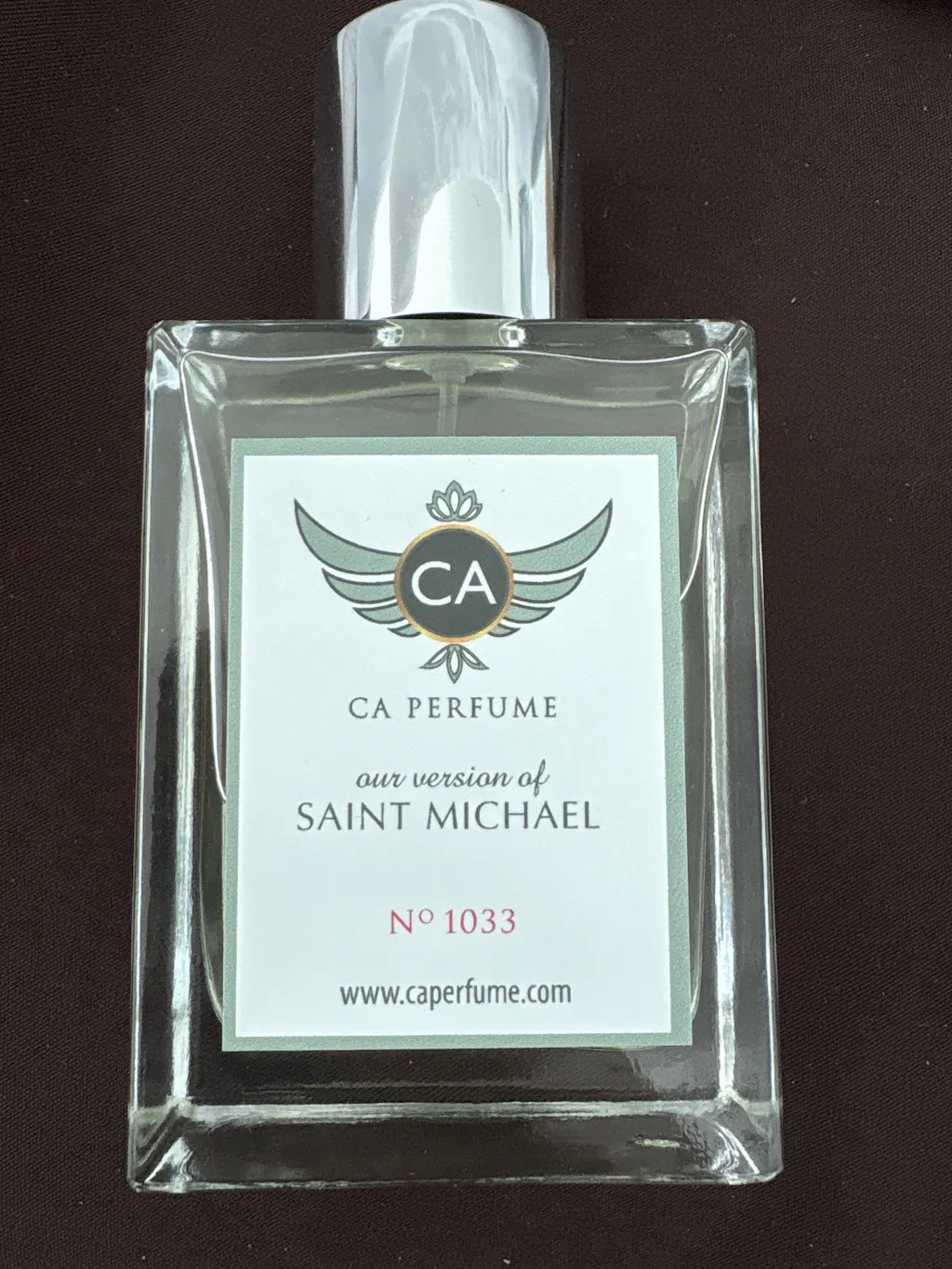
Tobacco leaf has shaped the identity of many iconic fragrances across eras and genres. In 1919, Caron Tabac Blond (Ernest Daltroff) pioneered the use of tobacco as a symbol of modernity and gender fluidity, blending it with leather and carnation. Serge Lutens Chergui (2005, Christopher Sheldrake) showcases tobacco absolute’s honeyed and spicy facets, paired with hay, iris, and amber. Tom Ford Tobacco Vanille (2007, Olivier Gillotin) redefined the note for the 21st century, combining tobacco with vanilla, dried fruits, and cacao for a gourmand, opulent effect. Maison Margiela Jazz Club (2013, Alienor Massenet) interprets tobacco leaf as smoky, woody, and subtly boozy, layered with rum and vetiver. Amouage Journey Man (2014, Pierre Negrin and Alberto Morillas) uses tobacco as a bridge between spice, leather, and incense, demonstrating its versatility in complex, modern compositions. CA Perfume’s collection draws inspiration from this lineage, offering both classic and contemporary interpretations of the tobacco leaf note.
Natural vs Synthetic Tobacco Leaf in Perfumery
Natural tobacco absolute is a chemically dense material, containing over 200 identified odorants, including megastigmatrienone (CAS 13215-88-8), β-damascenone (CAS 23726-93-4), and solanone (CAS 2278-53-7). These compounds provide the signature honeyed, hay-like, and leathery facets. Synthetic tobacco accords, on the other hand, are constructed using aroma chemicals such as 2-acetylpyrazine (CAS 22047-25-2) for nutty, roasted notes, coumarin (CAS 91-64-5) for hay sweetness, and vanillin (CAS 121-33-5) for creamy warmth. Synthetics offer greater consistency, stability, and IFRA compliance, and are widely used in commercial perfumery due to their lower cost and absence of allergens like nicotine.
Performance-wise, natural tobacco absolute provides exceptional longevity (over 400 hours on blotters) and complex evolution, while synthetics offer cleaner, more linear interpretations with enhanced diffusion. Notable fragrances such as Tom Ford Tobacco Vanille and Serge Lutens Chergui utilize natural absolute for depth, whereas Viktor&Rolf Spicebomb Extreme and Burberry London for Men rely more on synthetic accords for clarity and projection. Sustainability is a key consideration: synthetics reduce pressure on agricultural land and minimize solvent waste, while CO2-extracted natural material offers a lower-impact alternative. CA Perfume’s HumanSafe™ platform ensures full transparency regarding the source and safety of both natural and synthetic tobacco materials.