Ingredient Guide · Floral
Floral Family · Perfumery Note

Tea Rose

Experience the delicate charm of Tea Rose in perfumery

Tea Rose is a heart note in perfumery, known for its fresh, green, and floral character with rich Bulgarian and Damask rose oils. It is typically used below 5% concentration.

Tea Rose
Ingredient Profile

Tea Rose

Floral Family
Family Floral
Note Position Heart Note
Usage Level <5%
Key Origins France, Turkey, India
Iconic In Tea Rose, Eau de Parfum Tea Rose
The Ingredient

What does Tea Rose smell like and why is it cherished?

Tea Rose is a complex floral note derived from the hybrid tea rose varieties, combining soft fruity and green nuances with a lush floral heart. Its scent profile includes fresh, velvety petals with subtle herbal and fruity undertones, primarily due to aromatic compounds such as geraniol, citronellol, and phenylethyl alcohol. This creates a green rose scent that is both fresh and slightly woody, often described as a 'green rose' in perfumery. In perfumery, Tea Rose functions predominantly as a heart note, used at concentrations typically below 5%. It interacts with skin chemistry by evolving from a bright, effervescent opening to a more rounded, velvety floral presence, influenced by body heat and pH. Its moderate volatility allows it to maintain presence for 6 to 8 hours, especially when blended with fixatives like cedarwood and sandalwood. Notable fragrances featuring Tea Rose include Perfumer's Workshop Tea Rose (1977), composed by Annie Buzantian, which exemplifies the green, fresh rose character, and the Eau de Parfum Tea Rose (2014) that adds depth with Bulgarian and Damask rose oils. These fragrances demonstrate Tea Rose's versatility and enduring appeal in modern and classic perfumery.

<5%
Typical concentration of Tea Rose absolute in fragrance formulations, balancing impact and subtlety.
6–8 Hours
Average longevity of Tea Rose fragrances on skin, influenced by formulation and environmental factors.
55–60 million
Estimated number of Tea Rose bottles sold worldwide since its launch, reflecting its enduring popularity.
Origin & Extraction

Where Tea Rose Comes From — Origin & Extraction

Tea Rose cultivation spans France, Turkey, and India, each region imparting unique olfactory nuances due to soil, climate, and harvesting methods. These geographic factors influence the aromatic profile, from the fresh, green facets of Turkish roses to the rich, velvety character of French varieties.

Tea Rose originates from hybrid tea rose varieties, first cultivated in China and later developed extensively in Europe and India. Key producing countries include France, Turkey (notably the Isparta region), and India, each contributing unique aromatic profiles due to soil composition, climate, and cultivation methods. France is renowned for its skilled cultivation enhancing the delicate floral signature, Turkey provides traditional rose oils with a rich history in perfumery, and India integrates Tea Rose into luxurious scent compositions. Extraction methods primarily involve solvent extraction and supercritical CO2 extraction to obtain rose absolute and essential oils. These processes preserve the delicate aromatic compounds such as geraniol, citronellol, and phenylethyl alcohol, with yields typically low due to the labor-intensive harvesting of rose petals. The natural Tea Rose absolute costs approximately $3,000 to $6,000 per kilogram, reflecting the complexity and care required. Synthetic substitutes include aroma chemicals like phenylethyl alcohol (CAS 60-12-8) and beta-damascenone, which offer consistency and cost-effectiveness at $50 to $200 per kilogram. Sustainability considerations focus on reducing overharvesting and adopting eco-friendly extraction technologies to maintain supply and quality.

FR

France

French Tea Roses are cultivated in temperate regions with well-drained, calcareous soils. The climate allows slow petal maturation, enhancing aromatic complexity. France holds a significant market share in premium rose oil production, with PDO standards ensuring quality.

TR

Turkey

Turkey's Isparta region is famed for rose cultivation, with sandy loam soils and a Mediterranean climate. Traditional hand-harvesting at dawn preserves delicate aromas. Turkey accounts for a substantial portion of global rose oil exports.

IN

India

Indian Tea Roses are grown in regions with warm, humid climates and diverse soil types. Meticulous harvesting and integration into luxury perfumery highlight India's role in the global rose market.

Chemistry

Natural vs Synthetic Tea Rose in Perfumery

Natural Tea Rose absolute is extracted from rose petals using solvent or supercritical CO2 extraction, containing hundreds of aromatic molecules including geraniol, citronellol, and phenylethyl alcohol. It offers a complex, variable scent with rich green and floral nuances but is costly and sensitive to environmental factors. Synthetic alternatives use isolated aroma chemicals such as phenylethyl alcohol (CAS 60-12-8), beta-damascenone (CAS 23726-93-4), and rose oxide (CAS 4311-70-0) to recreate the rose scent with greater consistency, stability, and lower cost. Synthetic molecules allow perfumers precise control over the rose character, enabling the creation of green, fruity, or tea rose variations. Performance-wise, synthetics often provide longer longevity and projection, while natural absolutes offer a more nuanced and authentic experience. Famous fragrances like Perfumer's Workshop Tea Rose use natural absolutes, whereas modern niche and designer perfumes may blend both. Sustainability and supply chain transparency are critical; synthetic molecules reduce pressure on natural resources. CA Perfume employs the HumanSafe™ platform to ensure ingredient safety and ethical sourcing.

Natural
Tea Rose Absolute
Cost $3,000–6,000/kg
Method Solvent / CO₂
Character Complex, variable
vs
Synthetic
Safranal & Analogues
Cost $50–200/kg
Method Lab synthesis
Character Consistent, stable
Hall of Fame

Famous Fragrances That Define Tea Rose in Perfumery

1977
dominant note

Tea Rose

Perfumer's Workshop
by Annie Buzantian
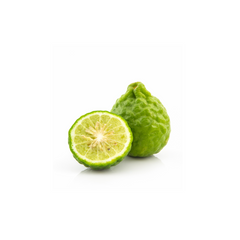
bergamotlilytuberosecedarsandalwood
2014
dominant note

Eau de Parfum Tea Rose

Perfumer's Workshop
Bulgarian roseDamask roseviolet leafcedar
—
heart note

Red Roses

Jo Malone
lemongeraniumhoney
—
heart note

Rosy Tea Garden

Lush Essence
white tearose absoluteamber
—
accent note

Chasing Sunsets

Maison Martin Margiela
mangojasminetea rose

Tea Rose has been a defining floral note in perfumery since the early 1970s. Perfumer's Workshop Tea Rose (1977), composed by Annie Buzantian, is a landmark fragrance that captures the green, fresh essence of the tea rose with supporting notes of bergamot, lily, tuberose, cedar, and sandalwood. It became a cult classic and was favored by celebrities like Princess Diana and Nicole Kidman. The 2014 Eau de Parfum Tea Rose by the same house deepens the note with Bulgarian and Damask rose oils, violet leaves, and cedar, offering a richer, longer-lasting experience. Other notable fragrances incorporating Tea Rose include Jo Malone Red Roses, known for its fresh and natural rose accord, and niche creations like Rosy Tea Garden by Lush Essence, which blends white tea and rose absolute. These fragrances illustrate Tea Rose's versatility as a heart note, bridging fresh florals with woody and musky bases. CA Perfume's collection honors this lineage by offering nuanced rose compositions that reflect Tea Rose's timeless appeal.

The Accord

How is a captivating Tea Rose accord crafted?

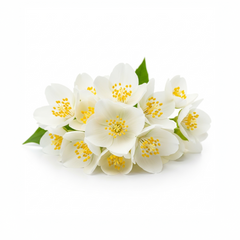
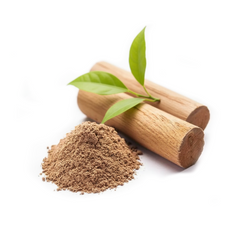
A balanced Tea Rose accord blends Tea Rose absolute (30-35%) with jasmine (15-20%) to enhance floral richness and complexity. Bergamot (10-15%) adds a fresh, citrusy brightness that lifts the accord. Sandalwood (25-30%) provides a creamy, woody base that anchors the floral notes and extends longevity. Each ingredient is chosen for its molecular harmony: jasmine shares indole compounds with rose for depth; bergamot's limonene complements the green facets; sandalwood's alpha-santalol stabilizes volatile florals.

35%

Tea Rose Absolute

30–35% of blend

The core floral note, rich in geraniol and phenylethyl alcohol, providing the fresh, green rose character.

20%

Jasmine

15–20% of blend

Adds sensual depth through shared indole compounds, enhancing the floral complexity.

15%

Bergamot

10–15% of blend

Contributes citrusy brightness via limonene, balancing the floral sweetness.

30%

Sandalwood

25–30% of blend

Provides a creamy, woody base with alpha-santalol, stabilizing the volatile floral molecules.

The Olfactory Layers

How Tea Rose Evolves on Skin

Tea Rose fragrances evolve from a fresh, green floral opening dominated by volatile monoterpenes and aldehydes in the first 15 minutes, transitioning to a rich floral heart where phenylethyl alcohol and geraniol provide depth over 20 to 60 minutes. The base notes, including cedarwood and sandalwood, emerge after several hours, offering woody and musky fixatives that prolong the scent's presence.

I
Top notes
0–15 min
Bright Green Citrus

The initial impression features bright, citrusy bergamot and green facets from aldehydes and monoterpenes. These high-volatility compounds evaporate quickly, creating a fresh and uplifting opening.

FreshGreenCitrusy
II
Heart notes
20–60 min
Velvety Floral Heart

The heart reveals the Tea Rose's lush floral character, dominated by phenylethyl alcohol and geraniol. These molecules provide a velvety, slightly fruity rose scent with subtle herbal undertones.

FloralVelvetyFruity
III
Base notes
Several hours
Warm Woody Base

Woody and musky notes from cedarwood, sandalwood, and amber stabilize the fragrance, extending longevity and adding warmth and depth to the floral heart.

WoodyMuskyWarm
TOP NOTES Bright Green Citrus 0–15 minutes HEART NOTES Velvety Floral Heart 20–60 minutes BASE NOTES Warm Woody Base Several hours
Through the Ages

The Story of Tea Rose in Perfumery

Tea Rose's history in perfumery spans from early 1970s bespoke blends to modern niche classics, marking milestones in rose fragrance development and cultural impact.

1972

Creation of Tea Rose

Annie Buzantian composes Tea Rose for Perfumer's Workshop, pioneering niche rose soliflore fragrances with a green, fresh character.

1977

Launch of Tea Rose Eau de Toilette

Perfumer's Workshop releases Tea Rose EDT, gaining popularity for its realistic rose scent and accessible price point.

1980s

Celebrity Endorsements

Tea Rose becomes favored by Princess Diana and Nicole Kidman, cementing its status as a classic rose fragrance.

2014

Release of Eau de Parfum Tea Rose

Perfumer's Workshop introduces a richer EDP version with enhanced Bulgarian and Damask rose oils for greater depth.

2020s

Modern Reappraisal

Tea Rose is recognized as a foundational green rose note influencing contemporary perfumery and layering trends.

The Art of Layering

How to Layer Tea Rose

Understanding how to layer Tea Rose involves molecular compatibility and olfactory synergy. Layering enhances or modulates Tea Rose's green and floral facets without overwhelming its delicate character.

01

Enhance Sweetness

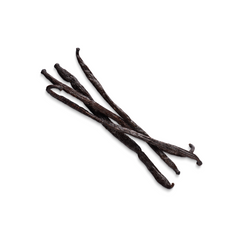
Pair Tea Rose with vanilla to soften its green edges. Vanillin masks metallic notes through olfactory masking, creating a warm, sweet floral blend. This combination is exemplified in Kayali Vanilla | 28 layered with rose accords.

02

Add Depth

Layer with sandalwood to introduce creamy, woody alpha-santalol, which stabilizes volatile rose molecules and extends longevity. This technique is used in Rosy Tea Garden by Lush Essence.

03

Lighten the Glow

Combine Tea Rose with bergamot or green tea notes to brighten the floral heart via limonene and catechins, producing a fresh, airy effect. Perfumer's Workshop Tea Rose often pairs with bergamot for this reason.

Wear It Right

How to Wear Tea Rose Like a Pro

Seasonal Guide

Fall & Winter

Cooler temperatures slow evaporation, allowing Tea Rose's woody base notes to shine. Apply more generously for lasting warmth and depth.

Spring

Mild weather highlights the fresh floral heart. Moderate application balances brightness and softness, ideal for daytime wear.

Summer

Heat increases volatility, emphasizing green and citrus top notes. Light application prevents overpowering freshness and maintains elegance.

Year-Round Tip

Layer Tea Rose with vanilla or musk in colder months for warmth, and with citrus or green tea in warmer months for freshness.

Application Points

Strategic application enhances Tea Rose's scent projection and longevity.

1

Neck

Pulse points like the neck generate heat, intensifying Tea Rose's floral heart and improving diffusion.

2

Behind the Ears

Warmth behind the ears helps release the fragrance subtly throughout the day.

3

Inner Wrists

Wrists provide a balanced evaporation surface, ideal for experiencing the full scent evolution.

4

Hair

Hair holds fragrance molecules longer, offering a gentle, lingering scent trail.

★

Pro Tip

Apply to moisturized skin to enhance scent longevity and prevent rapid evaporation.

Mood Architecture™

Top Tea Rose Fragrances by Mood Score

These Tea Rose-based fragrances scored highest on the MEI™ Mood Architecture Framework — measuring how a scent may influence your emotional state.

Highest MEI Score
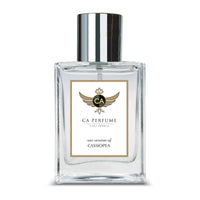
Cassiopea — Tiziana Terenzi Cassiopea Alternative Perfume
6.8
MEI™
Primary Romantic
Secondary Confident
Confidence
6.3
Presence
6.6
Mood Lift
7.3
Identity
6.57
Warmth
7.9
Social Ease
6.83
Energy
3.1
" I am beautiful.
View full mood profile →
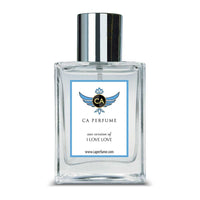
I Love Love — Moschino I Love Love Alternative Perfume
6.6
MEI™
Primary Romantic
Secondary Confident
Confidence
6.27
Presence
6.43
Mood Lift
7.05
Identity
6.4
Warmth
7.2
Social Ease
6.78
Energy
4.03
" I am beautiful.
View full mood profile →
HumanSafe™

Top Tea Rose Fragrances by HumanSafe™ Score

These Tea Rose-based fragrances have the highest product-level HumanSafe™ scores in this ingredient collection.

Highest HumanSafe™ Score
I Love Love — Moschino I Love Love Alternative Perfume
A-
HumanSafe™ Score Generally Safe
Safest Evaluated Ingredients EDP
AQUA Solvent / Carrier ISS 10.0
BENZYL SALICYLATE EYE IRRITATION - CAT.2B [H320] Evaluated ingredient ISS 9.0
2,6-OCTADIEN-1-OL, 3,7-DIMETHYL-, ACETATE, (Z)- Evaluated ingredient ISS 9.0
LINALYL ACETATE Evaluated ingredient ISS 7.0
LINALOOL Evaluated ingredient ISS 7.0
CEDROL Evaluated ingredient ISS 7.0
View full safety profile →
Cassiopea — Tiziana Terenzi Cassiopea Alternative Perfume
A-
HumanSafe™ Score Generally Safe
Safest Evaluated Ingredients EDP
AQUA Solvent / Carrier ISS 10.0
1,4-DIOXACYCLOHEPTADECANE-5,17-DIONE Evaluated ingredient ISS 10.0
BENZYL SALICYLATE Evaluated ingredient ISS 9.0
4H-INDEN-4-ONE, 1,2,3,5,6,7-HEXAHYDRO-1,1,2,3,3- Evaluated ingredient ISS 9.0
3-CYCLOPENTENE-1-ACETALDEHYDE, 2,2,3-TRIMETHYL-, Evaluated ingredient ISS 9.0
3-BUTEN-2-ONE, 3-METHYL-4-(2,6,6-TRIMETHYL-2- Evaluated ingredient ISS 8.0
View full safety profile →
Expert Voices

What Masters Say About Tea Rose

“
Tea Rose was the first fragrance signed by the great Annie Buzantian and is a rose soliflore illustrating how complex a composition must be before it can actually claim to smell of rose. Turin calls it a 'green rose'.
Luca Turin, Perfume Critic
“
Tea Rose is for strong people. Even after all these years, this fragrance surprises me when I smell it on the streets. People don't know how this kind of smell could be a fragrance, because it is actually a physical and visual place.
Donald Bauchner, Founder of Perfumer's Workshop
Common Questions

Frequently Asked Questions

Common questions about Tea Rose in perfumery answered with detailed, factual responses.

Tea Rose in perfume presents a fresh, green floral scent with velvety rose petals and subtle fruity undertones. It combines aromatic compounds like geraniol and phenylethyl alcohol to create a lush, slightly herbal rose aroma. Notable examples include Perfumer's Workshop Tea Rose and Eau de Parfum Tea Rose.

Tea Rose is primarily used as a heart note in perfumery. It provides the central floral character of a fragrance, bridging the bright top notes and the warm woody base notes. Its moderate volatility allows it to persist for several hours on the skin.

Tea Rose's complex and authentic green floral scent offers niche perfumers a versatile and distinctive rose character. Its ability to convey freshness, depth, and a naturalistic rose aroma makes it ideal for artisanal and bespoke creations seeking sophistication and nuance.

Tea Rose fragrance uses include pairing with jasmine for floral richness, bergamot for citrus brightness, sandalwood for creamy woodiness, and vanilla for sweetness. These combinations enhance Tea Rose's molecular harmony and olfactory balance.

Yes, Tea Rose is excellent for summer fragrances due to its fresh, green, and airy floral profile. Its brightness and moderate projection perform well in warm temperatures, evoking blooming gardens and uplifting moods.

Tea Rose fragrances typically last 6 to 8 hours on skin, depending on formulation and concentration. The presence of fixatives like cedarwood and sandalwood extends longevity, while natural absolutes provide a nuanced scent evolution.

Absolutely. Tea Rose can be layered with woody notes like sandalwood or cedarwood to add depth, with vanilla to soften its green edges, or with citrus notes like bergamot to brighten the floral heart. Proper layering enhances molecular synergy and scent complexity.

Perfumer's Workshop Tea Rose (1977) and Eau de Parfum Tea Rose (2014) are accessible introductions to Tea Rose's scent profile. Their balanced compositions and moderate pricing make them suitable for those new to rose soliflores.

Consider your preference for concentration, longevity, and accompanying notes. CA Perfume offers Tea Rose fragrances with detailed ingredient transparency via the HumanSafe™ platform, helping you select based on scent profile and personal skin chemistry.

Tea Rose primarily smells fresh, green, and floral rather than sweet or spicy. Its subtle fruity and herbal undertones provide complexity, but it lacks the pronounced sweetness or spiciness found in some rose variants.

Floral Collection

Explore Our Top Tea Rose Fragrances

Discover curated selections of Tea Rose perfumes showcasing fresh, green, and velvety floral notes.

Shop all tea rose fragrances at CA Perfume →

Where Tea Rose Comes From — Origin & Extraction

Tea Rose originates from hybrid tea rose varieties, first cultivated in China and later developed extensively in Europe and India. Key producing countries include France, Turkey (notably the Isparta region), and India, each contributing unique aromatic profiles due to soil composition, climate, and cultivation methods. France is renowned for its skilled cultivation enhancing the delicate floral signature, Turkey provides traditional rose oils with a rich history in perfumery, and India integrates Tea Rose into luxurious scent compositions. Extraction methods primarily involve solvent extraction and supercritical CO2 extraction to obtain rose absolute and essential oils. These processes preserve the delicate aromatic compounds such as geraniol, citronellol, and phenylethyl alcohol, with yields typically low due to the labor-intensive harvesting of rose petals. The natural Tea Rose absolute costs approximately $3,000 to $6,000 per kilogram, reflecting the complexity and care required. Synthetic substitutes include aroma chemicals like phenylethyl alcohol (CAS 60-12-8) and beta-damascenone, which offer consistency and cost-effectiveness at $50 to $200 per kilogram. Sustainability considerations focus on reducing overharvesting and adopting eco-friendly extraction technologies to maintain supply and quality.

Famous Fragrances That Define Tea Rose in Perfumery

Tea Rose has been a defining floral note in perfumery since the early 1970s. Perfumer's Workshop Tea Rose (1977), composed by Annie Buzantian, is a landmark fragrance that captures the green, fresh essence of the tea rose with supporting notes of bergamot, lily, tuberose, cedar, and sandalwood. It became a cult classic and was favored by celebrities like Princess Diana and Nicole Kidman. The 2014 Eau de Parfum Tea Rose by the same house deepens the note with Bulgarian and Damask rose oils, violet leaves, and cedar, offering a richer, longer-lasting experience. Other notable fragrances incorporating Tea Rose include Jo Malone Red Roses, known for its fresh and natural rose accord, and niche creations like Rosy Tea Garden by Lush Essence, which blends white tea and rose absolute. These fragrances illustrate Tea Rose's versatility as a heart note, bridging fresh florals with woody and musky bases. CA Perfume's collection honors this lineage by offering nuanced rose compositions that reflect Tea Rose's timeless appeal.

Natural vs Synthetic Tea Rose in Perfumery

Natural Tea Rose absolute is extracted from rose petals using solvent or supercritical CO2 extraction, containing hundreds of aromatic molecules including geraniol, citronellol, and phenylethyl alcohol. It offers a complex, variable scent with rich green and floral nuances but is costly and sensitive to environmental factors. Synthetic alternatives use isolated aroma chemicals such as phenylethyl alcohol (CAS 60-12-8), beta-damascenone (CAS 23726-93-4), and rose oxide (CAS 4311-70-0) to recreate the rose scent with greater consistency, stability, and lower cost. Synthetic molecules allow perfumers precise control over the rose character, enabling the creation of green, fruity, or tea rose variations. Performance-wise, synthetics often provide longer longevity and projection, while natural absolutes offer a more nuanced and authentic experience. Famous fragrances like Perfumer's Workshop Tea Rose use natural absolutes, whereas modern niche and designer perfumes may blend both. Sustainability and supply chain transparency are critical; synthetic molecules reduce pressure on natural resources. CA Perfume employs the HumanSafe™ platform to ensure ingredient safety and ethical sourcing.