Where Tea Leaf Comes From — Origin & Extraction
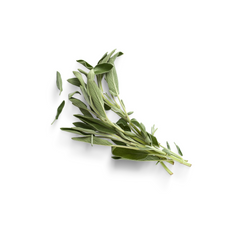
Tea leaf originates from the Camellia sinensis shrub, cultivated primarily in tropical and subtropical regions of Asia. Major producing countries include China, India, Japan, and Sri Lanka, with China accounting for approximately 40% of global tea production, India about 30%, and Japan and Sri Lanka contributing significant shares. Each region imparts distinctive aromatic qualities to the tea leaves due to differences in terroir, including soil composition, altitude, and climate.
Extraction of tea leaf aroma for perfumery involves several methods. Steam distillation is commonly used, where live steam passes through fresh or dried leaves at controlled temperatures (typically below 100°C) to capture volatile aromatic compounds without degradation. Solvent extraction using ethanol or hexane is also employed to obtain absolutes and concretes, which preserve more of the leaf's complex scent profile but require careful removal of solvents. Supercritical CO2 extraction is an emerging technique offering high purity and yield.
Natural tea leaf extracts are costly, with prices ranging from $2,000 to $5,000 per kilogram, depending on quality and extraction method. Synthetic aroma chemicals mimicking tea leaf notes, such as cis-3-hexenol and linalool, are more affordable, costing around $50–200 per kilogram. Sustainability considerations include ethical sourcing from small family-run gardens and minimizing environmental impact through responsible farming and extraction practices.
Famous Fragrances That Define Tea Leaf in Perfumery
Tea leaf has inspired numerous iconic fragrances that showcase its fresh, green, and calming qualities. In 1993, Jean-Claude Ellena crafted Bvlgari Eau Parfumée au Thé Vert, a unisex cologne blending green tea accord with bergamot and beeswax, paying homage to Japanese tea culture. Elizabeth Arden's Green Tea (1999) is a classic feminine eau de parfum that highlights tea leaf's invigorating freshness alongside citrus and herbal notes.
Le Labo's Thé Noir 29 (2011), perfumer Frank Voelkl, presents a smoky black tea accord combined with bergamot, fig, and tobacco, offering a rich, complex tea experience. Vilhelm Parfumerie's Dear Polly (2018), by Johan Bergelin, captures the essence of Ceylon black tea with a smooth, comforting aroma. Nishane's Wulong Cha (2020) features a crisp lychee oolong tea note paired with floral and woody accords, delivering a sophisticated tea scent.
These fragrances demonstrate tea leaf's versatility across gender and olfactory families, from fresh and light to deep and smoky. CA Perfume's collection draws inspiration from this lineage, emphasizing tea leaf's clarity and serenity in modern compositions.
Natural vs Synthetic Tea Leaf in Perfumery
Natural tea leaf extracts are obtained from Camellia sinensis leaves through steam distillation, solvent extraction, or supercritical CO2 extraction. These extracts contain a complex mixture of volatile compounds such as hexanal, cis-3-hexenol (CAS 928-96-1), linalool (CAS 78-70-6), and geraniol (CAS 106-24-1), which contribute to the fresh, green, and slightly earthy scent profile. Natural extracts offer authenticity and subtle complexity but can vary between harvests and have limited stability.
Synthetic substitutes include aroma chemicals like cis-3-hexenol, linalool, and hexyl cinnamic aldehyde (CAS 101-86-0), which replicate the green, floral, and slightly citrusy facets of tea leaf. Synthetics provide greater consistency, longevity, and diffusion, often at a fraction of the cost of natural extracts. For example, cis-3-hexenol costs approximately $100/kg compared to several thousand dollars per kilogram for natural tea absolutes.
Famous fragrances such as Bvlgari Eau Parfumée au Thé Vert use natural extracts, while others like Escentric Molecules Molecule 01 + Black Tea rely on synthetic molecules for a clean, modern interpretation. The HumanSafe™ platform ensures transparency and safety in sourcing and formulation, balancing natural authenticity with synthetic innovation to optimize performance and sustainability.