Ingredient Guide · Greens, Herbs and Fougères
Greens, Herbs and Fougères Family · Perfumery Note

Tarragon

Aromatic, anise-like, and refreshingly green in every whiff.

Tarragon is a heart note in perfumery, prized for its green, sweet, and mildly anisic aroma. Its defining character comes from estragole, which imparts a fresh, herbal complexity at concentrations below 5%.

Tarragon
Ingredient Profile

Tarragon

Greens, Herbs and Fougères Family
Family Greens, Herbs and Fougères
Note Position Heart Note
Usage Level <5%
Key Origins France, United States, Italy
Iconic In L’Heure Bleue, The Dreamer
The Ingredient

What does Tarragon smell like and why is it valued in perfumery?

Tarragon (Artemisia dracunculus) is botanically classified within the Asteraceae family and is distinguished in perfumery by its green, sweet, and distinctly anise-like scent. The primary odorant molecule is estragole (methyl chavicol, CAS 140-67-0), which constitutes 60–75% of the essential oil and imparts the signature licorice and herbal nuance. Additional minor constituents such as ocimene and limonene contribute subtle citrus and green facets. The tarragon scent profile is often described as herbaceous, mildly spicy, and slightly bittersweet, with a celery-like undertone that sets it apart from other aromatic herbs. In perfumery, tarragon is most commonly used as a heart note, though it can appear in top accords for its initial freshness. Its typical usage concentration is less than 5% of the total formula, as higher levels can dominate a blend due to the potency of estragole. On skin, tarragon’s volatile ethers evaporate rapidly, revealing a lingering, sweet-green warmth that interacts with skin chemistry—especially pH and moisture—to modulate its anise character. Its ability to bridge citrus, floral, and woody notes makes it a versatile component in both classic fougère and modern aromatic compositions. Notable examples of tarragon in perfumery include Guerlain’s L’Heure Bleue (1912, Jacques Guerlain), where it provides an aromatic lift to the oriental floral structure, and Tom Ford’s Mandarino di Amalfi (2014, Calice Becker), where tarragon’s green-anise facet enlivens the citrus opening. In Amouage Jubilation XXV Man (2007, Bertrand Duchaufour), tarragon acts as a bridge between spice and resinous notes, demonstrating its adaptability across fragrance families. The question "what does tarragon smell like" is best answered by experiencing these landmark fragrances, which showcase its unique aromatic signature and its role in contemporary scent design.

1–2 Sprays
Tarragon’s high estragole content means even minimal application delivers a pronounced aromatic impact, making it efficient for both personal and layered use.
4–6 Hours
Tarragon-based fragrances typically last 4–6 hours, with the herbal-anise heart persisting after the initial top note fades due to moderate molecular weight.
<5%
Tarragon is usually used at concentrations below 5% of a fragrance formula, as higher levels can overpower other notes due to estragole’s intensity.
Origin & Extraction

Where Tarragon Comes From — Origin & Extraction

Tarragon’s scent is shaped by terroir—soil, rainfall, and climate influence estragole content and aromatic nuance. French tarragon is prized for its sweet, refined aroma, while American and Italian varieties offer earthy or Mediterranean brightness.

Tarragon essential oil is derived from Artemisia dracunculus, a perennial herb native to Eurasia but now widely cultivated in France, the United States, Italy, and Russia. French tarragon (A. dracunculus var. sativa) is the preferred variety for perfumery due to its high estragole content and refined aroma, while Russian tarragon (A. dracunculus var. inodora) is less valued for fragrance owing to its harsher, less anise-like profile. France is considered the benchmark producer, with the Drôme and Provence regions yielding oils prized for their clarity and sweet-green intensity. The United States, particularly California and Washington, supplies tarragon with a slightly earthier nuance, while Italian tarragon exhibits a Mediterranean brightness. Extraction is typically performed via steam distillation of the flowering tops and leaves, with yields ranging from 0.15% to 3.1% depending on cultivar and harvest timing. The process operates at temperatures of 100°C, with distillation times of 1–3 hours to maximize estragole recovery while minimizing thermal degradation. Solvent extraction (using hexane or ethanol) and supercritical CO₂ extraction are also employed for higher purity and yield, especially for absolute production. Natural tarragon absolute commands prices of $3,000–6,000/kg, reflecting the labor-intensive cultivation and low oil yield. In contrast, synthetic estragole and analogues (such as methyl eugenol and anethole) can be produced for $50–200/kg, offering consistency and cost efficiency. Sustainability concerns focus on the intensive land use and water requirements of tarragon cultivation, particularly in arid regions. However, the perennial nature of the plant and the use of by-products for culinary and medicinal purposes mitigate some environmental impacts. Synthetic production, while more resource-efficient, raises questions about supply chain transparency and allergenicity, especially regarding estragole’s regulatory status in the EU and US.

FR

France

Drôme and Provence regions produce tarragon with high estragole content, yielding a sweet, anise-like aroma. France supplies 35–40% of global perfumery-grade tarragon oil, with PDO standards ensuring quality and traceability.

US

United States

California and Washington cultivate tarragon with a greener, earthier profile. US production accounts for 20–25% of the market, with sustainable irrigation and mechanized harvesting improving yield consistency.

IT

Italy

Tuscany and Liguria regions grow tarragon with a Mediterranean brightness, marked by higher limonene and ocimene content. Italian tarragon is valued for its aromatic vibrancy and is increasingly used in niche perfumery.

RU

Russia

Southern Russia produces Russian tarragon (A. dracunculus var. inodora), which is less aromatic and more bitter, with lower estragole levels. Used mainly for culinary and industrial purposes.

Chemistry

Natural vs Synthetic Tarragon in Perfumery

Natural tarragon oil is dominated by estragole (methyl chavicol, CAS 140-67-0), with minor contributions from ocimene (CAS 13877-91-3) and limonene (CAS 138-86-3). Synthetic forms replicate the primary odorant using lab-synthesized estragole or related molecules such as anethole (CAS 104-46-1) and methyl eugenol (CAS 93-15-2). Synthetic tarragon offers greater batch-to-batch consistency, enhanced stability, and reduced allergen variability, making it attractive for large-scale commercial perfumery. Natural tarragon, however, is prized for its nuanced complexity and evolving scent profile, which can shift subtly depending on terroir and extraction method. Cost is a major differentiator: natural tarragon absolute ranges from $3,000–6,000/kg, while synthetic estragole and analogues are available for $50–200/kg. Longevity and diffusion are generally higher in synthetic variants, which are less prone to oxidation and photodegradation. Notable fragrances using natural tarragon include Guerlain L’Heure Bleue and Annick Goutal Eau du Sud, while contemporary compositions such as Tom Ford Mandarino di Amalfi and Versace The Dreamer often rely on synthetic estragole for consistency and regulatory compliance. The HumanSafe™ platform at CA Perfume ensures full traceability and allergen disclosure for both natural and synthetic tarragon, supporting informed consumer choice and regulatory adherence. Sustainability is improved with synthetics, but natural tarragon remains essential for niche and artisanal perfumery seeking authentic aromatic complexity.

Natural
Tarragon Absolute
Cost $3,000–6,000/kg
Method Solvent / CO₂
Character Complex, variable
vs
Synthetic
Safranal & Analogues
Cost $50–200/kg
Method Lab synthesis
Character Consistent, stable
Hall of Fame

Famous Fragrances That Define Tarragon in Perfumery

1912
top note

L’Heure Bleue

Guerlain
by Jacques Guerlain
orange blossomroseclovevanilla
1996
bridge note

The Dreamer

Versace
by Jean-Pierre Bethouart
lavendertobaccotonka bean
1998
supporting note

Pi

Givenchy
by Alberto Morillas
vanillabenzoincedar
2014
dominant note

Mandarino di Amalfi

Tom Ford
by Calice Becker
citrusmintbasil
2007
accent

Jubilation XXV Man

Amouage
by Bertrand Duchaufour
blackberryincensemyrrhoud

Tarragon’s aromatic signature has been leveraged in both classic and modern perfumery. Guerlain’s L’Heure Bleue (1912, Jacques Guerlain) is an early example, using tarragon as a top note to introduce a green-anise freshness to its powdery floral heart. In Versace The Dreamer (1996, Jean-Pierre Bethouart), tarragon is a bridge note, connecting aromatic lavender with tobacco and tonka bean. Givenchy Pi (1998, Alberto Morillas) employs tarragon as a supporting note, enhancing the sweet, resinous vanilla accord with herbal complexity. Tom Ford Mandarino di Amalfi (2014, Calice Becker) uses tarragon as a dominant note in the top accord, paired with citrus and mint for a Mediterranean freshness. Amouage Jubilation XXV Man (2007, Bertrand Duchaufour) demonstrates tarragon’s versatility as an accent, balancing spices and resins in an opulent oriental structure. These fragrances illustrate tarragon’s ability to function as a dominant, bridge, or accent note, often paired with citrus, florals, and woods. CA Perfume’s collection draws inspiration from this lineage, offering tarragon-centric scents that honor both heritage and innovation.

The Accord

How is a captivating Tarragon accord crafted?

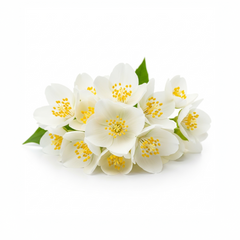
A tarragon accord is built on a balance of green, anise, and floral notes. Typical proportions: Tarragon 20–25%, Jasmine 25–30%, Coriander 10–15%, Lemon 30–35%. Jasmine provides a floral bridge via indole and benzyl acetate, coriander introduces spicy warmth through linalool, and lemon supplies citral for a bright, volatile lift. This structure ensures tarragon’s estragole-driven profile remains vivid yet harmonized.

25%

Tarragon

20–25% of blend

Tarragon supplies estragole, imparting a green, anise-like freshness that defines the accord’s aromatic core.

30%

Jasmine

25–30% of blend

Jasmine’s indole and benzyl acetate create a floral bridge, softening tarragon’s herbal sharpness and enhancing diffusion.

15%

Coriander

10–15% of blend

Coriander introduces linalool and pinene, adding spicy warmth and complexity that complements tarragon’s green profile.

35%

Lemon

30–35% of blend

Lemon’s citral and limonene provide a volatile, bright top note, amplifying tarragon’s freshness and increasing initial impact.

The Olfactory Layers

How Tarragon Evolves on Skin

Tarragon’s olfactory evolution is marked by rapid volatility in the top, a sustained herbal heart, and a gentle, sweet-green base. Estragole evaporates quickly, revealing subtle spicy and floral undertones over 4–6 hours.

I
Top notes
0–15 min
Green Anise Burst

The initial impression is a burst of green, sweet, and anise-like freshness, driven by estragole’s high volatility. Limonene and ocimene contribute fleeting citrus-green nuances, creating a lively, invigorating opening that dissipates within 15 minutes.

greenanisefresh
II
Heart notes
20–60 min
Herbal-Spicy Core

As the top fades, tarragon’s herbal-spicy core emerges. Coriander and jasmine notes blend with residual estragole, producing a warm, aromatic heart that bridges floral and woody elements. This stage is marked by moderate diffusion and evolving complexity.

herbalspicyfloral
III
Base notes
Several hours
Sweet-Green Drydown

The drydown reveals a soft, sweet-green warmth, with subtle celery and woody undertones. Minor constituents like coumarin and methyl eugenol lend a gentle persistence, ensuring tarragon’s signature remains detectable for up to 6 hours.

sweet-greenwoodywarm
TOP NOTES Green Anise Burst 0–15 minutes HEART NOTES Herbal-Spicy Core 20–60 minutes BASE NOTES Sweet-Green Drydown Several hours
Through the Ages

The Story of Tarragon in Perfumery

Tarragon’s journey in perfumery spans from ancient herbal use to modern aromatic compositions, with key milestones in extraction, regulation, and creative application.

Antiquity

Medicinal and Culinary Use

Tarragon (Artemisia dracunculus) is documented in ancient Greek and Persian texts for its medicinal and culinary properties, valued for its aromatic leaves and digestive benefits.

17th Century

Introduction to France

French botanists cultivate tarragon for both culinary and aromatic purposes, establishing the Drôme region as a center for high-quality tarragon production.

1912

L’Heure Bleue by Guerlain

Jacques Guerlain incorporates tarragon as a top note in L’Heure Bleue, pioneering its use in fine fragrance and influencing subsequent aromatic-floral compositions.

1960s–1980s

Expansion in Fougère and Aromatic Perfumes

Tarragon becomes a staple in fougère and aromatic fragrances, used by houses like Versace and Givenchy to add herbal complexity and freshness.

2000s–Present

Synthetic Estragole and Regulatory Focus

Advances in synthetic estragole production enable broader use in commercial perfumery. Regulatory scrutiny of estragole’s allergenic potential leads to stricter usage limits and increased transparency.

The Art of Layering

How to Layer Tarragon

Understanding how to layer tarragon involves pairing it with notes that share molecular affinities or provide olfactory contrast. The question of how to layer tarragon is best addressed by considering estragole’s compatibility with citrus aldehydes, indolic florals, and woody fixatives.

01

Enhance Freshness

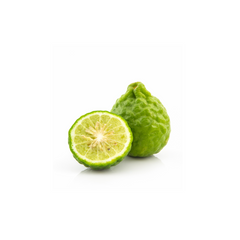
Layer tarragon with bergamot or lemon-based fragrances. The shared limonene and citral molecules create a seamless citrus-green bridge, amplifying freshness and extending the volatile top note. Example: Tom Ford Mandarino di Amalfi demonstrates this synergy.

02

Add Floral Depth

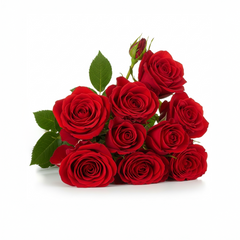
Combine tarragon with jasmine or rose accords. Indole and benzyl acetate in jasmine interact with estragole, producing a complex, evolving heart. Guerlain L’Heure Bleue exemplifies this floral-herbal interplay.

03

Ground with Woods

Pair tarragon with sandalwood or vetiver. The creamy, high-molecular-weight components of sandalwood slow estragole’s evaporation, anchoring the herbal top and heart. Amouage Jubilation XXV Man uses this technique for lasting complexity.

Wear It Right

How to Wear Tarragon Like a Pro

Seasonal Guide

Fall & Winter

Cooler temperatures suppress tarragon’s volatility, allowing its sweet-green and spicy facets to linger. Apply to pulse points and layer with warm woods or resins for enhanced projection. Avoid overapplication, as cold air can concentrate herbal notes.

Spring

Moderate warmth and humidity amplify tarragon’s freshness and anise character. Pair with citrus or floral notes for a vibrant, uplifting effect. Apply lightly to wrists and neck for a balanced, evolving scent trail.

Summer

High heat increases evaporation, intensifying the initial green burst but shortening longevity. Use sparingly and consider layering with citrus or aquatic notes to maintain freshness. Reapply as needed for sustained impact.

Year-Round Tip

Adjust application based on climate and activity. In dry environments, use oil-based or higher-concentration formats to prolong tarragon’s heart. In humid conditions, opt for lighter sprays and combine with aldehydic or ozonic notes for clarity.

Application Points

Strategic application enhances tarragon’s aromatic impact and optimizes its evolution on skin.

1

Neck

Pulse points on the neck provide warmth that accelerates tarragon’s top note evaporation, ensuring a vivid green-anise opening and moderate projection.

2

Behind the Ears

This area retains moisture and heat, extending the herbal heart and allowing tarragon’s sweet-green facets to persist through subtle diffusion.

3

Inner Wrists

The thin skin and high blood flow enhance volatility, making the initial burst more pronounced. Ideal for sampling tarragon’s evolution over time.

4

Hair

Spraying on hair provides a slow-release effect, with tarragon’s aromatic molecules diffusing gradually as hair moves, prolonging the herbal freshness.

Pro Tip

Layer tarragon-based scents over unscented moisturizer to slow evaporation and anchor the anise-green heart, especially in dry or cold climates.

Mood Architecture™

Top Tarragon Fragrances by Mood Score

These Tarragon-based fragrances scored highest on the MEI™ Mood Architecture Framework — measuring how a scent may influence your emotional state.

Highest MEI Score
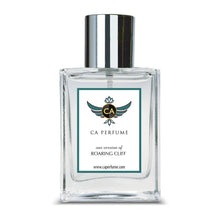
Roaring Cliff — Roaring Radcliff Alternative Cologne
8.55
MEI™
Primary Romantic
Secondary Confident
Confidence
7.99
Presence
9.4
Mood Lift
9.33
Identity
7.45
Warmth
9.5
Social Ease
8.15
Energy
4.9
" I am beautiful.
View full mood profile →
Pi — Givenchy Pi Alternative Cologne
#2
Pi — Givenchy Pi Alternative Cologne
Starting from $14.99
7.72
MEI™
Primary Romantic
Secondary Grounding
Confidence
6.42
Presence
6.01
Mood Lift
8.96
Identity
6.71
Warmth
9.5
Social Ease
8.53
Energy
4.2
" I am beautiful.
View full mood profile →
Lippizan — Parfums De Marly Lippizan Alternative Cologne
7.3
MEI™
Primary Magnetic
Secondary Confident
Confidence
7.7
Presence
8.52
Mood Lift
7.17
Identity
7.88
Warmth
7.18
Social Ease
6.66
Energy
4.5
" I am bold.
View full mood profile →
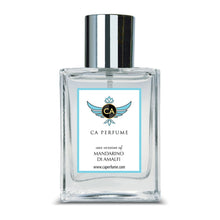
Mandarino Di Amalfi — Tom Ford Mandarino Di Amalfi Alternative Perfume
6.88
MEI™
Primary Fresh
Secondary Energizing
Confidence
6.01
Presence
6.12
Mood Lift
8.93
Identity
5.67
Warmth
5.98
Social Ease
7.32
Energy
5.1
" I am radiant.
View full mood profile →
HumanSafe™

Top Tarragon Fragrances by HumanSafe™ Score

These Tarragon-based fragrances have the highest product-level HumanSafe™ scores in this ingredient collection.

Highest HumanSafe™ Score
Roaring Cliff — Roaring Radcliff Alternative Cologne
A-
HumanSafe™ Score Generally Safe
Safest Evaluated Ingredients EDP
AQUA Solvent / Carrier ISS 10.0
1,4-DIOXACYCLOHEPTADECANE-5,17-DIONE Evaluated ingredient ISS 10.0
1H-3A,7-METHANOAZULENE, OCTAHYDRO-6-METHOXY-3,6,8,8- Evaluated ingredient ISS 9.0
2H-1-BENZOPYRAN-2-ONE Evaluated ingredient ISS 8.0
REACTION MASS OF: (E)-OXACYCLOHEXADEC-12-EN-2-ONE, (E)- Evaluated ingredient ISS 7.0
LINALYL ACETATE Evaluated ingredient ISS 7.0
View full safety profile →
Pi — Givenchy Pi Alternative Cologne
#2
Pi — Givenchy Pi Alternative Cologne
Starting from $14.99
A-
HumanSafe™ Score Generally Safe
Safest Evaluated Ingredients EDP
AQUA Solvent / Carrier ISS 10.0
1,4-DIOXACYCLOHEPTADECANE-5,17-DIONE Evaluated ingredient ISS 10.0
7-OCTEN-2-OL, 2,6-DIMETHYL- Evaluated ingredient ISS 9.0
2H-1-BENZOPYRAN-2-ONE Evaluated ingredient ISS 8.0
LINALYL ACETATE Evaluated ingredient ISS 7.0
LINALOOL Evaluated ingredient ISS 7.0
View full safety profile →
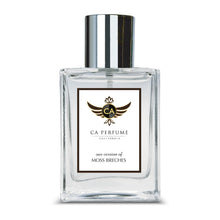
Moss Breches — Tom Ford Impression Moss Breches Alternative Perfume
A-
HumanSafe™ Score Generally Safe
Safest Evaluated Ingredients EDP
AQUA Solvent / Carrier ISS 10.0
2H-1-BENZOPYRAN-2-ONE Evaluated ingredient ISS 8.0
LINALYL ACETATE Evaluated ingredient ISS 7.0
LINALOOL Evaluated ingredient ISS 7.0
ALCOHOL DENAT. Solvent / Carrier ISS 7.0
1,6-METHANONAPHTHALEN-1(2H)-OL, OCTAHYDRO- Evaluated ingredient ISS 7.0
View full safety profile →
Mandarino Di Amalfi — Tom Ford Mandarino Di Amalfi Alternative Perfume
A-
HumanSafe™ Score Generally Safe
Safest Evaluated Ingredients EDP
AQUA Solvent / Carrier ISS 10.0
1,4-DIOXACYCLOHEPTADECANE-5,17-DIONE Evaluated ingredient ISS 10.0
BENZYL SALICYLATE Evaluated ingredient ISS 9.0
2-OXABICYCLO[2.2.2]OCTANE, 1,3,3-TRIMETHYL- Evaluated ingredient ISS 9.0
CITRAL Evaluated ingredient ISS 8.0
View full safety profile →
Expert Voices

What Masters Say About Tarragon

Tarragon oil is rich in aromatic ethers such as estragole, which give a sweet, slightly spicy and anisic fragrance. Because of this profile, it stands between herb and spice: fresh enough for daytime formulas yet warm enough for comforting evening ritual concepts.
BioProGreen, Essential Oil Manufacturer
Tarragon’s ability to bridge citrus, floral, and woody notes makes it a versatile component in both classic fougère and modern aromatic compositions.
CA Perfume Editorial
Common Questions

Frequently Asked Questions

Answers to common questions about tarragon’s scent, use, and performance in perfumery.

Tarragon in perfume is characterized by a green, sweet, and distinctly anise-like aroma, primarily due to the high concentration of estragole. The scent profile is both herbaceous and slightly spicy, with a celery-like undertone that sets it apart from other aromatic herbs. It provides an invigorating freshness in the top and heart of a fragrance, evolving into a soft, sweet-green drydown. Notable examples include Guerlain L’Heure Bleue and Tom Ford Mandarino di Amalfi.

Tarragon is most often used as a heart note in perfumery, though it can also appear as a top note due to its high volatility. Its primary molecule, estragole, evaporates quickly, delivering an initial burst of green-anise freshness before transitioning to a warm, herbal heart. It is rarely used as a base note, as its aromatic compounds do not persist as long as heavier fixatives.

Tarragon’s unique green-anise profile offers complexity and versatility, allowing perfumers to bridge citrus, floral, and woody notes. Its ability to add freshness without overwhelming sweetness makes it a favorite in niche and artisanal fragrances. Additionally, its nuanced evolution on skin and compatibility with both natural and synthetic ingredients provide creative flexibility for modern scent design.

Tarragon fragrance uses often involve pairing with citrus (bergamot, lemon), florals (jasmine, rose), and woods (sandalwood, vetiver). These combinations leverage molecular affinities—such as shared limonene or indole content—to create harmonious, multidimensional accords. Coriander and mint are also frequent partners, enhancing tarragon’s herbal complexity.

Tarragon’s volatility makes it well-suited to summer and warm climates, where its green-anise freshness is amplified by heat. However, high temperatures can shorten its longevity, so lighter applications and layering with citrus or aquatic notes are recommended. Its refreshing character makes it ideal for daytime and outdoor wear.

Tarragon-based fragrances generally last 4–6 hours on skin. The initial green-anise burst fades within 30 minutes, while the herbal heart persists for several hours. Longevity depends on concentration, pairing ingredients, and individual skin chemistry. Oil-based or higher-concentration formats can extend performance.

Yes, tarragon is highly compatible for layering due to its molecular affinity with citrus, floral, and woody notes. For example, layering with bergamot or lemon enhances freshness, while pairing with jasmine or sandalwood adds depth and longevity. Experiment with combinations to find a balance that suits your preferences and skin chemistry.

Beginner-friendly tarragon perfumes include Tom Ford Mandarino di Amalfi, Versace The Dreamer, and Givenchy Pi. These fragrances showcase tarragon’s aromatic signature in accessible, well-balanced compositions, making them ideal entry points for those new to herbaceous notes.

Consider your preferred scent profile—whether you enjoy green, citrus, floral, or woody accords. Review the ingredient breakdown and concentration level, and consult the HumanSafe™ platform for allergen transparency. Sampling different tarragon-centric blends can help you find the ideal match for your style and skin chemistry.

Tarragon’s scent in fragrance is best described as sweet-green with a mild anise-like spice. The sweetness comes from estragole, while minor components like linalool and methyl eugenol add subtle spicy and herbal nuances. The balance of these facets depends on concentration and pairing notes, allowing tarragon to shift from fresh and sweet to gently spicy as the fragrance evolves.

Greens, Herbs and Fougères Collection

Explore Our Top Tarragon Fragrances

Discover CA Perfume’s curated selection of tarragon-centric scents, each highlighting the herb’s unique green-anise character in both classic and modern compositions.

Shop all tarragon fragrances at CA Perfume →

Where Tarragon Comes From — Origin & Extraction

Tarragon essential oil is derived from Artemisia dracunculus, a perennial herb native to Eurasia but now widely cultivated in France, the United States, Italy, and Russia. French tarragon (A. dracunculus var. sativa) is the preferred variety for perfumery due to its high estragole content and refined aroma, while Russian tarragon (A. dracunculus var. inodora) is less valued for fragrance owing to its harsher, less anise-like profile. France is considered the benchmark producer, with the Drôme and Provence regions yielding oils prized for their clarity and sweet-green intensity. The United States, particularly California and Washington, supplies tarragon with a slightly earthier nuance, while Italian tarragon exhibits a Mediterranean brightness. Extraction is typically performed via steam distillation of the flowering tops and leaves, with yields ranging from 0.15% to 3.1% depending on cultivar and harvest timing. The process operates at temperatures of 100°C, with distillation times of 1–3 hours to maximize estragole recovery while minimizing thermal degradation. Solvent extraction (using hexane or ethanol) and supercritical CO₂ extraction are also employed for higher purity and yield, especially for absolute production. Natural tarragon absolute commands prices of $3,000–6,000/kg, reflecting the labor-intensive cultivation and low oil yield. In contrast, synthetic estragole and analogues (such as methyl eugenol and anethole) can be produced for $50–200/kg, offering consistency and cost efficiency. Sustainability concerns focus on the intensive land use and water requirements of tarragon cultivation, particularly in arid regions. However, the perennial nature of the plant and the use of by-products for culinary and medicinal purposes mitigate some environmental impacts. Synthetic production, while more resource-efficient, raises questions about supply chain transparency and allergenicity, especially regarding estragole’s regulatory status in the EU and US.

Famous Fragrances That Define Tarragon in Perfumery

Tarragon’s aromatic signature has been leveraged in both classic and modern perfumery. Guerlain’s L’Heure Bleue (1912, Jacques Guerlain) is an early example, using tarragon as a top note to introduce a green-anise freshness to its powdery floral heart. In Versace The Dreamer (1996, Jean-Pierre Bethouart), tarragon is a bridge note, connecting aromatic lavender with tobacco and tonka bean. Givenchy Pi (1998, Alberto Morillas) employs tarragon as a supporting note, enhancing the sweet, resinous vanilla accord with herbal complexity. Tom Ford Mandarino di Amalfi (2014, Calice Becker) uses tarragon as a dominant note in the top accord, paired with citrus and mint for a Mediterranean freshness. Amouage Jubilation XXV Man (2007, Bertrand Duchaufour) demonstrates tarragon’s versatility as an accent, balancing spices and resins in an opulent oriental structure. These fragrances illustrate tarragon’s ability to function as a dominant, bridge, or accent note, often paired with citrus, florals, and woods. CA Perfume’s collection draws inspiration from this lineage, offering tarragon-centric scents that honor both heritage and innovation.

Natural vs Synthetic Tarragon in Perfumery

Natural tarragon oil is dominated by estragole (methyl chavicol, CAS 140-67-0), with minor contributions from ocimene (CAS 13877-91-3) and limonene (CAS 138-86-3). Synthetic forms replicate the primary odorant using lab-synthesized estragole or related molecules such as anethole (CAS 104-46-1) and methyl eugenol (CAS 93-15-2). Synthetic tarragon offers greater batch-to-batch consistency, enhanced stability, and reduced allergen variability, making it attractive for large-scale commercial perfumery. Natural tarragon, however, is prized for its nuanced complexity and evolving scent profile, which can shift subtly depending on terroir and extraction method. Cost is a major differentiator: natural tarragon absolute ranges from $3,000–6,000/kg, while synthetic estragole and analogues are available for $50–200/kg. Longevity and diffusion are generally higher in synthetic variants, which are less prone to oxidation and photodegradation. Notable fragrances using natural tarragon include Guerlain L’Heure Bleue and Annick Goutal Eau du Sud, while contemporary compositions such as Tom Ford Mandarino di Amalfi and Versace The Dreamer often rely on synthetic estragole for consistency and regulatory compliance. The HumanSafe™ platform at CA Perfume ensures full traceability and allergen disclosure for both natural and synthetic tarragon, supporting informed consumer choice and regulatory adherence. Sustainability is improved with synthetics, but natural tarragon remains essential for niche and artisanal perfumery seeking authentic aromatic complexity.