
Best customer service, the scent is great but only lasted 2 hrs on me.
Everything is as advertised and the packaging and presentation was awesome
next level packaging and pretty quick delivery. complete blind buy. so far so good
A vibrant heart note with citrus, spice, and green facets.
Coriander is a heart note in perfumery, prized for its crisp, spicy, and green character. Its defining molecule, linalool (60–70%), imparts a citrusy, slightly woody freshness that bridges top and heart notes.

Coriander (Coriandrum sativum) in perfumery is valued for its multifaceted scent profile, which is shaped primarily by the high content of linalool (CAS 78-70-6, 60–70% in seed oil). This molecule delivers a fresh, citrusy, and slightly woody aroma, while supporting notes of camphor, anise, and pepper arise from minor constituents such as α-pinene, γ-terpinene, and p-cymene. The result is a crisp, spicy, and green scent with a subtle nutty undertone, often described as a “cold spice” in contrast to the warmth of clove or cinnamon. The coriander scent profile is further characterized by a fleeting lemony brightness and a gentle, soapy cleanliness, making it both uplifting and versatile. In perfumery, coriander is typically used as a heart note, though its volatility allows it to bridge the transition from sparkling citrus top notes to more substantial floral or woody heart notes. Usage levels are generally below 5% of the total formula, as even small amounts impart significant aromatic impact. Coriander’s molecular structure allows it to interact dynamically with skin chemistry: on acidic skin, its citrus and green facets are accentuated, while on more alkaline skin, the spicy and woody nuances become more pronounced. This adaptability makes coriander a favorite among perfumers seeking to add complexity and cohesion to both masculine and feminine compositions. Notable fragrances that exemplify coriander’s role include Guerlain’s Habit Rouge (1965, Jean-Paul Guerlain), where coriander’s spicy brightness lifts citrus and leather, and Chanel Coco (1984, Jacques Polge), where it nuances opulent florals with a peppery, aromatic edge. In Diptyque L’Autre (1975), coriander is paired with cardamom and spices for an exotic, mysterious effect. These examples highlight coriander in perfumery as a note that can unify, contrast, or accentuate, depending on its context within a composition.
Coriander’s aromatic profile is shaped by geography: Russian coriander is prized for its balanced linalool content, Indian coriander for its intensity, and Egyptian coriander for its subtle sweetness. Soil composition, climate, and harvesting methods all influence the final scent.
Coriander, botanically Coriandrum sativum, is an annual herb in the Apiaceae family, native to the Middle East and Mediterranean but now cultivated globally. The primary source for perfumery is the dried seed, which contains the highest concentration of essential oil. Major producing countries include Russia (historically the benchmark for fine fragrance, with a balanced linalool profile), India (the world’s largest exporter, accounting for over 60% of global supply), Egypt, and Morocco. Annual global production of coriander seed exceeds 500,000 metric tons, with essential oil yields ranging from 0.3% to 1% by weight of dried seed. Extraction is performed almost exclusively by steam distillation. The process involves drying and lightly crushing the seeds, then passing steam through the material at temperatures between 100–120°C. The volatile oil is collected as it condenses, yielding a clear to pale yellow liquid rich in linalool. Solvent extraction and supercritical CO2 extraction are used for specialty applications, but steam distillation remains dominant due to cost and efficiency. Typical yields are 2–6 kg of oil per metric ton of seed. The cost of natural coriander oil ranges from $150–300/kg, with higher prices for Russian and Egyptian origins due to their superior aromatic balance. Synthetic coriander notes are produced by blending isolated linalool (often from synthetic or natural sources), decanal, and minor terpenes to mimic the complexity of the natural oil. Synthetic linalool (CAS 78-70-6) is widely available at $10–25/kg, while natural coriander oil commands a premium due to its nuanced profile. Sustainability concerns have led to increased interest in traceable, pesticide-free supply chains, particularly in India and Egypt, where organic and fair-trade certifications are expanding. The environmental impact of coriander cultivation is relatively low, as the crop requires modest water and fertilizer inputs and is often grown in rotation with cereals.
The Tambov region produces coriander with a high linalool content (up to 70%), yielding a balanced, citrusy oil. Russia supplies approximately 20% of global coriander oil, with strict quality standards and a reputation for fine fragrance use.
Rajasthan and Madhya Pradesh are major producers, accounting for over 60% of global coriander seed exports. Indian coriander is known for its robust, spicy aroma, shaped by hot, dry climate and alluvial soils. Harvesting is largely manual, supporting local economies.
The Nile Delta yields coriander with a subtle, sweet profile and moderate linalool content. Egypt’s annual production exceeds 10,000 metric tons, with a growing share of organic and fair-trade certified crops.
Moroccan coriander is cultivated in the Souss-Massa region, where sandy soils and mild winters produce oil with pronounced citrus and floral nuances. Morocco supplies niche perfumery markets, emphasizing traceability.
Natural coriander oil is composed of a complex mixture of terpenoids, with linalool (CAS 78-70-6) as the dominant constituent, supported by γ-terpinene (CAS 99-85-4), α-pinene (CAS 80-56-8), and p-cymene (CAS 99-87-6). Synthetic coriander notes are typically constructed from isolated linalool, decanal, and other aroma chemicals such as ethyl linalool (CAS 10339-55-6) and methyl-n-amyl ketone (CAS 110-43-0). Synthetic versions offer greater batch-to-batch consistency, enhanced stability, and lower cost—$10–25/kg for synthetic linalool versus $150–300/kg for natural oil. Performance-wise, synthetic coriander notes exhibit longer-lasting citrus and green facets, but may lack the subtle spicy and woody undertones of the natural oil. Natural coriander is favored in high-end niche perfumery for its complexity and ability to evolve on skin, while synthetics are widely used in mass-market and functional fragrances for cost and regulatory reasons. Notable fragrances using natural coriander include Guerlain Héritage and Chanel Coco, while many modern designer scents rely on synthetic linalool for consistency and allergen control. Sustainability is a key consideration: synthetic linalool reduces pressure on agricultural land and ensures a stable supply, but natural coriander oil supports rural economies and biodiversity when sourced responsibly. The HumanSafe™ platform ensures CA Perfume’s coriander supply is fully traceable, with transparent documentation of both natural and synthetic sources, allergen content, and IFRA compliance.
Coriander’s versatility is showcased in a range of landmark fragrances across decades and genres. In Guerlain Habit Rouge (1965, Jean-Paul Guerlain), coriander’s spicy, citrusy brightness bridges the transition from lemon top notes to leather and vanilla, establishing a refined masculine signature. Chanel Coco (1984, Jacques Polge) features coriander as a key heart note, adding aromatic lift to a lush floral and amber composition. Diptyque L’Autre (1975, Serge Kalouguine) uses coriander alongside cardamom and spices to create an exotic, mysterious unisex scent. Cartier Déclaration (1998, Jean-Claude Ellena) pairs coriander with cumin and bitter orange for a modern, spicy-woody structure. Tom Ford Café Rose (2012, Antoine Maisondieu) employs coriander to add a spicy, green accent to dark rose and coffee, demonstrating its ability to nuance florals and gourmands alike. Other notable examples include Guerlain Mitsouko (1919, Jacques Guerlain), where coriander enriches the chypre structure, and D.S. & Durga Coriander (2008, David Seth Moltz), which highlights coriander’s green, peppery facets in a contemporary aromatic context. CA Perfume’s collection draws inspiration from this lineage, offering coriander-focused fragrances that emphasize both its classic and modern roles.
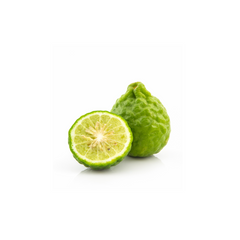
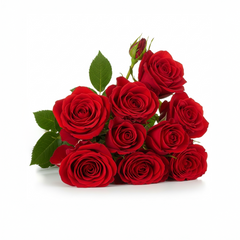
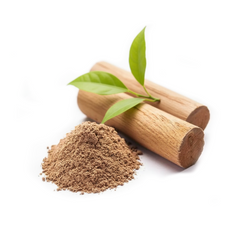
A balanced coriander accord typically features Coriander Seed Oil (25–30%), Bergamot (20–25%), Rose (20–25%), and Cedarwood (25–30%). Coriander provides the spicy, citrus-green core via linalool. Bergamot amplifies the citrus top, sharing limonene and linalool for seamless transition. Rose introduces damascenone, bridging floral and spice. Cedarwood anchors the blend, reinforcing woody undertones and extending longevity.
Rich in linalool, coriander seed oil delivers the core citrusy, spicy, and green facets essential for the accord’s freshness and complexity.
Bergamot’s limonene and linalool content enhance the citrus top and create a molecular bridge to coriander’s green and spicy notes.
Rose introduces damascenone and phenylethyl alcohol, harmonizing the floral and spice elements and adding a subtle sweetness.
Cedarwood’s sesquiterpenes reinforce the woody undertone, providing structure and extending the accord’s longevity on skin.
Coriander’s olfactory evolution begins with a burst of citrus-green freshness, transitions to a spicy, aromatic heart, and settles into a soft, woody base. Linalool’s volatility drives the initial impact, while minor terpenes and woody fixatives shape the drydown.
The opening is marked by a bright, citrusy freshness, driven by high-volatility linalool and limonene. Subtle green and camphoraceous facets emerge, creating an airy, invigorating impression that quickly transitions as the most volatile compounds evaporate.
The heart reveals coriander’s spicy, floral, and slightly nutty character. Linalool persists, joined by aniseed and peppery notes from α-pinene and γ-terpinene. This stage is aromatic and complex, bridging citrus top notes with woody or floral bases.
As the fragrance dries down, coriander’s woody and musky undertones become more apparent. Sesquiterpenes and residual linalool provide a soft, clean finish, often complemented by cedarwood or musk in the composition.
Coriander’s journey in perfumery spans from ancient ritual use to modern niche compositions, reflecting its enduring versatility and appeal.
Coriander seeds were found in Egyptian tombs and referenced in the Old Testament. Used for both fragrance and medicine, coriander’s aromatic qualities were prized in early civilizations.
Charlemagne mandated coriander cultivation in royal gardens for culinary and medicinal use, spreading its presence across Europe and setting the stage for later perfumery adoption.
Advances in distillation enabled large-scale extraction of coriander oil from seeds, making it accessible to perfumers and expanding its use in colognes and eaux de toilette.
Jean-Paul Guerlain’s Habit Rouge established coriander as a key bridge note in masculine perfumery, influencing generations of spicy-woody fragrances.
Jean-Claude Ellena’s modern composition showcased coriander’s versatility, pairing it with cumin and citrus in a transparent, contemporary structure.
Coriander finds renewed appreciation in niche perfumery, with brands like D.S. & Durga and Le Labo highlighting its green, spicy facets in genderless compositions.
Understanding how to layer coriander is key to maximizing its aromatic impact. At a molecular level, coriander’s linalool and terpenes interact synergistically with citrus, floral, and woody notes, creating seamless transitions and enhancing complexity.
Layer coriander with bergamot or lemon-based fragrances to amplify the citrus-green top. Shared molecules like linalool and limonene create a sparkling, cohesive opening, as seen in Guerlain Eau de Cologne Impériale.
Pair coriander with amber, vanilla, or sandalwood scents. The vanillin and coumarin in these notes mask coriander’s sharper edges, resulting in a warm, rounded drydown. This approach is exemplified in Tom Ford Café Rose.
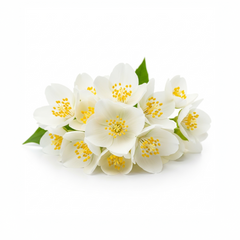
Combine coriander with floral notes like rose or jasmine. Damascenone and phenylethyl alcohol in florals bridge coriander’s spice and green facets, producing a multidimensional effect, as demonstrated in Chanel Coco.
Cooler temperatures slow the evaporation of coriander’s volatile compounds, allowing its spicy, woody heart to linger. Apply to pulse points under clothing to maximize warmth and diffusion. Layer with amber or vanilla for added richness.
Mild temperatures highlight coriander’s citrus-green freshness. Apply to exposed skin for a bright, uplifting effect. Pair with floral or herbal notes to enhance the season’s natural vibrancy.
Heat increases volatility, emphasizing coriander’s citrus and green top notes. Apply lightly to avoid overwhelming projection, and consider layering with aquatic or citrus scents for a refreshing, airy profile.
Adjust application based on humidity: in dry climates, moisturize skin before spraying to prolong longevity; in humid conditions, focus on lighter application and layer with clean musks or woods for balance.
Strategic application enhances coriander’s evolution and projection. Target pulse points and textured areas for optimal diffusion.
Applying to the neck leverages body heat, accelerating the evaporation of coriander’s top notes and intensifying the citrus-green opening.
This area is slightly cooler, allowing coriander’s spicy and floral heart to develop gradually and linger longer.
Pulse points on the wrists enhance projection, while frequent movement helps diffuse coriander’s aromatic facets throughout the day.
Spraying lightly on hair or a brush provides a sustained, subtle release of coriander’s green and woody undertones as you move.
Layer coriander-based fragrances over unscented moisturizer to slow evaporation and extend the duration of both citrus and spicy notes.
These Coriander-based fragrances scored highest on the MEI™ Mood Architecture Framework — measuring how a scent may influence your emotional state.
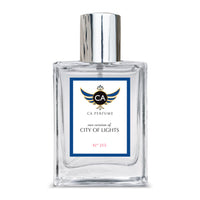
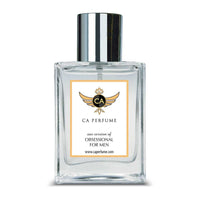

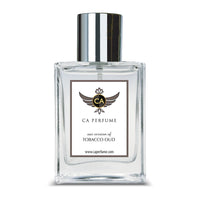
These Coriander-based fragrances have the highest product-level HumanSafe™ scores in this ingredient collection.
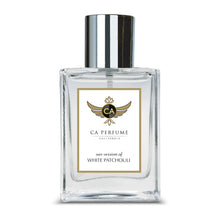
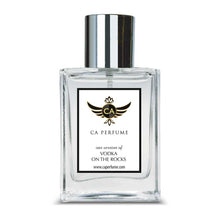
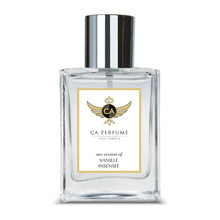
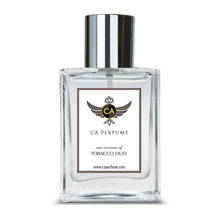
Its main constituent is linalool (about 60 to 70%). It is this molecule that gives it its tonic and airy accents, allowing it to bridge the gap between citrus top notes and floral or spicy heart notes.
Coriander’s clean, slightly spicy character layers beautifully in both fresh florals and earthy musks, making it a perfect choice for genderless or universally appealing perfumes.
Coriander’s versatility is enhanced when paired with complementary ingredients that share molecular or olfactory affinities.
Answers to common questions about coriander in perfumery, with technical and practical insights.
Coriander in perfume smells citrusy, spicy, and green, with a crisp, aromatic freshness shaped by linalool and minor terpenes. The scent profile includes lemony top notes, a spicy-floral heart, and a soft, woody drydown. Coriander is often described as a 'cold spice,' bridging citrus and floral notes, and is used in both masculine and unisex fragrances such as Guerlain Habit Rouge and Diptyque L’Autre.
Coriander is primarily used as a heart note in perfumery, but its volatility allows it to function as a bridge between top and heart notes. Its main molecule, linalool, evaporates at a moderate rate, delivering a fresh, spicy impact early in the fragrance’s evolution before giving way to woody and musky undertones.
Coriander’s complexity and versatility make it a favorite in niche perfumery. Its ability to bridge citrus, floral, and woody notes, along with its dynamic evolution on skin, allows perfumers to create multidimensional, genderless compositions. Niche brands such as D.S. & Durga and Le Labo highlight coriander’s green, spicy facets in contemporary, artisanal scents.
Coriander fragrance uses include pairing with citrus (bergamot, lemon), florals (rose, jasmine), woods (cedarwood, sandalwood), and spices (cardamom, pink pepper). These combinations leverage shared molecules like linalool and damascenone, creating seamless transitions and enhancing aromatic complexity.
Yes, coriander’s citrus-green freshness makes it well suited for summer and hot weather. Its volatile top notes provide an invigorating effect, while the spicy and woody heart prevents the scent from becoming too fleeting. Apply lightly in heat to avoid overwhelming projection, and consider layering with aquatic or citrus scents for added brightness.
Coriander-based fragrances typically last 4–6 hours. The longevity depends on concentration, skin chemistry, and supporting notes. Linalool and terpenes evaporate at a moderate rate, providing a balanced evolution from fresh top to woody base.
Absolutely. Coriander’s molecular structure allows it to layer well with citrus, floral, woody, and amber notes. Layering with bergamot or lemon enhances freshness, while pairing with amber or vanilla deepens warmth. This versatility is demonstrated in fragrances like Tom Ford Café Rose and Chanel Coco.
Beginner-friendly coriander perfumes include Guerlain Habit Rouge, Chanel Coco, and D.S. & Durga Coriander. These fragrances showcase coriander’s citrus, spice, and green facets in balanced, accessible compositions. Sampling these scents provides a clear introduction to coriander’s role in perfumery.
To choose the right coriander fragrance at CA Perfume, consider your preferred scent profile—whether you favor citrus-fresh, spicy-aromatic, or woody-musk compositions. Review the fragrance pyramid and note pairings to find a blend that matches your style and season. CA Perfume’s HumanSafe™ platform ensures ingredient transparency and allergen information.
Coriander in fragrance is primarily spicy and citrusy, with subtle green and woody undertones. While it can impart a gentle sweetness when paired with florals or amber, its dominant impression is aromatic, fresh, and slightly peppery, making it suitable for both masculine and unisex compositions.
Discover CA Perfume’s curated selection of coriander-focused scents, highlighting its citrus, spice, and woody facets in both classic and modern compositions.
Shop all coriander fragrances at CA Perfume →Coriander, botanically Coriandrum sativum, is an annual herb in the Apiaceae family, native to the Middle East and Mediterranean but now cultivated globally. The primary source for perfumery is the dried seed, which contains the highest concentration of essential oil. Major producing countries include Russia (historically the benchmark for fine fragrance, with a balanced linalool profile), India (the world’s largest exporter, accounting for over 60% of global supply), Egypt, and Morocco. Annual global production of coriander seed exceeds 500,000 metric tons, with essential oil yields ranging from 0.3% to 1% by weight of dried seed. Extraction is performed almost exclusively by steam distillation. The process involves drying and lightly crushing the seeds, then passing steam through the material at temperatures between 100–120°C. The volatile oil is collected as it condenses, yielding a clear to pale yellow liquid rich in linalool. Solvent extraction and supercritical CO2 extraction are used for specialty applications, but steam distillation remains dominant due to cost and efficiency. Typical yields are 2–6 kg of oil per metric ton of seed. The cost of natural coriander oil ranges from $150–300/kg, with higher prices for Russian and Egyptian origins due to their superior aromatic balance. Synthetic coriander notes are produced by blending isolated linalool (often from synthetic or natural sources), decanal, and minor terpenes to mimic the complexity of the natural oil. Synthetic linalool (CAS 78-70-6) is widely available at $10–25/kg, while natural coriander oil commands a premium due to its nuanced profile. Sustainability concerns have led to increased interest in traceable, pesticide-free supply chains, particularly in India and Egypt, where organic and fair-trade certifications are expanding. The environmental impact of coriander cultivation is relatively low, as the crop requires modest water and fertilizer inputs and is often grown in rotation with cereals.
Coriander’s versatility is showcased in a range of landmark fragrances across decades and genres. In Guerlain Habit Rouge (1965, Jean-Paul Guerlain), coriander’s spicy, citrusy brightness bridges the transition from lemon top notes to leather and vanilla, establishing a refined masculine signature. Chanel Coco (1984, Jacques Polge) features coriander as a key heart note, adding aromatic lift to a lush floral and amber composition. Diptyque L’Autre (1975, Serge Kalouguine) uses coriander alongside cardamom and spices to create an exotic, mysterious unisex scent. Cartier Déclaration (1998, Jean-Claude Ellena) pairs coriander with cumin and bitter orange for a modern, spicy-woody structure. Tom Ford Café Rose (2012, Antoine Maisondieu) employs coriander to add a spicy, green accent to dark rose and coffee, demonstrating its ability to nuance florals and gourmands alike. Other notable examples include Guerlain Mitsouko (1919, Jacques Guerlain), where coriander enriches the chypre structure, and D.S. & Durga Coriander (2008, David Seth Moltz), which highlights coriander’s green, peppery facets in a contemporary aromatic context. CA Perfume’s collection draws inspiration from this lineage, offering coriander-focused fragrances that emphasize both its classic and modern roles.
Natural coriander oil is composed of a complex mixture of terpenoids, with linalool (CAS 78-70-6) as the dominant constituent, supported by γ-terpinene (CAS 99-85-4), α-pinene (CAS 80-56-8), and p-cymene (CAS 99-87-6). Synthetic coriander notes are typically constructed from isolated linalool, decanal, and other aroma chemicals such as ethyl linalool (CAS 10339-55-6) and methyl-n-amyl ketone (CAS 110-43-0). Synthetic versions offer greater batch-to-batch consistency, enhanced stability, and lower cost—$10–25/kg for synthetic linalool versus $150–300/kg for natural oil. Performance-wise, synthetic coriander notes exhibit longer-lasting citrus and green facets, but may lack the subtle spicy and woody undertones of the natural oil. Natural coriander is favored in high-end niche perfumery for its complexity and ability to evolve on skin, while synthetics are widely used in mass-market and functional fragrances for cost and regulatory reasons. Notable fragrances using natural coriander include Guerlain Héritage and Chanel Coco, while many modern designer scents rely on synthetic linalool for consistency and allergen control. Sustainability is a key consideration: synthetic linalool reduces pressure on agricultural land and ensures a stable supply, but natural coriander oil supports rural economies and biodiversity when sourced responsibly. The HumanSafe™ platform ensures CA Perfume’s coriander supply is fully traceable, with transparent documentation of both natural and synthetic sources, allergen content, and IFRA compliance.