Ingredient Guide · Gourmand Floral
Gourmand Floral Family · Perfumery Note

Tahitian Vanilla

Creamy, floral, and subtly fruity — a vanilla unlike any other.

Tahitian Vanilla is a heart note in perfumery, prized for its creamy, floral, and fruity character. Its signature aroma is shaped by heliotropin, anisaldehyde, and p-hydroxybenzaldehyde, used at 0.2–1% for a plush, nuanced sweetness.

Tahitian Vanilla
Ingredient Profile

Tahitian Vanilla

Gourmand Floral Family
Family Gourmand Floral
Note Position Heart Note
Usage Level 0.5–1% of global vanilla
Key Origins French Polynesia (Tahiti, Taha’a), Ecuador (Andean Highlands), United States (Hawaii)
Iconic In Vanille de Tahiti, Les Exclusifs de Chanel Coromandel
The Ingredient

What does Tahitian Vanilla smell like and why is it prized in perfumery?

Tahitian Vanilla (Vanilla tahitensis) is botanically distinct from the more common Bourbon vanilla (Vanilla planifolia), resulting in a unique scent profile. What does Tahitian Vanilla smell like? Its aroma is defined by a high content of heliotropin (piperonal), anisaldehyde, and p-hydroxybenzaldehyde, which impart floral, cherry-like, and almond nuances. Unlike the bold, buttery sweetness of Madagascar vanilla, Tahitian Vanilla is lighter, more aromatic, and distinctly floral, with subtle notes of cherry, anise, and cacao. This complexity is due to its lower vanillin content and higher levels of secondary aromatic compounds, making it a sought-after ingredient for perfumers seeking a nuanced vanilla note. In perfumery, Tahitian Vanilla is typically used as a heart note, contributing a creamy, plush sweetness that bridges top and base notes. Its concentration in fine fragrance formulas ranges from 0.2% to 1%, depending on the desired intensity and the presence of other gourmand or floral notes. The ingredient’s high oil content and unique molecular composition allow it to interact dynamically with skin chemistry, often amplifying floral or fruity facets as the fragrance evolves. On skin, Tahitian Vanilla’s sillage is moderate, with a longevity of 5–8 hours, and it tends to soften sharper notes, lending roundness and warmth to a composition. Notable fragrances that exemplify Tahitian Vanilla’s use include Perris Monte Carlo Vanille de Tahiti (2020, perfumer Gian Luca Perris), where it is paired with ylang-ylang, champaca, and sandalwood for a creamy, exotic character. Chanel Les Exclusifs Coromandel (2007, Jacques Polge) uses Tahitian Vanilla as a supporting note, enhancing the floral and patchouli heart with a subtle, floral vanilla sweetness. These examples highlight Tahitian Vanilla’s versatility in both dominant and accent roles, cementing its reputation in modern perfumery.

0.5–1% of global vanilla
Tahitian Vanilla accounts for less than 1% of world vanilla production, making it a rare and highly prized perfumery ingredient.
5–8 Hours
Typical longevity of Tahitian Vanilla in EDP or Parfum formats, due to its high oil content and fixative synergy with benzoin and amber.
$3,000–6,000/kg
The cost of natural Tahitian Vanilla absolute, reflecting its labor-intensive cultivation and artisanal extraction methods.
Origin & Extraction

Where Tahitian Vanilla Comes From — Origin & Extraction

Tahitian Vanilla’s scent is shaped by the volcanic soils, humid climate, and artisanal curing methods of French Polynesia and select tropical regions. Each origin imparts subtle variations in floral, fruity, and creamy facets.

Tahitian Vanilla is derived from the orchid species Vanilla tahitensis, a natural hybrid of Vanilla planifolia and Vanilla odorata. Its cultivation is centered in French Polynesia, particularly on the islands of Tahiti and Taha’a, which together account for approximately 0.5–1% of global vanilla production—making it one of the rarest commercial vanilla types. Annual production volumes are estimated at 30–40 metric tons, compared to over 2,000 metric tons for Madagascar vanilla. The unique terroir of Tahiti, with volcanic soils, high humidity, and consistent temperatures, contributes to the bean’s high oil content and distinctive aromatic profile. Cultivation begins with hand-pollination, a technique introduced in the 19th century due to the absence of native pollinating bees. After pollination, pods mature on the vine for 9 months, then undergo a sun-curing process lasting 1–2 months, followed by air drying for 40 days. Unlike Bourbon vanilla, Tahitian Vanilla pods are left to ripen fully on the vine, resulting in a higher concentration of secondary aroma compounds. Extraction for perfumery is performed using volatile solvents (typically ethanol or hexane) to yield vanilla absolute, or via supercritical CO2 extraction to preserve delicate floral notes. Yields are low: 1 kg of absolute requires 100–120 kg of cured pods. Natural Tahitian Vanilla absolute commands prices of $3,000–6,000 per kg, reflecting its rarity and labor-intensive production. Synthetic alternatives, such as heliotropin (CAS 120-57-0) and anisaldehyde (CAS 123-11-5), cost $50–200 per kg. Sustainability concerns include vulnerability to climate change, disease, and theft, as well as the need for fair labor practices. Some producers are certified under Protected Designation of Origin (PDO) schemes to ensure quality and traceability.

PF

French Polynesia (Tahiti, Taha’a)

The Leeward Islands, especially Taha’a, produce over 80% of Tahitian Vanilla. Volcanic soils, high humidity, and artisanal sun-curing yield beans with high oil content and pronounced floral and cherry notes. Annual output is 30–40 metric tons, with PDO protections for quality.

EC

Ecuador (Andean Highlands)

Tahitian Vanilla grown in Ecuador’s tropical lowlands and sun-cured in the Andean highlands develops intensified floral and fruity top notes. The two-region process enhances complexity and perfume-like finish. Ecuador’s share is small but growing in specialty markets.

US

United States (Hawaii)

Specialty growers in Hawaii cultivate Vanilla tahitensis in volcanic soils, producing beans with a creamy, floral profile and high oil content. Production is boutique-scale, focused on gourmet and perfumery applications.

Chemistry

Natural vs Synthetic Tahitian Vanilla in Perfumery

Natural Tahitian Vanilla absolute is rich in heliotropin (piperonal, CAS 120-57-0), anisaldehyde (CAS 123-11-5), and p-hydroxybenzaldehyde (CAS 123-08-0), which together create its signature floral, cherry, and almond facets. Synthetic vanillin (CAS 121-33-5) and ethyl vanillin (CAS 121-32-4) are commonly used to replicate vanilla’s sweetness but lack the nuanced complexity of Tahitian Vanilla’s secondary aroma compounds. Synthetic heliotropin and anisaldehyde are often blended to mimic the floral and fruity aspects of Tahitian Vanilla, but the result is typically more linear and less textured. Performance-wise, synthetic vanillin and heliotropin offer greater stability, consistency, and projection, but can smell flatter and more overtly sweet. Natural Tahitian Vanilla absolute is softer, more diffusive, and evolves dynamically on skin, but is less stable and more susceptible to oxidation. Cost is a major differentiator: natural absolute can be over 30 times more expensive than synthetics, restricting its use to high-end niche fragrances. Notable fragrances using natural Tahitian Vanilla include Perris Monte Carlo Vanille de Tahiti, while mainstream and mass-market perfumes often rely on synthetic vanillin and heliotropin for cost efficiency. From a sustainability perspective, synthetic production reduces pressure on limited natural resources and offers supply chain reliability. CA Perfume’s HumanSafe™ platform ensures full transparency, verifying the source and safety of both natural and synthetic vanilla ingredients in its fragrances.

Natural
Tahitian Vanilla Absolute
Cost $3,000–6,000/kg
Method Solvent / CO₂
Character Complex, variable
vs
Synthetic
Safranal & Analogues
Cost $50–200/kg
Method Lab synthesis
Character Consistent, stable
Hall of Fame

Famous Fragrances That Define Tahitian Vanilla in Perfumery

2020
dominant note

Vanille de Tahiti

Perris Monte Carlo
by Gian Luca Perris
Ylang-YlangChampacaSandalwoodAmber
2007
bridge note

Les Exclusifs de Chanel Coromandel

Chanel
by Jacques Polge
PatchouliWhite FlowersFrankincense
2016
accent

Gucci Bamboo Limited Edition

Gucci
BergamotYlang-YlangSandalwood
2020
supporting note

Déjà Vu White Flower 57

Kayali
by Honorine Blanc
JasmineTuberosePatchouli
2007
dominant note

Felanilla 21

Pierre Guillaume Paris
by Pierre Guillaume
IrisSaffronBanana Leaf

Tahitian Vanilla has become a hallmark of modern gourmand and floral fragrances, prized for its creamy, floral, and subtly fruity profile. One of the most celebrated examples is Perris Monte Carlo Vanille de Tahiti (2020, Gian Luca Perris), where Tahitian Vanilla is the dominant note, supported by ylang-ylang, champaca, sandalwood, and amber for a lush, exotic composition. Chanel Les Exclusifs Coromandel (2007, Jacques Polge) features Tahitian Vanilla as a bridge note, enhancing the patchouli and floral heart with a soft, floral sweetness. Gucci Bamboo Limited Edition (2016) uses Tahitian Vanilla as an accent, paired with bergamot, ylang-ylang, and sandalwood to create a creamy, feminine base. Kayali Déjà Vu White Flower 57 (2020, Honorine Blanc) employs Tahitian Vanilla as a supporting note, blending it with jasmine, tuberose, and patchouli for a plush, white floral effect. Pierre Guillaume Paris Felanilla (2007, Pierre Guillaume) showcases Tahitian Vanilla as a dominant note, layered with iris, saffron, and banana leaf for a powdery, gourmand signature. Comptoir Sud Pacifique Vanille Iconique (2018) utilizes Tahitian Vanilla as a heart note, combined with coconut and musk for a tropical, creamy finish. These fragrances illustrate the versatility of Tahitian Vanilla in both dominant and supporting roles, often paired with floral, woody, or gourmand notes. CA Perfume’s collection draws inspiration from this lineage, offering HumanSafe™ verified blends that highlight Tahitian Vanilla’s multifaceted character.

The Accord

How is a captivating Tahitian Vanilla accord crafted?

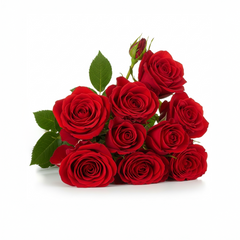
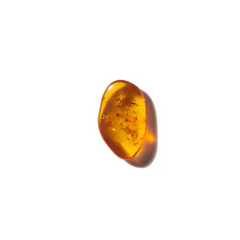
A Tahitian Vanilla accord is constructed by blending 25–30% Tahitian Vanilla absolute for its creamy, floral core; 20–25% benzoin for balsamic warmth and fixative power; 20–25% rose for floral lift via shared heliotropin content; and 25–30% amber for resinous depth and longevity. Each component is selected for molecular compatibility, enhancing the vanilla’s complexity and sillage.

30%

Tahitian Vanilla Absolute

25–30% of blend

Provides the creamy, floral, and fruity core via heliotropin, anisaldehyde, and p-hydroxybenzaldehyde, setting the accord’s signature character.

25%

Benzoin

20–25% of blend

Adds balsamic, vanillic warmth and acts as a fixative; its benzoic acid esters extend the vanilla’s longevity and smooth transitions.

25%

Rose

20–25% of blend

Rose’s damascenone and shared heliotropin content create a molecular bridge, enhancing the floral dimension and rounding the sweetness.

30%

Amber

25–30% of blend

Amber’s labdanum and vanillin derivatives provide resinous depth and fixative strength, anchoring the accord’s creamy sweetness.

The Olfactory Layers

How Tahitian Vanilla Evolves on Skin

Tahitian Vanilla’s olfactory evolution begins with a radiant, floral-fruity burst, transitions to a creamy, plush heart, and settles into a soft, balsamic base. Volatile compounds like heliotropin and anisaldehyde evaporate first, while heavier vanillin and benzoin derivatives persist.

I
Top notes
0–15 min
Radiant Floral Burst

The initial impression is bright and floral, with heliotropin (piperonal) and anisaldehyde providing cherry blossom and almond nuances. These high-volatility molecules create a luminous, airy sweetness that quickly diffuses, setting the stage for the creamy heart.

FloralCherryAlmond
II
Heart notes
20–60 min
Creamy Plush Heart

As the top notes fade, the heart reveals a creamy, plush vanilla character dominated by p-hydroxybenzaldehyde and residual heliotropin. This stage is marked by a soft, enveloping warmth, with subtle fruity and powdery undertones that interact with skin chemistry.

CreamyFruityPowdery
III
Base notes
Several hours
Balsamic Woody Drydown

The drydown is anchored by vanillin, benzoin, and amber molecules, imparting balsamic, woody, and slightly musky facets. These heavier compounds provide longevity and a lingering, subtly sweet finish that remains close to the skin.

BalsamicWoodyMusky
TOP NOTES Radiant Floral Burst 0–15 minutes HEART NOTES Creamy Plush Heart 20–60 minutes BASE NOTES Balsamic Woody Drydown Several hours
Through the Ages

The Story of Tahitian Vanilla in Perfumery

Tahitian Vanilla’s journey in perfumery spans from 19th-century Polynesian cultivation to its modern role in luxury fragrances, shaped by botanical innovation and evolving extraction techniques.

1848–1880

Introduction and Hybridization in Tahiti

Admiral Hamelin imports Vanilla aromatica and Vanilla fragrans to Tahiti, leading to the hybridization that produces Vanilla tahitensis. By 1880, cultivation spreads across the Leeward Islands, establishing the foundation for Tahitian Vanilla’s unique profile.

Early 20th Century

Artisanal Curing and Export

Traditional sun-curing and vine-ripening methods are refined, enhancing the bean’s floral and fruity aroma. Tahitian Vanilla gains recognition among French perfumers and gourmet chefs for its distinctive scent.

1970s–1980s

Scientific Analysis of Aroma Compounds

Researchers identify heliotropin, anisaldehyde, and p-hydroxybenzaldehyde as key contributors to Tahitian Vanilla’s floral and cherry-like scent, distinguishing it from Bourbon vanilla’s vanillin-dominated profile.

2007

Chanel Coromandel Launch

Jacques Polge incorporates Tahitian Vanilla as a bridge note in Les Exclusifs de Chanel Coromandel, introducing its floral-creamy character to a new generation of luxury fragrance consumers.

2020

Perris Monte Carlo Vanille de Tahiti

Gian Luca Perris creates Vanille de Tahiti, a fragrance that spotlights Tahitian Vanilla as the dominant note, paired with ylang-ylang and sandalwood. The perfume exemplifies the ingredient’s modern appeal and versatility.

The Art of Layering

How to Layer Tahitian Vanilla

Understanding how to layer Tahitian Vanilla involves pairing it with notes that share molecular affinities or offer olfactory contrast. How to layer Tahitian Vanilla: combine with florals, woods, or musks for a custom scent evolution.

01

Enhance Sweetness

Layer Tahitian Vanilla with white honey or rose. Both contain heliotropin and damascenone, creating a molecular bridge that amplifies the vanilla’s floral and creamy facets. Fragrances like Kayali Déjà Vu White Flower 57 demonstrate this synergy.

02

Add Depth

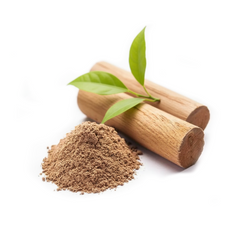
Pair with sandalwood, amber, or patchouli. These notes contain fixative molecules (santalol, labdanum derivatives) that slow the evaporation of vanilla’s top notes, deepening the base and extending longevity. Chanel Coromandel exemplifies this approach.

03

Lighten the Glow

Combine with citrus or green notes (bergamot, green tea) to brighten the composition. The high volatility of citrus molecules counterbalances the vanilla’s richness, resulting in a fresher, more transparent effect. Pacifica Island Vanilla pairs Tahitian Vanilla with lime and white florals for a breezy finish.

Wear It Right

How to Wear Tahitian Vanilla Like a Pro

Seasonal Guide

Fall & Winter

Cooler temperatures slow the evaporation of volatile compounds, allowing Tahitian Vanilla’s creamy, balsamic base to linger. Apply to pulse points and under clothing for a comforting, enveloping effect. The ingredient’s plush warmth is ideal for layering with amber or woody notes in colder months.

Spring

Mild temperatures enhance the floral and fruity facets of Tahitian Vanilla. Lighter application on wrists and neck allows the heliotropin and anisaldehyde to project, creating a fresh, uplifting aura. Pair with rose or white florals for a springtime bouquet.

Summer

Heat increases volatility, causing top notes to evaporate quickly and revealing the creamy heart sooner. Apply sparingly to avoid overwhelming sweetness. Layer with citrus or green notes for a breezy, tropical effect. High humidity can intensify the vanilla’s richness.

Year-Round Tip

Adjust application based on climate: more in winter, less in summer. For maximum longevity, apply to moisturized skin and layer with complementary body products. Tahitian Vanilla’s versatility makes it suitable for any season when paired thoughtfully.

Application Points

Strategic application enhances Tahitian Vanilla’s evolution and sillage. Pulse points and hair maximize diffusion.

1

Neck

Applying to the neck leverages body heat to accelerate the release of floral top notes, creating an immediate, radiant impression. The area’s warmth helps project the scent outward.

2

Behind the Ears

This area is slightly cooler, allowing the creamy heart of Tahitian Vanilla to develop more gradually. It also benefits from subtle movement, dispersing the scent gently.

3

Inner Wrists

Pulse points on the wrists enhance volatility, making the floral and fruity facets more prominent. Rubbing wrists is discouraged, as it can break down delicate aroma molecules.

4

Hair

Spraying on hair provides a sustained, diffusive trail. The hair’s porous structure absorbs and slowly releases the vanilla’s creamy sweetness, especially when in motion.

Pro Tip

Layer Tahitian Vanilla with unscented moisturizer or body oil to lock in aroma compounds and extend longevity. This technique is particularly effective in dry climates.

Mood Architecture™

Top Tahitian Vanilla Fragrances by Mood Score

These Tahitian Vanilla-based fragrances scored highest on the MEI™ Mood Architecture Framework — measuring how a scent may influence your emotional state.

Highest MEI Score
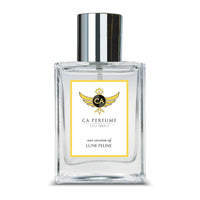
Lune Feline — Atelier Cologne Lune Feline Alternative Perfume
8.71
MEI™
Primary Romantic
Secondary Confident
Confidence
8.16
Presence
8.08
Mood Lift
9.45
Identity
8.27
Warmth
9.5
Social Ease
9.04
Energy
5.2
" I am beautiful.
View full mood profile →
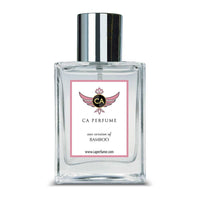
Bamboo — Gucci Bamboo Alternative Perfume
6.75
MEI™
Primary Fresh
Secondary Romantic
Confidence
6.27
Presence
6.67
Mood Lift
7.48
Identity
6.55
Warmth
7.15
Social Ease
6.92
Energy
3.4
" I am radiant.
View full mood profile →
HumanSafe™

Top Tahitian Vanilla Fragrances by HumanSafe™ Score

These Tahitian Vanilla-based fragrances have the highest product-level HumanSafe™ scores in this ingredient collection.

Highest HumanSafe™ Score
Lune Feline — Atelier Cologne Lune Feline Alternative Perfume
A-
HumanSafe™ Score Generally Safe
Safest Evaluated Ingredients EDP
AQUA Solvent / Carrier ISS 10.0
AMBERKETAL Evaluated ingredient ISS 8.0
1,6,10-DODECATRIEN-3-OL, 3,7,11-TRIMETHYL- Evaluated ingredient ISS 8.0
LINALYL ACETATE Evaluated ingredient ISS 7.0
LINALOOL Evaluated ingredient ISS 7.0
AMBREIN Evaluated ingredient ISS 7.0
View full safety profile →
Bamboo — Gucci Bamboo Alternative Perfume
A-
HumanSafe™ Score Generally Safe
Safest Evaluated Ingredients EDP
AQUA Solvent / Carrier ISS 10.0
AMBROXID Evaluated ingredient ISS 10.0
1,4-DIOXACYCLOHEPTADECANE-5,17-DIONE Evaluated ingredient ISS 10.0
LINALYL ACETATE Evaluated ingredient ISS 7.0
LINALOOL Evaluated ingredient ISS 7.0
ALCOHOL DENAT. Solvent / Carrier ISS 7.0
View full safety profile →
Expert Voices

What Masters Say About Tahitian Vanilla

"Tahitian Vanilla is much more floral, powdery, more ‘heliotrope’... It is a vanilla that is not sweet but floral and powdery and of course vanilla-scented."
Gian Luca Perris, Perfumer
Tahitian Vanilla’s signature scent comes from its balance of p-hydroxybenzaldehyde, anisaldehyde, and heliotropin — aromatic compounds that smell like cherry blossoms, almond, and violets.
CA Perfume Editorial
Common Questions

Frequently Asked Questions

Answers to common questions about Tahitian Vanilla in perfumery, from scent profile to layering and performance.

Tahitian Vanilla in perfume smells creamy, floral, and subtly fruity, with pronounced cherry blossom and almond nuances from heliotropin and anisaldehyde. Unlike Madagascar vanilla, it is less overtly sweet and more aromatic, offering a plush, nuanced warmth. Fragrances like Perris Monte Carlo Vanille de Tahiti and Chanel Coromandel showcase its unique profile.

Tahitian Vanilla is primarily used as a heart note in perfumery. Its molecular weight and volatility allow it to bridge the transition from bright top notes to deeper base notes, providing a creamy, floral core that persists for several hours. In some compositions, it also anchors the base, especially when paired with fixatives.

Niche perfumers value Tahitian Vanilla for its complexity, rarity, and ability to add floral and fruity nuances beyond the typical sweetness of standard vanilla. Its unique molecular composition (rich in heliotropin and anisaldehyde) enables the creation of sophisticated, layered fragrances that stand out in the gourmand and floral categories.

Tahitian Vanilla fragrance uses include pairing with rose, white honey, amber, sandalwood, and patchouli. These notes share molecular affinities or provide olfactory contrast, enhancing the vanilla’s creamy, floral, or woody facets. Rose and honey amplify floral sweetness, while woods and amber add depth and longevity.

Tahitian Vanilla’s lighter, more floral profile makes it suitable for summer, especially when blended with citrus or green notes. However, its creamy richness can become intense in high heat, so lighter application or pairing with fresh notes is recommended for warm climates.

Tahitian Vanilla fragrances typically last 5–8 hours in Eau de Parfum or Parfum concentrations, owing to the ingredient’s high oil content and fixative synergy with benzoin and amber. Longevity may vary based on skin chemistry and environmental factors.

Yes, Tahitian Vanilla is highly versatile for layering. It blends well with florals, woods, musks, and even citrus notes. For best results, layer with scents that share molecular similarities (such as heliotropin-rich florals) or offer complementary contrast (like green or citrus notes) to create a custom signature.

Recommended entry points include Perris Monte Carlo Vanille de Tahiti for a pure, dominant vanilla experience, Chanel Coromandel for a floral-woody interpretation, and Comptoir Sud Pacifique Vanille Iconique for a tropical, creamy blend. These fragrances highlight Tahitian Vanilla’s versatility and accessibility.

Explore CA Perfume’s HumanSafe™ verified collection to find blends that highlight Tahitian Vanilla’s floral, creamy, or gourmand facets. Sampling discovery sets or consulting scent profiles can help you select a fragrance that matches your preferences and skin chemistry.

Tahitian Vanilla is less overtly sweet than Madagascar vanilla, offering a more floral, nuanced profile. Its balanced sweetness and creamy texture make it suitable for daily wear, especially when paired with woods, florals, or green notes to prevent cloying effects.

Gourmand Floral Collection

Explore Our Top Tahitian Vanilla Fragrances

Discover CA Perfume’s HumanSafe™ verified collection of Tahitian Vanilla fragrances, each highlighting the ingredient’s creamy, floral, and gourmand facets.

Shop all tahitian vanilla fragrances at CA Perfume →

Where Tahitian Vanilla Comes From — Origin & Extraction

Tahitian Vanilla is derived from the orchid species Vanilla tahitensis, a natural hybrid of Vanilla planifolia and Vanilla odorata. Its cultivation is centered in French Polynesia, particularly on the islands of Tahiti and Taha’a, which together account for approximately 0.5–1% of global vanilla production—making it one of the rarest commercial vanilla types. Annual production volumes are estimated at 30–40 metric tons, compared to over 2,000 metric tons for Madagascar vanilla. The unique terroir of Tahiti, with volcanic soils, high humidity, and consistent temperatures, contributes to the bean’s high oil content and distinctive aromatic profile. Cultivation begins with hand-pollination, a technique introduced in the 19th century due to the absence of native pollinating bees. After pollination, pods mature on the vine for 9 months, then undergo a sun-curing process lasting 1–2 months, followed by air drying for 40 days. Unlike Bourbon vanilla, Tahitian Vanilla pods are left to ripen fully on the vine, resulting in a higher concentration of secondary aroma compounds. Extraction for perfumery is performed using volatile solvents (typically ethanol or hexane) to yield vanilla absolute, or via supercritical CO2 extraction to preserve delicate floral notes. Yields are low: 1 kg of absolute requires 100–120 kg of cured pods. Natural Tahitian Vanilla absolute commands prices of $3,000–6,000 per kg, reflecting its rarity and labor-intensive production. Synthetic alternatives, such as heliotropin (CAS 120-57-0) and anisaldehyde (CAS 123-11-5), cost $50–200 per kg. Sustainability concerns include vulnerability to climate change, disease, and theft, as well as the need for fair labor practices. Some producers are certified under Protected Designation of Origin (PDO) schemes to ensure quality and traceability.

Famous Fragrances That Define Tahitian Vanilla in Perfumery

Tahitian Vanilla has become a hallmark of modern gourmand and floral fragrances, prized for its creamy, floral, and subtly fruity profile. One of the most celebrated examples is Perris Monte Carlo Vanille de Tahiti (2020, Gian Luca Perris), where Tahitian Vanilla is the dominant note, supported by ylang-ylang, champaca, sandalwood, and amber for a lush, exotic composition. Chanel Les Exclusifs Coromandel (2007, Jacques Polge) features Tahitian Vanilla as a bridge note, enhancing the patchouli and floral heart with a soft, floral sweetness. Gucci Bamboo Limited Edition (2016) uses Tahitian Vanilla as an accent, paired with bergamot, ylang-ylang, and sandalwood to create a creamy, feminine base. Kayali Déjà Vu White Flower 57 (2020, Honorine Blanc) employs Tahitian Vanilla as a supporting note, blending it with jasmine, tuberose, and patchouli for a plush, white floral effect. Pierre Guillaume Paris Felanilla (2007, Pierre Guillaume) showcases Tahitian Vanilla as a dominant note, layered with iris, saffron, and banana leaf for a powdery, gourmand signature. Comptoir Sud Pacifique Vanille Iconique (2018) utilizes Tahitian Vanilla as a heart note, combined with coconut and musk for a tropical, creamy finish. These fragrances illustrate the versatility of Tahitian Vanilla in both dominant and supporting roles, often paired with floral, woody, or gourmand notes. CA Perfume’s collection draws inspiration from this lineage, offering HumanSafe™ verified blends that highlight Tahitian Vanilla’s multifaceted character.

Natural vs Synthetic Tahitian Vanilla in Perfumery

Natural Tahitian Vanilla absolute is rich in heliotropin (piperonal, CAS 120-57-0), anisaldehyde (CAS 123-11-5), and p-hydroxybenzaldehyde (CAS 123-08-0), which together create its signature floral, cherry, and almond facets. Synthetic vanillin (CAS 121-33-5) and ethyl vanillin (CAS 121-32-4) are commonly used to replicate vanilla’s sweetness but lack the nuanced complexity of Tahitian Vanilla’s secondary aroma compounds. Synthetic heliotropin and anisaldehyde are often blended to mimic the floral and fruity aspects of Tahitian Vanilla, but the result is typically more linear and less textured. Performance-wise, synthetic vanillin and heliotropin offer greater stability, consistency, and projection, but can smell flatter and more overtly sweet. Natural Tahitian Vanilla absolute is softer, more diffusive, and evolves dynamically on skin, but is less stable and more susceptible to oxidation. Cost is a major differentiator: natural absolute can be over 30 times more expensive than synthetics, restricting its use to high-end niche fragrances. Notable fragrances using natural Tahitian Vanilla include Perris Monte Carlo Vanille de Tahiti, while mainstream and mass-market perfumes often rely on synthetic vanillin and heliotropin for cost efficiency. From a sustainability perspective, synthetic production reduces pressure on limited natural resources and offers supply chain reliability. CA Perfume’s HumanSafe™ platform ensures full transparency, verifying the source and safety of both natural and synthetic vanilla ingredients in its fragrances.