Ingredient Guide · Citrus
Citrus Family · Perfumery Note

Sweet Orange

A vibrant, juicy top note that defines citrus freshness.

Sweet Orange is a quintessential citrus top note in perfumery, prized for its juicy, zesty character and uplifting effect. Its defining molecule, d-limonene, constitutes over 90% of its essential oil and delivers the signature sweet, tangy aroma.

Sweet Orange
Ingredient Profile

Sweet Orange

Citrus Family
Family Citrus
Note Position Heart Note
Usage Level 90–95%
Key Origins Brazil, United States, Spain
Iconic In Eau d’Orange Verte, Orange Sanguine
The Ingredient

What does Sweet Orange smell like and why is it vital in perfumery?

Sweet Orange (Citrus × sinensis) is botanically a hybrid between pomelo (Citrus maxima) and mandarin (Citrus reticulata). Its essential oil is extracted from the fruit’s peel and is dominated by d-limonene (CAS 5989-27-5), which imparts a vivid, juicy, and tangy aroma profile. What does sweet orange smell like? The scent is immediately recognizable: bright, sweet, zesty, and slightly tangy, with a subtle floral undertone and a faint hint of green bitterness from minor aldehydes and esters. The sweet orange scent profile is often described as fresher and more rounded than bitter orange, lacking the sharpness of grapefruit or the floral complexity of neroli. In perfumery, sweet orange is classified as a top note due to its high volatility and rapid evaporation rate. It is typically used at concentrations ranging from 1–5% in eau de toilette and cologne formulations, but can reach up to 10% in citrus-focused compositions. Sweet orange in perfumery acts as an immediate mood-lifter, providing an energizing opening that transitions smoothly into softer heart notes. Its interaction with skin chemistry is notable: on warmer, more acidic skin, the oil’s aldehydes can become more pronounced, while on drier or alkaline skin, the sweetness is more persistent. Fragrances that exemplify sweet orange’s role include Atelier Cologne Orange Sanguine (2011, Ralf Schwieger), which showcases a photorealistic orange juice opening, and Hermès Eau d’Orange Verte (1979, Françoise Caron), where sweet orange is paired with mint and moss for a classic cologne effect. In Chanel Chance Eau Vive (2015, Olivier Polge), sweet orange is used to brighten a floral-musk composition, demonstrating its versatility beyond pure citrus blends.

90–95%
Natural sweet orange oil is composed of 90–95% d-limonene, which is responsible for its vivid, juicy citrus aroma and rapid evaporation.
1–3 Hours
Sweet orange as a top note typically projects for 1–3 hours on skin, depending on concentration, skin type, and environmental conditions.
$10–$25/kg
Bulk price range for natural sweet orange oil, making it one of the most affordable essential oils in perfumery. Synthetic d-limonene is even less expensive.
Origin & Extraction

Where Sweet Orange Comes From — Origin & Extraction

Sweet orange’s scent character is shaped by climate, soil, and cultivation practices. Warm, sunny regions with well-drained soils yield fruit with higher limonene content and more intense aroma.

Sweet orange is the fruit of Citrus × sinensis, a member of the Rutaceae family. Its origins trace to ancient hybridization events in southern China, with historical cultivation dating back to at least 2500 BCE. The fruit was introduced to the Mediterranean via Portuguese and Italian traders in the 15th–16th centuries and rapidly became a staple crop in Spain, Italy, and later the Americas. Today, Brazil is the world’s leading producer, accounting for over 30% of global sweet orange output (estimated 17 million metric tons annually), with São Paulo state as the primary region. The United States (Florida, California), Spain (Valencia, Andalusia), and Italy (Sicily, Calabria) are also major producers. Sweet orange essential oil is extracted by cold expression (mechanical pressing) of the fresh peel at temperatures below 30°C to preserve volatile compounds. The process yields approximately 0.3–0.5% oil by weight of fresh peel. The oil is then separated from juice and pulp via centrifugation. Natural sweet orange oil is relatively inexpensive, with bulk prices ranging from $10–$25/kg depending on origin and quality. Synthetic d-limonene, produced via citrus byproduct valorization or petrochemical synthesis, is even cheaper at $3–$8/kg. Sustainability concerns focus on monoculture impacts, pesticide use, and waste management in large-scale citrus agriculture. Some producers are shifting to integrated pest management and valorizing peel waste for biogas or animal feed. Organic and Fair Trade certified orange oils are increasingly available, though they command a price premium.

BR

Brazil

São Paulo state is the global leader, producing over 12 million metric tons annually. Deep, fertile soils and a subtropical climate yield oranges with high juice and oil content, prized for their vivid, sweet aroma.

US

United States

Florida’s sandy soils and humid subtropical climate produce oranges with a balanced sweet-tart profile. The state supplies about 15% of global production, with oil extraction focused on juice industry byproducts.

ES

Spain

Valencia and Andalusia are renowned for high-quality sweet oranges. Mediterranean climate and traditional hand-harvesting yield fruit with intense sweetness and aromatic peel oils, favored in fine perfumery.

IT

Italy

Sicily and Calabria produce smaller volumes but are highly regarded for artisanal orange oils. Volcanic soils and organic farming practices result in oils with nuanced, floral-citrus complexity.

Chemistry

Natural vs Synthetic Sweet Orange in Perfumery

Natural sweet orange oil is composed of over 90% d-limonene (CAS 5989-27-5), with minor constituents such as myrcene (CAS 123-35-3), octanal, decanal, and linalool contributing to its nuanced aroma. Synthetic versions are typically nature-identical d-limonene, but perfumers may also employ aroma chemicals like methyl anthranilate (CAS 134-20-3), ethyl butyrate (CAS 105-54-4), and aldehyde C-8 (octanal) to extend, modify, or stabilize the citrus effect. Performance-wise, natural orange oil offers a more complex, evolving scent but is less stable—prone to oxidation and photodegradation, which can lead to off-notes. Synthetic d-limonene is highly consistent and stable, making it preferable for mass-market formulations. Cost differences are significant: natural orange oil averages $10–$25/kg, while synthetic d-limonene is $3–$8/kg. Iconic fragrances such as Hermès Eau d’Orange Verte and Atelier Cologne Orange Sanguine use high-quality natural oil, while many mainstream colognes rely on synthetic blends for batch-to-batch consistency. From a sustainability perspective, synthetic molecules reduce pressure on citrus agriculture but may rely on petrochemical feedstocks. The HumanSafe™ platform at CA Perfume ensures all citrus materials—natural or synthetic—are transparently sourced and IFRA-compliant, with batch testing for allergens like limonene and linalool. Other key aroma chemicals in citrus accords include citral (CAS 5392-40-5) and nootkatone (CAS 4674-50-4), which are sometimes blended to enhance longevity and complexity.

Natural
Sweet Orange Absolute
Cost $3,000–6,000/kg
Method Solvent / CO₂
Character Complex, variable
vs
Synthetic
Safranal & Analogues
Cost $50–200/kg
Method Lab synthesis
Character Consistent, stable
Hall of Fame

Famous Fragrances That Define Sweet Orange in Perfumery

1979
dominant note

Eau d’Orange Verte

Hermès
by Françoise Caron
mintmosslemonmandarin
2011
dominant note

Orange Sanguine

Atelier Cologne
by Ralf Schwieger
blood orangebitter orangejasminesandalwood
2004
accent

Cheap & Chic I Love Love

Moschino
by Olivier Cresp
grapefruitlemoncedarmusk
2015
bridge note

Chance Eau Vive

Chanel
by Olivier Polge
grapefruitjasmineirismusk
1999
dominant note

Blu Mediterraneo Arancia di Capri

Acqua di Parma
by Bertrand Duchaufour
cardamomcaramelmandarinlemon

Sweet orange has been a cornerstone of citrus fragrances since the earliest colognes. In Hermès Eau d’Orange Verte (1979, Françoise Caron), sweet orange is the dominant top note, paired with mint and moss for a brisk, green effect. Atelier Cologne Orange Sanguine (2011, Ralf Schwieger) is widely regarded as the most photorealistic orange scent, using natural sweet and blood orange oils to create a juicy, fresh-squeezed impression. Moschino Cheap & Chic I Love Love (2004, Olivier Cresp) employs sweet orange as a sparkling, playful accent alongside grapefruit and cedar, while Chanel Chance Eau Vive (2015, Olivier Polge) uses sweet orange to brighten a floral-musk heart. Acqua di Parma Blu Mediterraneo Arancia di Capri (1999, Bertrand Duchaufour) features sweet orange as the star in a Mediterranean citrus composition, layered with cardamom and caramel for a gourmand twist. More recently, Louis Vuitton Afternoon Swim (2019, Jacques Cavallier-Belletrud) showcases sweet orange in a modern aquatic context, while Demeter Sweet Orange (2000s) offers a literalist, single-note interpretation. CA Perfume’s collection draws inspiration from these benchmarks, offering both pure citrus and blended interpretations for a range of preferences.

The Accord

How is a captivating Sweet Orange accord crafted?

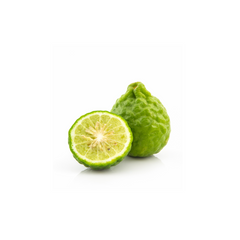
A balanced sweet orange accord blends 30–35% sweet orange oil for juicy brightness, 20–25% bergamot for floral-green lift, 20–25% jasmine absolute for a creamy floral bridge, and 20–25% vanilla for a soft, gourmand finish. Bergamot’s linalyl acetate and limonene amplify citrus facets, jasmine’s indole and benzyl acetate add depth, and vanilla’s vanillin smooths sharpness, creating a rounded, multi-dimensional citrus accord.

35%

Sweet Orange

30–35% of blend

Provides the juicy, zesty core of the accord, dominated by d-limonene, which imparts a vivid, sweet citrus aroma and immediate freshness.

25%

Bergamot

20–25% of blend

Adds floral-green complexity through linalyl acetate and limonene, enhancing the citrus brightness and extending the top note’s longevity.

25%

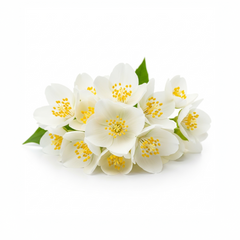
Jasmine

20–25% of blend

Introduces creamy, indolic floral facets via benzyl acetate and indole, bridging citrus and heart notes for a smooth transition.

25%

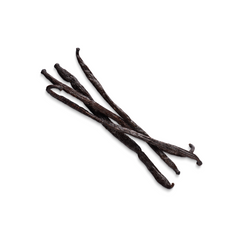
Vanilla

20–25% of blend

Vanillin softens citrus sharpness through olfactory masking, rounding the accord and imparting a subtle gourmand warmth.

The Olfactory Layers

How Sweet Orange Evolves on Skin

Sweet orange’s olfactory evolution is rapid and dynamic. The top note, dominated by volatile d-limonene, evaporates within 10–20 minutes, giving way to softer floral and gourmand heart and base notes as the citrus brightness fades.

I
Top notes
0–15 min
Zesty Citrus Burst

A vivid burst of juicy, sweet citrus—d-limonene and minor aldehydes create an immediate, uplifting effect. The impression is fresh, tangy, and slightly floral, with fleeting green undertones from octanal and decanal. Volatility is high, so the impact is strongest in the first 10 minutes.

JuicyZestyBright
II
Heart notes
20–60 min
Floral Creaminess

As top volatiles dissipate, the heart reveals subtle floral and creamy facets. Jasmine’s benzyl acetate and indole, if present, blend with residual orange sweetness, while vanillin or musk may emerge. The citrus character softens, becoming more rounded and less sharp.

FloralCreamySoft
III
Base notes
Several hours
Warm Gourmand Trail

Sweet orange rarely persists into the base, but traces may linger as a faint, sweet warmth. Fixatives like vanilla or amber extend the impression, with vanillin and coumarin molecules providing a gentle, gourmand undertone.

WarmGourmandSubtle
TOP NOTES Zesty Citrus Burst 0–15 minutes HEART NOTES Floral Creaminess 20–60 minutes BASE NOTES Warm Gourmand Trail Several hours
Through the Ages

The Story of Sweet Orange in Perfumery

Sweet orange’s journey in perfumery spans from ancient Chinese cultivation to its central role in modern citrus colognes and niche compositions.

2500 BCE

Early Cultivation in China

Sweet orange (Citrus × sinensis) is first cultivated in southern China, with documented use in traditional medicine and ceremonial offerings.

15th–16th Century

Introduction to the Mediterranean

Portuguese and Italian traders bring sweet orange trees to Spain and Italy, where they quickly replace bitter orange in gardens and orangeries.

18th Century

Citrus in Classic Colognes

French and German perfumers incorporate sweet orange oil into early Eau de Cologne formulas, establishing the citrus top note tradition.

1979

Hermès Eau d’Orange Verte Launch

Françoise Caron creates Eau d’Orange Verte, a benchmark citrus fragrance with sweet orange as the dominant note, influencing generations of perfumers.

2011

Atelier Cologne Orange Sanguine Debuts

Ralf Schwieger’s Orange Sanguine sets a new standard for photorealistic orange scent, using high concentrations of natural sweet and blood orange oils.

2020s

Sustainability and Synthetic Innovation

Perfumers increasingly blend natural and synthetic citrus materials for improved stability, transparency, and environmental responsibility.

The Art of Layering

How to Layer Sweet Orange

Understanding how to layer sweet orange is key to maximizing its impact. Molecular compatibility—such as shared esters or aldehydes—enables seamless blending with florals, gourmands, and woods.

01

Enhance Sweetness

Layer sweet orange with vanilla or tonka bean to create an orange creamsicle effect. Vanillin and coumarin molecules mask citrus sharpness, producing a smooth, dessert-like accord. This technique is demonstrated in Moschino Cheap & Chic I Love Love and Demeter Orange Cream Pop.

02

Add Depth

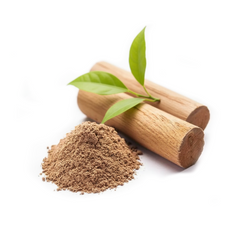
Pair sweet orange with woody notes like sandalwood or cedar. The sesquiterpenes in woods anchor the volatile citrus, extending its presence and adding complexity. Hermès Eau d’Orange Verte uses this approach with moss and woods for a classic cologne structure.

03

Brighten Florals

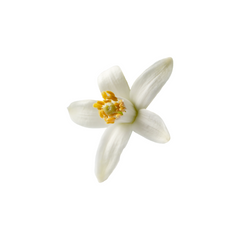
Combine sweet orange with jasmine or neroli for a radiant, uplifting floral-citrus blend. Shared benzyl acetate and linalool molecules create a seamless transition from citrus top to floral heart, as seen in Chanel Chance Eau Vive.

Wear It Right

How to Wear Sweet Orange Like a Pro

Seasonal Guide

Fall & Winter

In cooler weather, sweet orange’s volatility is suppressed, resulting in a softer, more subdued projection. Layer with vanilla, amber, or spices to create a cozy, gourmand effect. Apply to pulse points under clothing to preserve warmth and extend longevity.

Spring

Spring’s moderate temperatures allow sweet orange to shine—projection is balanced, and the note remains vibrant for longer. Pair with florals like jasmine or neroli for a fresh, uplifting daytime scent. Apply to wrists and neck for a cheerful, energetic aura.

Summer

Heat accelerates evaporation, making sweet orange intensely bright but short-lived. Reapply as needed, or layer with woody or musky bases to anchor the citrus. Use sparingly to avoid olfactory fatigue, and consider application to hair or clothing for extended freshness.

Year-Round Tip

Sweet orange’s versatility makes it suitable year-round. Adjust application based on climate—use lighter concentrations and more frequent reapplication in heat, and layer with fixatives or heavier notes in cold. Always apply to moisturized skin for best performance.

Application Points

Strategic application enhances sweet orange’s brightness and longevity. Target pulse points and layering techniques for optimal effect.

1

Neck

The neck’s warmth accelerates evaporation, maximizing the initial citrus burst. Ideal for immediate freshness but may require reapplication for sustained effect.

2

Behind the Ears

This area is slightly cooler, slowing evaporation and allowing the sweet orange note to linger longer. It also benefits from subtle diffusion as you move.

3

Inner Wrists

Pulse points on the wrists enhance projection, but frequent hand washing may reduce longevity. Layer with a moisturizer to boost retention.

4

Hair

Spraying on hair or a hairbrush provides a gentle, sustained release of sweet orange, as the oil binds to hair fibers and evaporates slowly.

★

Pro Tip

For maximum impact, apply sweet orange over an unscented lotion or oil base. This traps volatile molecules, slows evaporation, and amplifies projection.

Mood Architecture™

Top Sweet Orange Fragrances by Mood Score

These Sweet Orange-based fragrances scored highest on the MEI™ Mood Architecture Framework — measuring how a scent may influence your emotional state.

Highest MEI Score
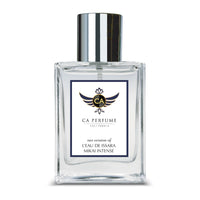
L'eau De Issara Mikai Intense — L'eau D'issey Intense Alternative Cologne
6.9
MEI™
Primary Confident
Secondary Magnetic
Confidence
7.53
Presence
7.33
Mood Lift
6.7
Identity
7.3
Warmth
7.7
Social Ease
5.8
Energy
3.7
" I am confident.
View full mood profile →
HumanSafe™

Top Sweet Orange Fragrances by HumanSafe™ Score

These Sweet Orange-based fragrances have the highest product-level HumanSafe™ scores in this ingredient collection.

Highest HumanSafe™ Score
L'eau De Issara Mikai Intense — L'eau D'issey Intense Alternative Cologne
A-
HumanSafe™ Score Generally Safe
Safest Evaluated Ingredients EDP
AQUA Solvent / Carrier ISS 10.0
1,4-DIOXACYCLOHEPTADECANE-5,17-DIONE Evaluated ingredient ISS 10.0
1H-3A,7-METHANOAZULENE, OCTAHYDRO-6-METHOXY- Evaluated ingredient ISS 9.0
2H-1-BENZOPYRAN-2-ONE Evaluated ingredient ISS 8.0
LINALYL ACETATE Evaluated ingredient ISS 7.0
LINALOOL Evaluated ingredient ISS 7.0
View full safety profile →
Expert Voices

What Masters Say About Sweet Orange

“
Sweet orange oil is mainly composed of d-limonene, a compound that gives all citrus fruits their recognizable fresh and sweet aroma.
Fragrantica Editorial
“
In perfumery, sweet orange provides a vivid, juicy, and tangy top note that is both uplifting and versatile, seamlessly bridging citrus, floral, and gourmand accords.
CA Perfume Editorial
Common Questions

Frequently Asked Questions

Answers to common questions about sweet orange in perfumery.

Sweet orange in perfume smells juicy, zesty, and bright—dominated by d-limonene, which imparts a sweet, tangy citrus aroma with subtle floral and green undertones. The scent is immediately uplifting and photorealistic, reminiscent of freshly peeled oranges. It is most prominent in the opening of a fragrance and fades within 1–3 hours, often leaving a soft, sweet warmth. Notable examples include Atelier Cologne Orange Sanguine and Hermès Eau d’Orange Verte.

Sweet orange is classified as a top note in perfumery due to its high volatility and rapid evaporation. It provides an immediate burst of citrus brightness that defines the opening of many fragrances but rarely persists into the heart or base. Its primary molecule, d-limonene, evaporates quickly, making sweet orange ideal for fresh, energizing compositions.

Niche perfumers value sweet orange for its natural, photorealistic aroma and its ability to uplift and brighten complex compositions. Its versatility allows it to bridge citrus, floral, and gourmand accords, and its affordability makes it accessible for high-concentration use. Sweet orange also resonates with consumers’ desire for joyful, optimistic scents, especially in modern colognes and summer fragrances.

Sweet orange fragrance uses often involve pairing with bergamot, lemon, jasmine, neroli, vanilla, and sandalwood. These notes share molecular affinities—such as linalool, benzyl acetate, or vanillin—that enable seamless blending. For a gourmand effect, pair with vanilla or tonka bean; for a fresh floral, combine with jasmine or neroli; for depth, add sandalwood or amber.

Yes, sweet orange is particularly well-suited for summer and hot weather due to its refreshing, bright, and uplifting character. Its high volatility means it projects strongly in heat but may require more frequent reapplication. Layering with fixatives or woody notes can help extend its longevity in warm climates.

Sweet orange as a top note typically lasts 1–3 hours on skin, depending on concentration, skin chemistry, and environmental conditions. In cologne or EDT formats, the citrus burst is most intense in the first 30 minutes, fading to a soft, sweet warmth. Layering with fixatives or applying to moisturized skin can extend its presence.

Yes, sweet orange is highly layerable due to its molecular compatibility with florals, gourmands, and woods. For an orange creamsicle effect, layer with vanilla; for a radiant floral, pair with jasmine or neroli; for depth, add sandalwood or amber. Always test combinations on skin to ensure harmonious blending.

Beginner-friendly sweet orange perfumes include Atelier Cologne Orange Sanguine, Hermès Eau d’Orange Verte, Demeter Sweet Orange, and Moschino Cheap & Chic I Love Love. These fragrances showcase sweet orange’s juicy, zesty character in accessible, versatile compositions suitable for everyday wear.

Consider your preferred style—pure citrus, floral-citrus, or gourmand. If you enjoy bright, photorealistic citrus, opt for single-note or cologne-style blends. For a more complex scent, choose compositions that pair sweet orange with florals, vanilla, or woods. CA Perfume’s collection offers a range of options, all HumanSafe™ verified for quality and transparency.

Sweet orange in fragrance is primarily sweet and juicy, with a tangy, zesty edge. It lacks the bitterness of grapefruit or the sharpness of lemon, offering a rounded, photorealistic orange aroma. The balance of sweetness and tartness can be adjusted by blending with other citrus or floral notes.

Citrus Collection

Explore Our Top Sweet Orange Fragrances

Discover CA Perfume’s most popular sweet orange scents, from pure citrus colognes to complex floral and gourmand blends. Each fragrance is HumanSafe™ verified for quality and transparency.

Shop all sweet orange fragrances at CA Perfume →

Where Sweet Orange Comes From — Origin & Extraction

Sweet orange is the fruit of Citrus × sinensis, a member of the Rutaceae family. Its origins trace to ancient hybridization events in southern China, with historical cultivation dating back to at least 2500 BCE. The fruit was introduced to the Mediterranean via Portuguese and Italian traders in the 15th–16th centuries and rapidly became a staple crop in Spain, Italy, and later the Americas. Today, Brazil is the world’s leading producer, accounting for over 30% of global sweet orange output (estimated 17 million metric tons annually), with São Paulo state as the primary region. The United States (Florida, California), Spain (Valencia, Andalusia), and Italy (Sicily, Calabria) are also major producers. Sweet orange essential oil is extracted by cold expression (mechanical pressing) of the fresh peel at temperatures below 30°C to preserve volatile compounds. The process yields approximately 0.3–0.5% oil by weight of fresh peel. The oil is then separated from juice and pulp via centrifugation. Natural sweet orange oil is relatively inexpensive, with bulk prices ranging from $10–$25/kg depending on origin and quality. Synthetic d-limonene, produced via citrus byproduct valorization or petrochemical synthesis, is even cheaper at $3–$8/kg. Sustainability concerns focus on monoculture impacts, pesticide use, and waste management in large-scale citrus agriculture. Some producers are shifting to integrated pest management and valorizing peel waste for biogas or animal feed. Organic and Fair Trade certified orange oils are increasingly available, though they command a price premium.

Famous Fragrances That Define Sweet Orange in Perfumery

Sweet orange has been a cornerstone of citrus fragrances since the earliest colognes. In Hermès Eau d’Orange Verte (1979, Françoise Caron), sweet orange is the dominant top note, paired with mint and moss for a brisk, green effect. Atelier Cologne Orange Sanguine (2011, Ralf Schwieger) is widely regarded as the most photorealistic orange scent, using natural sweet and blood orange oils to create a juicy, fresh-squeezed impression. Moschino Cheap & Chic I Love Love (2004, Olivier Cresp) employs sweet orange as a sparkling, playful accent alongside grapefruit and cedar, while Chanel Chance Eau Vive (2015, Olivier Polge) uses sweet orange to brighten a floral-musk heart. Acqua di Parma Blu Mediterraneo Arancia di Capri (1999, Bertrand Duchaufour) features sweet orange as the star in a Mediterranean citrus composition, layered with cardamom and caramel for a gourmand twist. More recently, Louis Vuitton Afternoon Swim (2019, Jacques Cavallier-Belletrud) showcases sweet orange in a modern aquatic context, while Demeter Sweet Orange (2000s) offers a literalist, single-note interpretation. CA Perfume’s collection draws inspiration from these benchmarks, offering both pure citrus and blended interpretations for a range of preferences.

Natural vs Synthetic Sweet Orange in Perfumery

Natural sweet orange oil is composed of over 90% d-limonene (CAS 5989-27-5), with minor constituents such as myrcene (CAS 123-35-3), octanal, decanal, and linalool contributing to its nuanced aroma. Synthetic versions are typically nature-identical d-limonene, but perfumers may also employ aroma chemicals like methyl anthranilate (CAS 134-20-3), ethyl butyrate (CAS 105-54-4), and aldehyde C-8 (octanal) to extend, modify, or stabilize the citrus effect. Performance-wise, natural orange oil offers a more complex, evolving scent but is less stable—prone to oxidation and photodegradation, which can lead to off-notes. Synthetic d-limonene is highly consistent and stable, making it preferable for mass-market formulations. Cost differences are significant: natural orange oil averages $10–$25/kg, while synthetic d-limonene is $3–$8/kg. Iconic fragrances such as Hermès Eau d’Orange Verte and Atelier Cologne Orange Sanguine use high-quality natural oil, while many mainstream colognes rely on synthetic blends for batch-to-batch consistency. From a sustainability perspective, synthetic molecules reduce pressure on citrus agriculture but may rely on petrochemical feedstocks. The HumanSafe™ platform at CA Perfume ensures all citrus materials—natural or synthetic—are transparently sourced and IFRA-compliant, with batch testing for allergens like limonene and linalool. Other key aroma chemicals in citrus accords include citral (CAS 5392-40-5) and nootkatone (CAS 4674-50-4), which are sometimes blended to enhance longevity and complexity.